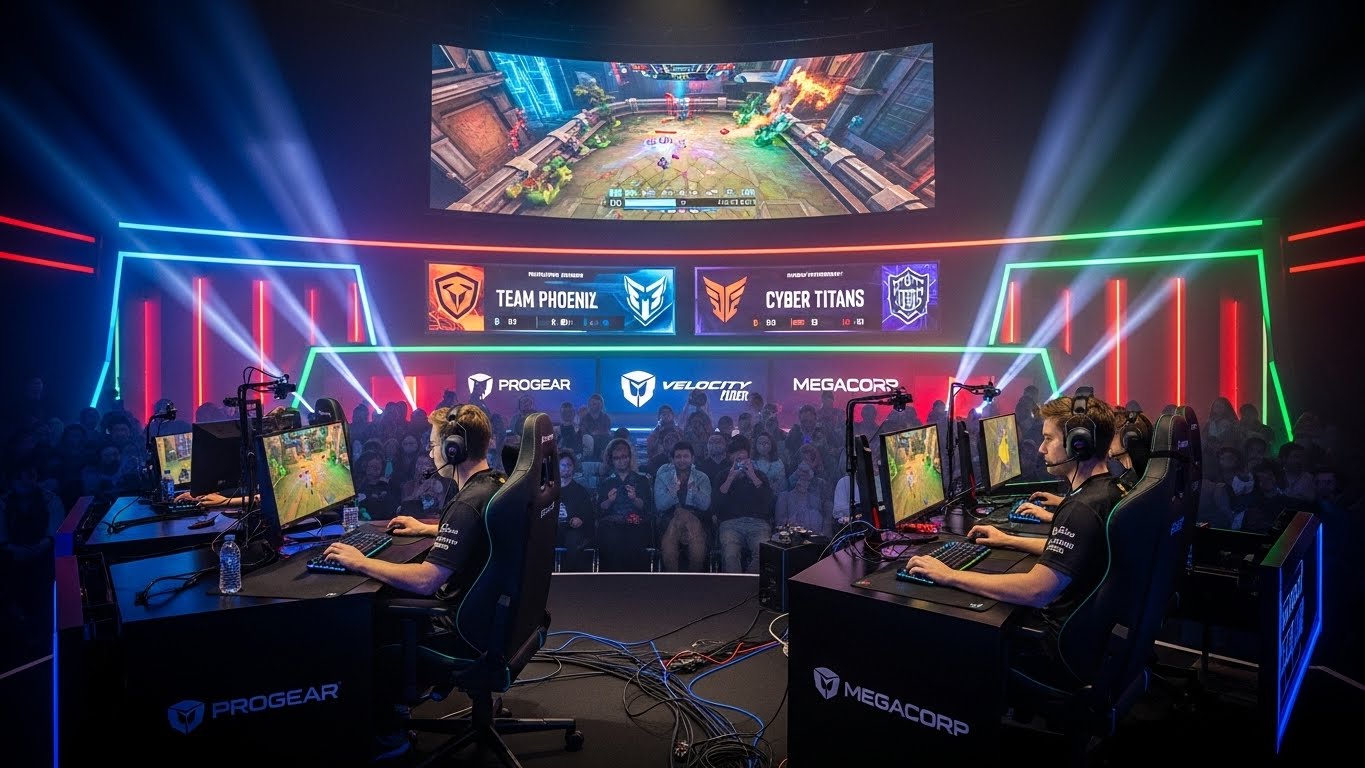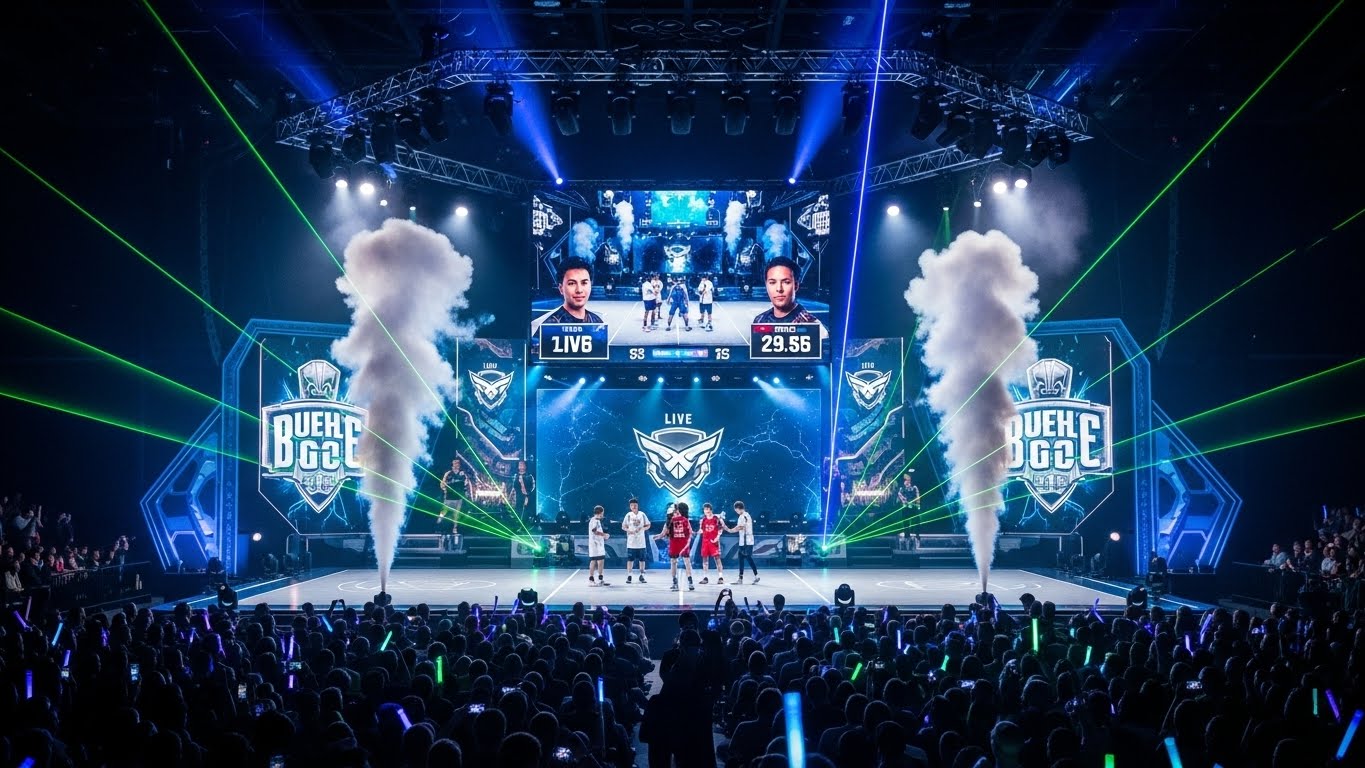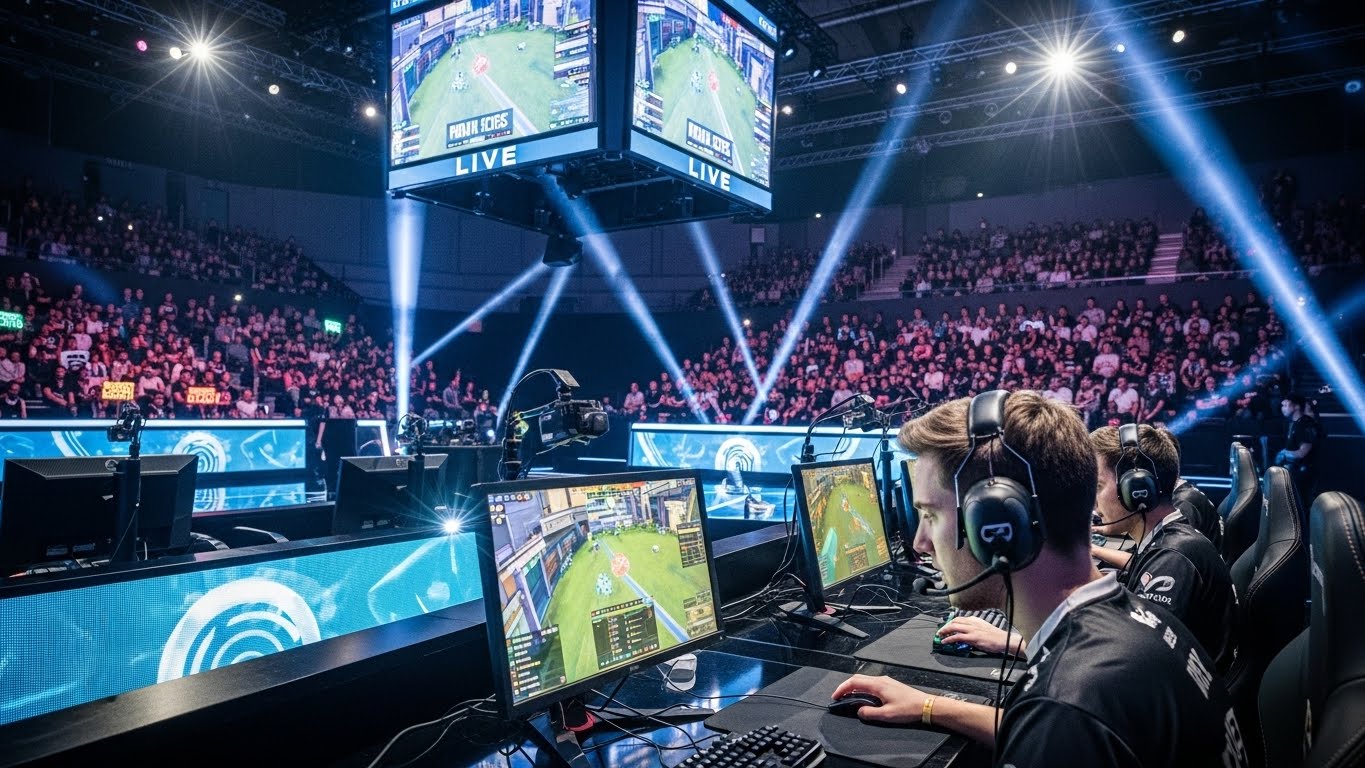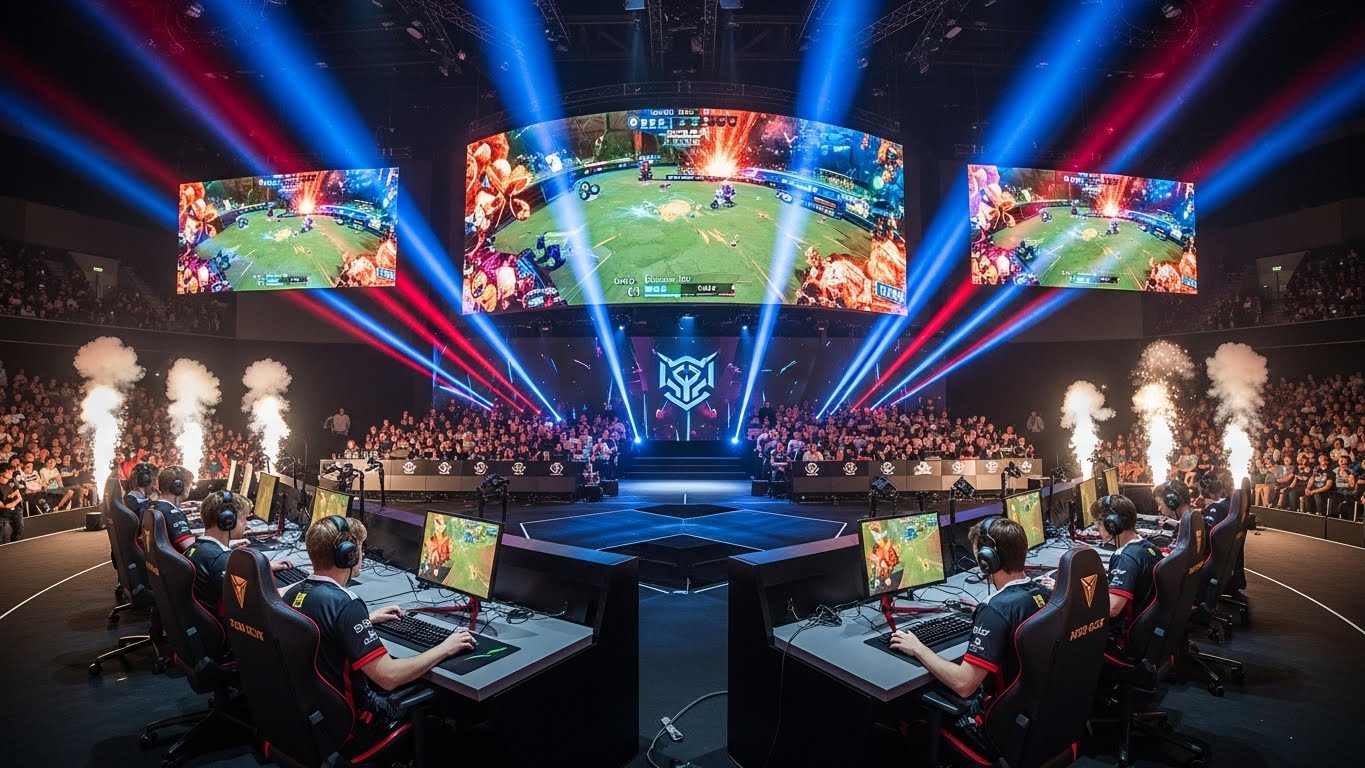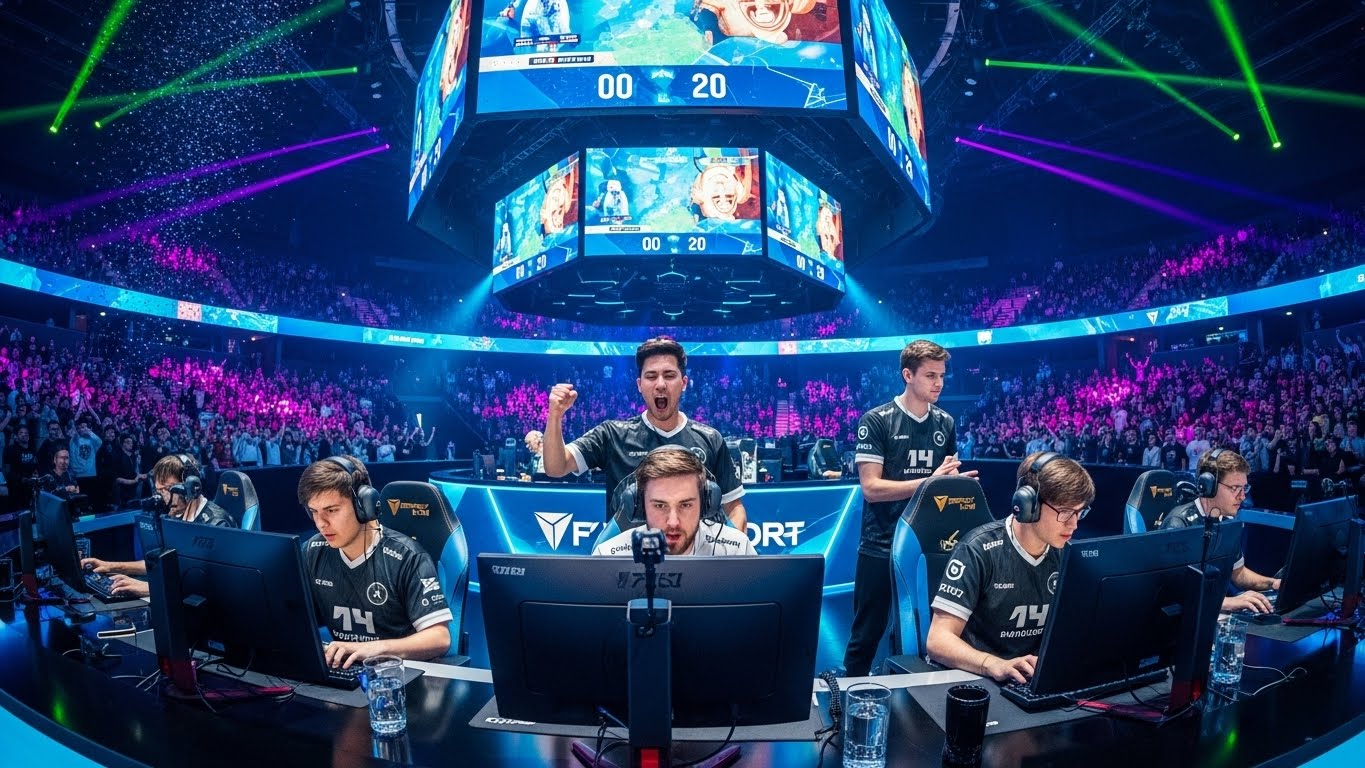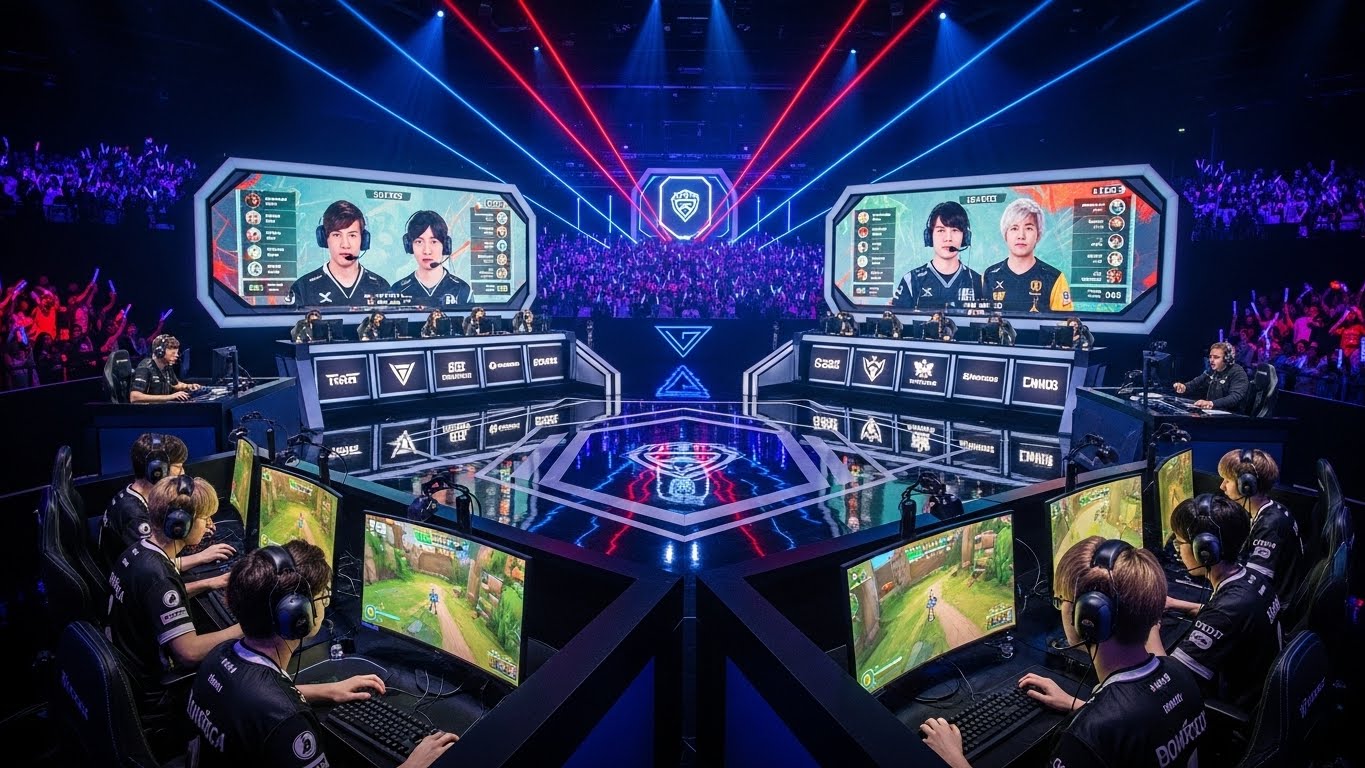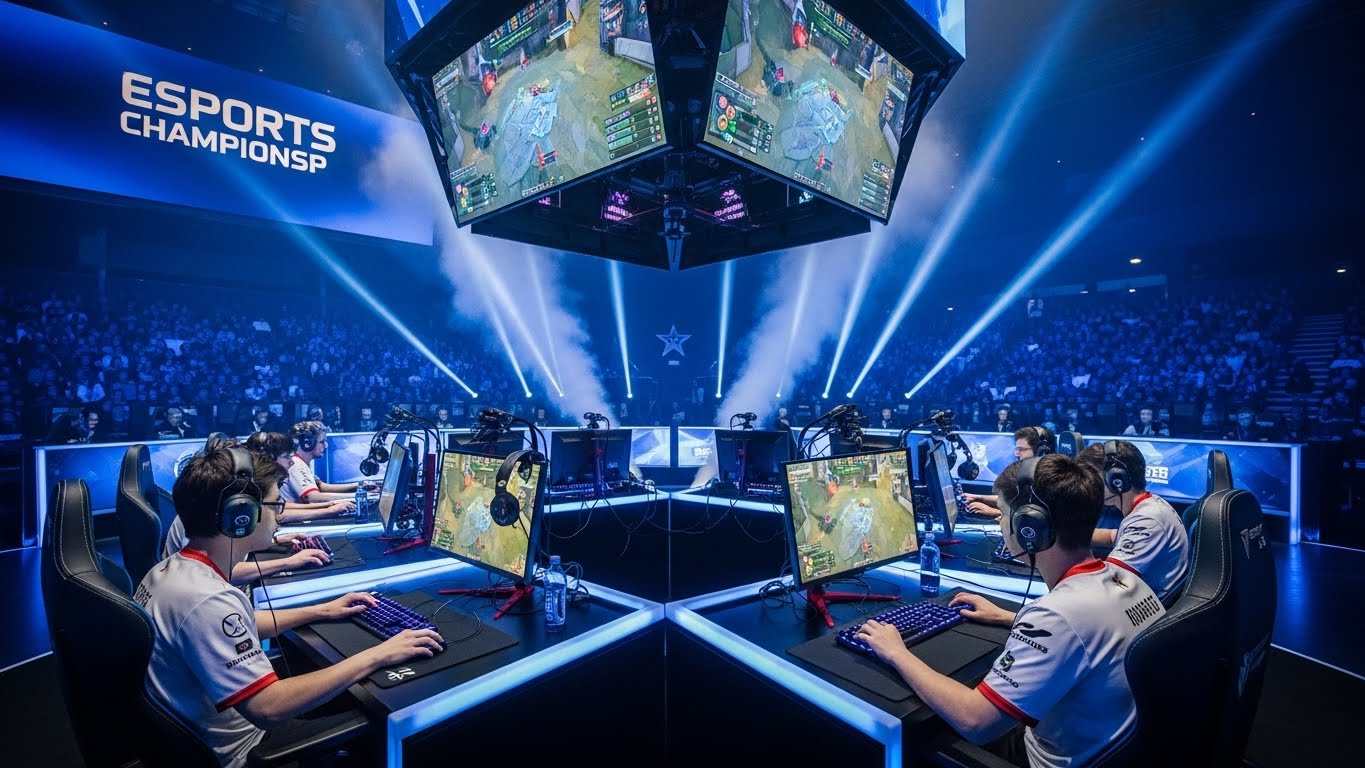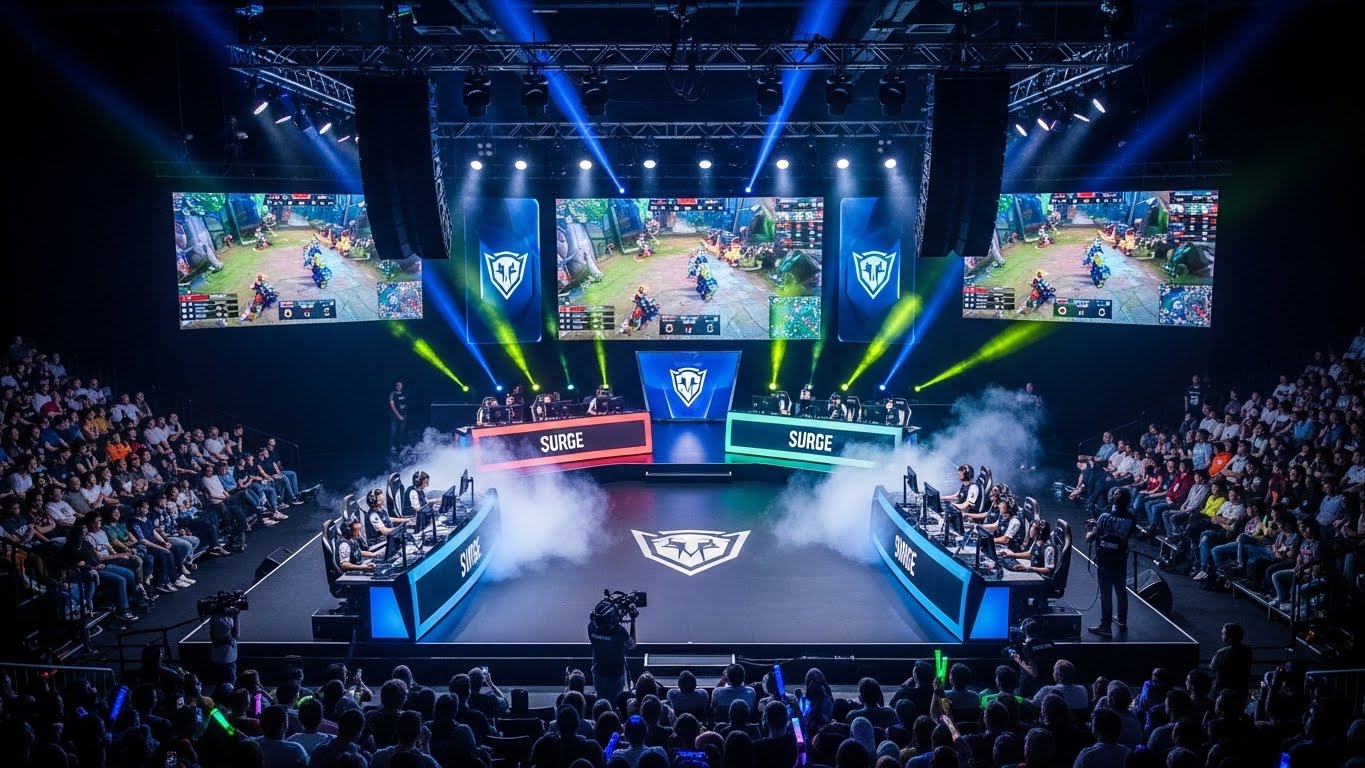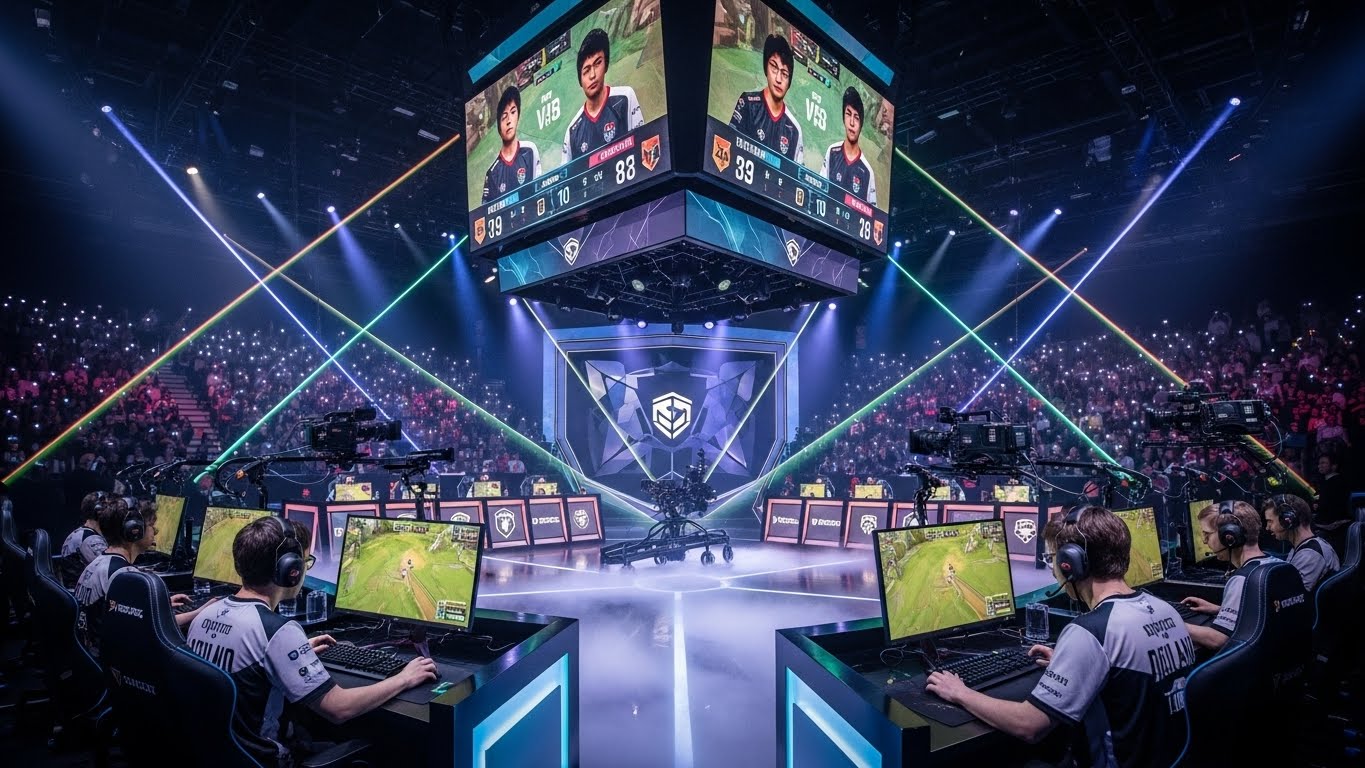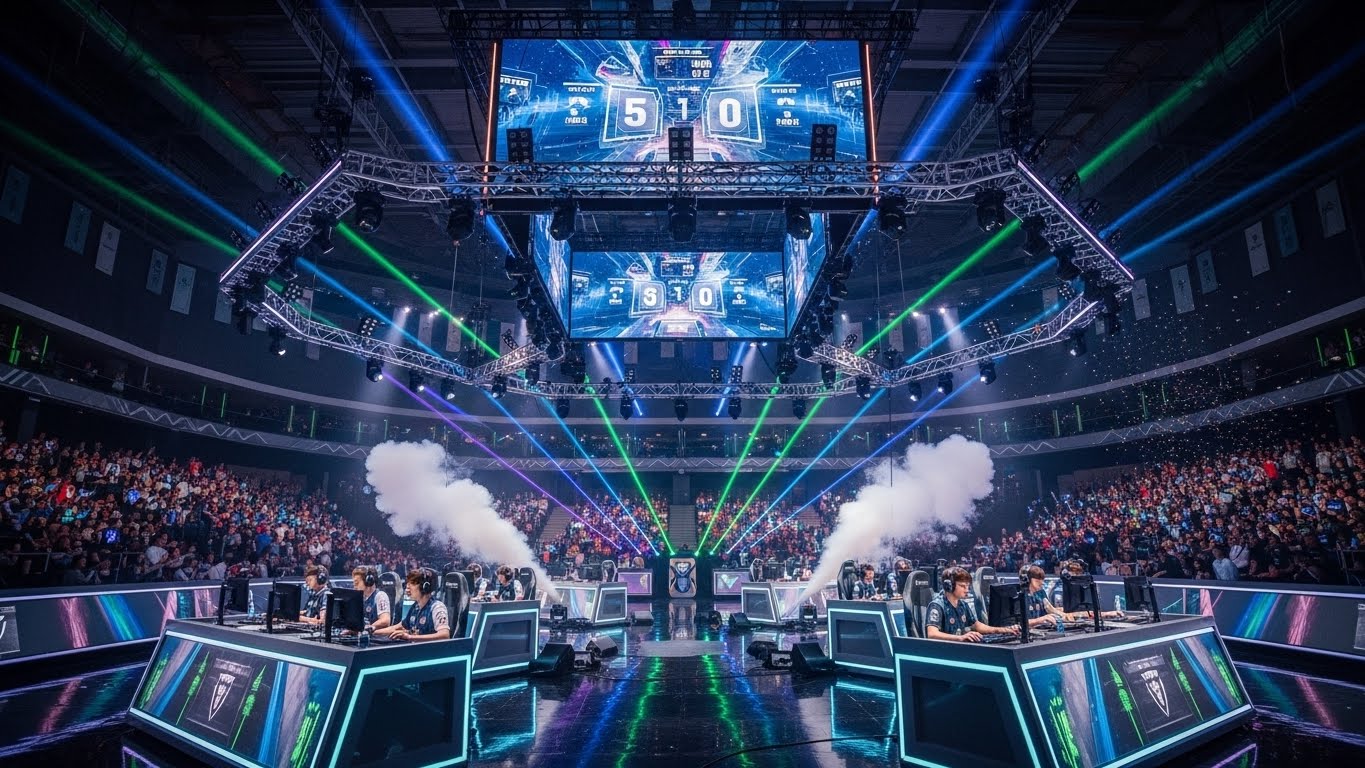


Esports has emerged as a global phenomenon in recent years, redefining the world of competitive sports and creating an entirely new digital entertainment industry. The fusion of gaming, technology, and entertainment has transformed what was once a niche hobby into a multi-billion-dollar global business. With major tournaments, dedicated fanbases, professional teams, and sponsorships from some of the biggest names in business, esports has quickly risen to become one of the most exciting and profitable sectors in the entertainment industry.
In this blog post, we will explore the journey of esports, its growth, its impact on both the gaming and sports industries, and why it has captivated millions of fans worldwide. By understanding how esports has developed and its future potential, we can better appreciate the significance of this digital revolution in the world of competitive gaming.
What Exactly is Esports?
At its core, esports is competitive gaming at the highest level. It involves professional players or teams competing against each other in video games, often in tournaments or leagues. These competitions are broadcasted for viewers, much like traditional sports. Esports encompasses a wide range of video games, from fast-paced shooters like Counter-Strike: Global Offensive to strategic MOBAs (Multiplayer Online Battle Arenas) like League of Legends and Dota 2.
Esports events can attract millions of viewers, both online through streaming platforms like Twitch, YouTube, and Facebook, and in live arenas where fans cheer for their favorite teams. The allure of esports lies in its accessibility, the skill required to excel, and the excitement of watching elite players perform at their best.
A Brief History of Esports
Esports, as we know it today, has its roots in the early days of competitive gaming, though the term “esports” only started gaining traction in the late 2000s. One of the earliest recorded esports tournaments was the Space Invaders Championship, held in 1980. However, it was the 1990s that marked the true beginning of esports as we know it today, with the release of online multiplayer games and the first official competitions.
In 1997, the Red Annihilation tournament for Quake attracted 2,000 participants and a massive audience, laying the groundwork for future tournaments. The early 2000s saw the rise of competitive StarCraft in South Korea, where the game became a national pastime. The country even established televised leagues, which paved the way for the modern esports industry.
It was the introduction of online streaming platforms in the 2010s that propelled esports to its current global scale. Websites like Twitch, which was launched in 2011, allowed fans to watch live tournaments from the comfort of their homes, broadening the esports audience far beyond its traditional player base. This revolutionized the accessibility of esports and established it as a staple in digital entertainment.
The Growth of Esports: Numbers Don’t Lie
Esports has experienced an explosive rise in popularity over the past decade. According to a report by Newzoo, the global esports market was valued at over $1.1 billion in 2020, with projections for it to grow significantly in the coming years. In 2023, the market is expected to surpass $1.8 billion, and the number of esports enthusiasts is predicted to grow to over 500 million globally.
The explosive growth of esports can be attributed to several key factors:
- Mainstream Acceptance: Esports is no longer a fringe activity. Major media outlets now regularly cover esports events, and traditional sports organizations have invested in esports leagues and teams. High-profile athletes, including former NBA star Rick Fox and footballer David Beckham, have invested in or launched their own esports teams.
- Sponsorships and Brand Deals: Global companies like Coca-Cola, Intel, and Nike are now sponsoring esports teams and tournaments. The influx of corporate sponsorships has given esports the financial backing to continue its growth.
- Professionalization: As esports has grown, so too has its professionalization. Teams are now structured like traditional sports franchises, with coaching staffs, analysts, and support staff. Esports athletes are treated as professionals, with salaries, training regimens, and endorsement deals.
- Streaming Platforms: Platforms like Twitch, YouTube, and Facebook Gaming have made it easier for fans to watch their favorite players and teams in real-time. This has created a culture of viewing esports events in much the same way as traditional sports.
The Popular Games of Esports
Esports covers a wide range of game genres, and each game has its own unique competitive scene. Here are some of the most popular esports games that have captured the hearts of players and fans alike:
1. League of Legends (LoL)
League of Legends is arguably the most popular and successful esports game in the world. Developed by Riot Games, LoL has grown from a humble free-to-play title into a massive global esports ecosystem. The League of Legends World Championship, held annually, attracts millions of viewers and offers multi-million-dollar prize pools. Its success has also spawned regional leagues, such as the League of Legends Championship Series (LCS) in North America and the LCK in Korea.
2. Dota 2
Dota 2, developed by Valve, is another major esports title. Known for its complexity and strategic depth, Dota 2 has a dedicated fan base and one of the largest prize pools in esports. The International tournament, held every year, consistently offers the largest prize pool in competitive gaming, often exceeding $40 million.
3. Counter-Strike: Global Offensive (CS:GO)
Counter-Strike: Global Offensive is a first-person shooter that has dominated esports for over a decade. Developed by Valve, CS:GO has been a mainstay in the esports scene with major tournaments like ESL Pro League and Blast Premier. Its tactical gameplay, teamwork, and skill-based mechanics make it a favorite among competitive players and viewers.
4. Fortnite
Epic Games’ Fortnite revolutionized the battle royale genre and quickly became an esports phenomenon. Known for its massive prize pools and crossover events with celebrities and pop culture, Fortnite has attracted millions of players and viewers to its tournaments.
5. Overwatch
Overwatch, developed by Blizzard, blends first-person shooting with team-based objectives, creating a highly strategic and visually engaging experience. With a focus on team coordination, Overwatch has fostered a vibrant esports community, culminating in the creation of the Overwatch League (OWL), a professional esports league with teams from cities around the world.
6. Call of Duty
The Call of Duty franchise has been a staple of competitive gaming for many years. With titles like Call of Duty: Warzone gaining immense popularity, the Call of Duty League now serves as the competitive platform for the series. The fast-paced action and highly tactical gameplay have made Call of Duty one of the most-watched esports games globally.
The Impact of Esports on Traditional Sports
One of the most significant developments in the esports industry is the growing relationship between esports and traditional sports. Many sports organizations are now recognizing the potential of esports, not only as a source of entertainment but also as a way to attract younger audiences.
- Esports as a Gateway to Traditional Sports: Traditional sports teams and leagues are investing heavily in esports to stay relevant with younger fans who are more likely to engage with digital content than with physical sports. The NBA, for instance, has launched the NBA 2K League, which allows players to compete in the popular basketball simulation game.
- Esports as a Parallel Industry: Esports has also developed its own infrastructure, resembling that of traditional sports. With professional leagues, coaching, sponsorships, and media rights, esports is starting to mirror the structure of traditional sports in many ways.
- Coexistence of Physical and Digital: There is also a growing recognition that esports and traditional sports can coexist. The rise of sports video games like FIFA, NBA 2K, and Madden NFL allows fans to engage with both the physical and digital realms of sports. Esports can bring a different layer of entertainment to fans who may already follow traditional sports.
The Future of Esports: What’s Next?
As esports continues to grow, the future of the industry looks promising. Several trends are likely to shape the future of competitive gaming:
- Esports in Education: Colleges and universities are increasingly offering esports programs, with some schools even providing scholarships for professional gamers. This trend is likely to continue, helping to cultivate the next generation of esports professionals.
- Increased Investment: Major investors and companies are pouring money into the esports ecosystem, recognizing its potential as a lucrative market. As a result, we can expect further innovations in the industry, including better infrastructure, more opportunities for players, and even higher prize pools.
- The Integration of Virtual and Augmented Reality: The advent of VR and AR technologies could open up entirely new ways for players to compete and for fans to engage with esports. This could take esports experiences to an entirely new level of immersion.
- Global Expansion: As the internet infrastructure in developing countries continues to improve, esports is expected to reach new audiences in regions such as Africa, the Middle East, and Southeast Asia, further expanding the global fan base.
Conclusion
Esports has come a long way from its humble beginnings as a niche hobby. Today, it stands as a global powerhouse with millions of fans, professional players, and big-money sponsorships. It has successfully bridged the gap between gaming and traditional sports, offering a new form of entertainment that appeals to people of all ages.
The future of esports looks bright, with continued growth, technological advancements, and an ever-expanding global audience. Whether