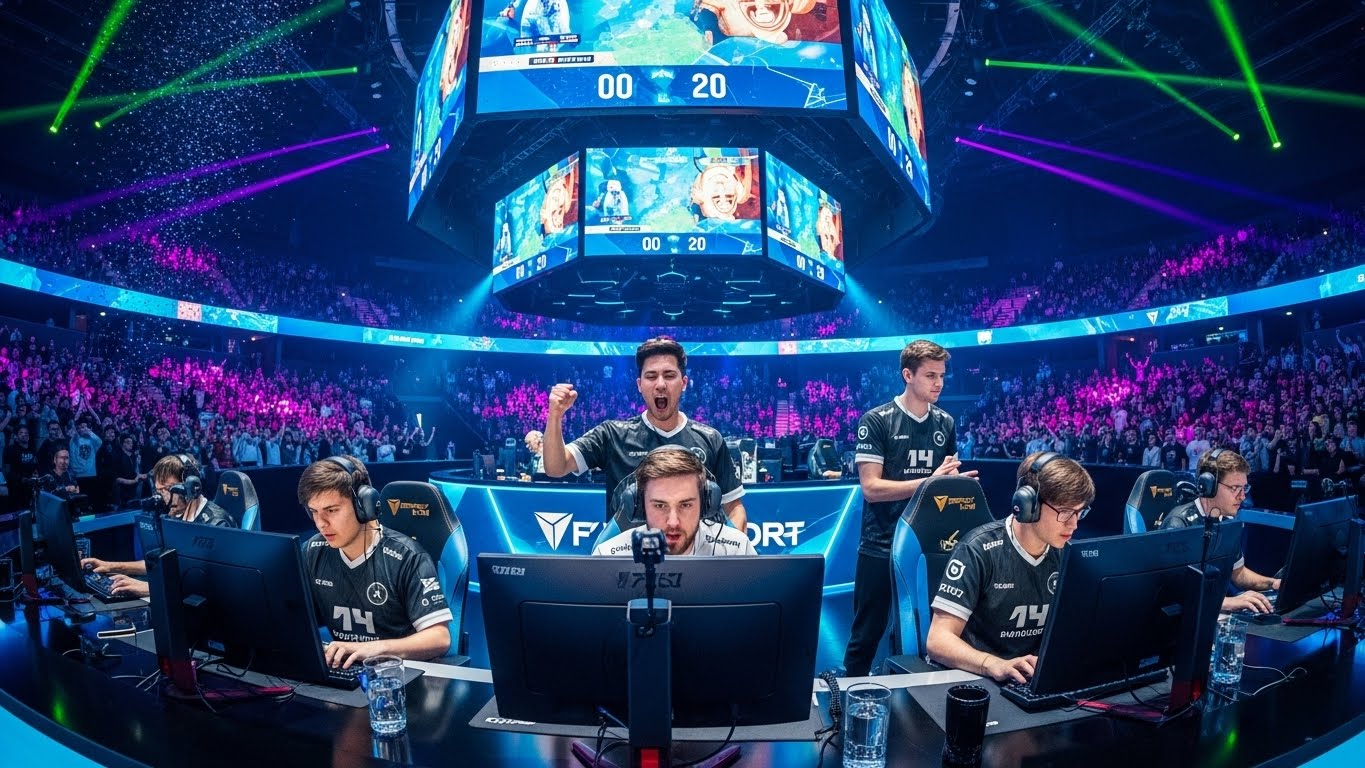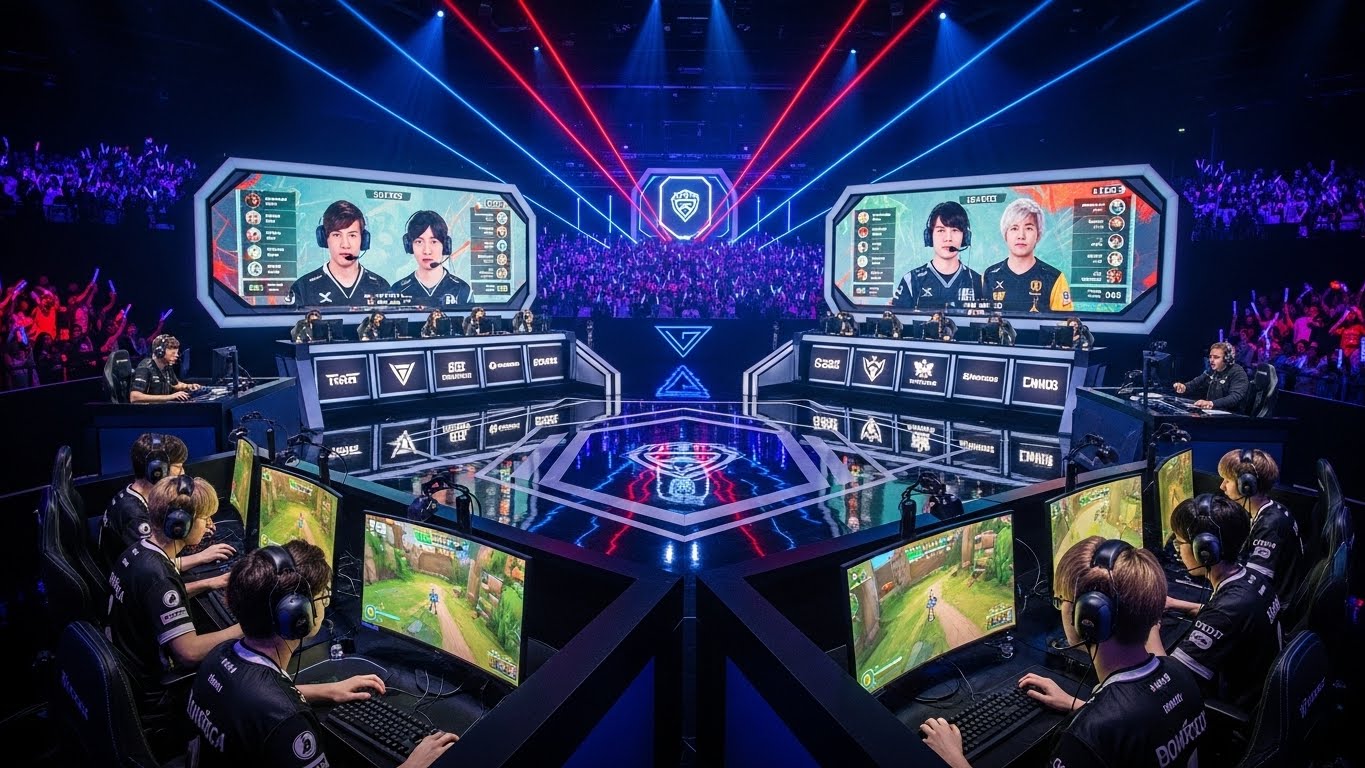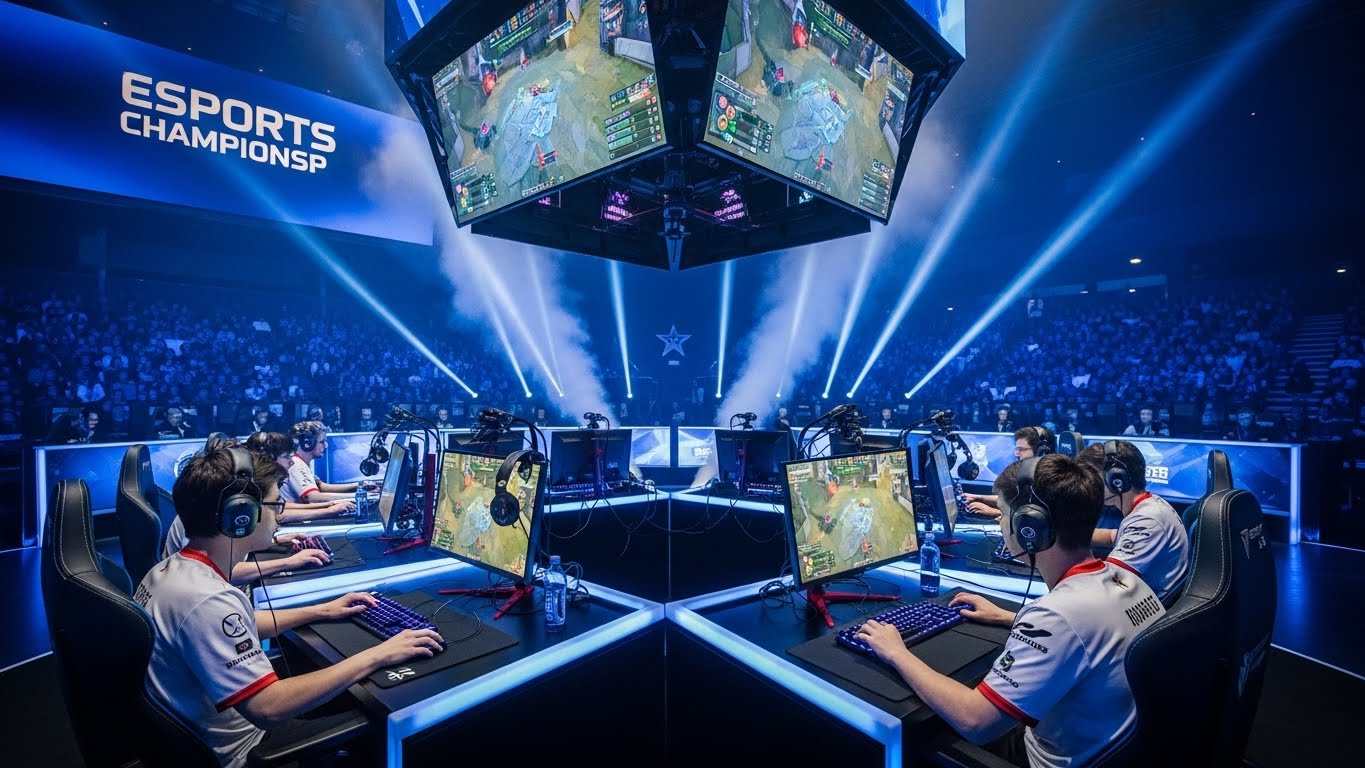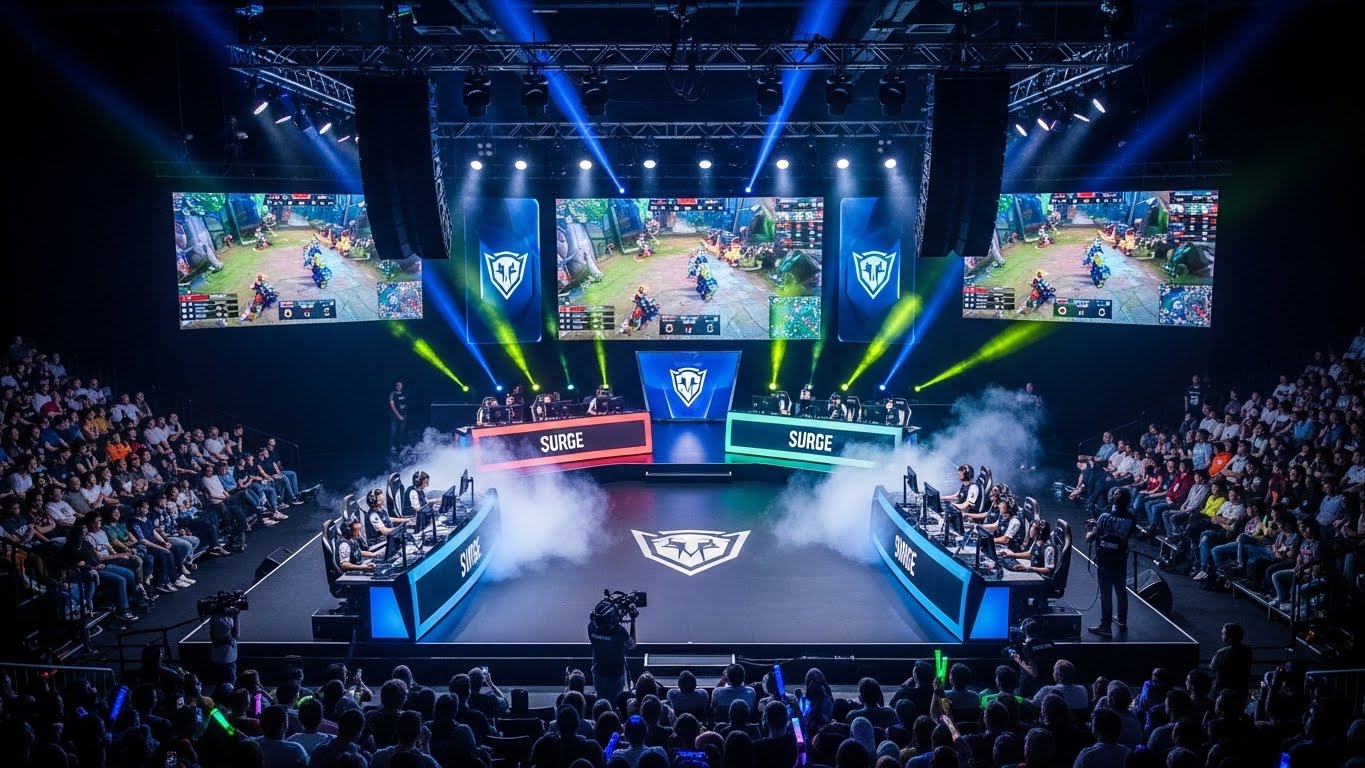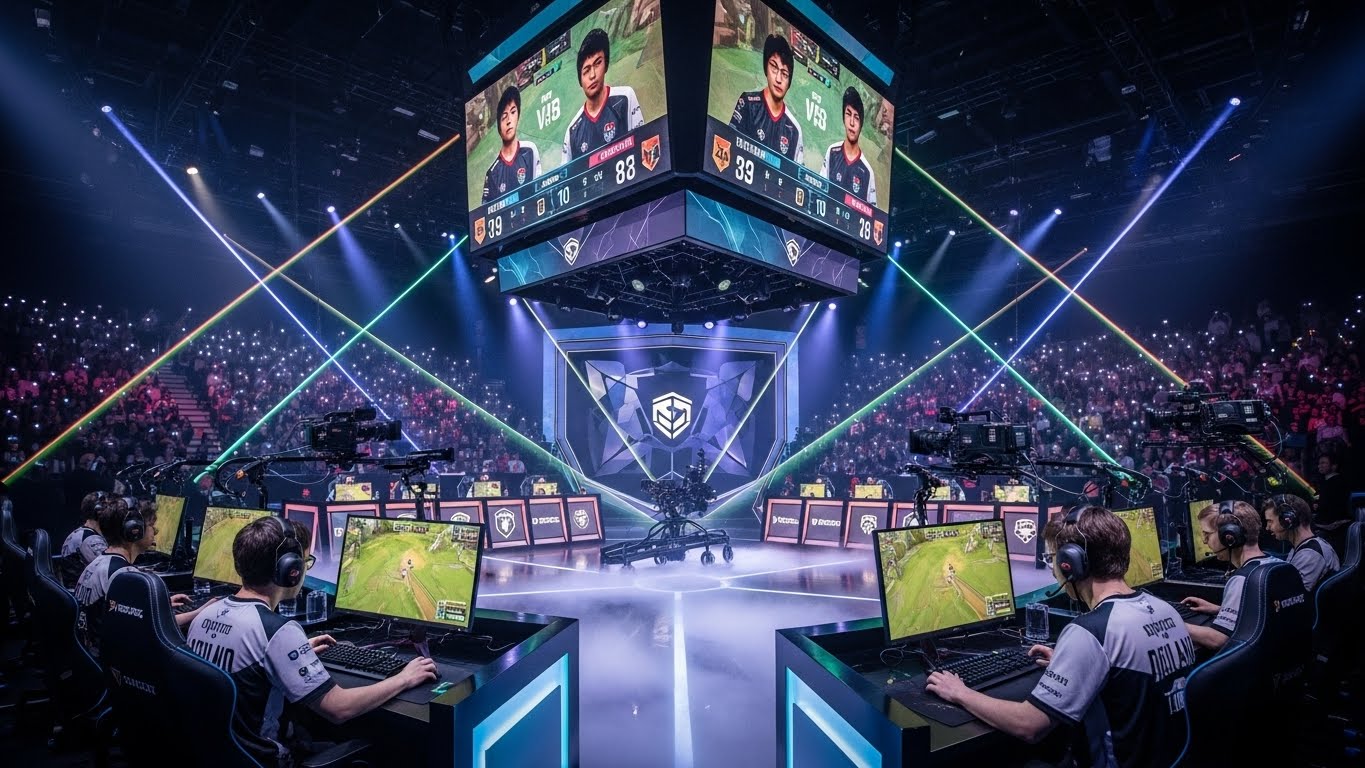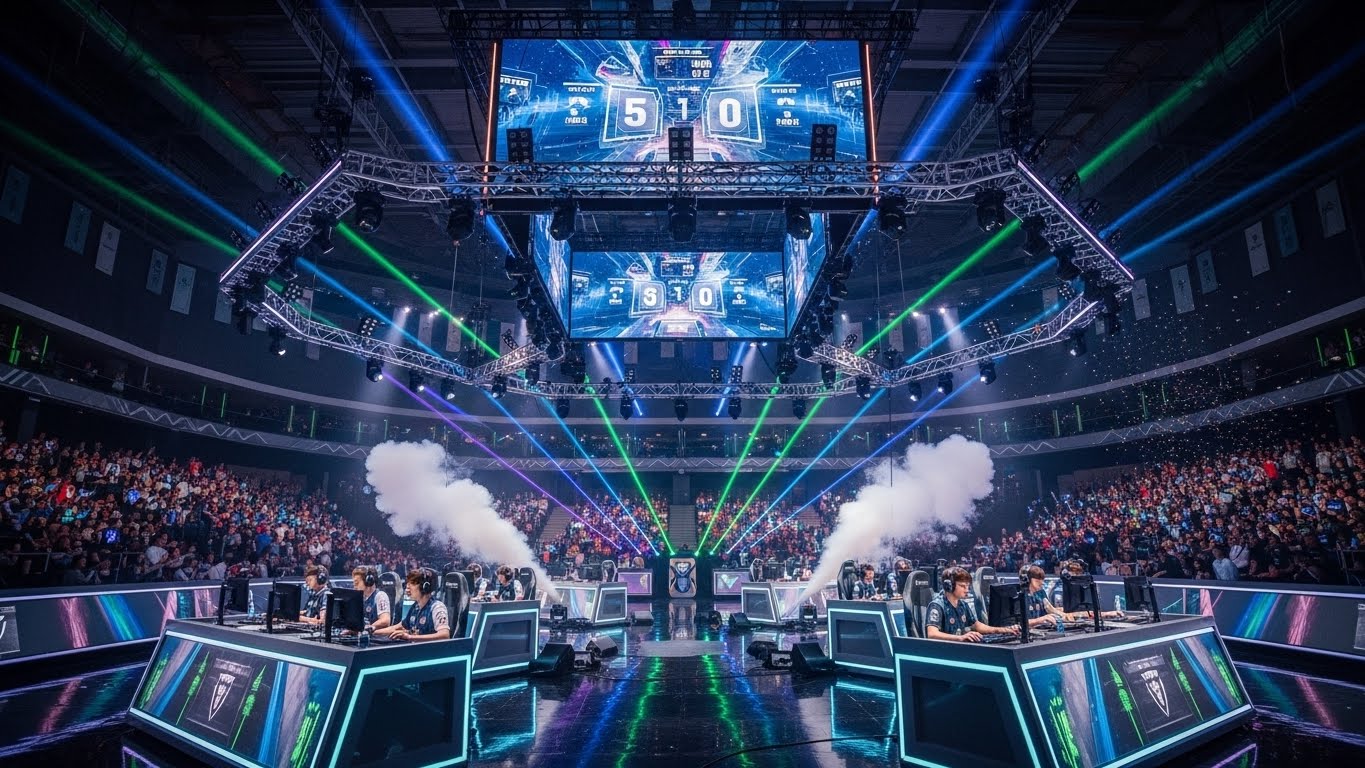

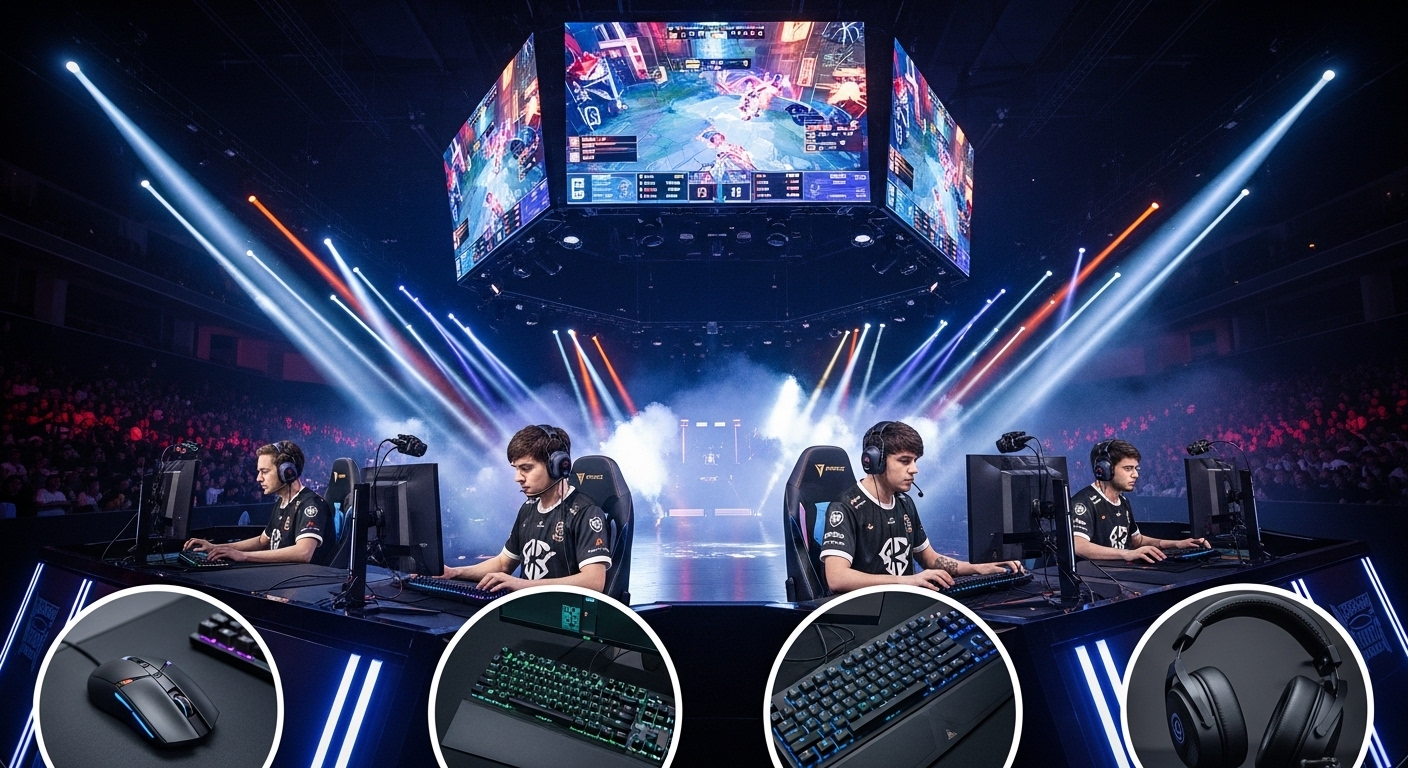
Esports has evolved from a niche hobby to a massive global phenomenon that commands millions of viewers and generates billions of dollars in revenue. What was once considered just “video gaming” has transformed into a competitive, professional activity enjoyed by players, fans, and brands alike. In this blog post, we will take an in-depth look at the history, impact, and future of esports, exploring its cultural relevance, growth trajectory, and the technology that continues to shape its competitive landscape.
What is Esports?
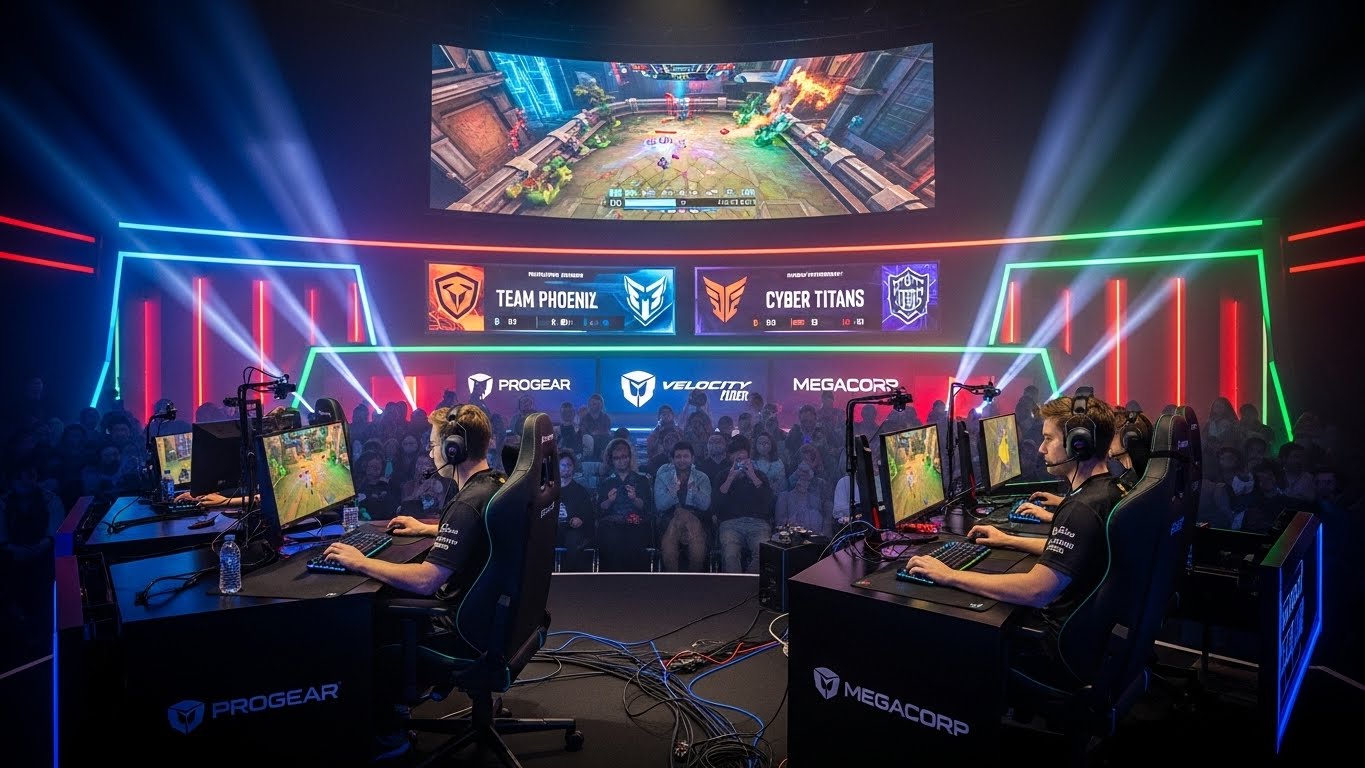
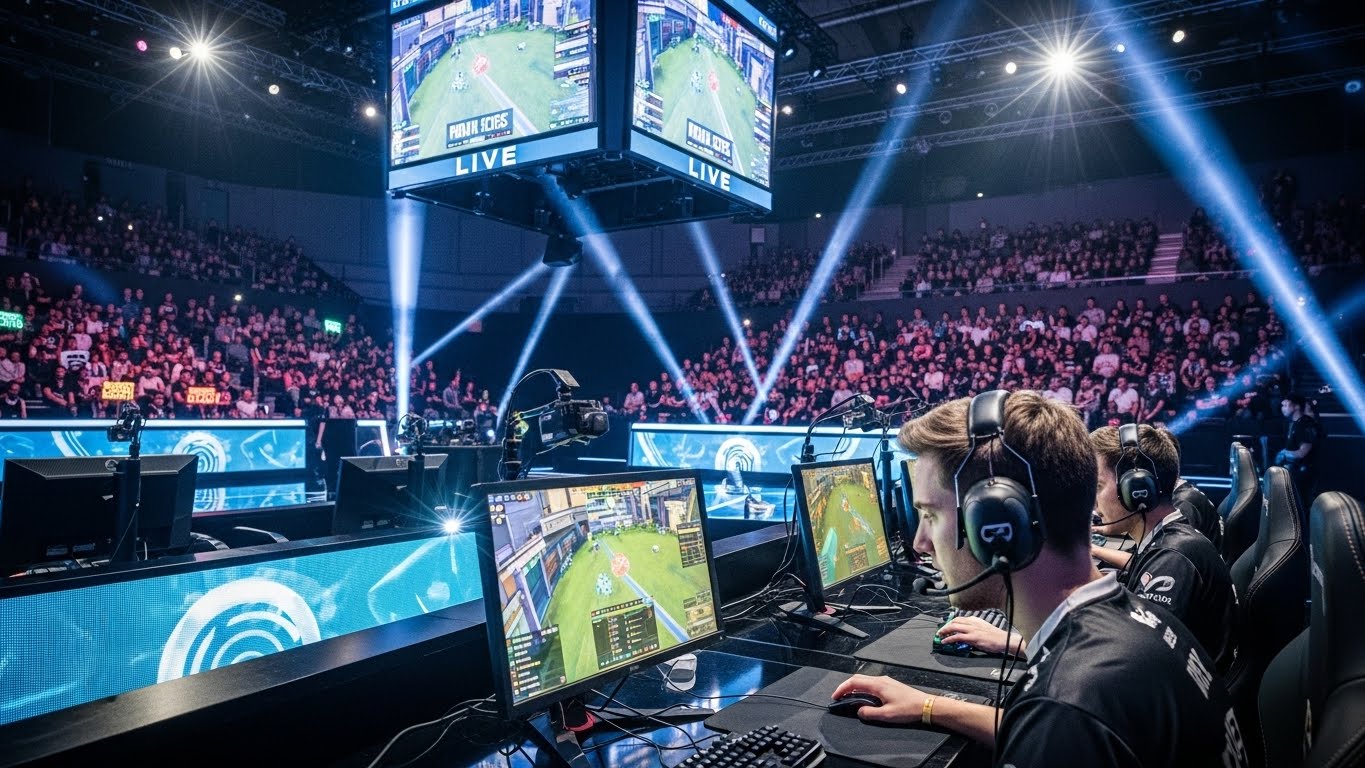
Esports, short for “electronic sports,” refers to organized multiplayer video game competitions, particularly between professional players, individually or as teams. Unlike casual gaming, which people play for entertainment, esports involves a level of skill and strategy that makes it a spectator sport. Esports encompasses a variety of games, ranging from strategy games like League of Legends to fast-paced shooters like Call of Duty and battle royales like Fortnite.
In essence, esports is competitive gaming at the highest level, where players and teams compete for prizes, sponsorships, and recognition. The world of esports includes not only the players but also coaches, analysts, broadcasters, and fans who all play a critical role in its success. It is a thriving ecosystem that has become a massive business, integrating media, entertainment, and sports.
The History of Esports: From Arcades to Online Tournaments
The story of esports can be traced back to the early days of gaming when competitive play was happening in local arcades and university campuses. One of the first major events that brought competitive gaming to the forefront was the Space Invaders Championship in 1980, a tournament held in the U.S. by Atari. This event marked the beginning of organized gaming competitions and showed the potential of esports as a form of entertainment.
However, it wasn’t until the late 1990s and early 2000s that esports began to gain real traction. Games like StarCraft, Quake, and Warcraft III were among the first to host major tournaments that attracted large crowds. These early tournaments were primarily held offline, with players traveling to different locations to compete. It was the rise of the internet that truly changed the landscape of competitive gaming, enabling online tournaments and bringing together players from all around the world.
The launch of platforms like Battle.net (for StarCraft and Warcraft) and Xbox Live in the early 2000s created opportunities for online play, while websites like ESL (Electronic Sports League) and MLG (Major League Gaming) began organizing professional tournaments. These events laid the foundation for the esports ecosystem we recognize today.
The Evolution of Esports: The 2010s and Beyond
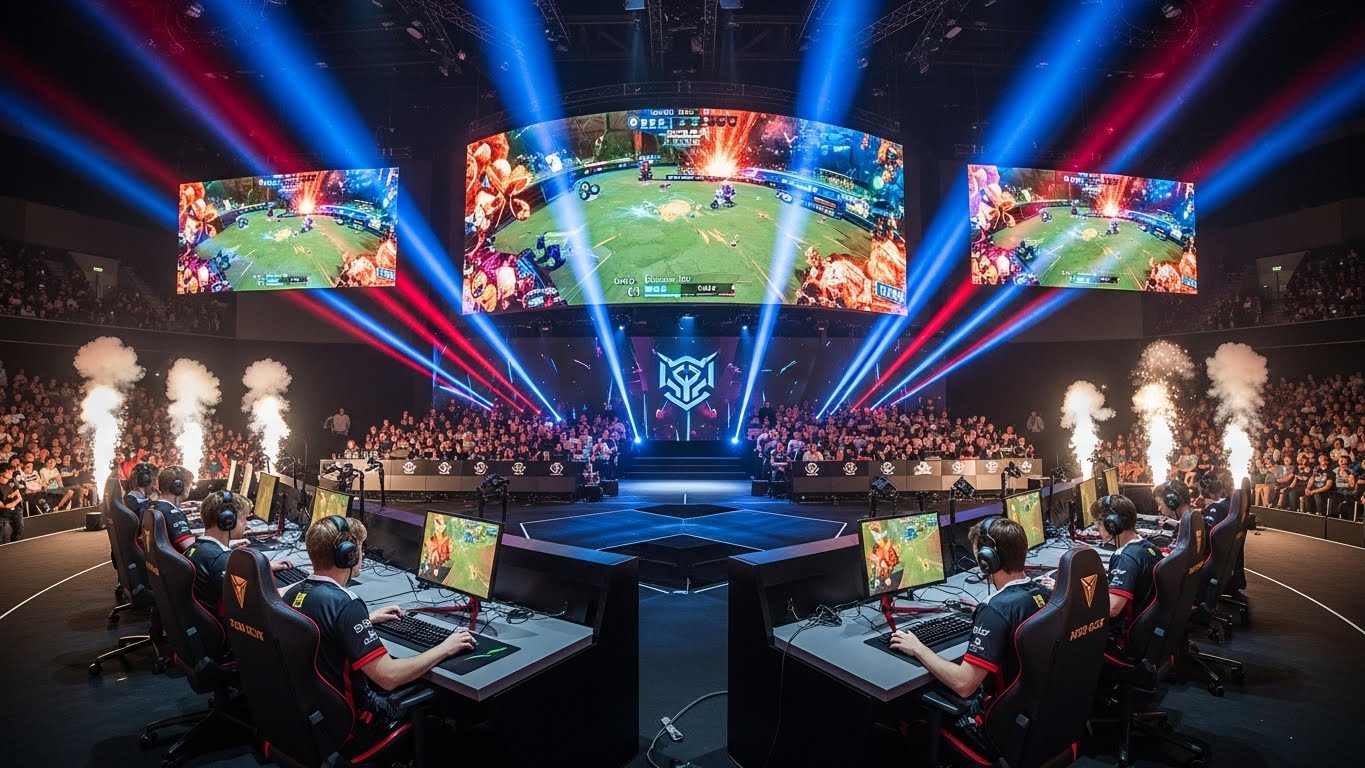
By the 2010s, esports had firmly established itself as a global phenomenon. Games like League of Legends, Dota 2, Counter-Strike: Global Offensive, and Overwatch became central to esports competitions, each fostering huge online and offline communities. Major tournaments, such as the League of Legends World Championship and The International for Dota 2, began offering multi-million-dollar prize pools, attracting some of the best players in the world.
The growth of streaming platforms like Twitch played a critical role in this evolution. Founded in 2011, Twitch became the go-to platform for watching live esports competitions, offering players a chance to monetize their skills by broadcasting their gameplay to a global audience. Twitch allowed fans to interact with their favorite players, making esports a more immersive experience.
Meanwhile, esports organizations began to form, including powerhouse teams like Cloud9, Fnatic, and Team Liquid, which recruited top-tier players and participated in major tournaments. These organizations helped solidify esports as a legitimate career path for skilled gamers, with contracts, salaries, and sponsorships becoming standard in the industry.
The Global Impact of Esports
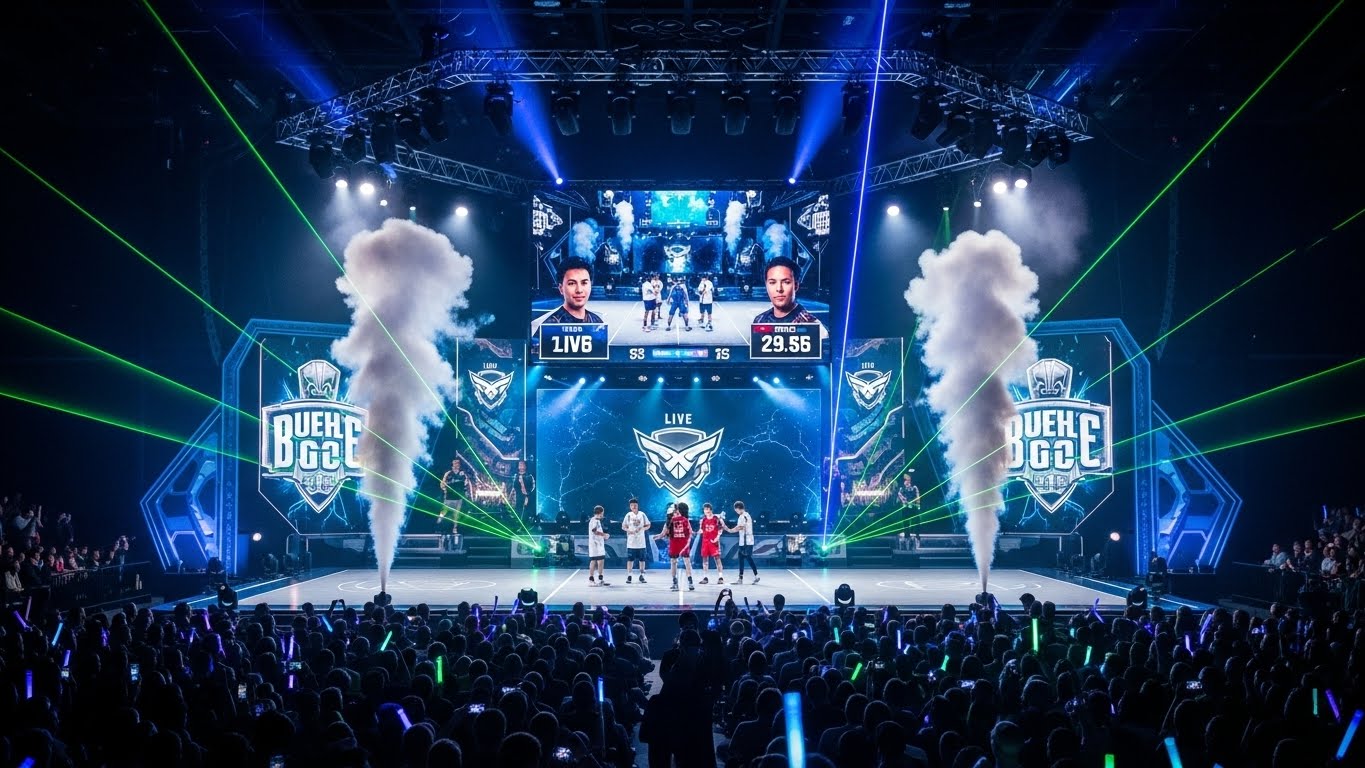
One of the most remarkable aspects of esports is its global reach. Esports has successfully transcended geographical and cultural boundaries, with competitive gaming communities sprouting up in regions around the world. Tournaments are no longer confined to North America and Europe; esports has taken hold in Asia, Latin America, and even the Middle East. The global nature of esports allows fans from diverse backgrounds to come together to cheer for their favorite teams and players, making it a truly international phenomenon.
Countries like South Korea, China, and the U.S. have long been leaders in the esports scene. South Korea, in particular, has been a driving force in the development of esports, with StarCraft being a national pastime during the late 1990s and early 2000s. The rise of League of Legends in China has turned the country into an esports powerhouse, while North America and Europe have contributed with some of the world’s most successful esports organizations and teams.
Esports has not only become a global industry but also a social movement. It has provided a platform for underrepresented groups in the gaming world, with women and minorities becoming increasingly visible in competitive gaming. Diversity and inclusivity have been key areas of focus, and organizations are continually working to ensure that esports is accessible to all.
The Economics of Esports
The financial growth of esports has been nothing short of astonishing. In recent years, the industry has attracted significant investments from both traditional sports franchises and tech companies. Sponsorships, advertising deals, media rights, and merchandise sales all contribute to esports’ rapidly growing revenue.
In 2021, the global esports industry was estimated to be worth over $1 billion, with projections showing continued growth in the coming years. Companies like Intel, Coca-Cola, Nike, and Razer are among the many global brands that have partnered with esports organizations and events. Esports players and teams now have the potential to earn substantial salaries, with some top players securing endorsement deals that rival those of professional athletes in traditional sports.
Media rights have also become a significant revenue stream. Major tournaments are broadcast on TV, streaming platforms, and social media channels, offering esports fans the chance to watch high-level competition. As more and more companies and investors enter the esports space, it’s clear that esports is here to stay as a major player in the entertainment industry.
The Role of Technology in Esports
Technology has been one of the driving forces behind the rise of esports. High-speed internet, powerful gaming consoles, and cutting-edge graphics cards have all contributed to creating the fast-paced, visually stunning games that are at the heart of esports. But it’s not just the games themselves that benefit from technology; the entire infrastructure surrounding esports relies on innovative tools and platforms.
For example, streaming platforms like Twitch and YouTube Gaming rely on advanced video encoding technology to provide smooth, high-quality broadcasts. Meanwhile, in-game streaming tools allow players to share their gameplay with fans in real-time. The use of virtual reality (VR) and augmented reality (AR) is also becoming more common, offering players and spectators an immersive esports experience.
Esports technology also extends to player performance. Coaches and analysts use data analytics and software to evaluate player performance, track stats, and develop strategies for upcoming matches. This use of technology to enhance player skill and team dynamics is one of the reasons why esports is often compared to traditional sports.
The Future of Esports
The future of esports looks incredibly promising. As the industry continues to grow, we can expect to see even more innovation, new games, and more global tournaments. Here are some key trends that could shape the future of esports:
1. Mainstream Recognition
Esports is increasingly being recognized as a legitimate sport. In many countries, esports is now officially classified as a sport, and some educational institutions are even offering scholarships to players. In the future, esports could become an Olympic sport, and more mainstream media outlets could begin dedicating more resources to covering esports events.
2. Expansion into New Games and Genres
While games like League of Legends, Dota 2, and Counter-Strike have dominated the esports landscape, new games and genres are continually emerging. Battle royales like Fortnite and Apex Legends have already made their mark, and new genres like mobile esports and virtual reality gaming could bring fresh excitement to competitive gaming.
3. Increased Viewership
As internet speeds continue to improve and technology advances, the viewing experience for esports fans will only get better. The introduction of 5G technology will make live-streaming and in-game experiences smoother, and esports tournaments could be broadcast in even more innovative ways, such as through VR or holographic projections.
4. Esports as a Career Path
As the industry grows, so do career opportunities in esports. In addition to players and coaches, esports organizations need analysts, broadcasters, event organizers, content creators, and marketers. Esports is creating job opportunities across multiple sectors, and this trend will only continue as the industry expands.
5. Social and Cultural Integration
Esports is no longer just a form of entertainment but a major part of modern pop culture. As younger generations embrace gaming, esports will continue to be integrated into the social fabric. Fans will have even more opportunities to interact with their favorite players, and esports events could become major cultural landmarks, akin to music festivals or traditional sports championships.
Conclusion: Esports Is the Future
Esports has come a long way from its humble beginnings in arcades and university campuses. Today, it is a global industry with millions of fans, players, and organizations driving its success. With its rapid growth, esports is poised to continue changing the entertainment landscape, offering new opportunities for fans, players, and brands alike.
The next decade could bring even more exciting developments, as esports becomes an even more integral part of the global cultural landscape. Whether you’re a player, a fan, or someone looking to get involved, there’s no doubt that esports is a thrilling and rapidly growing field with a bright future ahead.