
Introduction: The Digital Evolution of Competition
In the last two decades, few industries have grown as explosively as esports. Once dismissed as a niche pastime, competitive gaming has evolved into a global spectacle that rivals traditional sports in audience, revenue, and cultural influence. What began as small gatherings of enthusiasts playing arcade games in the late 20th century has transformed into a billion-dollar ecosystem with packed arenas, professional athletes, sponsorship deals, and international recognition. Esports has not only redefined entertainment but has also challenged long-held ideas about what it means to be an athlete, a fan, and a competitor.
The story of esports is not merely about video games; it is about how technology, media, and human ambition intersected to create a new digital frontier. Today, from college classrooms to world championships watched by millions, esports represents a vibrant culture driven by passion, skill, and community.
The Origins: From Arcades to LAN Parties
Esports traces its roots back to the early days of gaming, when titles like Space Invaders, Pong, and Pac-Man captured the public’s imagination. The first recognized competitive gaming event is often credited to Stanford University in 1972, where players competed in Spacewar! for a year’s subscription to a magazine. It was humble and local, but it marked the beginning of organized gaming competition.
During the 1980s and 1990s, as gaming technology evolved, competitive gaming began to find its audience. Arcade culture encouraged high score rivalries, while console and PC gaming introduced multiplayer titles that brought people together for friendly—and sometimes fierce—contests. The rise of Local Area Network (LAN) parties in the 1990s created communities that thrived on collaboration, competition, and connection. Games like Doom, Quake, and StarCraft helped shape early esports culture, combining fast reflexes with strategic thinking.
This era laid the foundation for modern esports. It proved that competition in virtual worlds could generate the same intensity, adrenaline, and pride as any physical sport. The internet would soon amplify this phenomenon beyond anything the early gamers could have imagined.
The Internet Revolution: Global Connectivity and Streaming
The explosion of the internet in the early 2000s revolutionized esports. For the first time, players from different continents could compete in real time. Online matchmaking and multiplayer platforms broke geographical barriers, allowing talent to emerge from anywhere. Broadband connections enabled more consistent play, and global communities began to form around specific titles.
It was around this time that professional tournaments began gaining traction. Games like Counter-Strike, Warcraft III, Halo, and StarCraft: Brood War created international stars. South Korea, in particular, became the epicenter of professional gaming, with dedicated esports channels broadcasting matches to millions. Korean players trained rigorously, developing team-based strategies and professional ethics that would become the global standard.
However, the true game-changer arrived with streaming technology. Platforms like Twitch and YouTube allowed fans to watch matches live, interact with players, and even broadcast their own gameplay. Streaming transformed esports from a closed competition into a participatory culture. Viewers became part of the experience, engaging in chatrooms, donating to support players, and forming fan communities. This shift made esports more accessible and entertaining to a mainstream audience, helping it grow from hobbyist gatherings into global entertainment.
The Birth of Professional Esports Leagues
As esports matured, so did its organizational structure. The creation of professional leagues mirrored traditional sports systems, complete with teams, franchises, coaches, analysts, and training facilities. Games like League of Legends, Dota 2, and Overwatch became household names thanks to their structured tournaments and dedicated fan bases.
Riot Games’ League of Legends Championship Series (LCS), launched in 2013, set a new benchmark for professionalism. Teams were salaried, players had contracts, and the production value rivaled television broadcasts. Valve’s The International, the annual Dota 2 championship, offered prize pools that reached tens of millions of dollars—some of the largest in sports history.
These developments legitimized esports as a career path. Young players now had the opportunity to train, compete, and earn a living doing what they loved. Major organizations formed, including Fnatic, Team Liquid, Cloud9, and T1, each boasting millions of fans and sponsors from tech companies, energy drinks, and even automobile manufacturers. Esports had officially become a global industry, attracting not only gamers but also investors, advertisers, and educators.
The Culture of Esports: Community, Identity, and Expression
Esports is more than just competition—it is culture. The gaming community thrives on shared experiences, creativity, and diversity. Fans do not simply watch games; they engage in discussions, create art, produce commentary, and celebrate their favorite players as icons.
Online forums, social media, and streaming platforms have fostered a sense of belonging among fans across continents. Cosplay, memes, and fan-made content have given esports its own unique flavor of expression. For many young people, esports provides a social identity that transcends geography, language, and background.
Esports also fosters collaboration and teamwork. Just as in traditional sports, success in esports requires communication, trust, and discipline. Players train for hours daily, analyzing opponents, improving mechanics, and refining strategies. The emphasis on mental sharpness, reaction speed, and adaptability blurs the line between physical and intellectual competition.
Another defining aspect of esports culture is inclusivity. Unlike many traditional sports that depend on physical ability or gender divisions, esports is open to anyone with the skill and dedication to compete. While issues of diversity and representation still exist, the digital nature of esports offers opportunities for marginalized voices to shine and communities to thrive.
Esports as a Career: From Players to Professionals
Behind every match and every stream lies an entire ecosystem of professionals working to make esports possible. Beyond players, there are coaches, analysts, commentators, event organizers, designers, marketers, and managers. The modern esports industry functions much like the entertainment sector, blending media production with competitive sports management.
Professional players often begin their careers in their teens, honing their skills through ranked systems and amateur tournaments. The top performers are scouted by organizations and offered contracts that can include salaries, housing, and sponsorship bonuses. However, the lifespan of a professional player is often short—reflex-based games demand peak performance, and burnout is common. As a result, many players transition to coaching, streaming, or content creation after their competitive careers end.
Educational institutions have also recognized the potential of esports. Universities now offer scholarships for competitive gamers, and academic programs focus on esports management, production, and marketing. This legitimization in education underscores the recognition of esports as a serious professional field, not merely entertainment.
The Economic Powerhouse of Esports
The economic impact of esports cannot be understated. In the last decade, the industry’s value has surged to billions of dollars annually, fueled by sponsorships, advertising, merchandise, and media rights. Major brands that once focused solely on traditional sports—such as Coca-Cola, Nike, and Intel—now invest heavily in esports marketing. Tournaments attract millions of online viewers, and live events sell out massive arenas from Seoul to New York.
One of the unique aspects of esports economics is its digital-first nature. Revenue streams extend beyond ticket sales and merchandise to include in-game purchases, virtual goods, and streaming partnerships. Game developers play a central role, controlling tournament structures and prize pools, unlike in most traditional sports.
The global reach of esports also presents untapped potential. Regions like Southeast Asia, Latin America, and Africa are emerging as vibrant esports markets, supported by mobile gaming growth and increasing internet accessibility. Esports is not confined to one culture or language—it is a truly global phenomenon.
Esports and Technology: Innovation at the Core
Technology is the lifeblood of esports. From game development to live broadcast production, innovation drives every aspect of the industry. The evolution of hardware—high-refresh monitors, low-latency peripherals, and powerful PCs—has enhanced the performance of both players and viewers. Streaming technology ensures that high-quality broadcasts reach audiences worldwide in real time.
Artificial intelligence and analytics are now used to analyze gameplay, detect patterns, and develop training tools. Virtual reality and augmented reality are emerging as potential game-changers, promising new immersive competitive experiences. Even blockchain technology is being explored for digital asset ownership and transparent tournament management.
Esports is also a testing ground for broader technological trends. Companies use esports to demonstrate cutting-edge products, from processors to graphics cards, leveraging the competitive gaming stage as a showcase for innovation.
The Global Stage: Esports Events and Spectacle
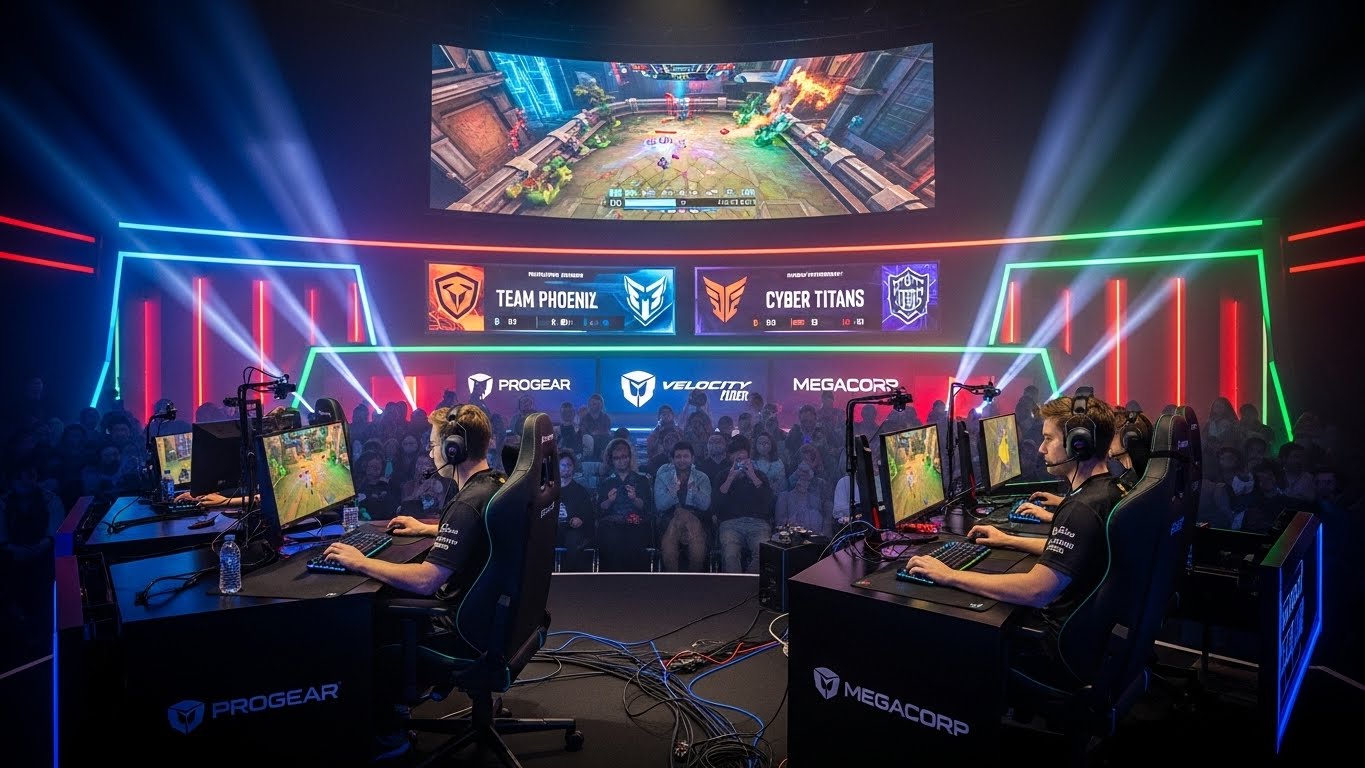
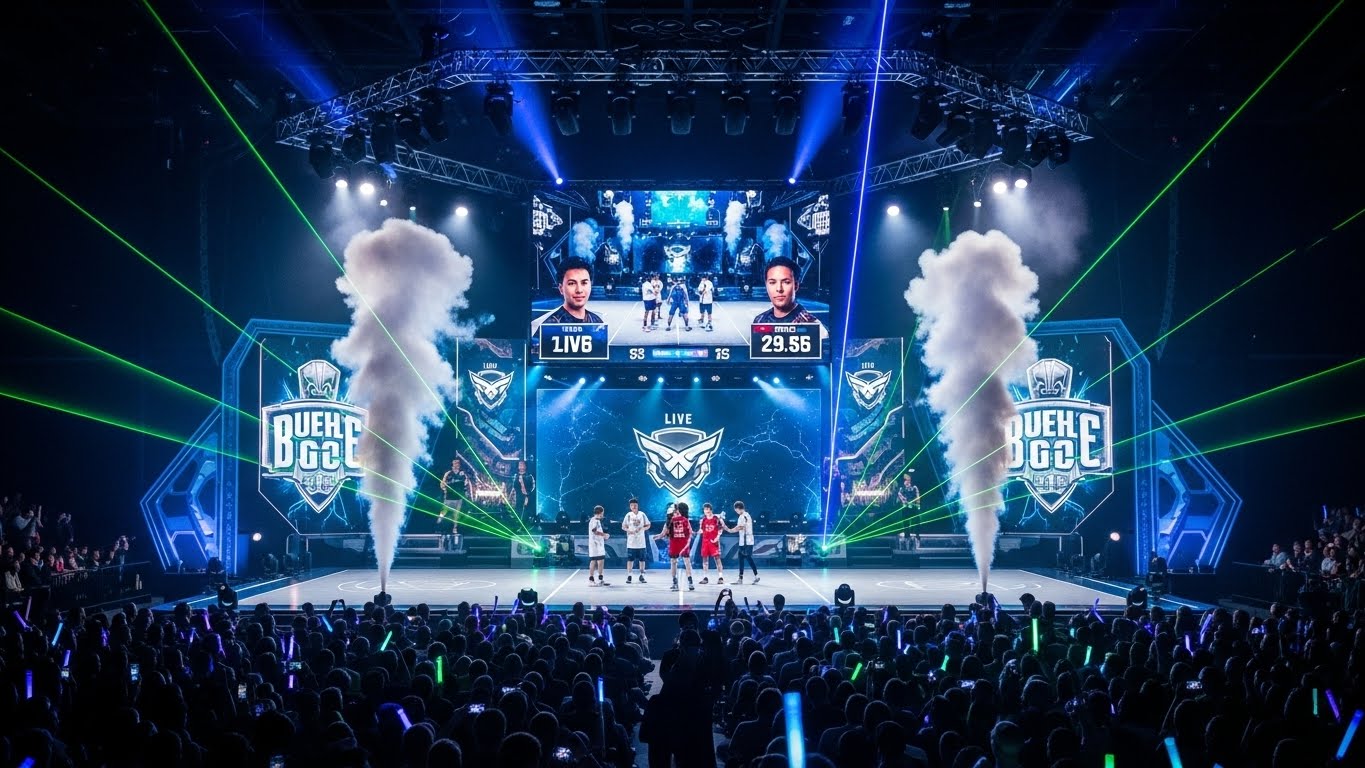
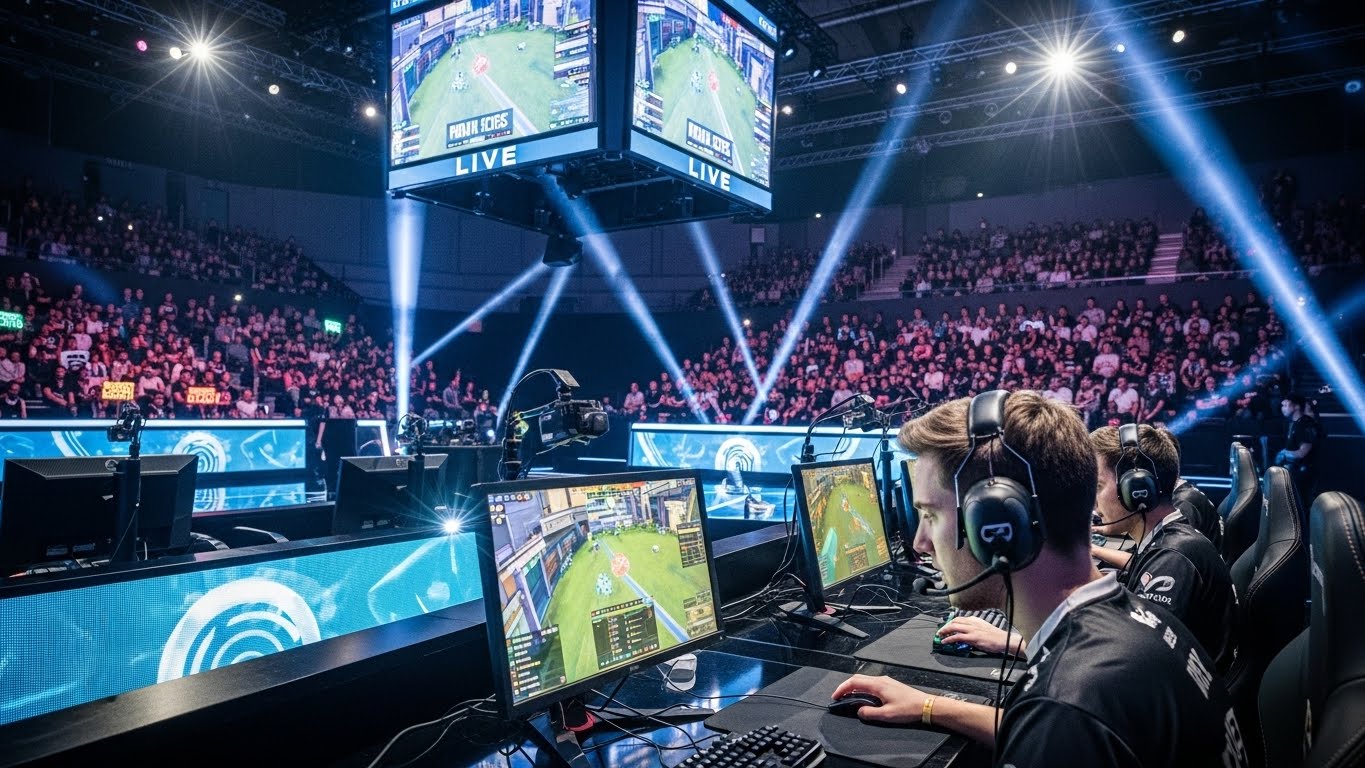
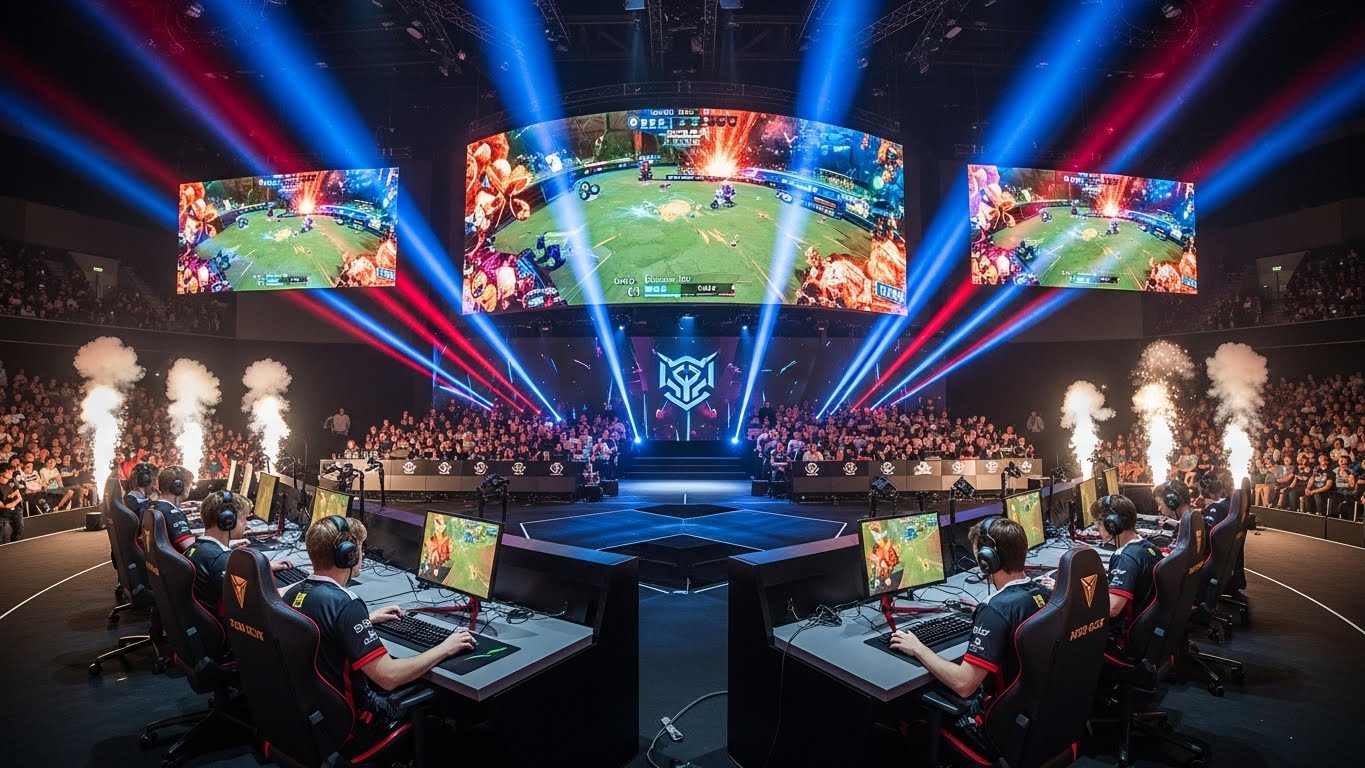
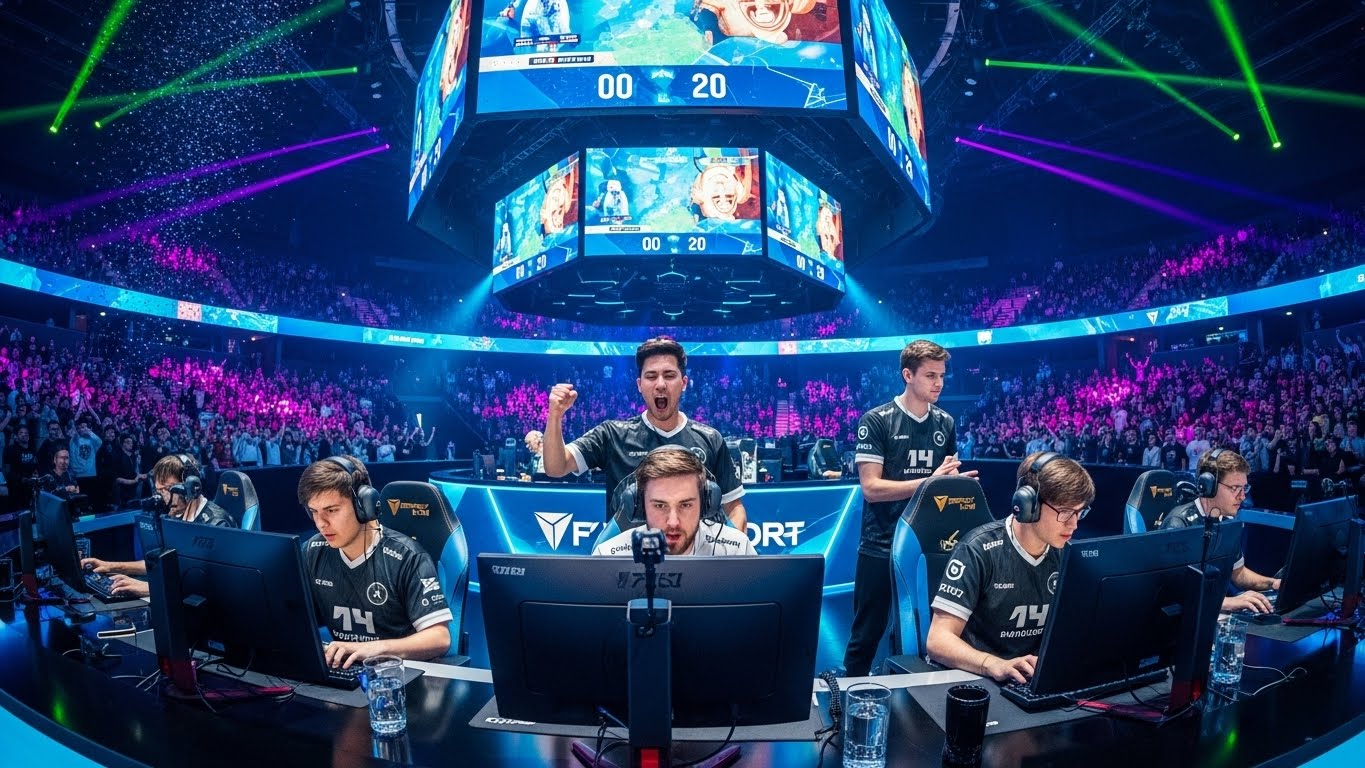
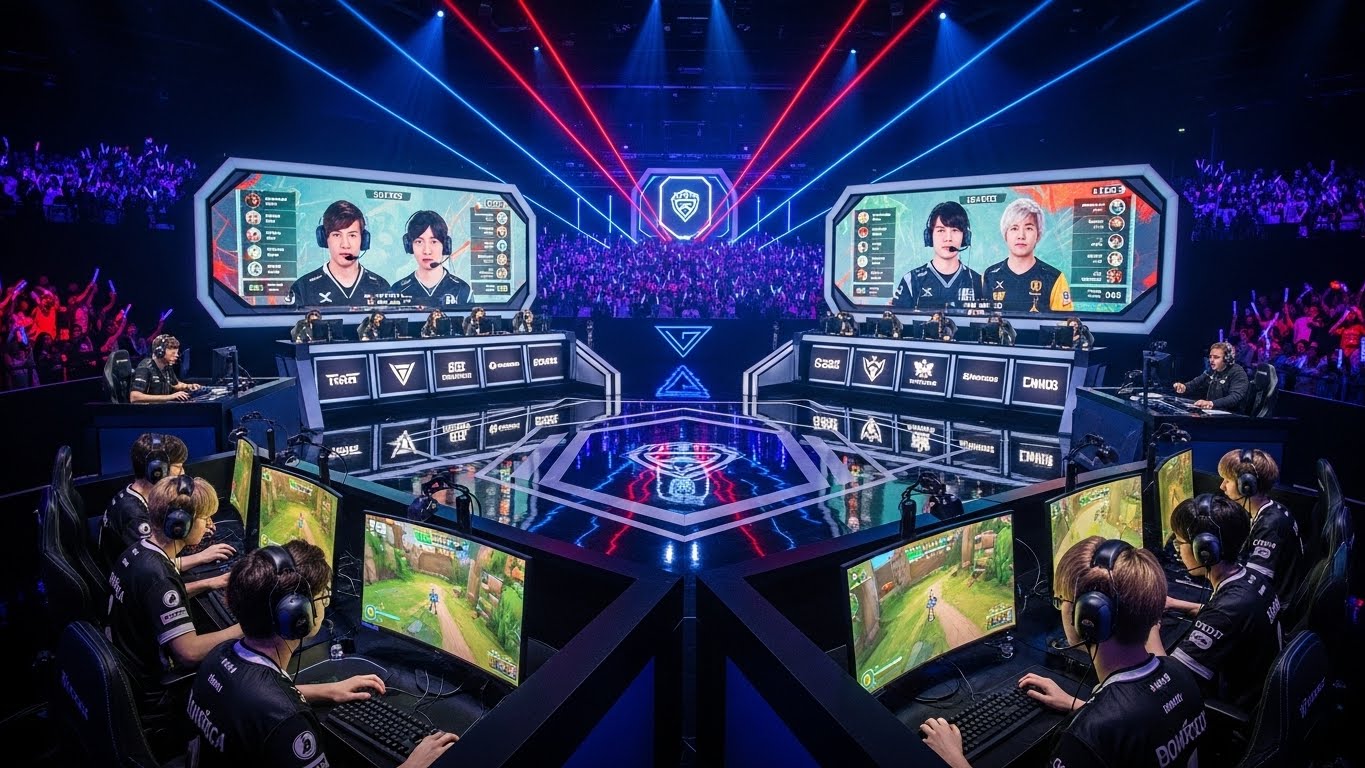
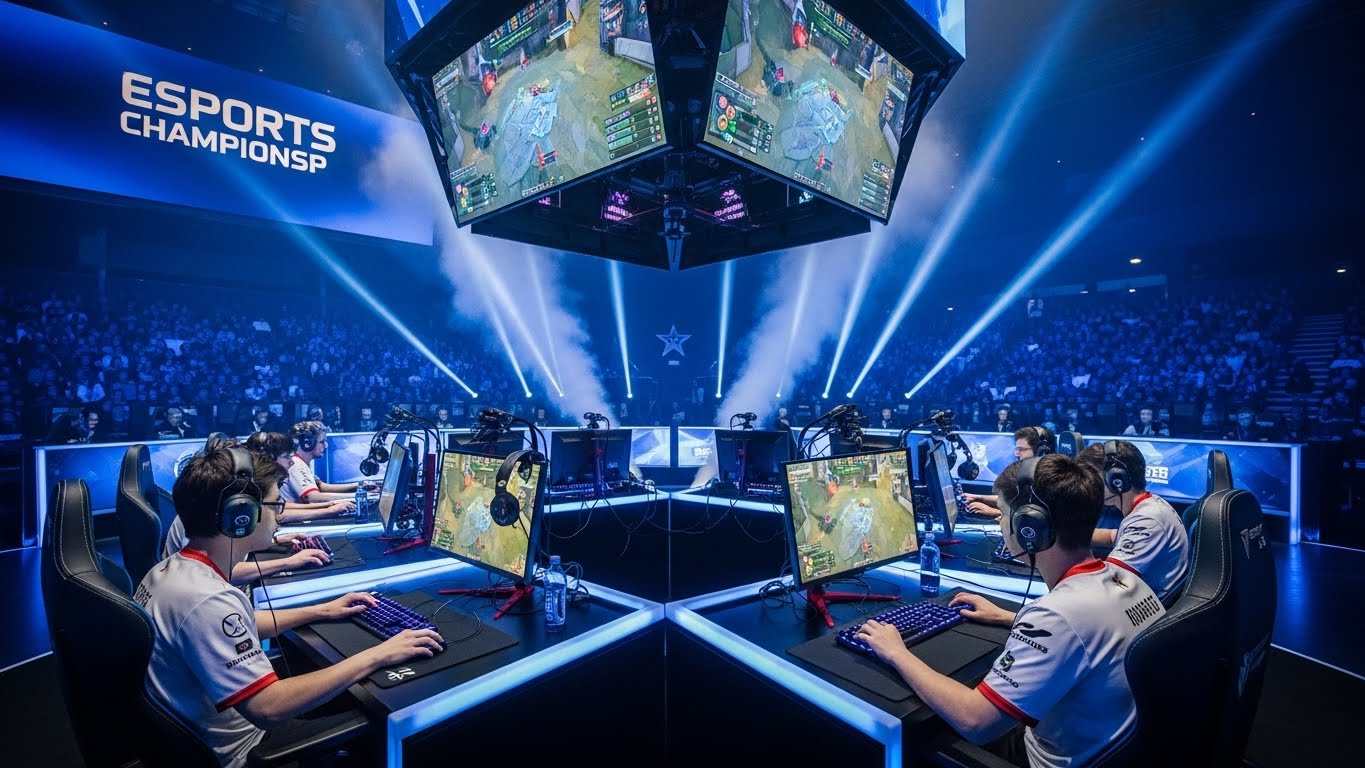
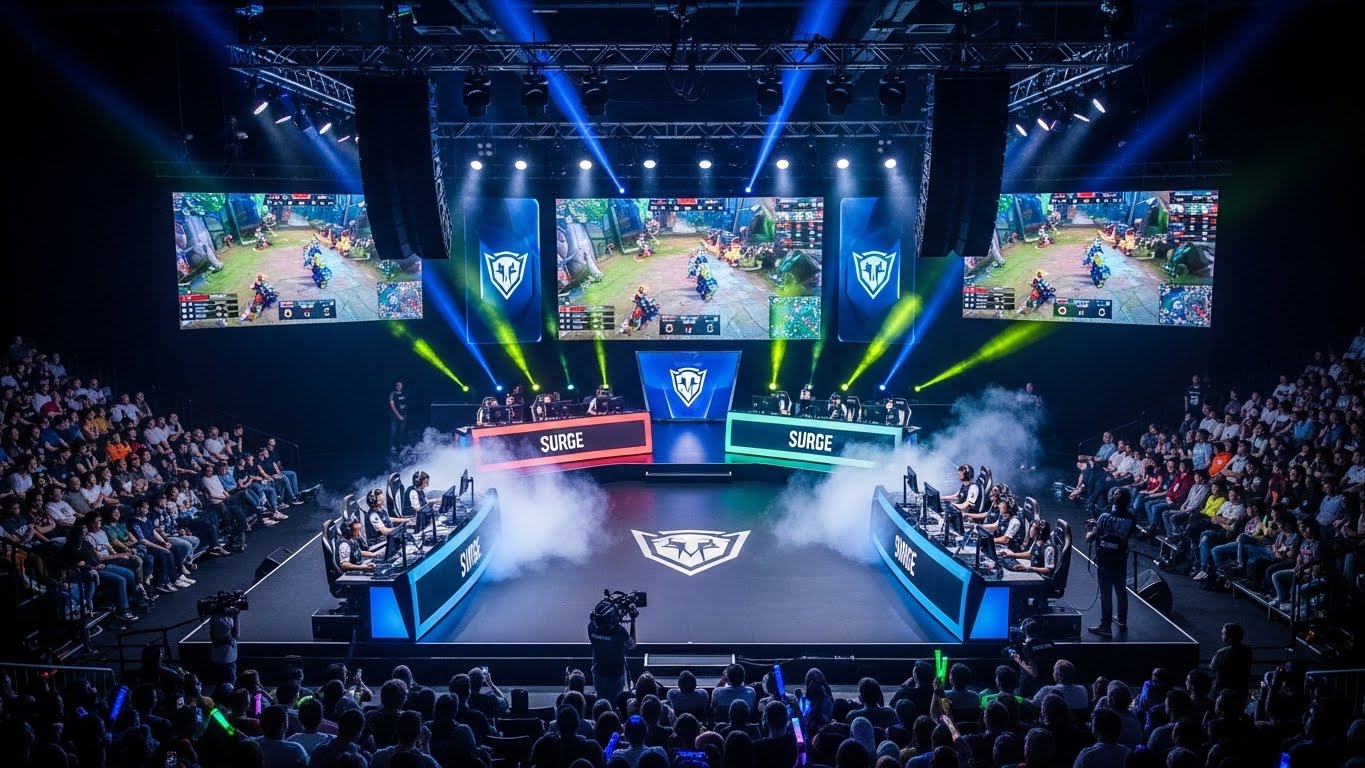
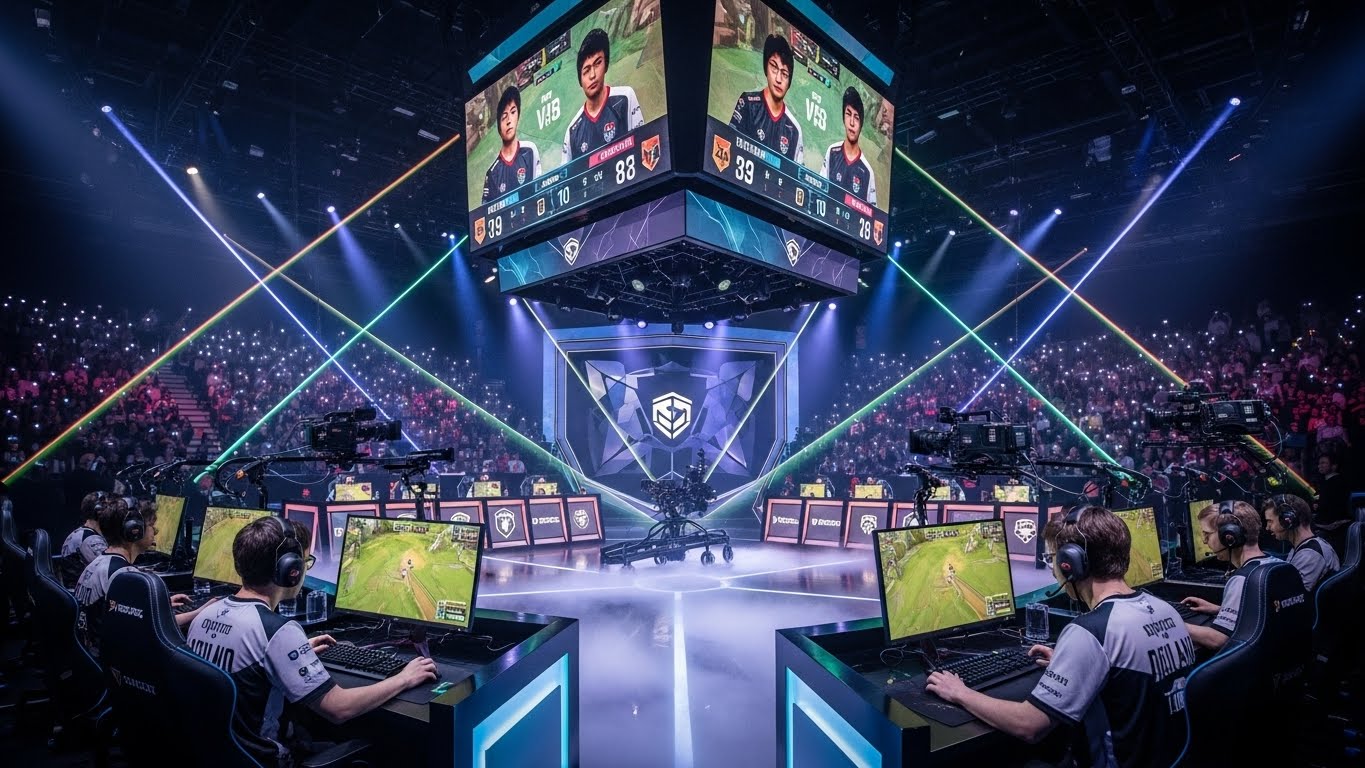
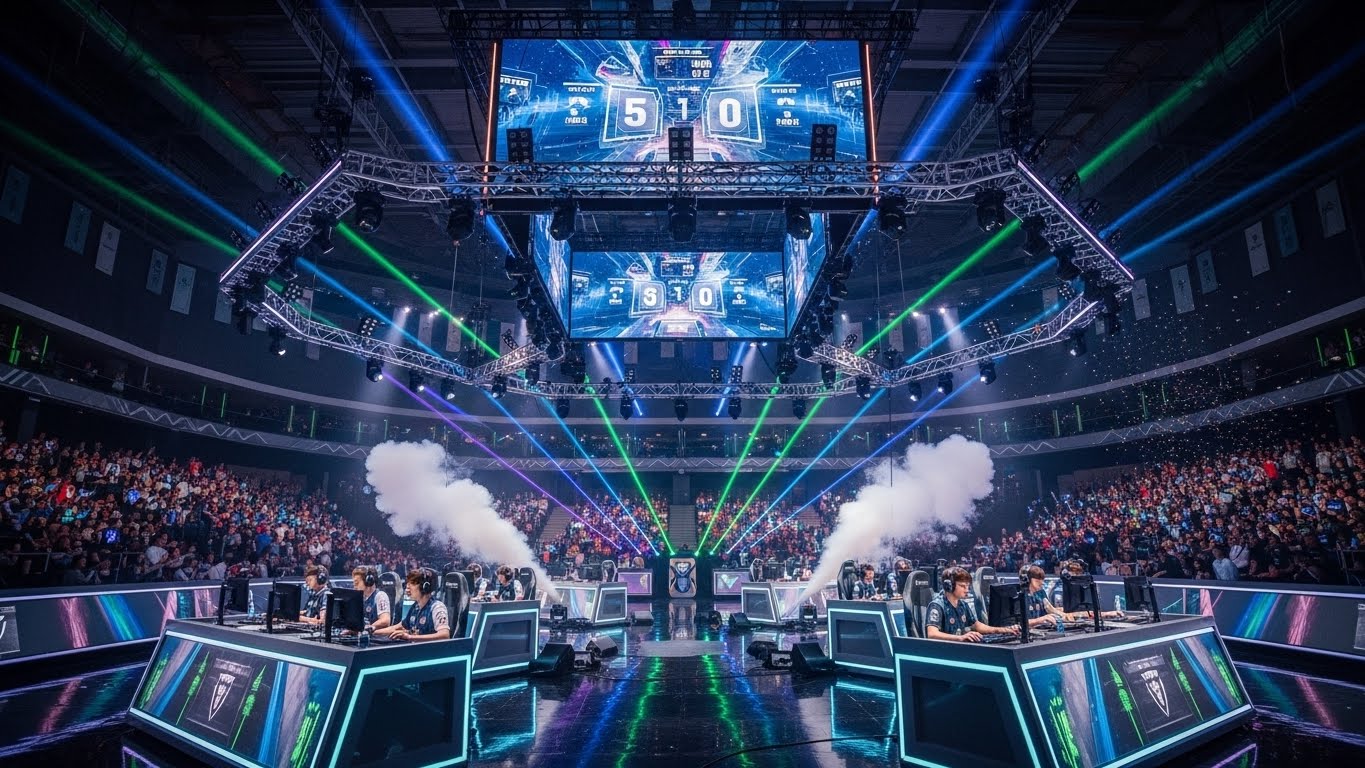
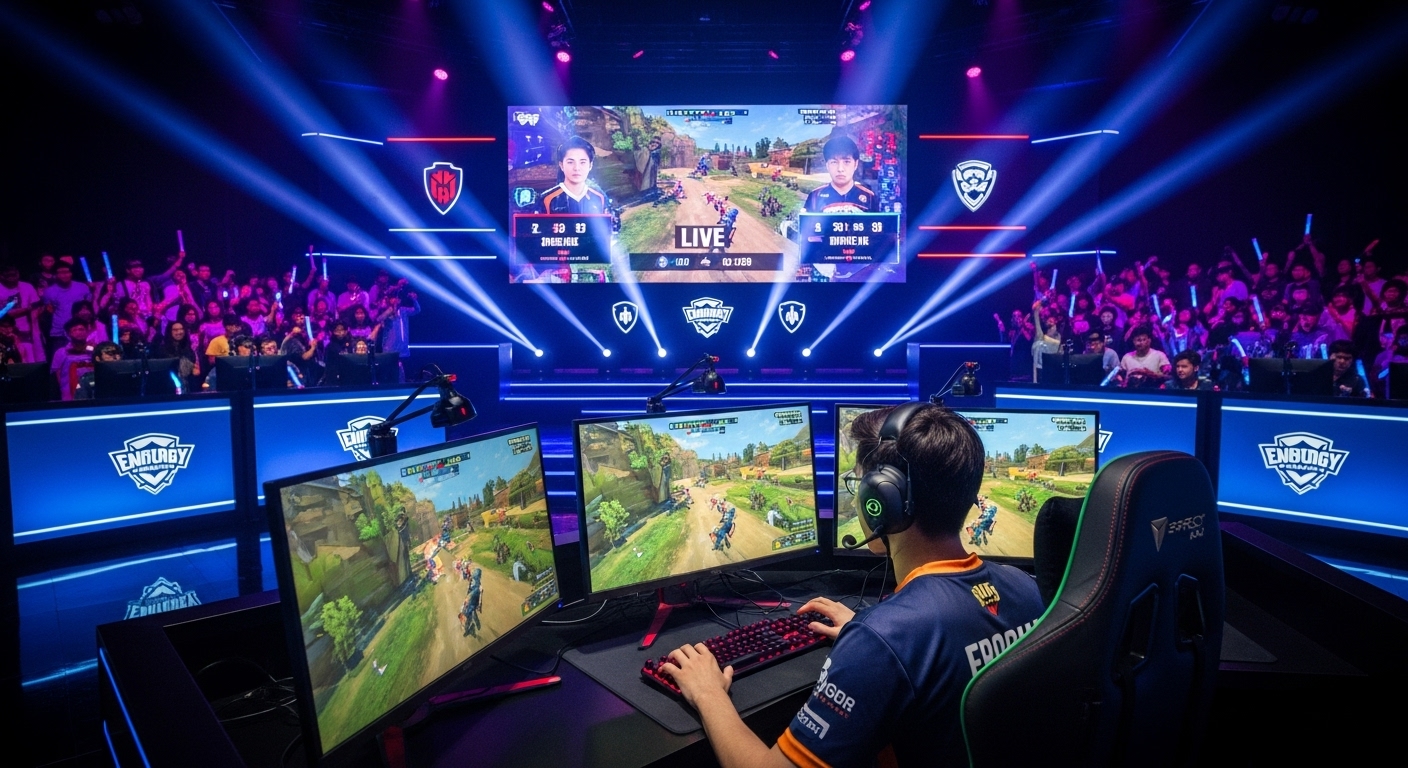
Few experiences capture the excitement of esports better than a live event. Stadiums filled with fans waving team flags, massive LED screens, dynamic lighting, and roaring crowds create an atmosphere indistinguishable from a World Cup final or NBA game. The emotional intensity of esports events bridges the gap between digital play and real-world energy.
Events like The International, League of Legends World Championship, and Fortnite World Cup have become annual highlights for millions. The production quality rivals the Olympics, with opening ceremonies, live performances, and story-driven broadcasts. These events not only celebrate competition but also humanize the players, turning them into global stars.
Spectator culture has evolved alongside esports. Fans memorize statistics, follow player storylines, and engage in debates about strategies and plays. Commentators—known as “casters”—bring excitement and analysis, giving voice to the drama unfolding on screen. This theatrical blend of gameplay and storytelling makes esports a truly modern form of entertainment.
Challenges in the Esports Industry
Despite its successes, esports faces significant challenges. The rapid growth of the industry has outpaced regulation and standardization. Player burnout, exploitative contracts, and inconsistent tournament governance remain ongoing issues. The pressure to perform in a highly competitive environment can also take a toll on mental health.
Cheating and match-fixing pose additional threats. With substantial money at stake, maintaining competitive integrity is crucial. Anti-cheat technologies and legal frameworks are improving, but the battle is ongoing.
Moreover, the industry grapples with inclusivity, gender equity, and online toxicity. While esports is theoretically open to all, the community must continue to address barriers that prevent broader participation. Ensuring that esports remains welcoming and fair will be essential for its continued growth.
Esports and Traditional Sports: Rivals or Allies?
As esports rose to prominence, comparisons with traditional sports became inevitable. Some skeptics question whether gaming qualifies as a sport, while others argue that the cognitive and strategic demands of esports rival any physical discipline. Over time, the two worlds have found common ground rather than conflict.
Major sports franchises have invested in esports teams, and former athletes have become prominent investors and promoters. Esports leagues adopt traditional sports structures—drafts, salaries, coaching systems—while sports organizations embrace digital competitions to reach younger audiences.
Events like the Asian Games have even included esports as medal events, signaling growing institutional recognition. While physical prowess remains the hallmark of traditional sports, esports has proven that mental agility, teamwork, and discipline can command just as much respect and admiration.
The Social Impact of Esports
Beyond entertainment and business, esports holds social significance. It offers a platform for connection, creativity, and empowerment. During global events like the pandemic, esports provided a means of social interaction when traditional sports and gatherings were suspended. Virtual tournaments kept fans entertained and players engaged, proving the resilience of digital communities.
Esports also serves as a bridge across cultures. Players and fans from different parts of the world unite under shared interests, transcending language and borders. Charity events, community tournaments, and educational initiatives harness the power of gaming for good causes.
In developing regions, esports creates new economic opportunities and inspires technological engagement among youth. It promotes digital literacy and teamwork, essential skills for the modern age. While the industry must navigate challenges, its potential to positively shape the next generation is immense.
The Future of Esports: Endless Possibilities
As we look ahead, the trajectory of esports shows no signs of slowing. Emerging technologies will further blur the line between physical and digital competition. Virtual reality arenas, holographic projections, and AI-driven training systems could redefine how we play and watch games.
The growth of mobile esports, especially in regions with limited access to high-end PCs, will democratize participation even further. Games like Mobile Legends and PUBG Mobile already dominate viewership charts, proving that esports is not limited to traditional platforms.
Sustainability and mental health will become key focuses in the industry’s future. Balancing competition with player well-being will ensure long-term stability. Esports organizations are increasingly prioritizing mental coaching, health programs, and life skills development.
Most importantly, the boundary between creator and consumer will continue to dissolve. Fans are no longer passive spectators—they are streamers, commentators, modders, and community leaders. This participatory nature will keep esports dynamic, diverse, and ever-evolving.
Conclusion: The Game That Never Ends
Esports has transcended its origins to become a defining feature of 21st-century culture. It embodies the digital age’s spirit—interactive, global, and endlessly creative. What started as pixels on a screen now commands stadiums filled with thousands of fans, uniting millions through shared excitement.
At its heart, esports represents the timeless human desire to compete, improve, and connect. Whether in a virtual arena or a packed stadium, the emotions remain the same: anticipation, triumph, heartbreak, and joy. Esports is not just the future of gaming; it is the future of entertainment itself.
The evolution of esports reminds us that competition is not limited to the physical world. It thrives wherever passion, skill, and imagination meet—and in that sense, the game will never truly end.