
Introduction
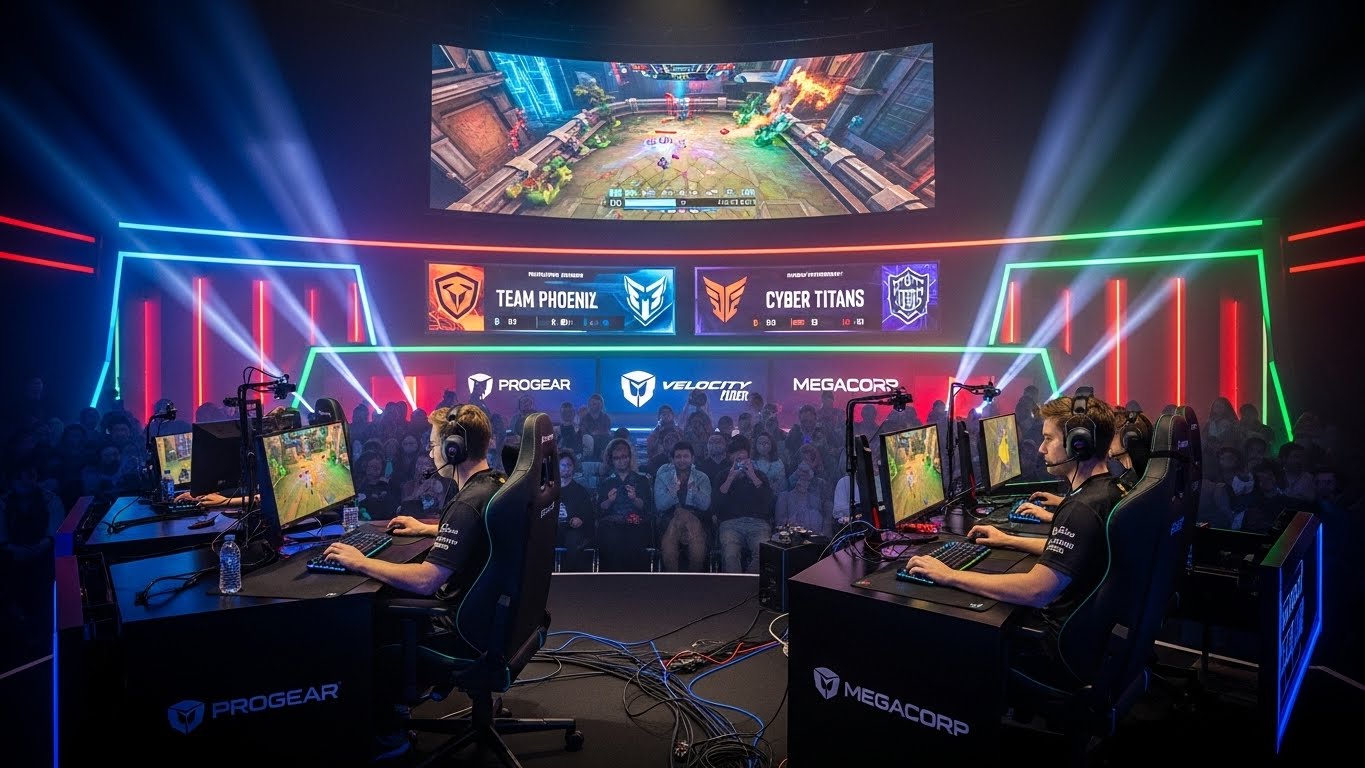
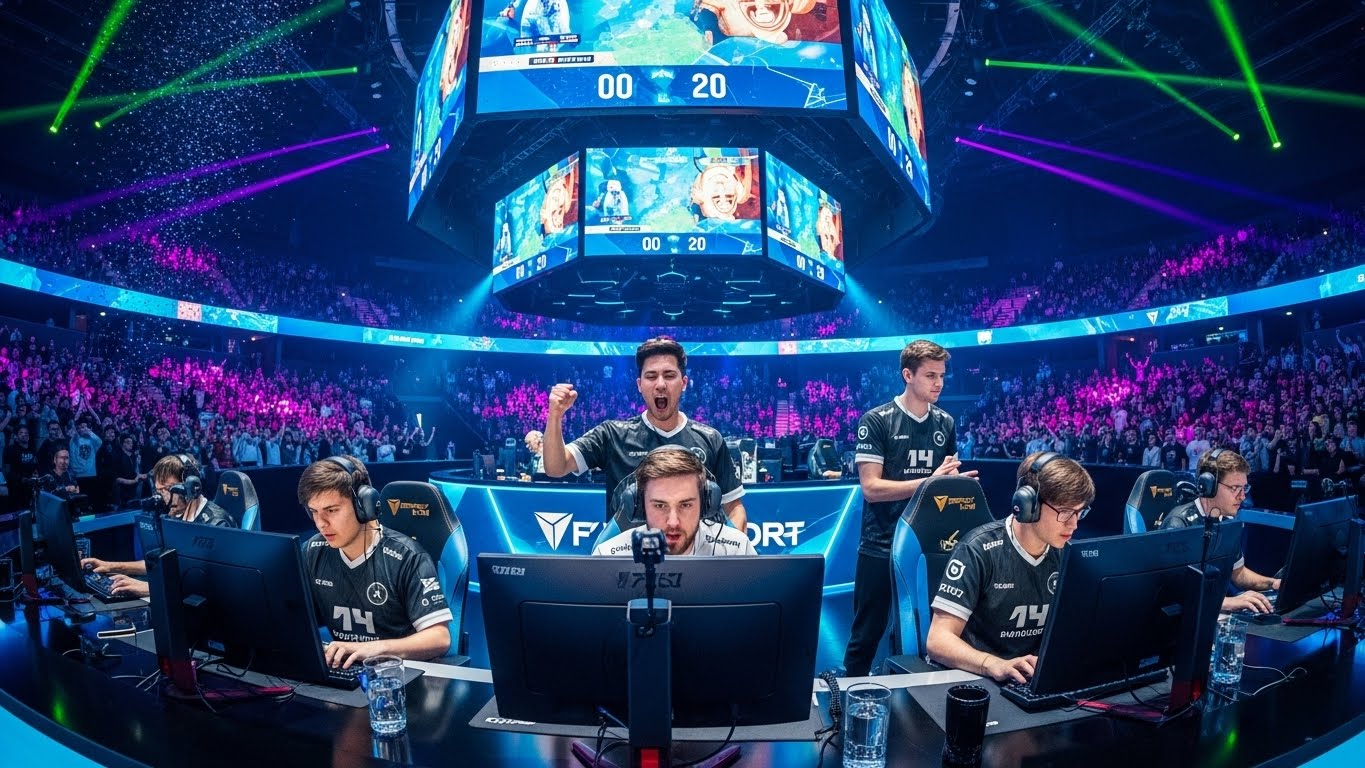
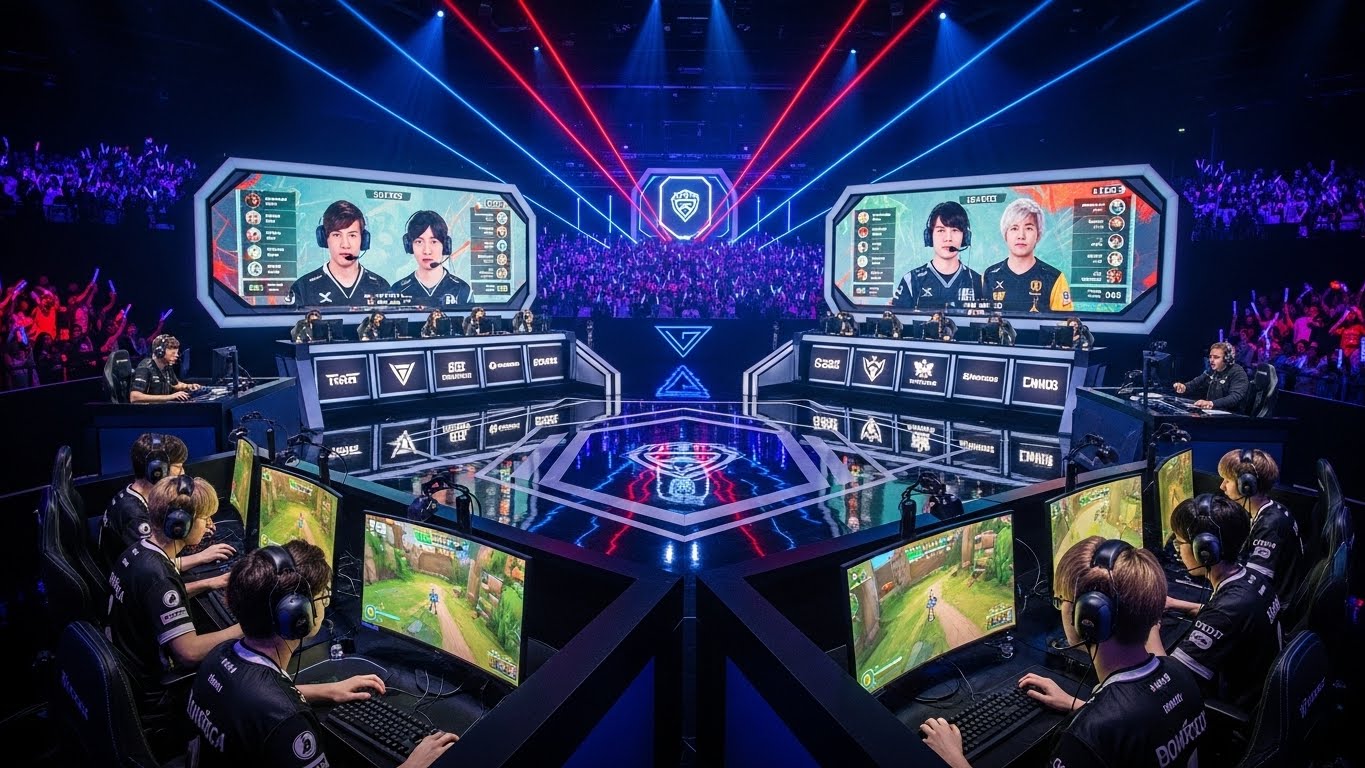
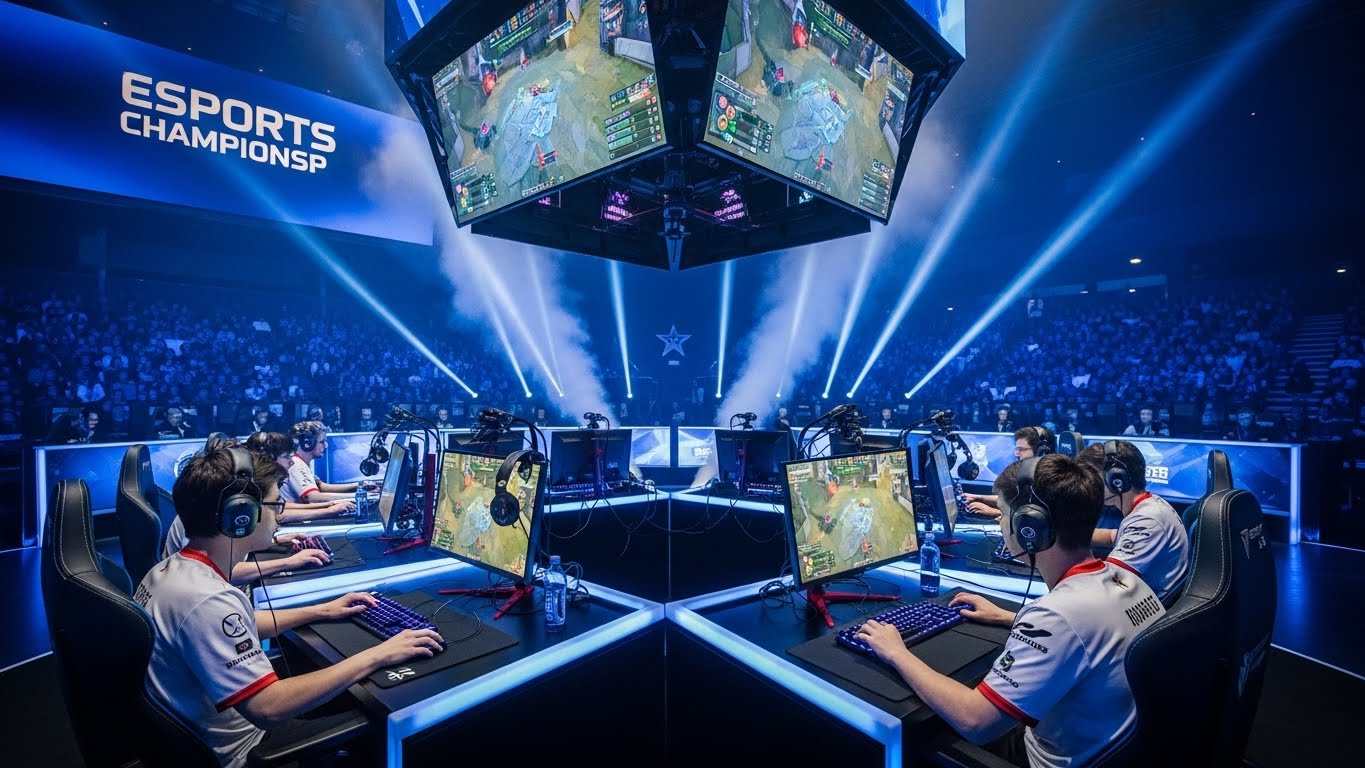
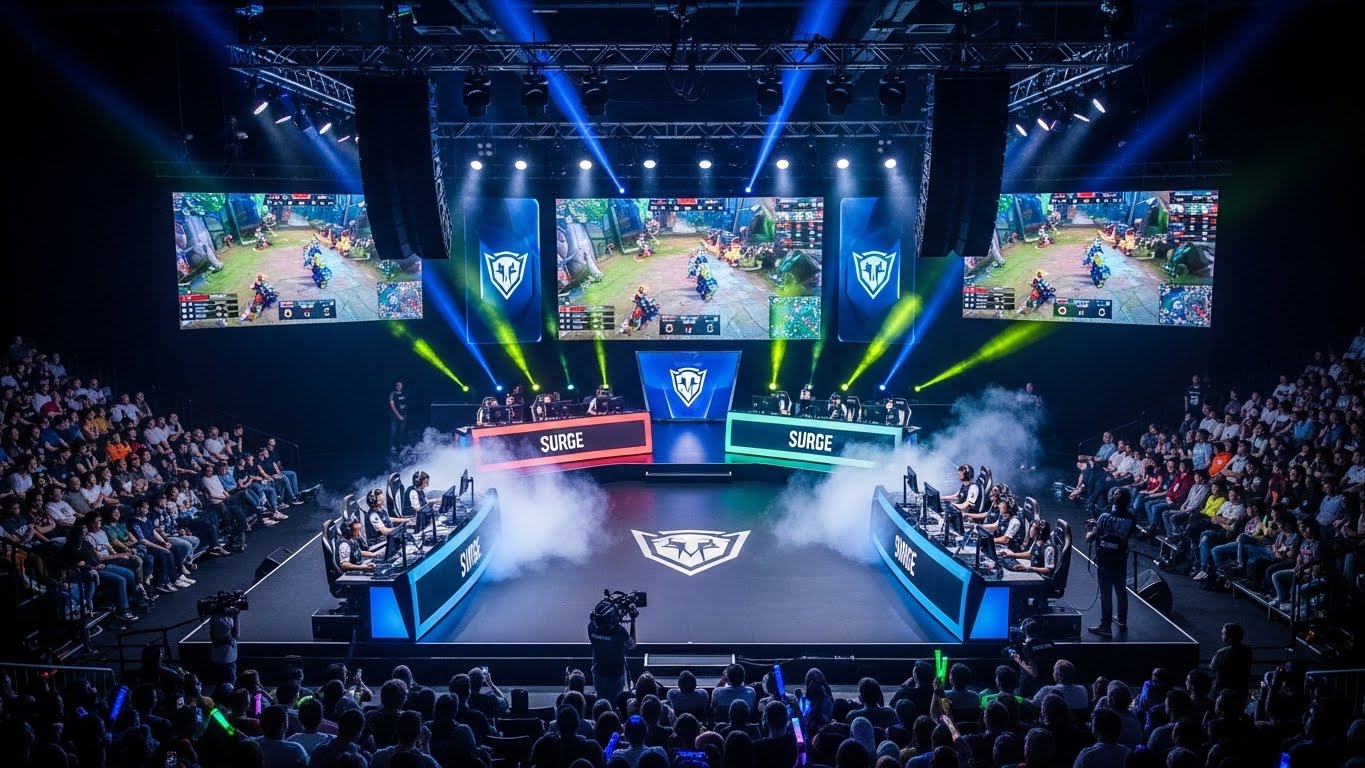
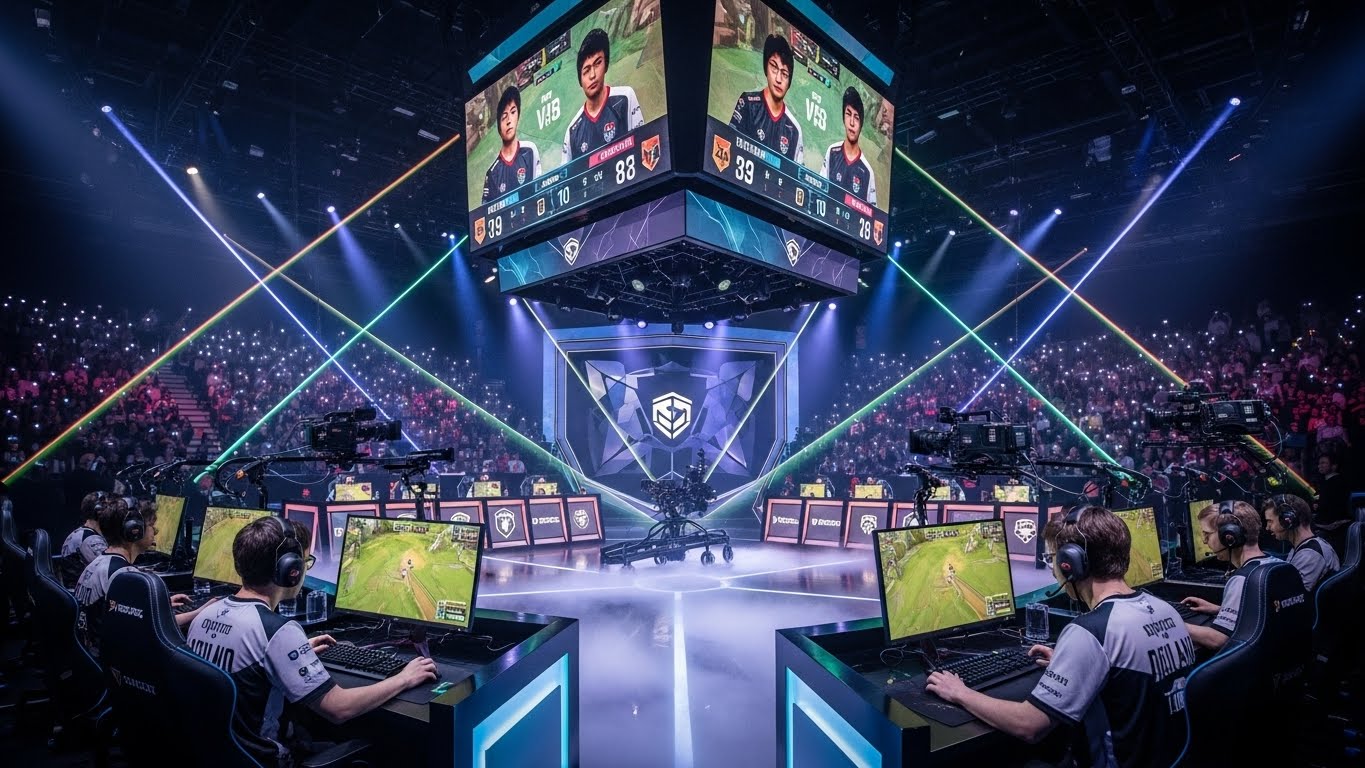
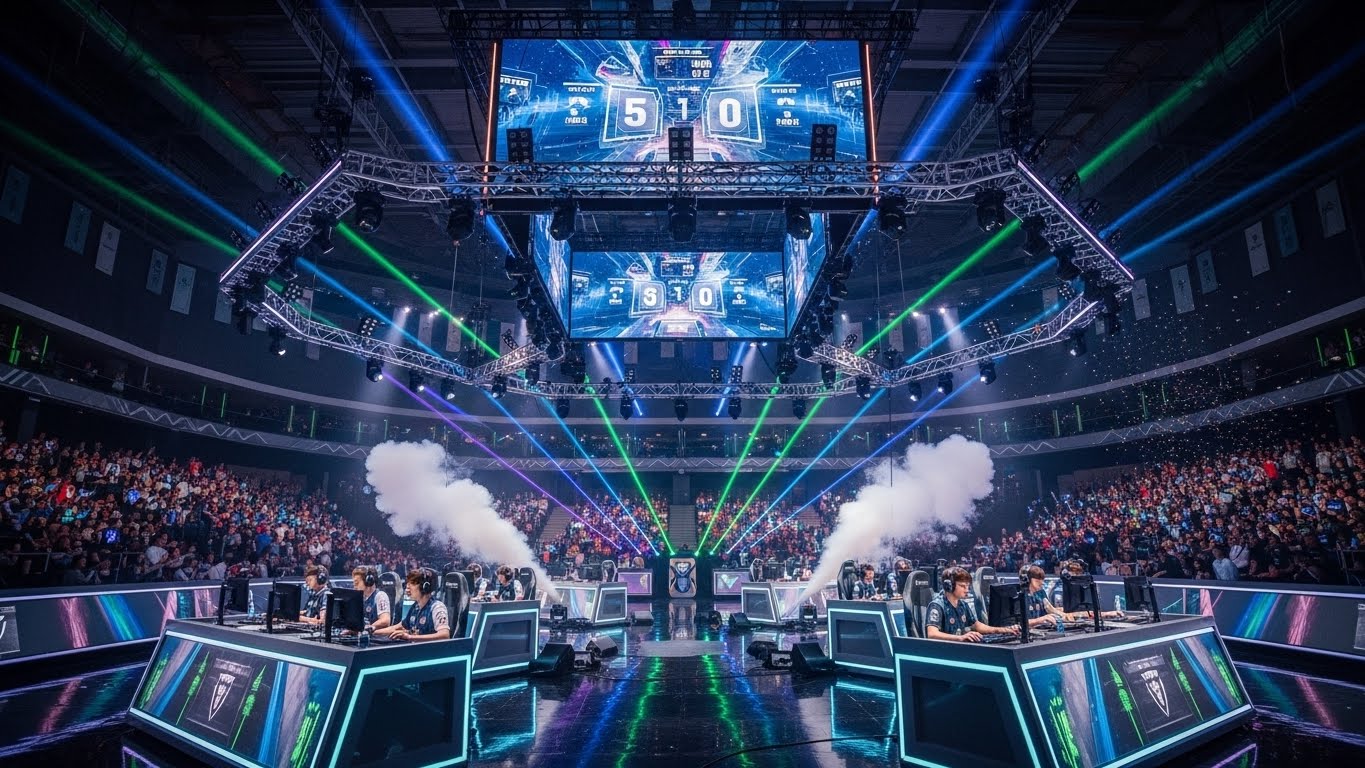
In the last two decades, esports has transformed from a niche hobby into a global cultural and economic powerhouse. What began as small gaming competitions held in basements and internet cafés has evolved into multimillion-dollar tournaments viewed by millions of fans around the world. Esports is not just a pastime anymore—it is a legitimate form of competitive entertainment that has redefined the boundaries of sports, media, and digital culture. The journey of esports is a story of technology, community, passion, and opportunity, all converging to create one of the most exciting industries of the modern age.
The Early Days of Esports
The roots of esports date back to the early 1970s when video gaming itself was in its infancy. One of the first known gaming competitions was held in 1972 at Stanford University, where students competed in the game “Spacewar!” for a subscription to a magazine. Although small and informal, this event planted the seed for organized gaming competitions.
By the 1980s, as video games became a mainstream form of entertainment with titles like “Pac-Man,” “Donkey Kong,” and “Space Invaders,” gaming contests started appearing in arcades and local events. The 1980 “Space Invaders Championship” attracted over 10,000 participants in the United States, marking one of the first large-scale gaming tournaments. These early competitions captured the imagination of players and hinted at the potential of video games as a spectator activity.
The Birth of Competitive Gaming
The 1990s saw the rise of personal computers, home consoles, and the internet—technological advancements that would change the gaming landscape forever. Games like “Street Fighter II” and “Mortal Kombat” popularized one-on-one competition, while “Quake” and “StarCraft” laid the foundations for online competitive gaming.
South Korea, in particular, played a crucial role in establishing esports as a cultural phenomenon. The country embraced online gaming early, and titles like “StarCraft: Brood War” became national obsessions. Televised matches, professional players, and dedicated esports stadiums emerged, creating a structured ecosystem that would later serve as a global model for the industry.
The Global Expansion of Esports
By the early 2000s, esports began spreading rapidly beyond Asia. International tournaments like the World Cyber Games and the Electronic Sports World Cup brought together players from around the globe. North America and Europe started recognizing esports as more than just casual gaming. The rise of broadband internet and gaming platforms such as Counter-Strike, Dota, and Warcraft III allowed players to compete from anywhere, at any time.
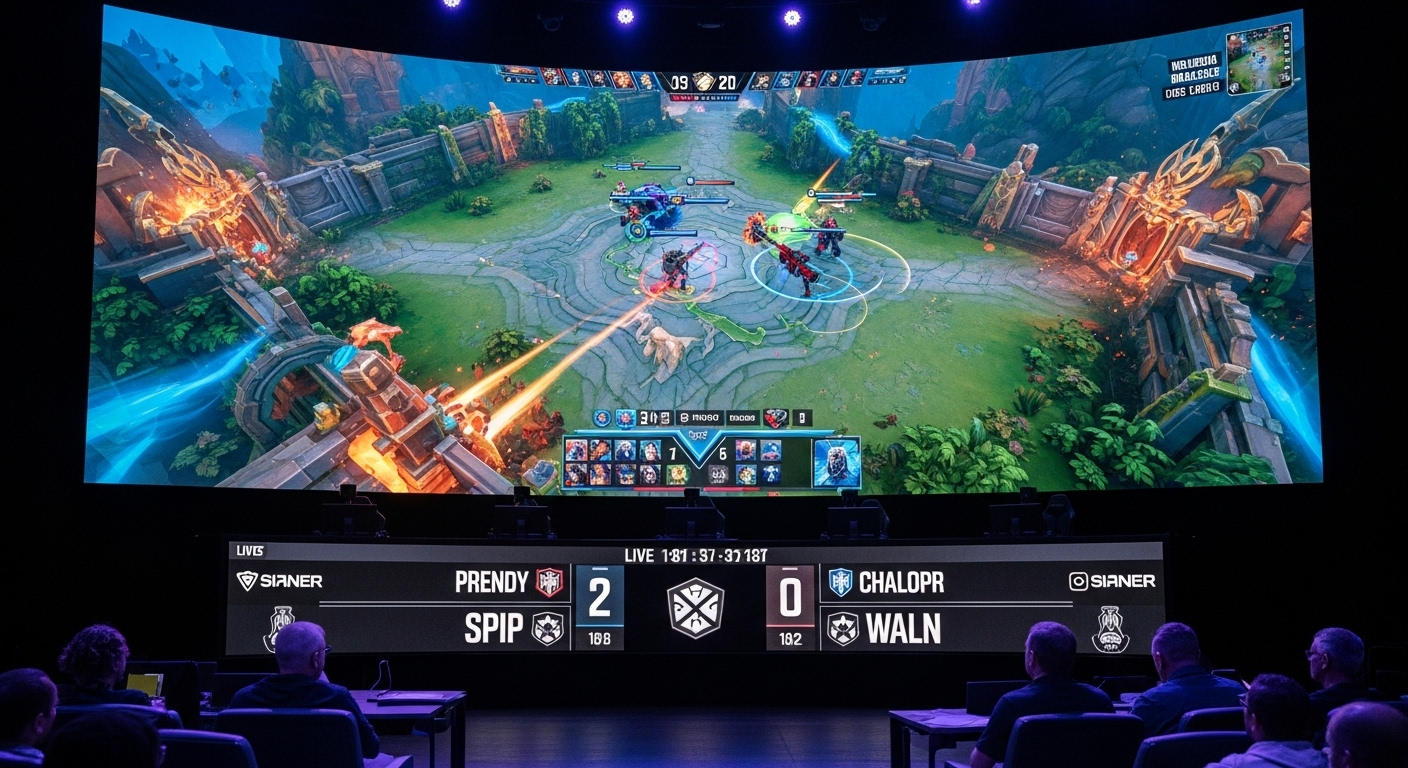
The introduction of live-streaming platforms further accelerated this growth. Fans could now watch professional gamers play in real time, interact through chat, and become part of a growing global community. This connection between players and audiences was a turning point that transformed esports into a form of entertainment comparable to traditional sports.
Esports Becomes a Mainstream Industry
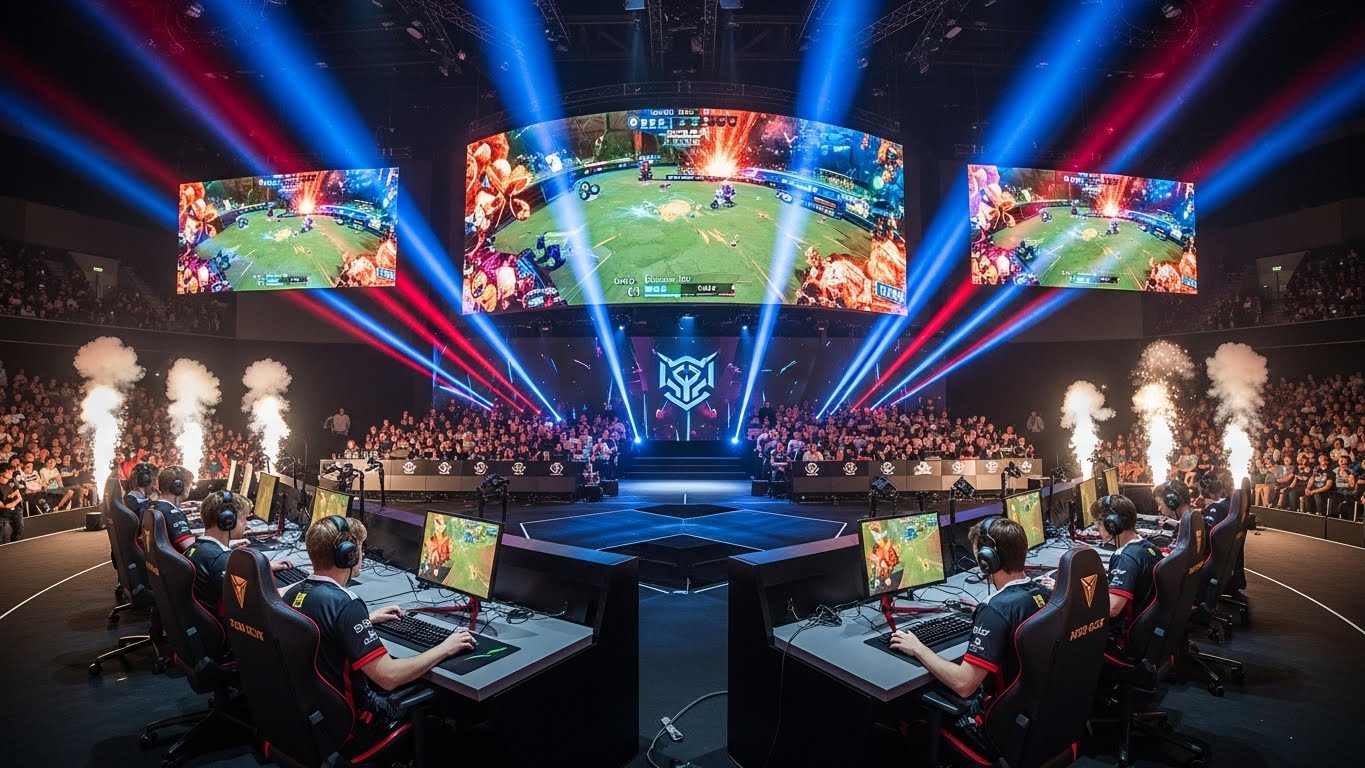
As esports viewership skyrocketed, so did investment. Game developers, sponsors, and media companies saw the potential to reach a massive and engaged audience. Tournaments like “The International” for Dota 2 and “League of Legends World Championship” began offering prize pools worth millions of dollars. Esports organizations signed sponsorship deals with global brands, while players became celebrities with fanbases rivaling those of movie stars and athletes.
Today, esports encompasses a wide variety of games and genres, from first-person shooters like “Call of Duty” and “Valorant” to battle royales like “Fortnite” and strategy games like “StarCraft II.” The diversity of games ensures that fans of all interests can find something they enjoy, contributing to the industry’s massive popularity.
The Role of Technology in Esports
Technology has always been at the heart of esports. High-speed internet, powerful graphics cards, and game streaming platforms have made it possible to create immersive and competitive gaming experiences. The development of virtual reality, cloud gaming, and artificial intelligence is pushing the boundaries even further.
Streaming services have been instrumental in connecting players and audiences. Platforms allow millions of viewers to watch tournaments, follow their favorite teams, and even donate to streamers directly. The real-time interaction between players and fans has given esports a sense of community and authenticity that traditional sports often lack.
The Professional Esports Ecosystem
The esports ecosystem is vast and multifaceted. It includes professional teams, individual players, coaches, analysts, event organizers, broadcasters, sponsors, and game developers. Each plays a crucial role in maintaining the balance and growth of the industry.
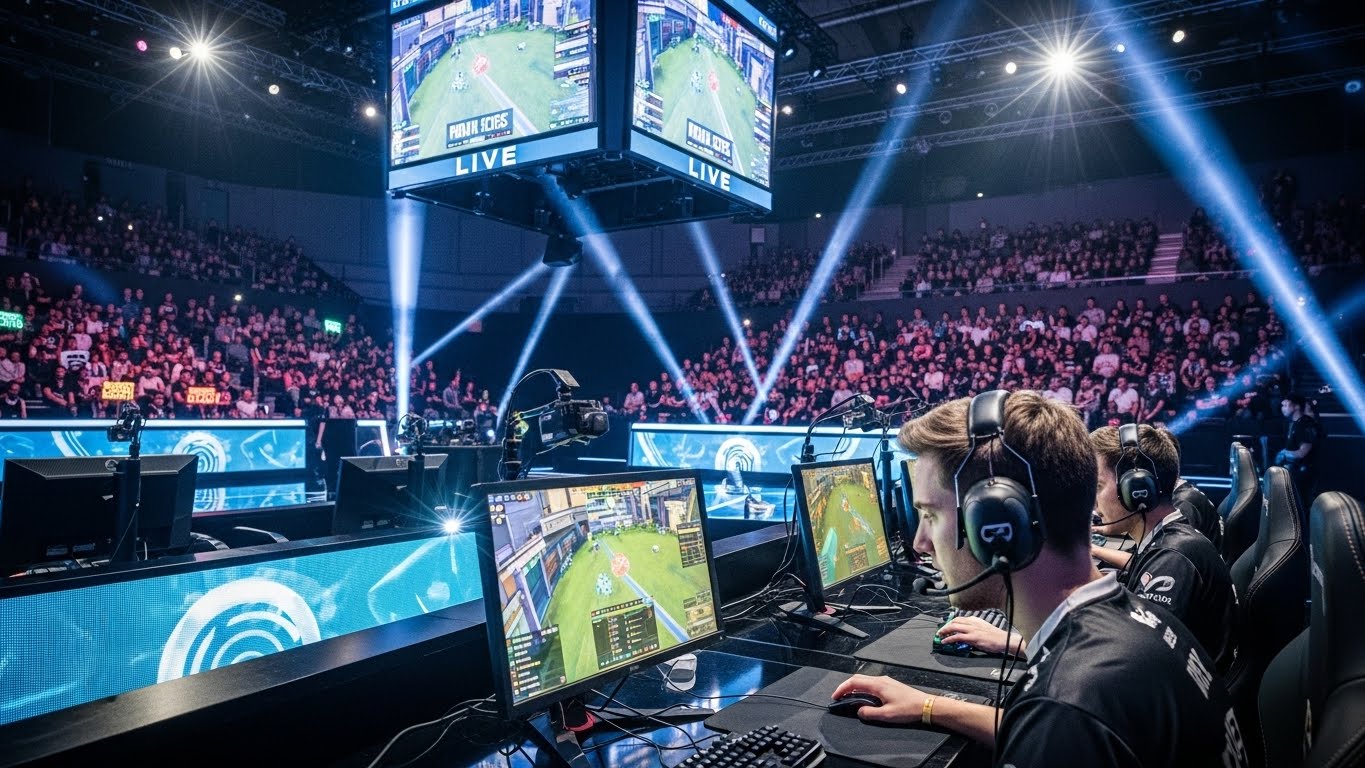
Professional players often dedicate years of practice to reach the top level, training with their teams in dedicated gaming houses or facilities. Coaches and analysts help them develop strategies, review performance, and maintain mental focus. Just like traditional athletes, esports players face immense pressure to perform and must balance their careers with physical and mental well-being.
Teams and organizations serve as the backbone of esports. They provide financial support, resources, and branding for players. Many organizations operate across multiple games and have become recognizable brands in their own right. The competition between these teams fuels the excitement that keeps fans engaged.
Esports and Traditional Sports: A New Rivalry
For years, critics dismissed esports as “not real sports.” However, as esports continues to grow, that perception is changing. The similarities between esports and traditional sports are undeniable—both require skill, strategy, teamwork, and endurance. The only difference lies in the medium: one is physical, the other digital.
Traditional sports organizations have taken notice. Major sports franchises have launched their own esports divisions or partnered with gaming companies. The NBA has its NBA 2K League, FIFA has its global tournaments, and Formula 1 has embraced virtual racing. These collaborations blur the line between physical and digital sports, creating a hybrid entertainment experience for fans.
The Esports Audience and Culture
One of the most remarkable aspects of esports is its community. The audience is predominantly young, tech-savvy, and passionate. They engage not only by watching but also by playing, streaming, creating content, and participating in online discussions. Esports fans are loyal and deeply connected to their favorite players and teams.
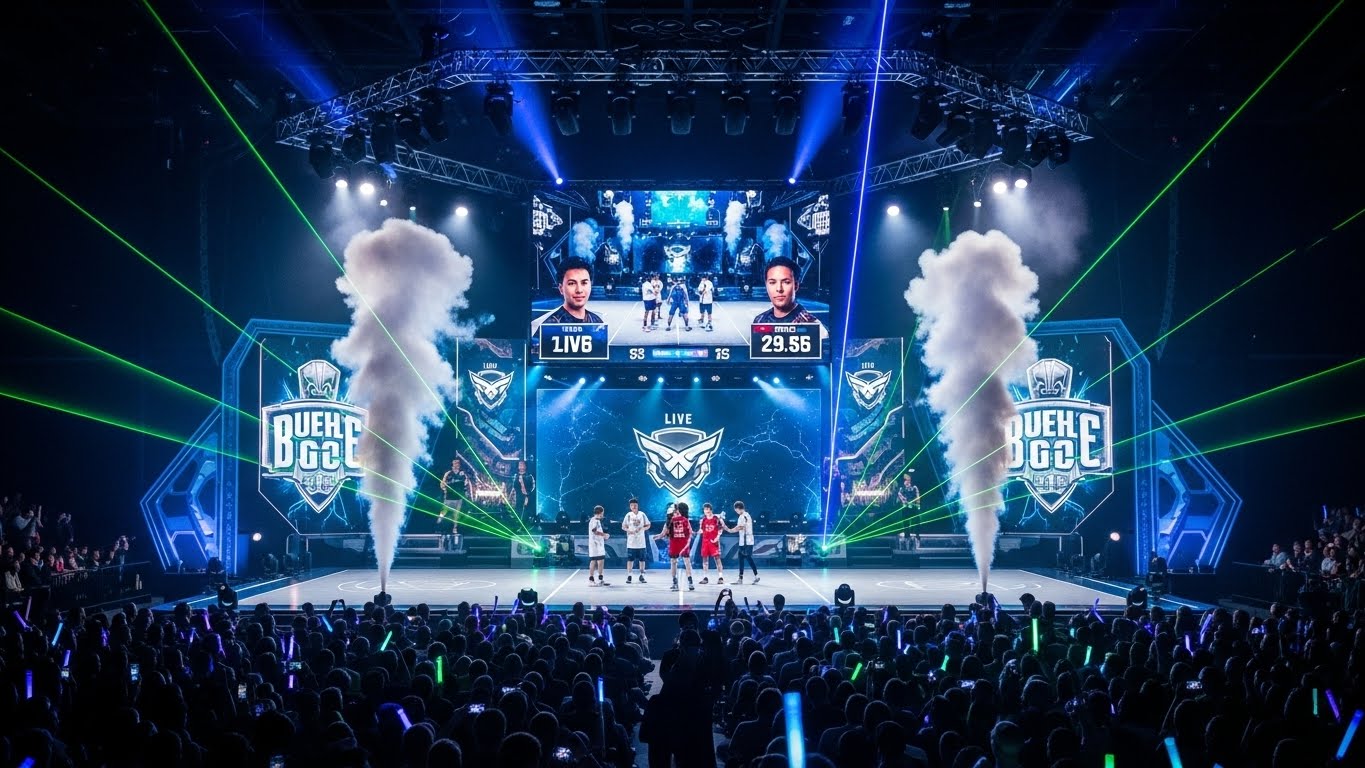
Social media has amplified this connection, allowing fans to interact directly with professional gamers. Esports events often trend globally, with millions tuning in to watch finals and championship matches. The energy and enthusiasm of live esports crowds rival those found in traditional sports arenas, complete with chants, team merchandise, and roaring celebrations.
Education and Career Opportunities in Esports
The growth of esports has opened doors for new career opportunities. Beyond being a player, individuals can become casters, analysts, event organizers, designers, or even team managers. Universities around the world now offer esports-related degrees, scholarships, and training programs. Educational institutions are beginning to recognize that esports can foster valuable skills such as teamwork, critical thinking, and problem-solving.
Moreover, esports provides a platform for inclusivity. Unlike traditional sports, esports allows people from all backgrounds, genders, and physical abilities to compete on an equal playing field. This accessibility has made gaming a universal activity, promoting diversity and community across borders.
The Economic Impact of Esports
The financial scale of esports is astounding. The industry generates billions of dollars annually through sponsorships, advertising, ticket sales, merchandise, and digital content. Major tournaments attract corporate partnerships from brands outside gaming, including automobile companies, apparel manufacturers, and tech giants.
Cities around the world are investing in esports arenas and facilities to host major events, recognizing their potential to boost tourism and local economies. The rise of esports betting, merchandising, and digital collectibles has also added new revenue streams to the industry.
Challenges Facing the Esports Industry
Despite its success, esports faces several challenges. Player burnout, match-fixing, doping, and online harassment are ongoing issues that need attention. The industry also lacks a unified governing body, which makes regulation and standardization difficult.
Additionally, while esports is a global phenomenon, access to resources and infrastructure varies by region. Some countries have well-established ecosystems, while others struggle with connectivity and funding. Ensuring fair competition and sustainability remains a priority for the industry’s long-term success.
The Future of Esports
The future of esports looks promising. As technology continues to evolve, new forms of gaming such as augmented reality and virtual reality could revolutionize the spectator experience. Artificial intelligence may help players train more efficiently, and cloud gaming could make competitive play more accessible to people around the world.
Moreover, the continued integration of esports into mainstream culture suggests it will become an even more significant part of global entertainment. Schools, brands, and governments are increasingly acknowledging esports as a legitimate sport and career path.
The potential for crossover events, interactive experiences, and fan-driven content is immense. Esports has the ability to bridge generations, uniting people through the universal language of gaming.
The Human Side of Esports
Beyond the flashing lights and million-dollar tournaments lies a deeply human story. Esports is about passion, perseverance, and connection. It’s about players chasing dreams, overcoming obstacles, and inspiring others. Every gamer who competes represents a blend of dedication, skill, and creativity that defines modern competition.
The stories of individual players rising from humble beginnings to international fame mirror those of traditional athletes. They remind us that esports is not just about games—it’s about people, teamwork, and the pursuit of excellence.
Conclusion
Esports has come a long way from its humble beginnings. What started as a pastime has become a global movement that influences entertainment, technology, education, and culture. The journey of esports is a testament to human innovation and the power of digital connectivity.
As we move deeper into the digital age, esports will continue to shape how we play, compete, and connect. It has proven that skill and passion can transcend physical boundaries and that the thrill of competition can thrive in virtual arenas.
The rise of esports is not just a technological revolution—it is a cultural evolution. It represents a new form of storytelling, community, and achievement that defines the spirit of a generation. Esports is no longer the future of gaming—it is the future of global entertainment.