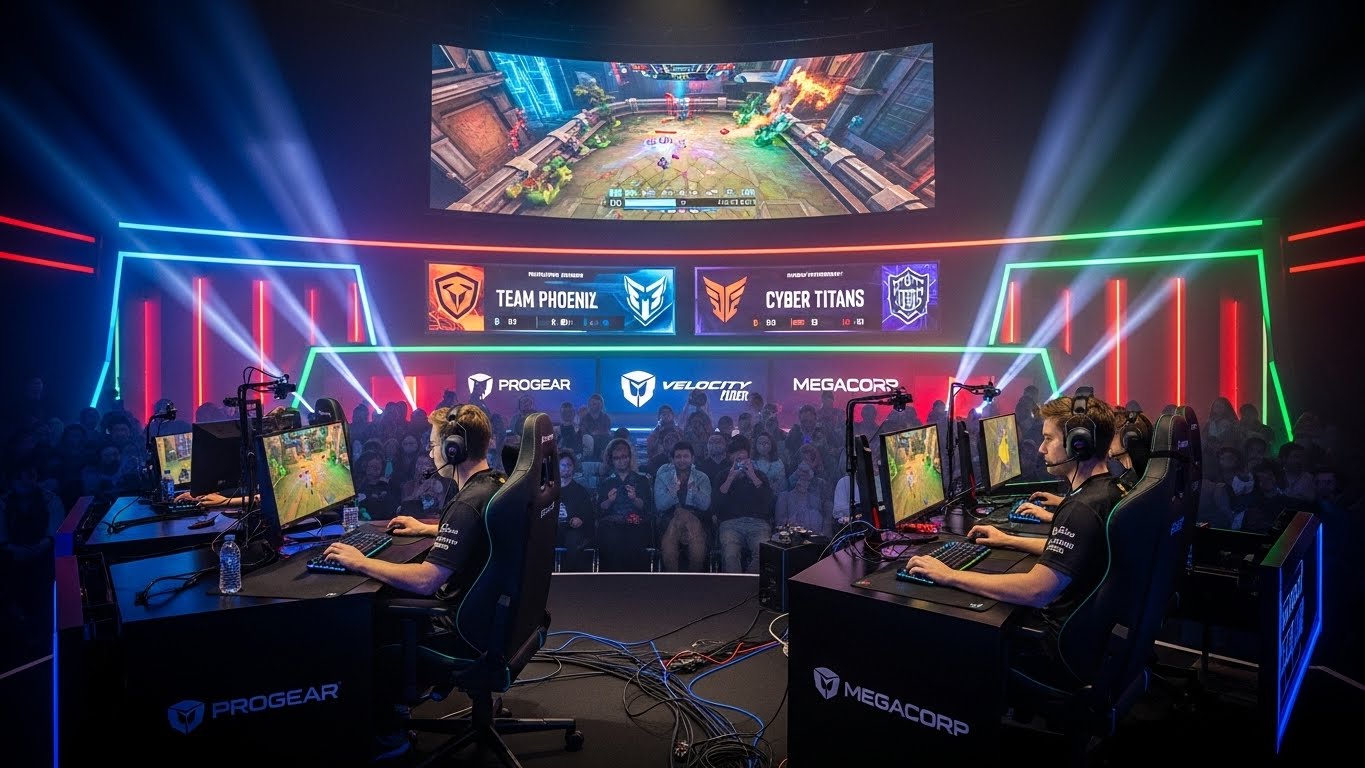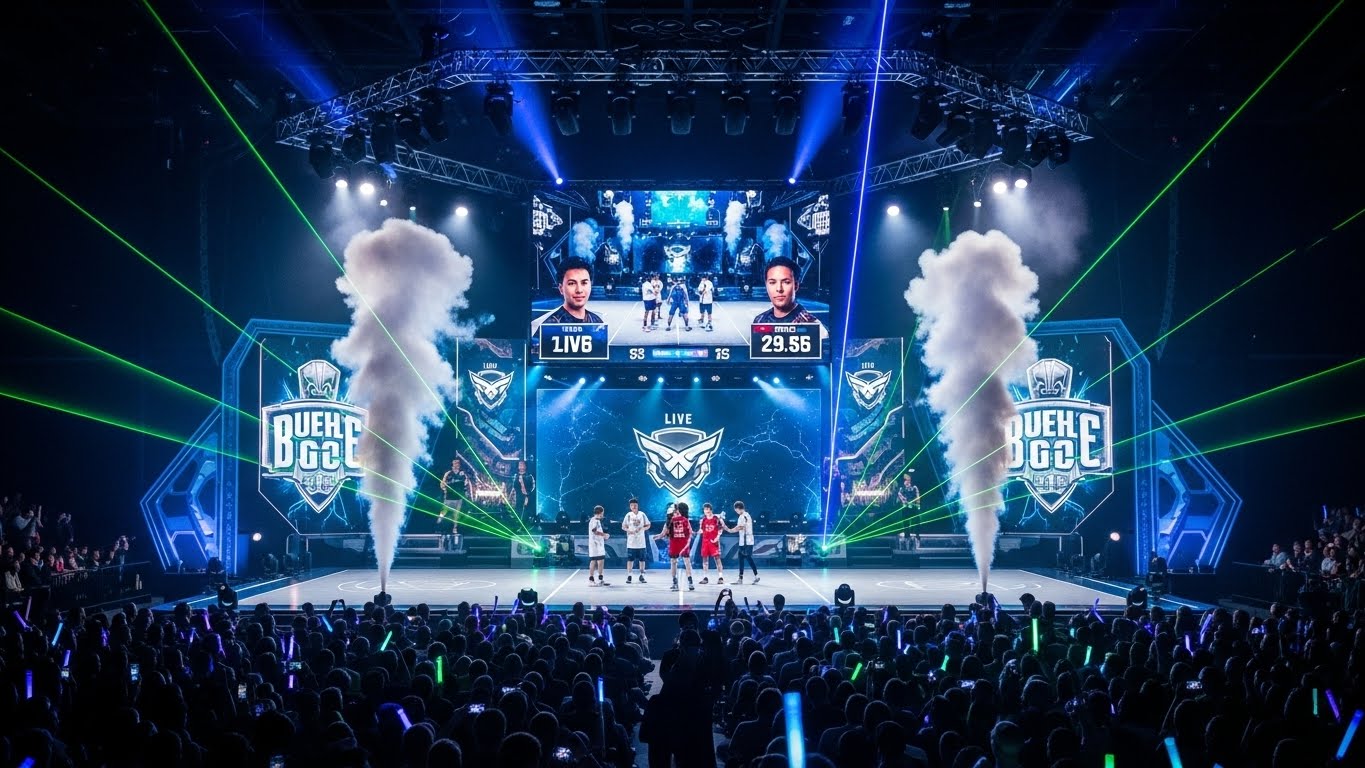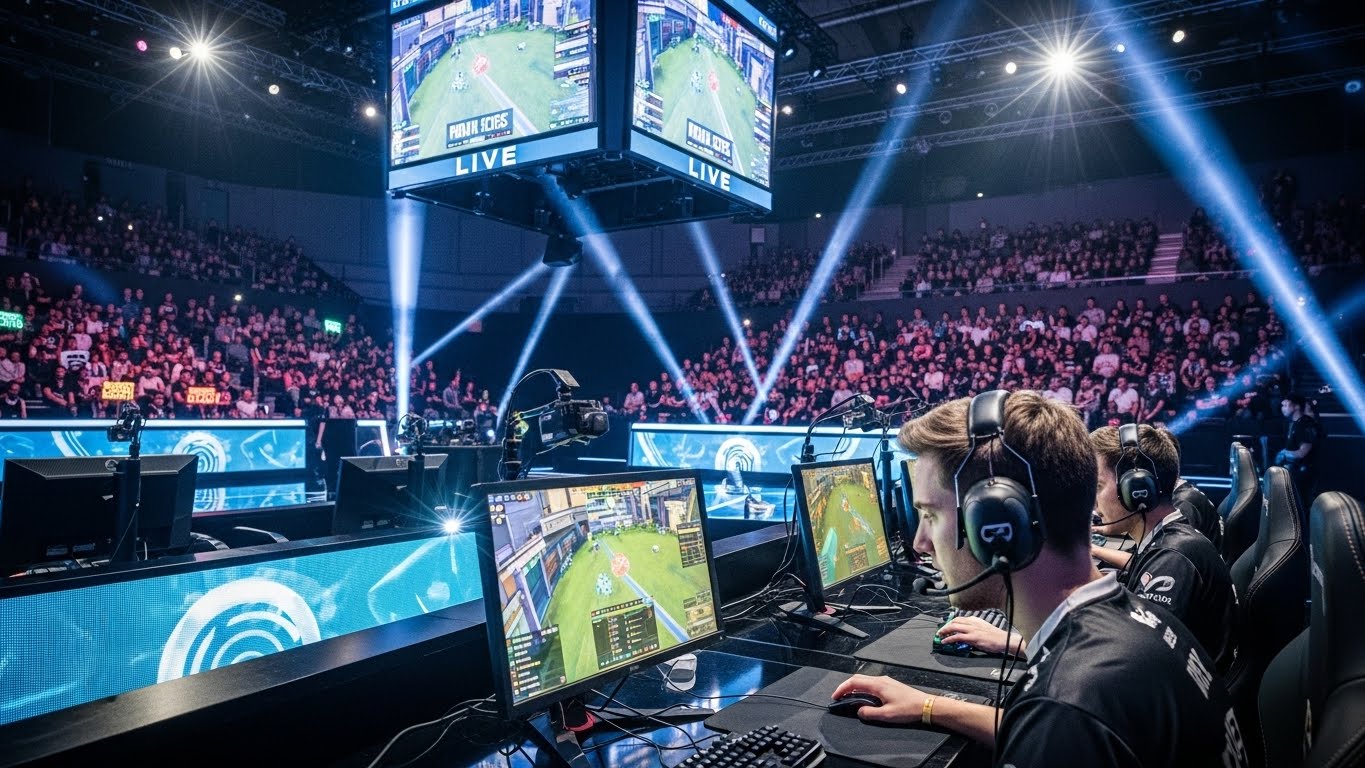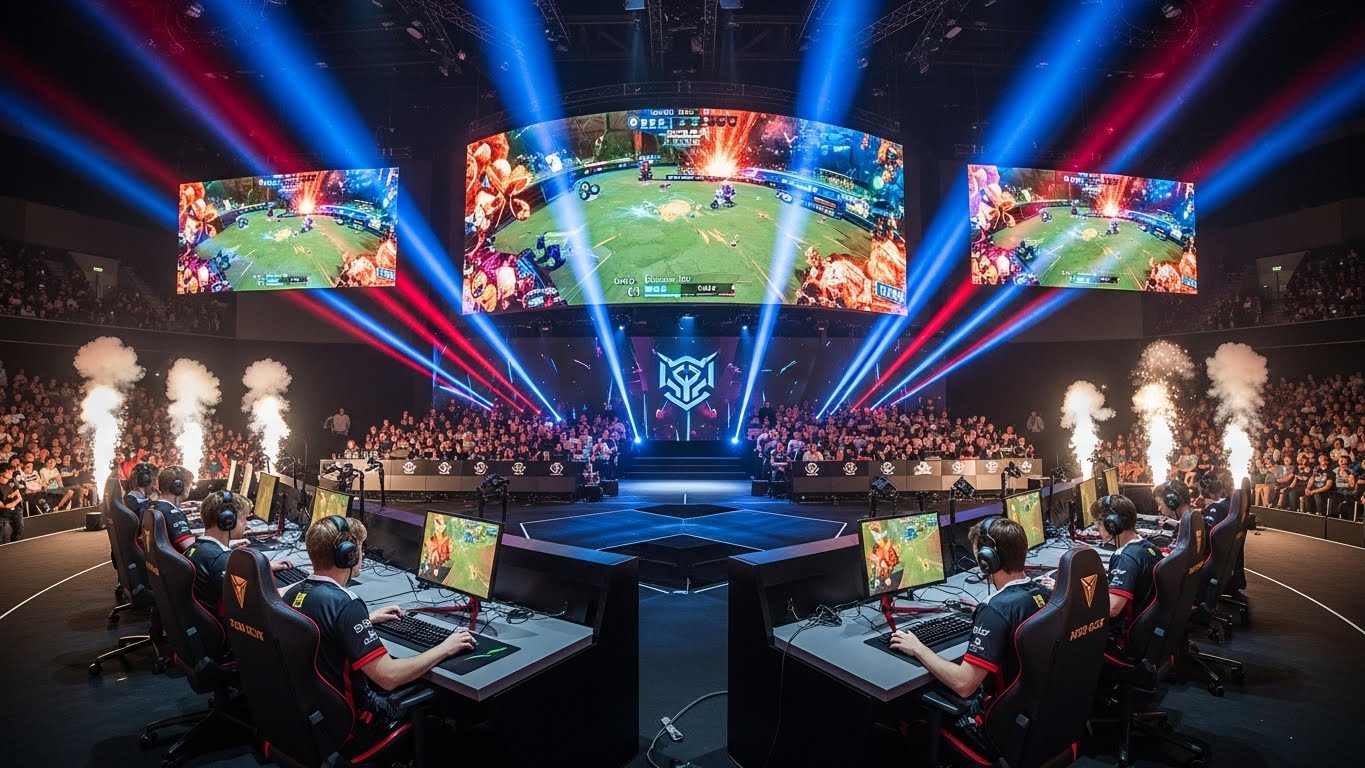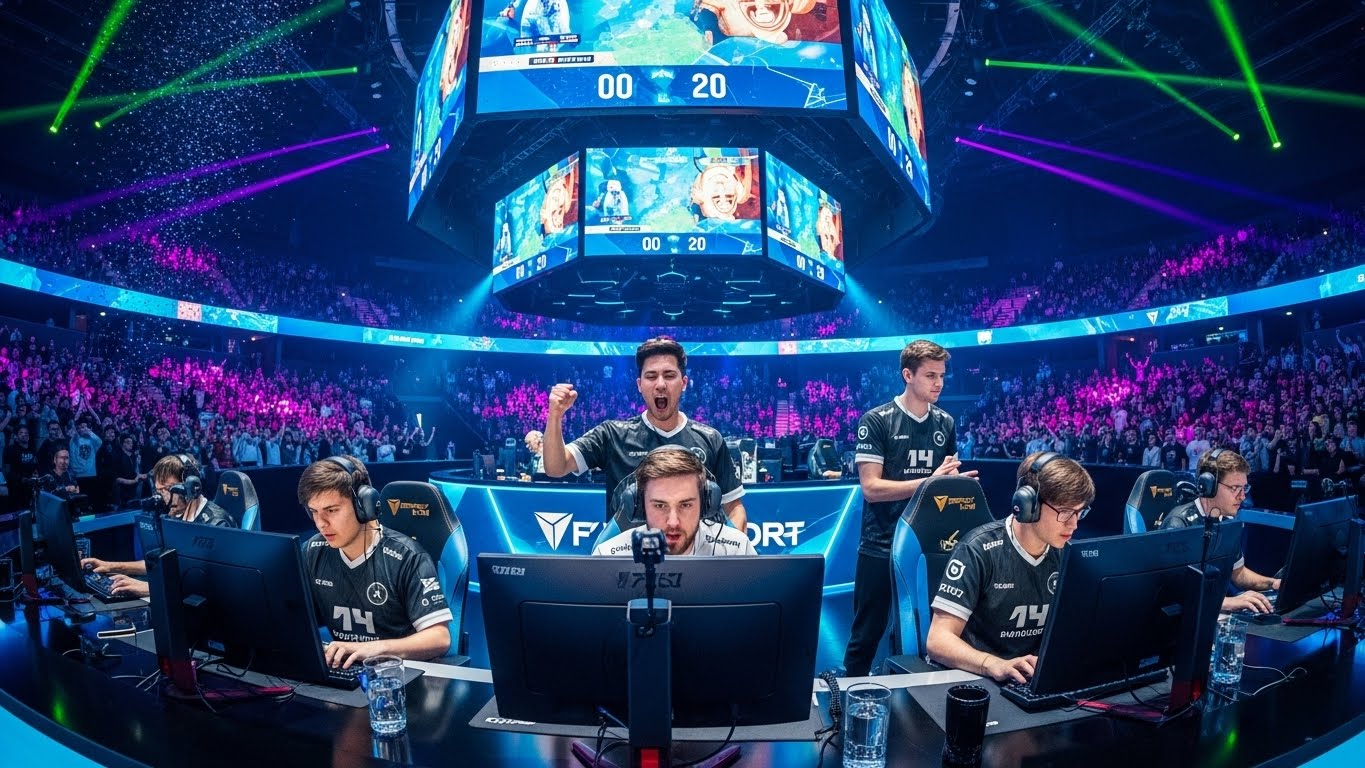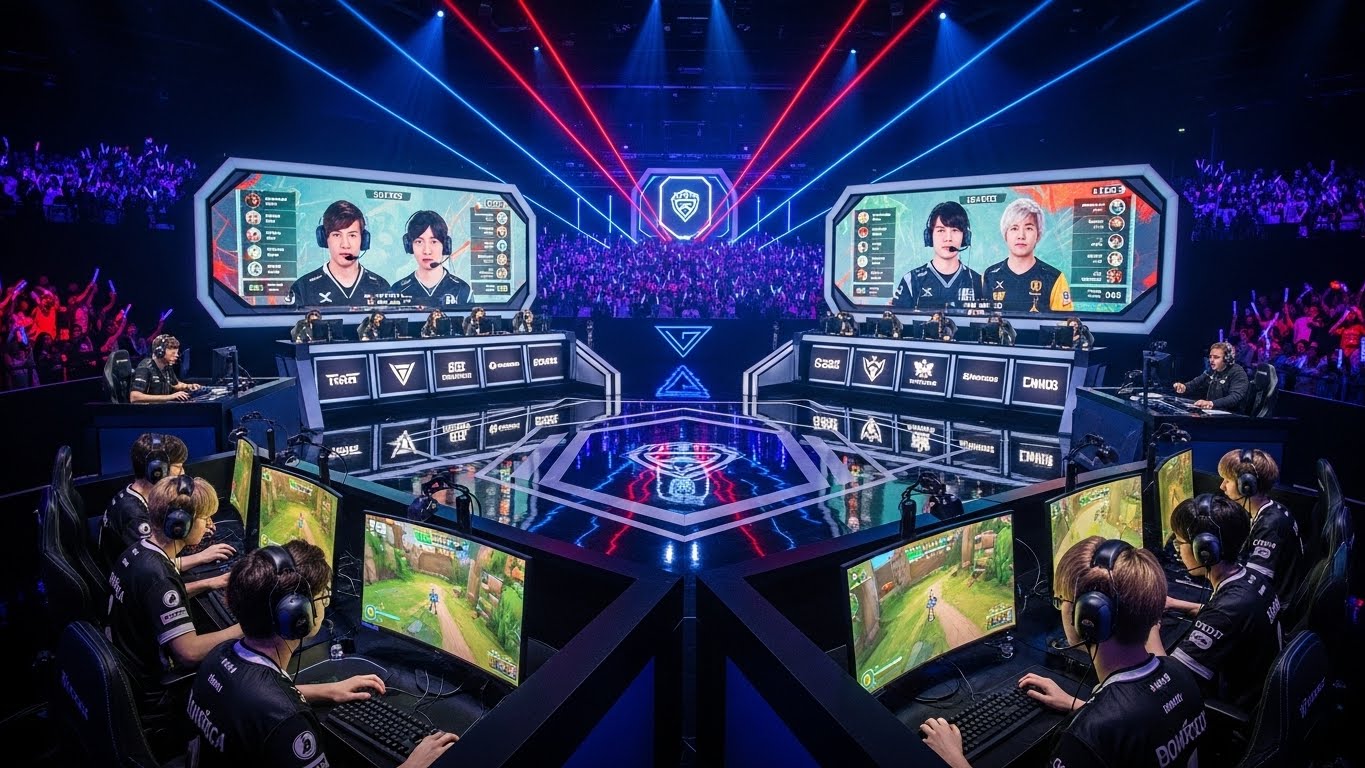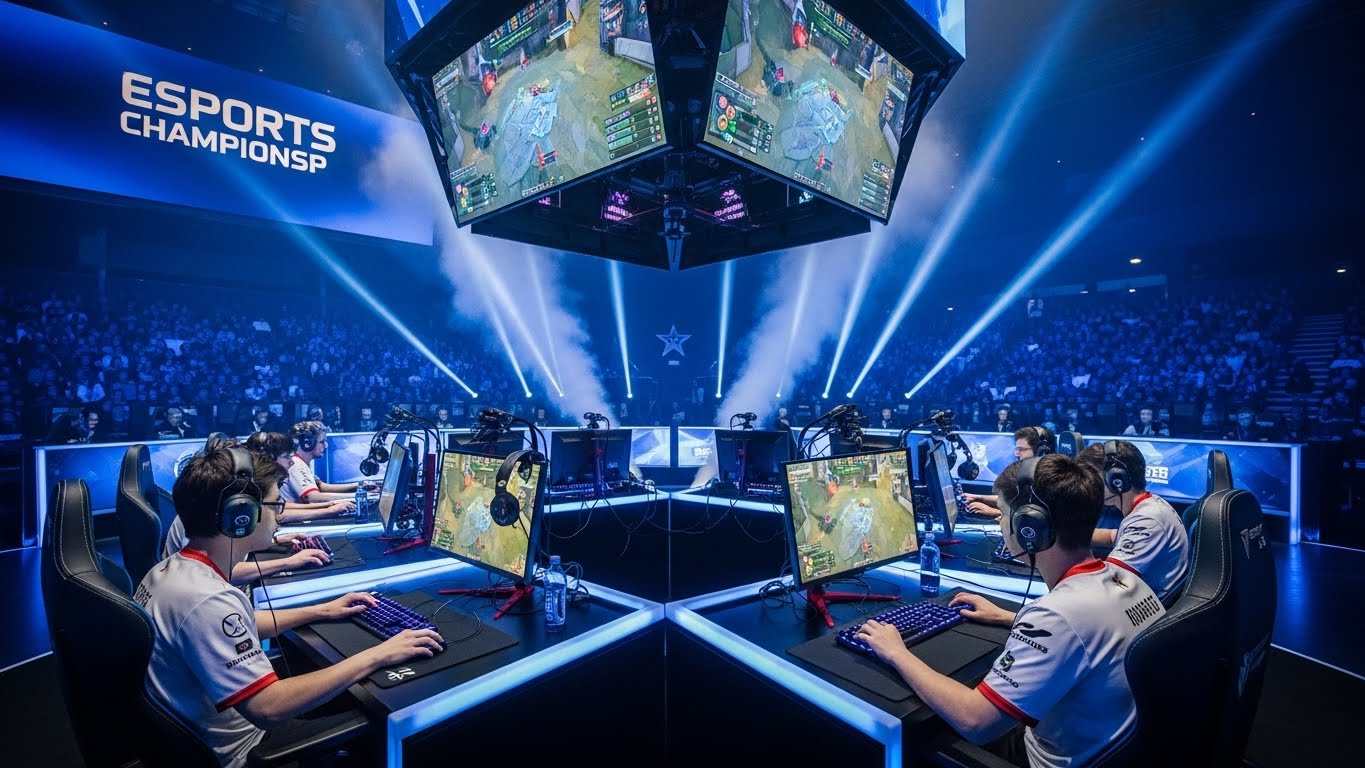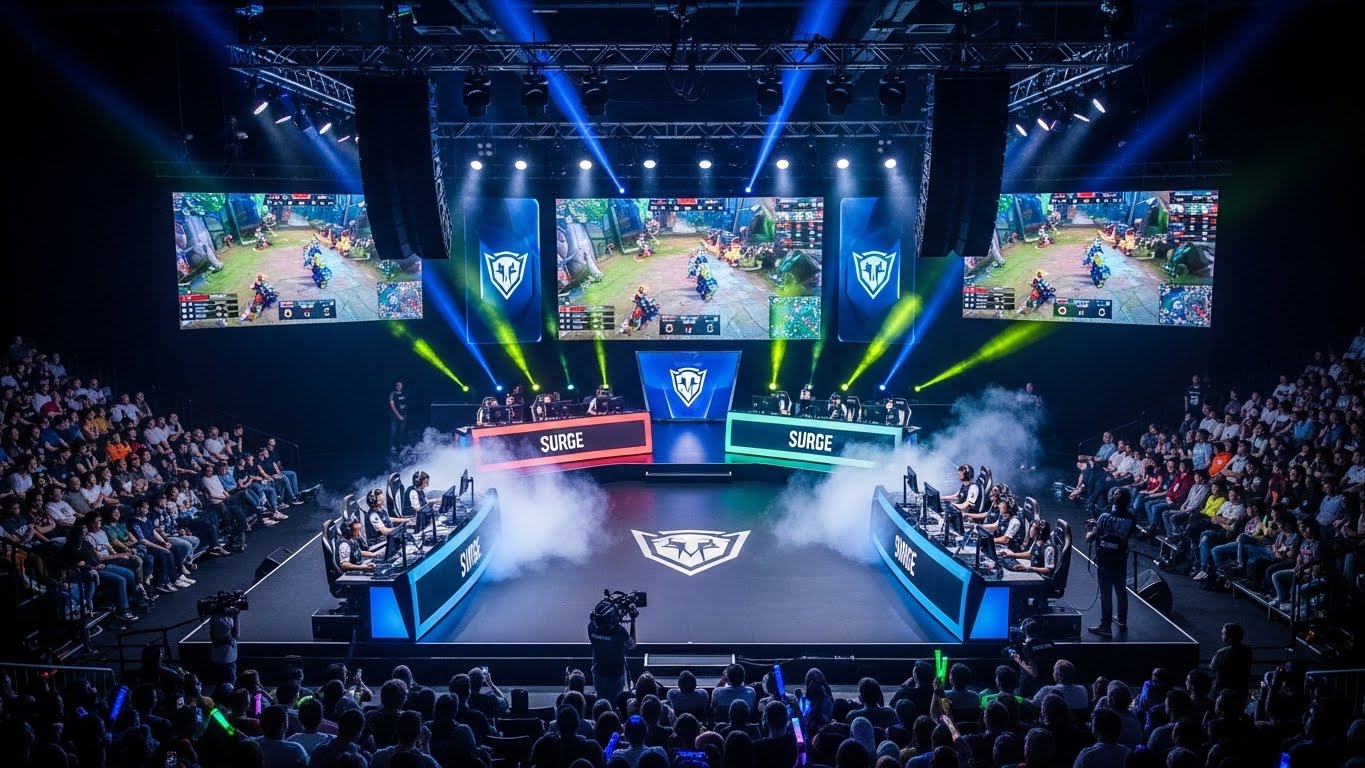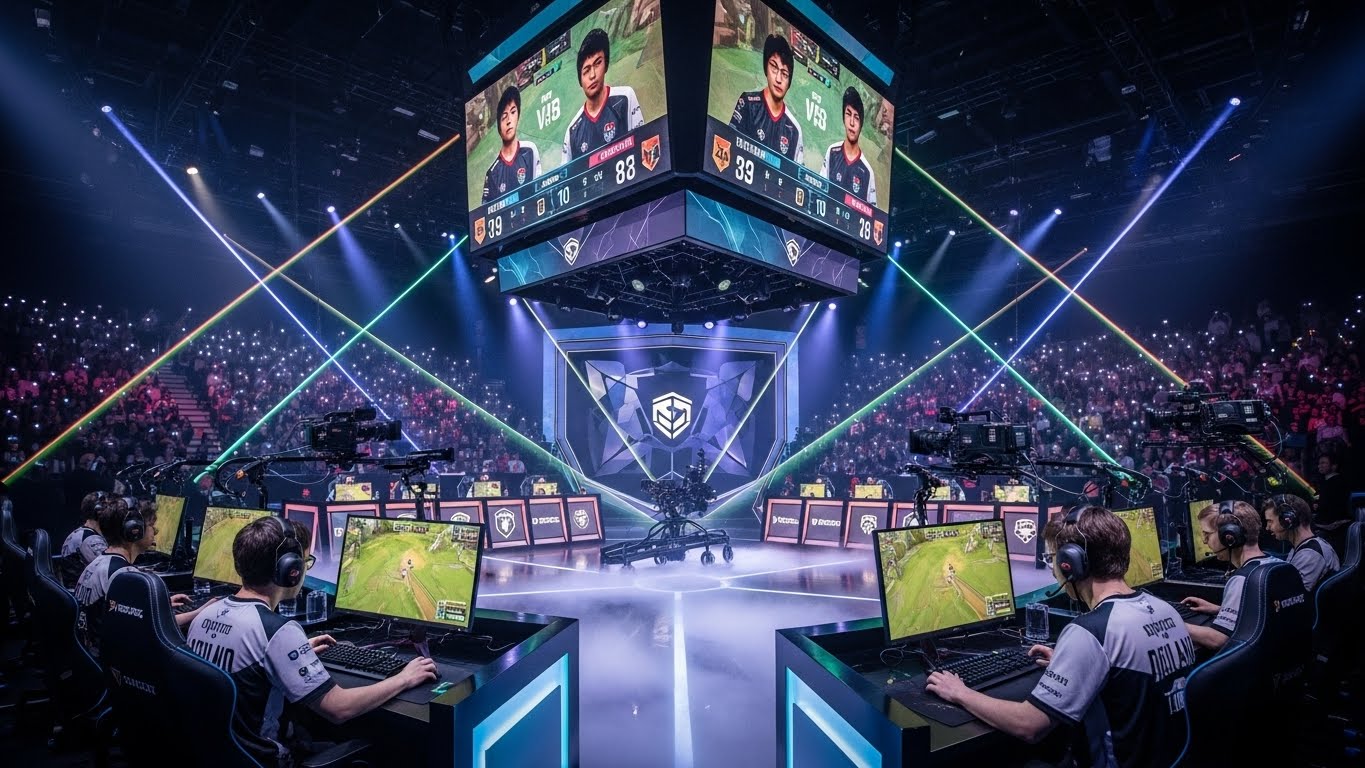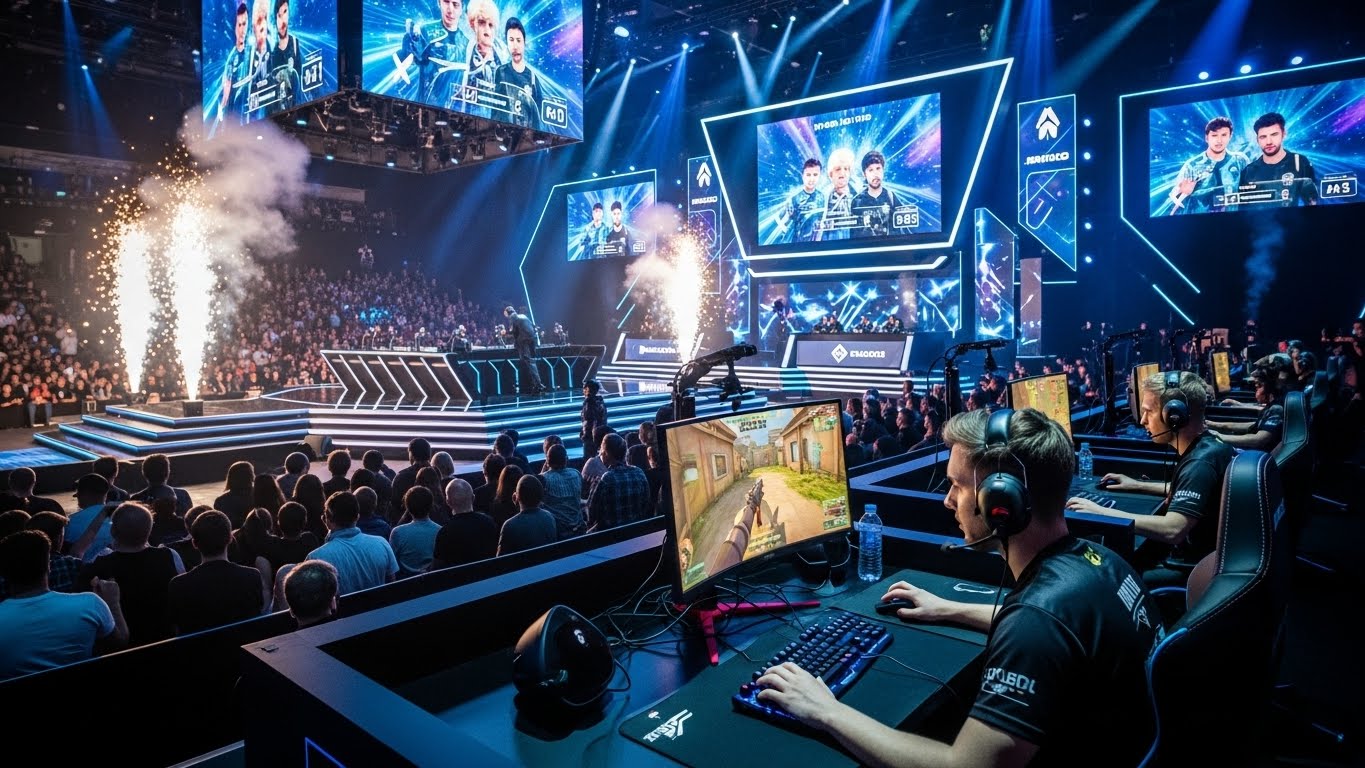

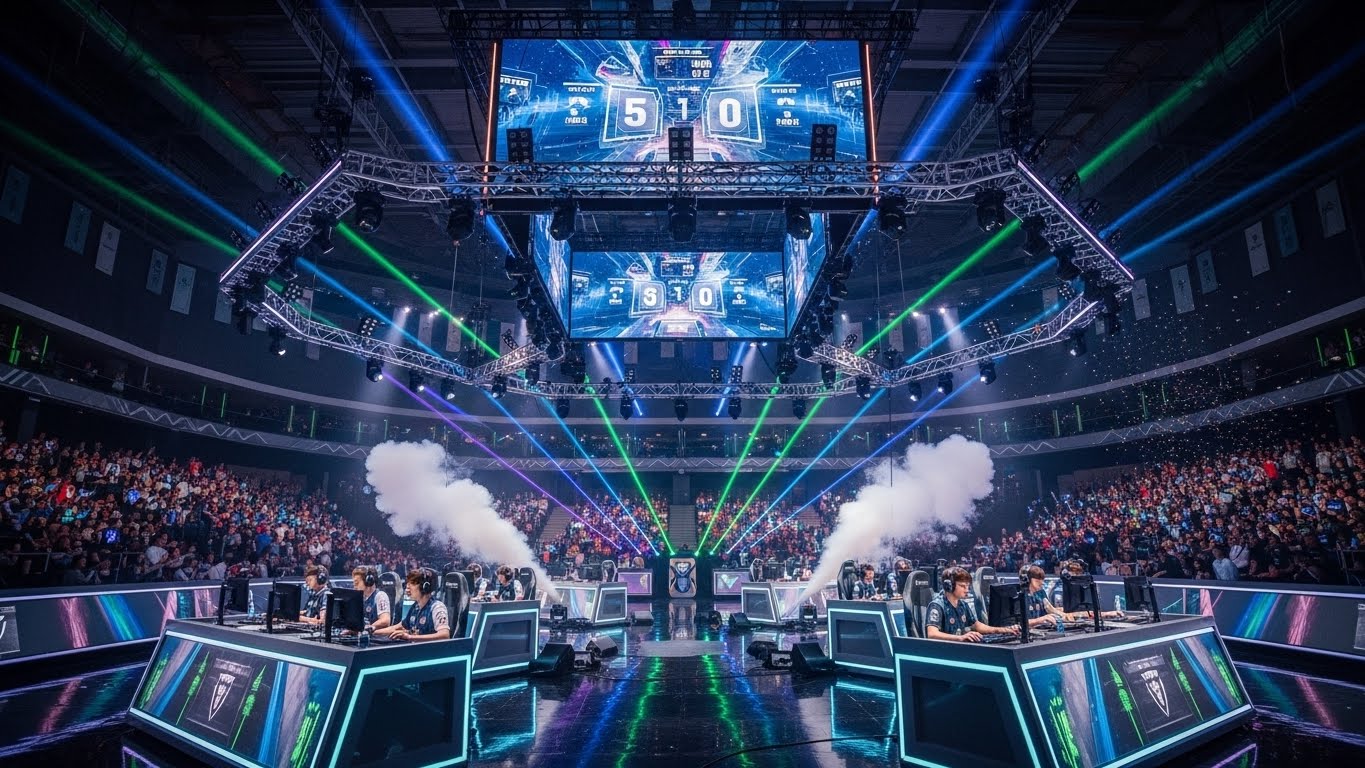
Esports, short for electronic sports, has rapidly transformed from a niche hobby to a mainstream entertainment juggernaut, captivating millions of fans worldwide. The competitive gaming industry, which once existed in the shadows of traditional sports, has now become a massive, multifaceted sector that includes professional leagues, massive tournaments, sponsorships, and global fanbases. In this blog post, we will explore the journey of esports, its rise to prominence, the factors fueling its growth, and the impact it has had on the broader gaming industry and society.
The Beginnings: From Arcade Games to Competitive Play
Esports, as we know it today, has roots that stretch back decades, even though the term itself wasn’t coined until the late 1990s. The history of competitive gaming can be traced to the early days of arcade games in the 1970s and 1980s. In the early days, gamers would compete for high scores, and while this was fun and exciting for players, it wasn’t organized or formalized competition in the way we think of esports today.
One of the first major events that could be classified as esports was the 1972 “Intergalactic Spacewar Olympics” held at Stanford University. It was a competition where students competed in the game Spacewar, one of the first video games ever created. However, it wasn’t until the 1990s that gaming competitions became more structured.
During the early 1990s, the growing popularity of home consoles, personal computers, and online gaming gave rise to organized competitions. The advent of the internet enabled players to compete remotely against others, creating a new landscape for competitive gaming. This was the dawn of what would eventually evolve into esports.
The Rise of Online Tournaments: A New Era in Gaming
As internet speeds improved and broadband became more accessible in the late 1990s and early 2000s, online gaming experienced significant growth. One of the key moments that accelerated the rise of esports was the development of online multiplayer games like StarCraft, Warcraft III, and Quake. These games provided the foundation for competitive play, as they allowed players to compete against others around the world in real time.
In the late 1990s, tournaments like the Cyberathlete Professional League (CPL) and World Cyber Games (WCG) began to emerge, further legitimizing competitive gaming as a legitimate form of sport. These tournaments, often sponsored by major tech companies like Intel and Microsoft, offered cash prizes and attracted professional players, drawing attention to the potential of esports as a global phenomenon.
One of the landmark events in the history of esports was the 2000 World Cyber Games, which attracted players from 40 countries to compete in StarCraft and other games. The success of these tournaments laid the groundwork for the esports ecosystem we see today.
The Golden Age: Growth, Sponsorships, and Global Tournaments
The next stage of esports’ evolution occurred in the mid-2000s when major publishers, such as Blizzard Entertainment, Riot Games, and Valve Corporation, began to pour significant resources into creating esports-friendly ecosystems. Games like League of Legends, Dota 2, and Counter-Strike became the backbone of competitive gaming, and their publisher-driven leagues helped establish esports as a true sport.
In 2011, League of Legends was released by Riot Games, and it became one of the first games to achieve the level of sustained popularity needed to build a global esports scene. The League of Legends World Championship (often referred to as the LoL Worlds) became an annual event, attracting millions of viewers, both online and in-person. By 2018, the LoL Worlds final had over 200 million viewers, rivaling traditional sports events such as the Super Bowl.
The success of these tournaments paved the way for other major gaming events, such as The International (Dota 2), Overwatch League, and ESL One, to name a few. These tournaments became massive, drawing fans from around the world to witness top-tier competitive gaming. Sponsorships from multinational corporations like Coca-Cola, Red Bull, Intel, and Nike started pouring in, further legitimizing esports as a professional sport.
The Rise of Streaming: Making Esports More Accessible
Streaming platforms like Twitch, YouTube Gaming, and Facebook Gaming have played a crucial role in the rise of esports, enabling fans to follow their favorite players and teams in real time. Twitch, which launched in 2011, quickly became the go-to platform for esports broadcasting, providing a space for gamers to watch professional matches, engage with live content, and interact with influencers.
Streaming has also democratized the world of gaming, giving rise to “streamers” who build their fanbases by broadcasting their gameplay on platforms like Twitch and YouTube. Some streamers have even transitioned to professional esports teams, creating a direct link between content creators and competitive players.
The accessibility of live-streamed content has made esports more engaging and inclusive, with fans able to interact with players through live chat, participate in events like tournaments and giveaways, and follow their favorite teams on social media. This form of fan interaction has helped bridge the gap between players and fans, creating a sense of community around competitive gaming.
Esports as a Career: Professionalization and the Creation of Leagues
As esports continued to grow, it became clear that it was more than just a hobby for players—it was a legitimate career. Professional esports players now make substantial salaries through tournament winnings, sponsorships, and streaming deals. For top players, the potential to earn millions of dollars a year has turned esports into a viable career option.
In addition to individual players, esports teams and organizations have also become major players in the industry. Teams such as Team Liquid, Cloud9, and Fnatic have become household names, and these organizations are often backed by venture capitalists and major investors. They offer salaries, coaching, training facilities, and other resources to their players to help them compete at the highest level.
Furthermore, major esports leagues like Overwatch League and Call of Duty League have been created, offering consistent salaries, team management, and franchised league structures similar to traditional sports leagues like the NFL or NBA. These leagues have created a sustainable ecosystem for both players and organizations, helping esports evolve into a highly professionalized industry.
The Impact on Traditional Sports and Entertainment
Esports’ meteoric rise has had a profound impact on traditional sports and the broader entertainment industry. With global tournaments attracting millions of viewers, esports is now competing for attention alongside major events like the Super Bowl, the Olympics, and the FIFA World Cup.
Many traditional sports organizations have recognized the potential of esports and have started investing in the industry. The NBA, for example, has launched the NBA 2K League, while traditional football clubs like Manchester City and Paris Saint-Germain have invested in esports teams. These partnerships demonstrate how esports is becoming increasingly integrated with traditional sports, creating new cross-industry opportunities.
Moreover, esports has found a place in mainstream media, with major broadcasters like ESPN and Fox Sports beginning to air esports content. Esports is also making its way into the Olympics, with discussions around including competitive gaming as a medal event gaining momentum.
The Future of Esports: A Global Phenomenon
The future of esports looks bright, with continued growth expected in both viewership and investment. The industry’s potential is further amplified by the increasing popularity of mobile esports, which allows players to compete from anywhere in the world using their smartphones. Games like PUBG Mobile and Free Fire have brought esports to regions where access to high-end gaming PCs or consoles may be limited.
The rise of virtual reality (VR) and augmented reality (AR) technology also promises to bring new dimensions to competitive gaming, with immersive experiences that could take esports to a whole new level. In addition, the growing acceptance of esports in academic institutions, with colleges offering scholarships and even degree programs focused on esports management and game design, indicates that esports will continue to have a significant impact on future generations.
Conclusion: A New Era of Entertainment
Esports has come a long way from its humble beginnings as an underground activity to becoming a multi-billion-dollar industry. With professional leagues, millions of fans, sponsorships, and a global reach, esports has solidified its place as a legitimate form of entertainment. As technology continues to evolve and the fanbase grows, it’s clear that esports is here to stay—and it will only continue to redefine the future of entertainment.
From aspiring players to major corporate sponsors, the esports industry offers a unique and thriving ecosystem for anyone with a passion for gaming and competition. It’s not just about playing games anymore; it’s about building careers, fostering communities, and creating a new wave of global entertainment that transcends borders and generations.