
Introduction
In the last decade, esports has emerged as one of the most rapidly growing and influential sectors in the entertainment industry. What was once considered a niche hobby for gamers has evolved into a global phenomenon, drawing millions of fans, players, and substantial investment. Esports, or competitive video gaming, has become a legitimate sport, comparable to traditional physical sports, with professional players, teams, sponsors, and global audiences. The impact of esports stretches far beyond gaming, touching on technology, media, education, and culture, and reshaping how we think about competition, entertainment, and even career opportunities.
This blog explores the explosive growth of esports, its cultural and economic impact, and the various factors that have contributed to its transformation into a major part of global entertainment. We will also take a closer look at the challenges and potential future developments that could further elevate esports in the coming years.
The Rise of Esports: From Niche to Mainstream
Esports, in its modern form, started gaining traction in the late 1990s, but it wasn’t until the early 2000s that the term “esports” began to take on a more defined meaning. The development of internet multiplayer games, such as Quake, StarCraft, and Counter-Strike, gave rise to competitive gaming tournaments. These tournaments allowed gamers to compete against each other online or in local LAN (Local Area Network) events, laying the foundation for what we now know as the esports industry.
In the early years, esports was mostly confined to a small group of dedicated enthusiasts, with limited exposure beyond specialized gaming communities. However, a significant turning point came in 2000 with the creation of World Cyber Games and ESL (Electronic Sports League), two major organizations that began organizing international tournaments. These tournaments marked the beginning of large-scale competitive gaming events, drawing players and fans from all over the world.
The true breakthrough for esports came with the rise of streaming platforms. In 2011, Twitch was launched, giving gamers the ability to stream their gameplay in real-time to a global audience. Twitch quickly became the dominant platform for live-streaming gaming content, including competitive esports. The ability for fans to watch tournaments live, interact with players, and become part of a community took esports to a whole new level. With platforms like YouTube Gaming and Facebook Gaming also joining the mix, esports gained a broader audience, reaching millions of people worldwide.
By 2013, esports had evolved into a billion-dollar industry, with top-tier games like League of Legends, Dota 2, and Counter-Strike: Global Offensive drawing in massive viewership. Today, esports attracts global attention through prestigious tournaments with multi-million-dollar prize pools, such as The International (Dota 2), the League of Legends World Championship, and Overwatch League.
Esports as a Professional Career Path
One of the most significant transformations brought about by esports is its ability to provide professional career opportunities for players and related staff. Gone are the days when playing video games was considered a hobby. Today, competitive gamers can earn substantial salaries, prize money, sponsorship deals, and even streaming revenue. Just like athletes in traditional sports, professional esports players train and compete for a living, dedicating hours of practice to hone their skills and strategies.
Professional esports teams, like Team Liquid, Cloud9, and G2 Esports, employ players, coaches, analysts, managers, and other support staff. These teams compete in various gaming leagues and tournaments, traveling around the world to participate in events. The top-tier esports players are often sponsored by major brands, such as Intel, Coca-Cola, and Red Bull, with their image being used for marketing campaigns and merchandise.
Esports organizations have even established themselves as global brands. With lucrative sponsorship deals, media partnerships, and merchandise sales, many esports teams operate similarly to traditional sports franchises. For example, esports giants like T1 (formerly SK Telecom T1) and Team SoloMid (TSM) are recognized worldwide and have fanbases that rival those of professional football or basketball teams.
Moreover, esports offers career opportunities in various fields outside of gameplay, including event management, content creation, broadcasting, marketing, and game development. The industry’s growth has created new job markets and professional pathways for individuals interested in the business side of gaming.
The Global Appeal and Accessibility of Esports
One of the defining features of esports is its global reach. While traditional sports are often restricted by regional or cultural boundaries, esports is universally accessible. As long as a player has an internet connection and a gaming device, they can compete in games like Fortnite, Call of Duty, Valorant, or Apex Legends against opponents from around the world. This accessibility is one of the key reasons why esports has exploded in popularity, transcending geographical and cultural limits.
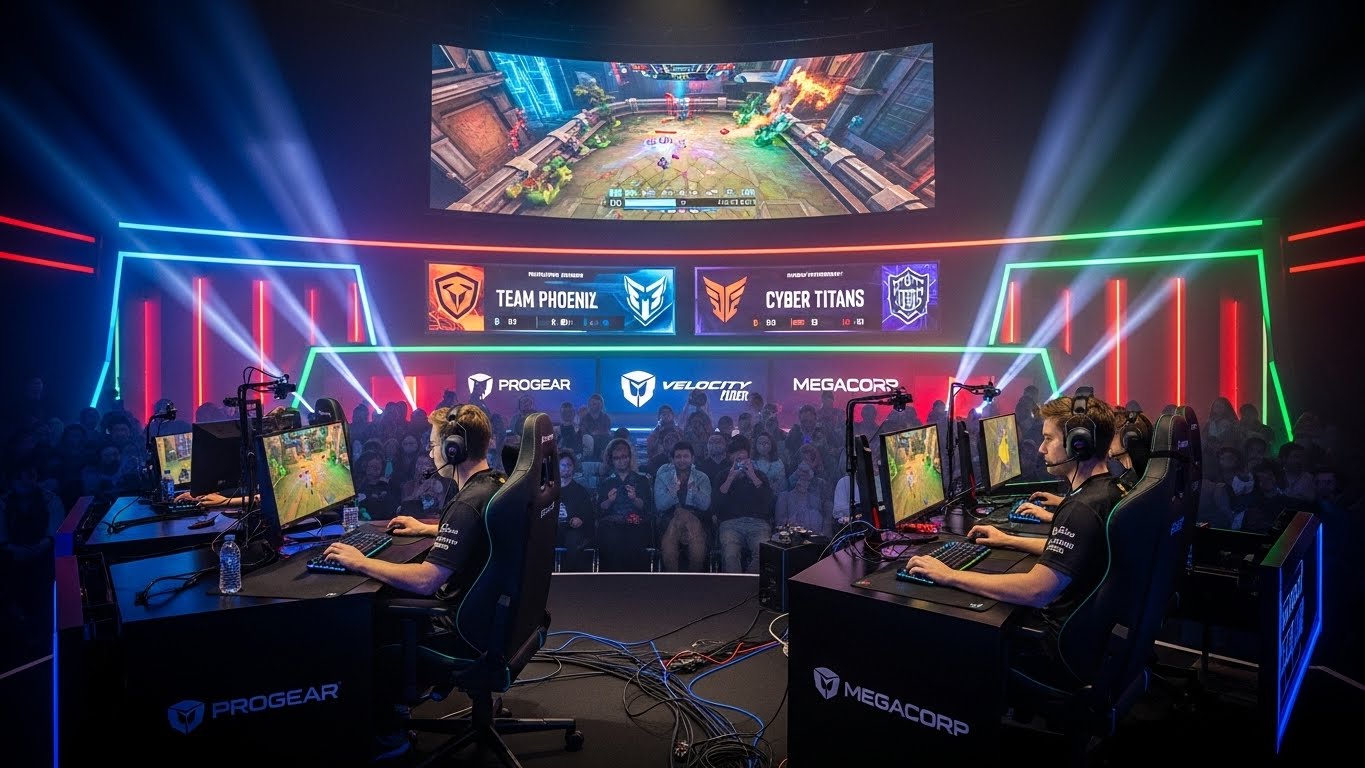
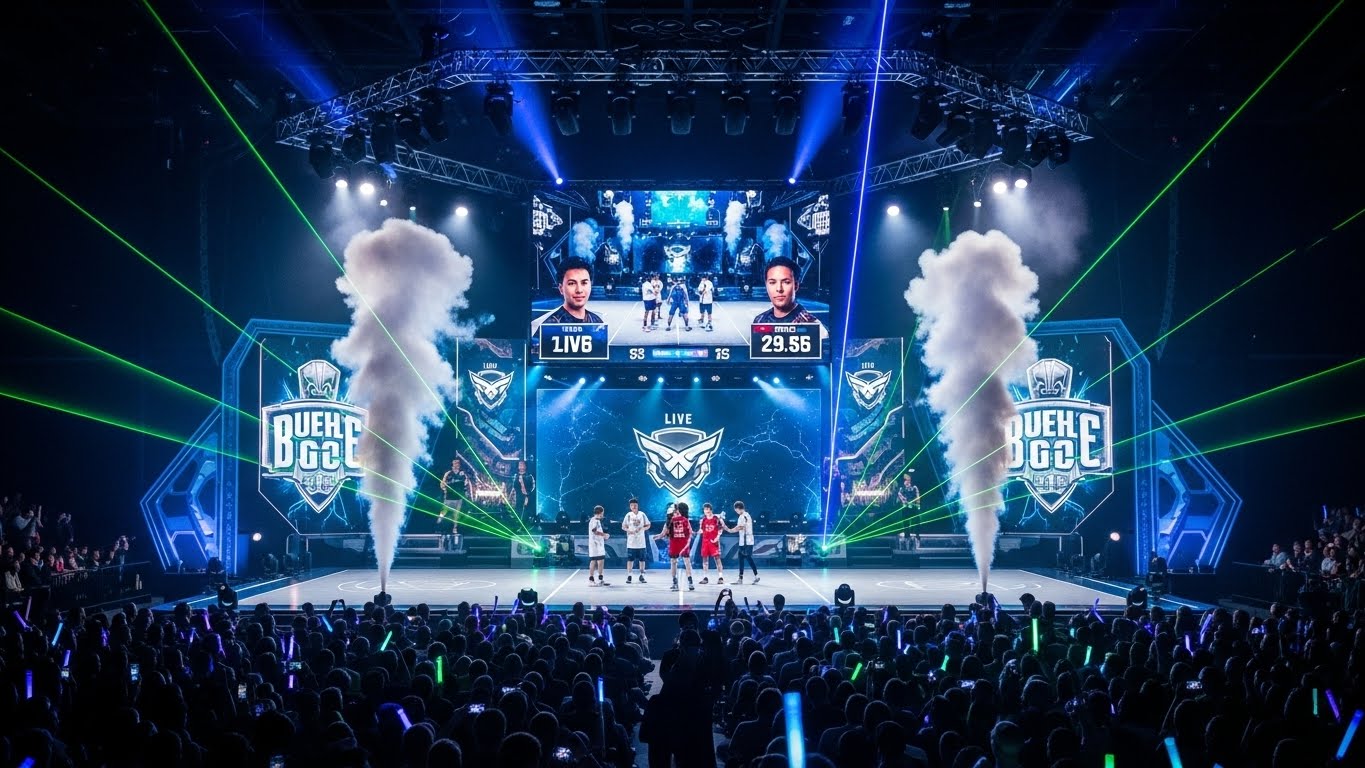
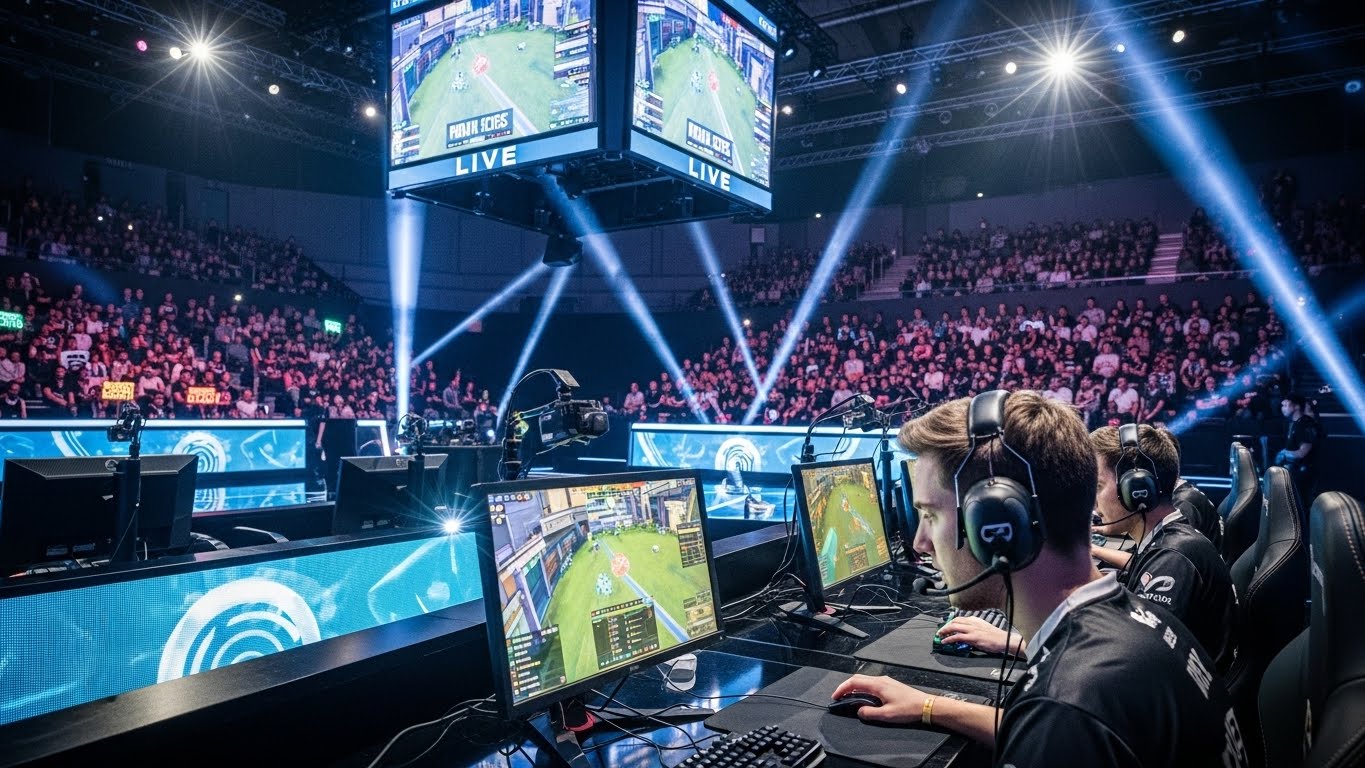
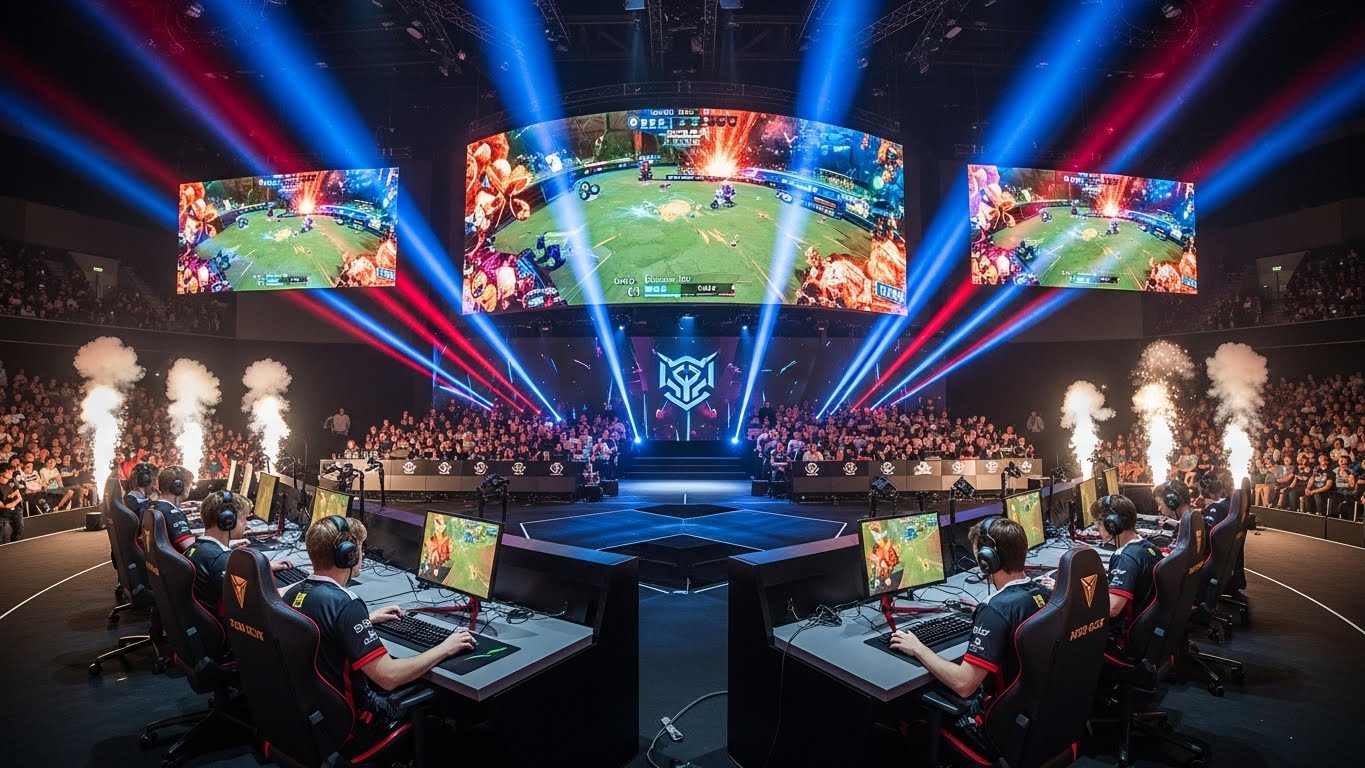
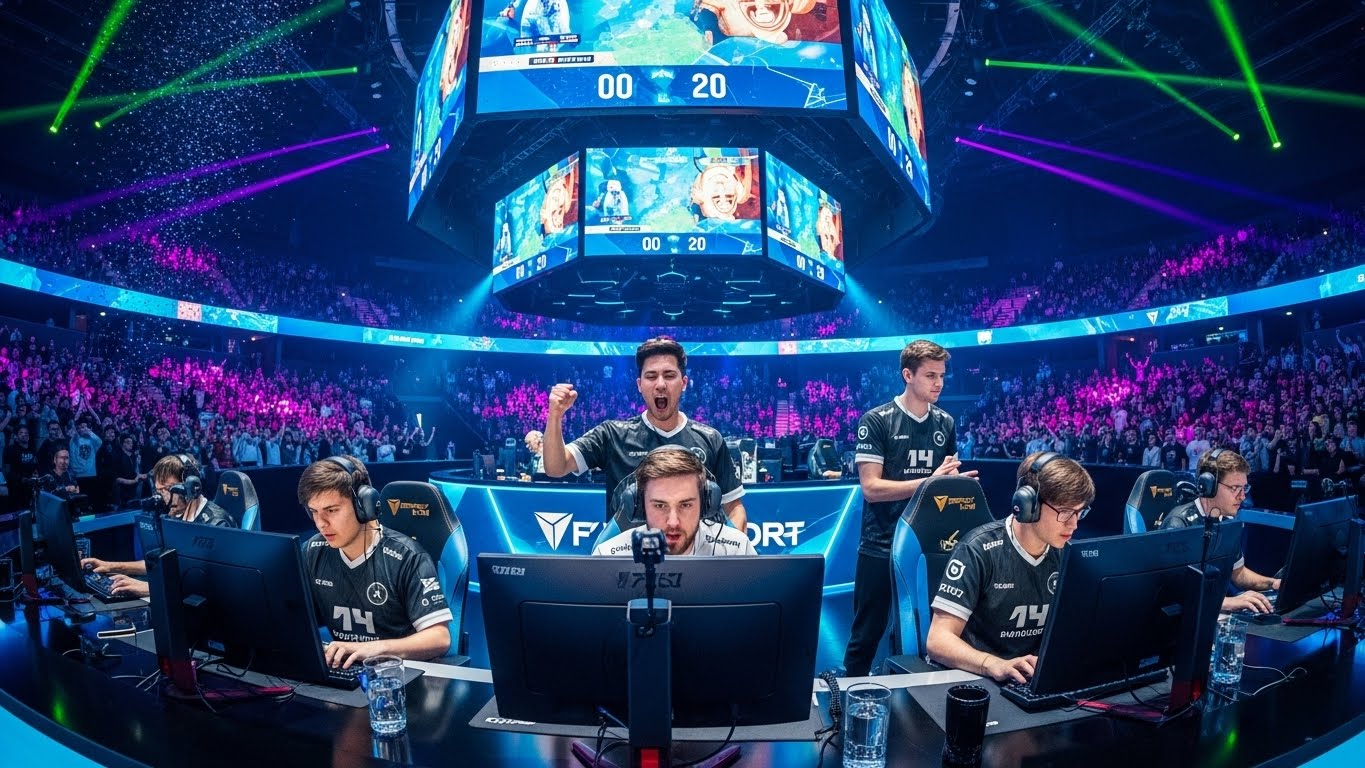
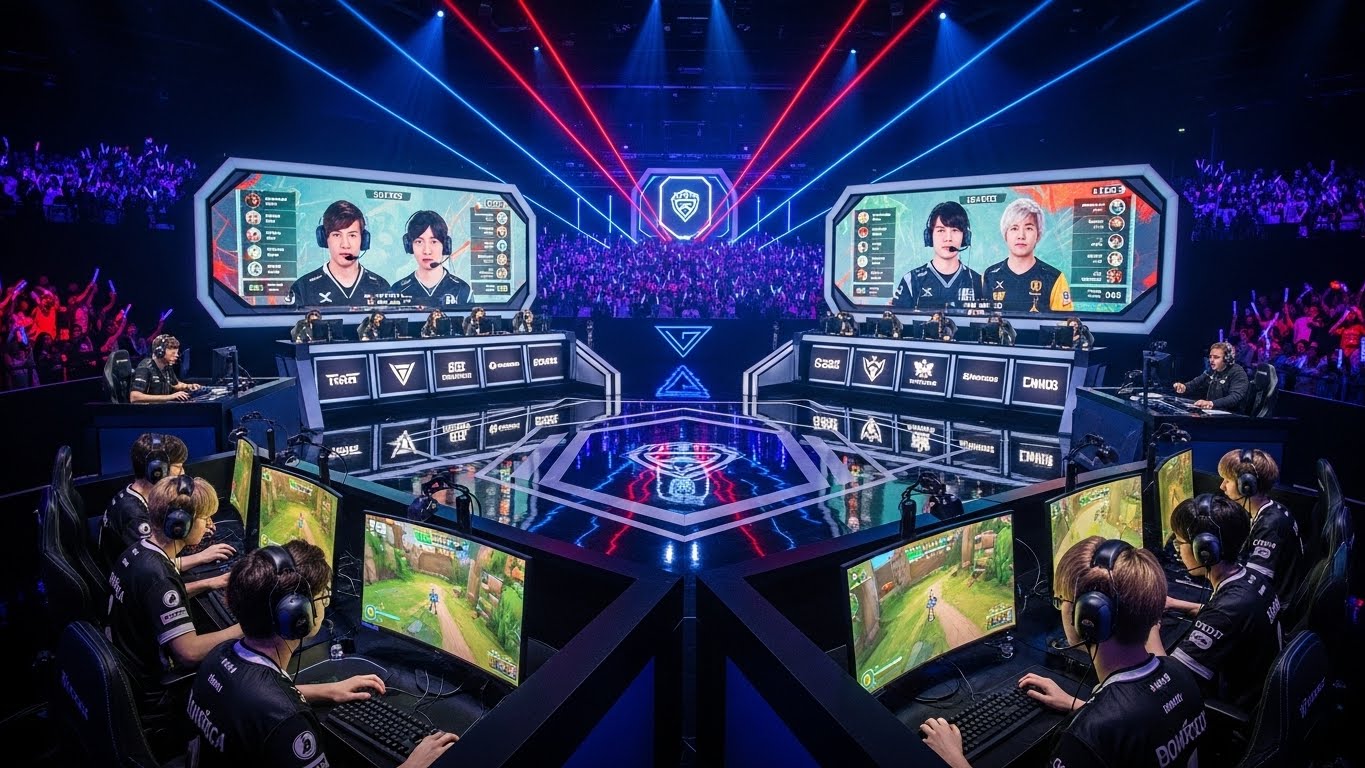
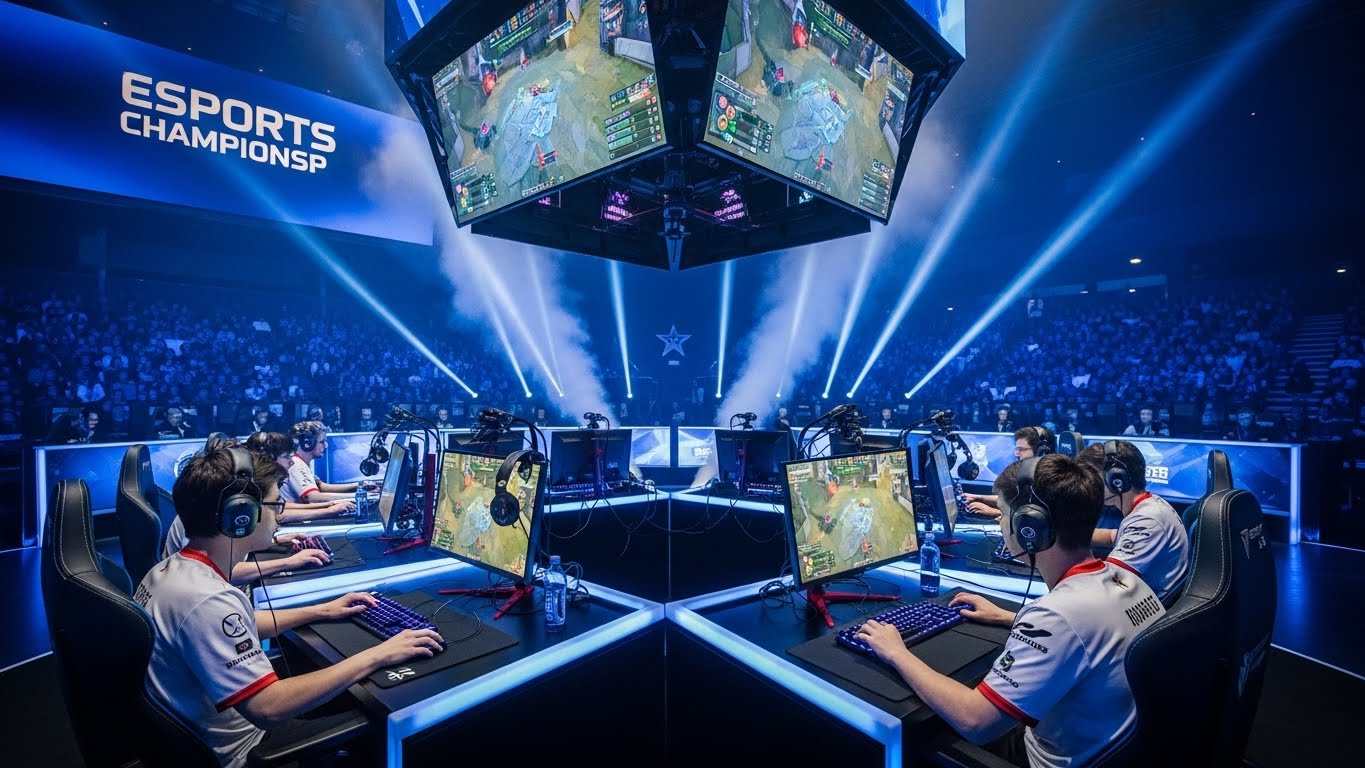
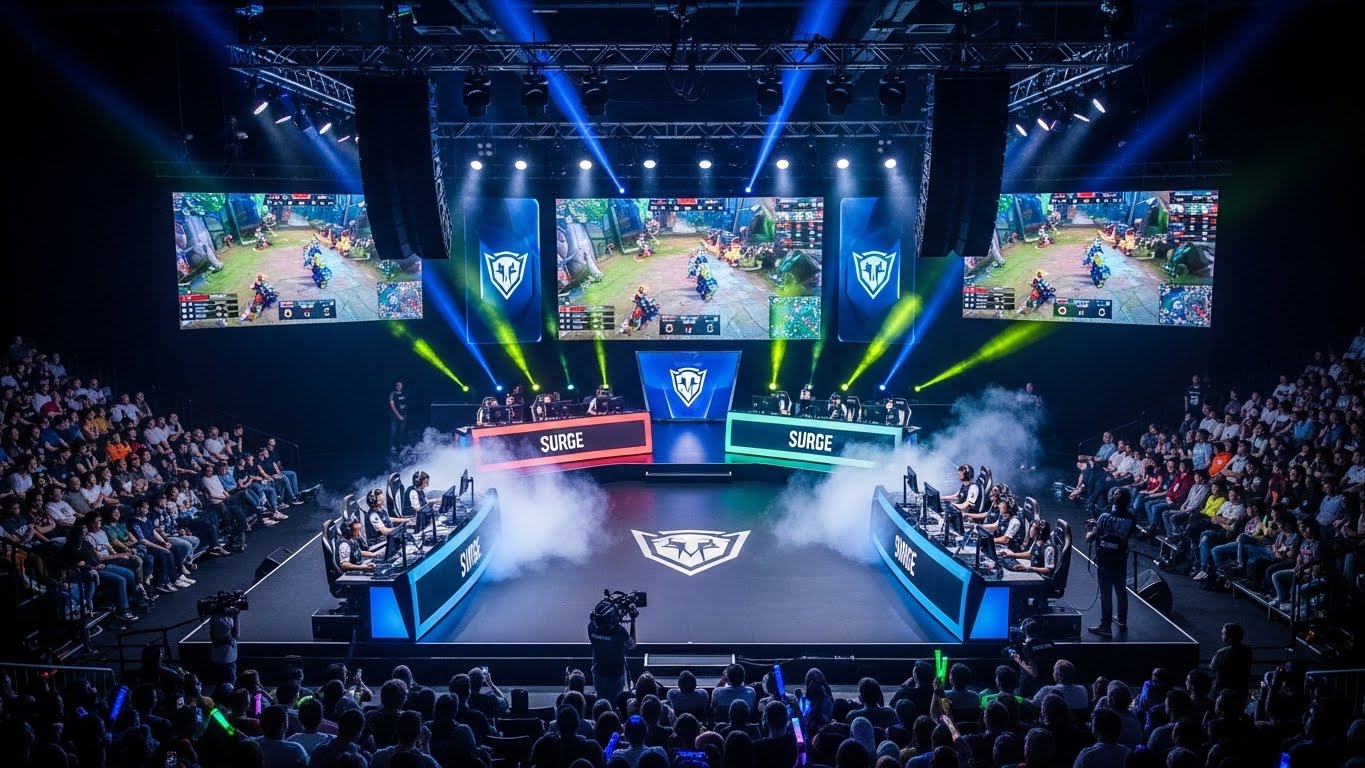
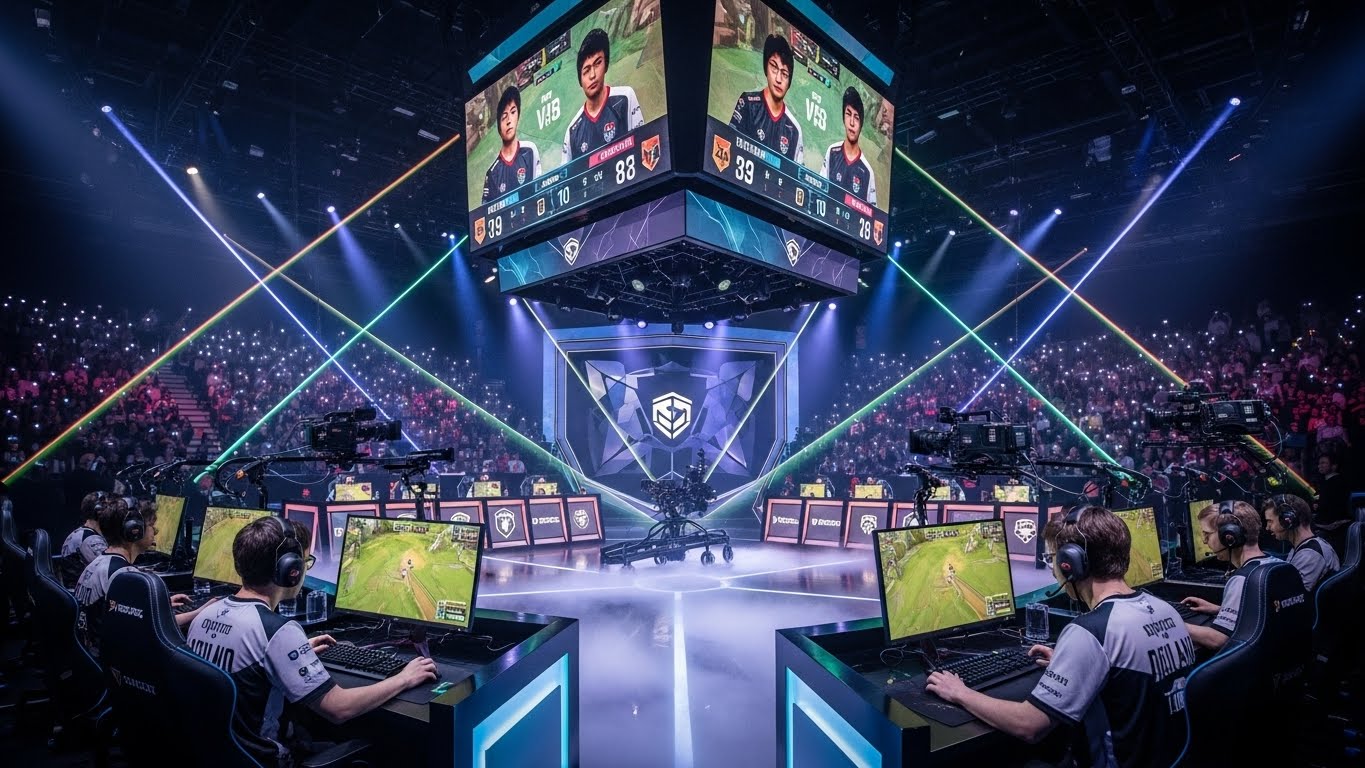
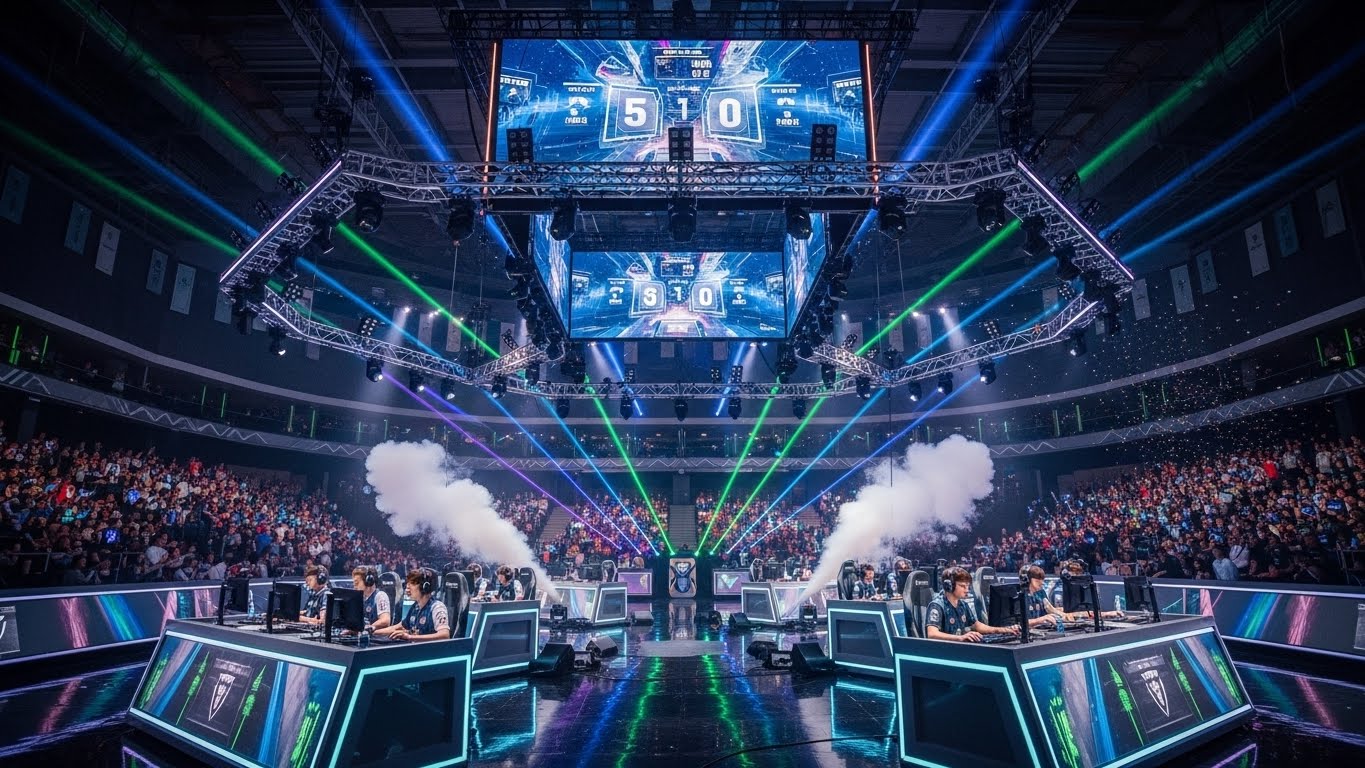
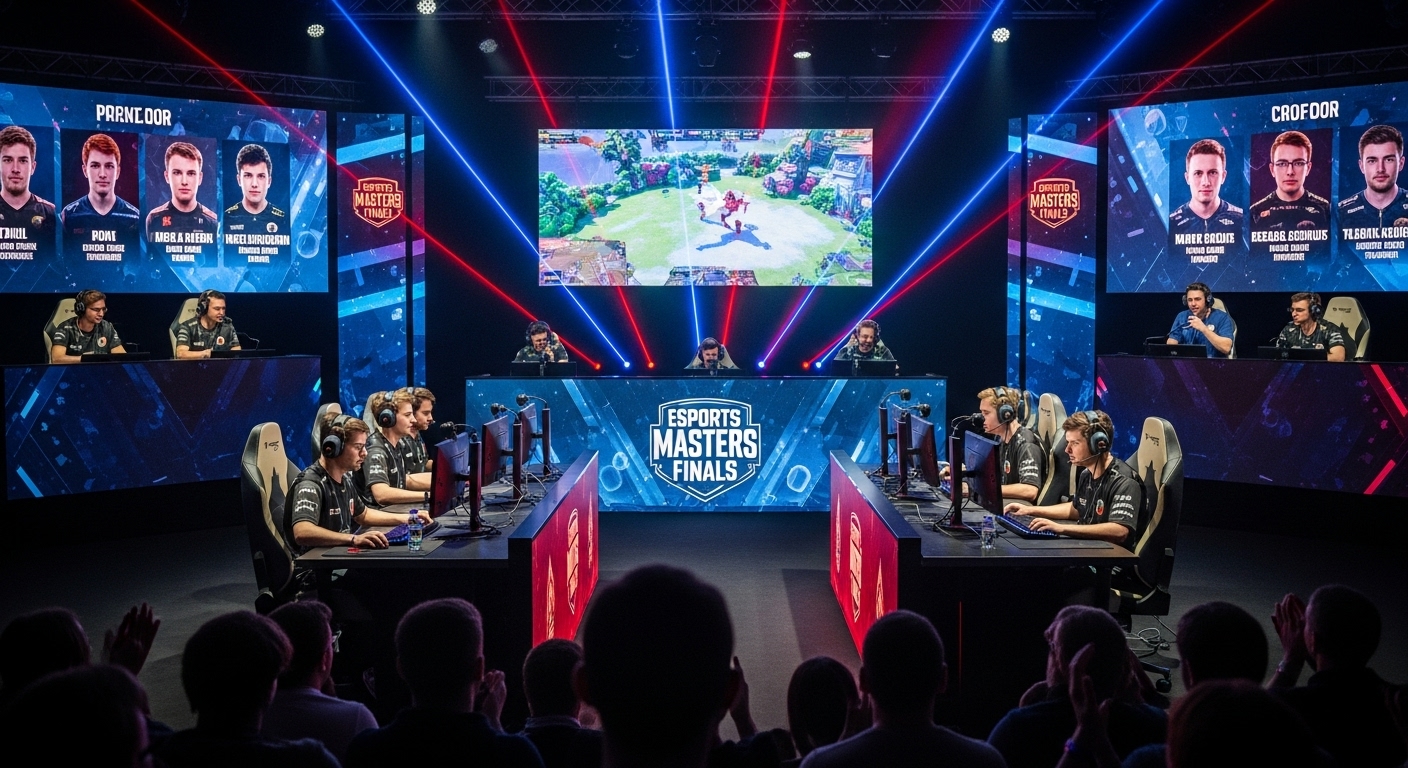
Esports tournaments, many of which take place in iconic stadiums and arenas, attract fans from all corners of the world. Major events like The International for Dota 2, League of Legends Worlds, and CS:GO Majors have sold-out stadiums, with millions more watching online through streaming platforms like Twitch and YouTube. The ability to watch these events from anywhere in the world has turned esports into a truly global spectacle.
The appeal of esports is not limited to players. Fans can engage with the esports ecosystem in multiple ways, from watching live streams of competitions to participating in fantasy esports leagues. The interactions between players and fans are facilitated by social media platforms, which allow fans to follow their favorite players, teams, and games, and to engage directly with the esports community.
For younger audiences, esports has become an integral part of their entertainment consumption. It’s no longer uncommon to hear young people talk about their favorite esports teams and players with the same enthusiasm they might reserve for professional sports leagues like the NFL or NBA.
The Economic Impact of Esports
Esports has grown into a billion-dollar industry, with projections estimating that it will generate more than $1.6 billion in revenue by 2023. Much of this revenue comes from sponsorships, broadcasting rights, ticket sales, advertising, and merchandise. Companies from a variety of industries, including technology, automotive, beverages, and apparel, are increasingly seeing the potential in the esports market. High-profile brands like Adidas, Nike, and Audi have signed sponsorship deals with top esports teams and tournaments, contributing significantly to the industry’s financial success.
The global esports audience has grown to over 450 million people, with a significant portion of the viewership coming from younger generations. This has made esports an attractive avenue for advertisers targeting the highly coveted 18-34 age demographic. In fact, research shows that esports audiences are more likely to engage with digital content, making them a valuable audience for brands and marketers.
Prize pools in esports have also reached astronomical levels. The International, for example, set a record for the largest esports prize pool, offering over $40 million in 2021. This prize pool is largely funded through community contributions, including in-game purchases and crowdfunding, which has made The International a symbol of how esports can generate substantial financial support from fans themselves.
The growth of esports has also led to the creation of esports-specific media outlets and platforms. Companies like ESL, DreamHack, and MLG (Major League Gaming) have become household names in the world of competitive gaming, while mainstream media outlets like ESPN and CNN have started to cover esports more extensively. The exposure of esports on television and digital platforms further solidifies its position as a legitimate form of entertainment.
The Role of Streaming and Social Media in Esports
The rise of streaming platforms like Twitch and YouTube Gaming has played a pivotal role in the rise of esports. These platforms allow gamers to live-stream their gameplay, connect with fans, and build personal brands. Esports events are often streamed live, allowing fans to watch the action unfold in real-time, just as they would with traditional sports events.
Streaming also offers a unique form of engagement, as viewers can interact with players and other fans through live chats and comments. This interaction fosters a sense of community, turning passive viewers into active participants in the esports ecosystem.
Social media platforms such as Twitter, Instagram, and TikTok further amplify the reach of esports. Players, teams, and organizations use social media to promote their events, share updates, and engage with their followers. Fans can also participate in this ecosystem by sharing their own content, interacting with players, and showing their support for their favorite teams. The ability to build a personal connection between players and fans is one of the key reasons esports has grown so rapidly.
The Future of Esports
The future of esports looks incredibly bright. As technology continues to evolve, so too will the experiences that esports offers. Virtual reality (VR) and augmented reality (AR) are on the horizon, and it’s likely that these technologies will revolutionize how esports competitions are played and consumed. Imagine a world where fans can immerse themselves in a virtual esports arena, watching matches from a first-person perspective, or interacting with players and teams in a fully immersive environment.
Mobile gaming also represents a significant area of growth for esports. With the proliferation of smartphones and tablets, mobile esports titles like PUBG Mobile and Mobile Legends have already gained immense popularity. As mobile gaming technology continues to improve, it’s likely that mobile esports will become an even more dominant force in the esports landscape.
Esports will also continue to expand its presence in educational institutions. Many universities are now offering scholarships for esports players, and esports programs are being developed at both the high school and collegiate levels. This trend will likely continue as more institutions recognize the value of esports as an extracurricular activity and a career path.