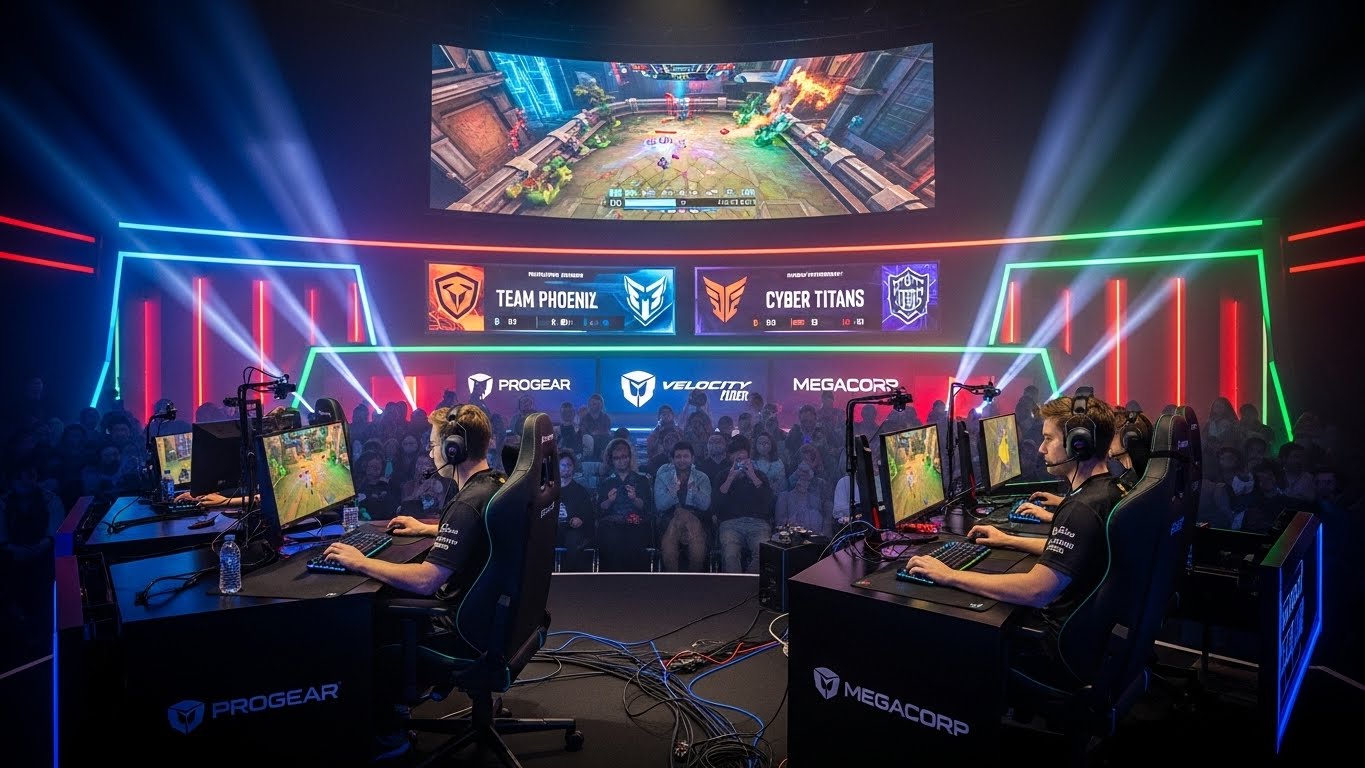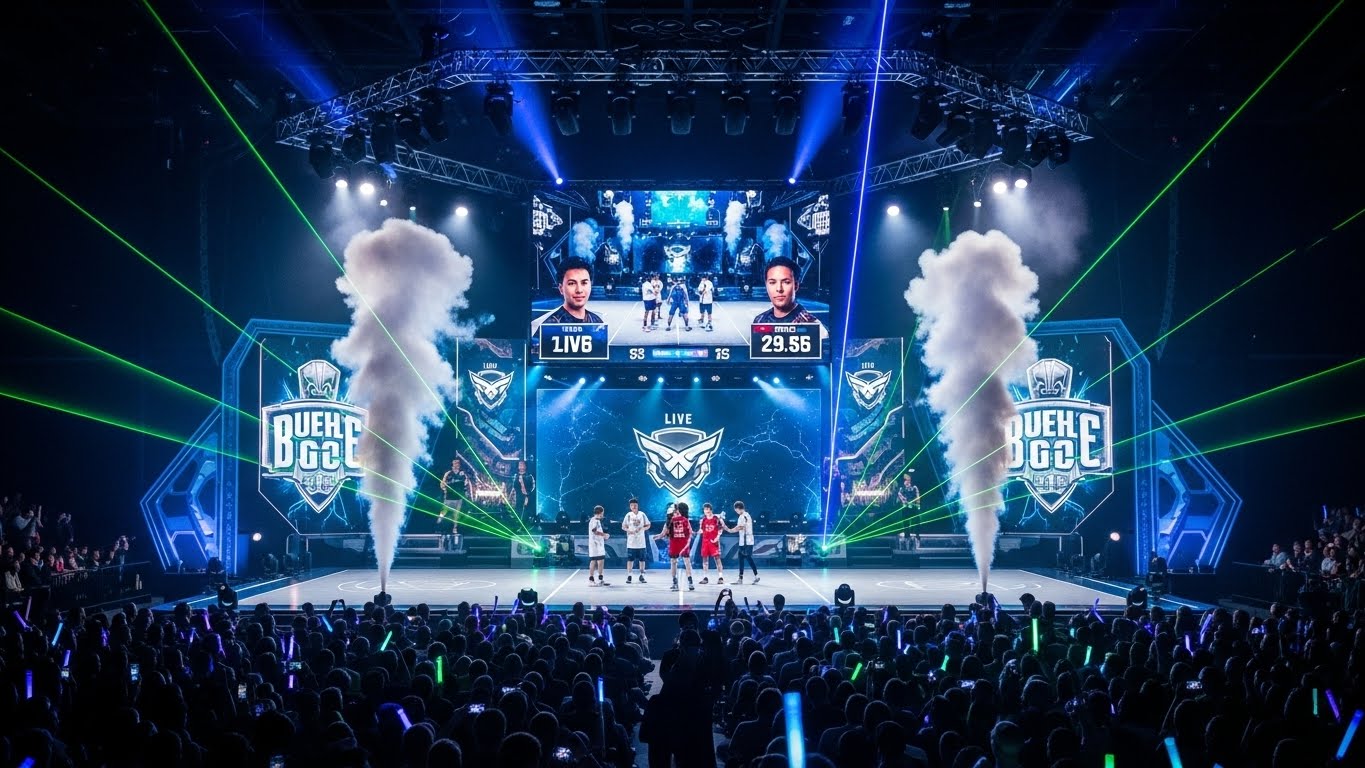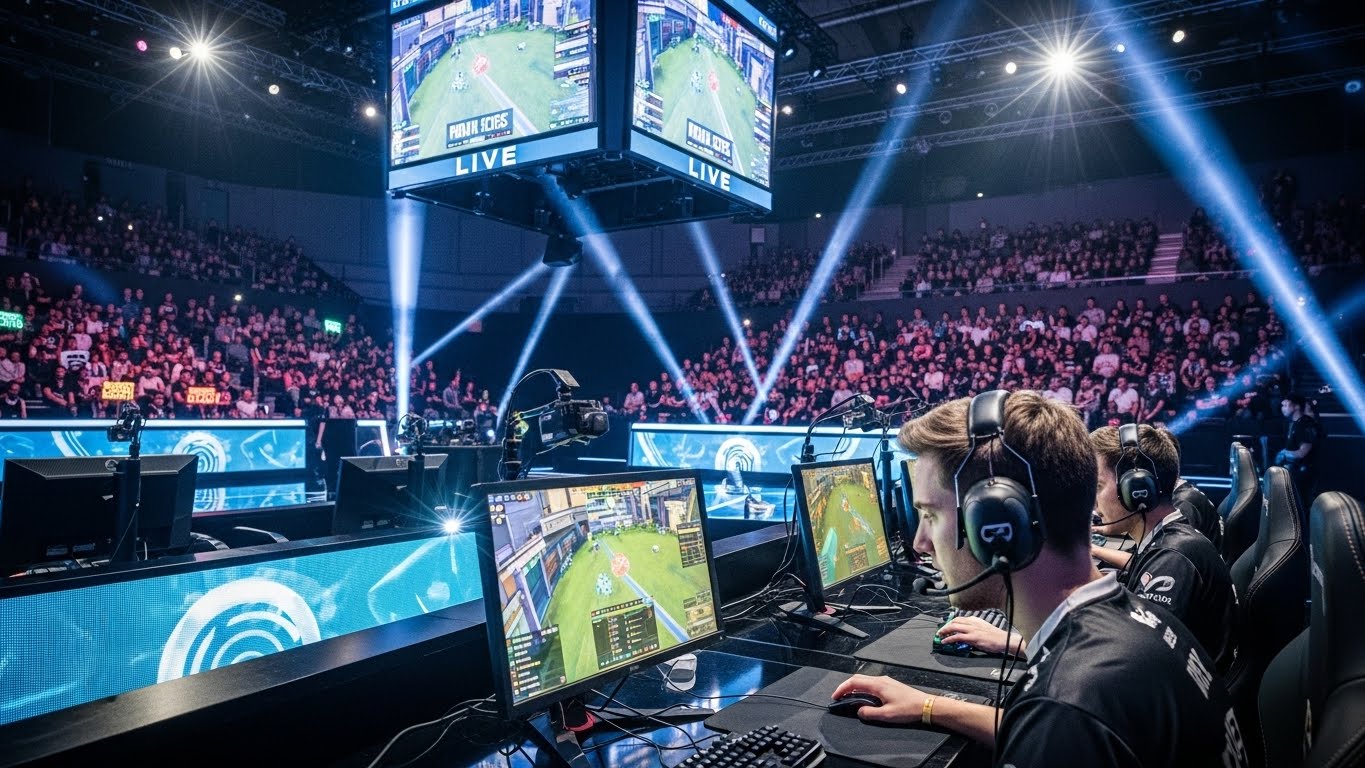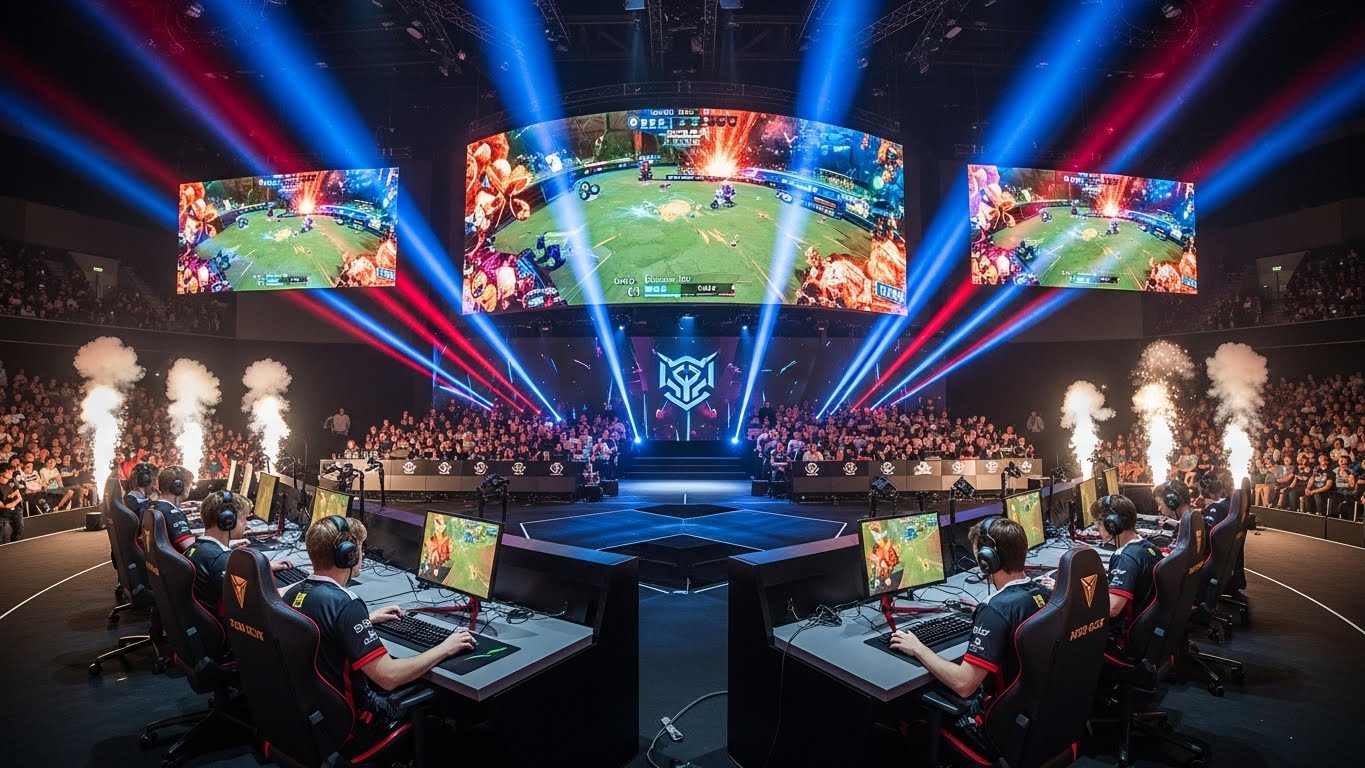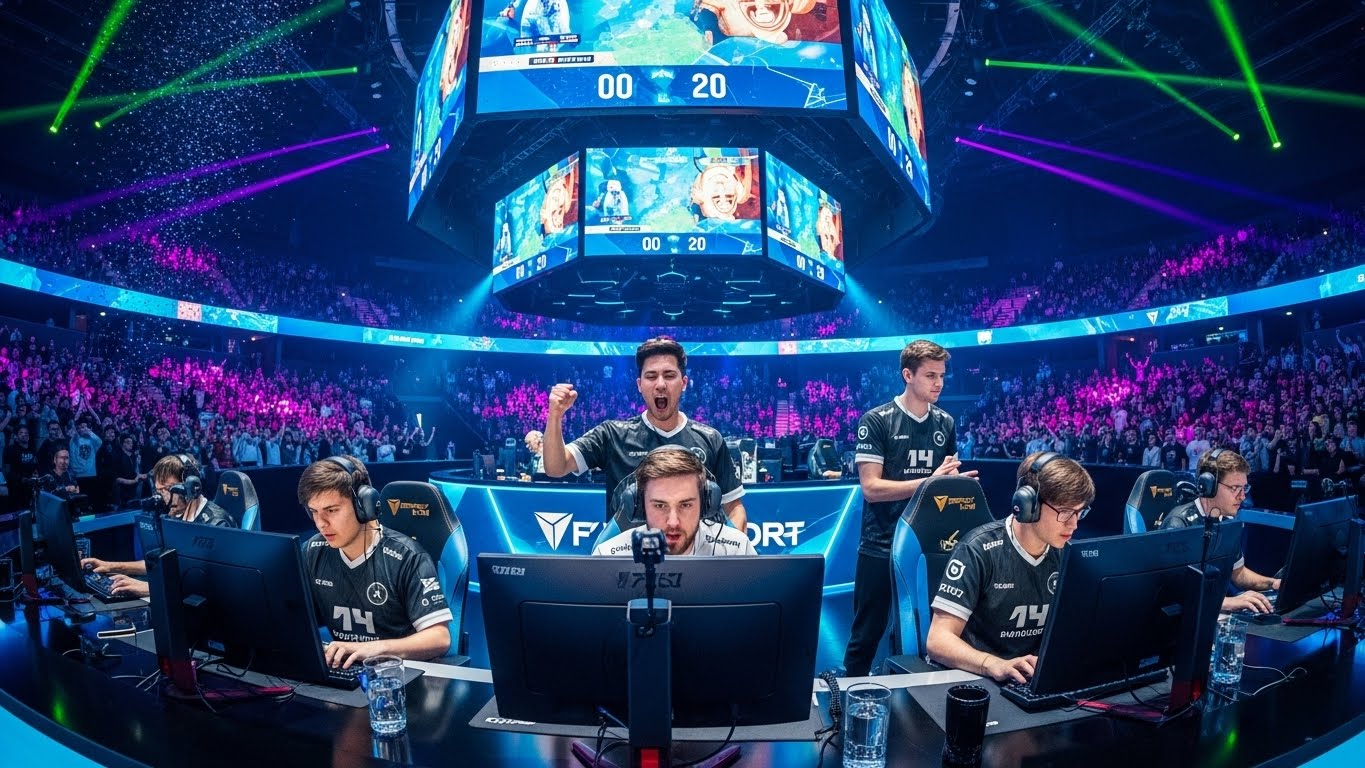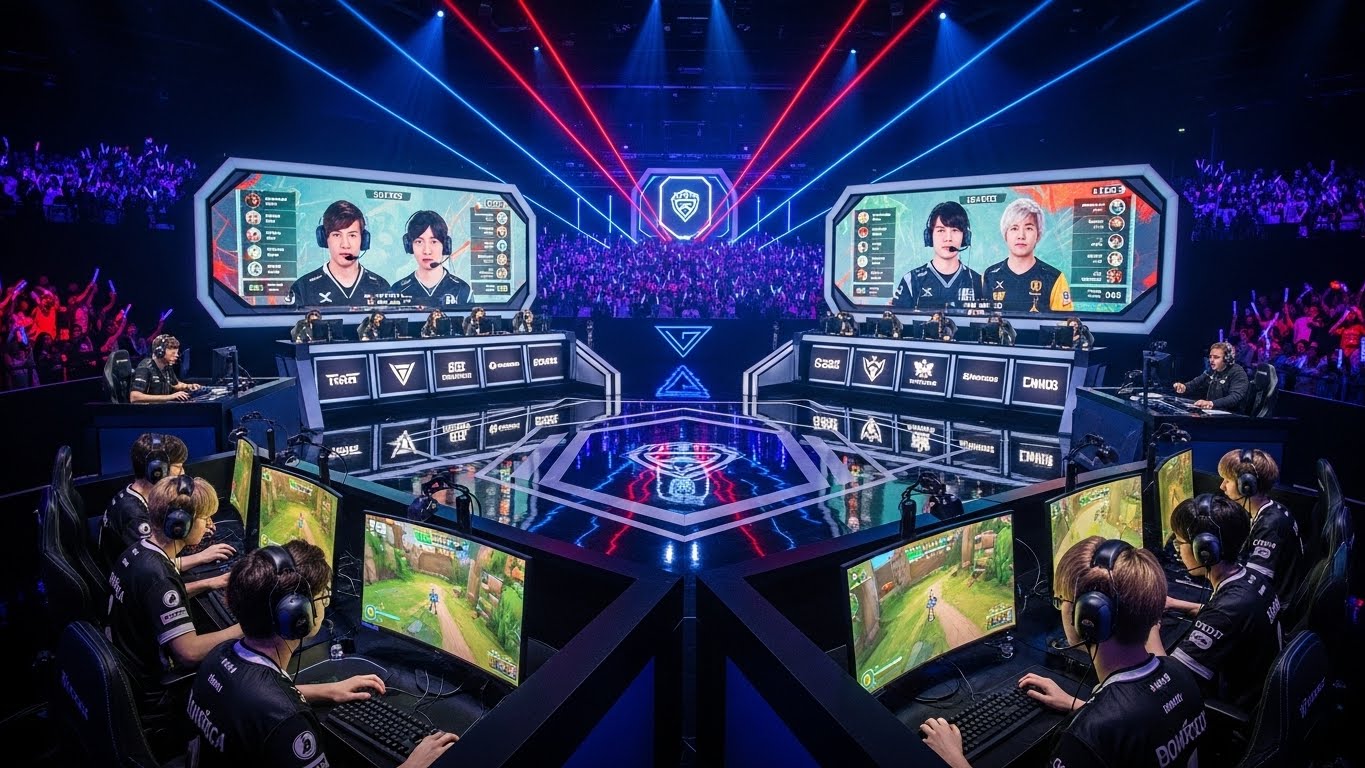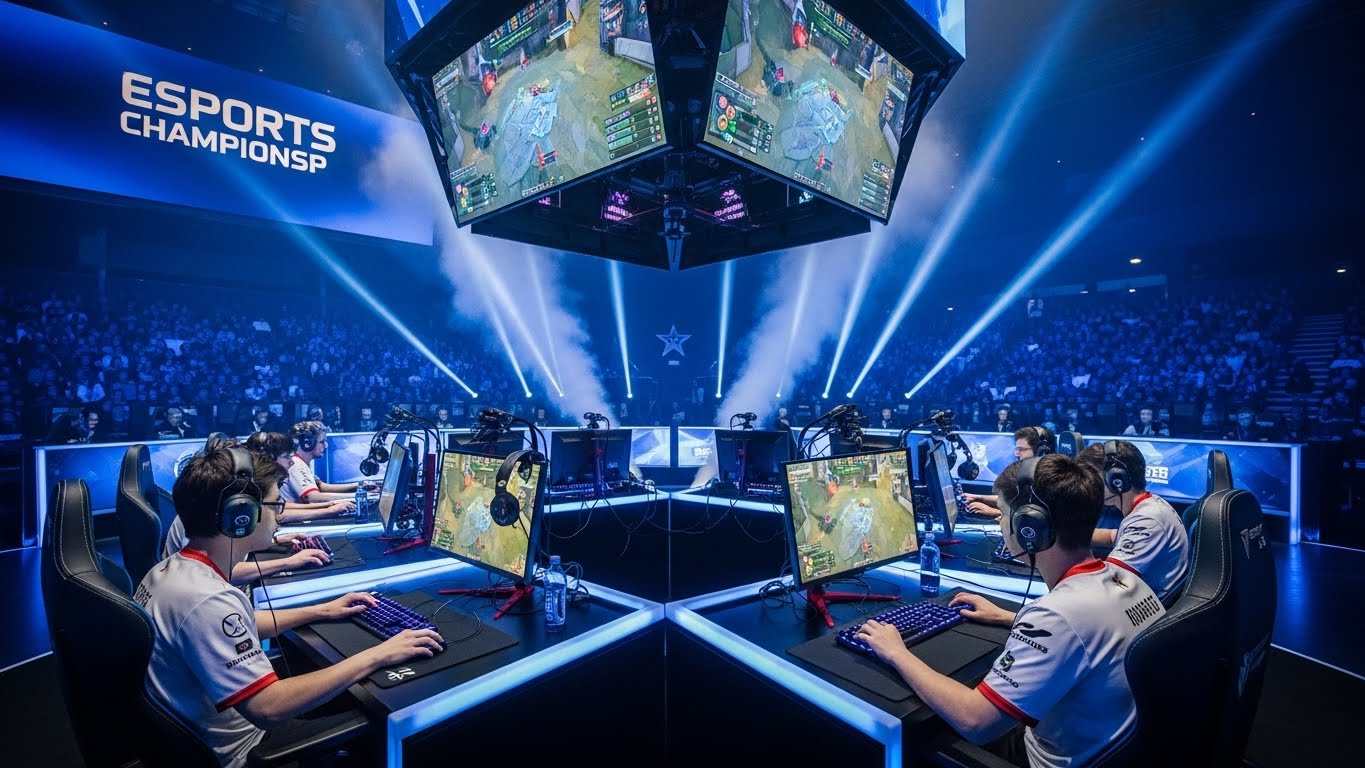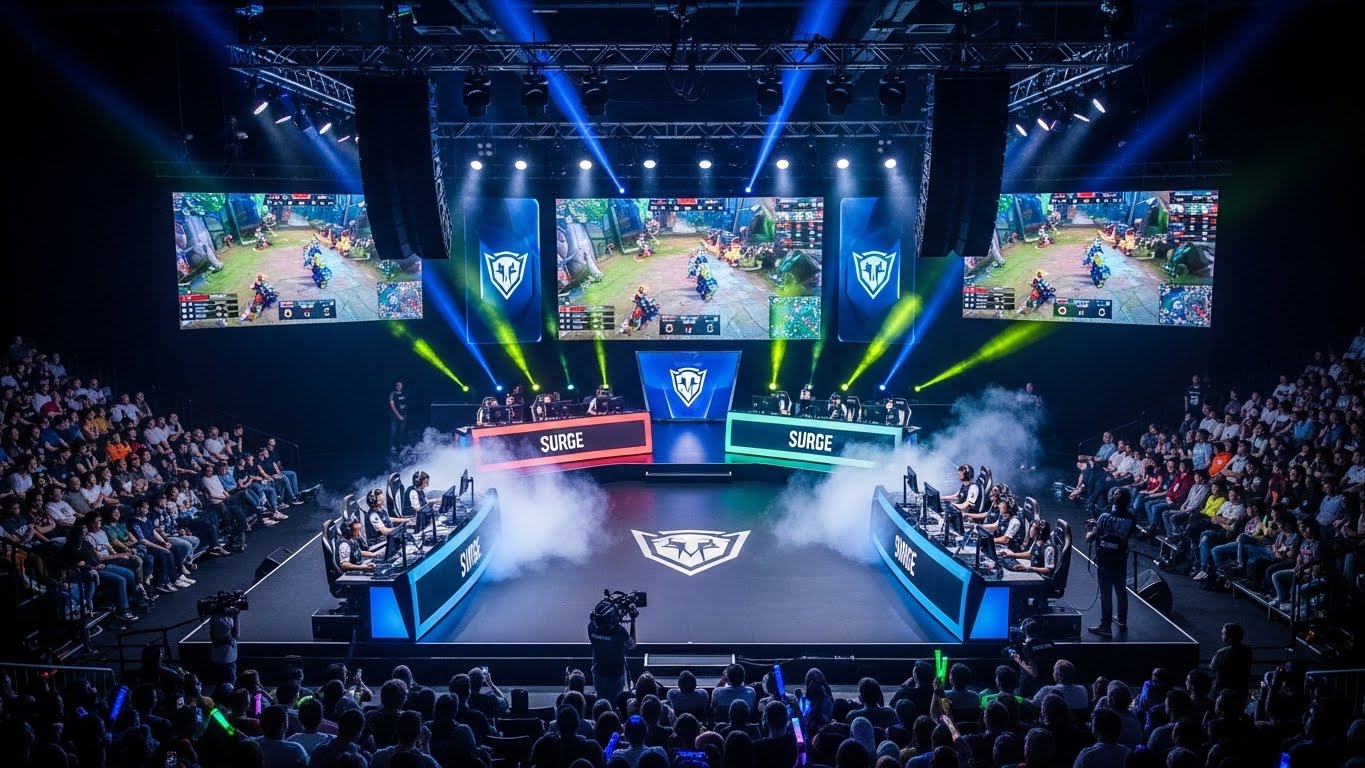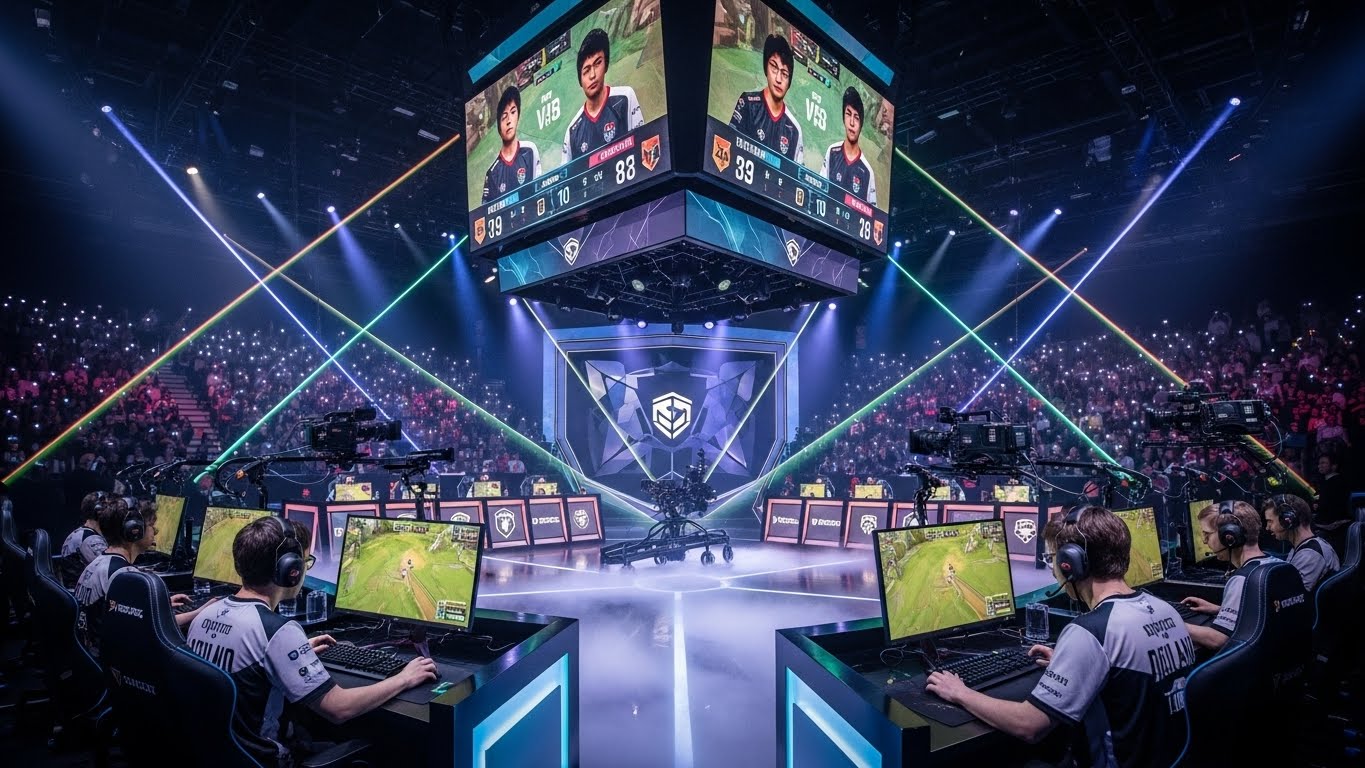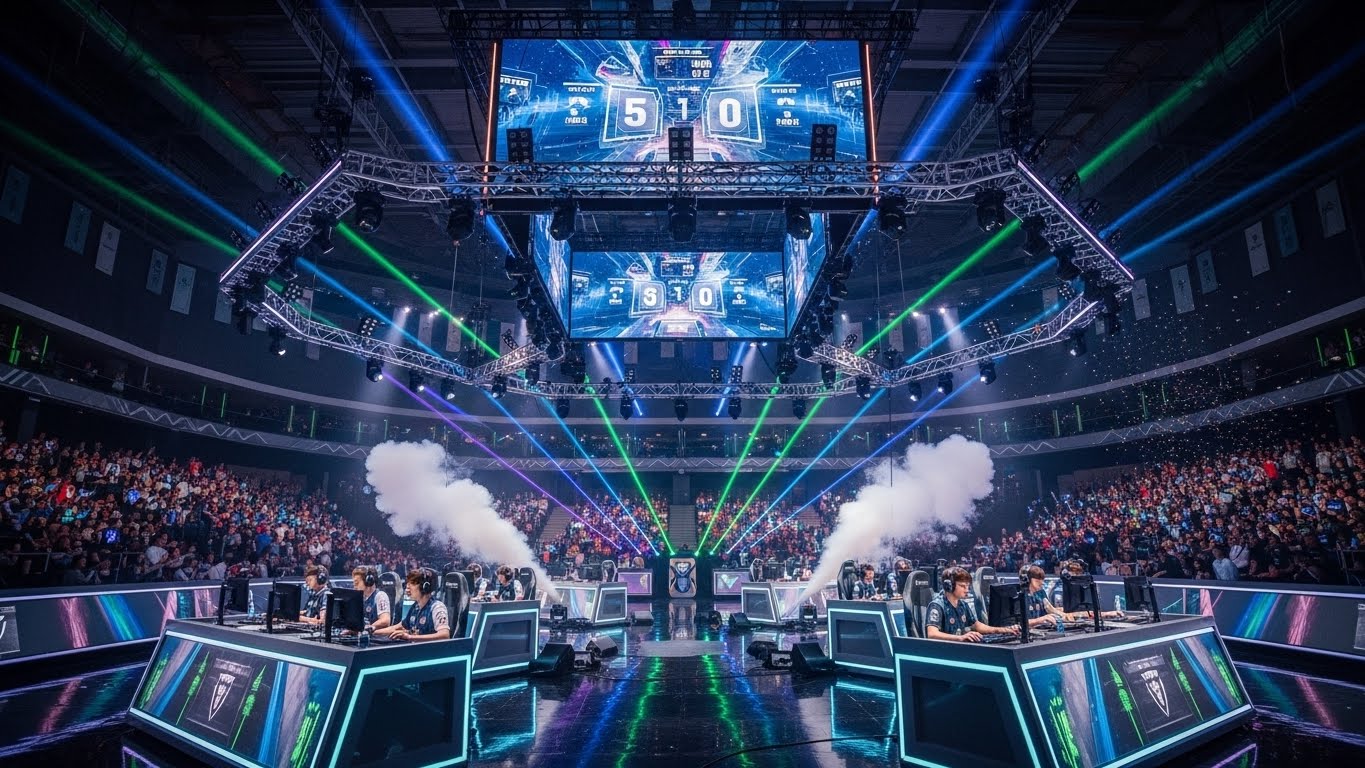

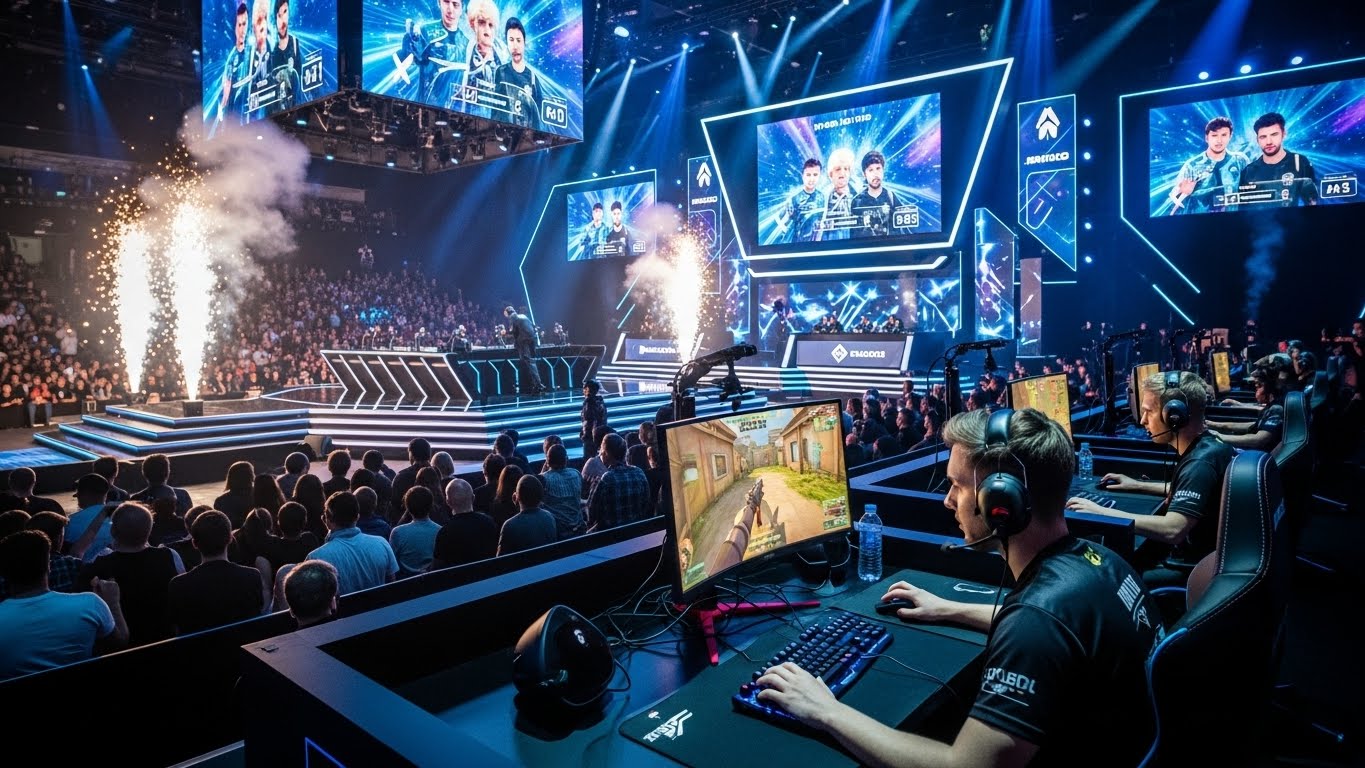
Esports has rapidly evolved from a hobby enjoyed in small gaming rooms to a worldwide cultural and competitive movement. Today, it stands as one of the fastest-growing industries, attracting millions of fans, professional players, organizations, and global brands. What makes esports fascinating is its blend of technology, strategy, skill, and entertainment. It has redefined the meaning of competition and introduced a new generation to a modern form of athleticism. This blog explores the growth, impact, challenges, and future of esports as it continues to reshape the world of sports and digital culture.
The Origins and Evolution of Esports
While esports may seem like a contemporary phenomenon, its origins reach back several decades. Early competitive gaming began in the 1970s with simple arcade tournaments, evolving slowly but steadily. By the 1990s, the rise of home computers and gaming consoles laid the foundation for organized competitions involving games like Doom, Quake, and StarCraft. These early events introduced the idea that gaming could be more than just recreation; it could be a serious competition requiring skill and dedication.
The real turning point came with the growth of high-speed internet, which made online multiplayer gaming widely accessible. Suddenly, players across continents could compete in real time. The rise of professional leagues, sponsorships, and global tournaments transformed esports into a structured and profitable industry. Today, tournaments fill stadiums, create celebrity players, and draw viewership numbers comparable to traditional sports events.
What Makes Esports Unique
Esports stands out because it blends creativity, technology, and competition. Unlike physical sports that rely heavily on strength and endurance, esports demands mental sharpness, strategic planning, and quick decision-making. Games across various genres allow players to showcase different skill sets, from precision shooting in tactical games to complex team coordination in battle arena titles.
Another unique aspect of esports is its accessibility. Anyone with the right hardware and determination can begin their journey toward competitive play. This inclusiveness allows talent from every corner of the world to emerge, creating a global pool of skilled players driven by passion rather than geography.
Different Genres That Define Esports
Esports is not tied to a single type of game; instead, it spans multiple genres, each with its own community, playstyle, and competitive structure.
Multiplayer Online Battle Arena games focus on teamwork, map control, character abilities, and strategy. These games often involve intense, lengthy matches requiring precise coordination among players.
First-Person Shooters emphasize reflexes, accuracy, and tactical positioning. Players must react quickly, communicate effectively, and execute coordinated strategies.
Battle Royale games combine survival, exploration, and competition. Players face unpredictable challenges and must adapt rapidly to shifting environments.
Fighting games highlight mechanical mastery, precise timing, and mind games between competitors, creating fast-paced duels filled with strategic depth.
Sports simulation games replicate real-world sports, where players showcase game sense, tactics, and quick reflexes to outperform opponents.
The diversity of genres ensures that esports appeals to a wide range of audiences, each drawn to different styles of competition.
The Skills Behind Esports Excellence
Becoming a top esports competitor requires extensive training, both mentally and physically. Professional players often practice for hours each day, refining their reflexes, mechanics, and strategies. Mental discipline is essential, as players must remain focused, calm, and adaptable under pressure.
Hand-eye coordination, rapid decision-making, situational awareness, and teamwork form the foundation of competitive success. Players must also study opponents, analyze game data, and participate in structured training sessions with coaches. This level of dedication demonstrates that esports is far more demanding than it may appear on the surface.
The Mental and Social Benefits of Esports
Although often misunderstood, esports can offer significant mental and social benefits. The strategic depth of competitive games enhances problem-solving abilities, critical thinking, and multitasking skills. Players learn to remain calm under pressure, manage stressful situations, and adapt quickly to changing circumstances.
Esports also fosters social connections. Many players build strong friendships through teams, gaming communities, and online platforms. This sense of belonging can boost confidence, communication skills, and emotional resilience. Team-based games encourage collaboration, leadership, and trust, teaching valuable life skills that extend beyond gaming.
Esports as a Valid Career Path
As esports has grown, so too have the opportunities within the industry. Professional players can earn income through tournaments, sponsorships, streaming, and brand endorsements. However, the career possibilities extend far beyond competing.
Coaches, analysts, managers, commentators, event organizers, marketing specialists, and content creators all play essential roles in the esports ecosystem. As more universities, corporations, and media companies acknowledge esports as a legitimate field, new career paths continue to emerge.
Esports has also become a part of education, with academic programs, scholarships, and training facilities designed to help students pursue careers in gaming while building academic knowledge.
Challenges Faced by Esports Athletes
Despite its advantages, esports also presents several challenges. The long hours required for practice can lead to burnout, stress, and physical strain. Issues like eye fatigue, wrist injuries, and poor posture are common among players who spend extended periods at their computers.
The competitive nature of esports can create pressure to perform, and the constant need for improvement may become overwhelming. Mental health awareness is growing within the industry, with organizations now focusing on providing support systems, balanced training schedules, and professional guidance for players.
Maintaining a healthy lifestyle, including exercise, proper sleep, and balanced nutrition, has become an essential part of modern esports training.
The Influence of Technology on Esports Growth
Technology plays an integral role in esports, shaping everything from gameplay to fan engagement. High-performance gaming equipment, advanced graphics, and low-latency internet allow players to compete at peak levels. Streaming platforms have revolutionized how audiences watch esports, enabling fans to follow their favorite players and teams in real time.
Data analytics is increasingly used to enhance performance, providing insights into player behavior, strategies, and decision-making. Virtual reality and augmented reality technologies are also influencing the future of competitive gaming, opening the door to entirely new types of esports experiences.
The Global Popularity of Esports
Esports has become a global phenomenon, transcending language and cultural barriers. Major tournaments attract viewership from around the world, often surpassing traditional sports events in online audience numbers. International teams and players turn esports into a global exchange of culture and competition.
Countries in Asia, Europe, and North America have become major hubs for esports development, building stadiums, hosting large-scale events, and creating supportive infrastructures for aspiring players. The global reach of esports continues to expand, driven by its digital nature and universal appeal.
The Role of Women in Esports
Women have increasingly become an important part of the esports movement. Female players, streamers, and professionals are gaining recognition and reshaping the landscape of competitive gaming. Their achievements challenge stereotypes and demonstrate that esports is a field where talent and skill matter above all else.
Efforts to promote inclusivity, support female talent, and create safe gaming environments have helped encourage more women to participate. This growing representation strengthens the community and highlights the importance of diversity in the industry.
Esports as a Cultural Trend
Esports is not just a competitive field; it has become a major cultural influence. Gaming-inspired clothing, music, art, and entertainment have emerged as part of a broader lifestyle. Professional players gain celebrity status, and fandoms grow around teams and tournaments much like in traditional sports.
Social media plays a significant role in shaping esports culture, allowing players to build personal brands and interact directly with fans. This connection strengthens community bonds and helps esports expand beyond competition to become a cultural movement.
The Future of Esports
The future of esports looks promising and full of potential. Continued technological innovation, global investment, and growing audience engagement indicate that esports will remain a major force in entertainment and competition. More countries are recognizing esports as a legitimate sport, supporting its development through infrastructure, education, and regulation.
Esports is likely to merge further with mainstream entertainment, potentially becoming part of school programs, physical training, and global media platforms. The expansion of virtual reality gaming, cloud technology, and interactive viewing experiences will drive new forms of competitive play and redefine the esports industry once again.
Conclusion: Esports and the New Age of Competition
Esports represents a new era in competitive entertainment. It has redefined athleticism, introduced new career opportunities, built global communities, and inspired millions of players and fans. As a fusion of skill, strategy, creativity, and technology, esports stands at the forefront of modern culture.
The rise of esports proves that competition evolves with each generation. What once began as simple video game challenges has grown into an international arena where passion, dedication, and digital mastery converge. This is only the beginning of its journey, and the future of esports shines bright with endless possibilities.