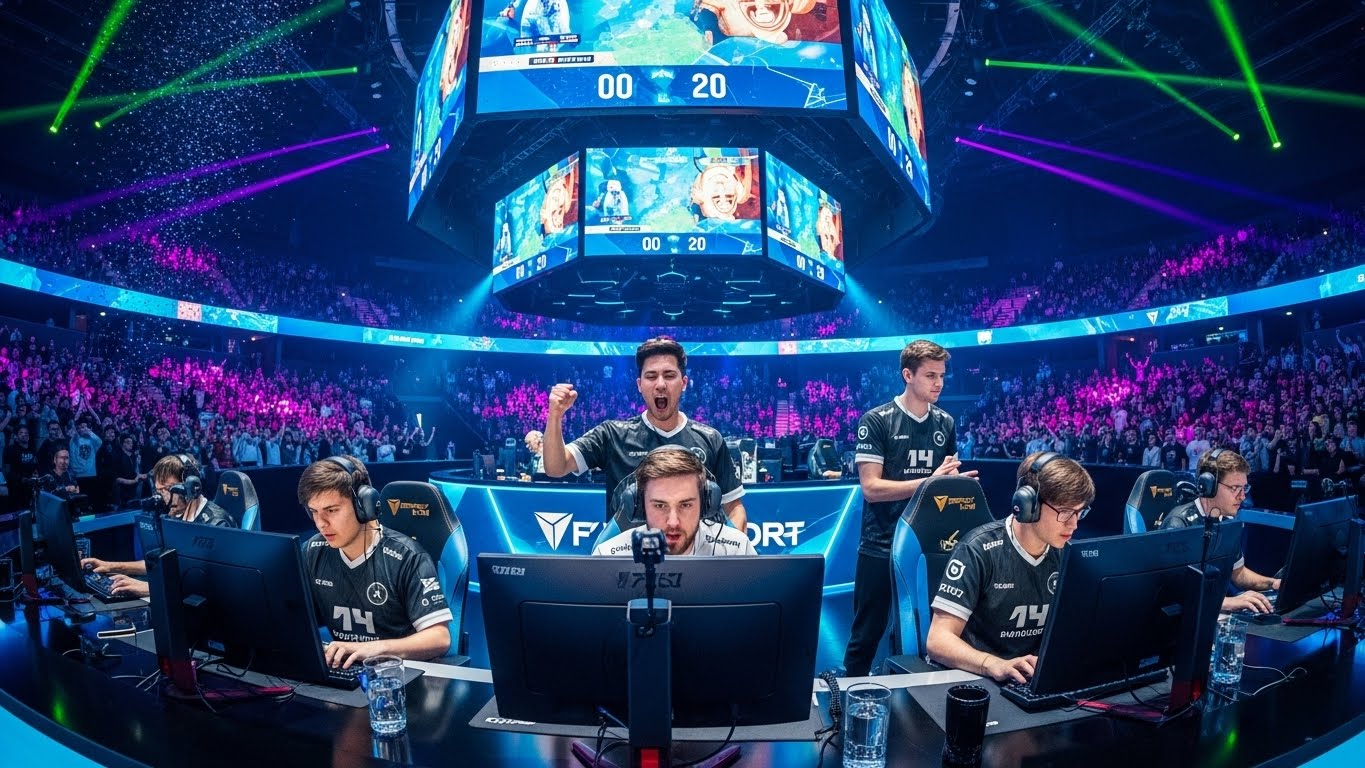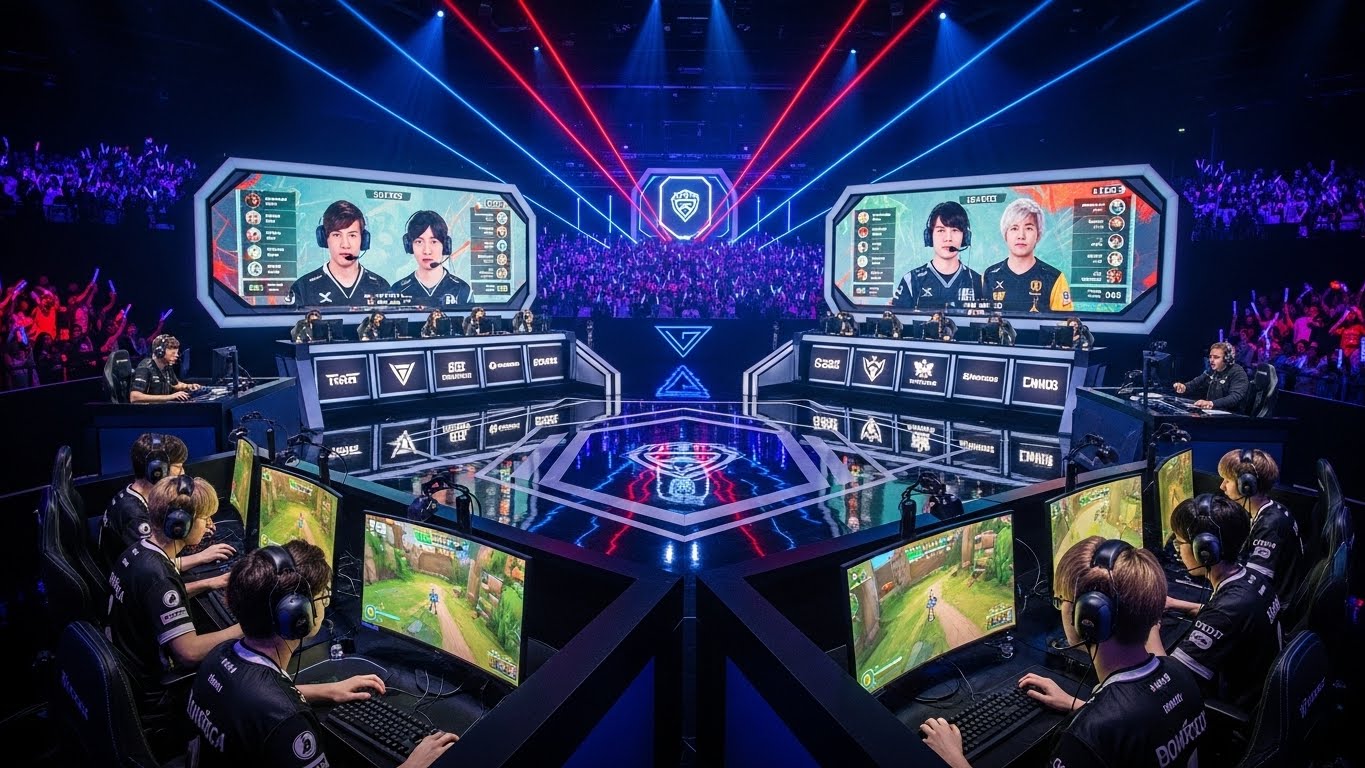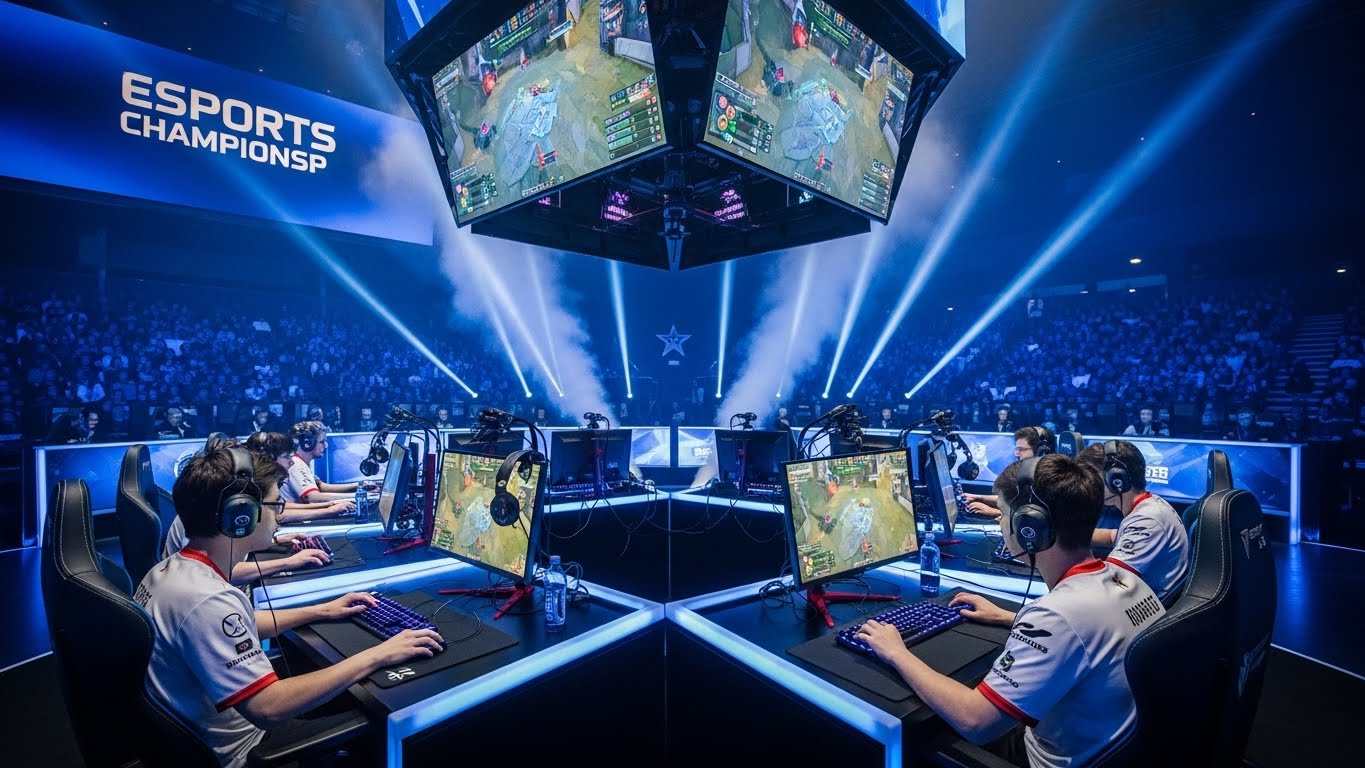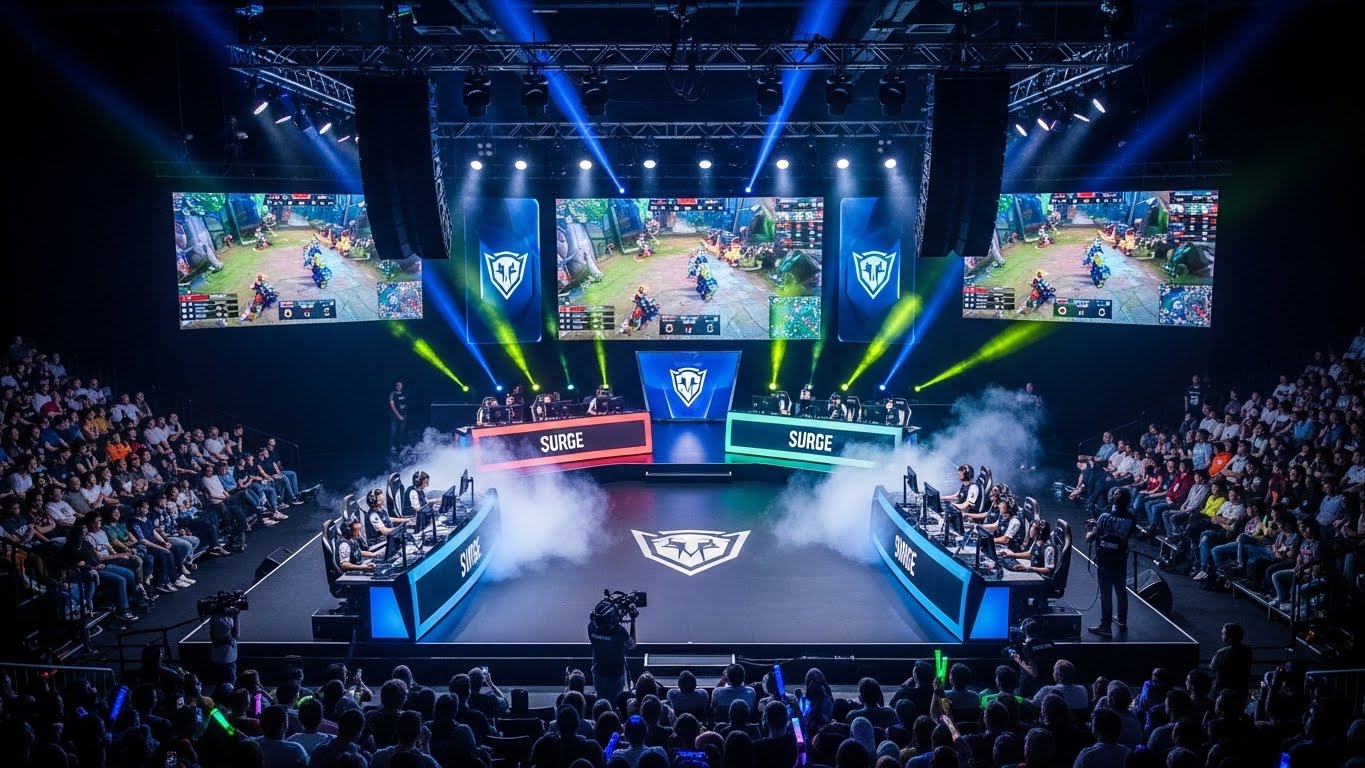

In the rapidly evolving world of mobile gaming, few titles have achieved the level of dominance and cultural impact as Mobile Legends: Bang Bang (commonly known as Mobile Legends or MLBB) in Southeast Asia. Since its launch in 2016 by Moonton, Mobile Legends has carved a niche for itself, establishing a dedicated fan base across the region. From casual players in the Philippines to professional esports athletes in Indonesia, Mobile Legends has transcended the boundaries of a mere mobile game, becoming a cultural phenomenon. This blog post delves into the rise of Mobile Legends in Southeast Asia, examining its gameplay, popularity, esports ecosystem, community engagement, and its significant role in shaping mobile gaming culture in the region.
The Rise of Mobile Legends
Mobile Legends was released in 2016, at a time when mobile multiplayer online battle arena (MOBA) games were still gaining traction. While the MOBA genre had already been popularized on PC through games like League of Legends and Dota 2, Moonton recognized an opportunity to bring a similar competitive experience to mobile devices. Designed specifically for smartphones, Mobile Legends offers a game that is fast-paced, intuitive, and optimized for touch controls, making it accessible to a wide audience.
The game’s appeal lies in its simplicity combined with strategic depth. Unlike traditional PC MOBAs that can be intimidating for newcomers due to complex mechanics, Mobile Legends streamlines the gameplay while retaining the core elements that define the genre: teamwork, strategy, hero mastery, and real-time combat. This careful balance made the game approachable for both casual players and competitive enthusiasts.
Gameplay Mechanics and Features
Mobile Legends is built around a 5v5 MOBA framework, where two teams compete to destroy each other’s base while defending their own. The gameplay is fast, typically lasting 10–15 minutes per match, which suits the mobile gaming culture of short, frequent sessions. Key elements that contribute to its popularity include:
- Diverse Heroes and Roles
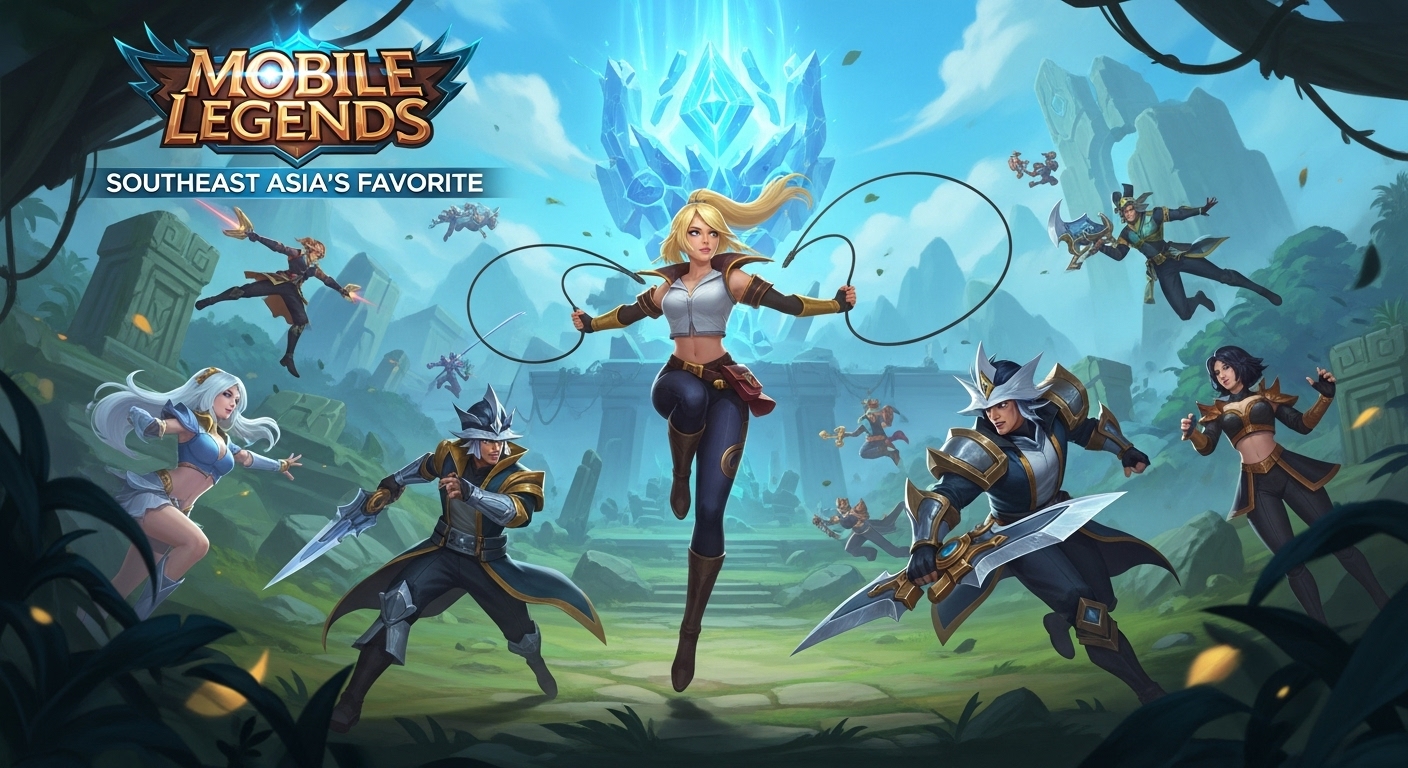
Mobile Legends features a roster of over 100 heroes, each with unique abilities, playstyles, and roles, including Marksman, Mage, Tank, Support, Fighter, and Assassin. This diversity allows players to experiment with different strategies and find heroes that match their personal playstyle. - Intuitive Controls
The game’s touch controls are designed to be simple yet responsive, allowing for precise movements, skill usage, and map navigation. The accessibility of these controls is a critical factor in attracting a large player base, including younger audiences. - Ranked Mode and Competitive Play
Ranked matches provide a competitive ladder where players can measure their skill against others. The ranking system adds motivation for improvement and fosters a sense of achievement, which has contributed significantly to the game’s long-term engagement. - Regular Updates and Events
Moonton keeps the game fresh with frequent updates that introduce new heroes, skins, game modes, and seasonal events. These updates maintain player interest and ensure that the game remains culturally relevant across different regions.
Mobile Legends and Southeast Asian Culture
One of the reasons Mobile Legends resonates so strongly in Southeast Asia is its cultural adaptability. Unlike some international games that struggle to localize content effectively, Moonton has tailored the game to meet regional tastes. This includes:
- Localized Skins and Events: In countries like Indonesia, Malaysia, and the Philippines, special in-game skins and events reflect local culture, festivals, and popular figures. For instance, during Ramadan, Eid-themed skins are introduced to celebrate the season.
- Community Engagement: Southeast Asian players are known for their tight-knit gaming communities. Mobile Legends leverages social media platforms like Facebook, TikTok, and YouTube to foster engagement, encourage content creation, and build a shared identity among fans.
- Accessibility: Mobile Legends requires relatively low-end hardware to run smoothly, making it accessible to a broad spectrum of players, including those without high-end smartphones. This inclusivity has helped the game penetrate rural areas and smaller cities, further solidifying its regional dominance.
The Esports Revolution
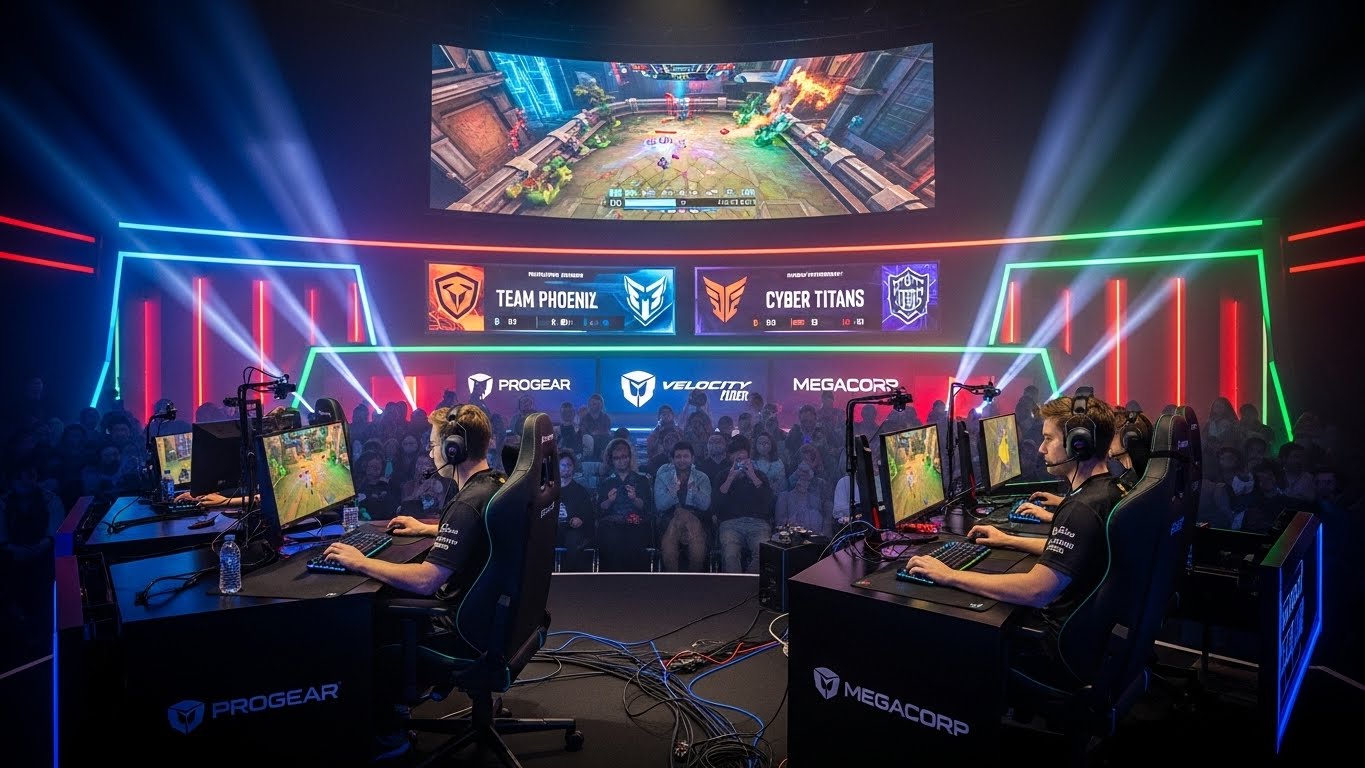
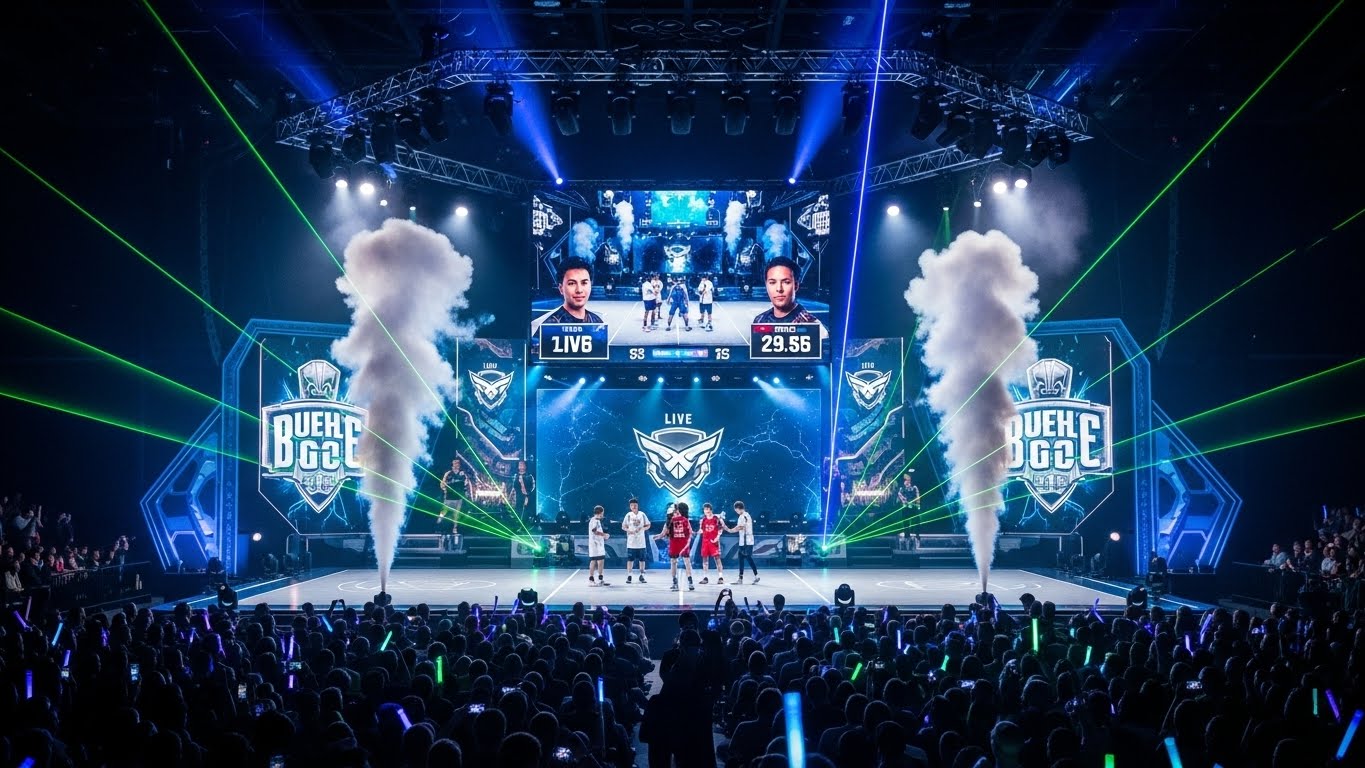
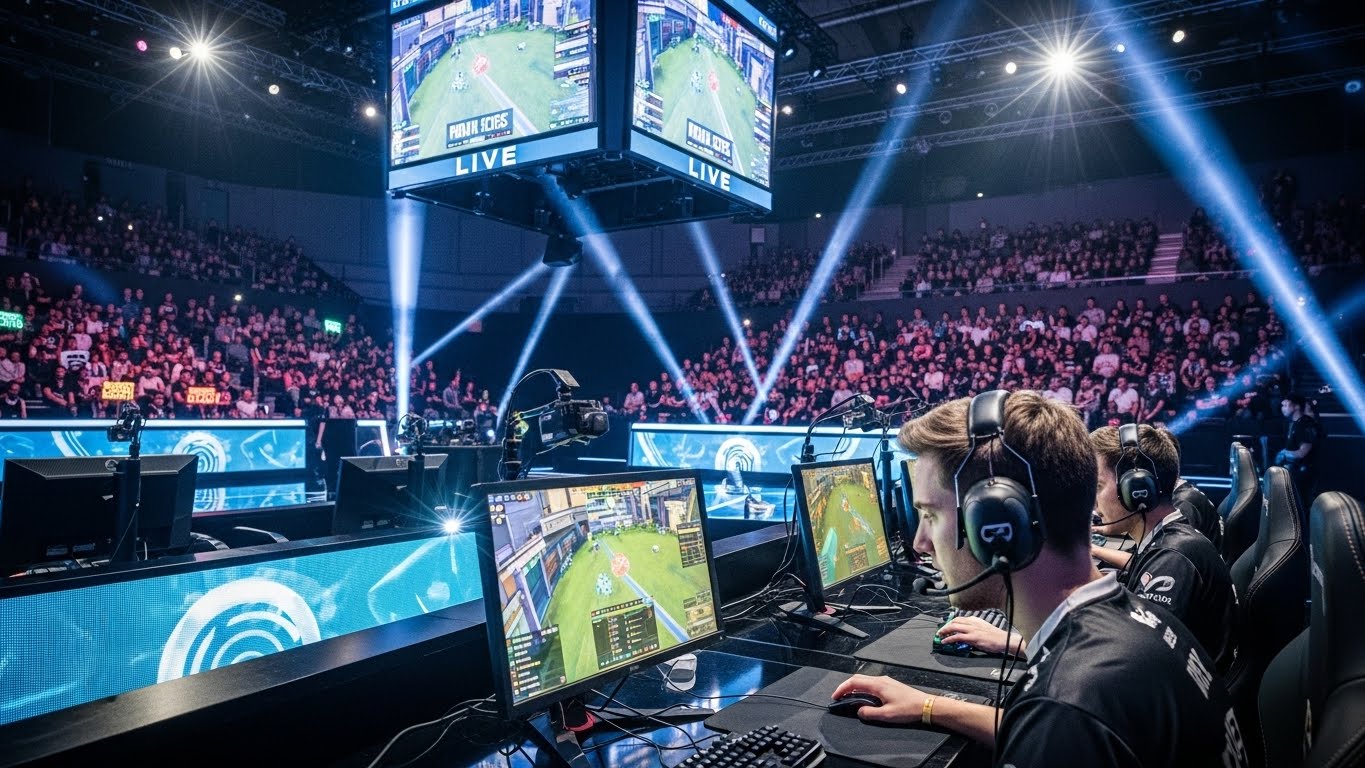
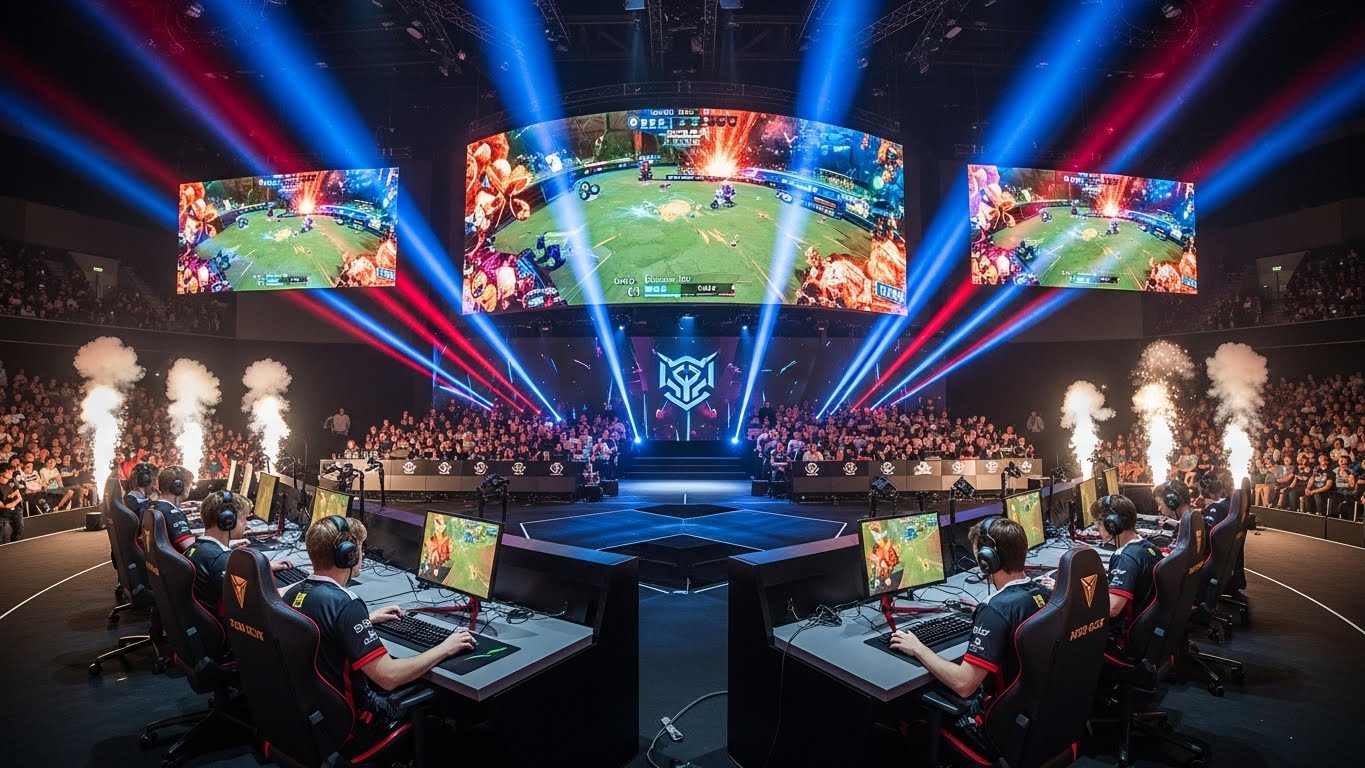
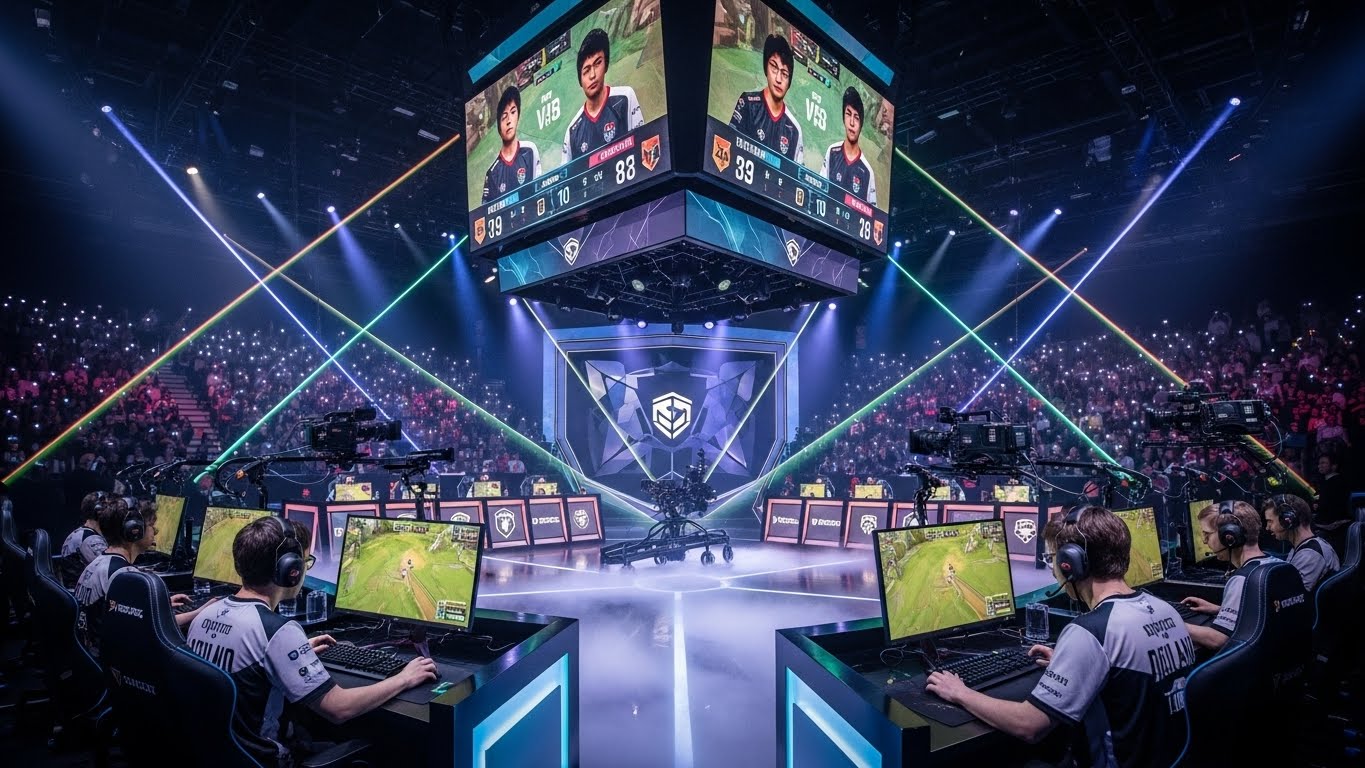
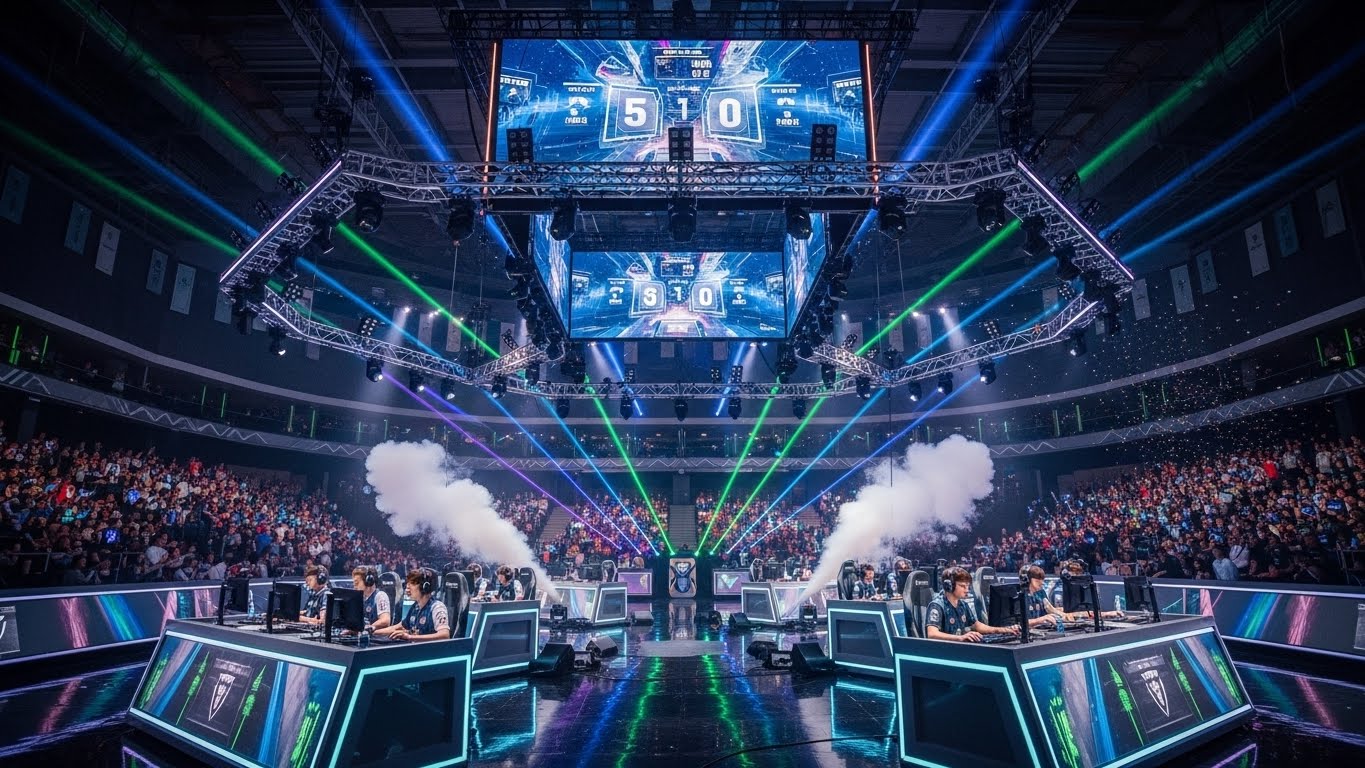
No discussion of Mobile Legends in Southeast Asia is complete without acknowledging its esports ecosystem, which has transformed the game from a casual pastime into a legitimate professional sport. The Mobile Legends esports scene has grown exponentially, fueled by the following factors:
- Mobile Legends Professional League (MPL)
Launched in 2018, the MPL has become the pinnacle of professional Mobile Legends competition. The league operates in multiple countries, including Indonesia, Malaysia, Singapore, and the Philippines, with each national league serving as a pathway to the MPL Invitational and ultimately the Mobile Legends: Bang Bang World Championship (M1, M2, M3, etc.). - High Prize Pools and Sponsorships
Professional Mobile Legends tournaments offer substantial prize pools, sometimes exceeding hundreds of thousands of dollars. This financial incentive has attracted top-tier talent and motivated younger players to pursue professional gaming careers. - Global Recognition
Southeast Asian Mobile Legends teams have consistently performed well on the international stage, earning recognition from global esports organizations. These achievements have elevated the game’s status and inspired national pride among fans. - Streaming and Content Creation
The rise of live streaming platforms like Facebook Gaming, YouTube Gaming, and Nimo TV has allowed players and teams to reach massive audiences. Popular streamers and content creators have become influencers, bridging the gap between casual players and professional esports.
The Community Factor
Community engagement has been a cornerstone of Mobile Legends’ success in Southeast Asia. Several elements contribute to this phenomenon:
- Clan and Guild Systems: Players can form clans, participate in group events, and engage in intra-clan competitions. These social structures strengthen loyalty and create a sense of belonging.
- Influencer Collaborations: Moonton frequently collaborates with local influencers, esports personalities, and celebrities to promote events and updates, which resonates well with younger demographics.
- Fan-Driven Content: YouTube channels, TikTok videos, and Facebook pages dedicated to Mobile Legends strategies, highlights, and memes contribute to a vibrant, self-sustaining community ecosystem.
- Educational Resources: Many community members actively share tutorials, hero guides, and gameplay tips. This collaborative environment lowers the entry barrier for new players and helps maintain long-term engagement.
Challenges and Controversies
Despite its massive popularity, Mobile Legends has faced several challenges and controversies:
- Competition from Other MOBAs
Games like Arena of Valor and League of Legends: Wild Rift have also entered the Southeast Asian market, offering strong competition. Mobile Legends’ ability to innovate and stay relevant is key to maintaining its lead. - Cheating and Smurfing
As with any competitive online game, Mobile Legends has struggled with cheating, smurfing (high-level players playing on low-level accounts), and toxic behavior. Moonton has implemented anti-cheat measures, but these issues persist, affecting the player experience. - Legal Disputes
Moonton has faced legal battles, most notably with Riot Games, over intellectual property claims. While these disputes were resolved, they have highlighted the competitive pressures within the global gaming industry. - Monetization Criticism
Some players have criticized the game’s monetization model, particularly the heavy reliance on in-app purchases for skins, heroes, and cosmetics. Striking a balance between free-to-play accessibility and profitable monetization remains a delicate challenge.
The Future of Mobile Legends in Southeast Asia
Looking ahead, Mobile Legends shows no signs of slowing down. Several trends indicate a bright future for the game:
- Technological Advancements
With the widespread adoption of 5G networks in Southeast Asia, players can expect faster, more reliable connections and smoother gameplay, further enhancing the mobile MOBA experience. - Expansion of Esports Ecosystem
The MPL and other regional tournaments are likely to grow, with increasing sponsorships, media coverage, and fan engagement. This growth will reinforce Mobile Legends’ status as a premier esport in the region. - Cultural Integration
Continued localization of heroes, events, and collaborations will ensure that Mobile Legends remains culturally relevant. Integration with popular culture, music, and media can further strengthen its fan base. - Cross-Platform Opportunities
While currently a mobile-exclusive game, cross-platform opportunities may emerge, potentially expanding the player base and opening new avenues for competitive play and social interaction.
Conclusion
Mobile Legends: Bang Bang is more than just a mobile game in Southeast Asia—it is a cultural phenomenon, an esports powerhouse, and a social platform that brings millions of players together. Its combination of accessible gameplay, deep strategy, vibrant community, and competitive ecosystem has ensured its dominance in the region. Despite facing challenges such as rising competition and monetization criticisms, Mobile Legends continues to innovate and adapt, securing its place as Southeast Asia’s favorite mobile game.
As the mobile gaming industry evolves, Mobile Legends is likely to remain at the forefront, shaping trends, inspiring new generations of gamers, and exemplifying the potential of mobile esports. Whether you are a casual player, a dedicated fan, or an aspiring professional, Mobile Legends offers a unique, dynamic experience that reflects the spirit of Southeast Asia: competitive, communal, and endlessly passionate about gaming.