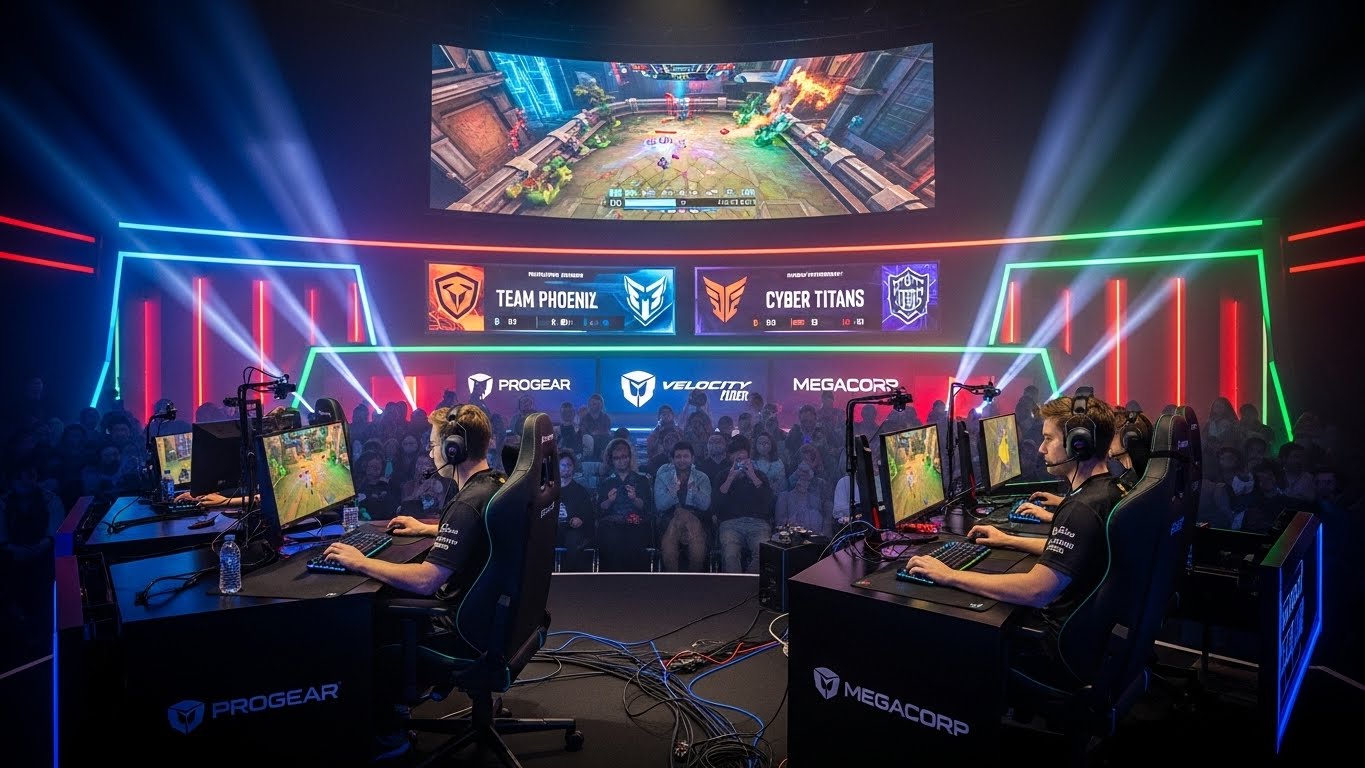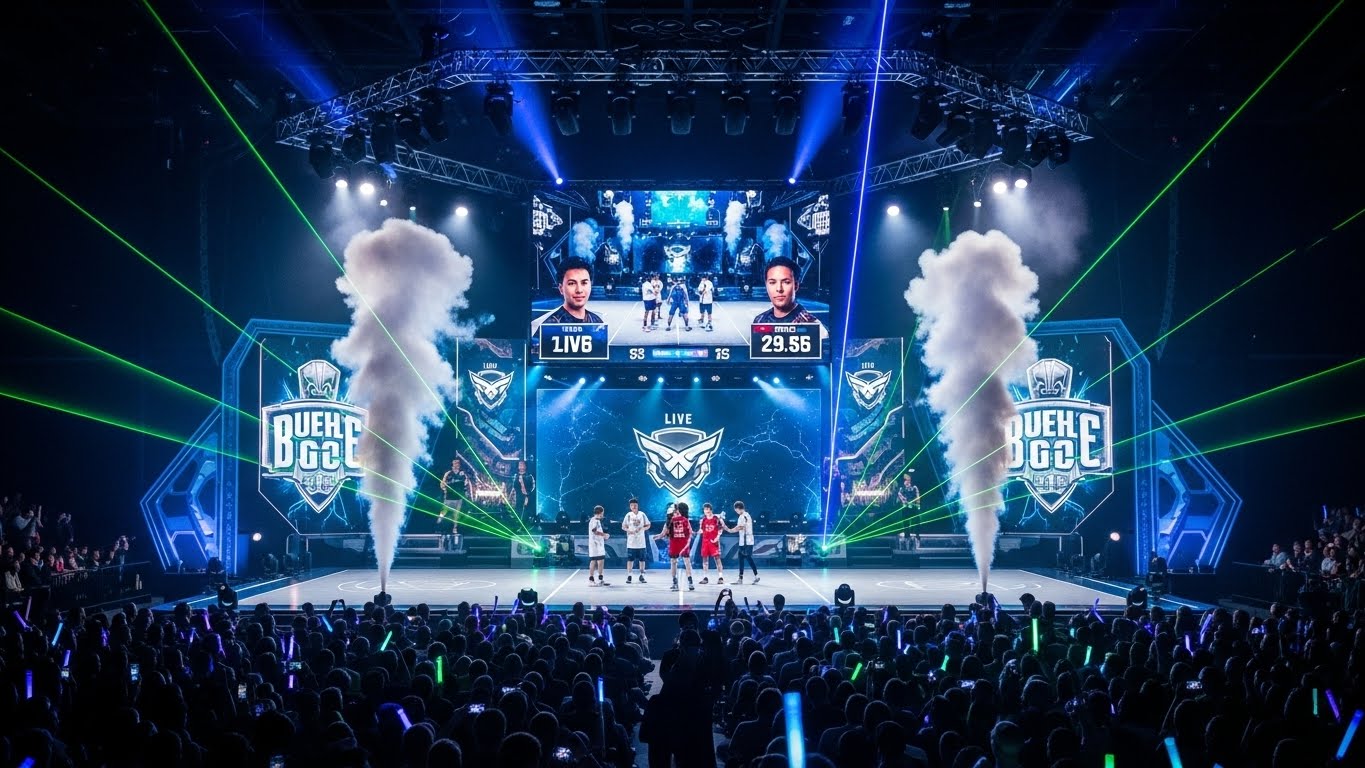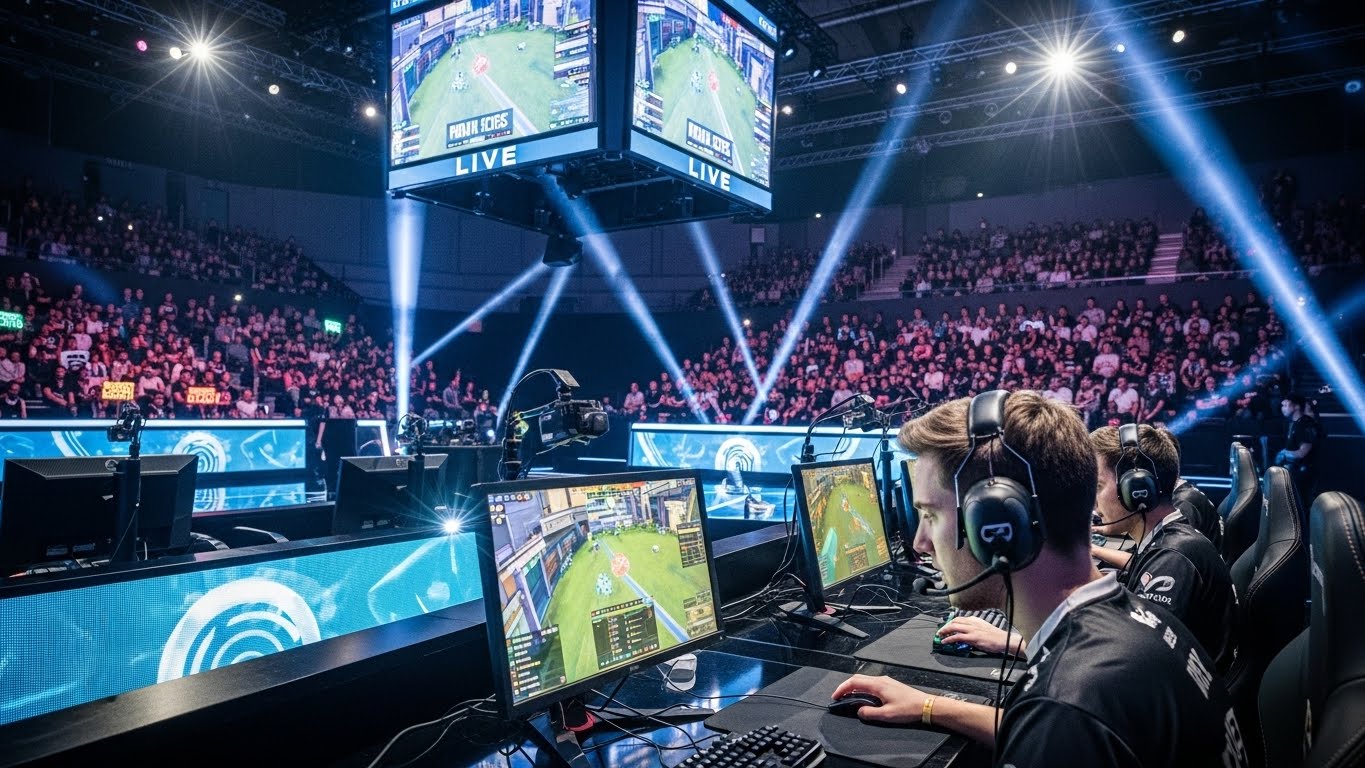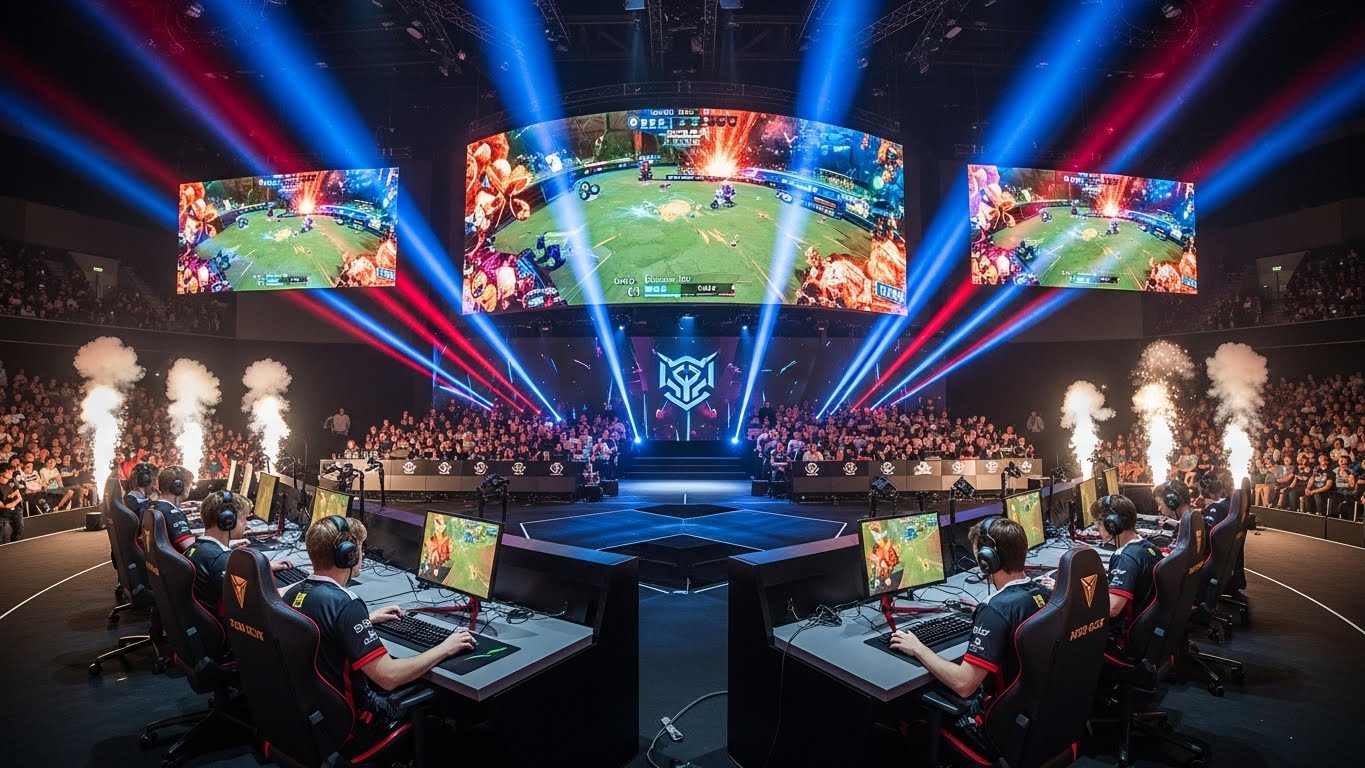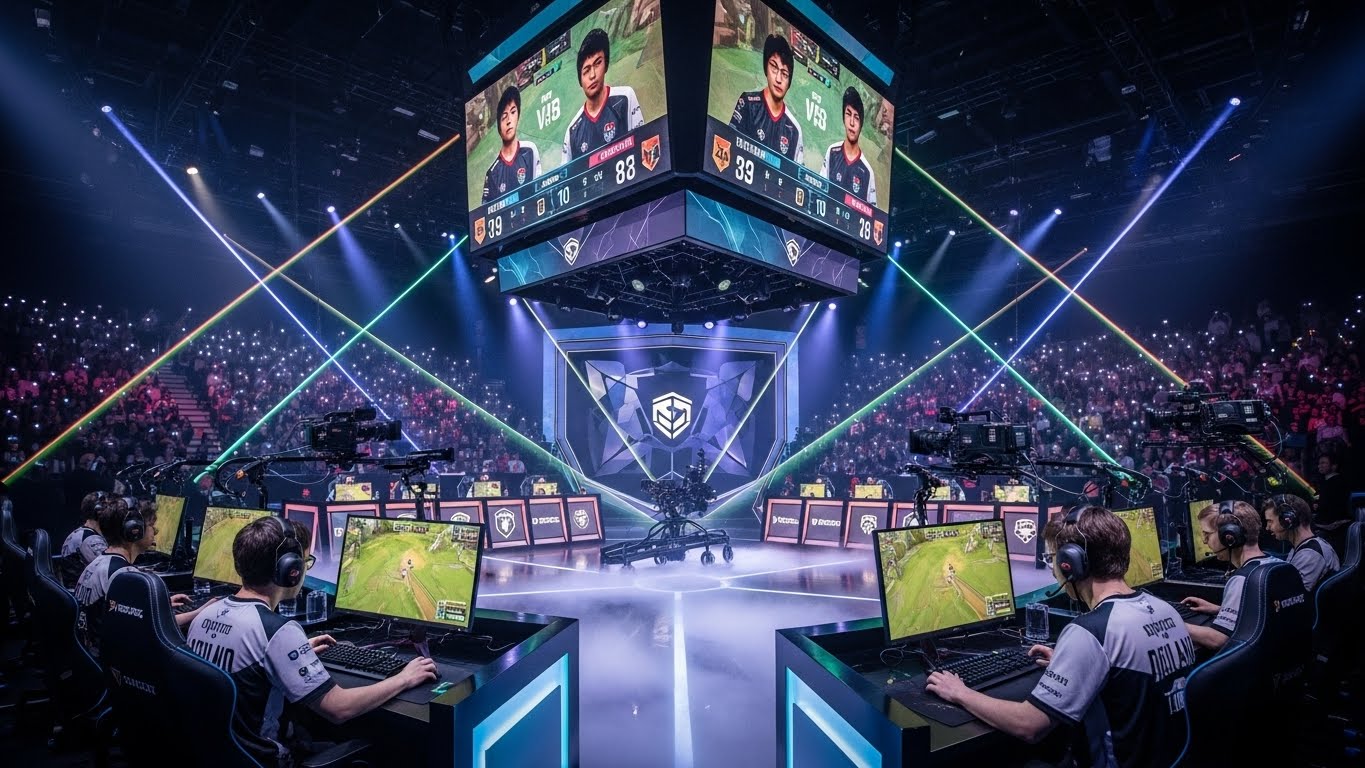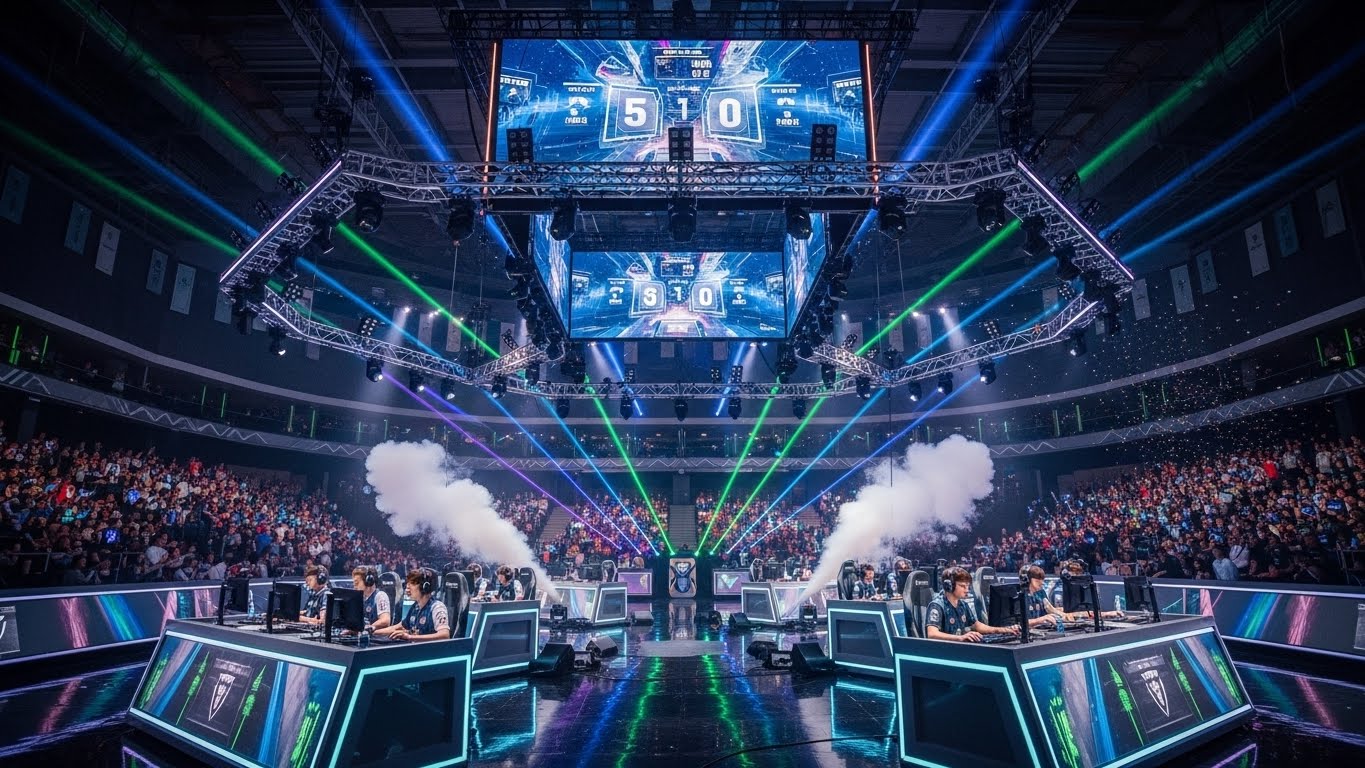

The rise of esports has transformed the world of gaming in countless ways, but perhaps no genre has been more profoundly shaped by it than the competitive shooter. From early LAN parties to billion-dollar global tournaments, esports has redefined how first-person and third-person shooters are played, developed, and experienced. Once designed primarily for solo fun or casual multiplayer sessions, shooter games have evolved into finely tuned competitive ecosystems built around skill, strategy, and spectacle.
This evolution didn’t happen overnight. It’s the result of years of innovation, community growth, and industry adaptation. In this blog, we’ll explore in detail how esports has changed competitive shooters — from their design philosophies to the professionalization of players, the birth of new gaming communities, and the technological revolutions that have made these games into global phenomena.
The Early Days of Competitive Shooters
To understand how esports changed competitive shooters, we first have to look back to where it all began. The roots of competitive shooting games go back to the 1990s, with iconic titles like Doom, Quake, and Counter-Strike laying the foundation.
Back then, competitive play was largely grassroots. LAN parties and small online communities organized local tournaments, driven purely by passion. Players competed for pride, not prize money. Yet these early events planted the seed for what would become modern esports.
Quake was one of the first shooters to introduce skill-based mechanics like rocket jumping and map control, pushing players to refine their strategies. Counter-Strike, a mod for Half-Life, brought in team-based tactical gameplay, emphasizing coordination and communication. These games helped define what we now recognize as “competitive shooters.”
The turning point came when organizers started to broadcast these matches online. Platforms like early streaming services and esports-focused networks allowed wider audiences to watch high-level play for the first time. From then on, shooters were no longer just about playing — they were about performing.
Esports Turns Shooters into Spectator Sports
The introduction of esports turned competitive shooters into global spectator events. Before esports, the focus was purely on the player experience. With esports, developers began to think about the audience experience as well.
Games like Counter-Strike: Global Offensive (CS:GO), Call of Duty, and Overwatch were designed not only to be played competitively but also to be entertaining to watch. Spectator modes, instant replays, and professional commentary became essential features. The visual clarity of weapons, player outlines, and team colors were fine-tuned to make matches more readable for viewers.
This focus on spectatorship fundamentally changed how competitive shooters were designed. Developers realized that engaging visuals, dynamic pacing, and tactical depth made a game more exciting for audiences. The rise of live streaming and esports tournaments turned competitive shooters into performance art — where players became entertainers as much as athletes.
Game Design Evolution Driven by Esports
Esports didn’t just affect how shooters were watched — it transformed how they were built. Developers began designing shooters with professional play in mind.
Balance and Competitive Integrity:
In early shooters, some weapons or strategies dominated, leading to one-sided matches. Modern esports shooters prioritize balance. Developers now constantly adjust weapon stats, map layouts, and character abilities to ensure fairness and diversity in gameplay. Games like Valorant and Rainbow Six Siege are updated frequently based on professional player feedback.
Skill Expression:
Esports has pushed developers to create games that reward precision, reaction time, and decision-making. Mechanics like recoil control, movement speed, ability usage, and map control became integral. Competitive shooters now demand mastery, and that mastery creates moments that fans love to watch.
Structured Competition:
The esports influence brought organized leagues, ranking systems, and seasonal updates. Games now feature matchmaking tiers, ranked ladders, and clear pathways from amateur play to professional competition. This structure encourages long-term engagement and community growth.
Team Dynamics:
Before esports, most shooters were free-for-all or casual team modes. Esports emphasized teamwork, communication, and strategic coordination. Games evolved to support defined roles—entry fraggers, supports, snipers, and in-game leaders—mirroring traditional sports positions.
Through esports, the line between developer and player became a partnership. Developers now rely on pro players to shape game balance, design maps, and refine mechanics, ensuring that shooters remain competitive and thrilling.
The Rise of Tactical and Hero Shooters
Esports also gave rise to entire subgenres of competitive shooters. Traditional military shooters like Counter-Strike paved the way for more strategic and creative formats.
Tactical Shooters:
Titles such as Rainbow Six Siege and Valorant took the core principles of Counter-Strike—precise aim, map knowledge, and coordination—and layered in new tactical elements. Rainbow Six Siege introduced destructible environments and operator abilities, turning each round into a strategic puzzle. Valorant combined precise gunplay with hero-based abilities, creating a unique blend of tactics and flair.
Hero Shooters:
The success of games like Overwatch and Apex Legends demonstrated how esports could elevate character-driven shooters. Each hero or legend has unique abilities, creating diverse playstyles and team compositions. These games brought personality and storytelling to competitive shooters, making them more relatable and entertaining for spectators.
Esports tournaments for these games showcased how dynamic and creative the genre could become. They proved that shooters could appeal to both hardcore tactical fans and mainstream audiences.
The Professionalization of Players and Teams
Before esports, few gamers could imagine making a living by playing shooters. Now, professional players are household names with sponsorships, salaries, and fan followings.
Esports transformed competitive shooters into legitimate career paths. Players train for hours daily, analyze game footage, and work with coaches, analysts, and psychologists—just like traditional athletes. Organizations invest heavily in team infrastructure, providing bootcamps, performance centers, and data-driven tools to gain a competitive edge.
This professionalization has raised the skill ceiling to unprecedented levels. Watching top-tier players execute pixel-perfect aim or team strategies is mesmerizing, inspiring millions to compete and improve. The high stakes of international tournaments, where millions of dollars are on the line, have made competitive shooters one of the most intense spectator experiences in modern entertainment.
Esports and the Birth of Shooter Communities
Esports didn’t just change how shooters are played—it changed how communities form around them. The rise of streaming and social media gave fans direct access to players, teams, and events. This created passionate online ecosystems that thrive on discussion, content creation, and fan art.
Communities form identities around their favorite games. CS:GO fans pride themselves on precision and tradition, while Valorant fans celebrate creativity and flair. The sense of belonging fuels the esports culture, driving fan engagement and expanding the industry’s reach.
Moreover, community-driven content such as highlight reels, tutorials, and reaction videos has amplified the visibility of competitive shooters. Fans aren’t just viewers—they’re active participants who shape the culture.
Streaming Platforms and the Democratization of Competition
The growth of esports and streaming platforms like Twitch, YouTube Gaming, and Kick democratized access to competitive shooters. Anyone can now watch world-class matches or broadcast their gameplay to a global audience.
This accessibility turned casual players into potential professionals. Aspiring gamers can study pro tactics, analyze maps, and learn from live streams. The direct connection between pros and fans also humanizes the competitive scene, turning elite players into relatable figures.
Streaming also created a new economy around shooters. Streamers and content creators contribute to a game’s popularity, driving its competitive scene forward. Games that dominate streaming charts—such as Apex Legends, Valorant, or Call of Duty—often see direct boosts in player engagement and esports growth.
The Role of Technology and Innovation
Technological advancement has gone hand-in-hand with esports evolution. Competitive shooters have benefited immensely from hardware, software, and network improvements.
Low Latency and High FPS:
Modern esports shooters require lightning-fast reaction times. Developers and hardware manufacturers have collaborated to reduce latency, improve frame rates, and ensure smoother gameplay.
Spectator Tools:
Developers have invested in tools that enhance the viewer experience. Overlays displaying player stats, maps, and team economies help spectators follow the action easily.
Replay and Analysis Systems:
Coaches and analysts use advanced replay systems to study player behavior and strategies. This data-driven approach has elevated the competitive standard across all levels of play.
Cross-Platform Play and Accessibility:
Esports has also encouraged the development of cross-platform support, allowing players on different systems to compete together. This inclusivity has expanded the player base and increased competitiveness across global markets.
Cultural Impact of Esports on Shooter Games
Esports has pushed competitive shooters into mainstream culture. What was once niche entertainment is now covered by global media, sponsored by major brands, and broadcast on television and streaming platforms.
Shooter tournaments now fill arenas, and esports athletes gain celebrity status. Fans buy team jerseys, attend live events, and engage with their favorite players online. Esports has also influenced music, fashion, and entertainment, bridging the gap between gaming and pop culture.
Moreover, the professional conduct and teamwork showcased in esports competitions have helped counter outdated stereotypes about gaming. Competitive shooters now symbolize discipline, intelligence, and collaboration rather than mere recreation.
How Esports Shapes Future Game Development
Today’s developers design shooters with esports potential in mind from day one. They plan long-term competitive ecosystems, seasonal events, and monetization models that sustain the game’s community.
Games like Valorant and Apex Legends are perfect examples of this mindset. Their developers collaborate closely with esports organizations, balancing accessibility for new players with depth for professionals. This approach ensures that the game remains entertaining for both casual fans and hardcore competitors.
As technology evolves, future shooters will likely integrate even more esports-friendly features: built-in tournament systems, spectator customization, and enhanced replay functionality.
Challenges Brought by Esports
While esports has elevated competitive shooters, it also introduced new challenges. The constant pressure to balance games for competitive integrity sometimes alienates casual players. Developers must juggle between satisfying professionals and maintaining fun for the broader audience.
Additionally, the business side of esports—such as sponsorships, franchising, and media rights—has created debates about accessibility and fairness. Smaller teams often struggle to compete financially with big organizations.
Toxic behavior, cheating, and burnout are also ongoing issues in the esports ecosystem. Maintaining integrity and player well-being remains a top priority for the future.
The Future of Competitive Shooters in Esports
The future of competitive shooters looks brighter than ever. With innovations in virtual reality, AI-driven coaching, and interactive viewing, the next generation of esports shooters will be even more immersive and inclusive.
We’re already seeing experiments with mixed-reality experiences, where fans can view matches from inside the game using VR or AR. Developers are also exploring adaptive matchmaking and AI-enhanced training to help players improve more efficiently.
Global expansion is another key trend. Regions like South America, the Middle East, and Africa are emerging as new esports powerhouses, creating a more diverse and dynamic shooter scene than ever before.
Conclusion
Esports has completely reshaped the landscape of competitive shooters. What began as small LAN tournaments has grown into a professional, global, and highly organized ecosystem that influences how games are made, played, and celebrated.
Through esports, shooters evolved from simple entertainment into expressions of skill, teamwork, and passion. The genre has gained cultural respect, inspired new generations of players, and connected millions around the world through shared competition.
As technology and creativity continue to advance, competitive shooters will keep evolving—blending precision, strategy, and storytelling into thrilling experiences for players and fans alike. The partnership between esports and shooters is not just a trend; it’s the future of interactive competition, where every headshot, clutch play, and victory tells a story that resonates far beyond the game itself.