
Introduction
Esports, or electronic sports, has transformed the way people view gaming and competition. What was once considered a hobby is now a professional industry that attracts millions of fans, players, and sponsors worldwide. The rise of esports shows how digital technology has created new opportunities for entertainment, careers, and global connection.
The Beginning of Esports
The story of esports started in the early days of video gaming, when players would gather for small tournaments in arcades or college campuses. Over time, with the spread of the internet and online multiplayer games, competitive gaming grew in popularity. Today, esports has become a mainstream phenomenon with major events, celebrity players, and massive audiences.
The Global Growth of the Industry
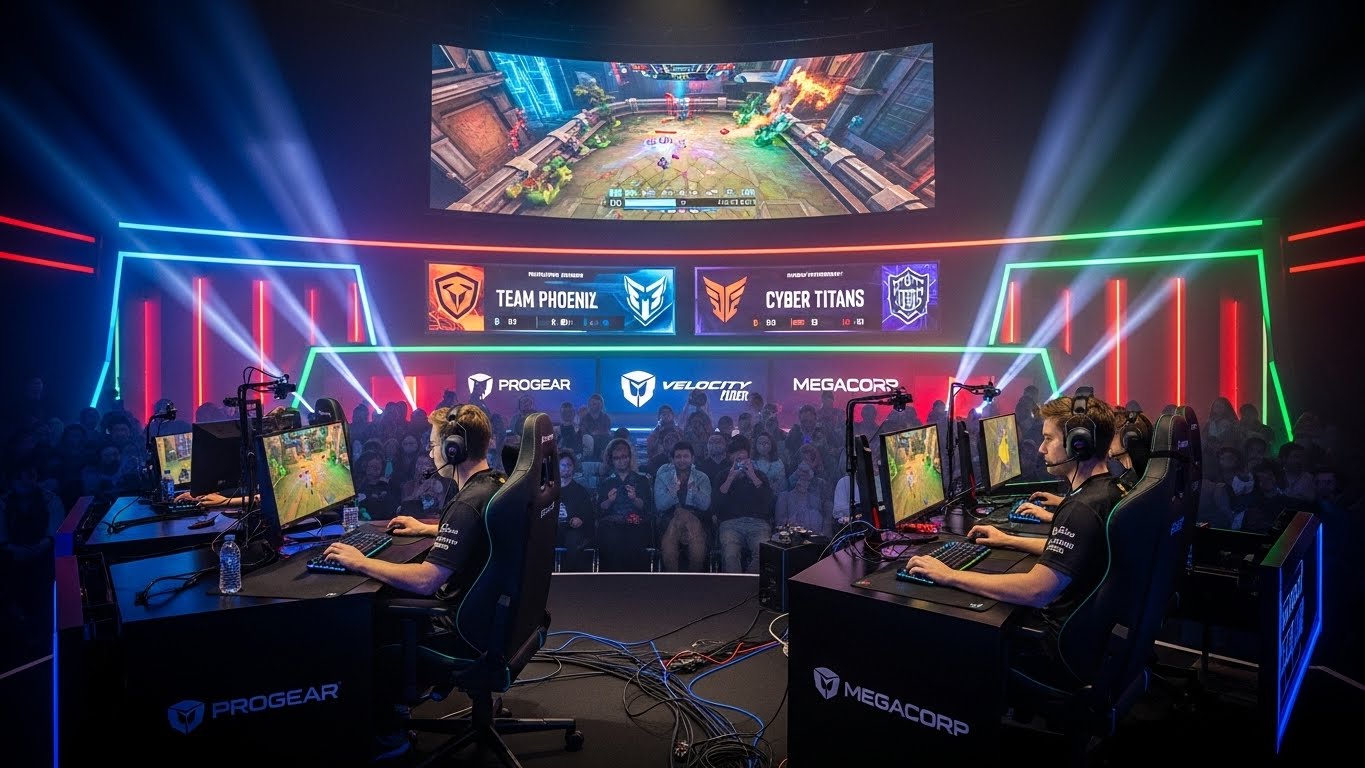
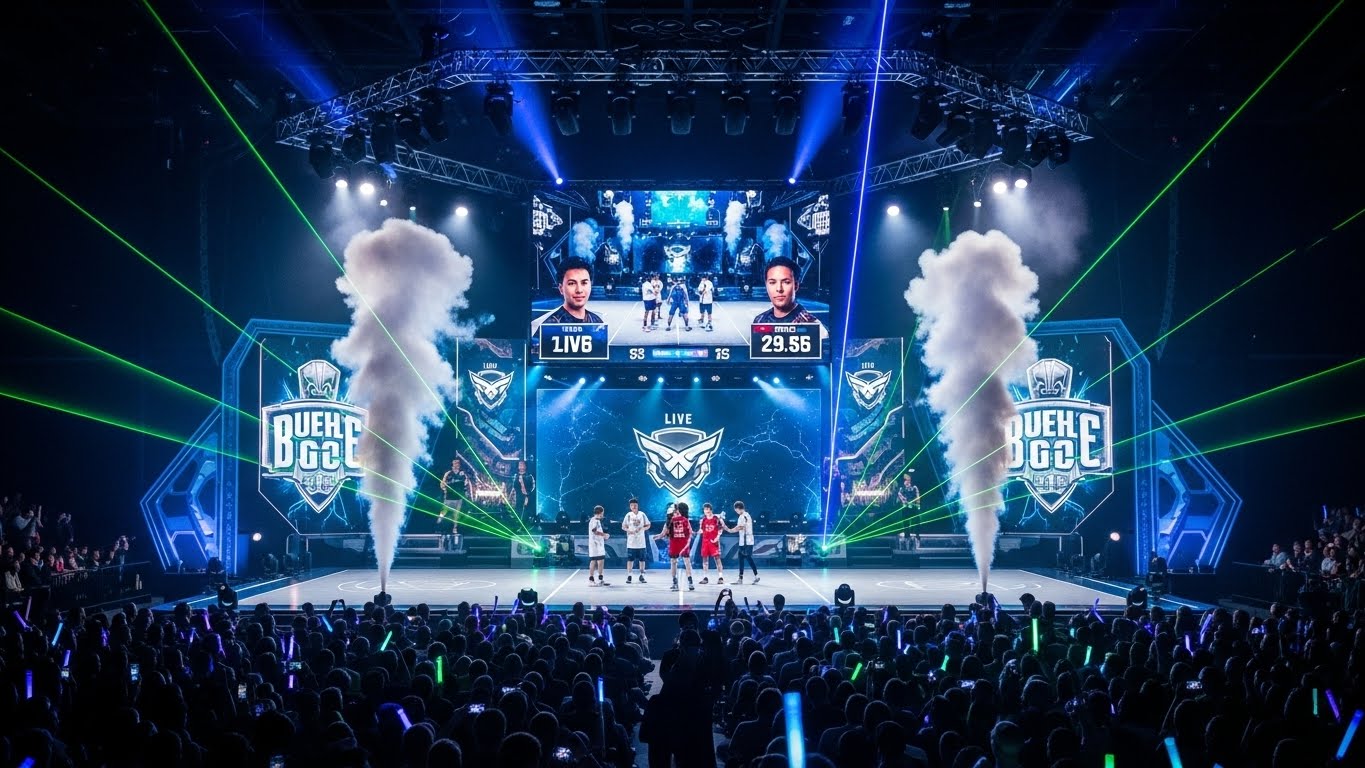
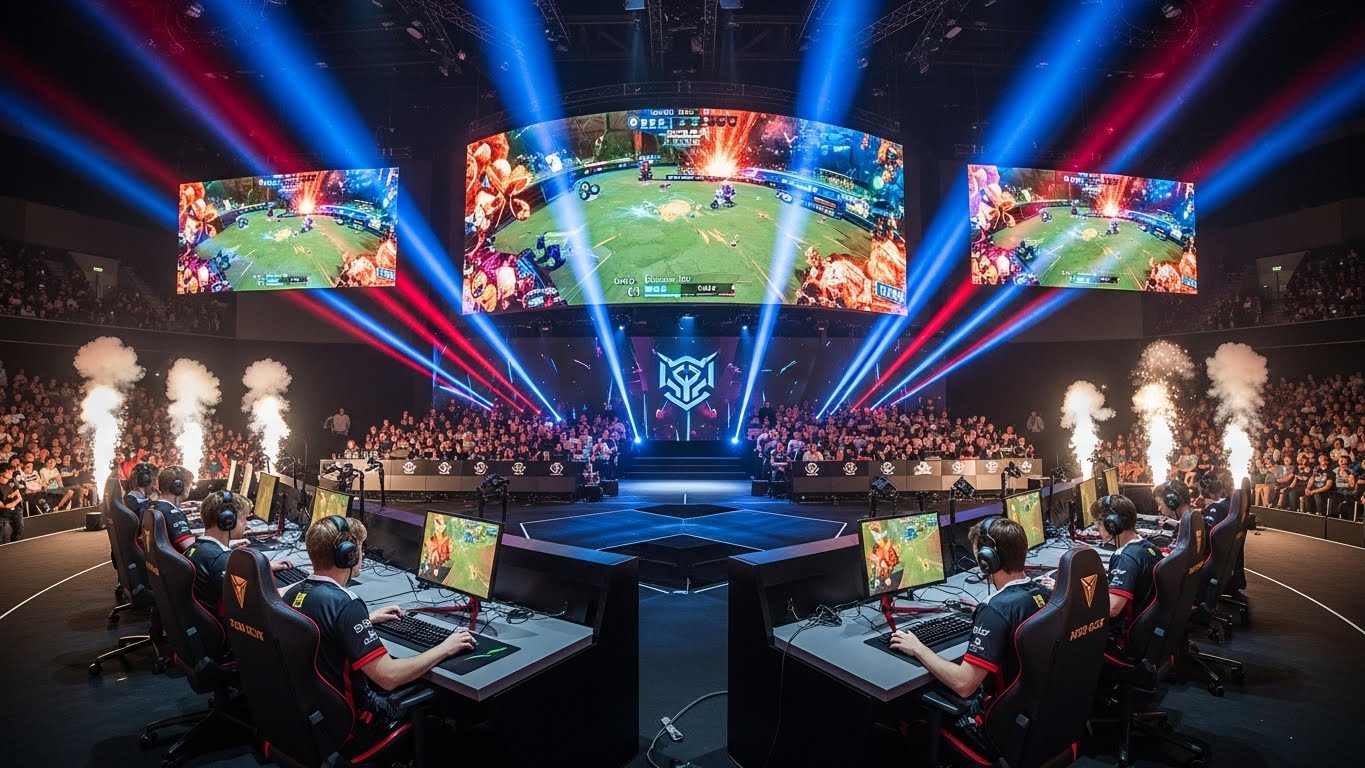
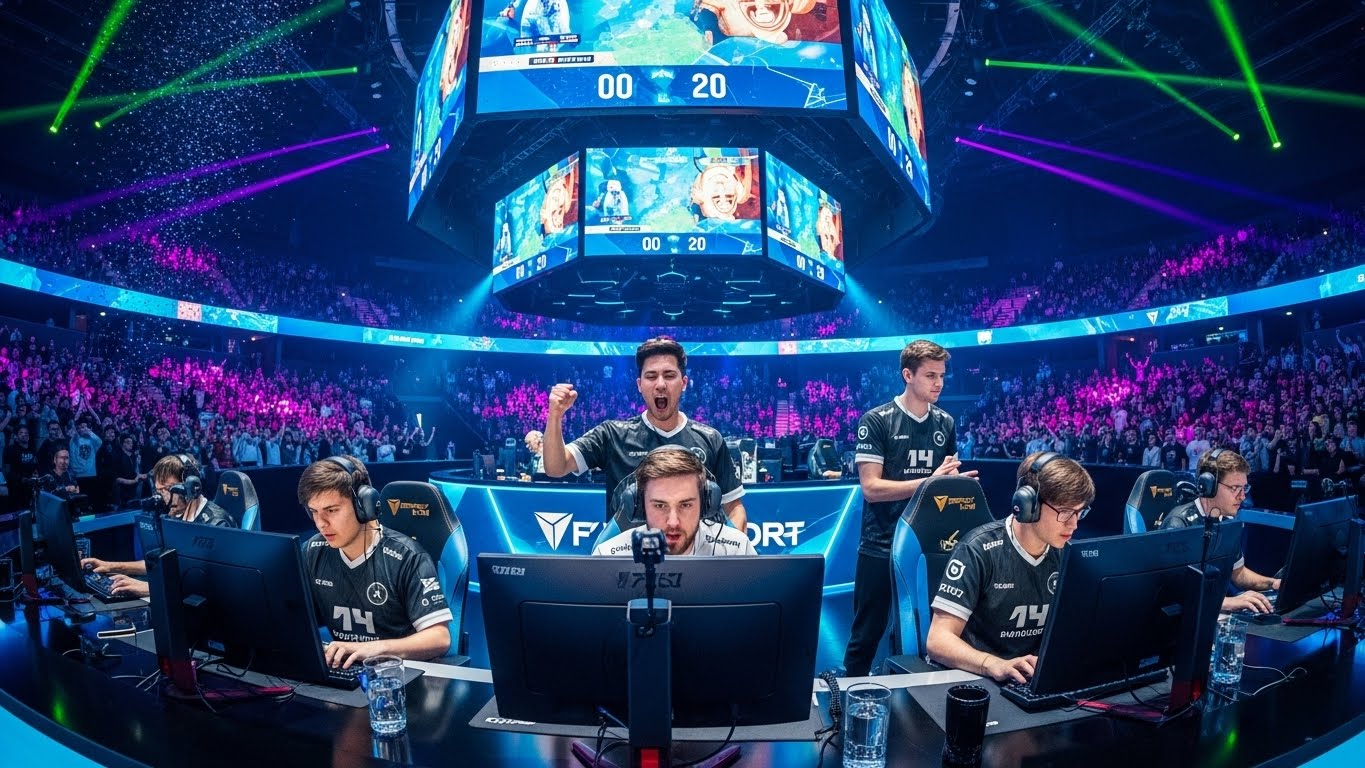
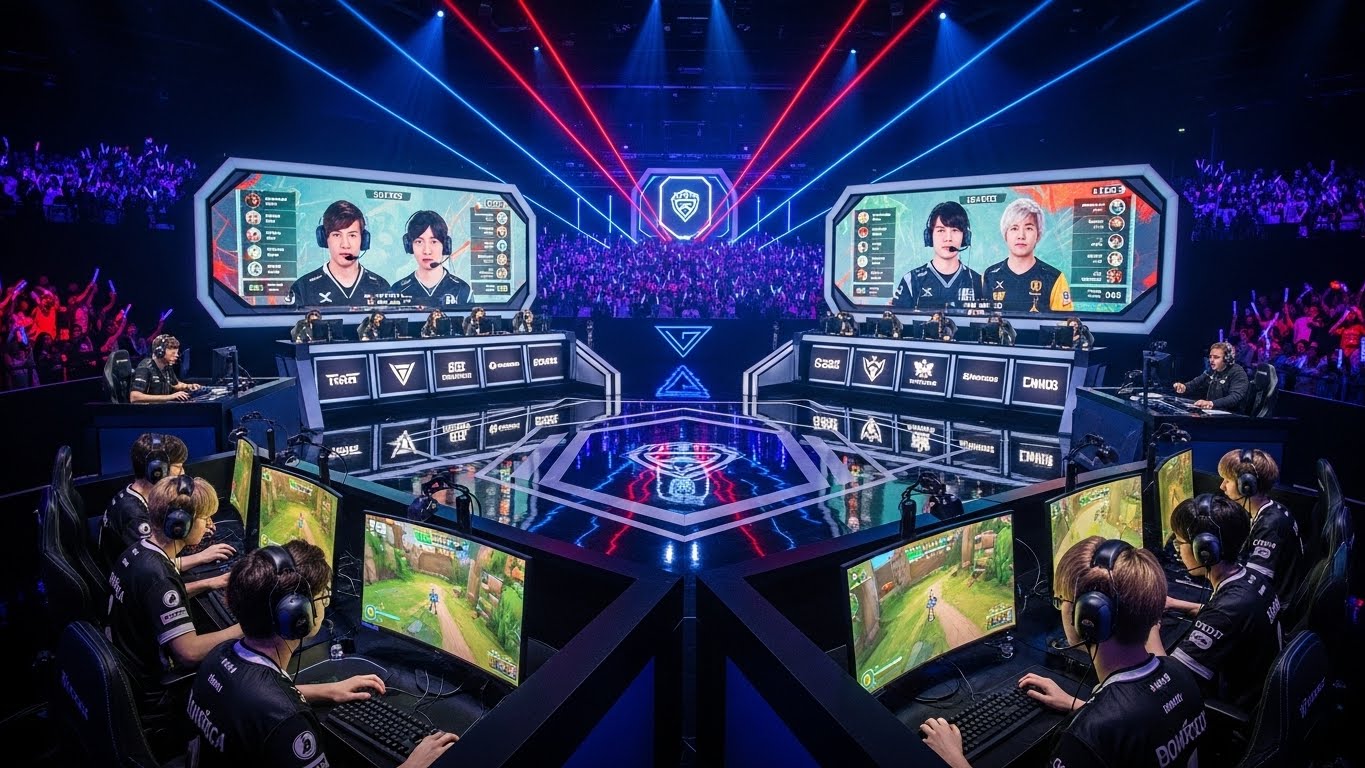
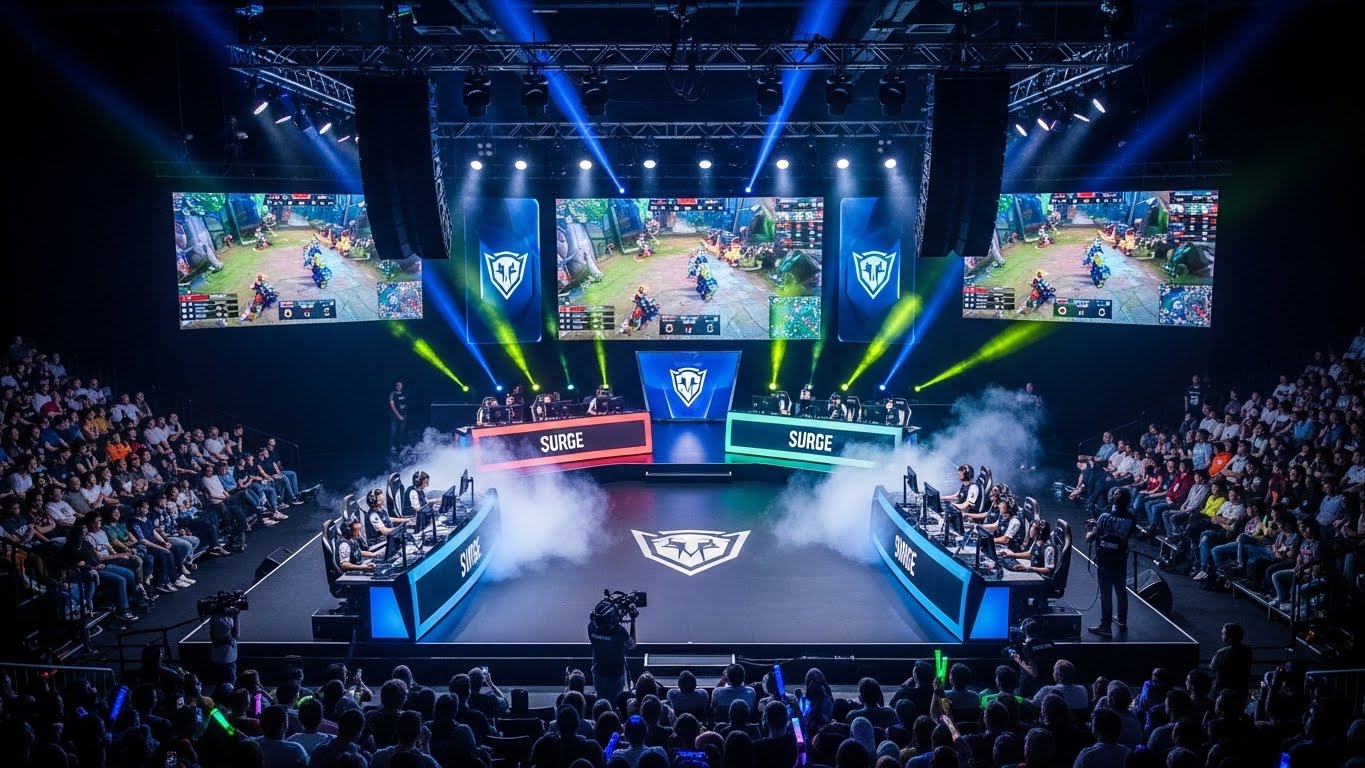
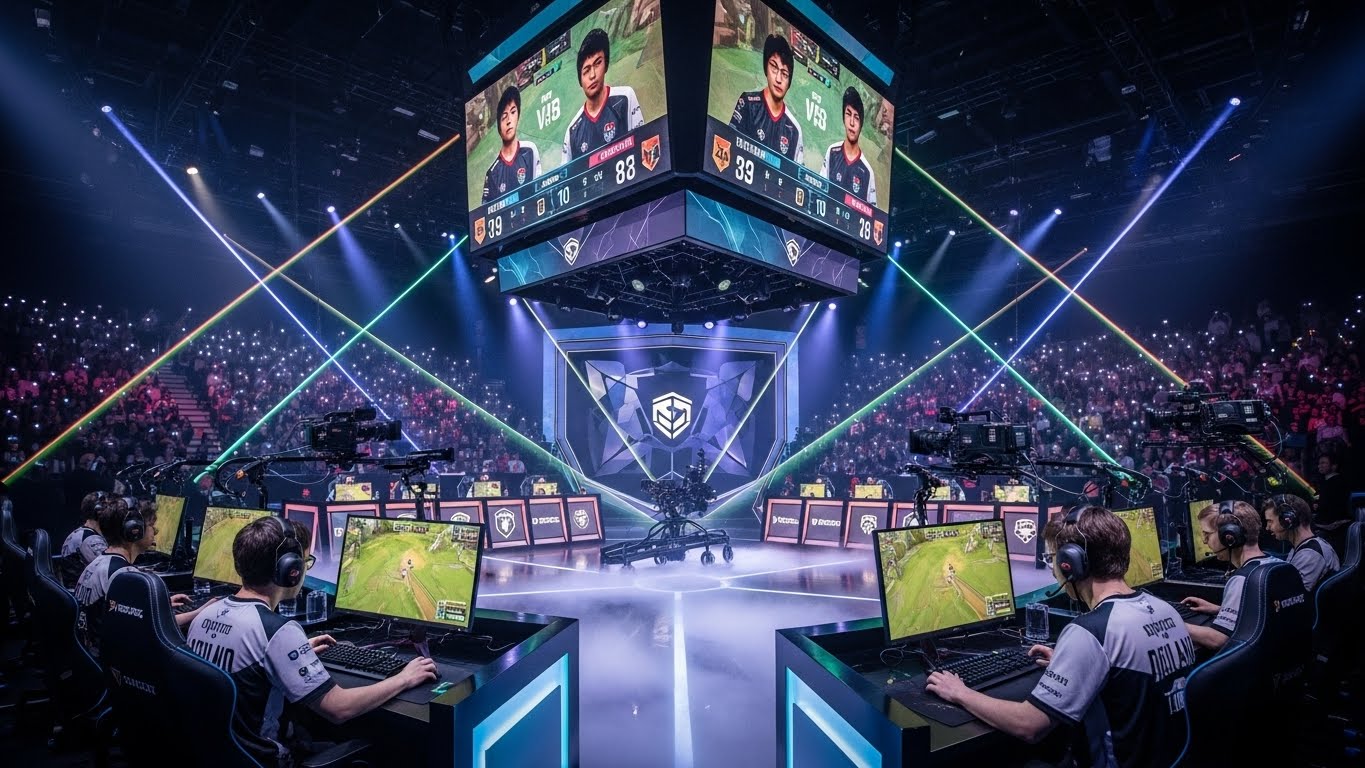
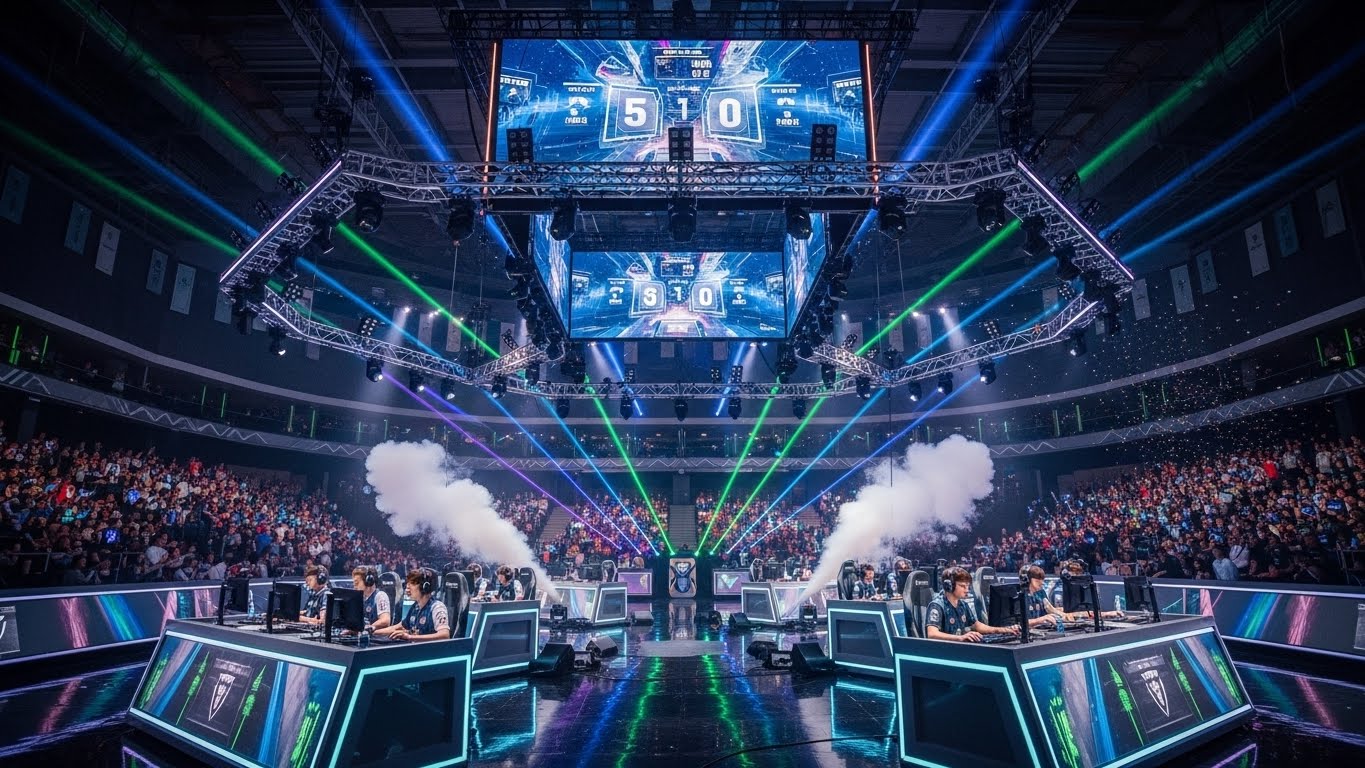
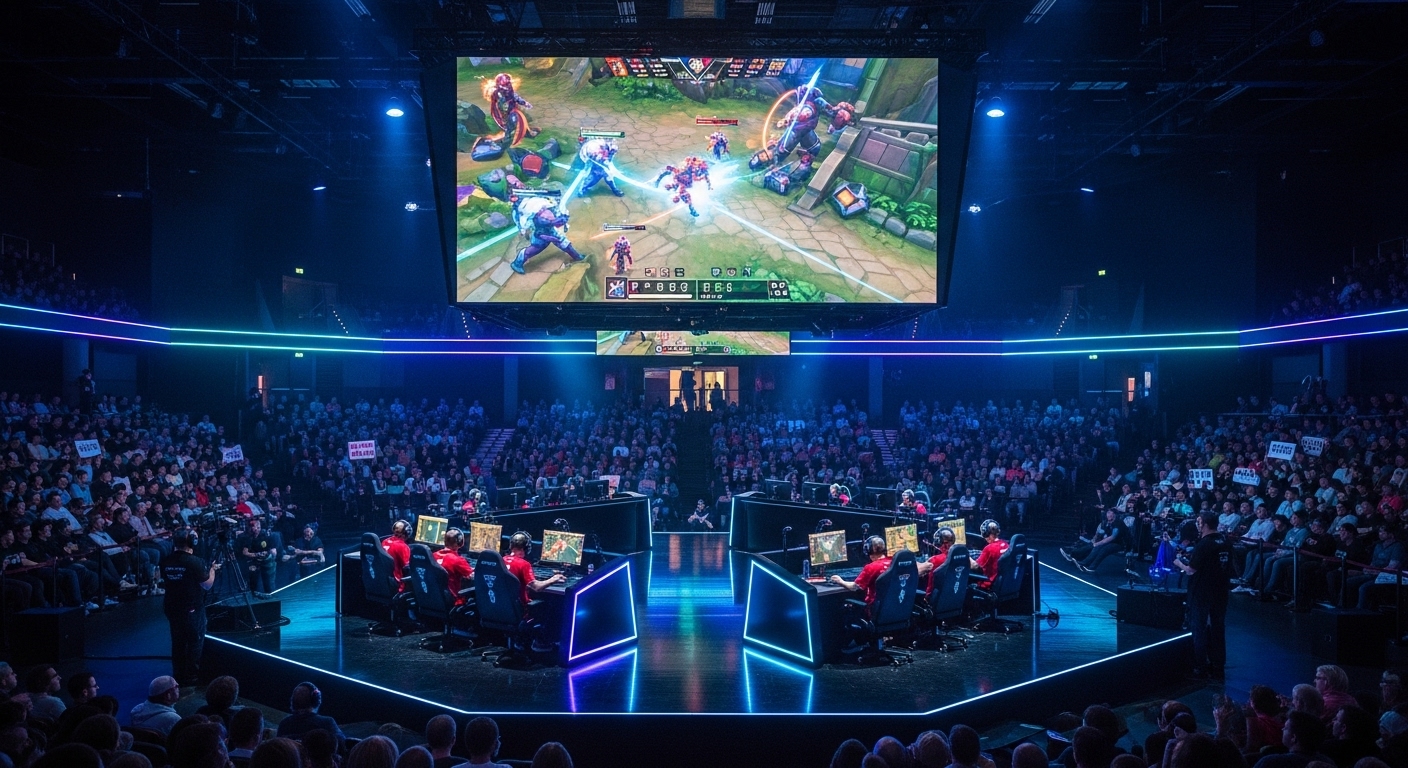
Esports is now one of the fastest-growing entertainment industries in the world. Major tournaments fill stadiums with cheering fans and attract millions of online viewers. Popular games such as League of Legends, Dota 2, and Counter-Strike dominate the competitive scene, offering multi-million-dollar prize pools. Sponsorships, advertising, and streaming rights have turned esports into a billion-dollar industry.
Professional Players and Teams
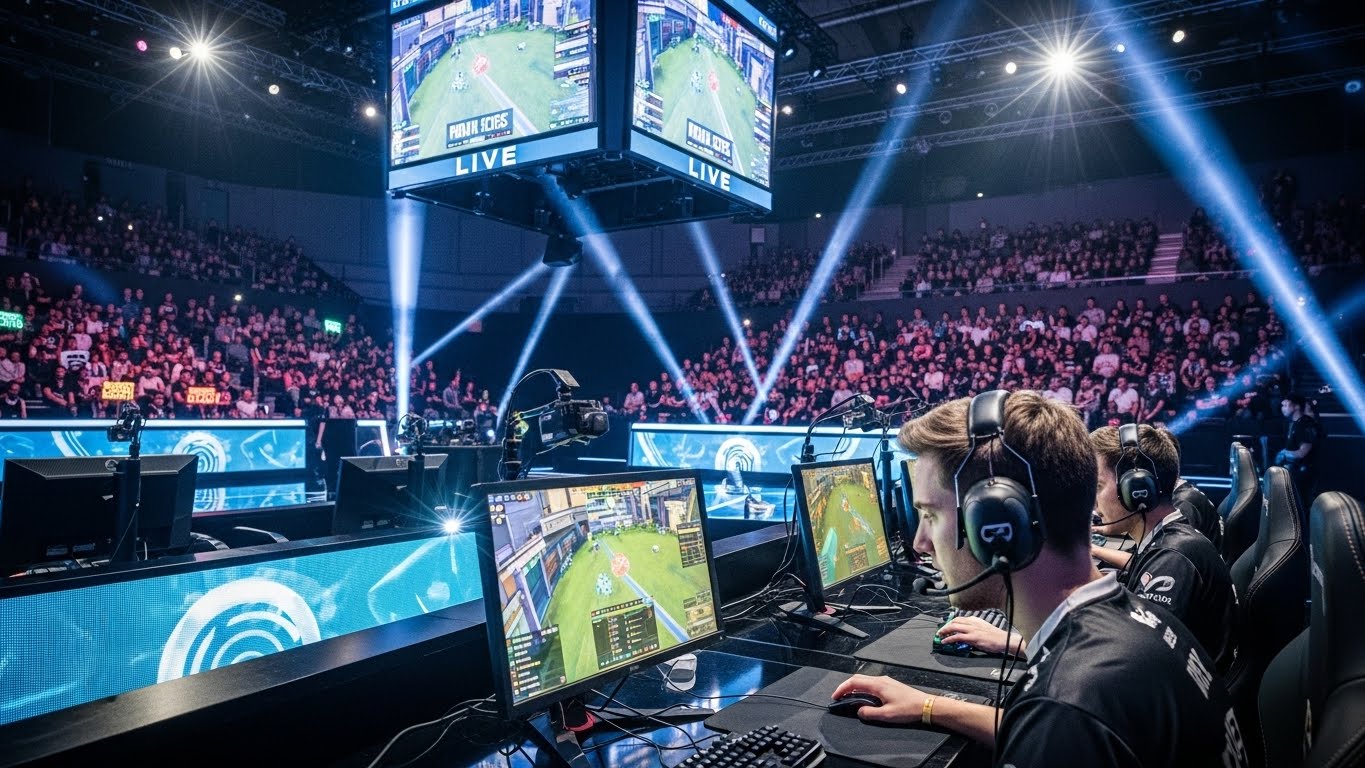
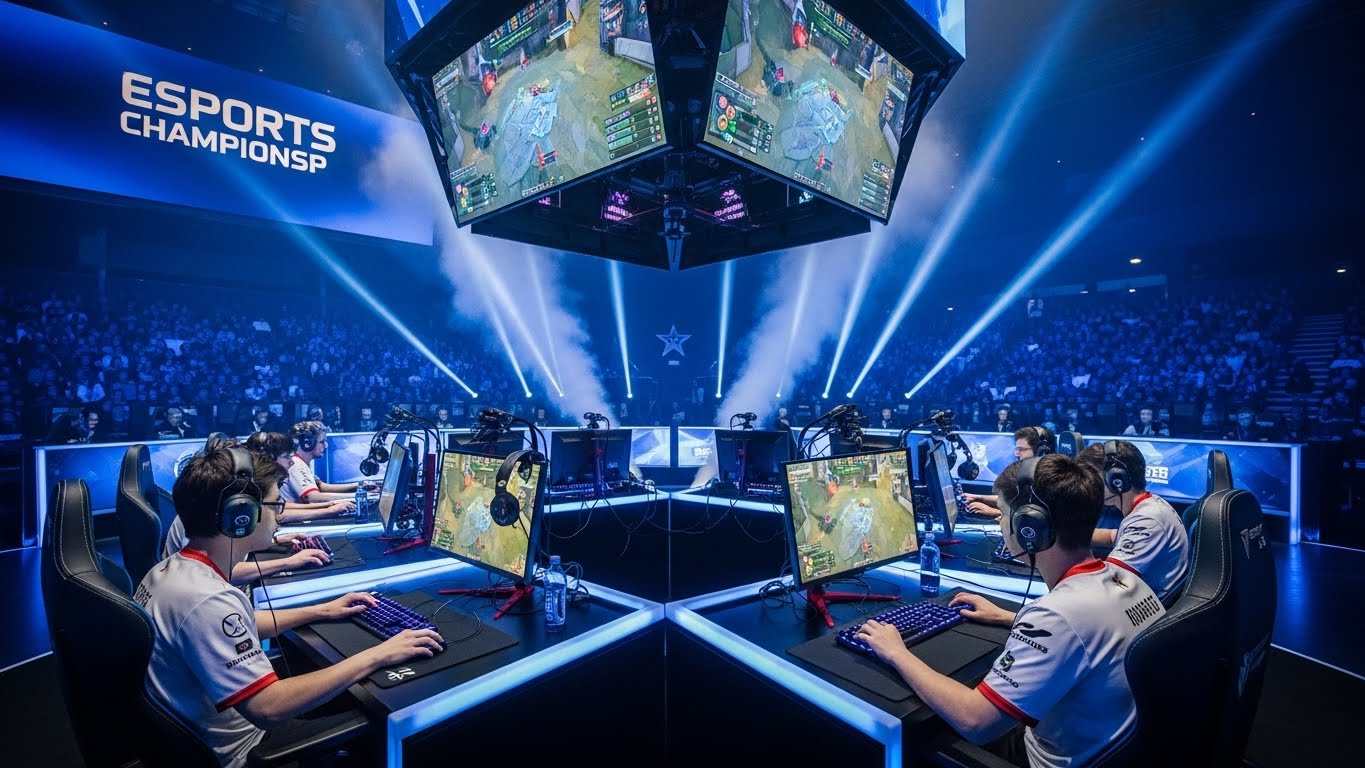
Behind every successful game is a community of dedicated players who train like traditional athletes. Professional gamers spend hours practicing strategies, improving reflexes, and analyzing opponents. Esports teams are structured like sports clubs, complete with managers, coaches, and analysts who work together to achieve victory. Their commitment shows that gaming requires discipline, teamwork, and focus.
Technology and Innovation in Esports
Technology plays a vital role in the success of esports. High-speed internet, powerful computers, and live streaming platforms have made it easier for players and fans to connect. New technologies like virtual reality and artificial intelligence are expected to make gaming even more immersive and exciting. These innovations are shaping the future of digital competition.
The Esports Community
Esports has created a vibrant and inclusive community that spans across cultures and countries. Fans show their support by following teams, attending events, and engaging with players online. The community thrives on passion, creativity, and respect for skill. It has given many people a sense of belonging and inspired new friendships through shared interests.
Education and Career Opportunities
Esports has opened doors for education and employment around the world. Many universities now offer scholarships for talented players and degrees in fields such as esports management, broadcasting, and game design. Beyond playing, careers in commentary, production, and marketing are growing rapidly. The industry provides real opportunities for young people who are passionate about gaming.
Challenges Facing Esports
Despite its success, esports faces several challenges. Issues like player burnout, mental health, and fair play are important topics that need attention. There are also concerns about inclusivity and creating a safe environment for all participants. Addressing these challenges responsibly will help ensure the long-term success and integrity of esports.
Conclusion
Esports is more than just gaming—it is a movement that represents creativity, competition, and global unity. It has redefined what it means to be an athlete and opened a new chapter in modern entertainment. As technology continues to advance, esports will keep growing, inspiring millions to dream big, play fair, and compete with passion.