
Introduction
In the last decade, esports has evolved from a niche pastime into a global cultural phenomenon. What started as informal competitions among friends in arcades or living rooms has now become a multi-billion-dollar industry with professional teams, sponsored tournaments, and fans numbering in the millions. Esports is no longer just “playing video games”; it represents skill, strategy, entertainment, and a career path for many individuals. This blog explores the rise of esports, the structure of the industry, the role of players and teams, the cultural and economic impact, and what the future holds for competitive gaming.
Understanding Esports
Esports, short for electronic sports, refers to organized, competitive video gaming at a professional level. Unlike casual gaming, esports involves structured competitions, professional players, dedicated teams, coaching staff, analysts, and significant prize pools. Players compete across various game genres, including first-person shooters, multiplayer online battle arenas, real-time strategy games, and sports simulations.
What differentiates esports from casual gaming is the high level of preparation, skill, and strategy required. Success depends on quick reflexes, precise decision-making, effective teamwork, and deep knowledge of game mechanics. Similar to traditional athletes, esports professionals spend countless hours practicing, studying opponents, and refining techniques.
The Early Roots of Competitive Gaming
Competitive gaming did not appear overnight. Its origins can be traced back to early arcade competitions in the late 1970s and 1980s, where players competed for high scores. With the rise of home consoles and personal computers in the 1990s, competitive play expanded into small tournaments among local communities.
The true turning point came with the advent of the internet. Online multiplayer gaming enabled players from different cities, countries, and continents to compete in real time. Communities formed around specific games, sharing strategies, streaming matches, and creating early fan bases. This digital connectivity laid the groundwork for professional esports leagues.
The Evolution Into a Professional Industry
By the early 2000s, esports began to transition from a hobby into a structured industry. Game developers started incorporating competitive modes into games and creating features that made gameplay spectator-friendly. Tournament organizers introduced standardized rules, ranking systems, and prize pools, turning casual competitions into serious events.
Professional teams emerged, providing players with salaries, sponsorships, coaching, and dedicated practice facilities. This professionalization helped esports gain legitimacy and attracted mainstream attention. What was once a pastime for teenagers in their bedrooms became a recognized career with real-world opportunities.
Major Game Genres in Esports
Esports encompasses a variety of game genres, each appealing to different audiences.
- First-Person Shooters (FPS): Games like Counter-Strike, Call of Duty, and Valorant emphasize precision, quick reflexes, and strategic team coordination. These games often require players to make split-second decisions under intense pressure.
- Multiplayer Online Battle Arenas (MOBA): Titles like League of Legends and Dota 2 focus on long-term strategy, teamwork, and resource management. MOBAs are highly tactical and reward players for planning and adaptability.
- Real-Time Strategy (RTS): Games such as StarCraft demand exceptional decision-making skills, multitasking, and foresight. Success depends on both speed and strategic depth.
- Sports Simulations: FIFA, NBA 2K, and other sports-based games bridge the gap between traditional sports and digital gaming, attracting fans of real-world athletics.
The diversity of genres ensures that esports can appeal to a broad spectrum of audiences, from casual viewers to dedicated enthusiasts.
The Role of Players and Teams
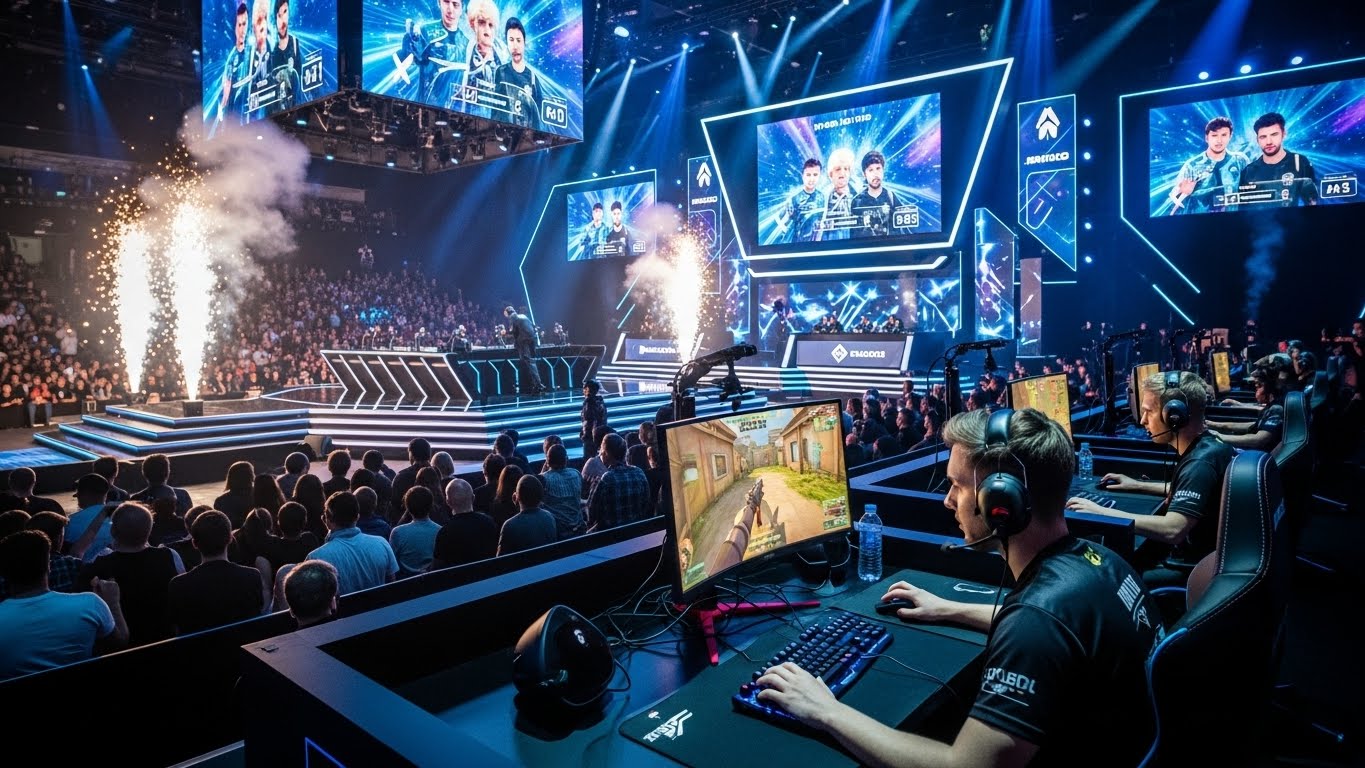
Professional esports players are elite athletes in their own right. Daily routines often involve hours of practice, reviewing gameplay, physical training, and mental conditioning. Team dynamics are critical, as coordination, communication, and trust can often decide the outcome of a match.
Teams function like traditional sports organizations. Coaches develop strategies, analysts study competitors, and managers handle logistics, sponsorships, and media presence. Team culture and chemistry are vital, as successful collaboration is as important as individual skill.
The Spectator Experience and Fan Culture
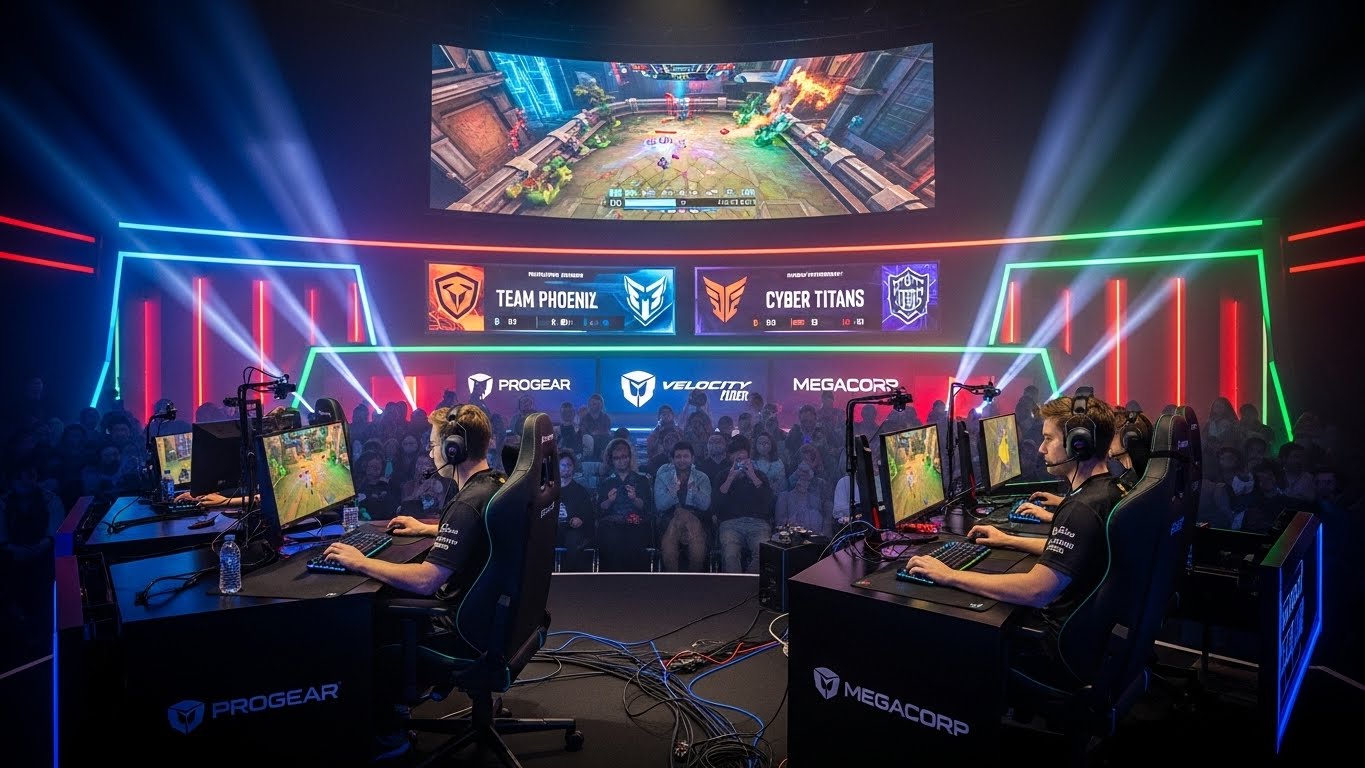
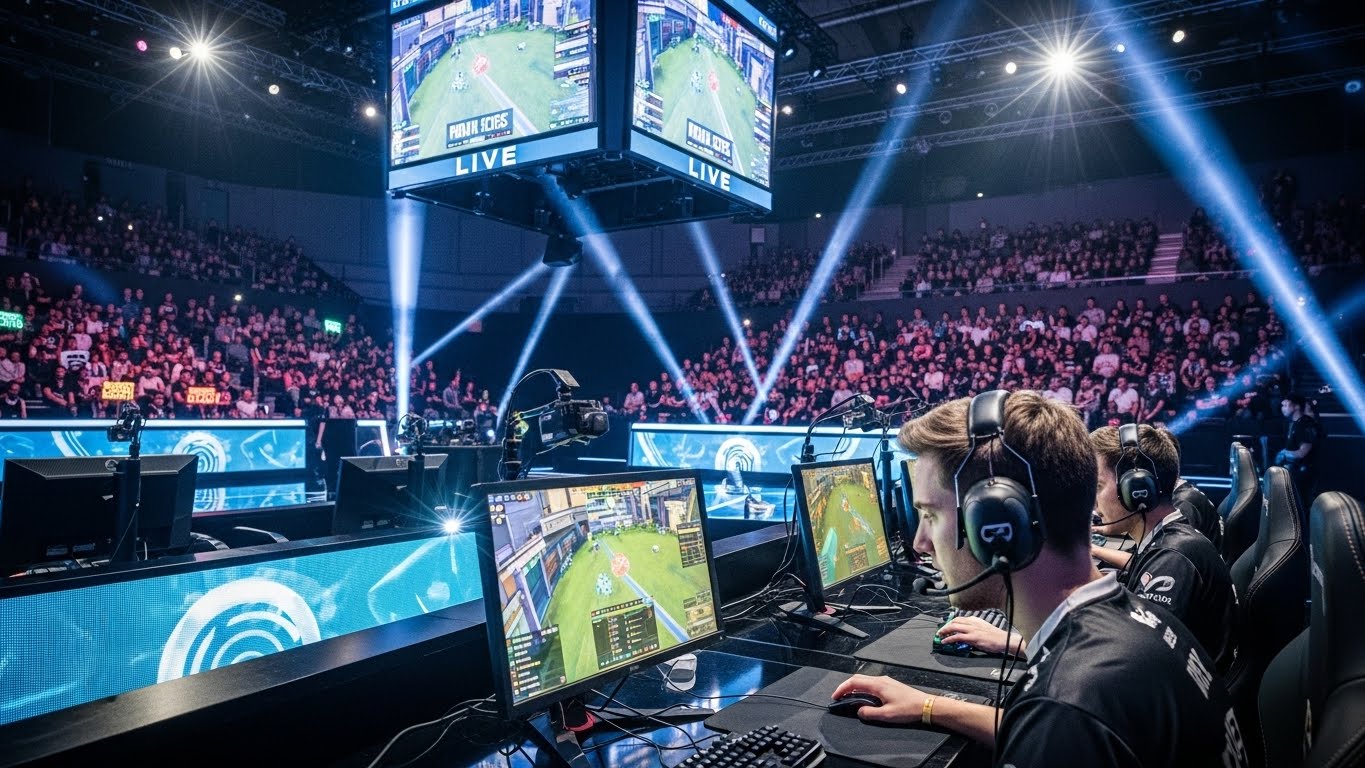
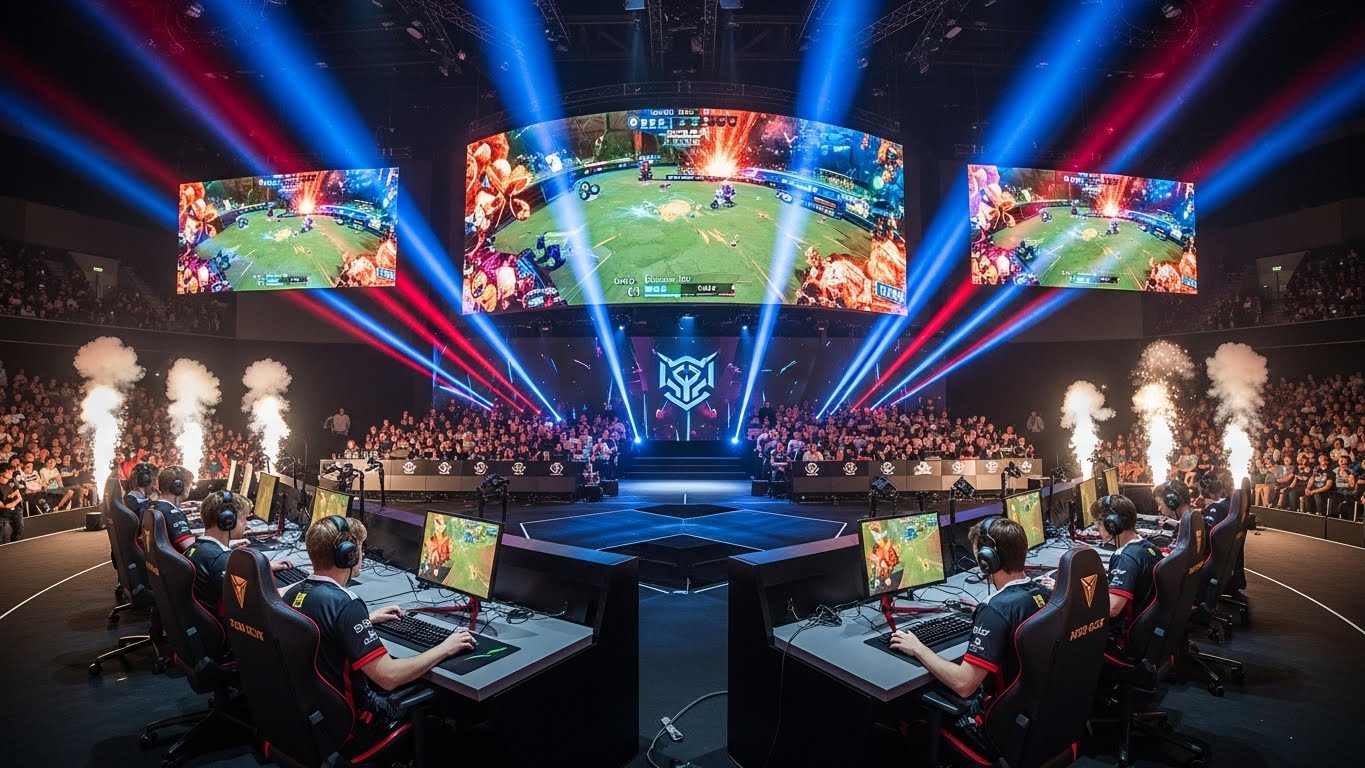
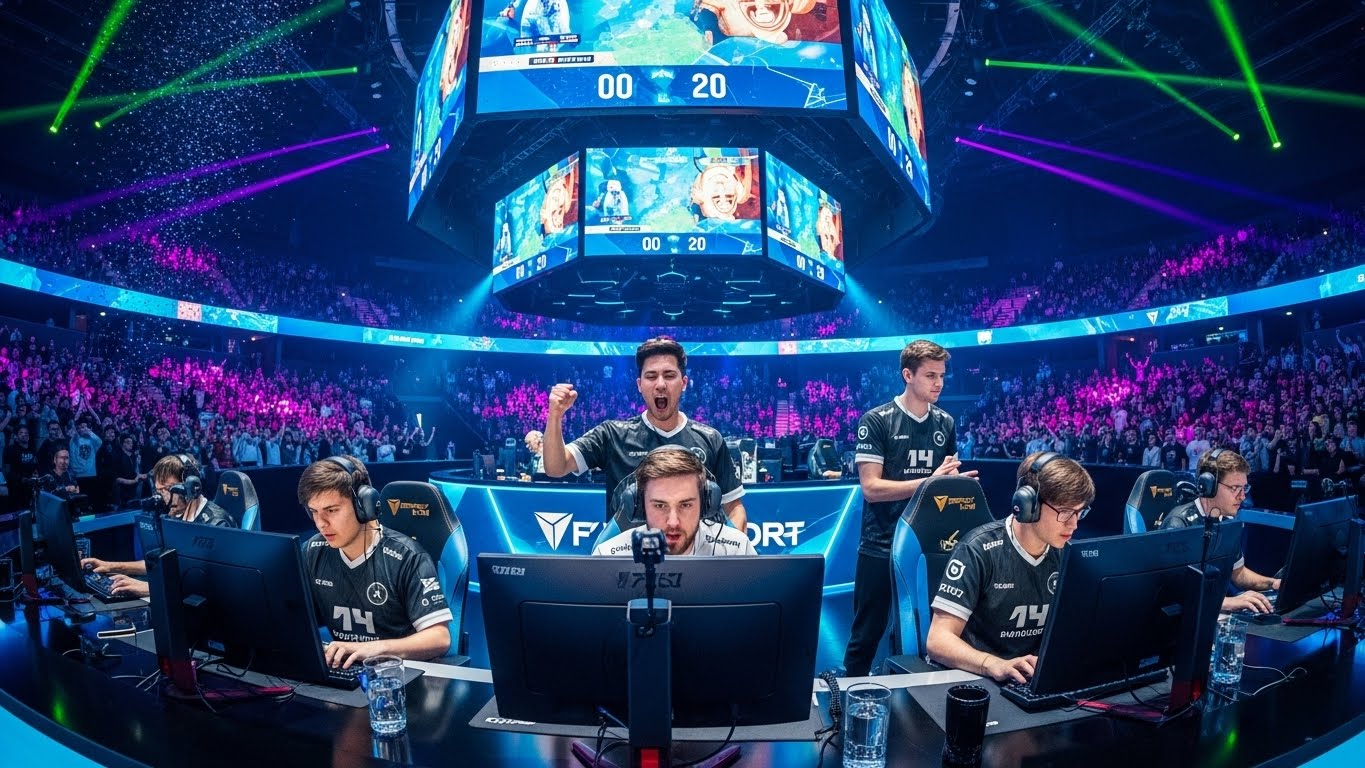
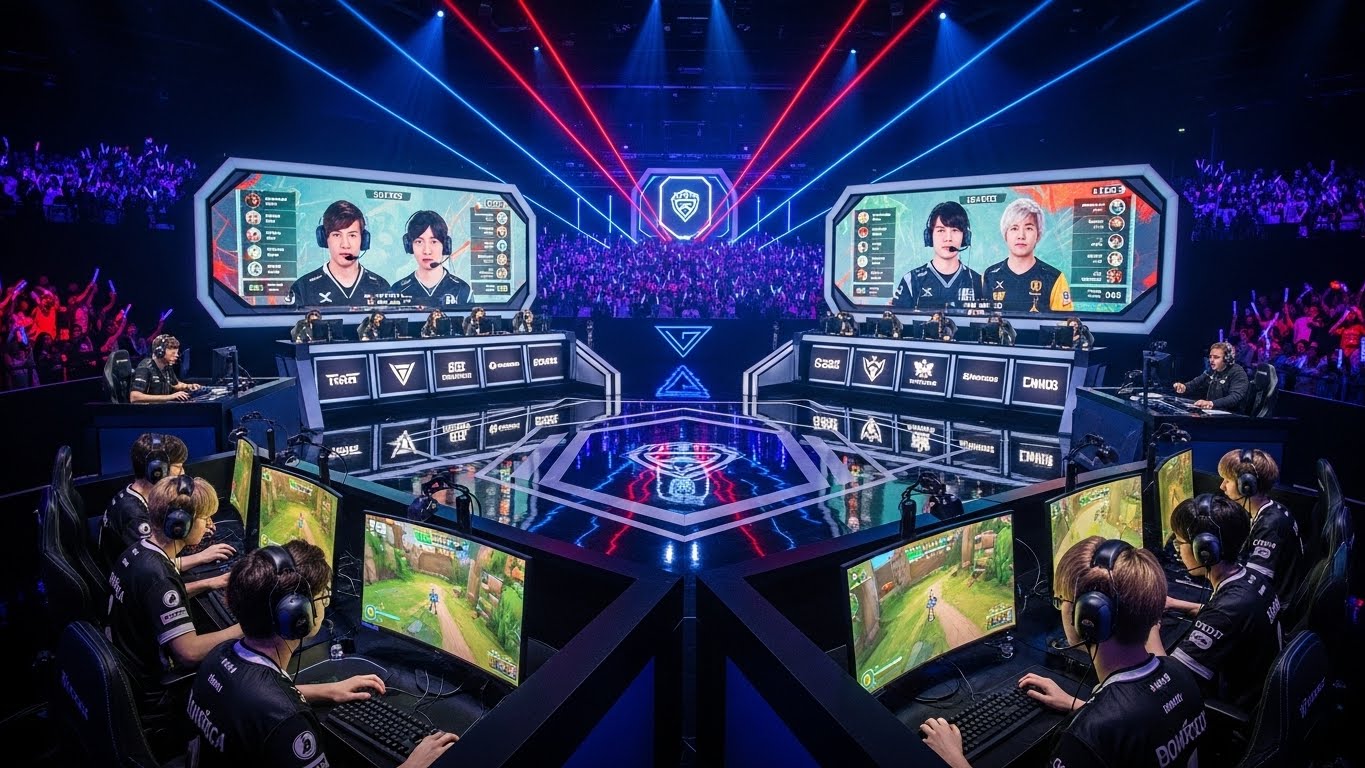
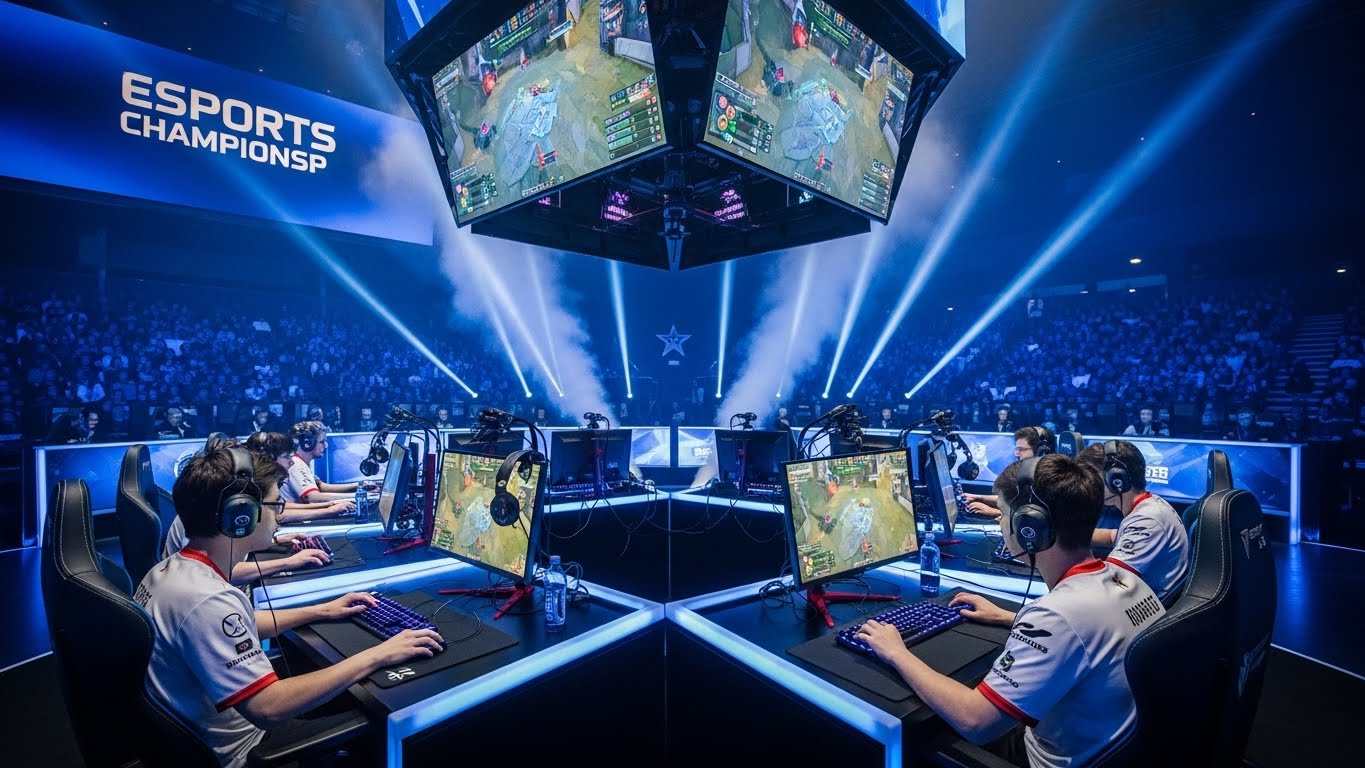
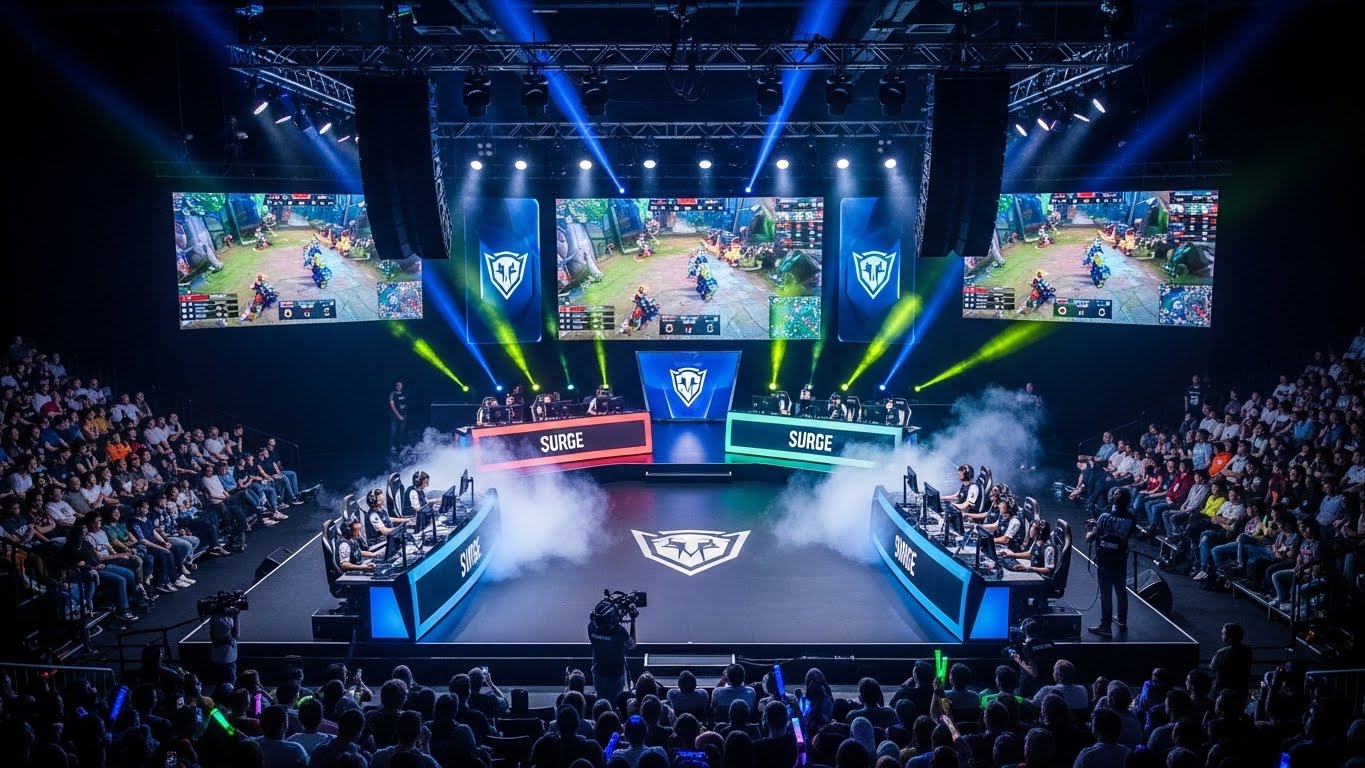
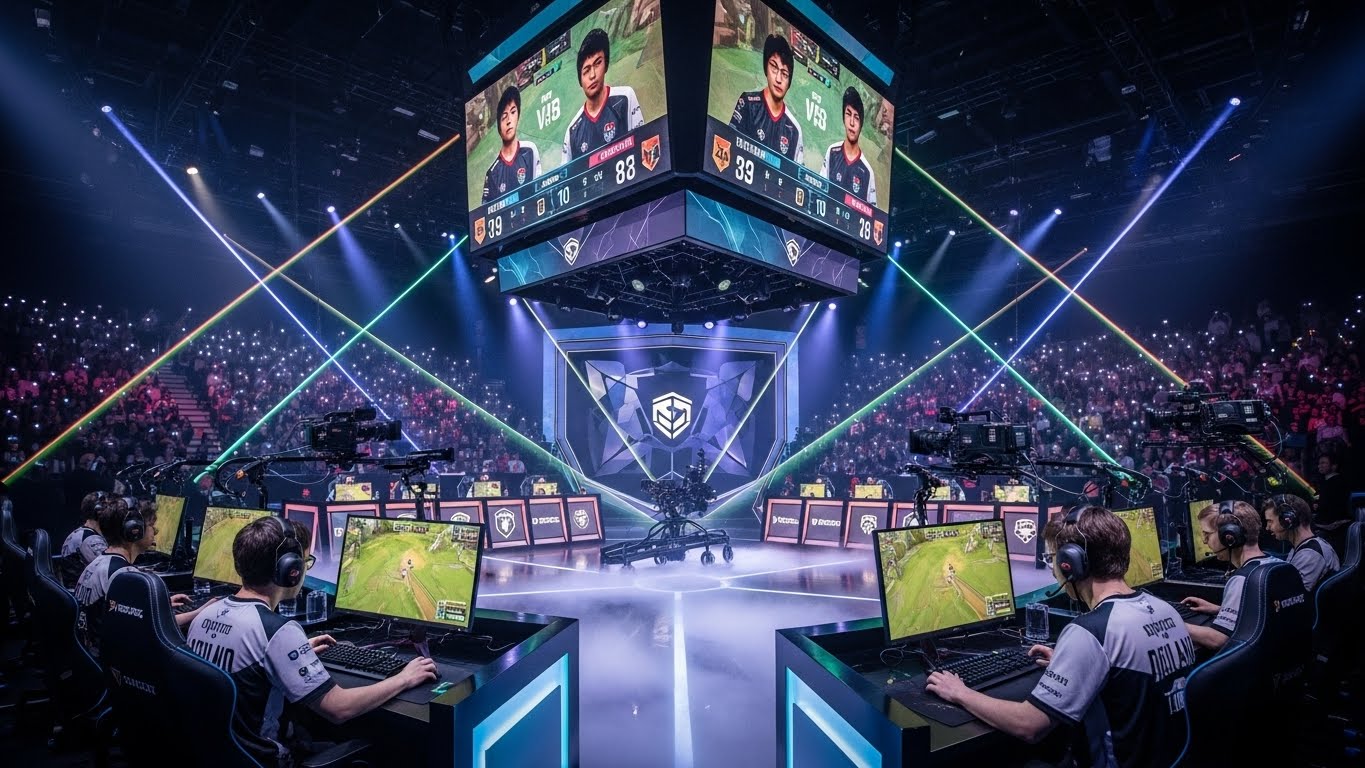
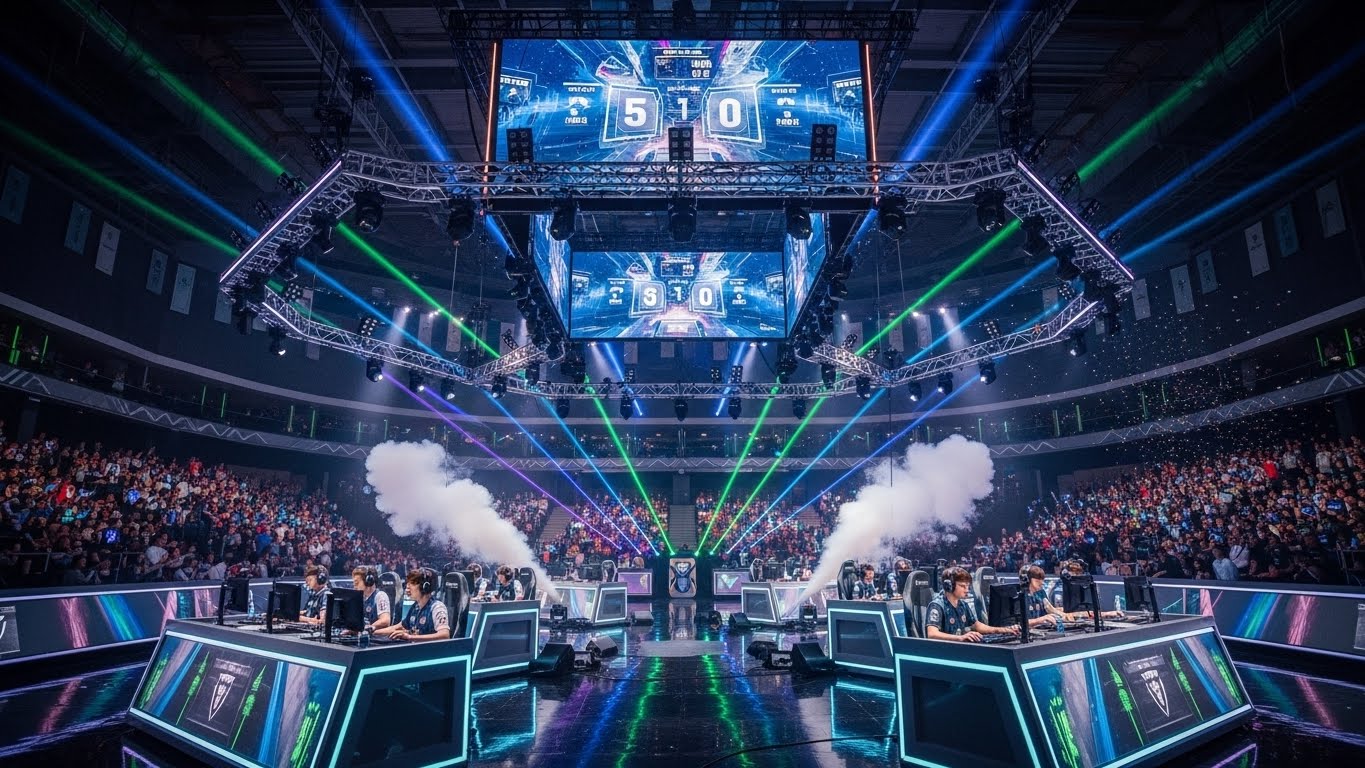
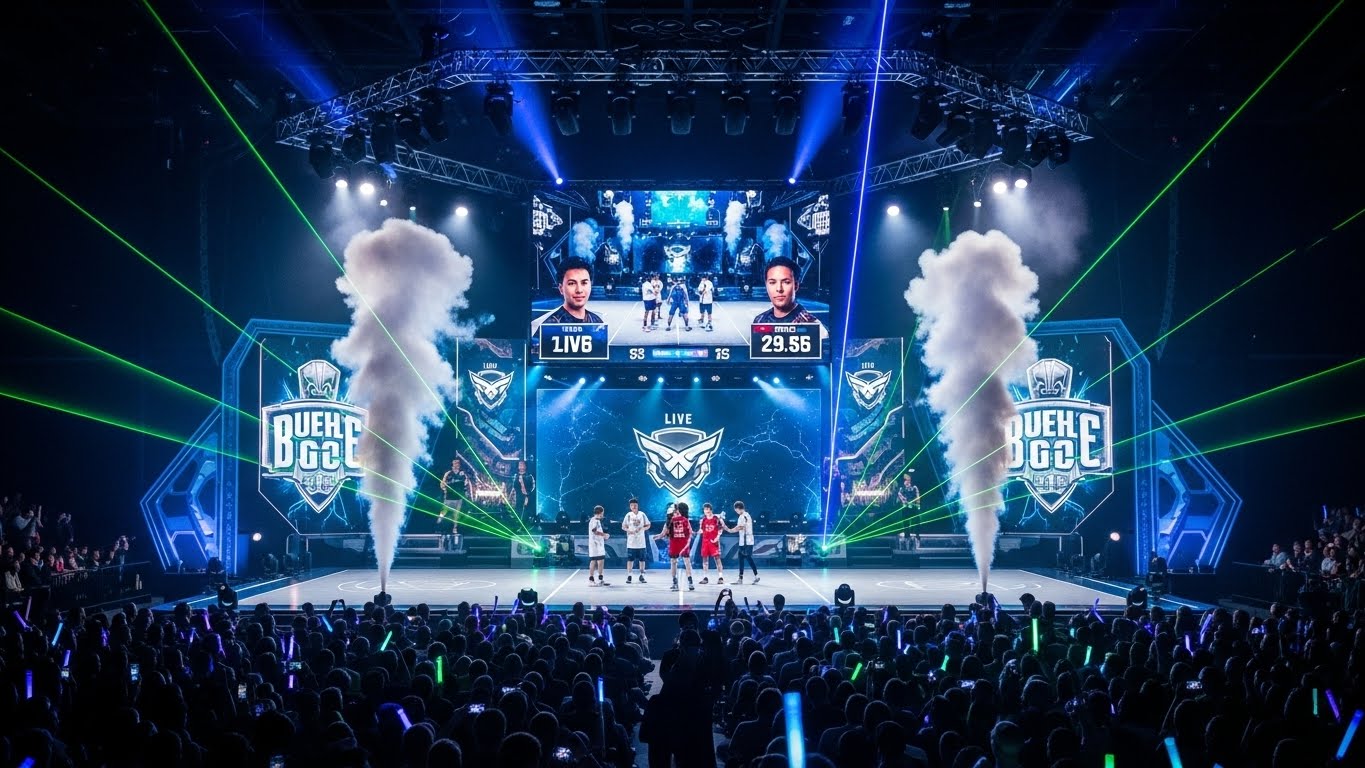
Esports is not only about playing games; it is also about watching them. Fan culture is a central pillar of the industry. Live events draw thousands of spectators to arenas, while millions more watch streams online. Professional tournaments feature elaborate production, including commentary, camera angles, visual effects, and interactive content.
Online platforms have allowed fans to engage directly with players, participate in discussions, and follow tournaments in real time. This interactive experience strengthens the bond between fans and the esports community, creating a unique form of entertainment unlike traditional sports.
Economic Impact and Career Opportunities
The esports industry has generated significant economic opportunities beyond just player salaries. Event management, broadcasting, content creation, game development, marketing, and sponsorships provide a wide range of careers. Educational institutions now offer programs in esports management, highlighting the industry’s professional credibility.
Tournaments contribute to local economies by attracting tourism, generating revenue for hotels and restaurants, and creating temporary employment opportunities. Merchandise sales, media rights, and sponsorship deals further fuel the industry’s financial ecosystem.
Esports and Mainstream Recognition
Esports has gained widespread mainstream recognition in recent years. Traditional sports organizations have invested in esports teams, while media outlets regularly cover tournaments. Major tournaments are now held in iconic venues previously reserved for concerts and conventional sports events.
This growing legitimacy challenges outdated stereotypes about gamers. Esports demonstrates the discipline, intelligence, and teamwork required to succeed, earning respect from broader audiences and breaking down misconceptions about gaming as a purely recreational activity.
Challenges Facing the Esports Industry
Despite its rapid growth, esports faces several challenges. Player burnout is a major concern, as long practice schedules and high-pressure competitions take a toll on mental and physical health. Maintaining fair play and combating cheating require constant technological and regulatory vigilance.
Sustainability is another challenge. Rapid growth can strain infrastructure and resources, while inconsistent governance and lack of standardized rules across games create complexities. Organizers and developers must balance commercial interests with the needs of players, teams, and fans.
Global Reach and Cultural Impact
Esports is a global phenomenon, with players and fans spanning continents and cultures. International tournaments bring together competitors from diverse backgrounds, promoting cultural exchange and mutual respect. Different regions contribute their unique strategies, play styles, and fan traditions, enriching the global esports ecosystem.
The cultural impact extends beyond gaming. Esports has influenced fashion, music, streaming culture, and digital content creation. It has become a platform where creativity, entertainment, and competition converge, shaping digital youth culture worldwide.
The Future of Esports
The future of esports is promising, driven by technological advancements and growing public interest. Virtual reality, augmented reality, and enhanced streaming platforms may redefine how games are played and watched. Increasing investments from corporations, educational institutions, and media outlets will strengthen infrastructure and support systems for players.
As younger generations grow up with esports as an integral part of entertainment, its influence will continue to expand. Esports is poised to become even more mainstream, merging digital culture with competitive sports and entertainment in unprecedented ways.
Conclusion
Esports has transformed the way people view competitive gaming. From humble beginnings in arcades and online communities to packed stadiums and global online viewership, esports exemplifies the power of technology, skill, and culture. It combines entertainment, strategy, teamwork, and personal achievement, offering both career opportunities and a vibrant community for fans worldwide. As it continues to evolve, esports is not just a trend; it is a digital revolution that has reshaped the landscape of competition forever.