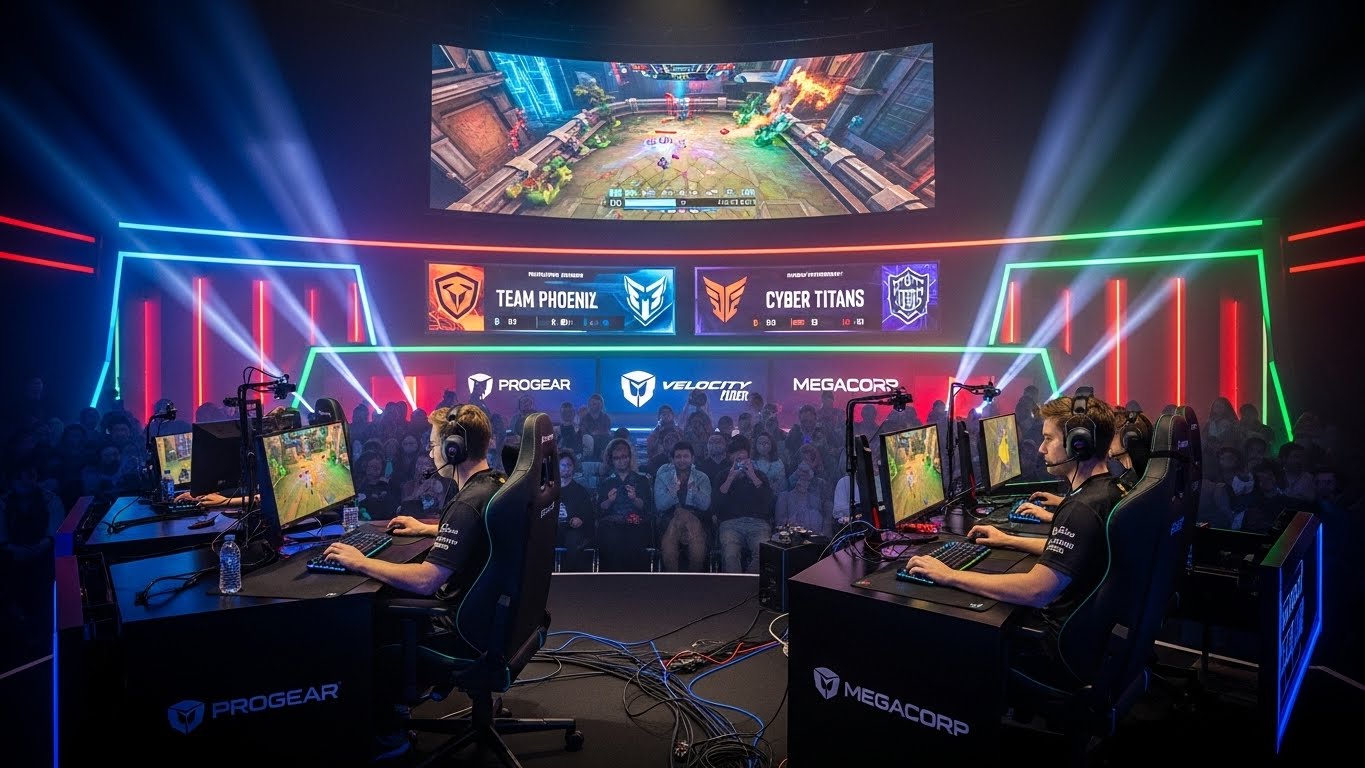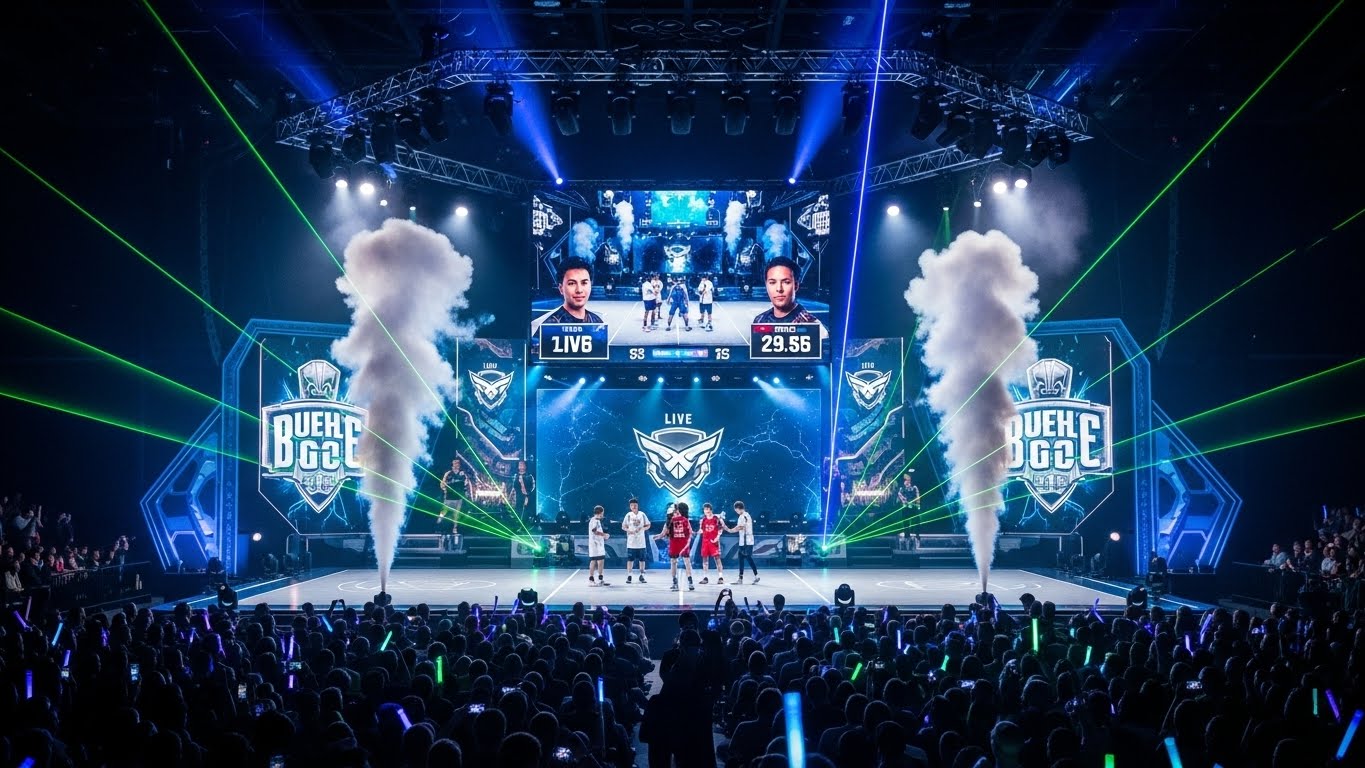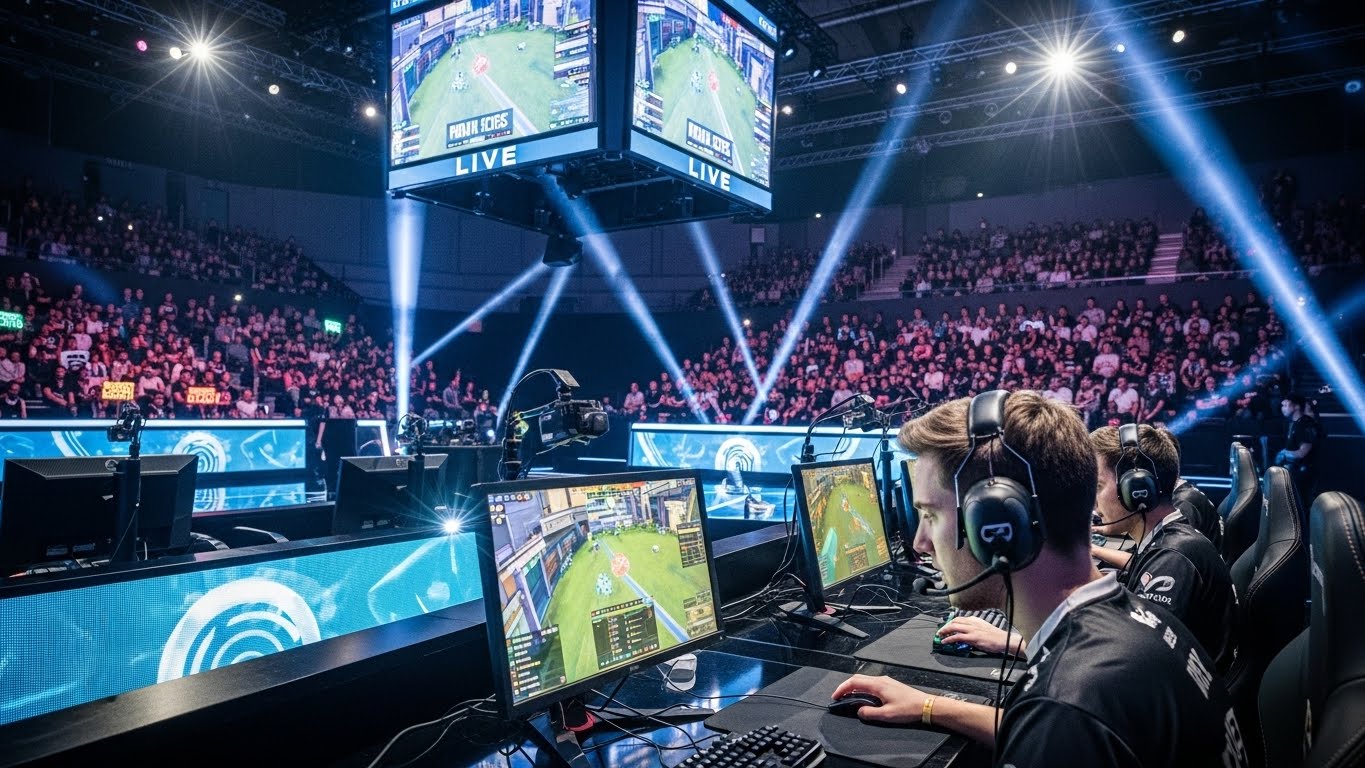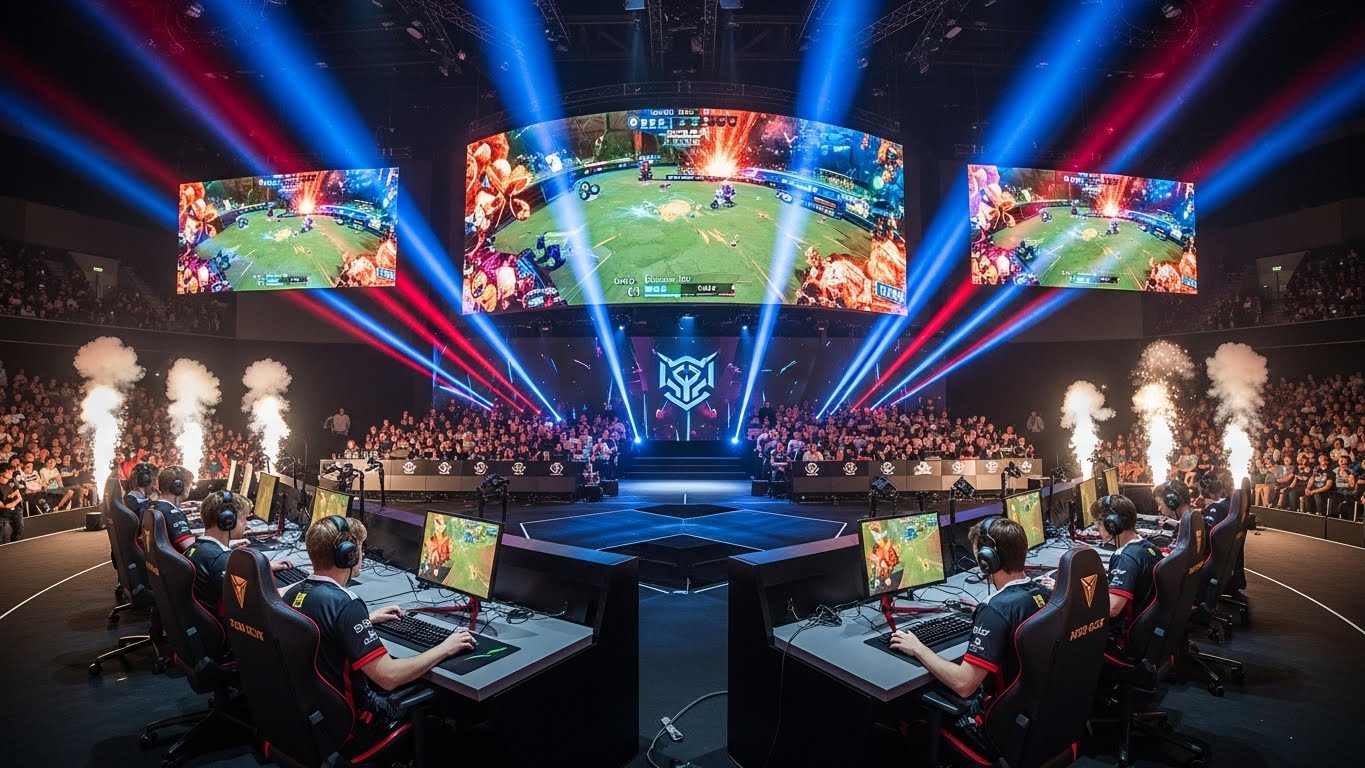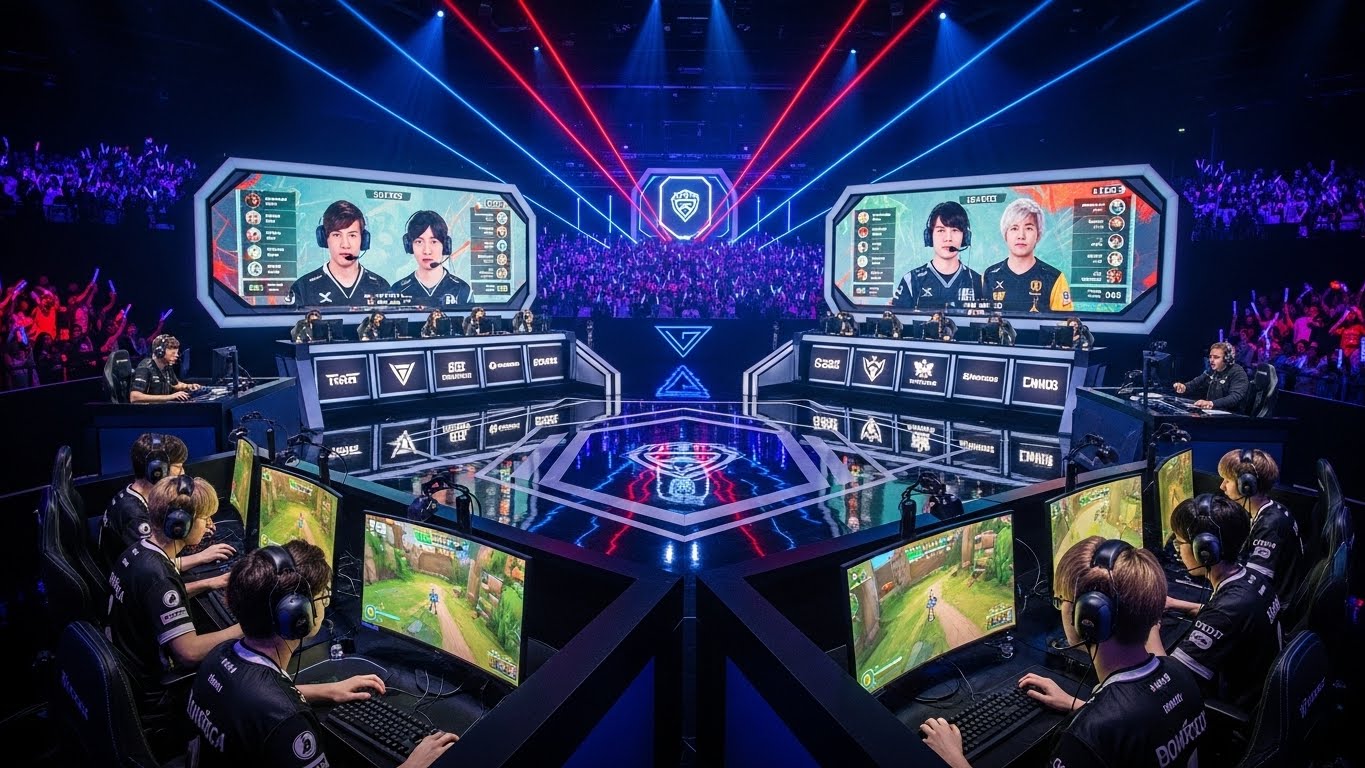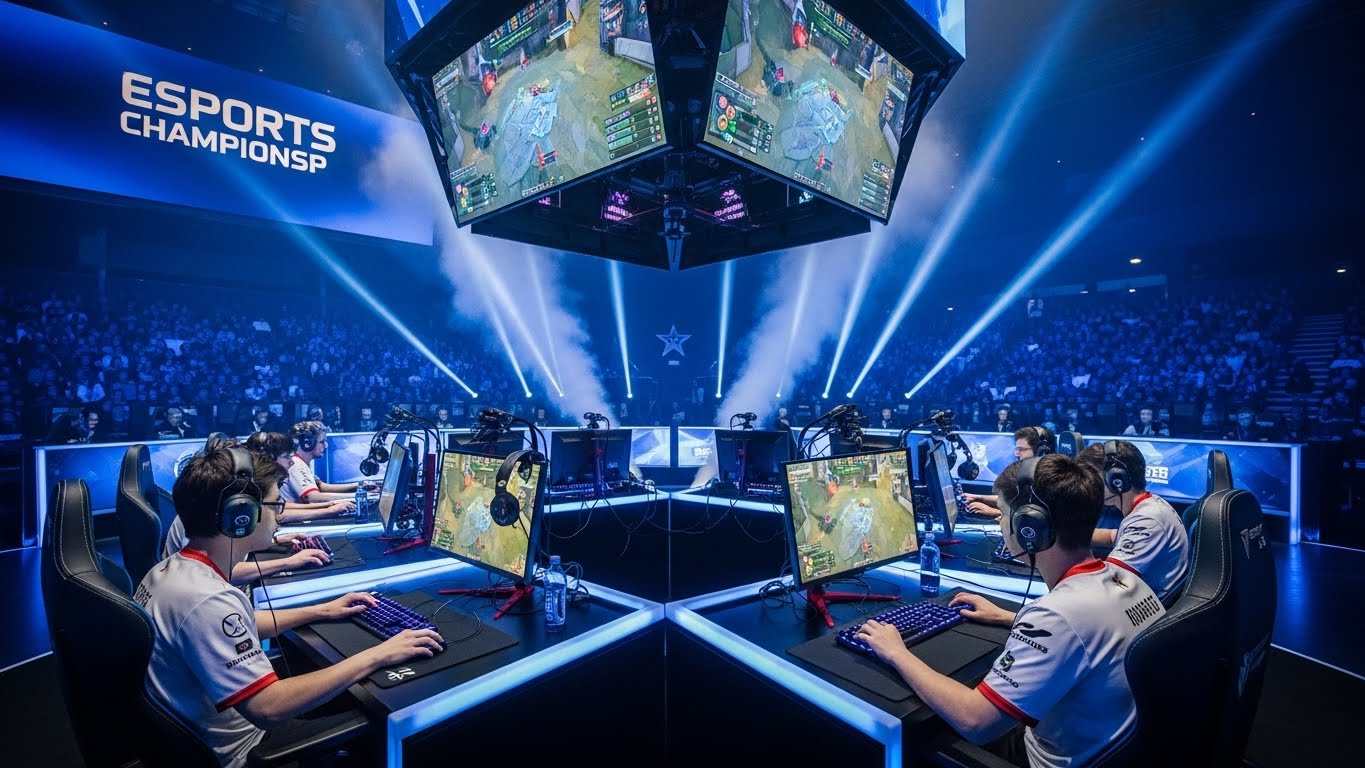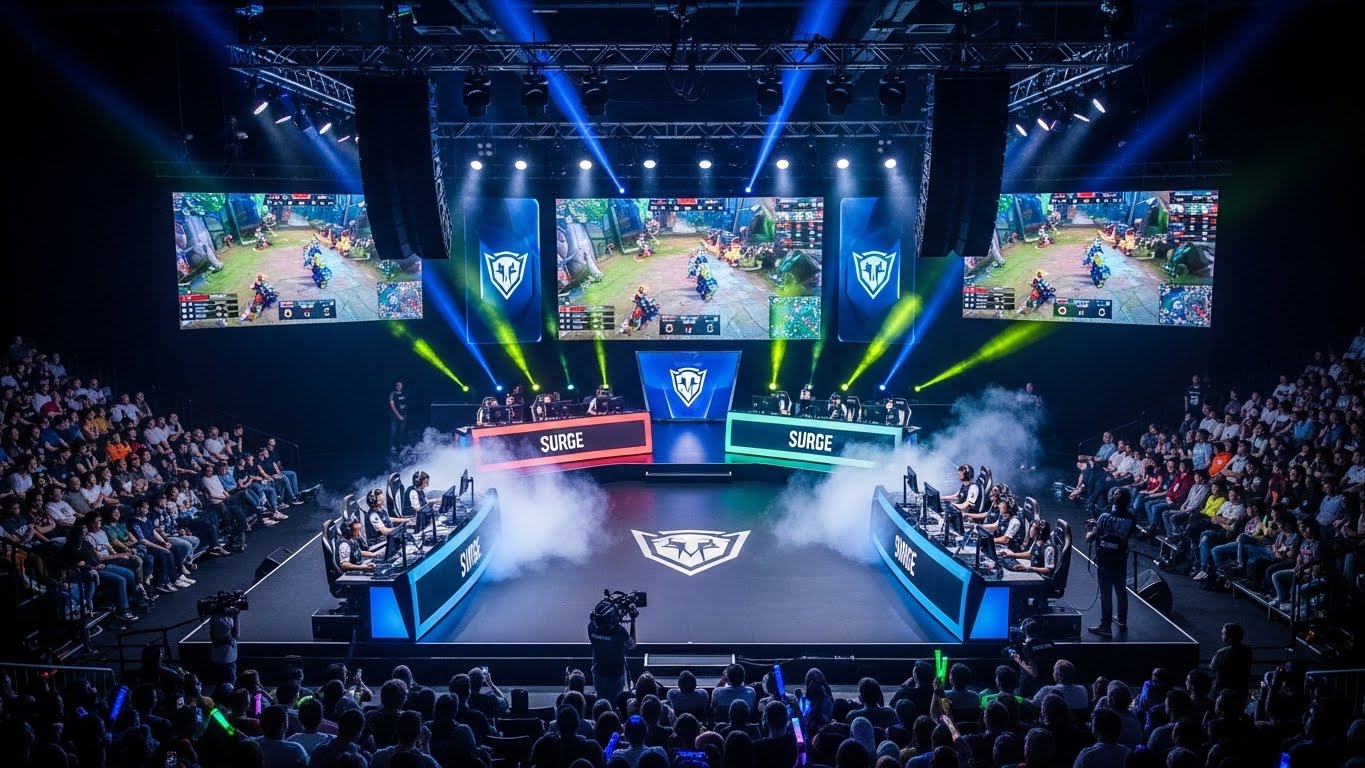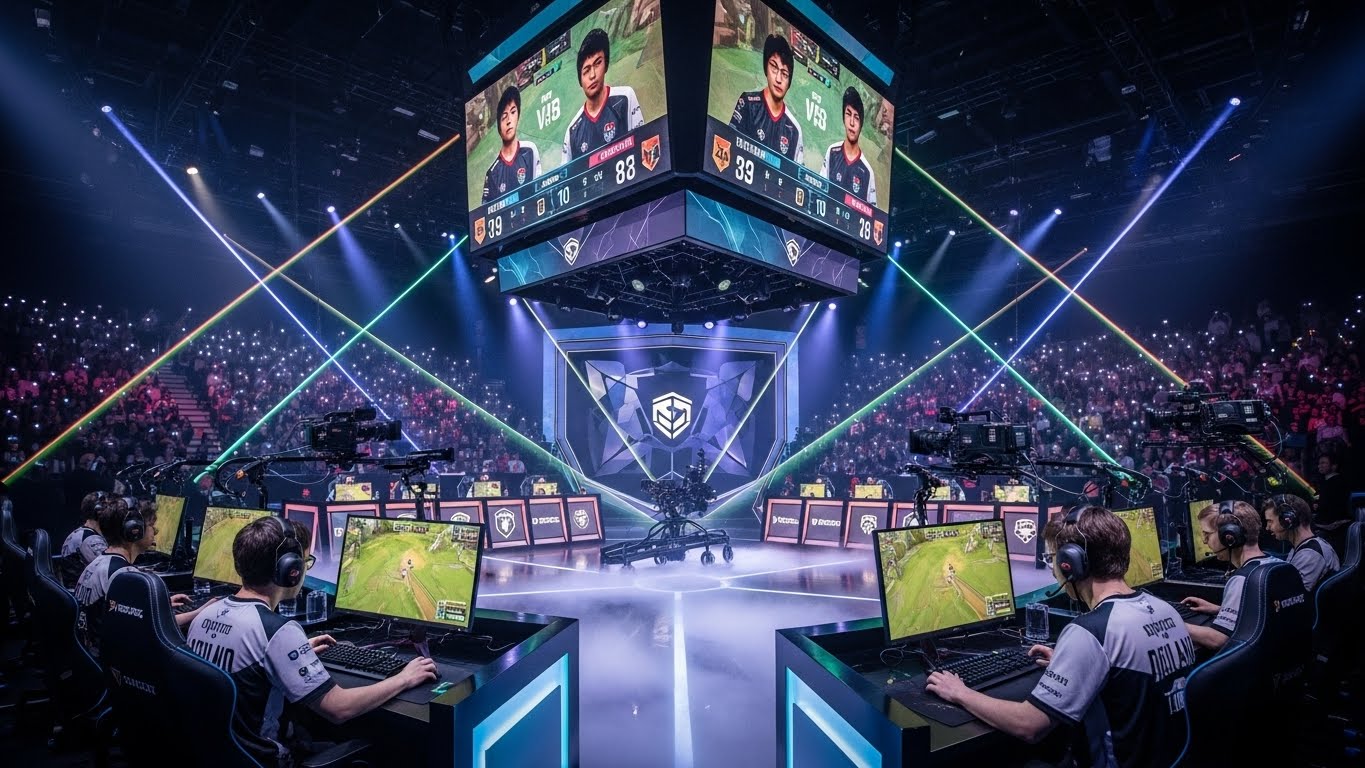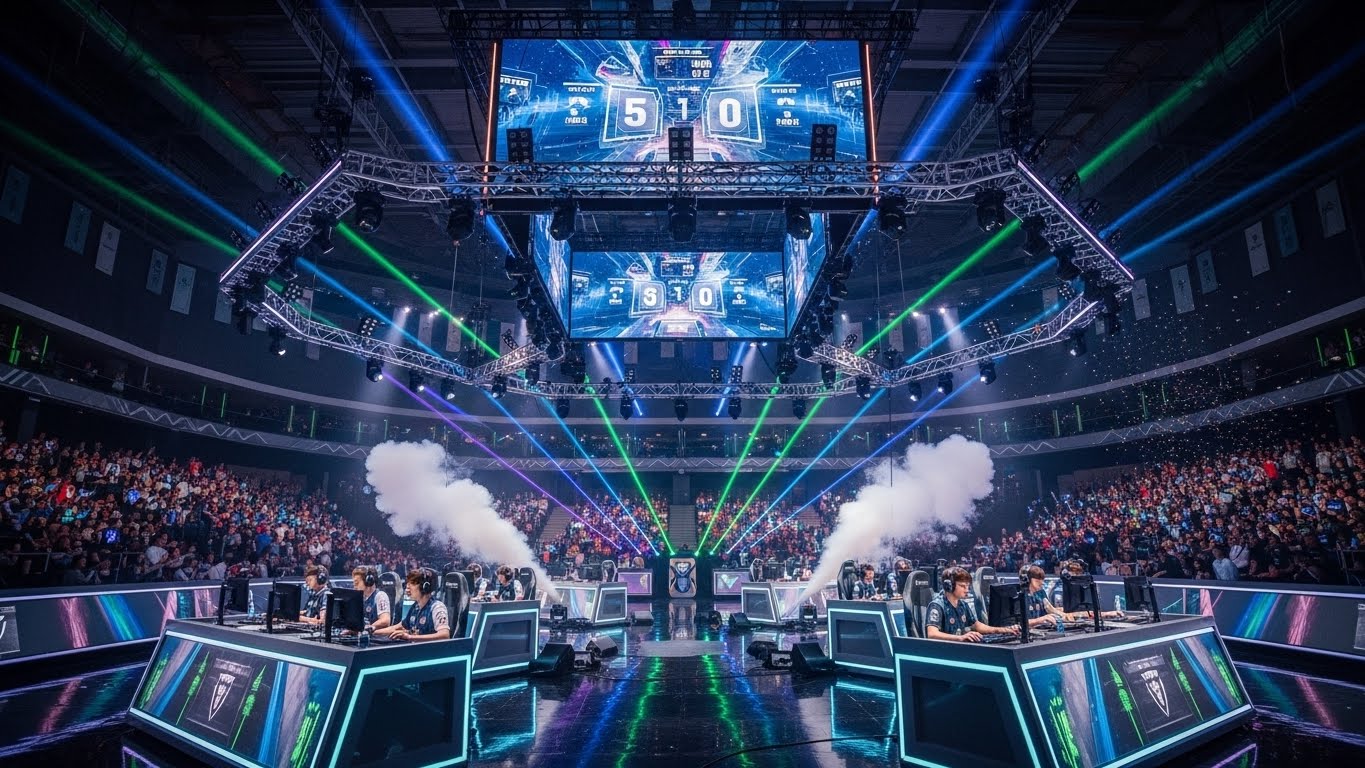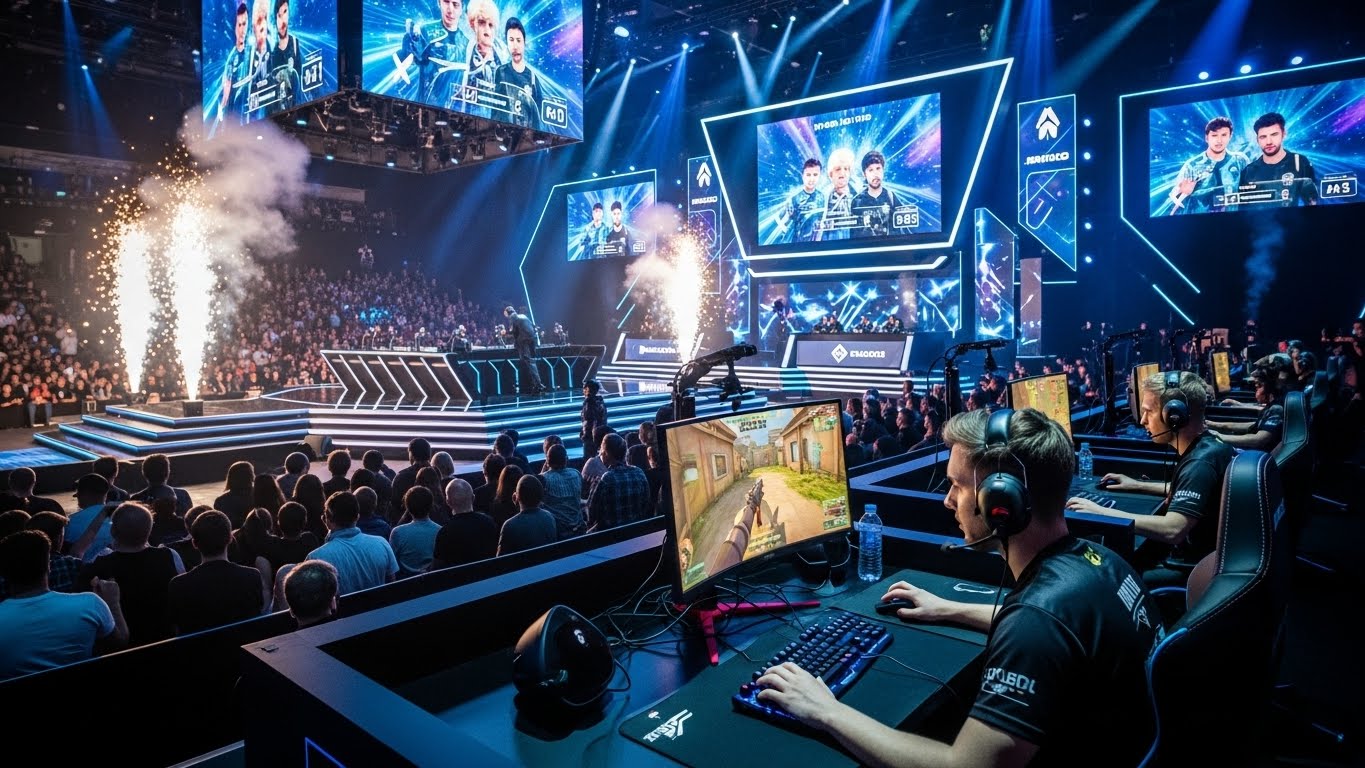

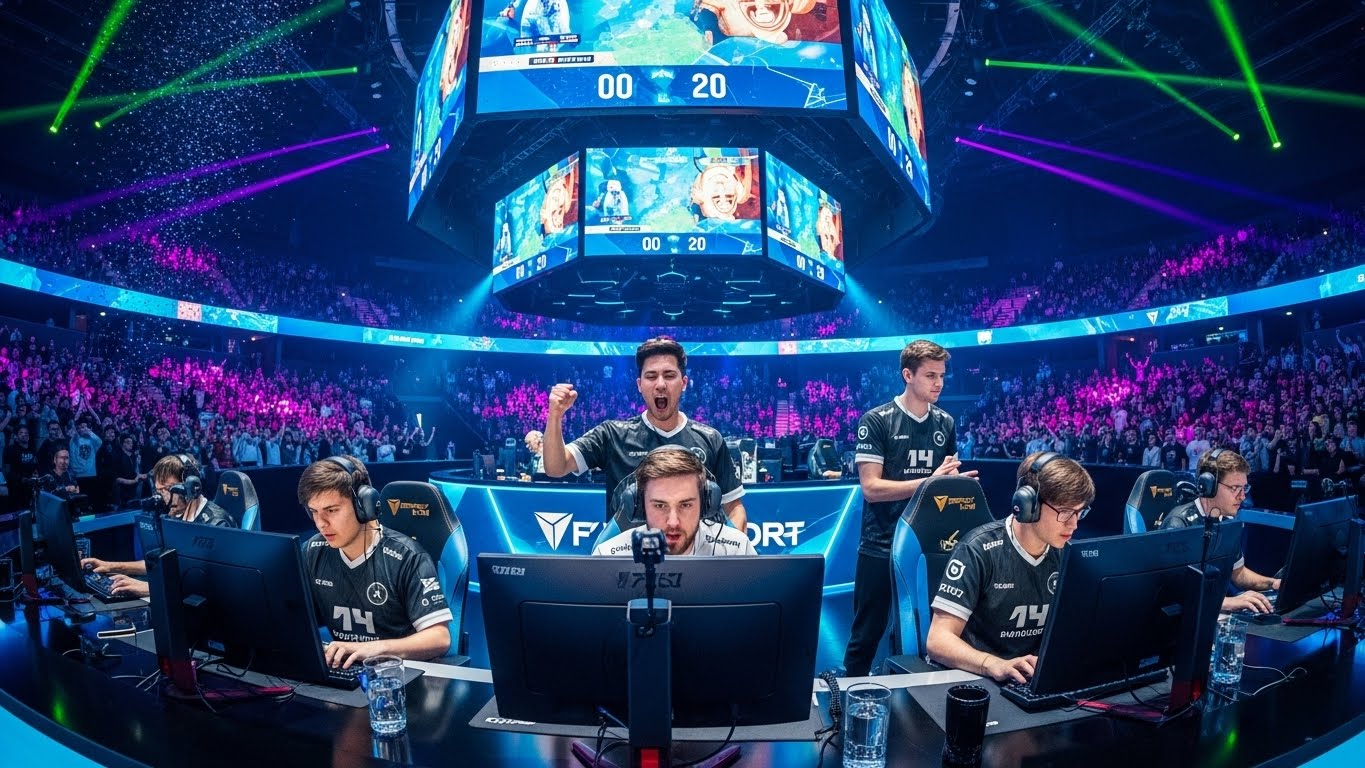
In the past decade, a revolutionary wave has reshaped the world of sports and entertainment. This wave is esports—a competitive form of video gaming that has evolved from a niche hobby to a global phenomenon. What was once considered casual play in basements or arcades has now transformed into a professional industry with organized leagues, international tournaments, and multimillion-dollar prize pools. Esports has captivated millions of fans worldwide, creating a unique blend of competition, technology, and culture. But what makes esports so compelling, and how has it achieved such extraordinary growth?
The Origins of Esports
Esports, short for electronic sports, began as a natural offshoot of video gaming culture. Its roots trace back to the 1970s and 1980s, when arcade competitions and early home console tournaments were common. Players competed in titles like Space Invaders and Pac-Man, laying the foundation for competitive gaming. However, the concept of esports gained momentum in the late 1990s, particularly with games like StarCraft in South Korea and Quake in the United States. South Korea became a hotspot for competitive gaming, where professional players were treated as celebrities, tournaments were broadcast on television, and esports started to gain serious recognition. This professionalization marked the beginning of a global esports movement.
The Growth of Competitive Gaming
The 2000s marked a significant expansion of esports into international prominence. Games such as Counter-Strike, Dota 2, League of Legends, and Fortnite became central to competitive gaming culture. These games combined strategy, skill, teamwork, and adaptability, making them ideal for high-level competition. Streaming platforms like Twitch revolutionized how fans engaged with esports, allowing viewers to watch live matches, interact with streamers, and follow their favorite players in real time. This connectivity brought esports into mainstream consciousness, turning competitive gaming into a spectator sport with millions of viewers.
Why Esports Captivates Millions
Several factors contribute to the widespread appeal of esports. Accessibility is a major reason for its popularity. Unlike traditional sports, which often require expensive equipment, physical facilities, or geographic proximity, esports can be played anywhere with a computer, console, and internet connection. This makes it inclusive and allows talent to emerge from virtually any part of the world.
Community is another driving force. Esports fosters strong social connections through online forums, streaming chats, and gaming communities. Fans and players alike share experiences, discuss strategies, and form friendships, creating a vibrant sense of belonging. This social dimension is a key reason why esports is not just a pastime but a lifestyle for many enthusiasts.
Entertainment value is equally significant. Watching professional gamers execute complex strategies, coordinate with teammates, and perform incredible feats is thrilling for spectators. Tournaments are designed to maximize excitement, featuring live commentary, dramatic storylines, and high-stakes competition. The combination of skill, strategy, and spectacle makes esports a captivating experience for millions.
Economic Impact and Industry Growth
Esports has grown into a multi-billion-dollar industry with significant economic influence. Revenue streams include sponsorships, advertising, ticket sales, merchandise, and media rights. Major tournaments now offer prize pools exceeding millions of dollars, attracting elite players from around the globe. Corporations invest heavily in esports due to its highly engaged, tech-savvy audience, making sponsorship a major financial driver.
Beyond professional players, esports has created numerous career opportunities. Roles in coaching, event management, content creation, broadcasting, and marketing have emerged, contributing to a rapidly expanding ecosystem. The industry’s growth also encourages technological innovation and supports education programs, highlighting esports’ influence beyond pure entertainment.
Training and Skill Development in Esports
Professional esports players dedicate extensive hours to training, much like traditional athletes. Competitive gaming demands precision, quick reflexes, strategic thinking, teamwork, and adaptability. Players analyze game mechanics, study opponents, and continuously refine their skills to maintain an edge. Many professional teams incorporate structured schedules, physical conditioning, mental training, and team coordination exercises.
Esports also enhances cognitive and social skills. Players develop problem-solving abilities, decision-making under pressure, multitasking, and communication proficiency. Young participants often acquire skills that extend beyond gaming, including leadership, collaboration, and analytical thinking. The level of discipline and dedication required highlights that esports is a serious competitive pursuit rather than casual entertainment.
The Global Reach of Esports
Esports has grown into a worldwide phenomenon. While South Korea and China were early pioneers, Europe, North America, and South America now host major competitive scenes. Each region contributes unique strategies, playstyles, and cultural perspectives, enriching the global esports ecosystem. International tournaments promote cross-cultural interaction, with players and fans from different countries connecting through shared passion.
Esports’ influence extends into popular culture, affecting fashion, music, media, and social trends. Professional players are recognized as celebrities who endorse products and inspire fans. Educational institutions now offer esports programs, scholarships, and courses in game design, highlighting its legitimacy and cultural impact. The global spread of esports underscores its significance as more than just a hobby—it is a worldwide movement.
Challenges Facing the Esports Industry
Despite its rapid growth, esports faces significant challenges. Regulation and standardization remain underdeveloped. Contracts, player rights, tournament rules, and fair competition need structured oversight to ensure the sustainability of the industry. Without proper governance, there is a risk of player exploitation and integrity issues.
Maintaining authenticity while commercializing esports is another challenge. As sponsors and corporations invest heavily, there is potential for the grassroots charm of esports to diminish. Balancing commercial interests with fan engagement and competitive fairness is crucial.
Mental and physical health concerns are also prominent. Professional players face long hours of practice, frequent travel, and high-pressure environments, leading to stress, burnout, and physical strain. Industry stakeholders increasingly recognize the importance of mental wellness, but comprehensive support systems are still evolving.
The Future of Esports
The future of esports is full of potential. Emerging technologies such as virtual reality, augmented reality, and artificial intelligence will transform the way games are played and viewed. VR esports could offer fully immersive experiences, while AI could enhance training and strategic analysis.
Integration with mainstream media and entertainment is another promising avenue. Collaborations with music, movies, and other cultural sectors could broaden esports’ appeal. Esports is also increasingly recognized as a legitimate sport, with discussions about inclusion in international sporting events. These developments may redefine what it means to compete and entertain in the digital age.
Conclusion
Esports has evolved from modest beginnings into a global powerhouse of competition, entertainment, and cultural influence. Its appeal lies in accessibility, community, and the thrill of high-level competition. The industry has created economic opportunities, nurtured talent, and pushed technological innovation forward. While challenges like regulation, commercialization, and player well-being remain, the trajectory of esports is upward and promising.
More than a pastime, esports represents a new kind of competitive arena where skill, strategy, and human connection converge. With each tournament, every new player, and ongoing technological innovation, esports continues to redefine the boundaries of entertainment and competition. In this digital age, esports is not just a trend—it is a transformative force shaping the future of sports, culture, and global interaction.