
Introduction
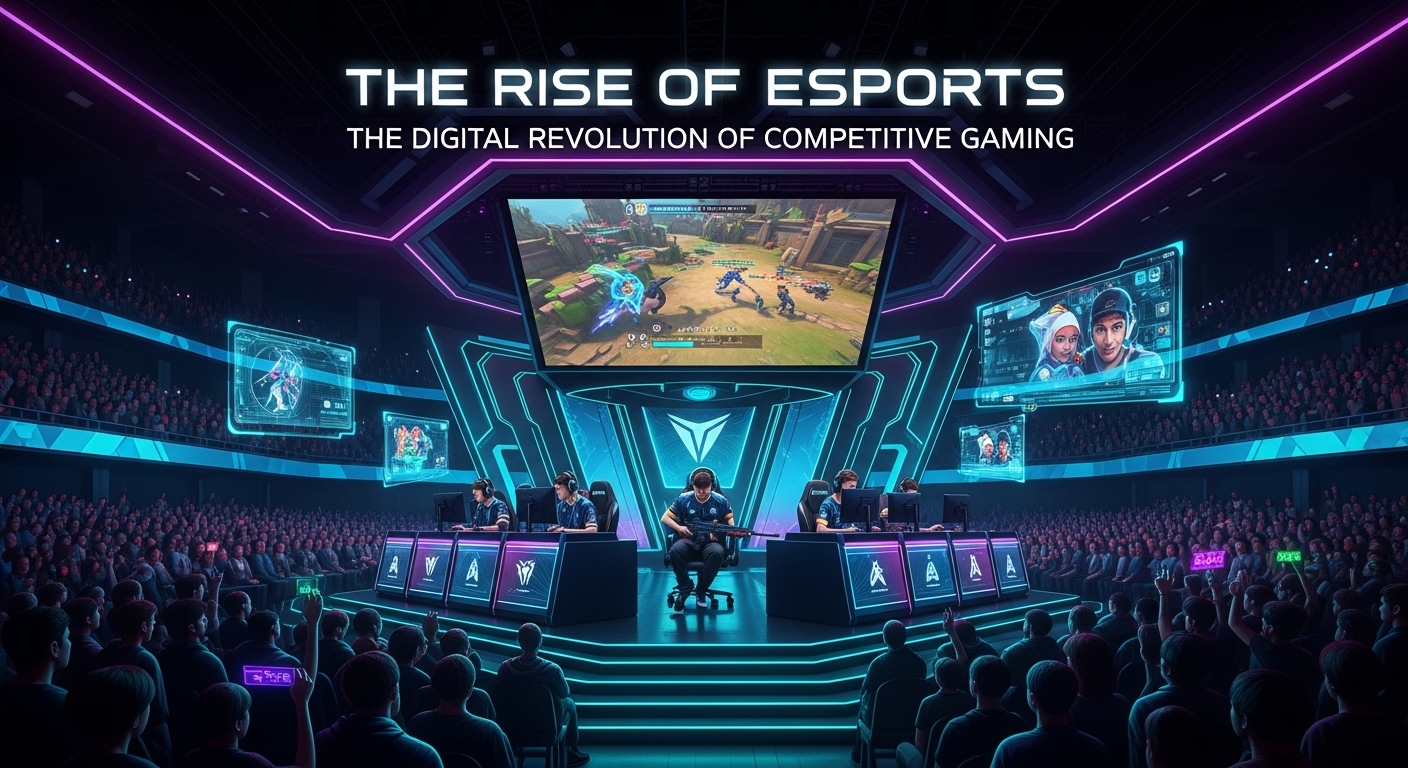
Over the past few decades, the world has witnessed the birth of a new form of competition that transcends traditional sports boundaries. This phenomenon is known as esports, a rapidly growing industry where professional players and teams compete in video games for fame, glory, and significant financial rewards. Esports has evolved from small gaming tournaments in local arcades to massive global events filling arenas and captivating millions of viewers online. What was once considered a hobby has now become a professional career path, a form of entertainment, and even a cultural movement that bridges technology, media, and human passion for competition.
The story of esports is one of innovation, perseverance, and transformation. It represents how digital entertainment has reshaped the meaning of sportsmanship and redefined how the world perceives play, teamwork, and performance.
The Early Beginnings of Esports
The history of esports dates back to the early days of video gaming. In the 1970s, competitive gaming was a niche activity, primarily centered around arcade machines. The first recorded esports event took place in 1972 at Stanford University, where students competed in a game called Spacewar. The prize for the winner was a one-year subscription to Rolling Stone magazine, far from the multi-million-dollar prizes offered in today’s tournaments.
The 1980s saw a rise in gaming competitions thanks to the popularity of titles like Pac-Man, Donkey Kong, and Space Invaders. In 1980, Atari hosted the Space Invaders Championship, which attracted over 10,000 participants. This event is often recognized as one of the earliest large-scale gaming competitions. The growing presence of video games in homes and arcades laid the foundation for organized competitive play.
As technology advanced, so did the potential for gaming competitions. The 1990s brought about local area network (LAN) parties, where players could connect computers and compete in multiplayer games. Titles like Doom, Quake, and StarCraft became early staples of esports culture. These LAN events fostered communities of passionate gamers who began to see competitive gaming as more than just entertainment—it became a serious pursuit.
The Rise of Online Gaming and Global Competitions
The turn of the millennium marked a major turning point for esports. The widespread availability of the internet transformed gaming into a global experience. Players from different countries could now compete in real-time without being in the same physical space. This change allowed esports to expand rapidly across borders.
One of the earliest esports sensations was StarCraft, particularly in South Korea, where it became a national obsession. Professional players became celebrities, with sponsorships, fan clubs, and televised matches. South Korea’s embrace of esports set the standard for professional gaming, introducing organized leagues and gaming teams. This period gave rise to gaming legends who inspired future generations to pursue esports as a career.
At the same time, Western countries began to develop their own competitive scenes. Games such as Counter-Strike, Warcraft III, and Halo attracted growing communities of competitive players. Companies like Blizzard and Valve started supporting tournaments, recognizing the commercial and entertainment potential of esports. The internet also allowed fans to follow their favorite players and teams, creating a global community bound by shared passion.
The Formation of Professional Esports Leagues
As esports continued to grow, it became more structured and professional. The creation of organized leagues brought legitimacy to competitive gaming. In the early 2000s, organizations such as Major League Gaming (MLG) in the United States and the Electronic Sports World Cup (ESWC) in Europe began hosting major tournaments. These events offered cash prizes, sponsorships, and media coverage, attracting more players and audiences.
In Asia, esports continued to flourish under established infrastructures. South Korea’s Korea e-Sports Association (KeSPA) played a pivotal role in turning gaming into a respected profession. Television channels began broadcasting esports matches, further popularizing the industry.
By the 2010s, esports had reached a new era of professionalism. Games like League of Legends, Dota 2, and Counter-Strike: Global Offensive established themselves as global phenomena with dedicated competitive circuits. Riot Games’ League of Legends World Championship and Valve’s The International became annual events watched by millions around the world. The introduction of franchised leagues, such as the Overwatch League and Call of Duty League, mirrored the structure of traditional sports organizations, solidifying esports as a sustainable and legitimate industry.
The Role of Streaming Platforms
Streaming platforms revolutionized the way audiences consumed esports. The rise of platforms such as Twitch, YouTube Gaming, and Facebook Gaming allowed fans to watch their favorite players and tournaments live from anywhere in the world. This accessibility created an ecosystem where professional gamers, content creators, and fans could interact directly.
Twitch, in particular, became a hub for gaming culture. It not only allowed viewers to watch professional tournaments but also to engage with streamers who provided entertainment, commentary, and education. This dynamic transformed esports into a 24/7 experience rather than an occasional event. It also helped build personal brands for players, giving them influence beyond competitions.
The relationship between streaming and esports also created new business opportunities. Sponsors and advertisers recognized the immense reach of esports audiences, which tend to be younger and more engaged than traditional sports fans. This led to partnerships with major brands, further legitimizing the esports industry.
Esports as a Career and Industry
The professionalization of esports has opened numerous career opportunities beyond playing competitively. Today, the industry includes a wide range of roles such as coaches, analysts, broadcasters, event organizers, marketing professionals, and game developers. Players often start their journey by climbing the online ranks, joining amateur teams, and eventually being scouted by professional organizations.
Top esports players can earn substantial incomes through tournament winnings, sponsorships, streaming revenue, and brand deals. Organizations like Team Liquid, Fnatic, T1, and Cloud9 manage players in ways similar to traditional sports teams, offering salaries, training facilities, and professional management.
Moreover, universities around the world have started offering esports scholarships and degrees in gaming management, marketing, and game design. Esports is not just about playing—it is an entire ecosystem of production, business, and entertainment.
The Cultural Impact of Esports
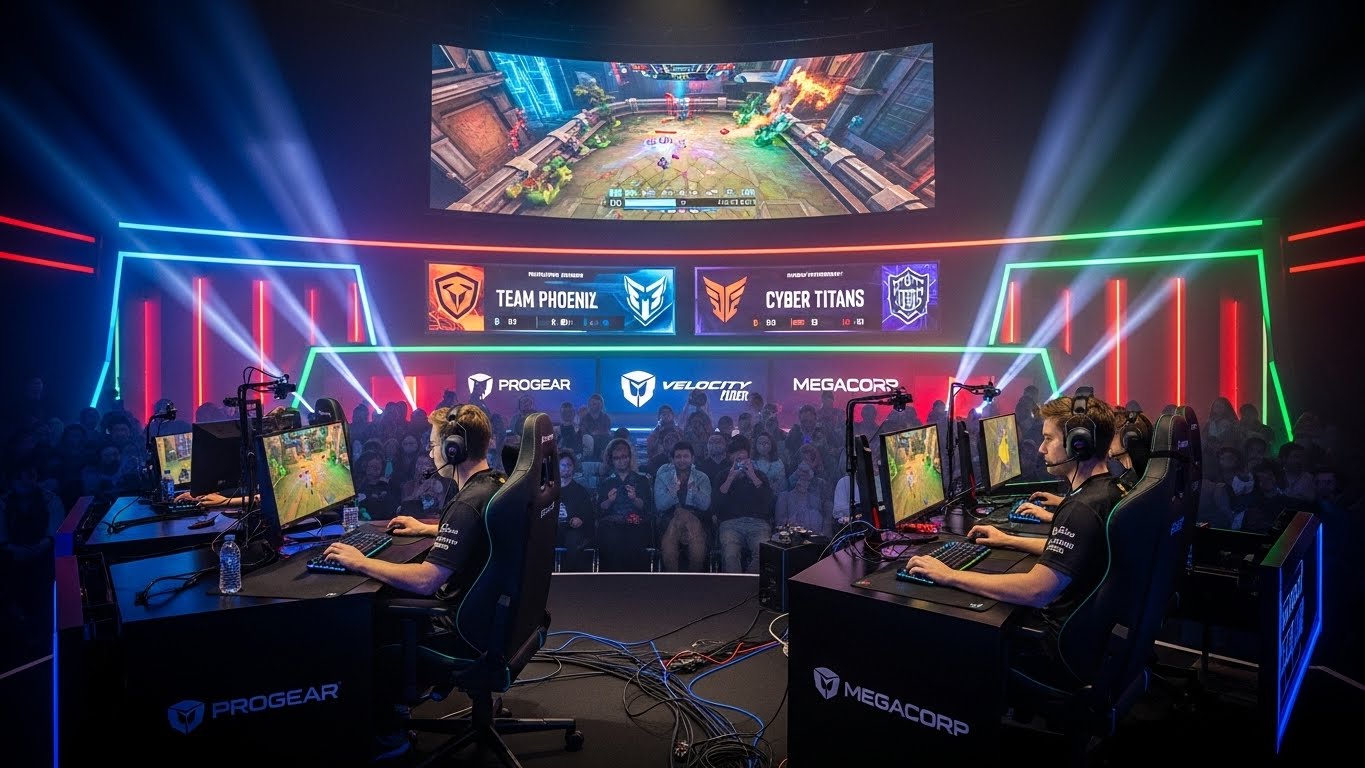
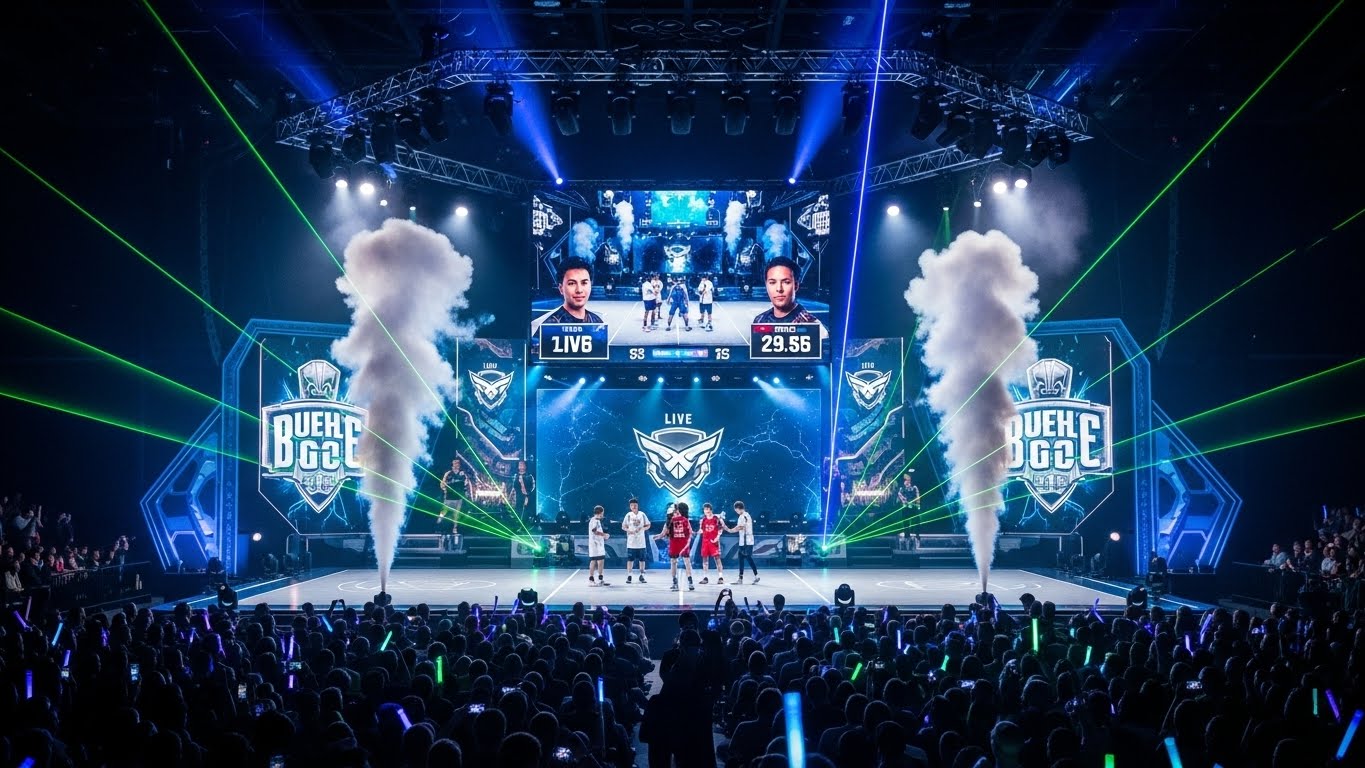
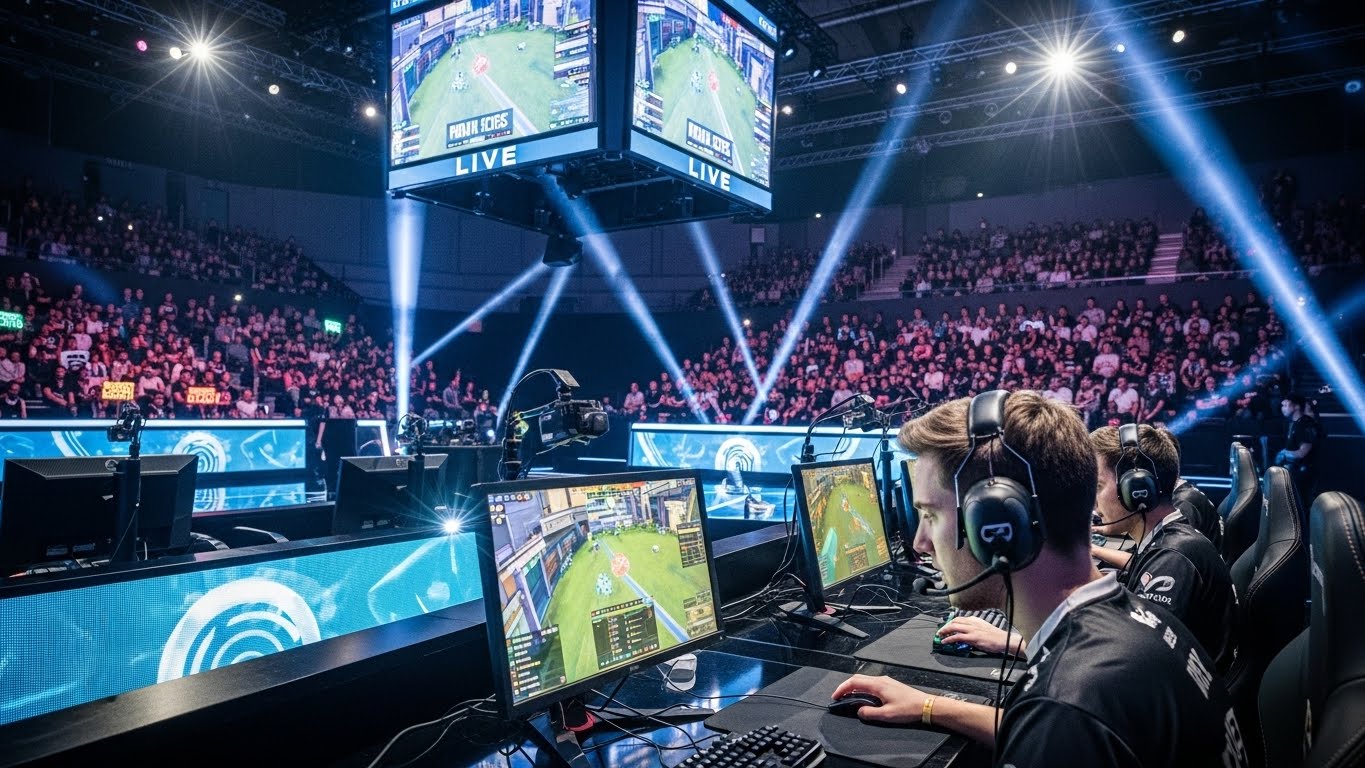
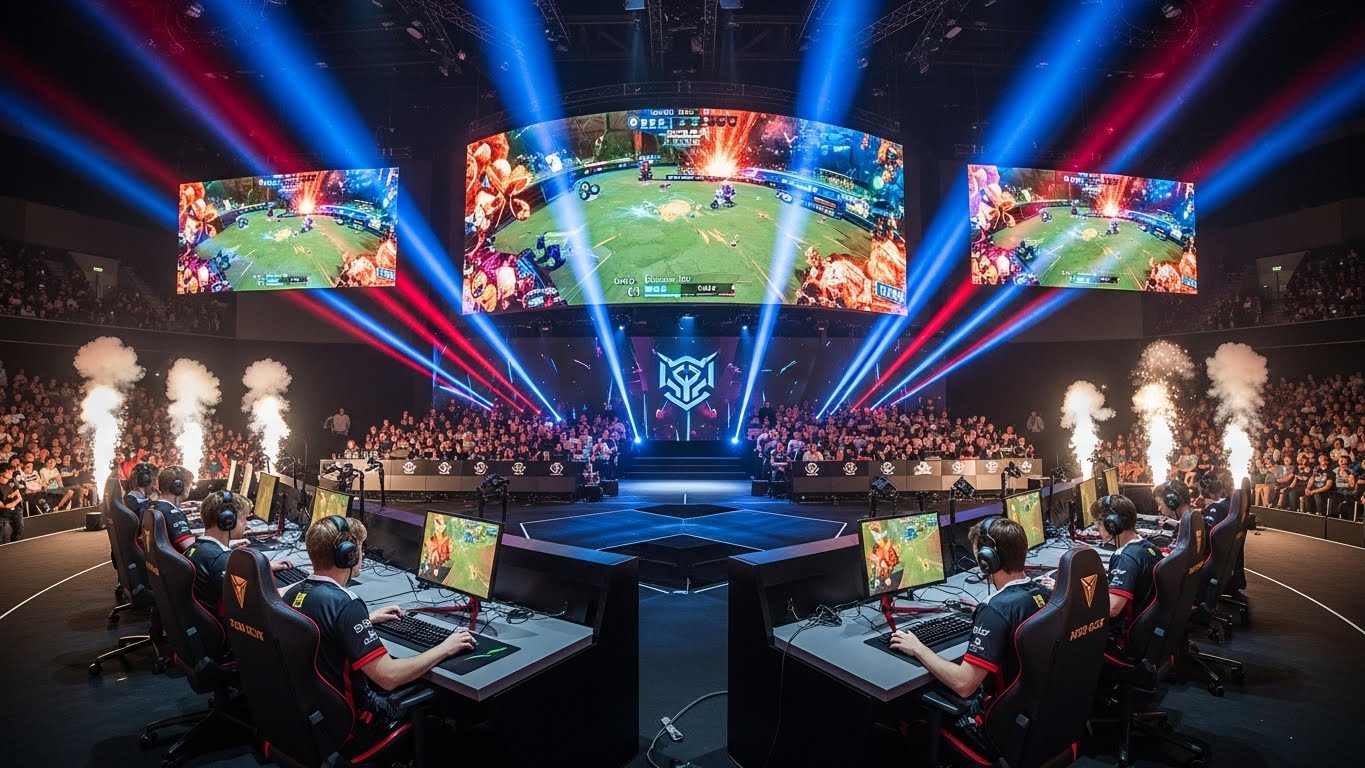
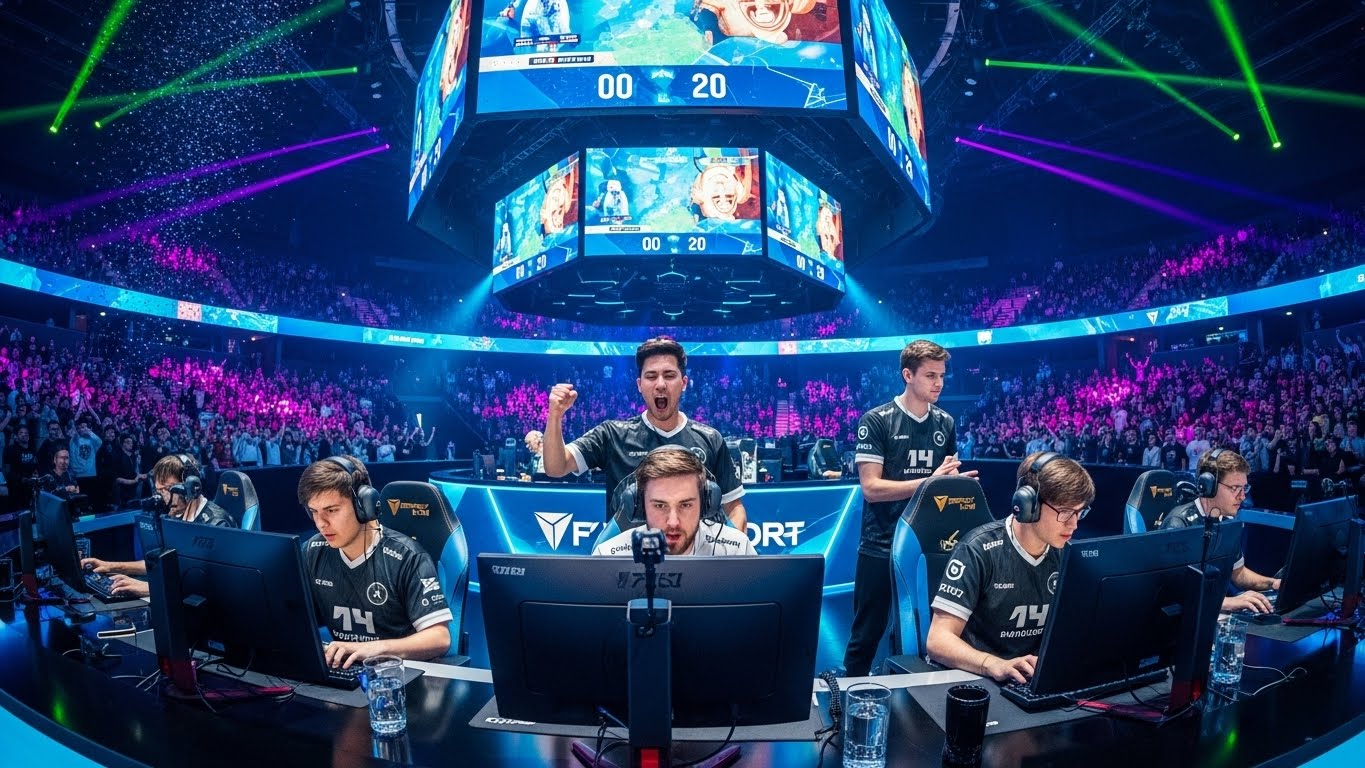
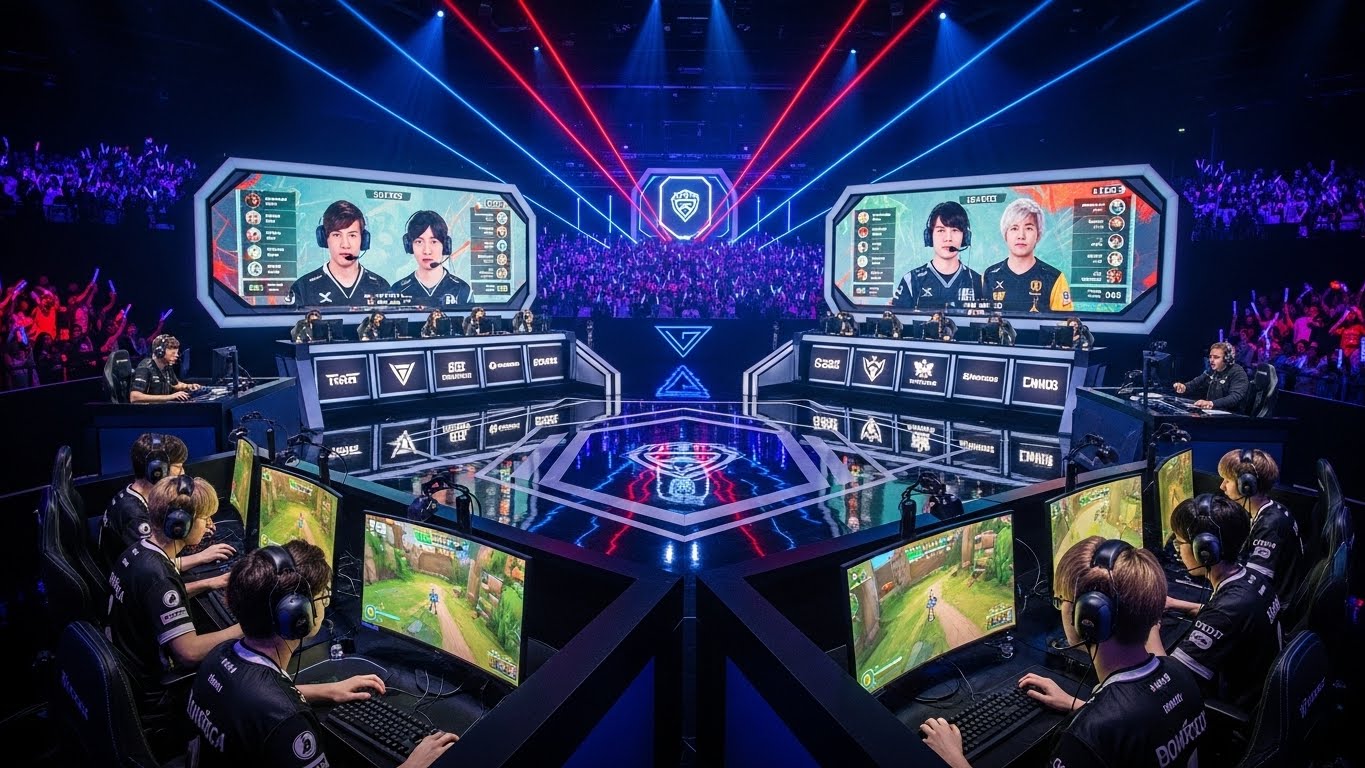
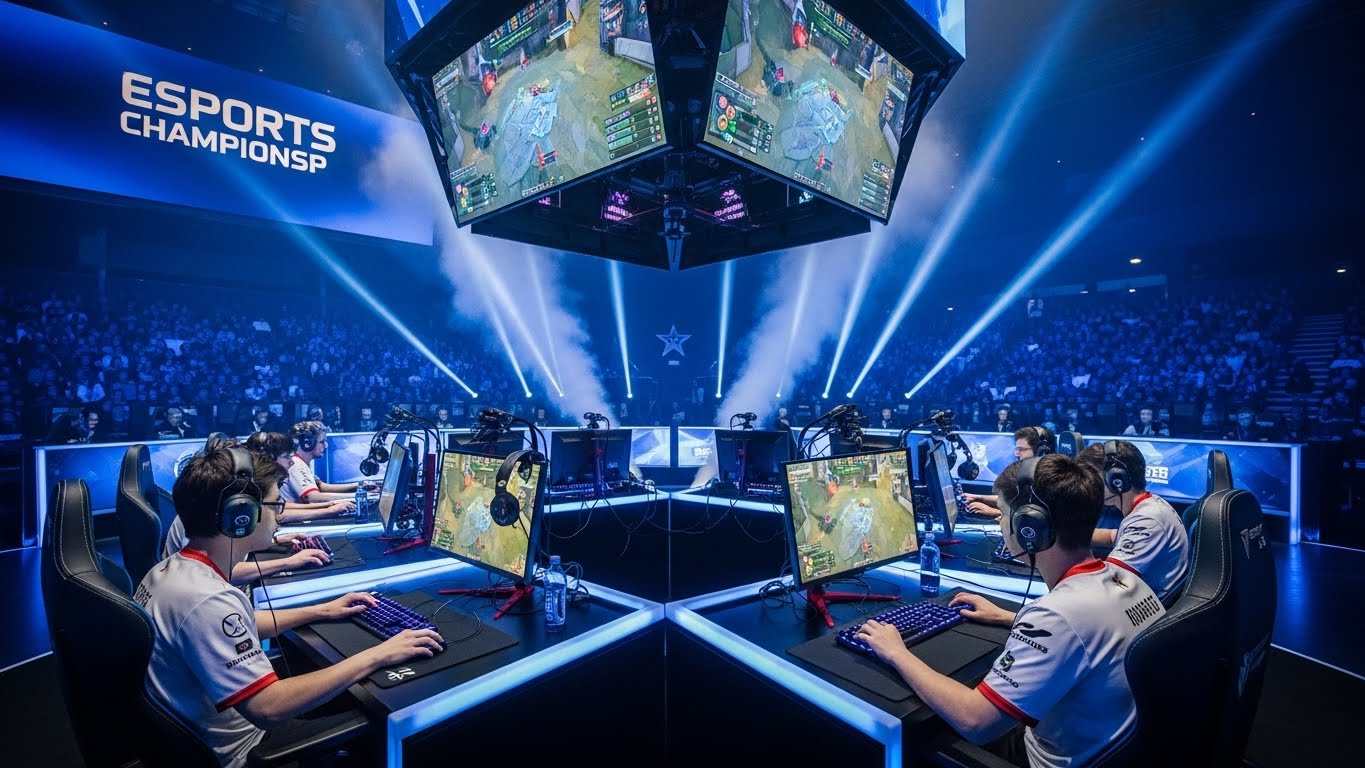
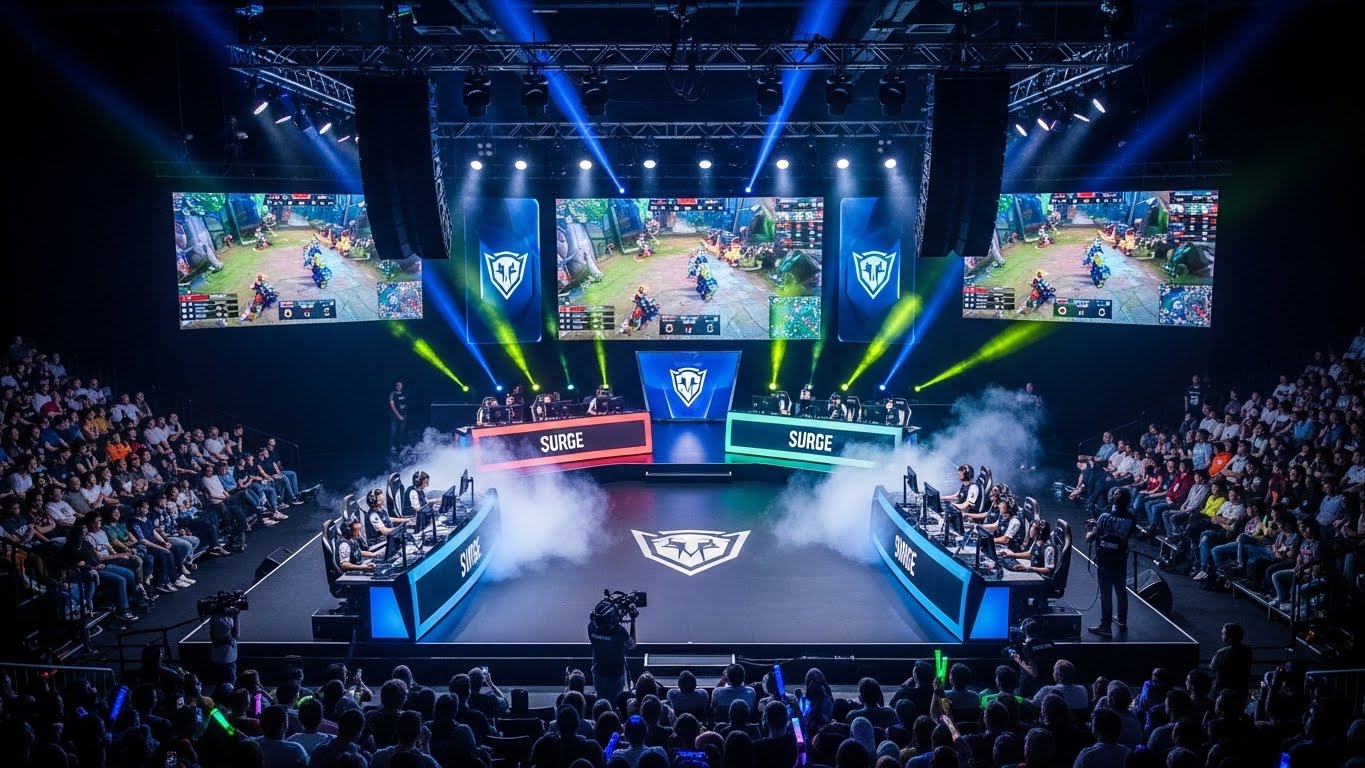
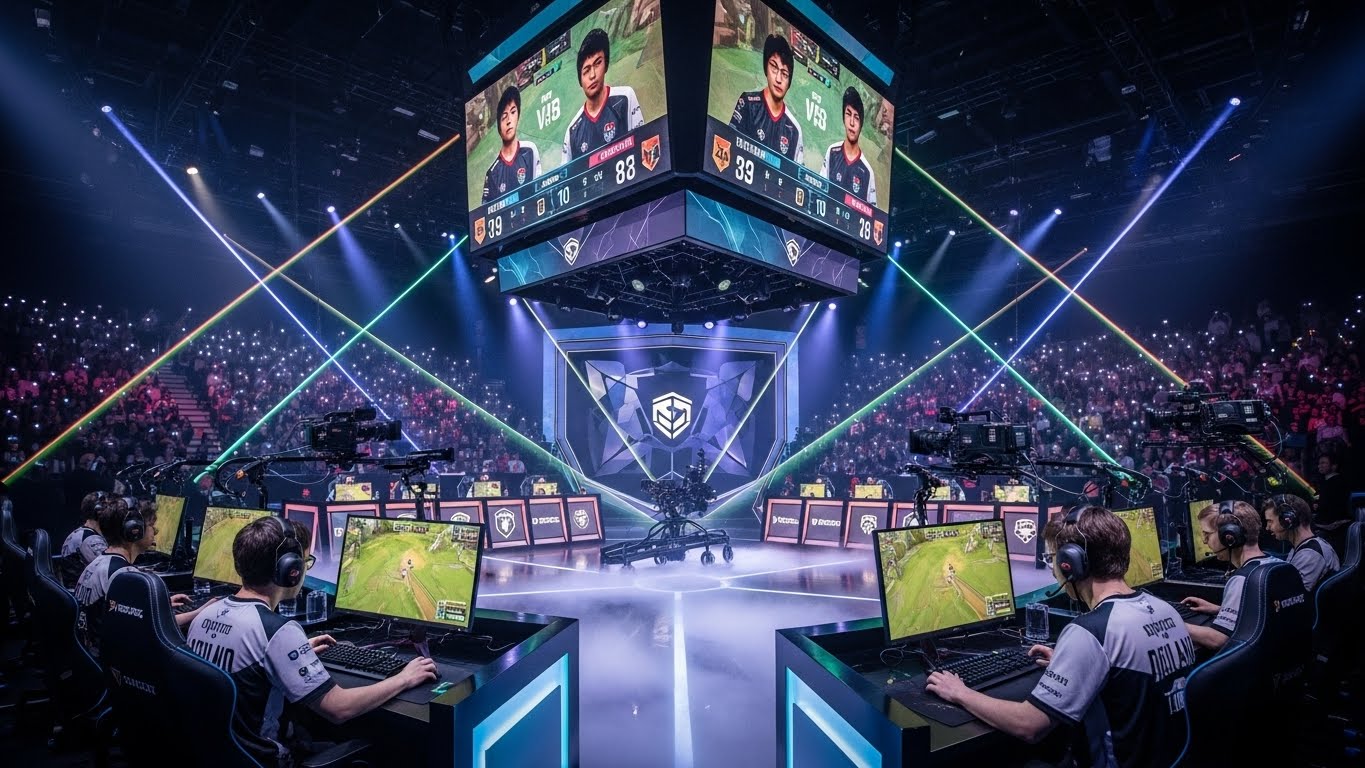
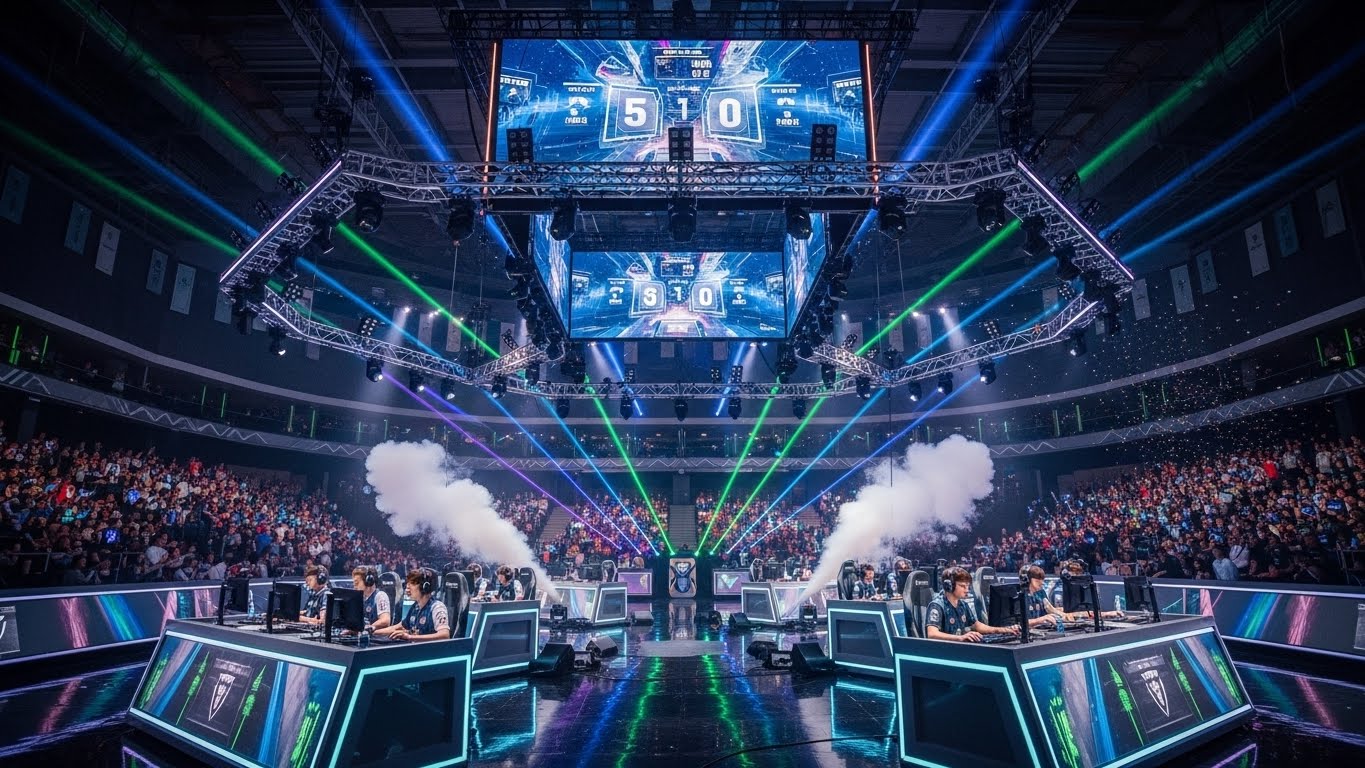
Esports has become more than just a competitive activity; it is a cultural movement. The blending of gaming, entertainment, and digital media has created a shared space where communities connect and celebrate their love for gaming. Esports events are now global spectacles that attract millions of viewers both online and in arenas.
Major cities host esports tournaments in large venues like stadiums and convention centers. The excitement, cheering crowds, and high production value rival those of major sporting events. The League of Legends World Championship finals, for instance, have been held in iconic venues such as the Staples Center in Los Angeles and the Bird’s Nest Stadium in Beijing, drawing millions of viewers worldwide.
The influence of esports also extends into music, fashion, and technology. Collaborations between gaming companies and brands such as Nike, Adidas, and Louis Vuitton highlight esports’ mainstream appeal. The aesthetics and style of gaming culture have become part of youth identity, symbolizing creativity, competition, and community.
Challenges Faced by the Esports Industry
Despite its success, esports faces challenges that threaten its stability and growth. One of the most pressing issues is player burnout. Professional gaming requires intense practice and long hours, which can take a physical and mental toll on players. The average career span of an esports athlete is significantly shorter than that of traditional athletes.
Another challenge is maintaining competitive integrity. Issues such as cheating, match-fixing, and illegal betting have occasionally damaged the reputation of esports. Ensuring fair play and transparency is essential to maintain trust among players, fans, and sponsors.
Financial sustainability also remains a concern. While major teams and organizations thrive, smaller ones often struggle to generate consistent revenue. Esports’ reliance on sponsorships and media rights can make the industry vulnerable to economic fluctuations.
Additionally, inclusivity and diversity continue to be important topics within esports. The community has made strides in promoting gender equality and representation, but barriers still exist for women and marginalized groups. Creating a welcoming environment for all players is vital for the continued growth of the industry.
The Globalization of Esports
Esports is a truly global phenomenon, transcending language and geography. From Asia to Europe, North America to the Middle East, countries have embraced esports as a form of entertainment, business, and even diplomacy.
In Asia, countries like South Korea, China, and Japan lead the industry with strong infrastructures and massive fan bases. In North America and Europe, esports has become part of mainstream entertainment, with major media companies broadcasting events and sponsoring teams. Meanwhile, regions like South America, Africa, and South Asia are emerging as new markets with growing player communities and investments.
Governments are also recognizing the economic and social potential of esports. Some have started supporting esports initiatives, creating national teams, and even including gaming in sporting events. The inclusion of esports as a medal event in the 2022 Asian Games marked a historic milestone, symbolizing its recognition as a legitimate sport.
The Future of Esports
The future of esports appears incredibly promising. Advancements in technology, such as virtual reality (VR), augmented reality (AR), and cloud gaming, will likely transform how esports are played and viewed. These innovations could create more immersive and interactive experiences for both players and spectators.
The continued integration of artificial intelligence and data analytics will enhance player training and strategic development. Teams will be able to analyze performance metrics with precision, leading to smarter gameplay and more exciting matches.
Moreover, as esports merges with education and traditional sports, it could become an even greater force for youth engagement. Schools and universities are integrating esports programs to teach teamwork, communication, and problem-solving—skills that are valuable in all aspects of life.
As the world becomes increasingly digital, esports is poised to dominate the entertainment landscape. It bridges the gap between technology and human emotion, offering a unique platform where skill, strategy, and creativity collide.
Conclusion
Esports has evolved from a niche pastime into a global powerhouse of competition, culture, and innovation. It represents the changing nature of sports in the digital era and showcases the limitless potential of human creativity. From humble beginnings in arcades to grand arenas filled with roaring fans, esports embodies the modern spirit of competition—dynamic, inclusive, and borderless.
As the industry continues to expand, it will undoubtedly face challenges, but its foundation is strong. With passionate communities, technological innovation, and global support, esports stands as one of the defining movements of the 21st century. It has not only transformed how people play but also how they connect, dream, and aspire.
The rise of esports is a testament to how far gaming has come and a glimpse into the future of human interaction and entertainment. It is more than just a game—it is a revolution that continues to inspire millions around the world.