
Introduction
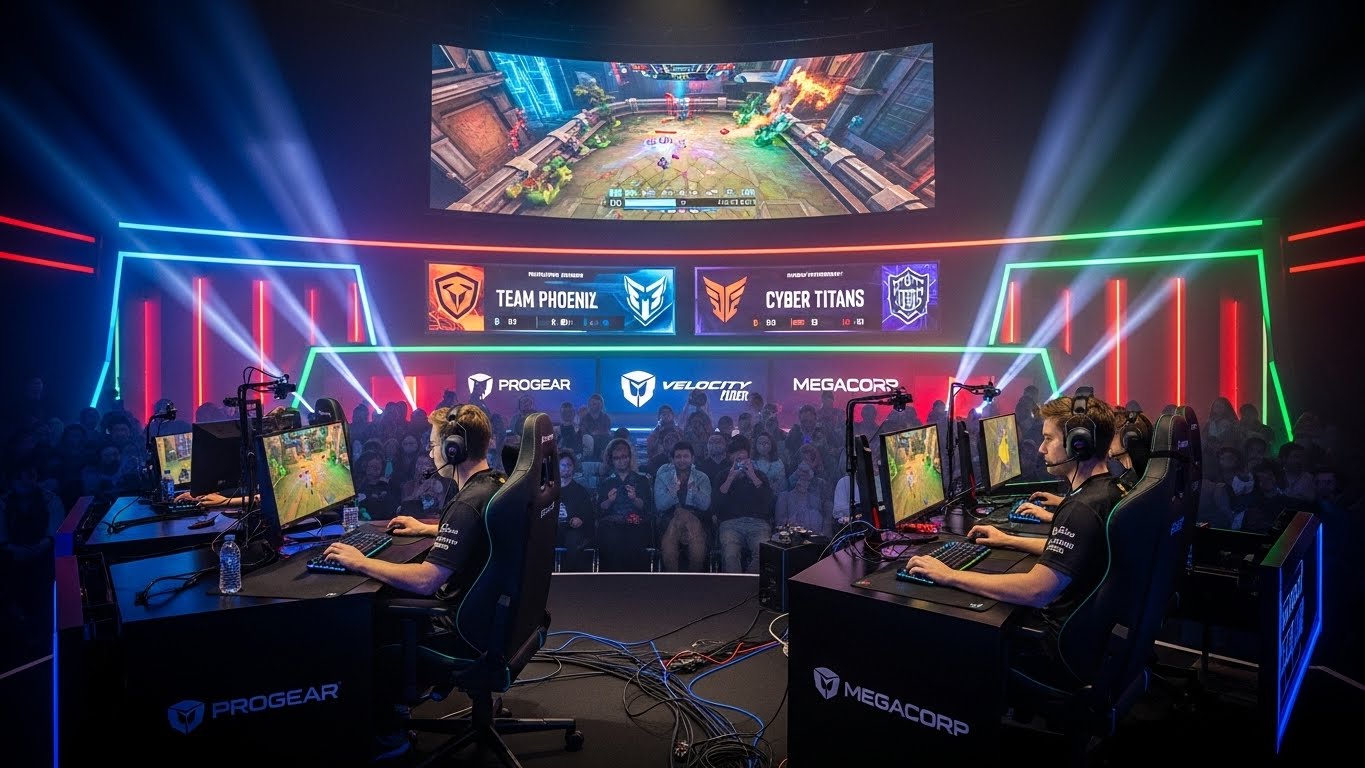
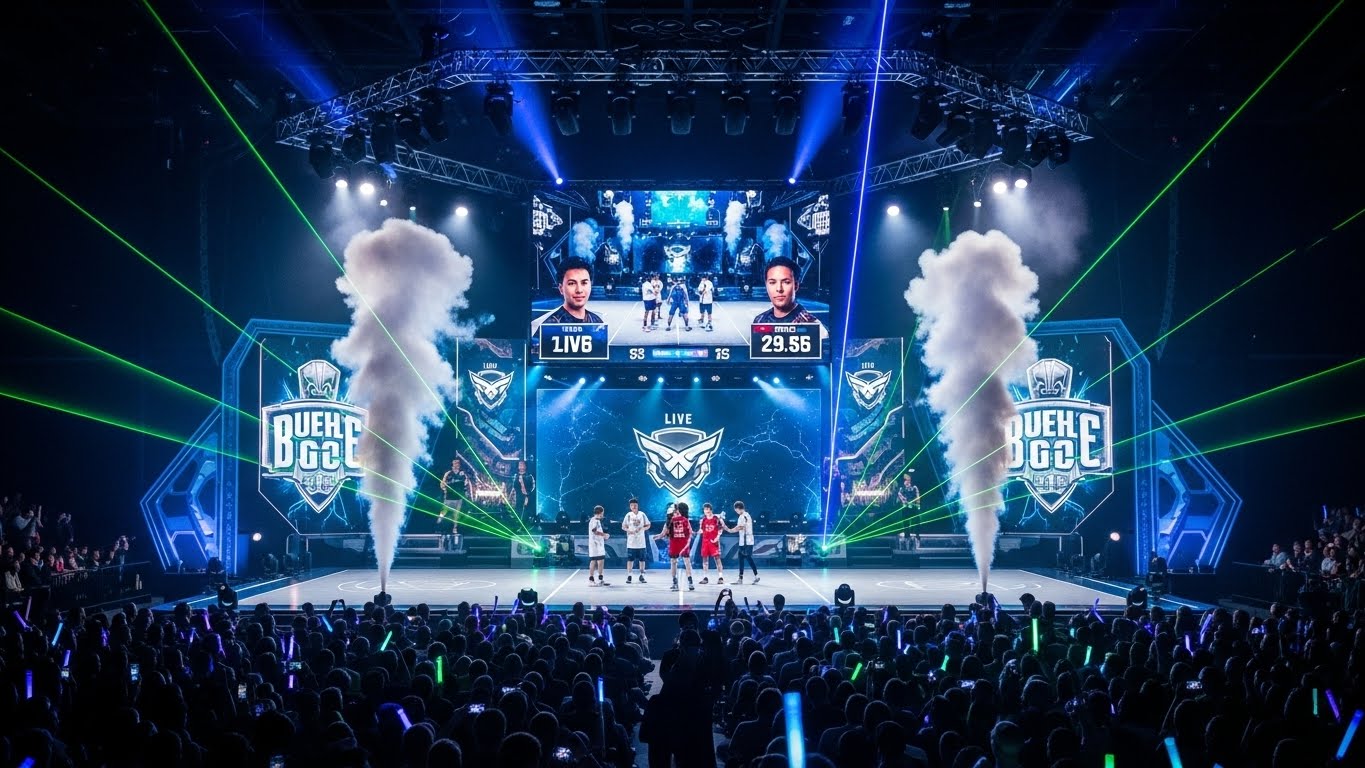
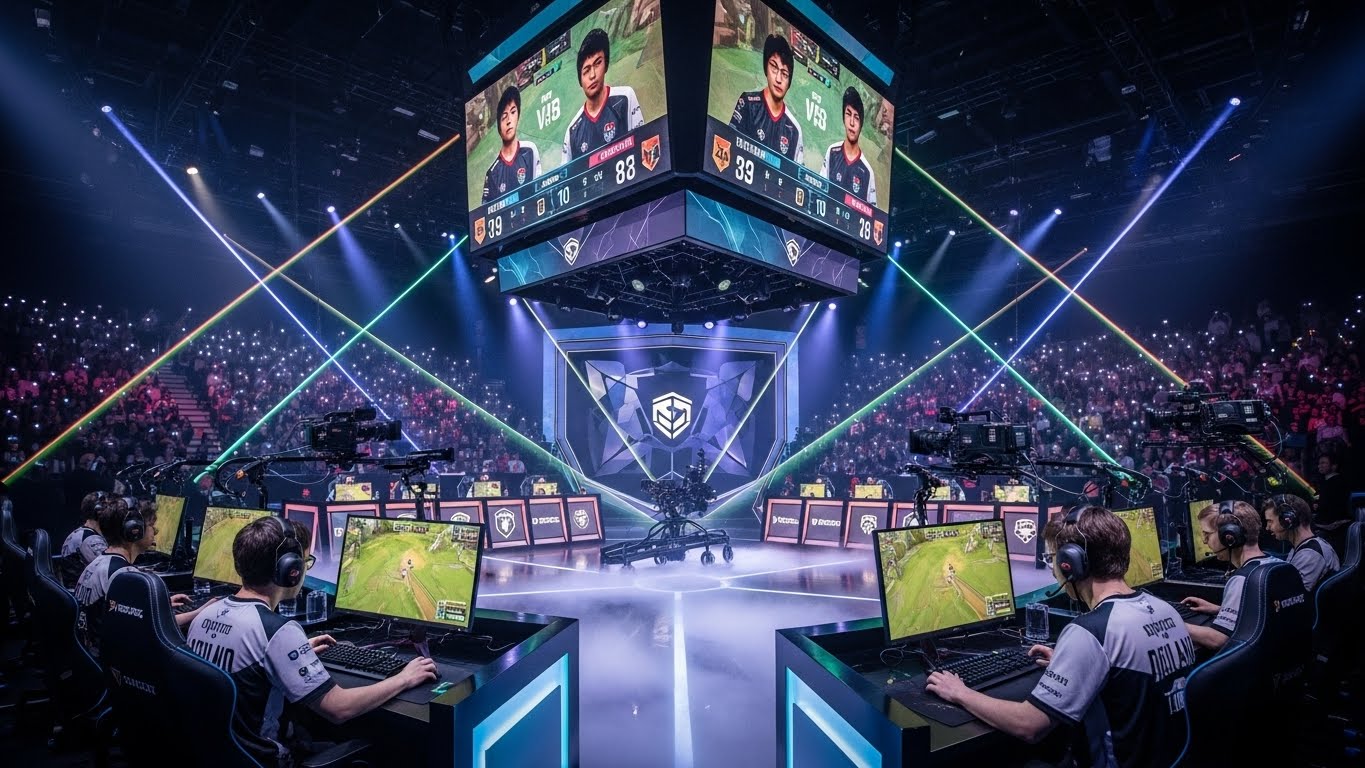
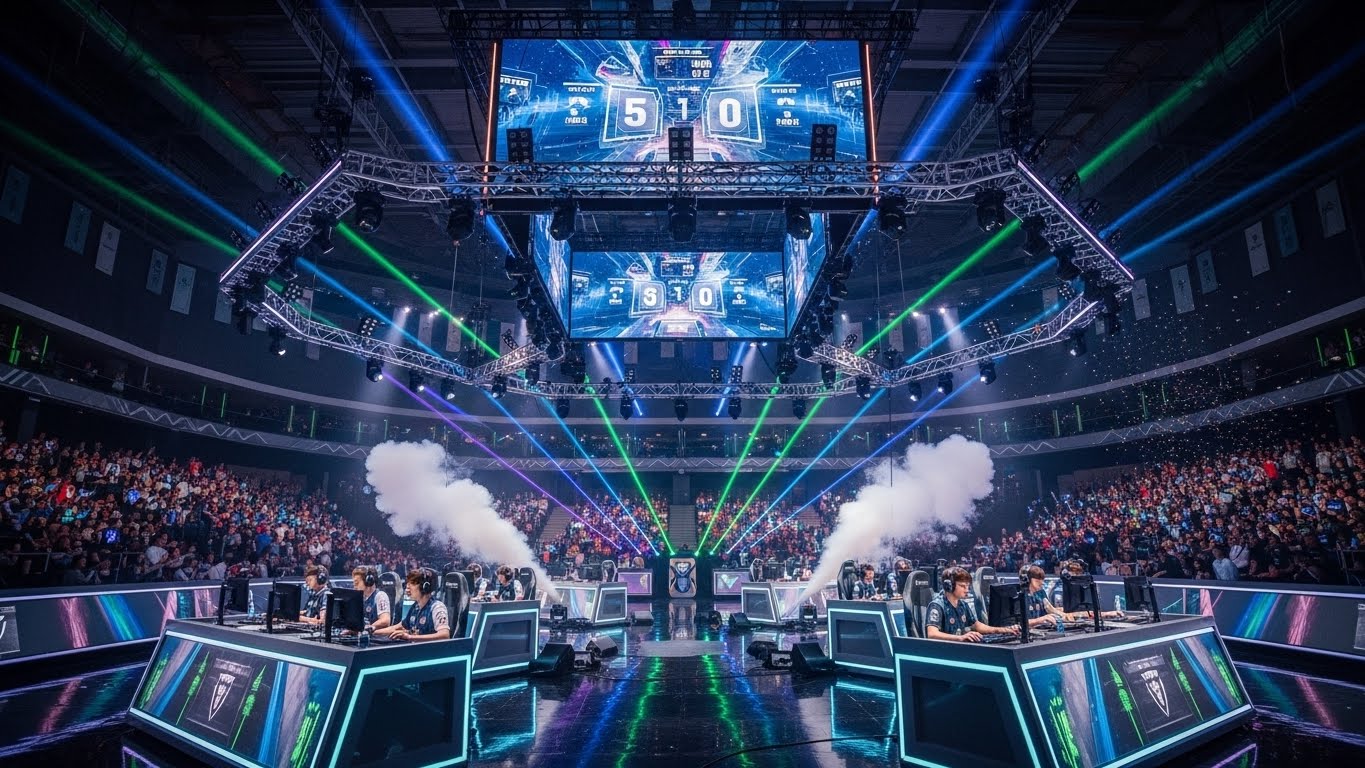
In the last two decades, the world has witnessed a silent revolution that began in dimly lit gaming cafes and living rooms but has now taken center stage in arenas filled with thousands of cheering fans. This phenomenon is known as esports. Once dismissed as a pastime for teenagers, competitive gaming has evolved into a billion-dollar industry that rivals traditional sports in viewership, sponsorship, and cultural influence. Esports is not merely a hobby; it is a profession, a lifestyle, and a global movement that continues to redefine the boundaries of competition and entertainment.
The Birth of Competitive Gaming
The roots of esports can be traced back to the early days of video gaming. In the 1970s, competitive gaming events were modest gatherings held on college campuses. The first recognized video game competition took place at Stanford University in 1972, where players competed in a game called Spacewar. The prize? A subscription to Rolling Stone magazine. While it may seem trivial now, this moment was the spark that ignited a global transformation. As technology advanced, so did the potential for larger, more sophisticated competitions. By the 1990s, games like Street Fighter II, Doom, and StarCraft were laying the groundwork for professional esports tournaments that would capture the attention of gamers worldwide.
The 2000s: The Rise of the Internet Generation
The early 2000s marked a pivotal shift for esports. The internet became more accessible, and broadband connections replaced dial-up modems, allowing for smoother online gameplay. This was the era when global gaming communities started to form, breaking geographical boundaries and connecting players from every corner of the world. Games like Counter-Strike, Warcraft III, and Quake III Arena began hosting international tournaments that attracted professional players and massive audiences. The emergence of online gaming leagues and LAN parties helped create a structured environment for competitive gaming to thrive.
Streaming: The Catalyst for Global Expansion
One of the most significant turning points in esports history was the introduction of streaming platforms. Before streaming, fans relied on small clips, recordings, or written recaps to follow their favorite players and teams. The rise of platforms like Twitch and YouTube Gaming revolutionized the experience. For the first time, viewers could watch live tournaments, interact with players, and become part of the gaming culture in real-time. Streaming transformed esports into a spectator sport accessible to millions. Professional players became celebrities with loyal fan bases, and sponsorship opportunities skyrocketed. Streaming did not just amplify the reach of esports; it democratized it, making it a mainstream form of entertainment for a generation raised on digital media.
Professional Leagues and Global Competitions
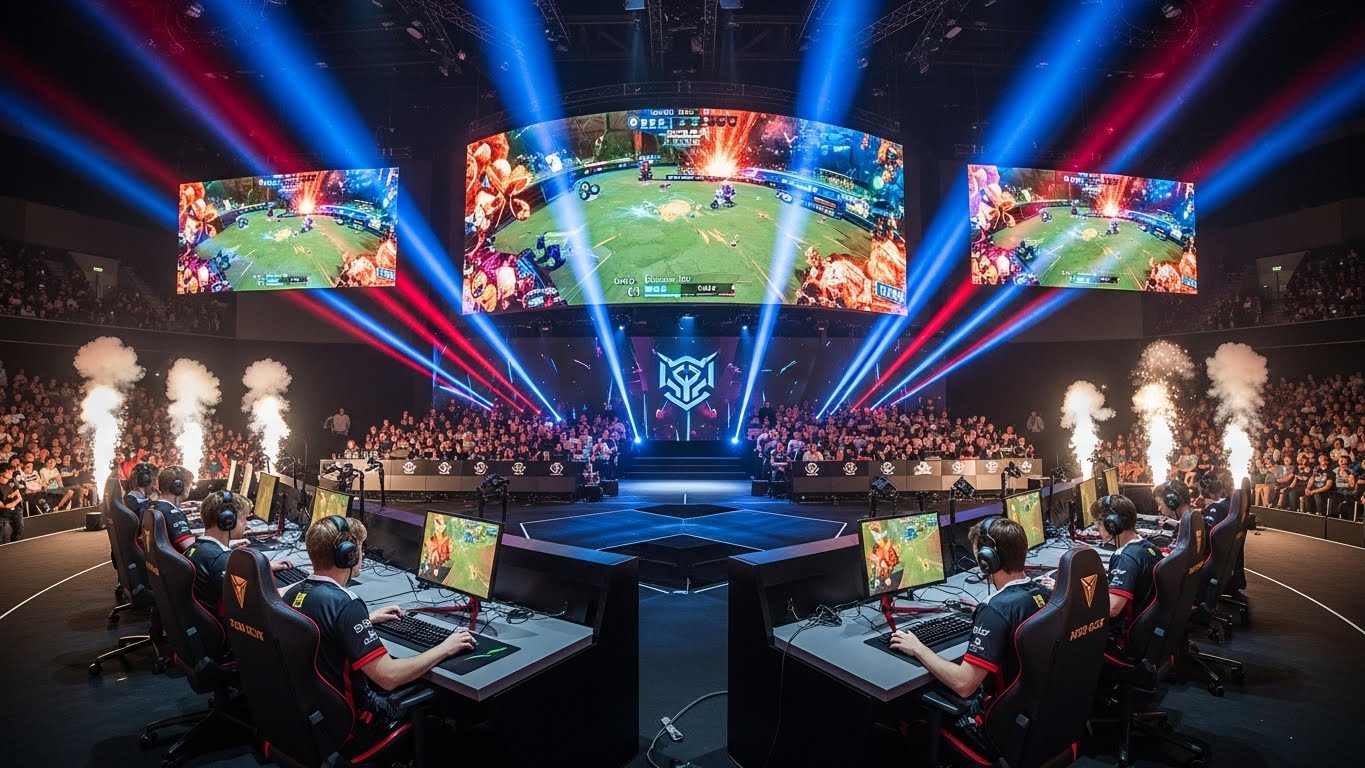
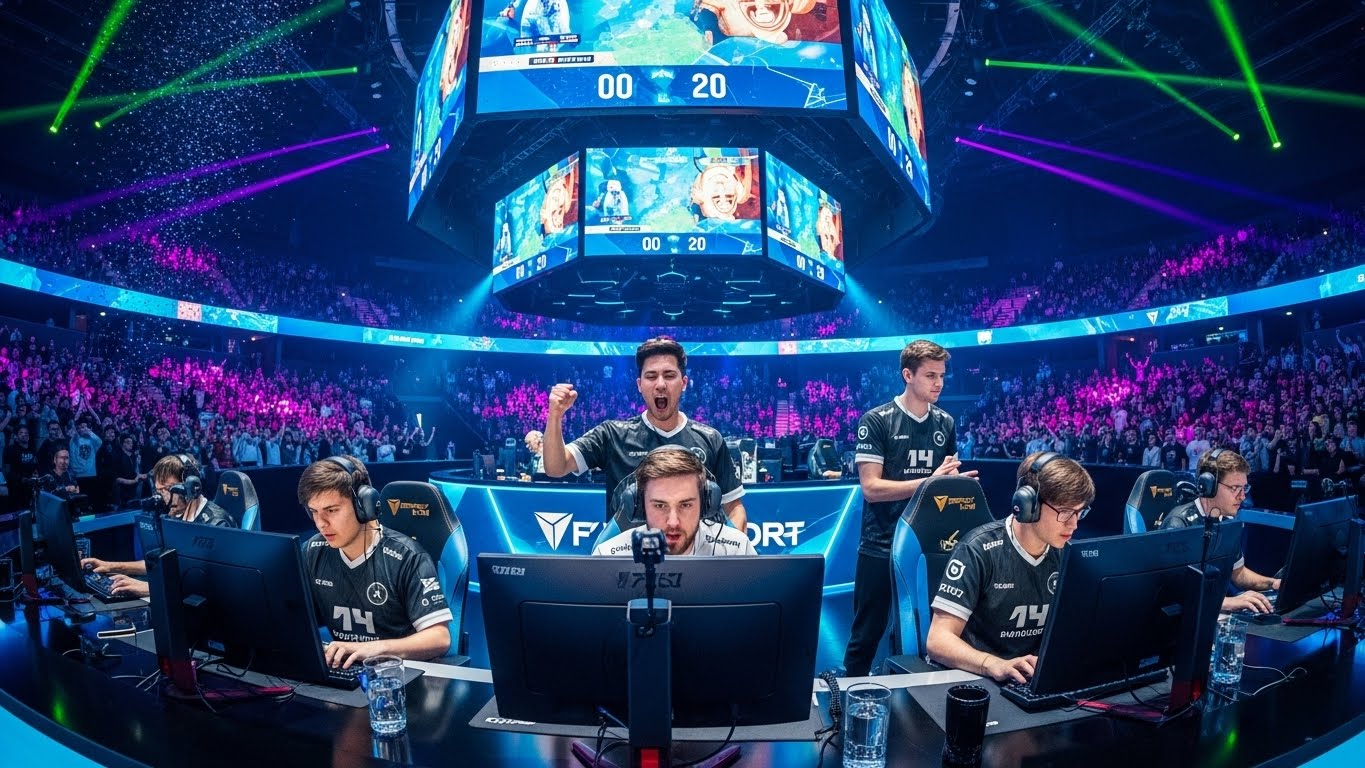
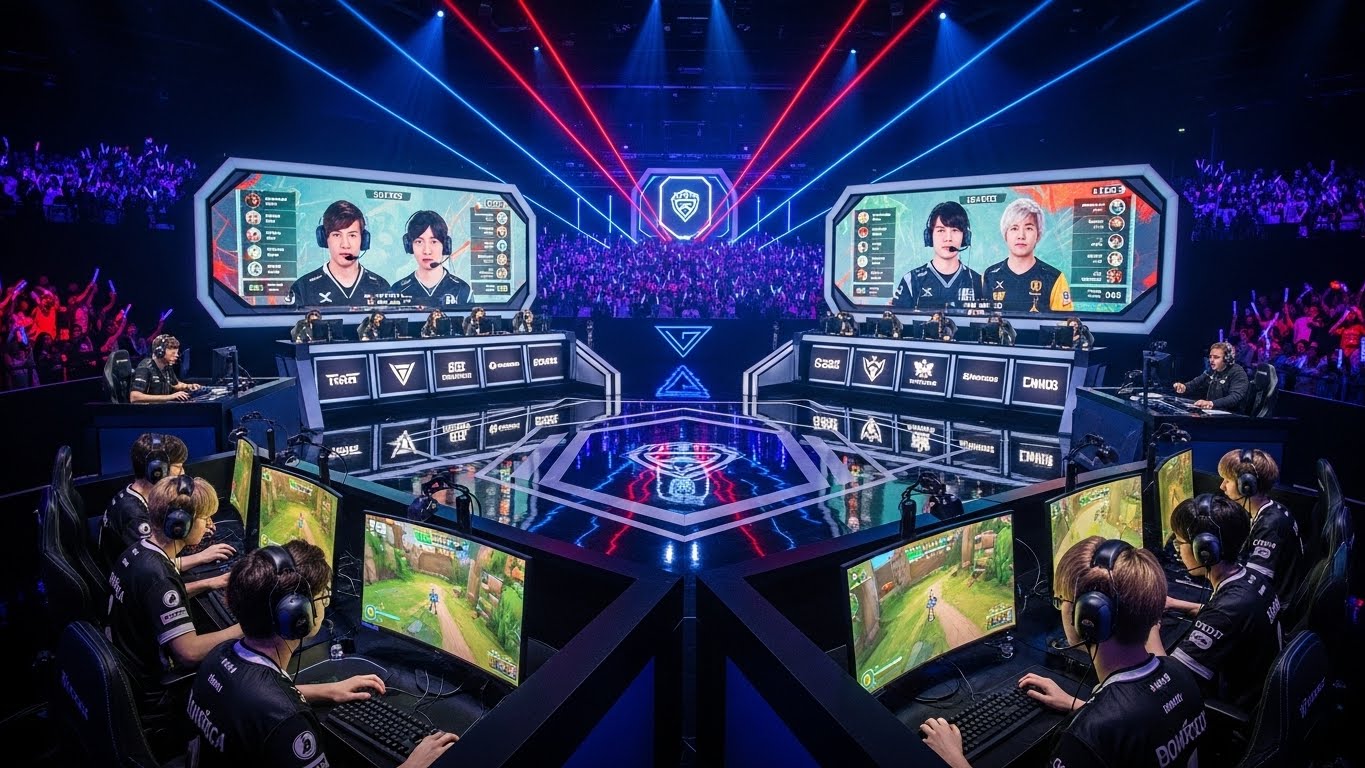
As the audience grew, so did the scale of tournaments. Esports moved from small community events to professionally organized leagues with millions of dollars in prize money. Games like League of Legends, Dota 2, and Counter-Strike: Global Offensive became the cornerstones of competitive gaming. The Dota 2 International, for instance, boasts prize pools that rival those of traditional sporting events, with tens of millions of dollars at stake each year. Similarly, Riot Games’ League of Legends World Championship attracts millions of viewers worldwide, filling entire stadiums and garnering online audiences larger than many major sports finals.
Esports leagues have also become more structured and franchise-based, similar to the NFL or NBA. Teams represent cities, companies, or organizations, and players sign contracts that include salaries, bonuses, and sponsorship deals. The level of professionalism continues to rise, with coaches, analysts, nutritionists, and psychologists supporting players in achieving peak performance.
The Business of Esports
Behind the flashing lights and roaring crowds lies a robust business ecosystem. Esports is now a multi-billion-dollar industry powered by sponsorships, advertising, media rights, and merchandise. Major global brands such as Coca-Cola, Intel, Nike, and Mercedes-Benz have invested heavily in esports sponsorships, recognizing the immense potential of connecting with younger audiences through gaming. Broadcasting rights are also becoming a lucrative segment, as traditional media networks and streaming platforms compete for the rights to air major tournaments.
Esports organizations have diversified revenue streams that mirror those of traditional sports franchises. They earn through player transfers, content creation, event hosting, and branded merchandise. Some even own gaming houses and training facilities where players live and practice together. The ecosystem also includes tournament organizers, game publishers, and technology companies, all contributing to the industry’s continuous growth.
The Players: New-Age Athletes
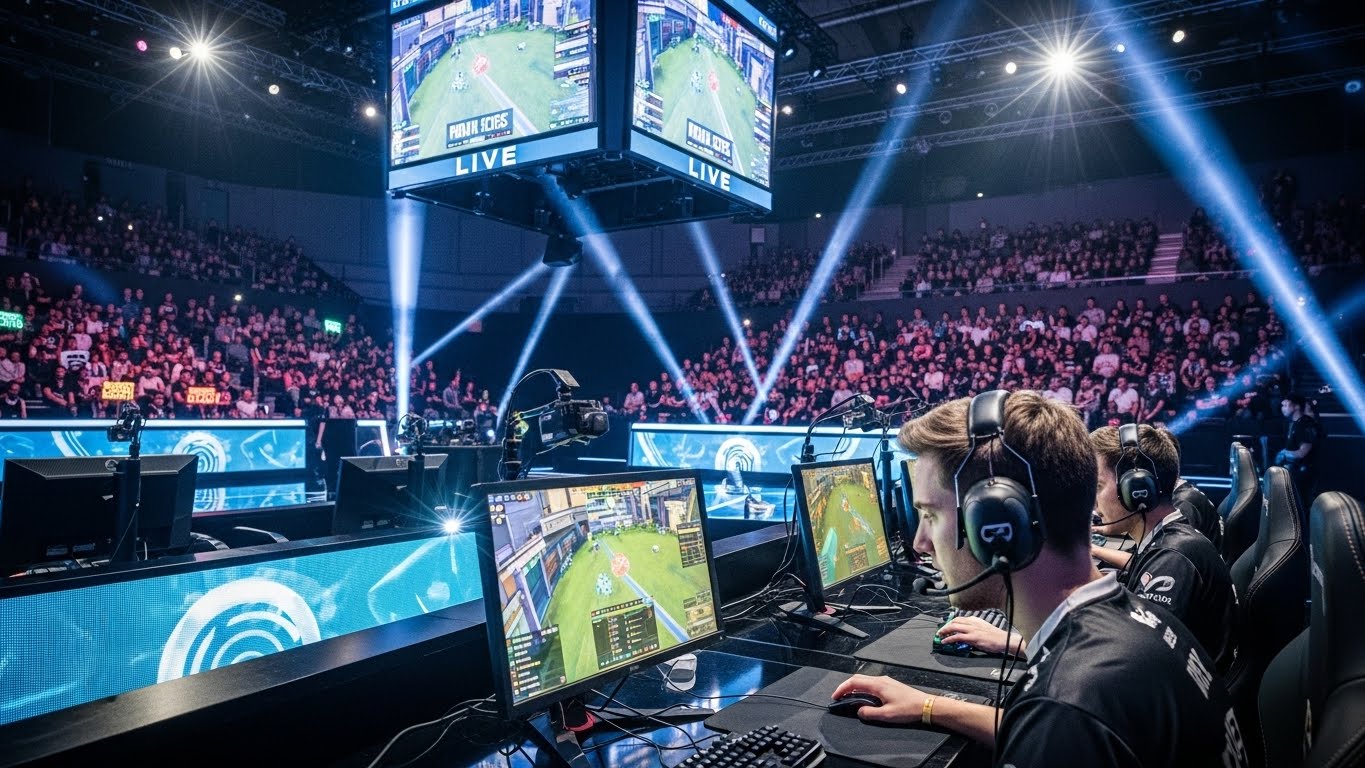
In the world of esports, players are not just gamers; they are athletes who dedicate countless hours to mastering their craft. A professional player’s daily routine includes rigorous training, strategy sessions, physical fitness, and mental preparation. Many teams hire sports psychologists to help players handle stress and maintain focus during high-pressure competitions. The mental agility, reflexes, and teamwork required to excel in esports are comparable to those needed in traditional sports.
Despite lingering stereotypes, the notion that esports players lack athleticism or discipline is outdated. Many professionals follow strict diets, engage in regular workouts, and undergo vision training to enhance reaction times. The dedication and professionalism displayed by esports athletes have earned them recognition and respect across the sporting world.
Esports in Education and Career Opportunities
The influence of esports has extended beyond the professional circuit into education and career development. Universities around the world now offer esports scholarships, treating gaming as seriously as traditional sports like basketball or football. Courses in esports management, broadcasting, and game design have become popular academic pursuits, reflecting the growing demand for skilled professionals in this industry.
Beyond playing, esports offers numerous career paths. There are opportunities in event management, marketing, content creation, coaching, game development, and analytics. The ecosystem supports a wide range of roles, making it one of the most dynamic industries of the digital age. For young people passionate about gaming, esports presents a viable and respectable career option that combines creativity, strategy, and competition.
Cultural Impact and Mainstream Acceptance
Esports has become more than just a form of entertainment; it is a cultural force shaping modern identity. The integration of gaming into popular culture is evident in music, fashion, and film. Artists collaborate with game developers, and esports-inspired apparel lines are launched by major fashion brands. Celebrities and athletes from traditional sports have also invested in esports teams, further bridging the gap between gaming and mainstream entertainment.
The inclusion of esports in global events, such as the Asian Games, signals a growing acceptance of competitive gaming as a legitimate sport. Discussions are ongoing about potential inclusion in future Olympic events, a move that would solidify esports’ place in the global sporting landscape.
The Role of Technology in Shaping Esports
Technological innovation lies at the heart of esports. From advanced gaming hardware to cutting-edge graphics and virtual reality, technology has continuously pushed the boundaries of what is possible in competitive gaming. High-refresh-rate monitors, ergonomic peripherals, and ultra-low latency connections have become essential tools for professional players.
Artificial intelligence and data analytics are also transforming the industry. Coaches and analysts use data to study opponents, optimize team strategies, and track player performance. Cloud gaming and virtual reality are opening new frontiers, offering immersive experiences that could redefine the future of esports. As technology evolves, so too will the way esports is played, watched, and experienced.
Challenges Facing the Esports Industry
Despite its remarkable growth, esports is not without challenges. One major concern is player burnout. The pressure to perform, combined with long practice hours and constant travel, can take a toll on mental and physical health. Unlike traditional sports, esports careers are often short-lived, with players retiring in their mid-twenties due to declining reflexes or fatigue.
Another challenge is regulation. The decentralized nature of esports, with multiple game publishers and organizations, makes standardization difficult. Issues such as cheating, doping, and match-fixing pose threats to the integrity of the sport. Additionally, the industry faces questions about inclusivity and diversity, as female representation in professional esports remains disproportionately low.
However, steps are being taken to address these concerns. Many organizations now prioritize player welfare, establishing support systems and health programs. Anti-cheat technologies and ethical frameworks are also being developed to maintain fair play and professionalism within the industry.
The Future of Esports
Looking ahead, the future of esports appears brighter than ever. Analysts predict that global esports viewership will continue to grow exponentially, surpassing traditional sports in some regions. The rise of mobile gaming, particularly in developing countries, is democratizing esports participation and expanding its global reach.
Virtual reality and augmented reality are expected to play a crucial role in shaping the next generation of competitive gaming. Imagine players battling in fully immersive environments where physical and digital realities merge seamlessly. The integration of blockchain technology could also revolutionize esports by enabling transparent prize distribution, secure contracts, and digital asset ownership.
Moreover, the line between gaming and other forms of entertainment is becoming increasingly blurred. Esports events are evolving into multimedia spectacles that combine music, art, and storytelling, appealing to diverse audiences beyond hardcore gamers.
Esports and the Youth Generation
Perhaps one of the most significant impacts of esports is its influence on youth culture. For today’s generation, gaming is not just recreation; it is a social hub, a creative outlet, and a platform for self-expression. Esports teaches teamwork, strategic thinking, and perseverance—skills that are valuable both in and out of the gaming world.
Parents and educators are beginning to recognize these benefits, leading to a more supportive attitude toward gaming as a legitimate pursuit. The emergence of youth esports leagues and school programs helps nurture talent from an early age, creating pathways to professional careers or related industries.
Conclusion: The New Age of Competition
The story of esports is one of transformation. From humble beginnings in arcades and college halls, it has grown into a global phenomenon that commands respect and admiration. Esports represents the evolution of competition in the digital age—a space where passion, technology, and human skill converge.
The rise of esports challenges conventional definitions of sport and entertainment. It proves that competition does not require physical arenas or traditional equipment. What truly defines a sport is the pursuit of excellence, the spirit of teamwork, and the drive to push human limits. Esports embodies all of these elements and more.
As the world continues to evolve, so too will the digital battlegrounds where the next generation of champions is born. The future belongs to the digital gladiators—players who harness the power of technology and creativity to inspire millions. Esports is not just the future of gaming; it is the future of competition itself.