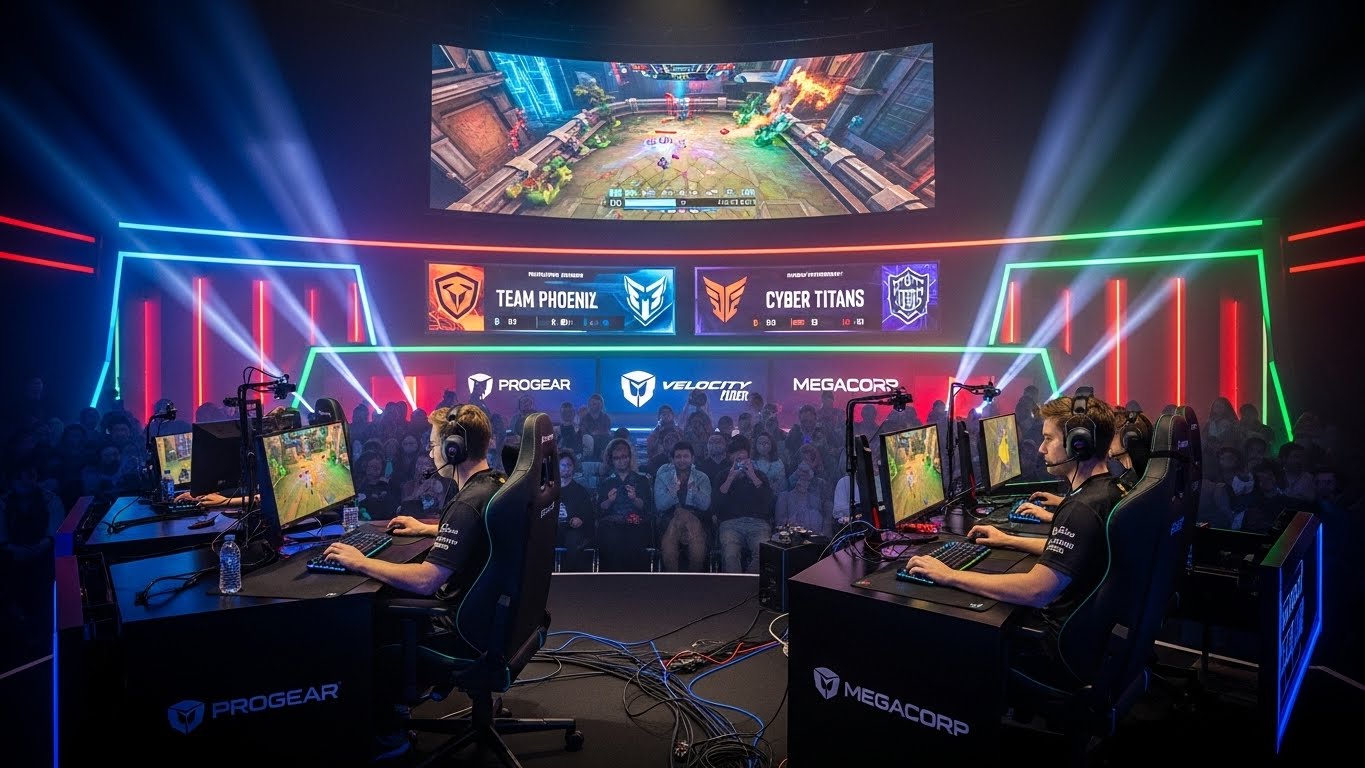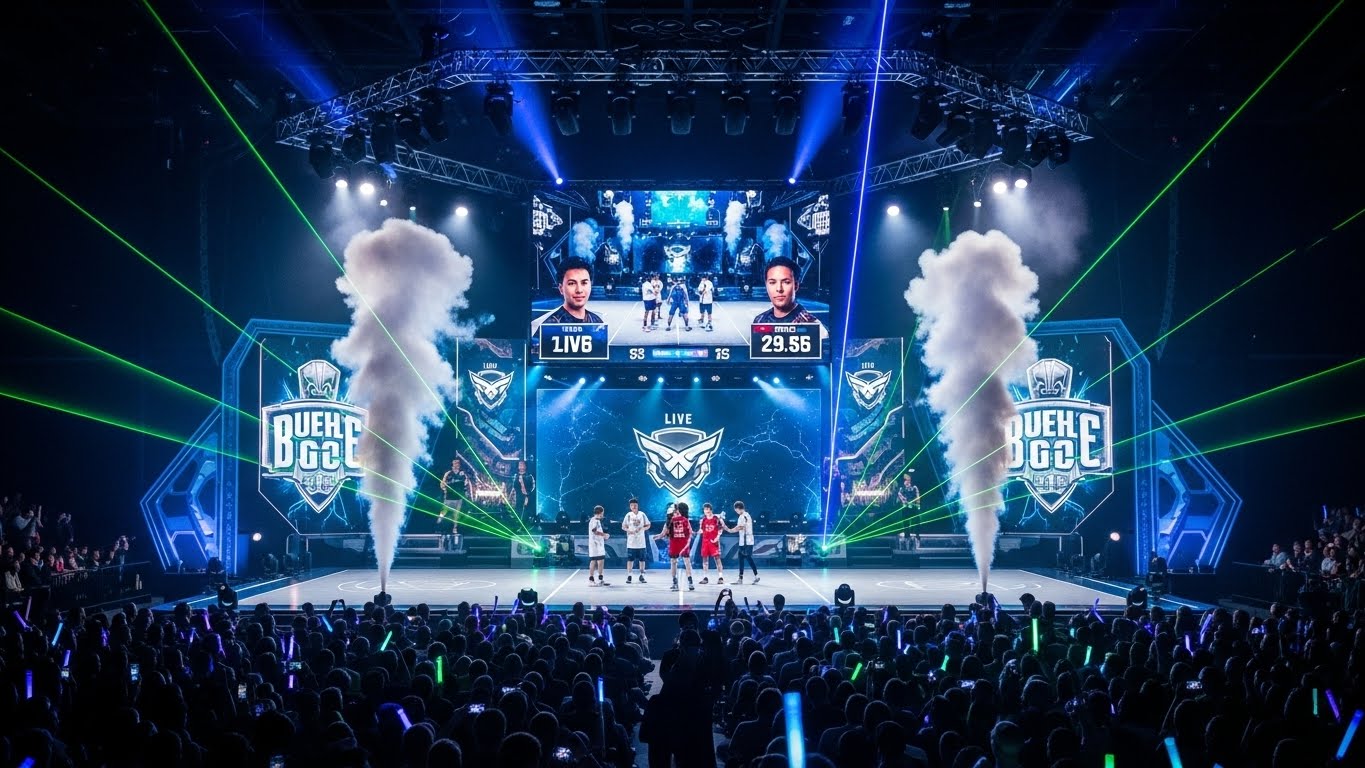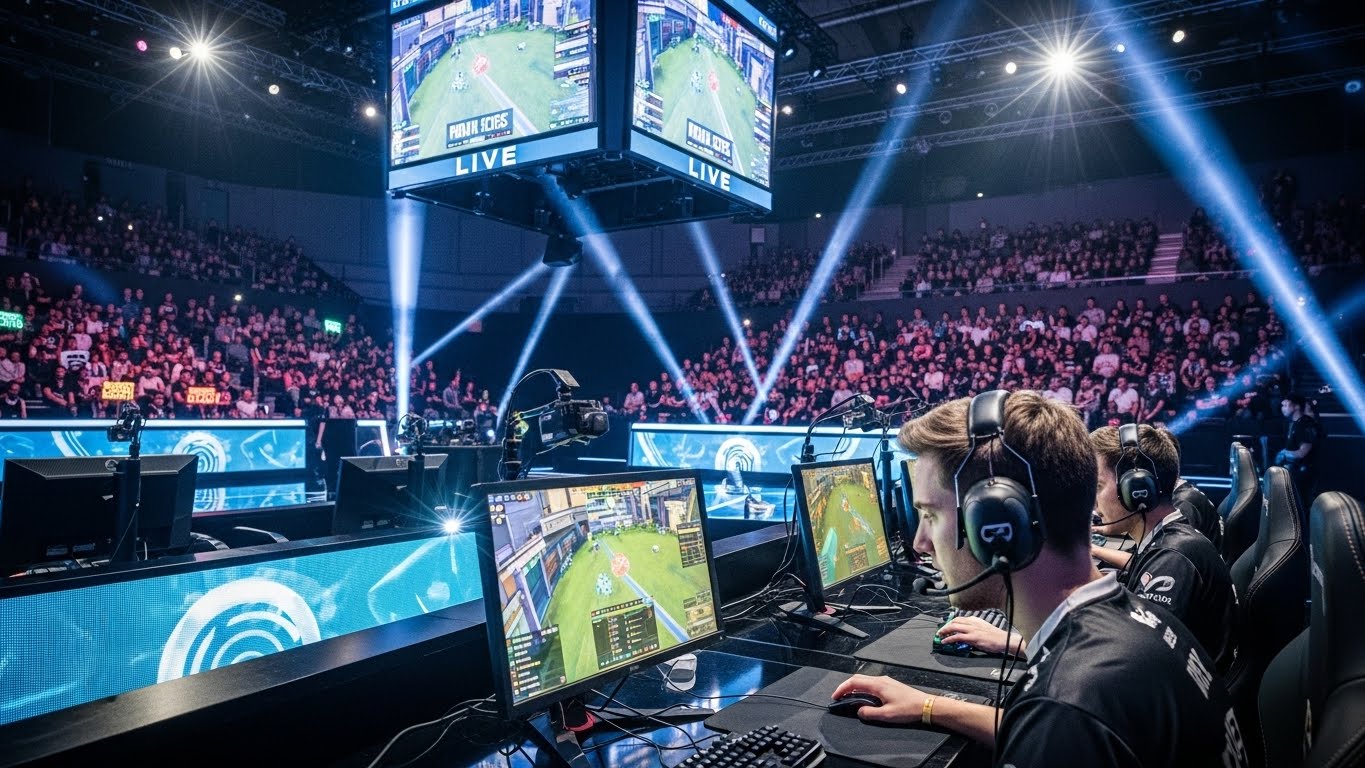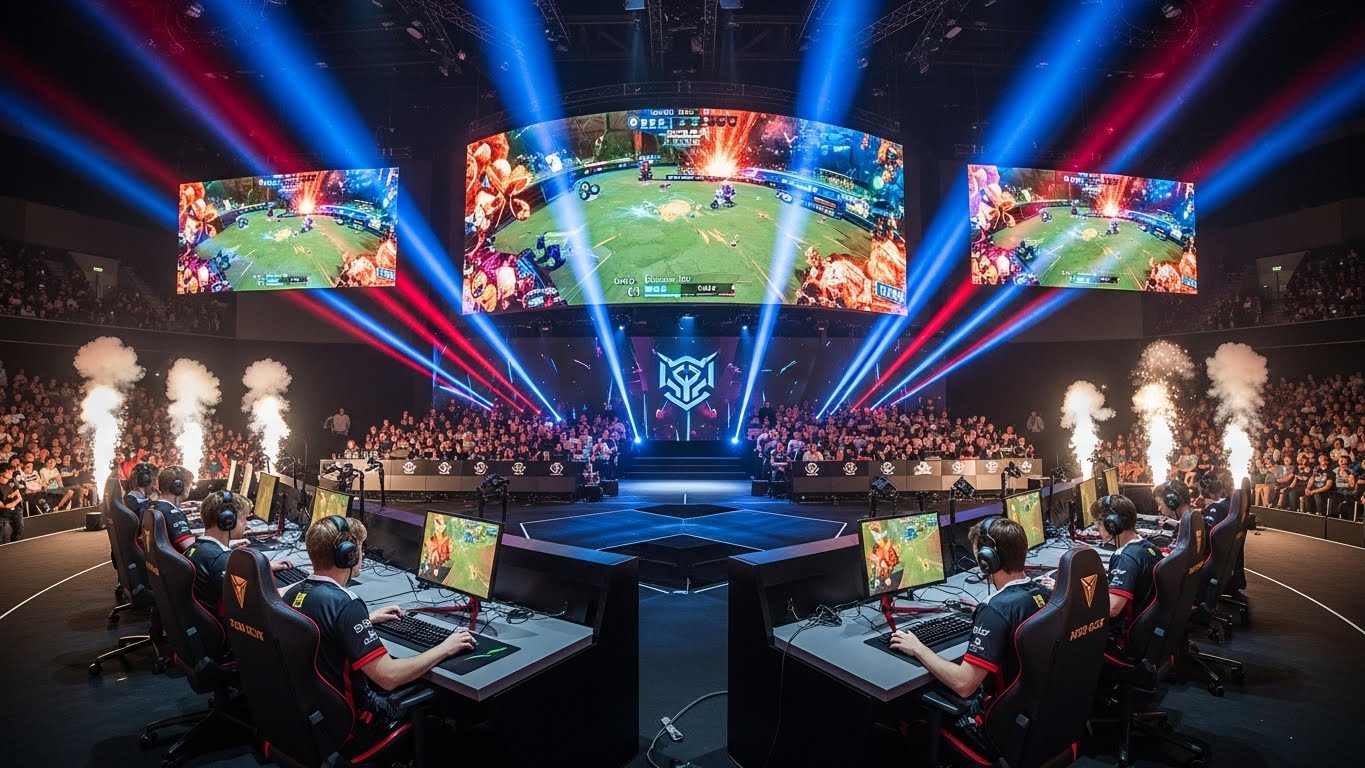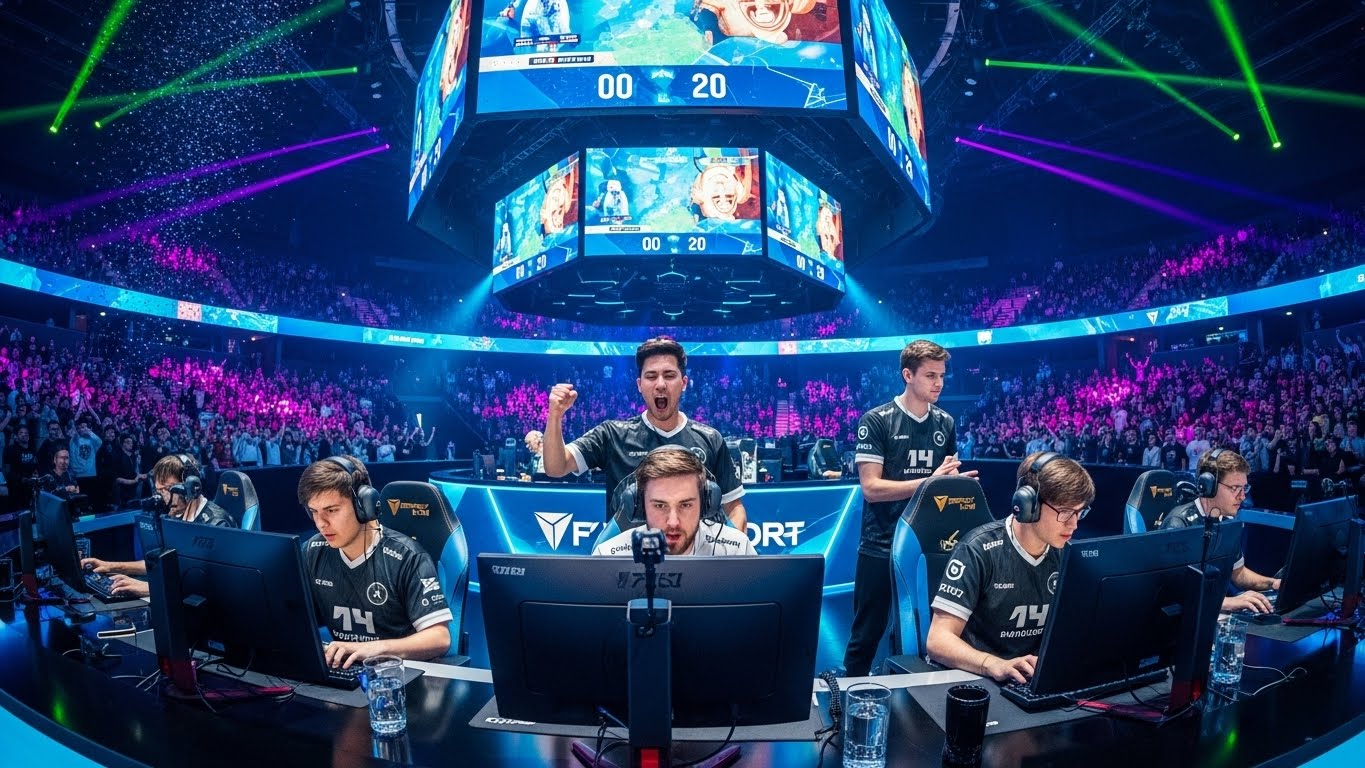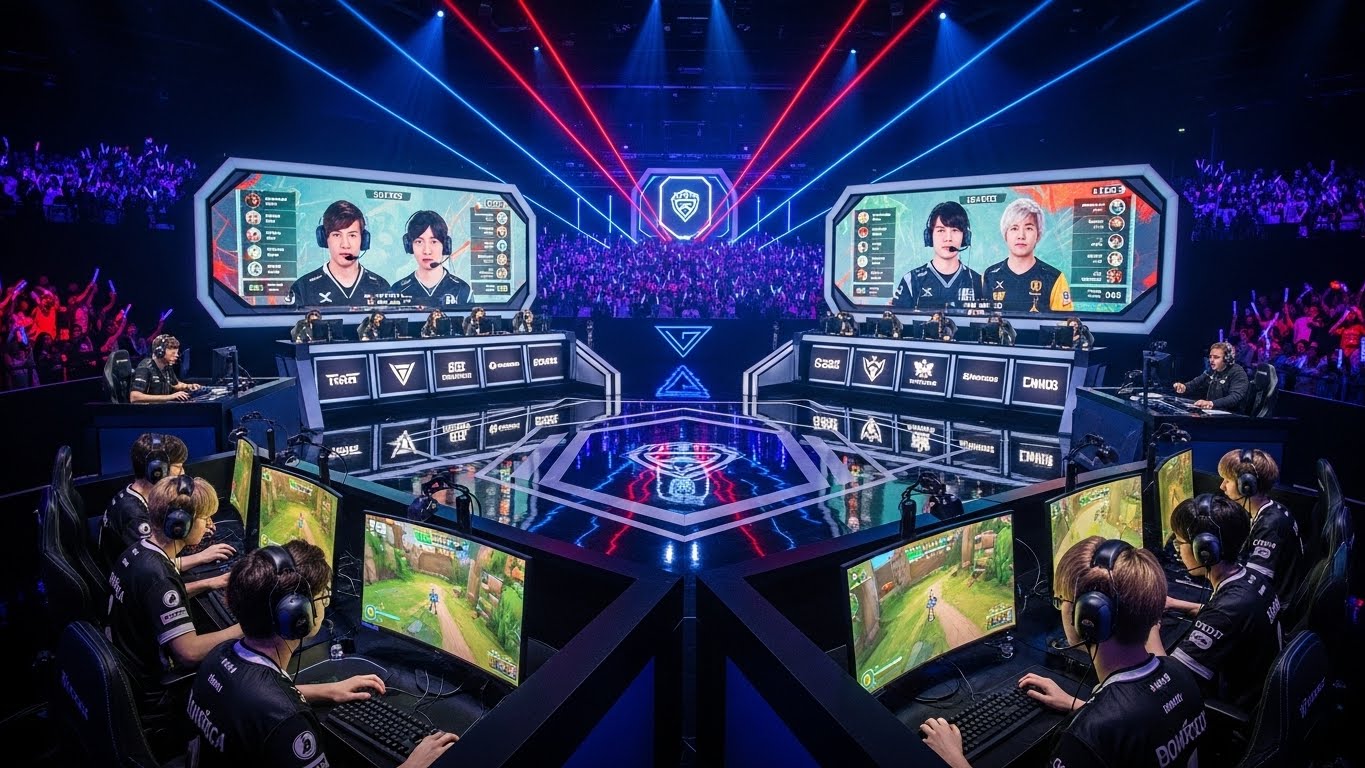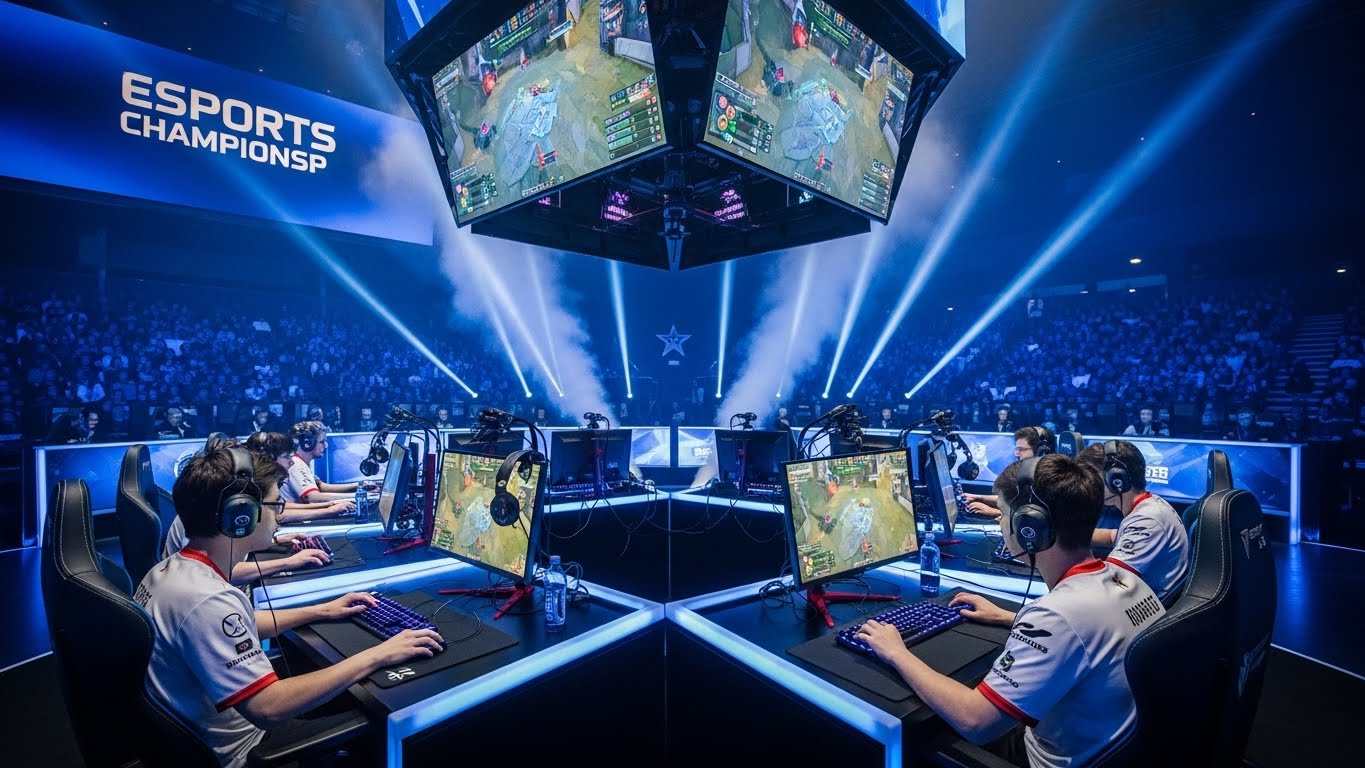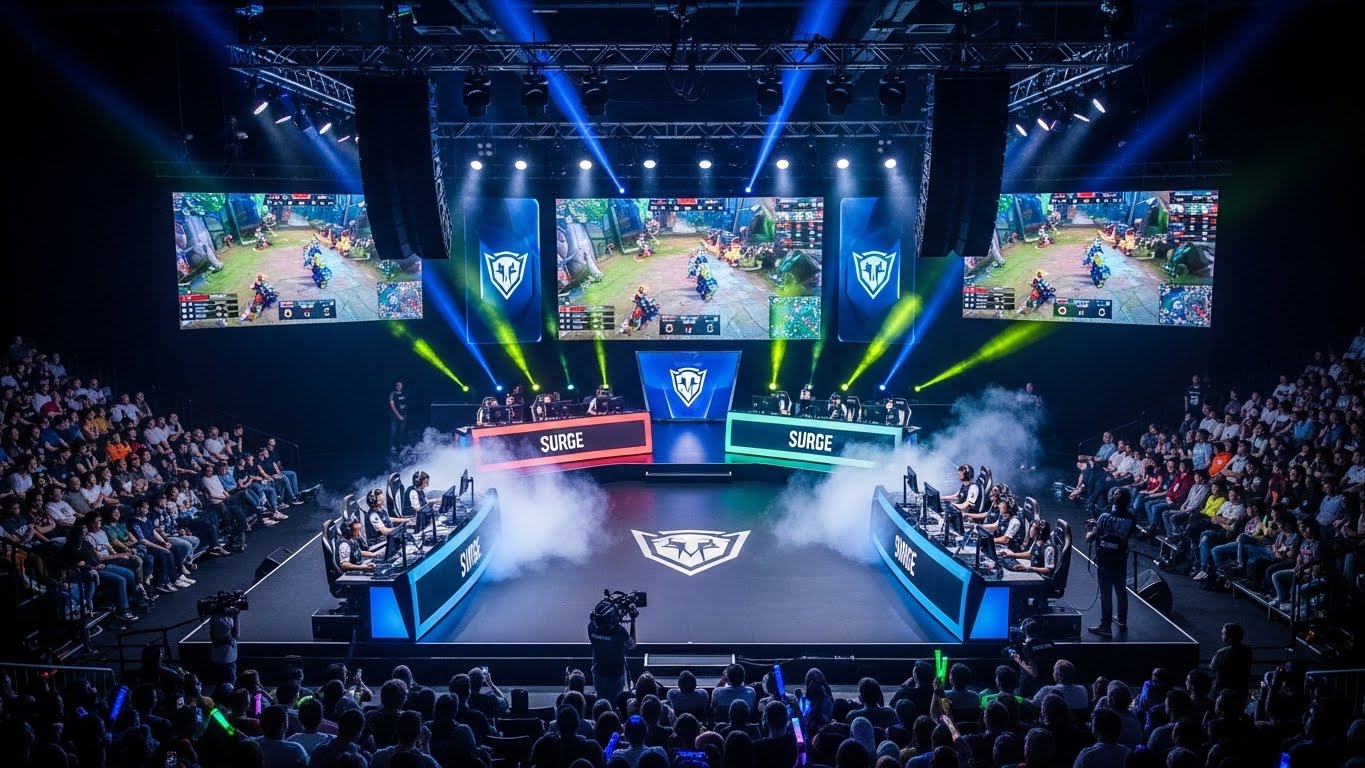

Esports, or electronic sports, has rapidly transformed from a casual pastime into a global phenomenon that commands millions of viewers and generates billions of dollars annually. What was once dismissed as mere gaming is now recognized as a serious form of competition, blending skill, strategy, and teamwork in ways comparable to traditional sports. This blog explores the rise of esports, its economic and social impact, career opportunities, challenges, and what the future may hold for this booming industry.
The Humble Beginnings of Esports
Esports traces its origins back to the 1970s and 1980s when video games started gaining popularity. Early competitions were informal, often held in arcades or at universities. Titles like “Space Invaders” and “Pac-Man” became the focus of high-score contests, attracting players who competed for bragging rights or small prizes.
The 1990s brought a revolution with multiplayer PC games such as “Quake,” “Warcraft,” and “StarCraft,” which allowed gamers to connect over local networks and the emerging internet. These games laid the foundation for structured tournaments and professional competition. South Korea, in particular, became a hub for professional gaming, with players achieving celebrity status and earning substantial incomes through competitions.
The Explosion of Modern Esports
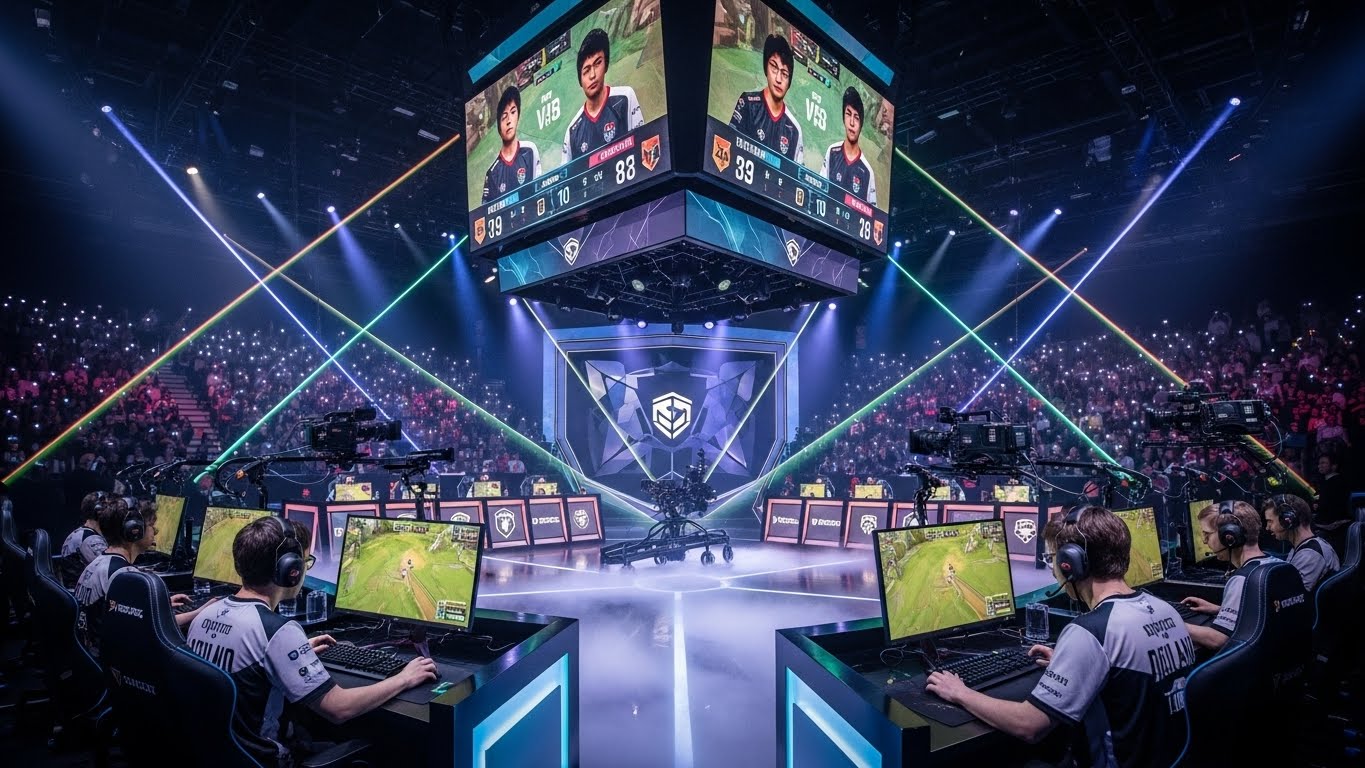
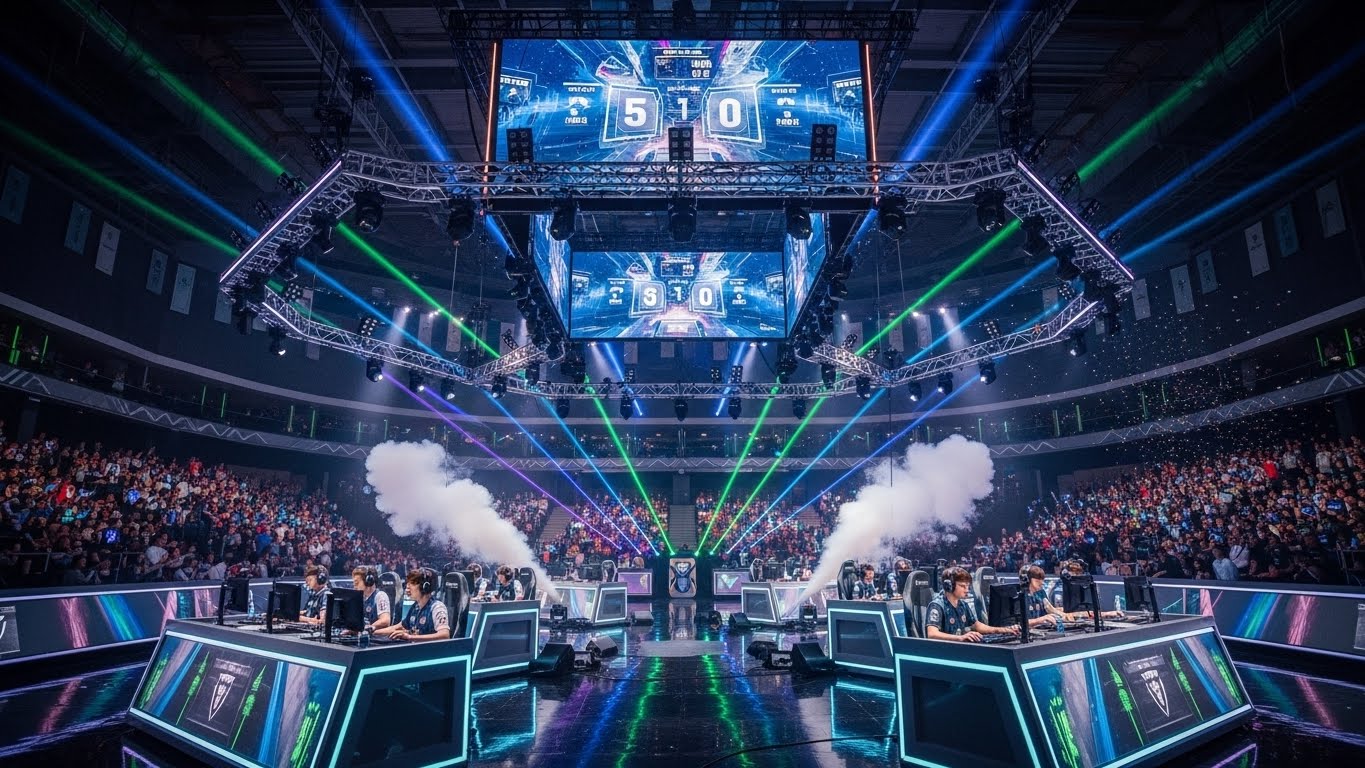
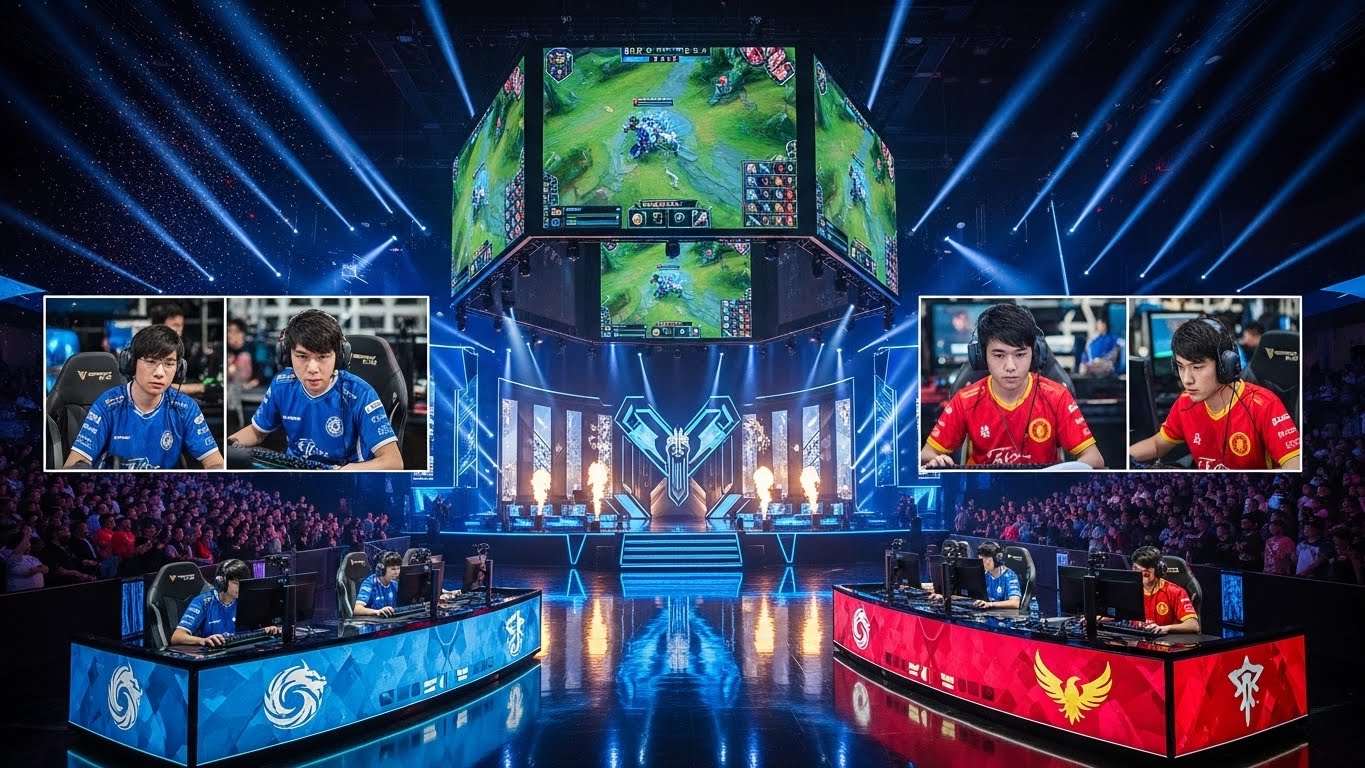
The past decade has witnessed an unprecedented surge in the popularity of esports. Games such as “League of Legends,” “Dota 2,” and “Counter-Strike: Global Offensive” have cultivated massive player bases and fan followings. Major tournaments now rival traditional sports events, filling stadiums and drawing millions of online viewers worldwide.
Streaming platforms have been a catalyst for this growth. Services like Twitch and YouTube Gaming allow players to broadcast their gameplay in real time, connecting with audiences across the globe. This has transformed esports into a spectator-driven industry, where fans can watch their favorite players, learn strategies, and interact with content creators, all from the comfort of their homes.
The Economics Behind Esports
Esports has evolved into a multi-billion-dollar industry. Revenue streams come from sponsorships, media rights, merchandise, and ticket sales. Brands across sectors, from technology to consumer goods, recognize the marketing potential of esports, especially among younger demographics who engage more with digital content than traditional media.
Prize pools for major tournaments are astronomical. For example, some international championships feature prize money exceeding tens of millions of dollars. Beyond prize money, professional players earn salaries, bonuses, and sponsorship deals, making esports a legitimate career path. Additionally, esports organizations operate like traditional sports franchises, complete with management teams, marketing departments, and dedicated training facilities.
Career Opportunities in Esports
Esports offers diverse career opportunities beyond being a professional gamer. Players undergo rigorous training schedules, often dedicating six to ten hours a day to practice. They work closely with coaches and analysts, study strategies, and maintain physical and mental fitness.
Beyond players, the esports ecosystem includes content creators, commentators, event organizers, marketing specialists, and analysts. Universities are now offering scholarships for esports athletes, and specialized academies provide training for aspiring professionals. This professionalization has solidified esports as a viable career choice, challenging outdated notions that gaming is unproductive or purely recreational.
Esports and Its Social Impact
Esports has had a profound social impact by building global communities around competitive gaming. Players and fans connect across borders, sharing strategies, forming teams, and cultivating friendships. Online platforms such as forums and social media channels facilitate these interactions, creating vibrant communities united by a passion for gaming.
The inclusive nature of esports is also notable. Unlike physical sports, competitive gaming is accessible regardless of physical ability, age, or geographic location. This inclusivity has broadened participation and allowed individuals who might be excluded from traditional sports to compete at the highest levels. Additionally, esports encourages collaboration, strategic thinking, and communication skills, which are valuable beyond the gaming world.
The Challenges Facing Esports
Despite its rapid growth, esports faces several challenges. Player burnout is a major concern due to demanding training schedules, high-stress environments, and intense competition. Many professional gamers retire in their early twenties as a result of physical and mental strain.
The lack of standardized regulations is another hurdle. Unlike traditional sports leagues, esports operates in a fragmented ecosystem with varying rules and contractual practices. This can lead to disputes over player rights, cheating, or tournament management. Addressing these issues will be critical to ensure ethical practices and long-term sustainability.
Perception is also a barrier. Critics often question whether esports qualifies as a “real sport” due to its lack of physical exertion. Overcoming these misconceptions requires educating the public about the skill, strategy, and dedication involved in competitive gaming.
Technology Driving the Future of Esports
The future of esports is intertwined with technological advancements. Virtual reality and augmented reality have the potential to revolutionize gameplay and spectator experiences. Imagine watching a live tournament in 360-degree immersive VR or players training in fully interactive virtual environments. Such innovations could make esports even more engaging for both participants and audiences.
Artificial intelligence and analytics are also becoming integral to esports. Teams use advanced data to develop strategies, track performance, and improve decision-making. This integration of technology enhances competitiveness and highlights the intellectual depth of professional gaming.
Global Reach and Cultural Influence
Esports has become a truly global phenomenon. Asia, particularly South Korea and China, remains a dominant force, with professional leagues, extensive infrastructure, and government support. North America and Europe have rapidly grown as esports hubs, hosting major tournaments and cultivating local talent.
The international nature of esports fosters cultural exchange and mutual respect among players and fans. Competitions bring together individuals from different backgrounds, showcasing diverse strategies and teamwork approaches. This global connectivity has helped esports transcend regional boundaries and establish a worldwide cultural impact.
The Role of Women in Esports
Historically, esports has been male-dominated, but female participation is growing. Women are increasingly making their mark as professional players, commentators, and content creators. Organizations and tournaments are actively promoting gender diversity, creating opportunities for women to compete at the highest levels.
Inclusion and representation are essential for the growth of esports. Encouraging female participation not only broadens the talent pool but also fosters a more inclusive community that reflects the diversity of the global gaming audience.
The Future Landscape of Esports
The trajectory of esports points toward continued expansion and innovation. Educational institutions are likely to develop more structured esports programs, helping identify and nurture talent from an early age. Collaborations with traditional sports leagues, music, and entertainment industries could create new cross-industry opportunities.
Moreover, as technology evolves, esports will continue to offer immersive experiences for players and fans alike. From advanced analytics to virtual and augmented reality, the next generation of esports could redefine what it means to compete and spectate.
Conclusion: Esports as a Transformative Force
Esports has grown far beyond casual gaming into a transformative cultural, social, and economic force. It has redefined competition, challenged traditional notions of athleticism, and created new career opportunities. With technological innovation, global expansion, and increasing mainstream recognition, esports is poised to become an even more significant part of global entertainment and sports culture.
The journey of esports from arcade competitions to international stadiums illustrates how digital innovation can reshape entire industries. It is not merely a game; it is a revolution in entertainment, community, and professional achievement. The future of esports promises continued growth, inclusivity, and excitement for players, fans, and industry stakeholders alike.