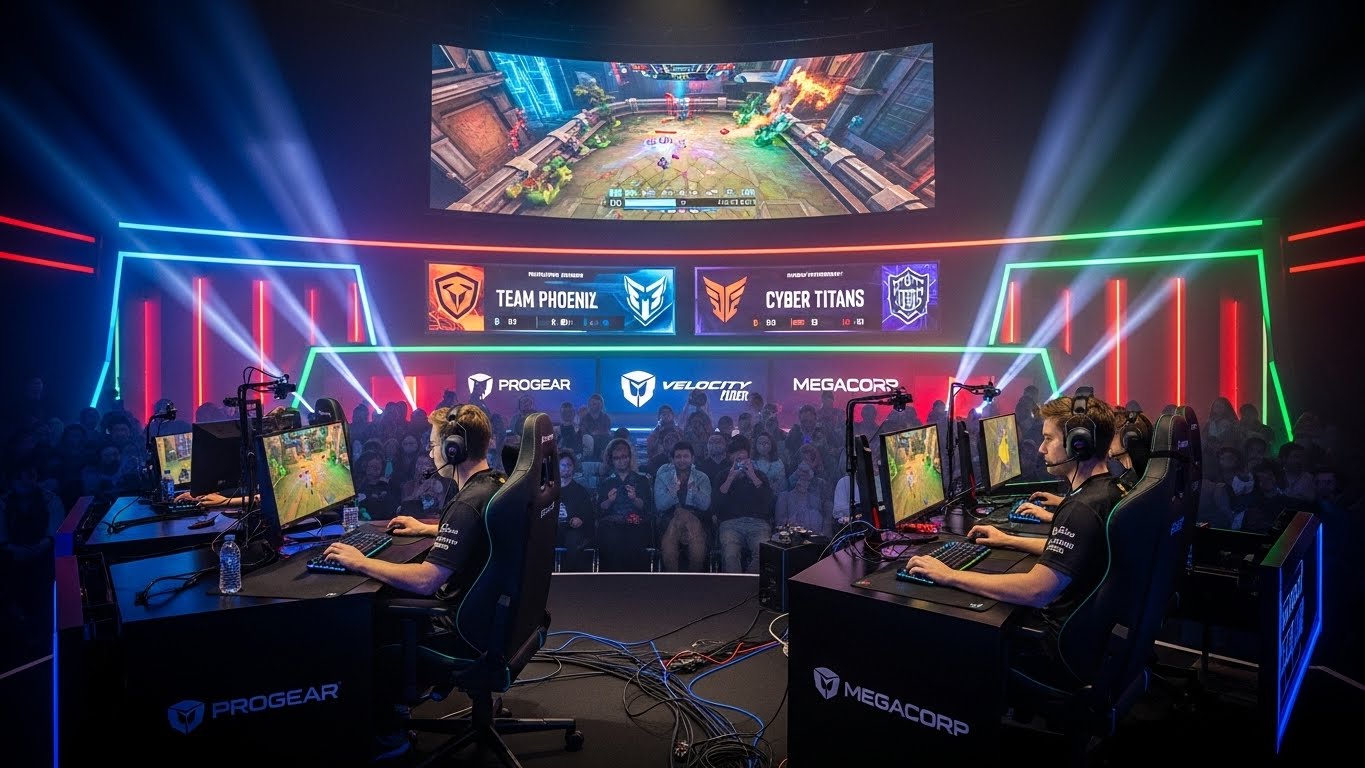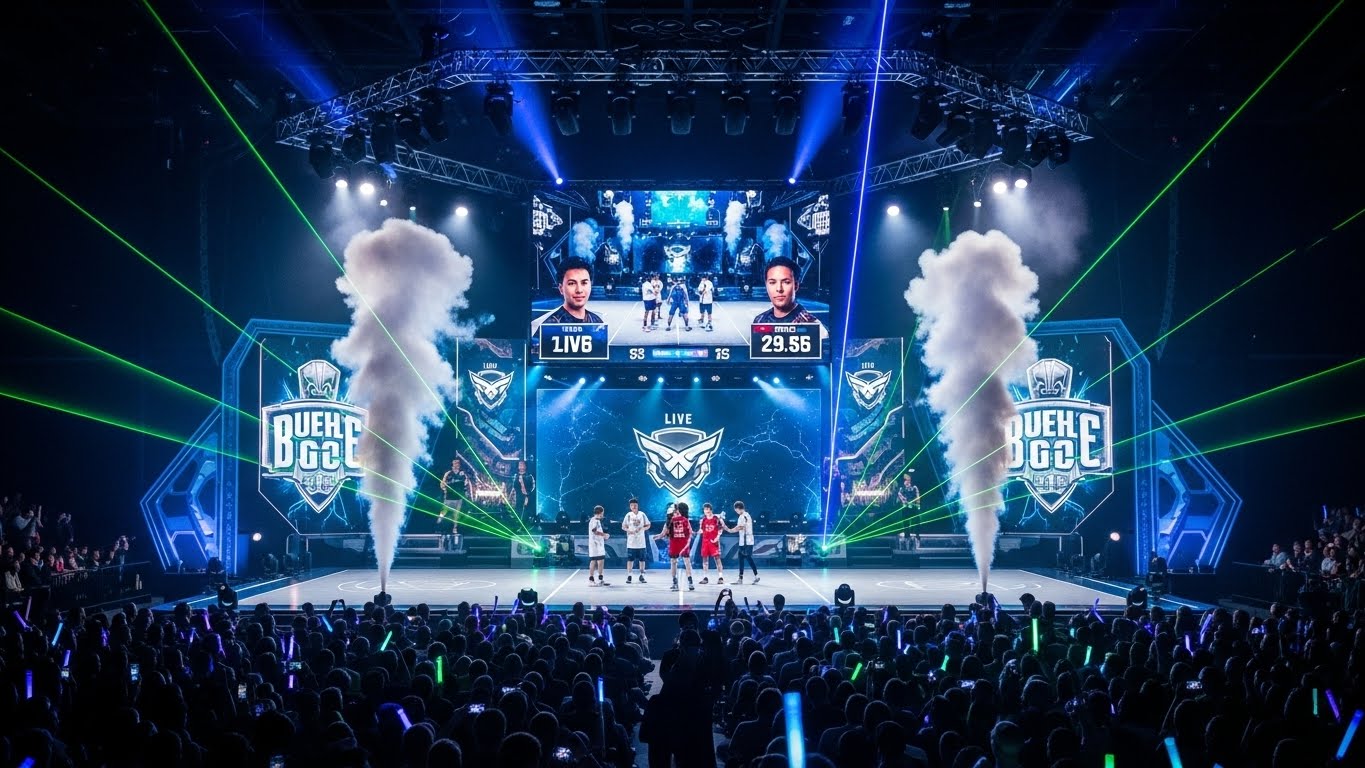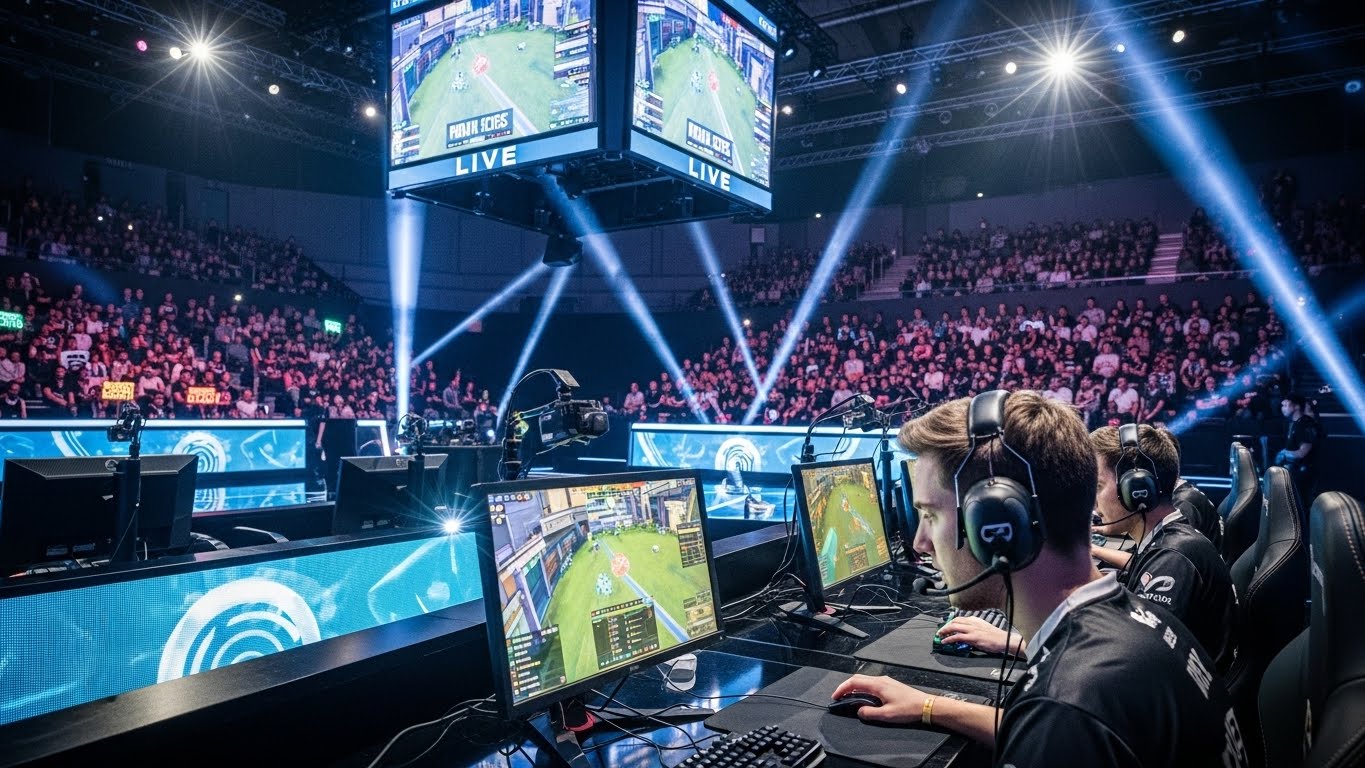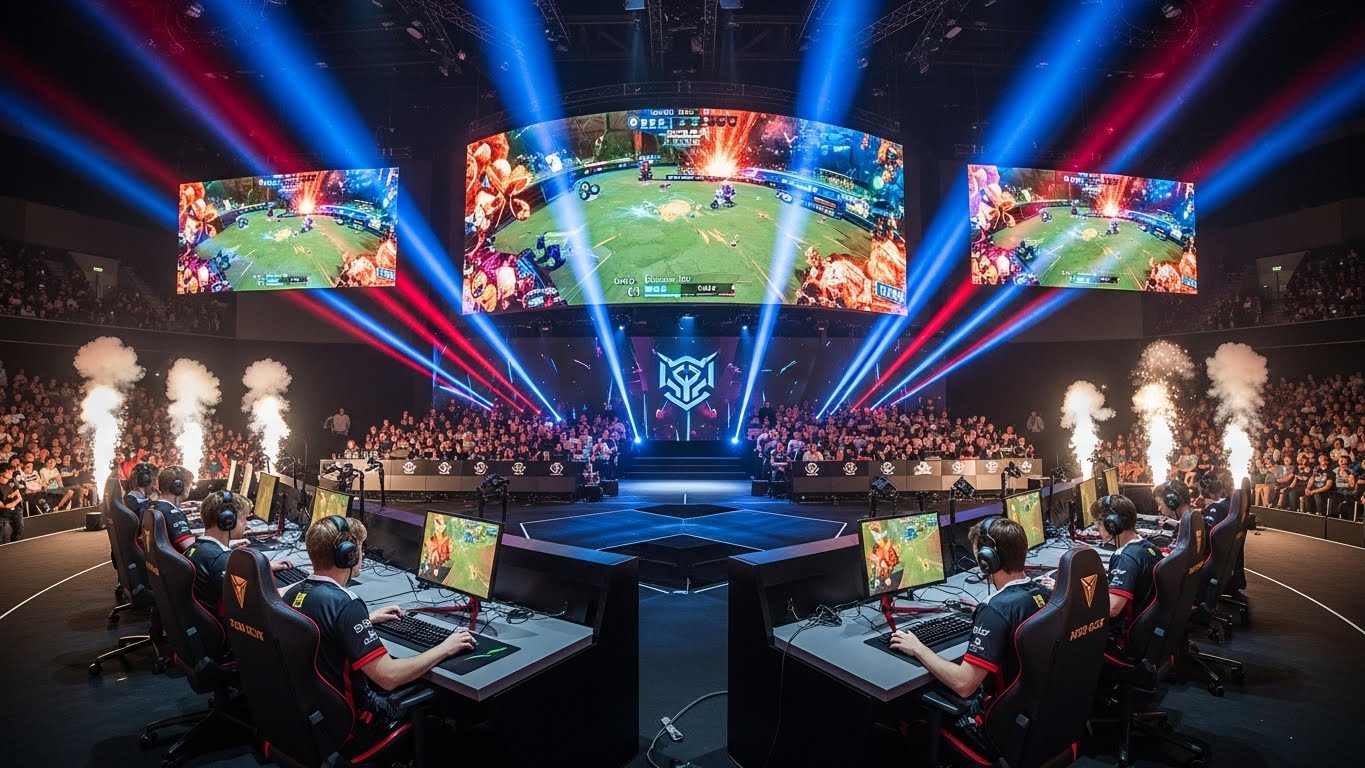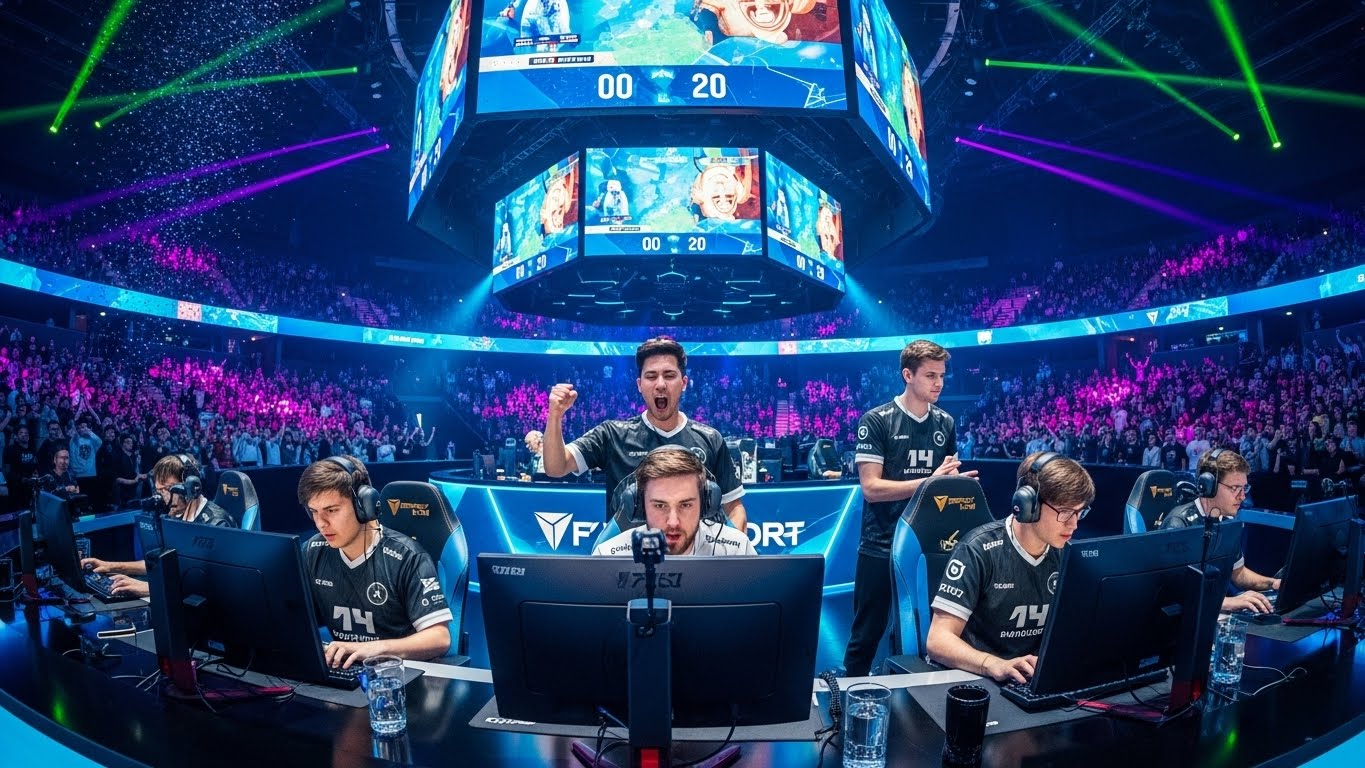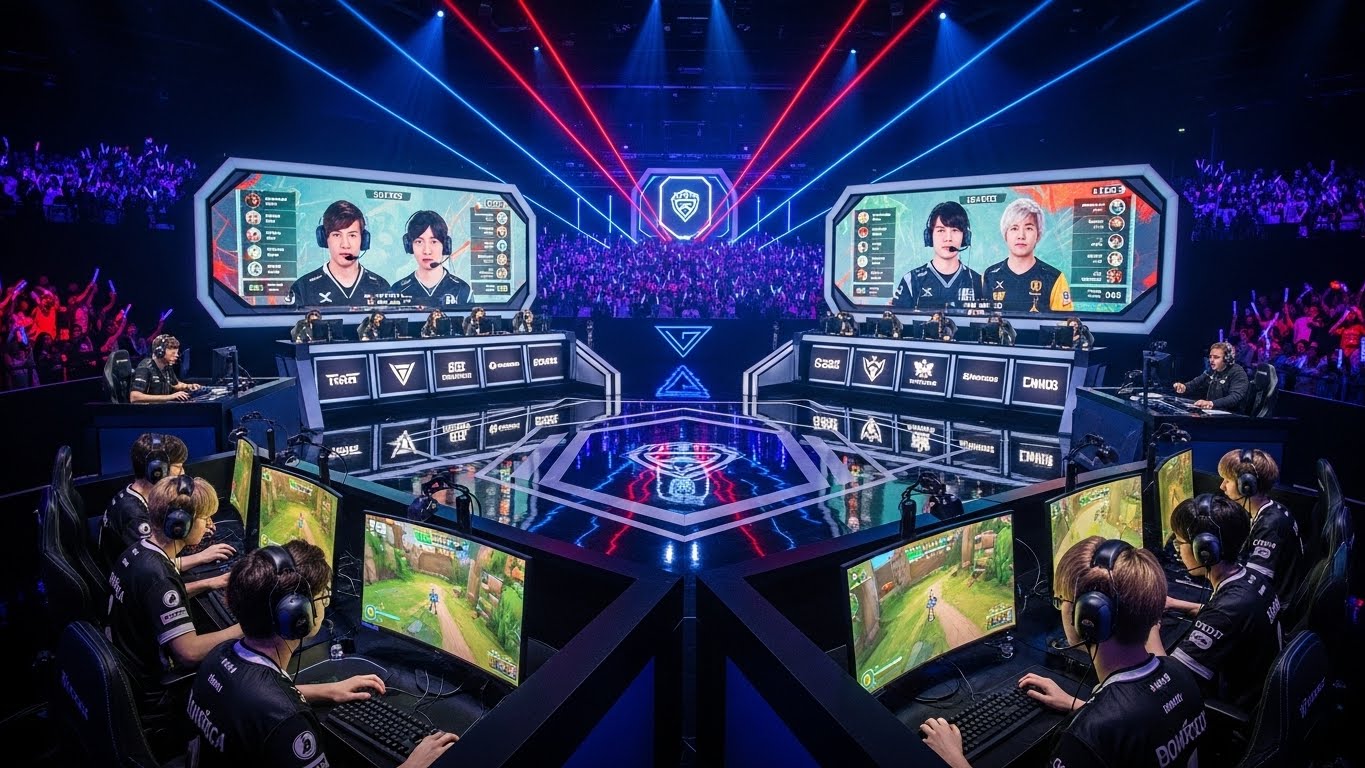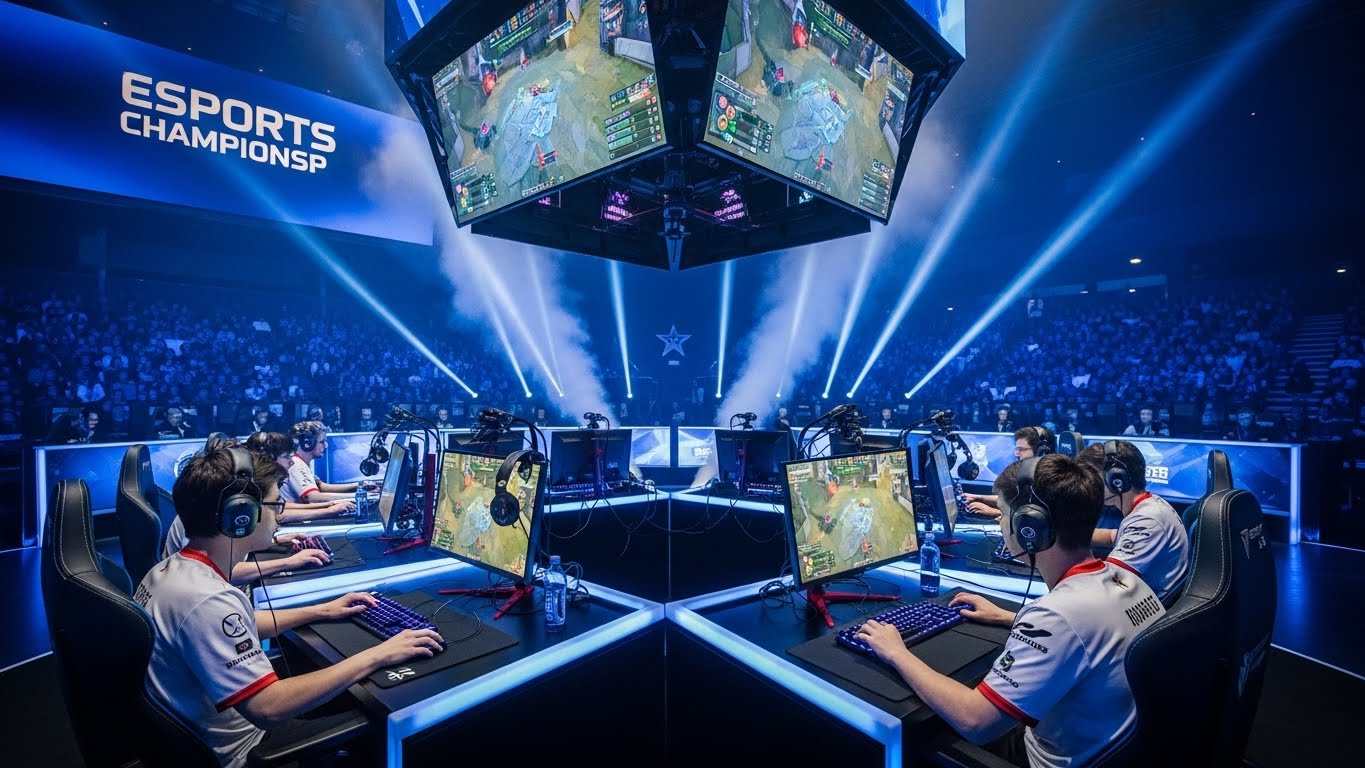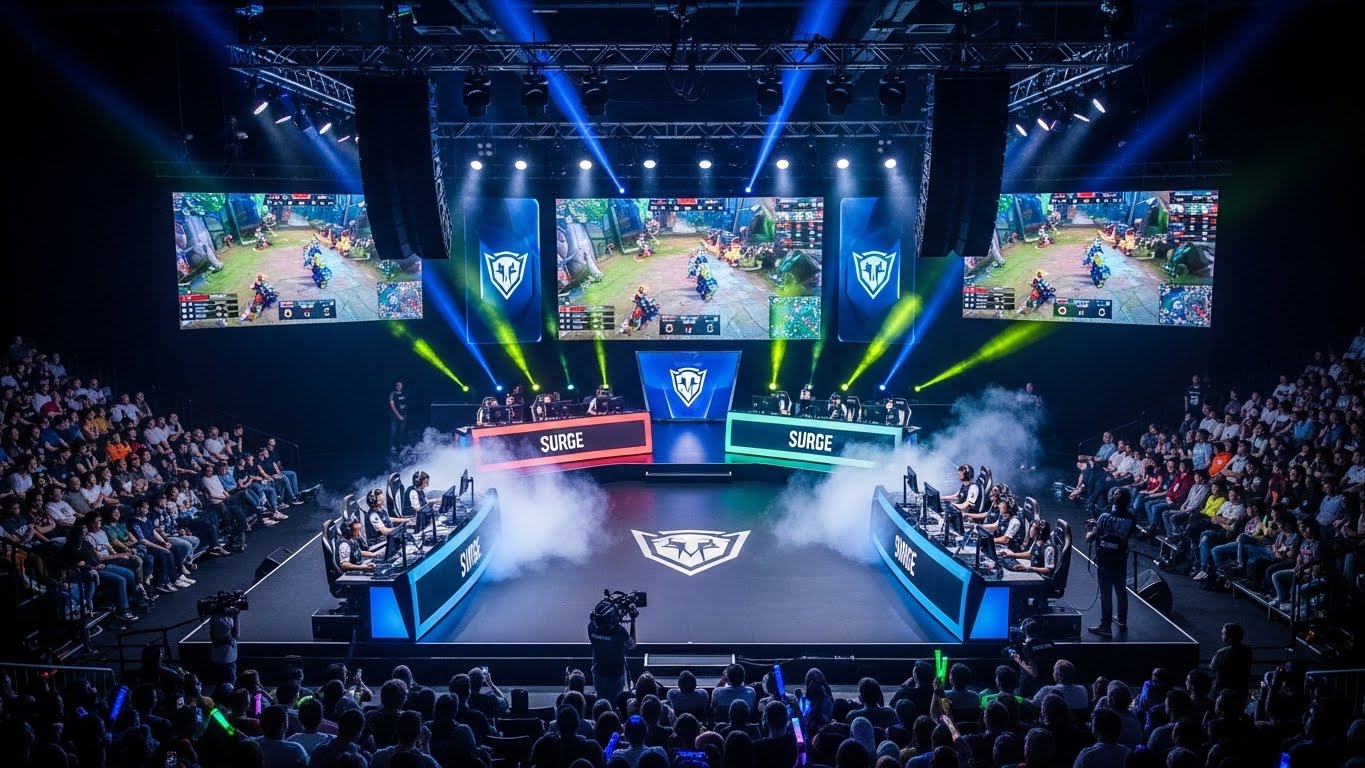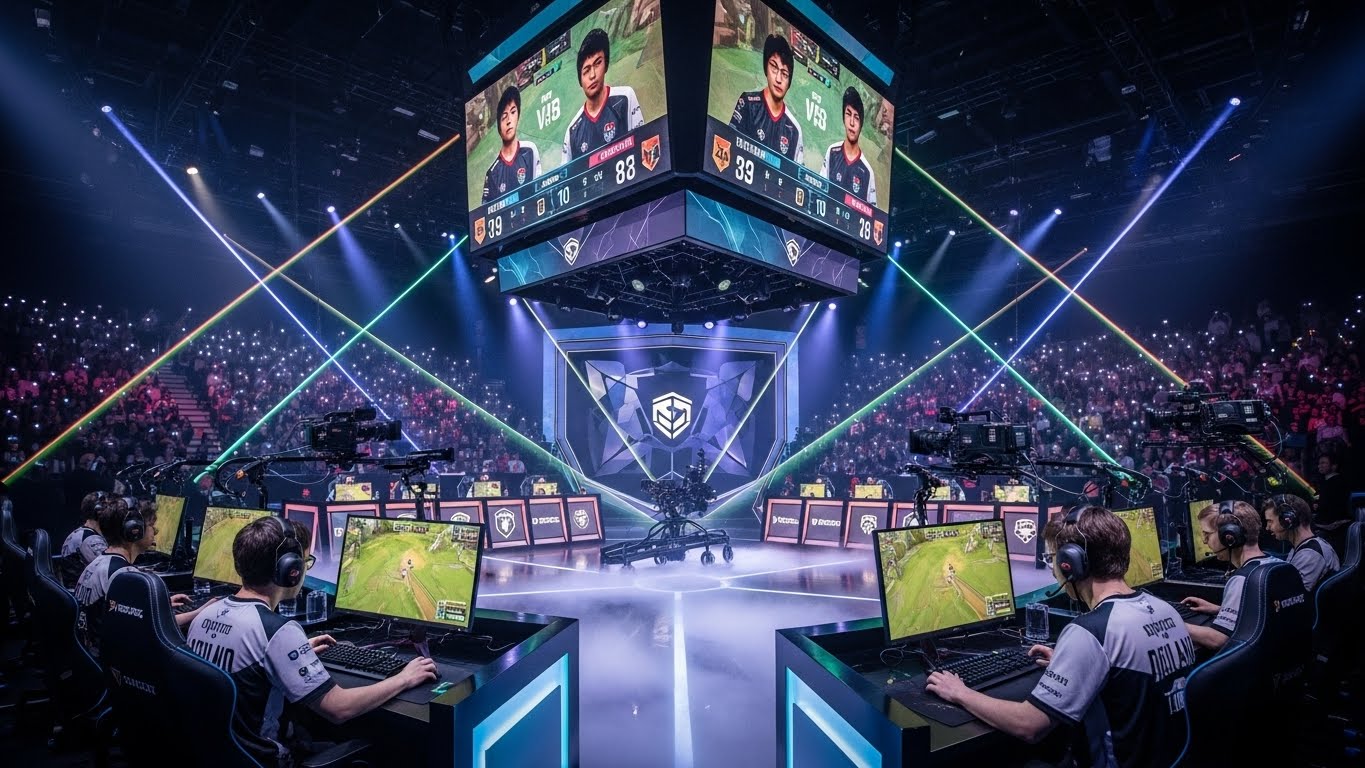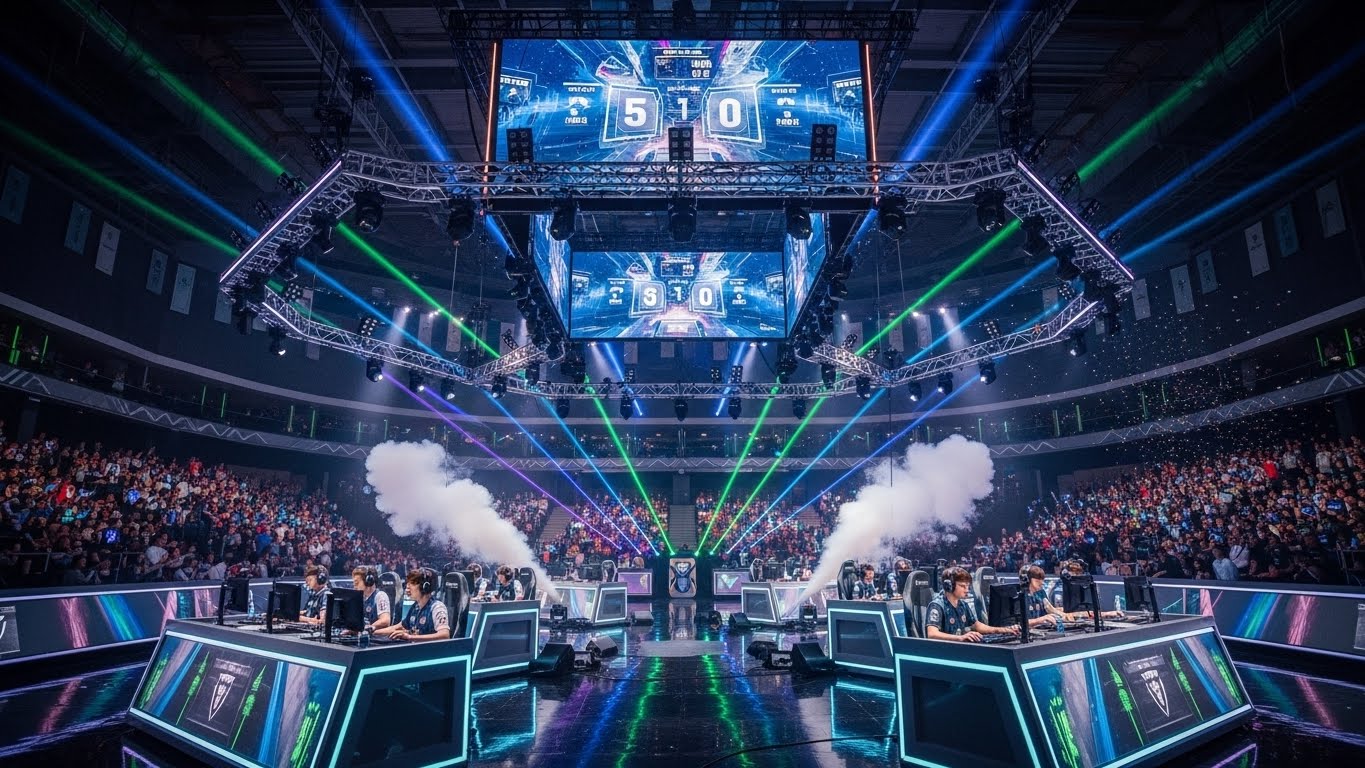

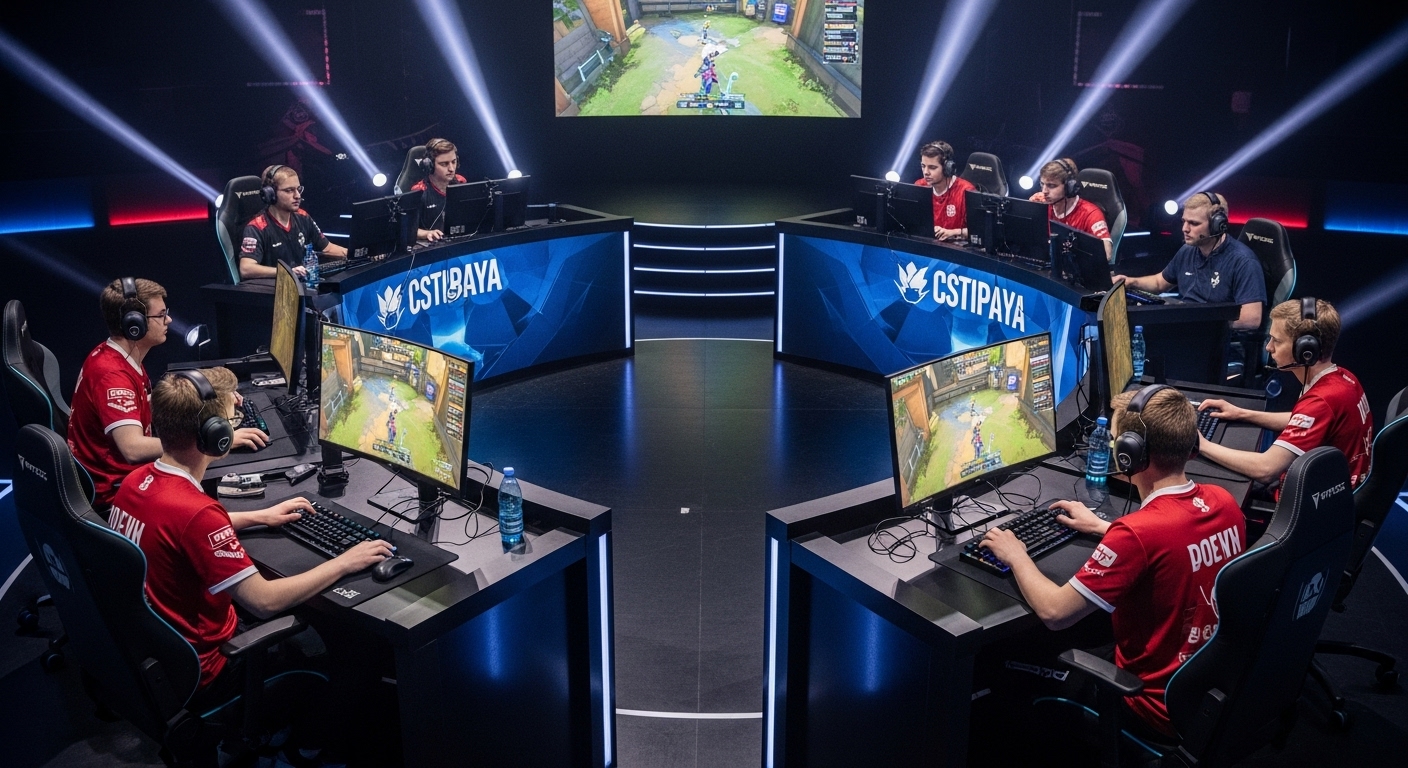
In recent years, the world of gaming has transcended its roots as a hobby for enthusiasts to become a global industry in its own right. What started as a niche pastime is now a billion-dollar enterprise, thanks to the rise of esports. Competitive gaming, or esports, has captured the attention of millions, with tournaments attracting massive audiences both online and in stadiums. But beyond the flashing lights and roaring crowds, esports is much more than just a form of entertainment. It has become a cultural force, impacting the gaming community, the entertainment industry, and even the way we view competition itself. In this blog post, we’ll explore the rise of esports, its impact on gaming culture, and its future in the digital age.
The Growth of Esports: From Hobby to Global Industry
The journey of esports from a niche community to a global phenomenon has been nothing short of remarkable. What began in the 1990s with small tournaments and LAN parties has now blossomed into a multi-billion-dollar industry. Professional esports organizations, streaming platforms, and sponsors have turned competitive gaming into a highly lucrative business. Major titles like “League of Legends,” “Dota 2,” “Counter-Strike: Global Offensive,” and “Fortnite” regularly feature prize pools that can reach into the millions of dollars, attracting top-tier players from around the world.
Streaming platforms like Twitch and YouTube have played a crucial role in the rise of esports. These platforms allow fans to watch live competitions, follow their favorite players, and even engage with the community in real-time. The accessibility of esports through online streaming has contributed to its growing popularity, enabling players and fans to connect globally and participate in the excitement from anywhere with an internet connection.
The Esports Ecosystem: Teams, Tournaments, and Sponsorships
Esports has developed a rich ecosystem, with professional teams, coaches, analysts, and content creators all contributing to its success. Much like traditional sports, esports organizations operate with a similar structure, where players are recruited for their skill, trained to compete at the highest levels, and supported by management teams who handle logistics, sponsorships, and media relations.
Top-tier teams often compete in global leagues, such as the Overwatch League or the League of Legends Championship Series (LCS). These leagues bring together some of the best players in the world to face off for massive prize pools and the chance to claim the title of world champion. Tournaments like “The International” (Dota 2’s annual competition) and “Worlds” (the League of Legends World Championship) draw massive viewership, rivaling the audience of major traditional sports events.
Sponsorships are a key component of the esports ecosystem. Just as professional sports teams have corporate sponsors, esports teams and tournaments attract major brands looking to tap into the gaming audience. Companies from a range of industries, including technology, energy drinks, and even fashion, are partnering with esports organizations to enhance their visibility and appeal to the younger, tech-savvy demographic.
The Culture of Esports: Community, Fandom, and Identity
At its core, esports is more than just a competition—it’s a community. The esports ecosystem has created a strong sense of identity among gamers and fans alike. Whether it’s supporting a favorite player, following a beloved team, or cheering on an underdog during a high-stakes tournament, the sense of community is what keeps fans engaged. Esports events foster a unique blend of fandom and camaraderie, much like traditional sports, where spectators feel a deep connection to their teams and players.
The growth of esports has also led to the emergence of esports-specific content creators. Streamers and influencers who showcase their gameplay or analyze matches have become stars in their own right. Players like Tyler “Ninja” Blevins, who made a name for himself through his “Fortnite” streams, have transcended the gaming world and entered the mainstream, collaborating with brands and appearing in commercials. These influencers shape the culture of esports, guiding trends, providing commentary, and building a loyal fanbase around their personalities.
Esports and Education: The Rise of Academic Programs
Esports has begun to make its mark in education as well. Many universities now offer scholarships for competitive gamers and even host their own esports teams and tournaments. Schools are recognizing the potential of esports to help students build skills in teamwork, strategic thinking, and problem-solving, which are valuable both in gaming and in real-world careers.
Academic institutions are increasingly offering specialized programs in esports management, where students can learn about the business side of the industry, including event planning, marketing, broadcasting, and sponsorship management. These programs prepare students for a wide range of careers, whether they are interested in becoming professional players, coaches, analysts, or business professionals in the esports industry. The growth of esports within academia is solidifying its status as a legitimate career path and an important cultural phenomenon.
The Future of Esports: Challenges and Opportunities
As esports continues to grow, it faces a range of challenges and opportunities that will shape its future. One of the biggest challenges is sustainability. While esports organizations are thriving, maintaining their success requires careful financial management, long-term planning, and the continued growth of the fanbase. The volatility of certain game titles—where a game’s popularity can fluctuate dramatically—also presents risks for teams and organizations dependent on a specific game.
Another challenge is the evolving nature of esports’ global landscape. While games like “League of Legends” and “Dota 2” have maintained their dominance, new games emerge all the time, leading to shifts in the competitive scene. Additionally, the question of player health—both mental and physical—has gained attention. As esports athletes are often required to train for long hours, managing the stress and strain of competitive gaming has become a key issue. The industry will need to address these concerns to ensure the well-being of players, while also building structures to support sustainable careers.
Despite these challenges, the future of esports is full of potential. With advancements in technology—such as virtual reality (VR) and augmented reality (AR)—esports could reach entirely new dimensions, creating even more immersive and interactive experiences for players and fans. The continued integration of esports into mainstream media, whether through broadcast deals or major sponsorships, will expand its reach, making esports a fixture in entertainment worldwide.
Conclusion: A New Era of Competitive Entertainment
Esports has come a long way from its humble beginnings in the gaming community. What started as a hobby has evolved into a massive global industry, attracting millions of fans, creating new career opportunities, and reshaping the way we think about competitive entertainment. With its ever-growing influence, esports is no longer just a form of digital play—it’s a cultural movement that connects people around the world, offering a sense of community and identity.
As the industry continues to grow and innovate, it’s clear that esports is here to stay. Whether you’re a casual gamer, a professional player, or an enthusiastic fan, the digital arena will continue to evolve, shaping the future of gaming for generations to come.