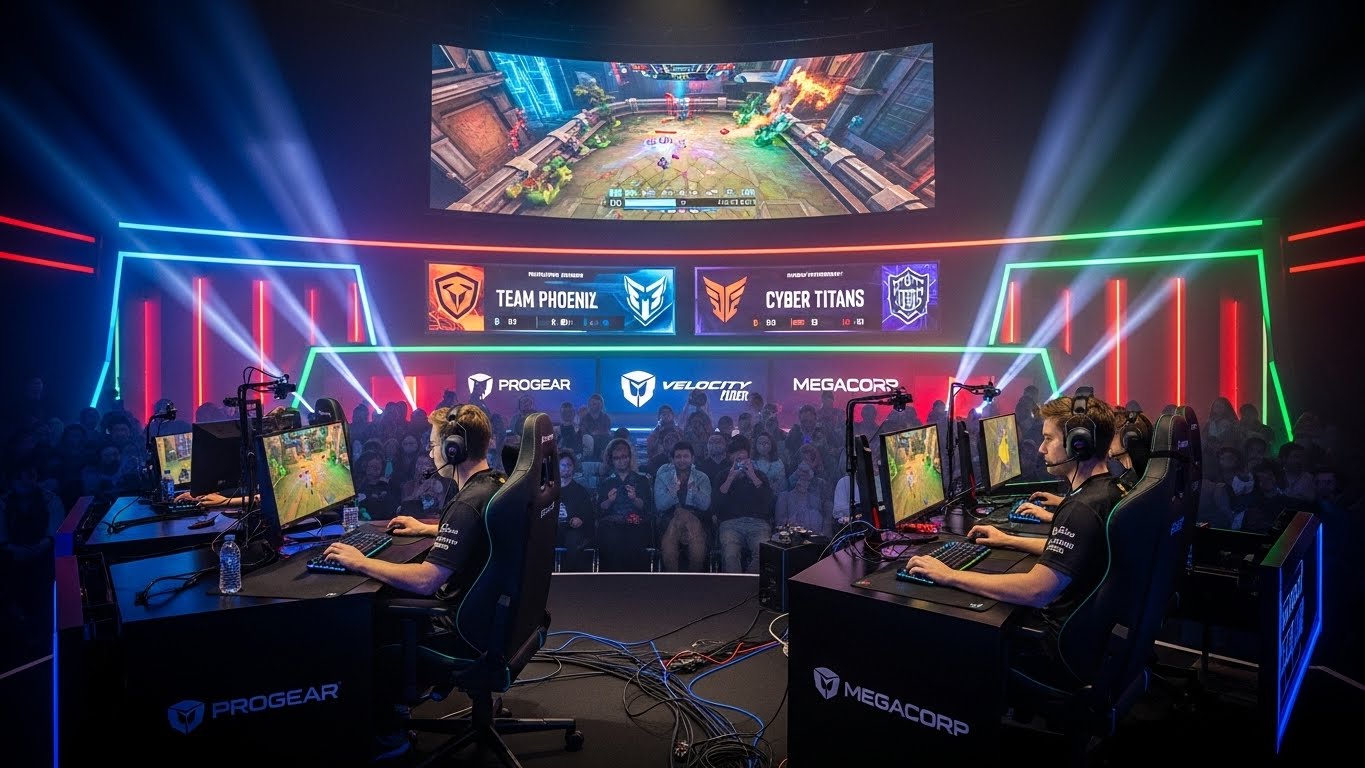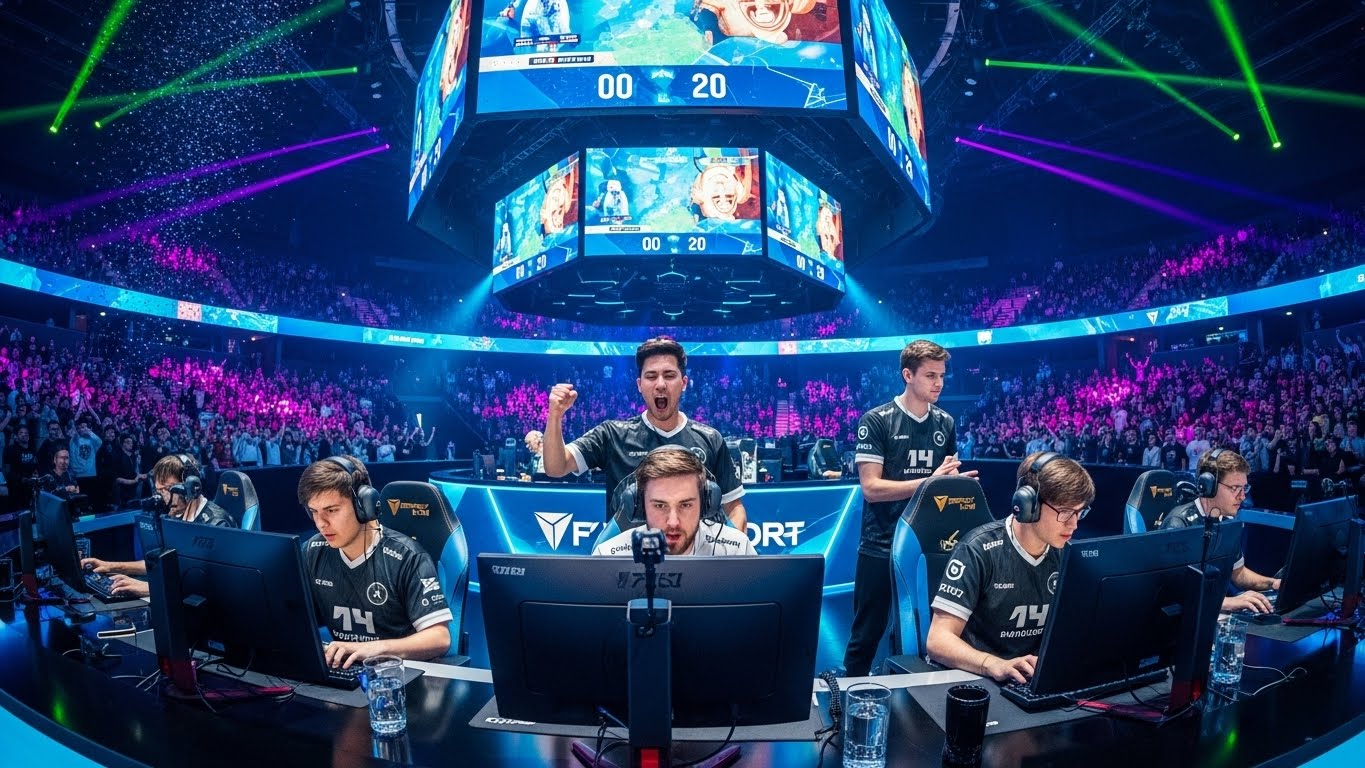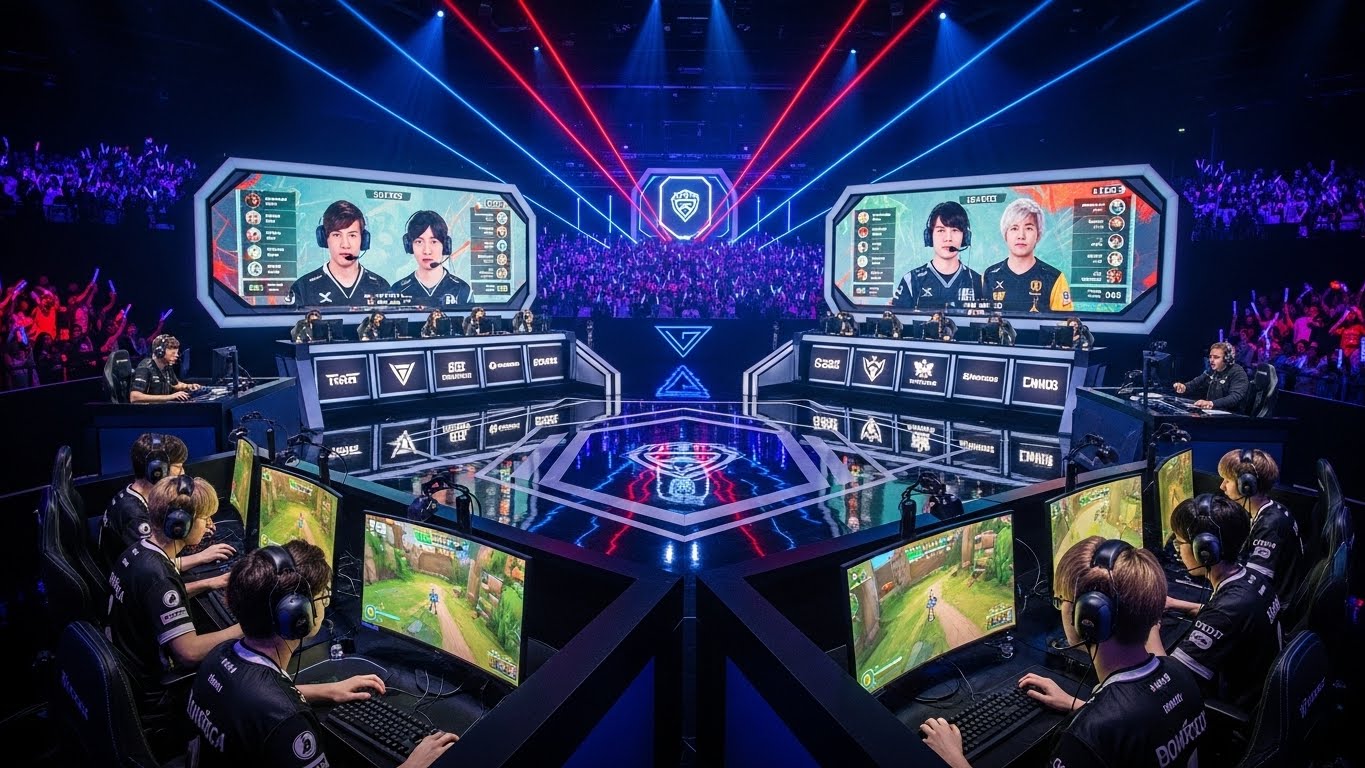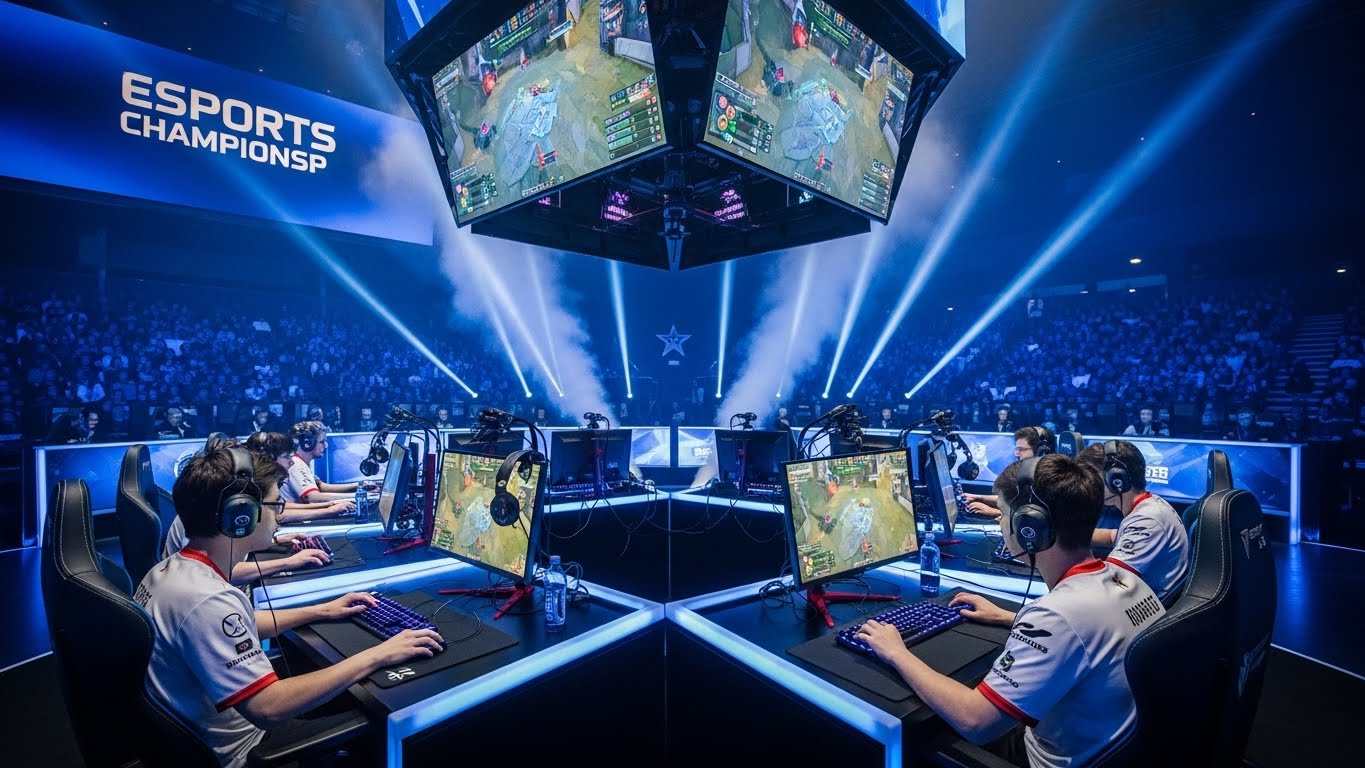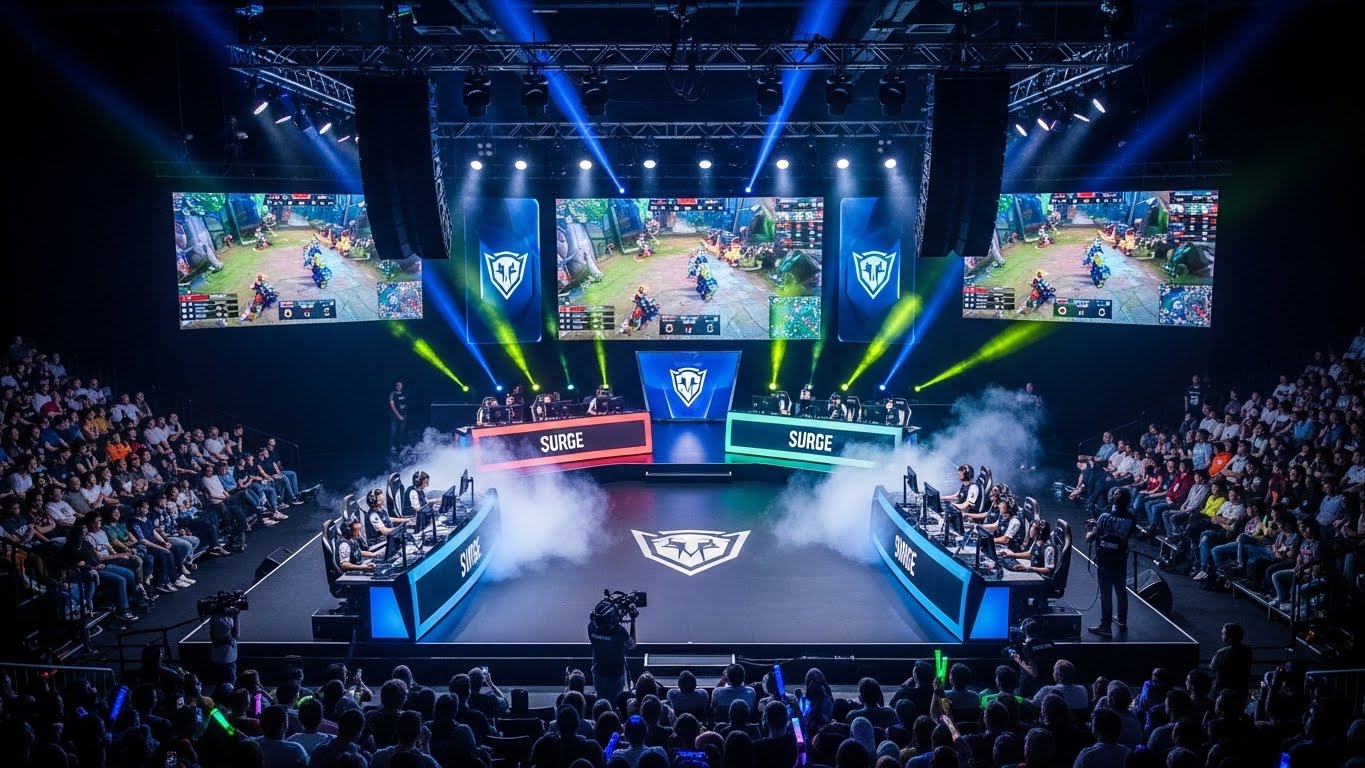

eSports has transformed the world of gaming from a casual hobby into a professional, global phenomenon. Millions of players, fans, and organizations now participate in and follow competitive gaming, making it one of the most influential sectors in digital entertainment. More than just games, eSports represents skill, strategy, and community in the modern era.
What is eSports?
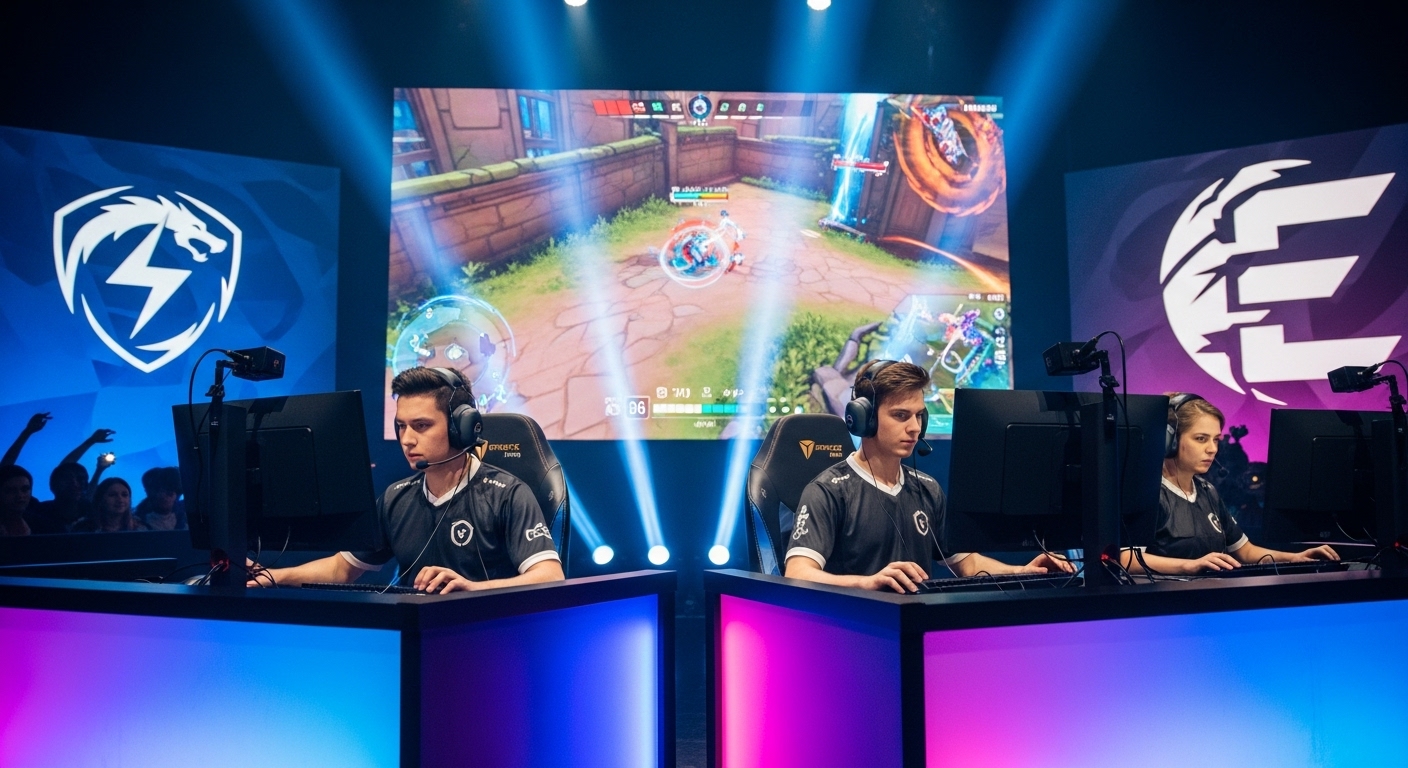
eSports, short for electronic sports, refers to organized, competitive video gaming. Individuals or teams compete in a variety of genres, including first-person shooters, strategy games, battle royales, and sports simulations. Professional eSports players practice rigorously, refine strategies, and collaborate with teammates to achieve victory, treating gaming with the same dedication as traditional sports.
The Evolution of Competitive Gaming
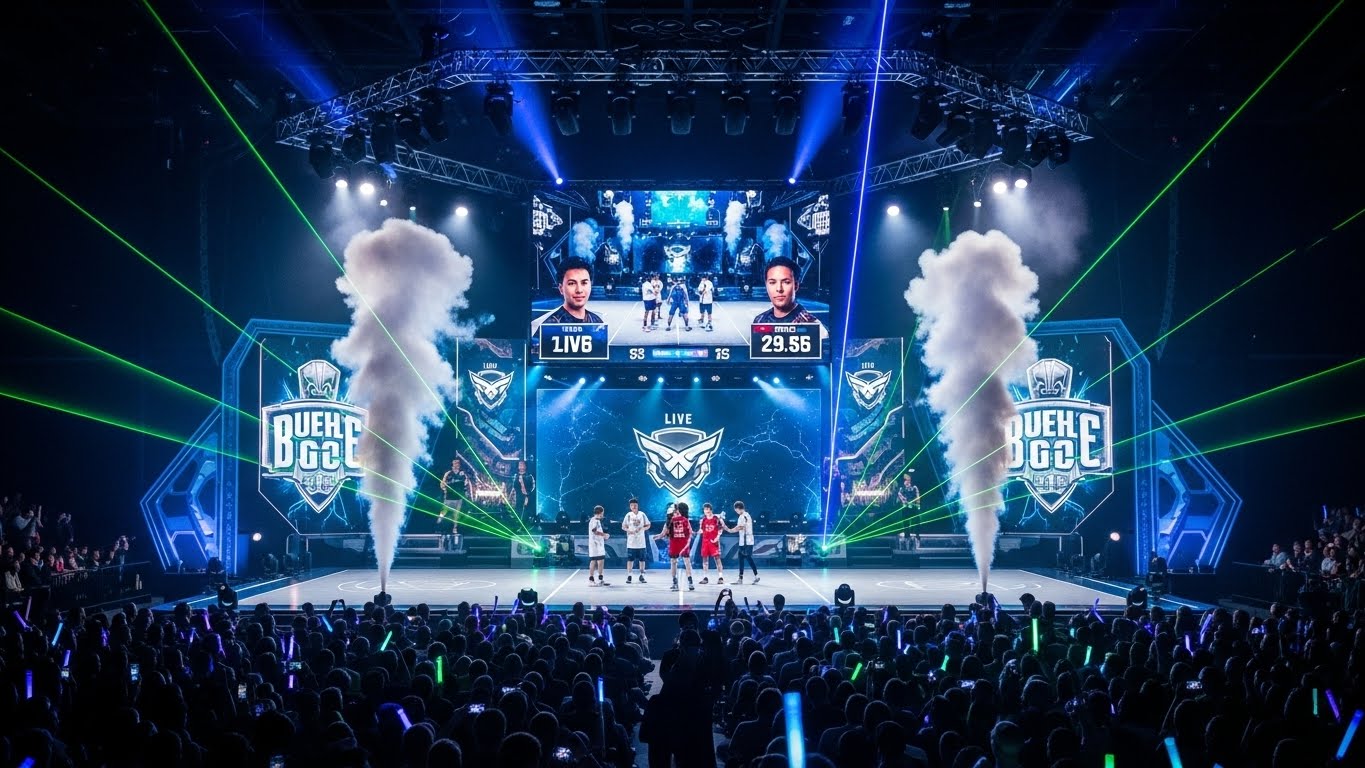
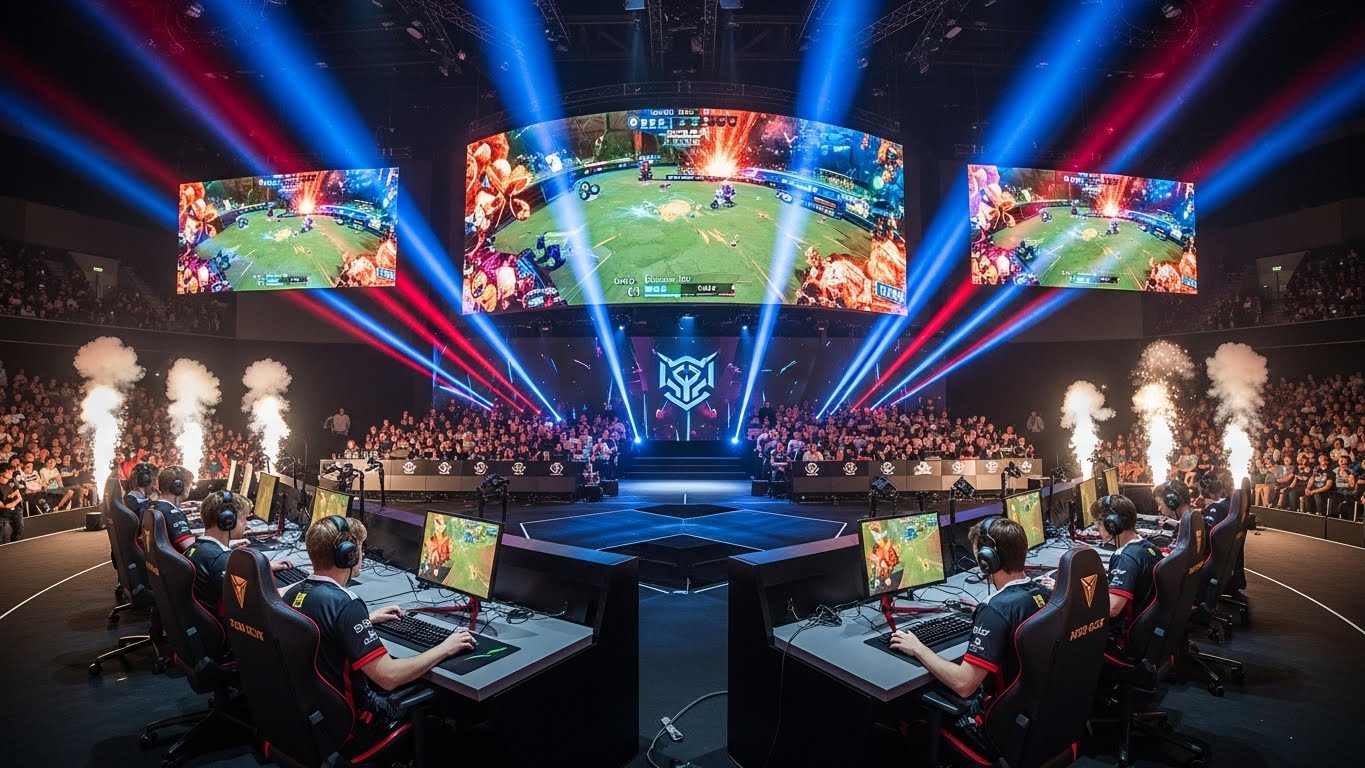
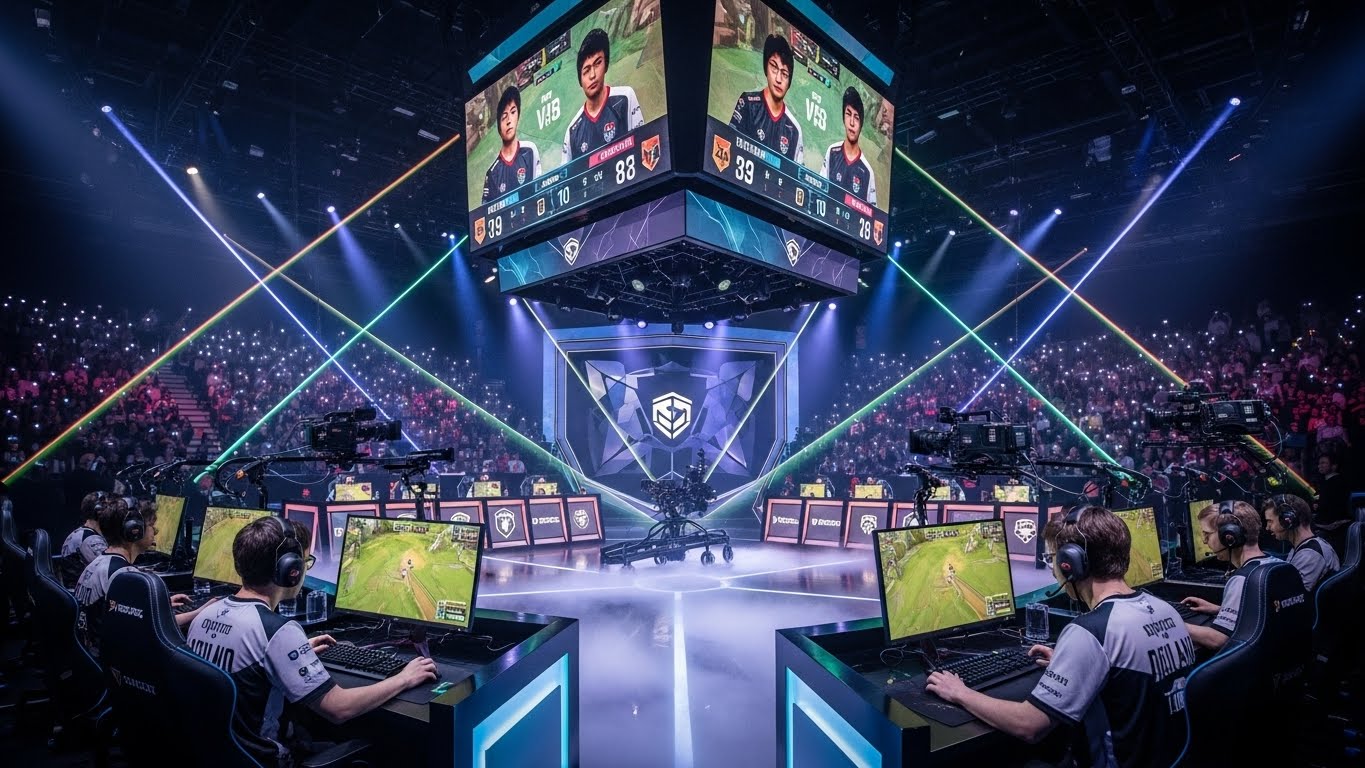
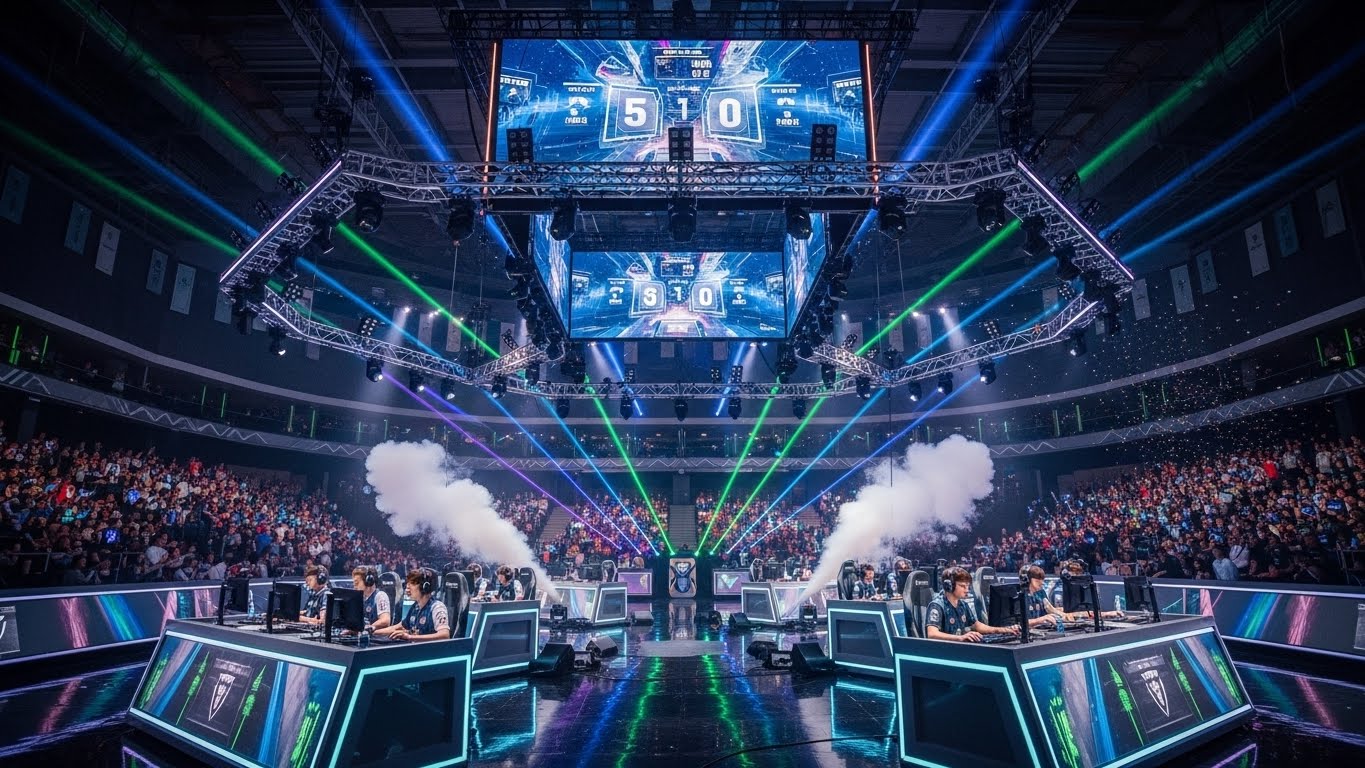
eSports has grown from small, local tournaments to global events with massive audiences. Live streams and online platforms allow fans from around the world to watch matches in real-time, while stadiums host competitions that rival traditional sports in excitement and energy. The rise of professional leagues and major prize pools has helped eSports gain mainstream recognition and legitimacy.
Skills and Dedication
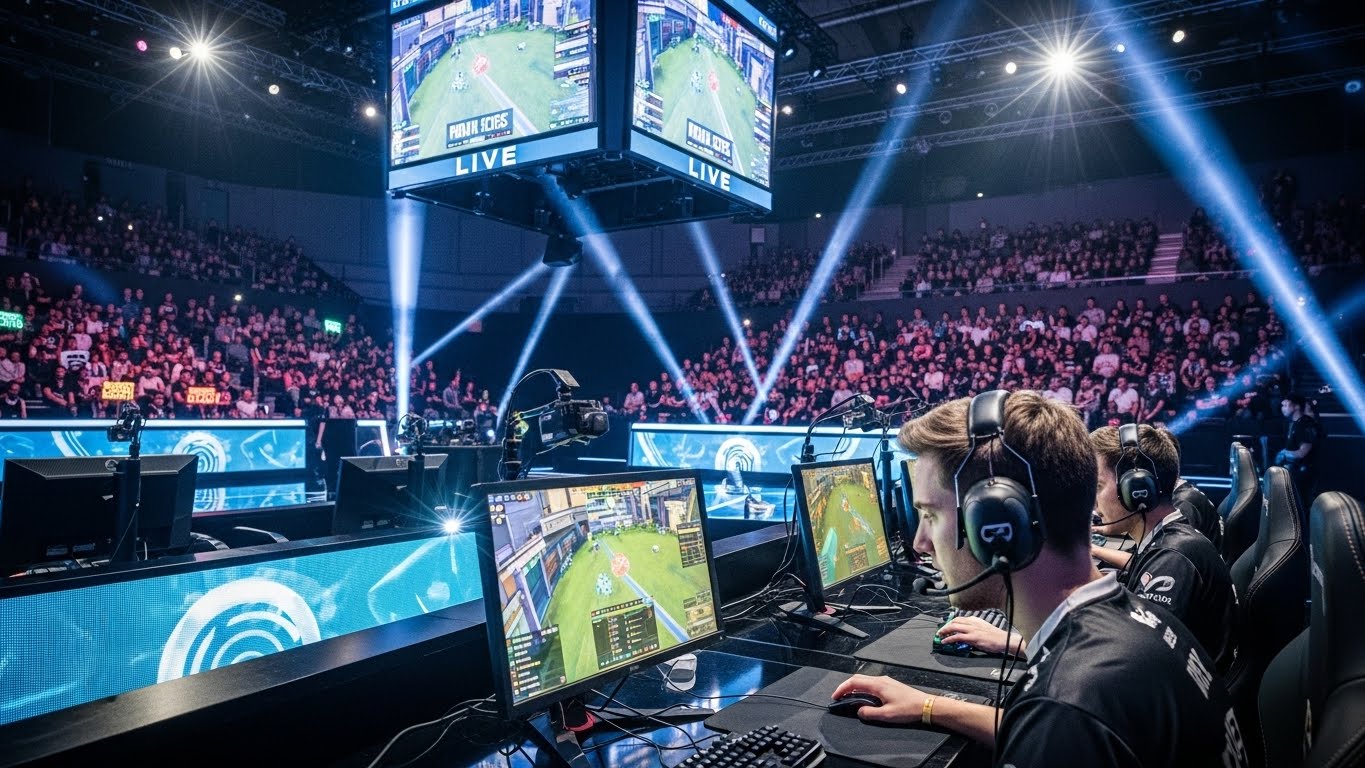
Success in eSports requires more than quick reflexes. Players must develop strategic thinking, communication, teamwork, and mental resilience. Long hours of practice, analyzing gameplay, and improving coordination are essential for peak performance. The combination of mental sharpness and precision demonstrates that eSports demands discipline and dedication comparable to any physical sport.
The Business of eSports
eSports has evolved into a multi-billion-dollar industry. Revenue streams include sponsorships, merchandise, media rights, and event tickets. Careers in eSports extend beyond players to include coaches, analysts, content creators, and event organizers. Educational institutions are also recognizing eSports, offering scholarships and programs that legitimize it as a professional path.
Community and Culture
At its core, eSports is about community. Players and fans connect globally through shared passion and competition. Multiplayer games and tournaments foster teamwork, collaboration, and interaction, while fan communities celebrate achievements and strategize together. eSports has created a culture that transcends geography, bringing people together through digital competition.
The Future of eSports
The future of eSports looks promising. Emerging technologies such as virtual reality, augmented reality, and improved streaming platforms are creating more immersive and interactive experiences. As the industry continues to grow, eSports will influence entertainment, education, and technology while opening new opportunities for players and fans worldwide.
Conclusion
eSports is more than just competitive gaming—it is a movement that combines skill, strategy, and community. It inspires millions of players, connects fans across the globe, and continues to push the boundaries of digital entertainment. As eSports grows, it will remain a defining force in modern competition and culture, showing that the world of gaming has limitless potential.