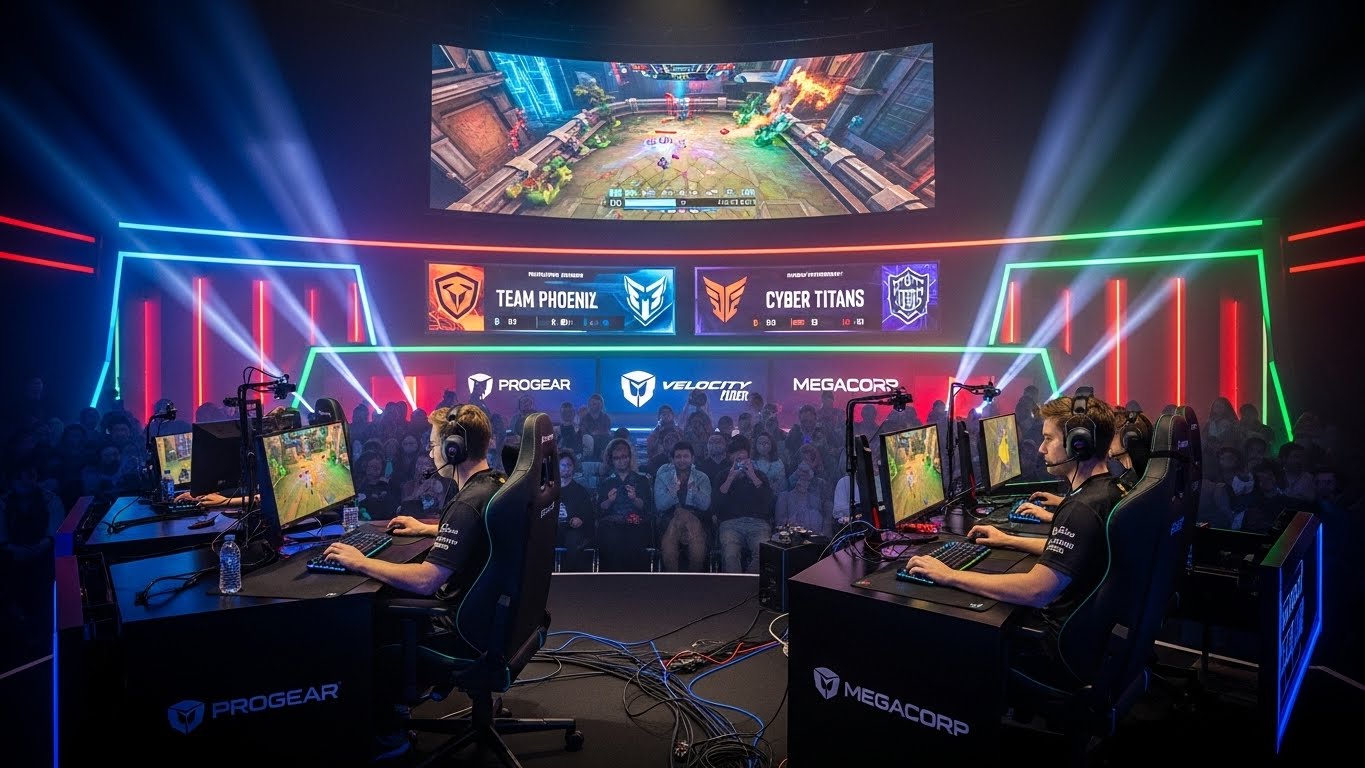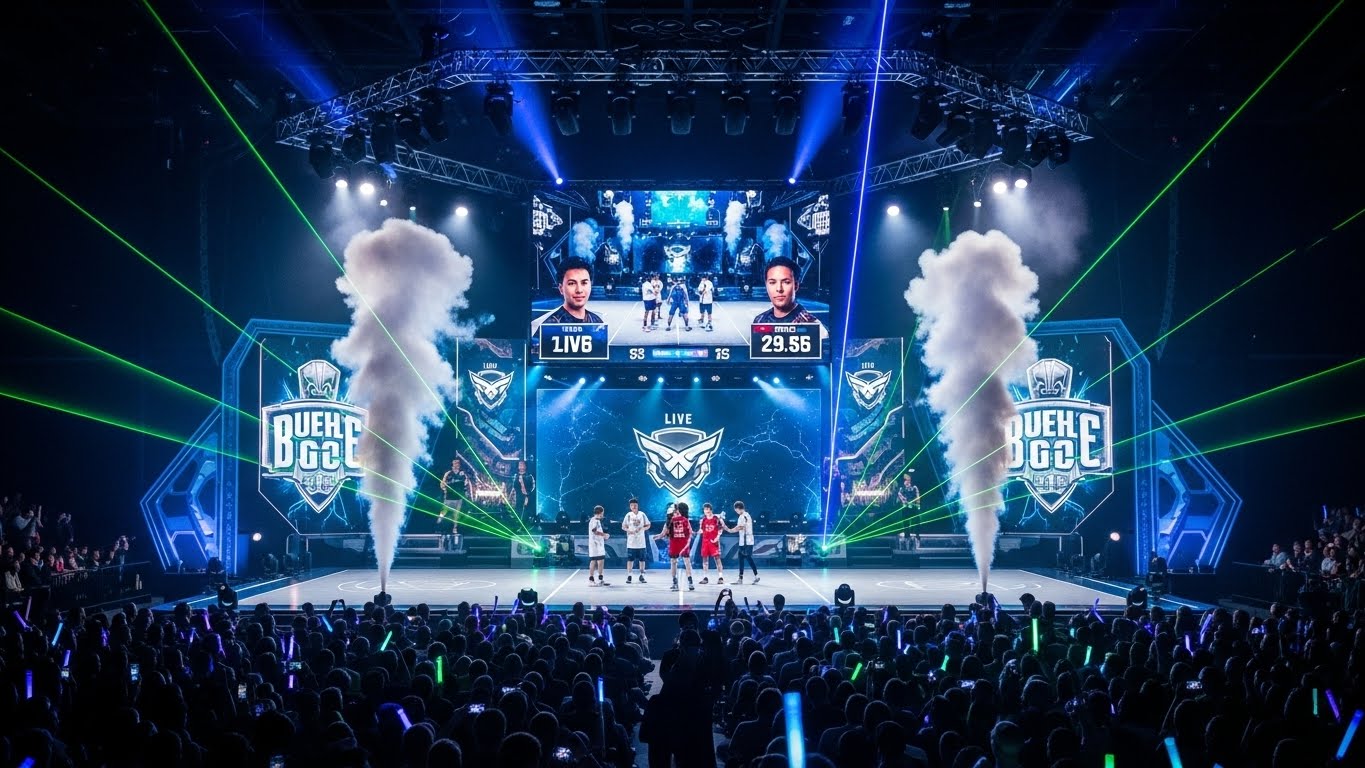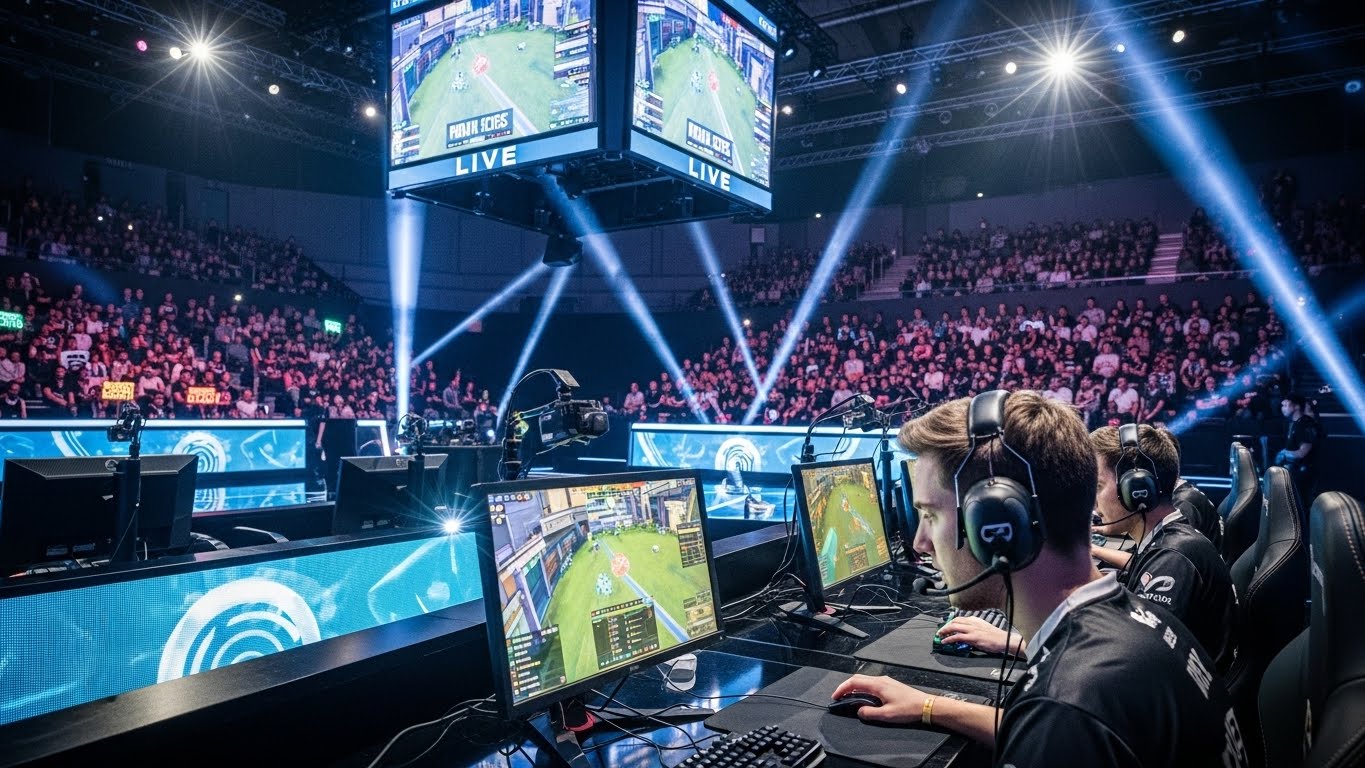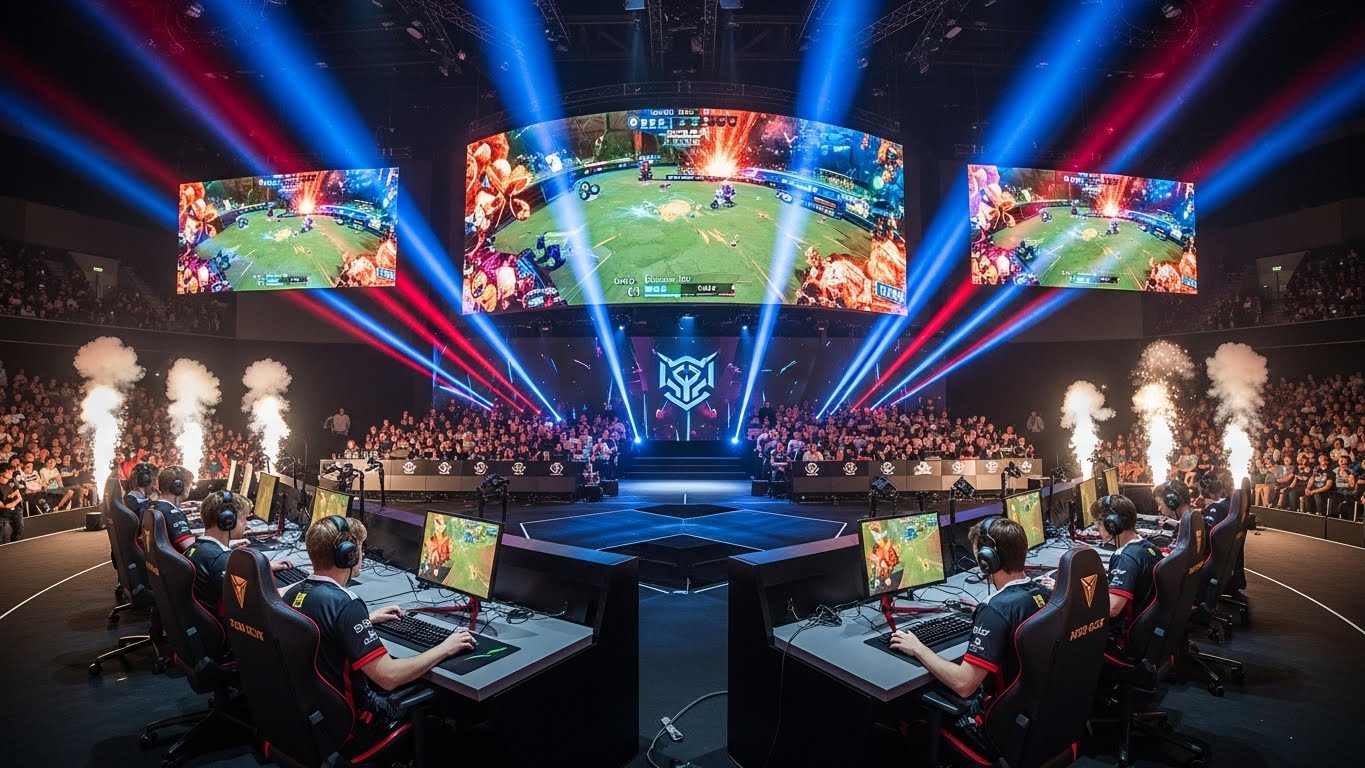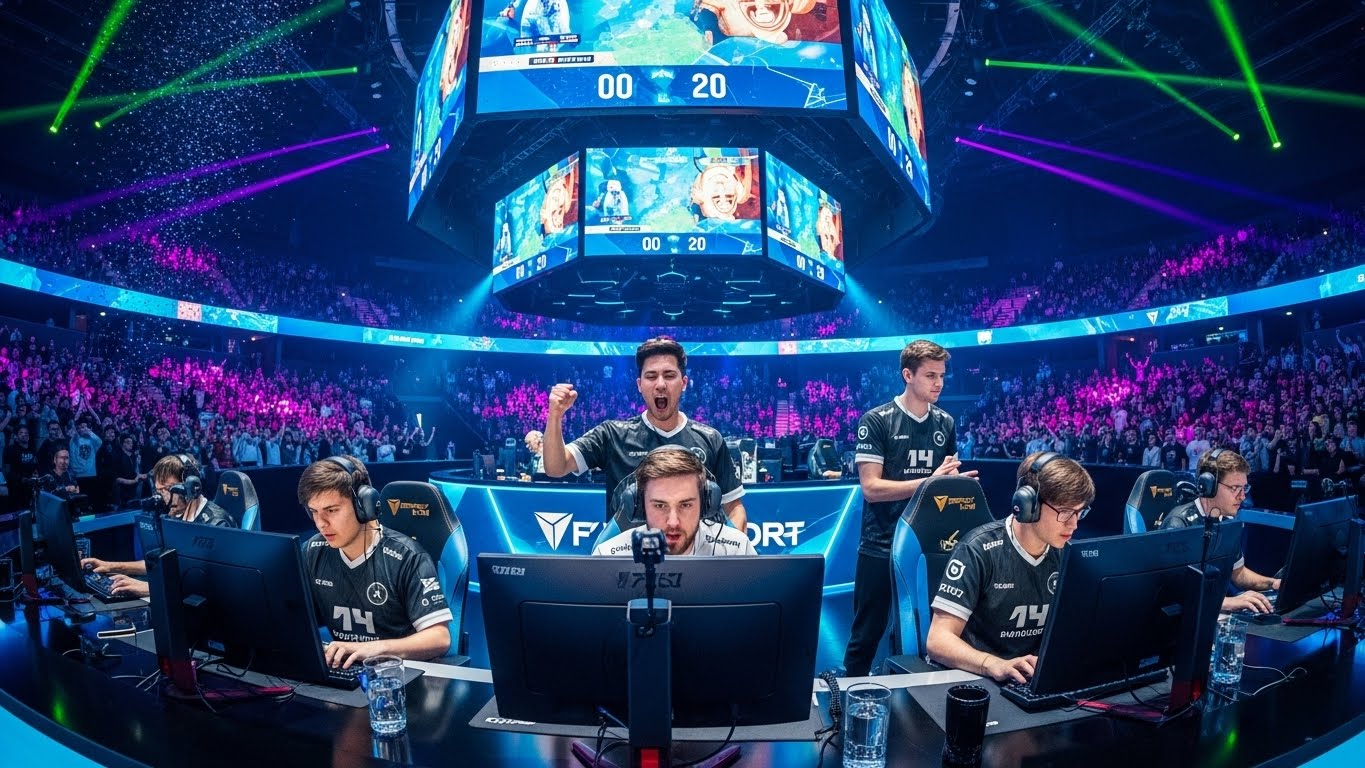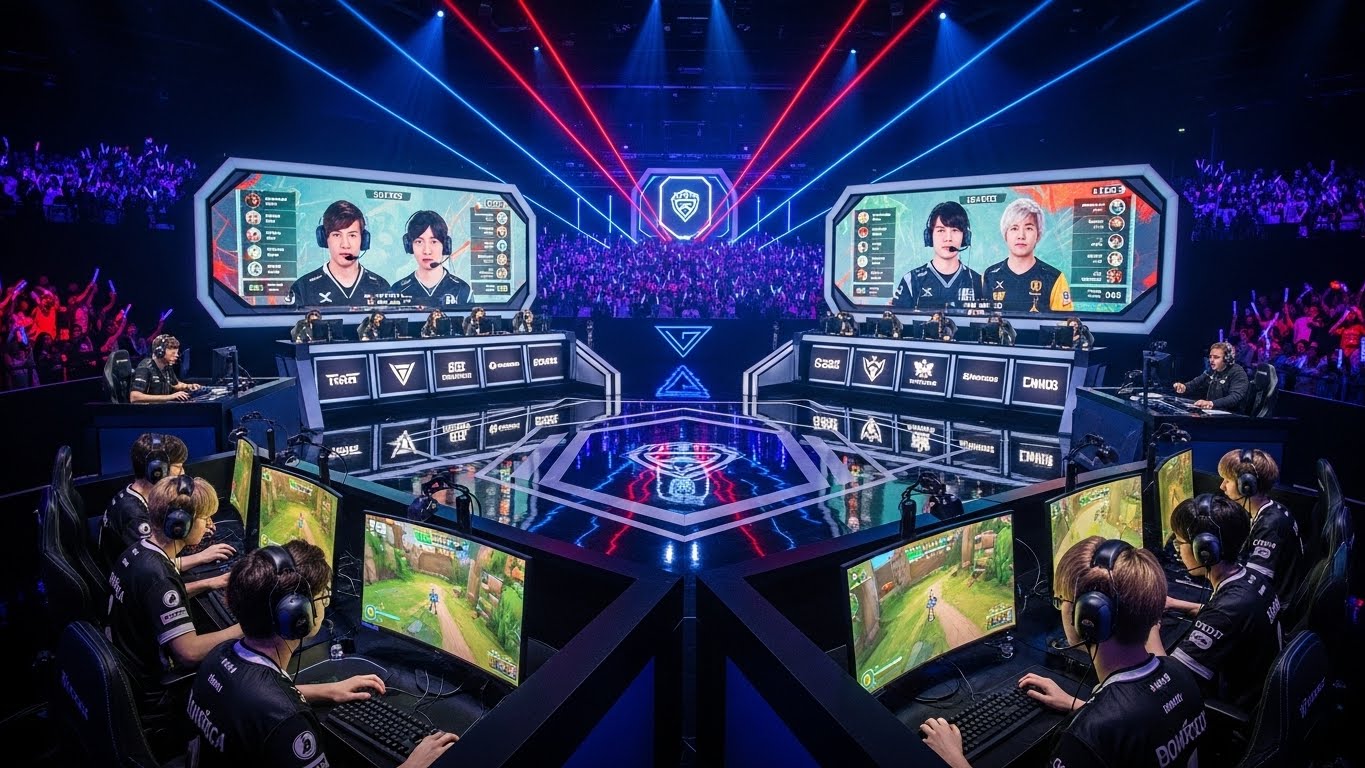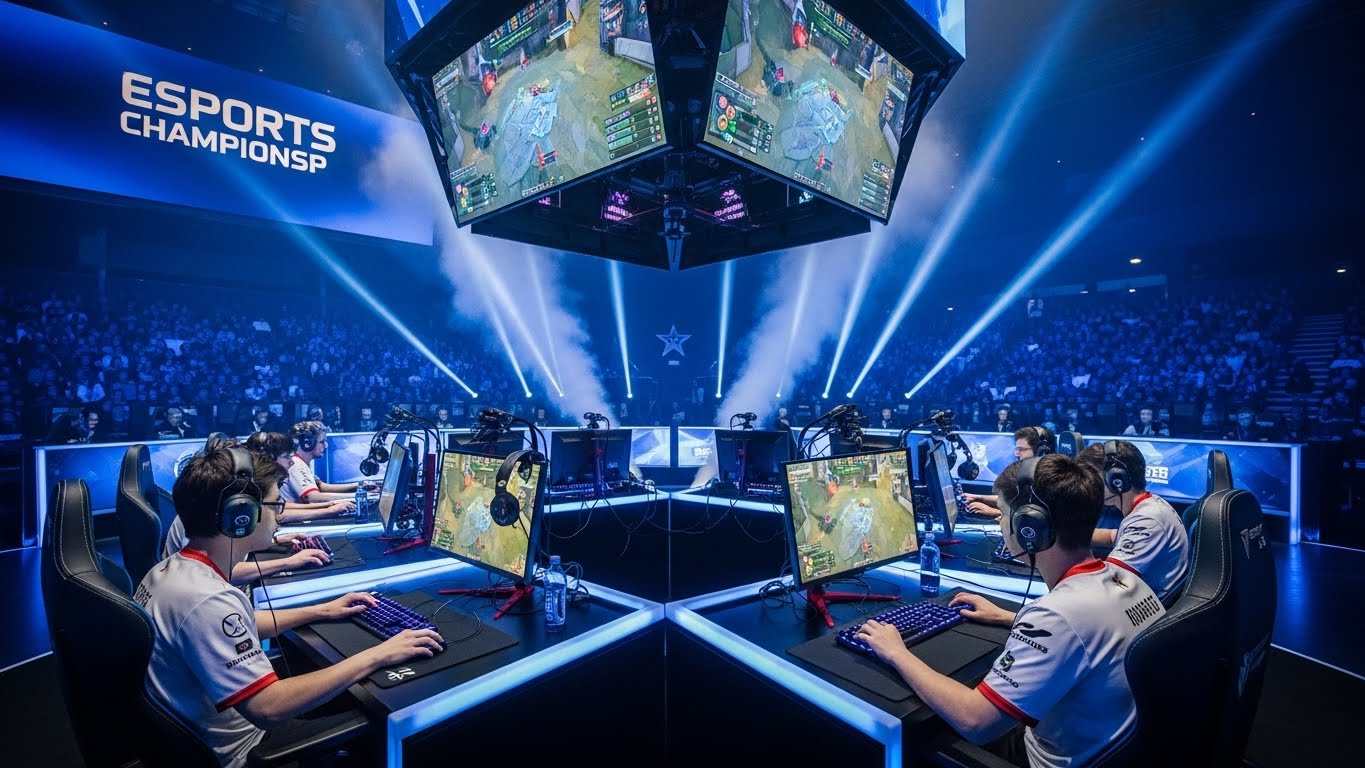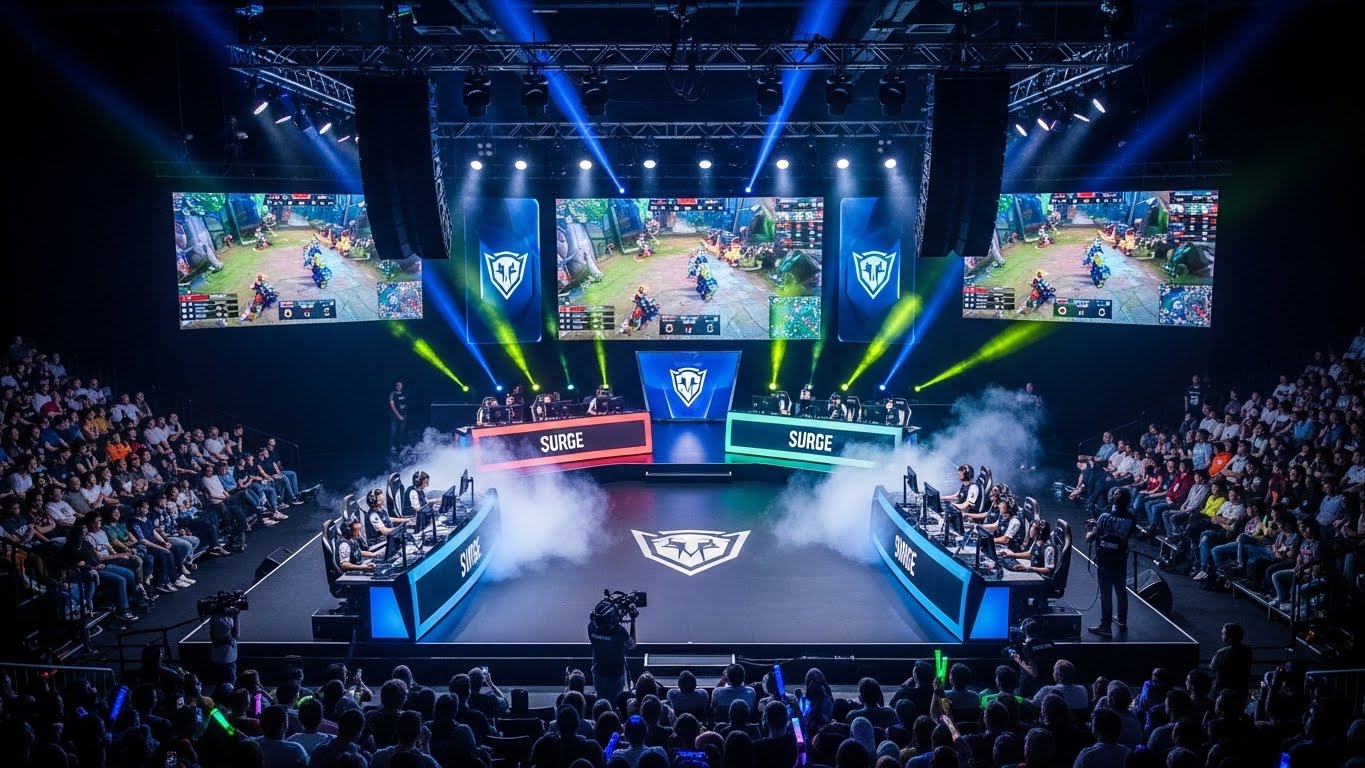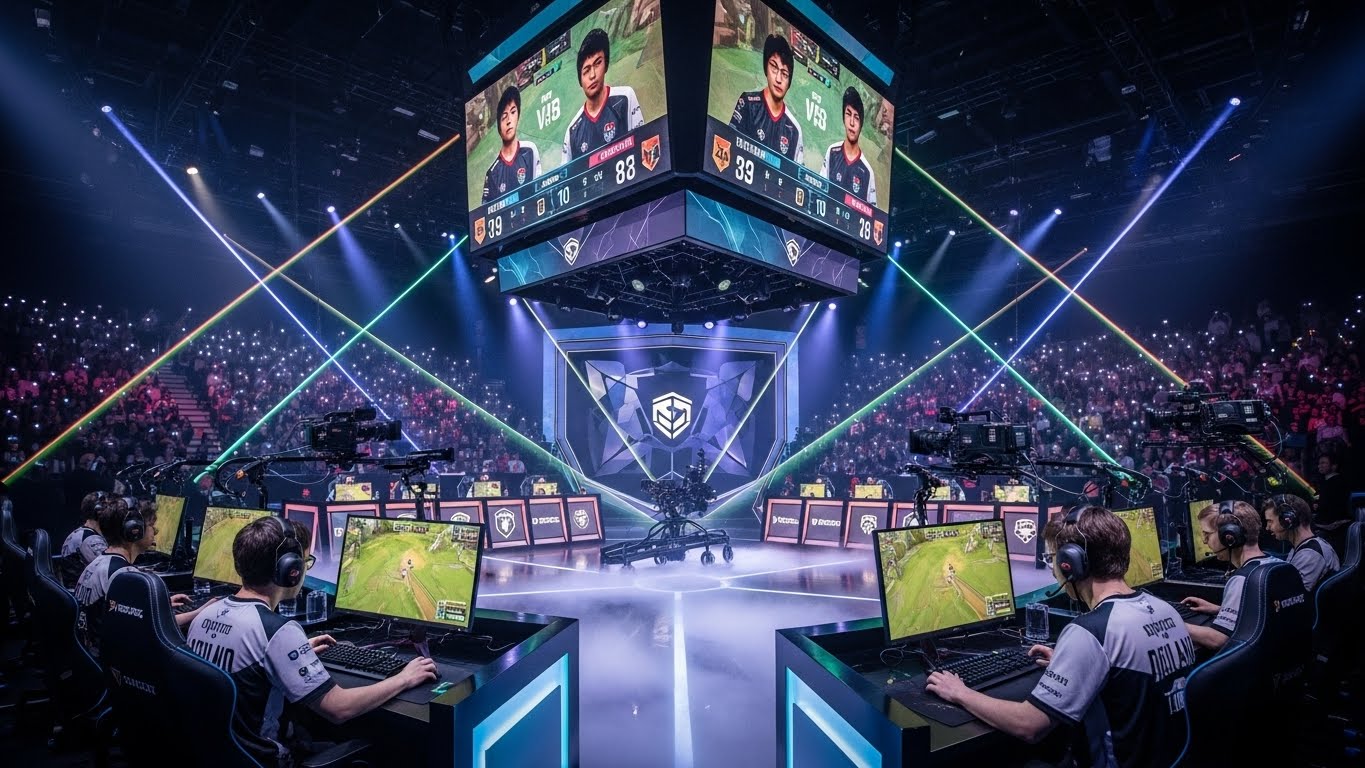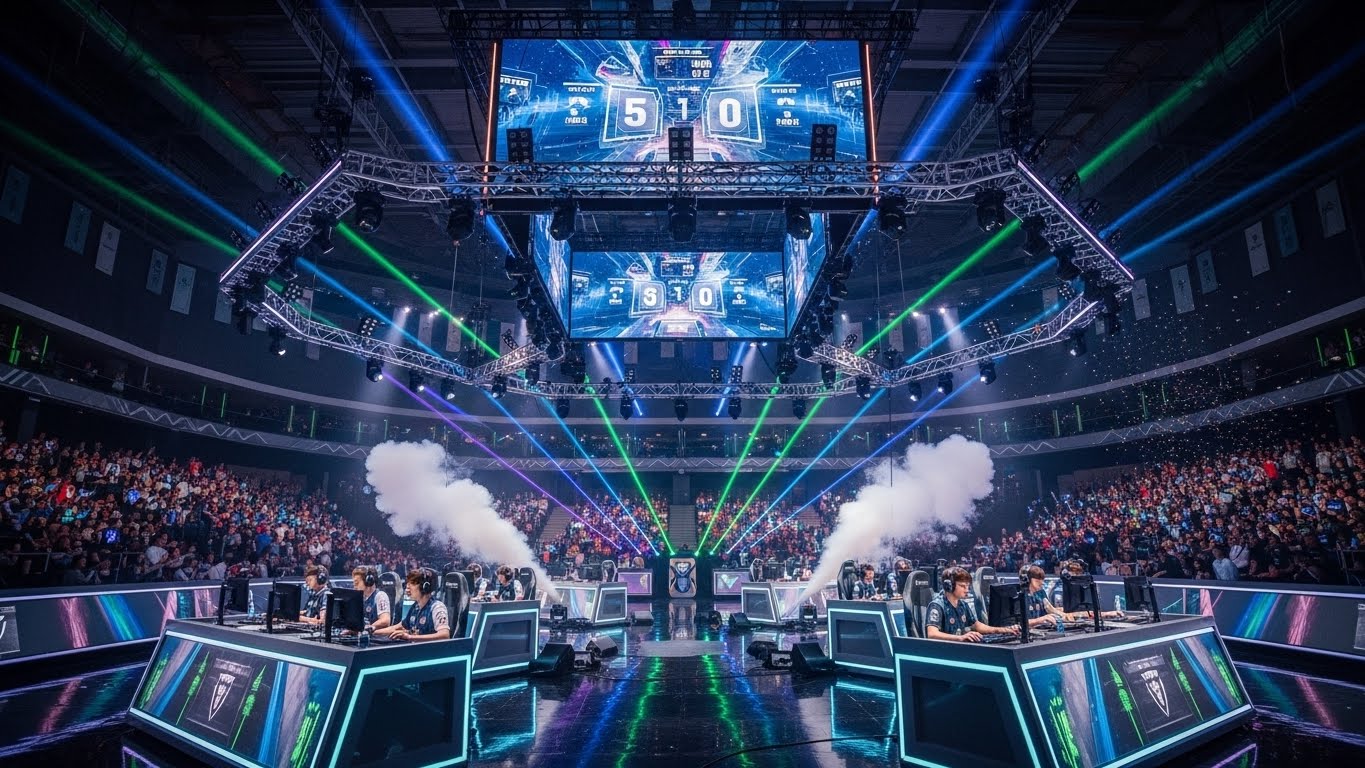

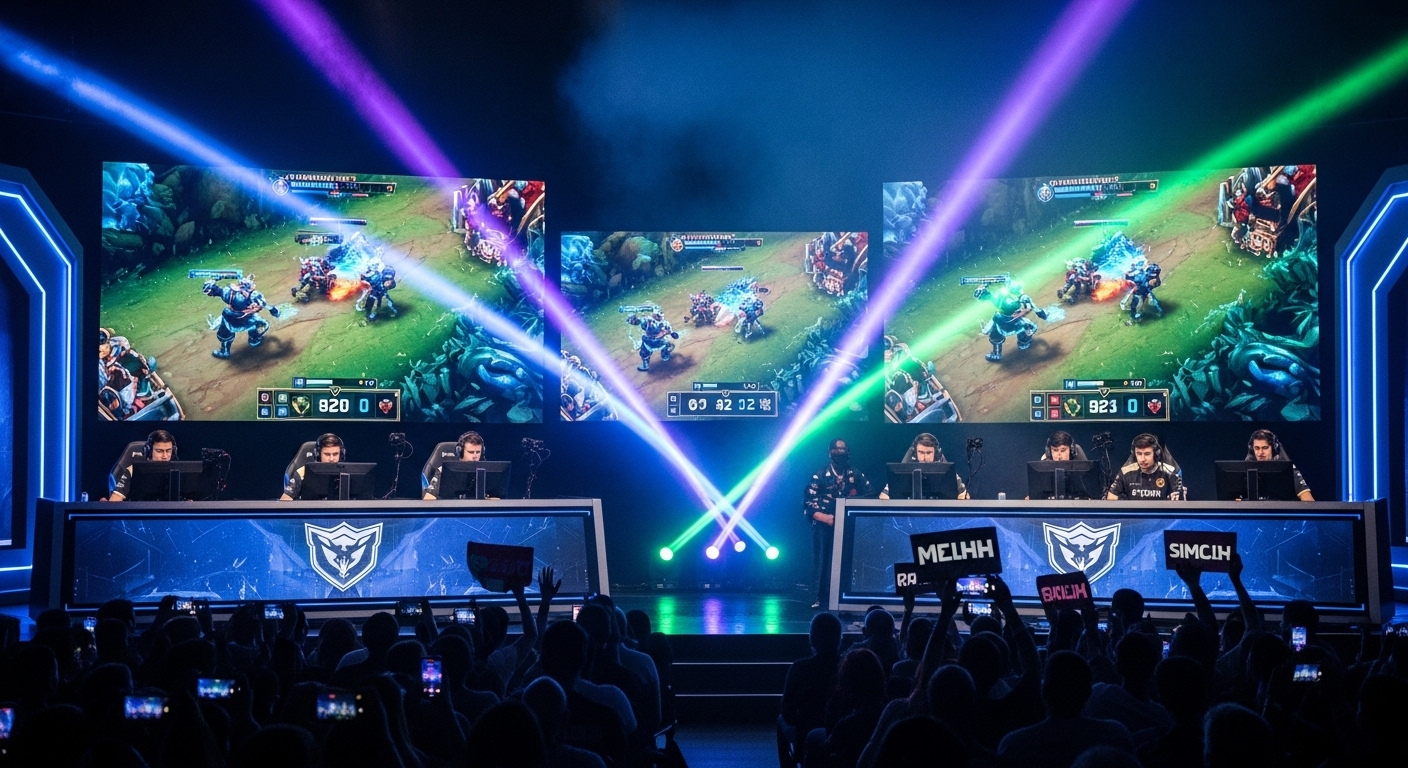
Esports, once a niche activity confined to small circles of gamers, has evolved into a multi-billion-dollar global industry. With professional leagues, massive online audiences, and players becoming celebrities, the world of competitive gaming has transformed into something far beyond the casual pastime it once was. From grassroots tournaments to sold-out arenas, esports is now one of the fastest-growing segments in the entertainment industry. But how did we get here? Let’s take a look at the rise of esports, its current status, and its potential future.
The Humble Beginnings: From LAN Parties to Tournaments
Esports has its roots in the early days of gaming. In the 1970s, the first known competitive video game event, the Intergalactic Spacewar Olympics, took place at Stanford University. Although this was a small, informal event, it planted the seed for the idea of competitive gaming. Over the years, the competitive gaming community slowly began to grow.
In the 1990s, LAN (Local Area Network) parties became a popular way for players to compete against each other in person. Games like Quake and StarCraft helped lay the foundation for what would later evolve into global esports events. As the internet became more accessible in the early 2000s, players no longer needed to gather in the same physical location to compete; online multiplayer games made it possible to face off against opponents from across the world.
In these early years, events were small and often local, but the thrill of competition and the growing community were undeniable. Tournaments like the World Cyber Games (WCG) and the Electronic Sports League (ESL) began to establish themselves as the first steps toward formalizing esports into the industry we know today.
The Explosion of Esports: From Niche to Mainstream
The true explosion of esports began in the late 2000s, driven by the popularity of games like League of Legends, Dota 2, and Counter-Strike: Global Offensive. These titles didn’t just have a large following—they were also meticulously designed for competitive play, creating a perfect storm for the rise of esports.
Riot Games’ League of Legends, released in 2009, played a pivotal role in bringing esports into the mainstream. The game’s free-to-play model and accessible yet deep gameplay helped it reach a vast global audience. League of Legends became the centerpiece of one of the largest and most-watched esports tournaments in the world—the League of Legends World Championship. In the same vein, Dota 2, with its The International tournament, became another titan in the competitive gaming landscape, offering prize pools that broke records, sometimes reaching tens of millions of dollars.
Streaming platforms like Twitch helped cement esports as a mainstream entertainment form. These platforms allowed players to broadcast their gameplay live, giving fans access to both casual play and high-stakes competitive matches. Twitch quickly became the go-to platform for esports streaming, with millions tuning in to watch their favorite players and teams compete. The ability to engage with players in real-time, interact with other fans, and even participate in live discussions made esports even more attractive.
Esports as a Profession: Turning Gaming Into a Career
What set esports apart from traditional gaming was its potential to offer real, tangible rewards. Players could now make careers out of gaming, earning sponsorship deals, salaries from professional teams, and massive prize pools. Teams and organizations were built around these players, complete with coaching staff, analysts, and even marketing teams to manage their brand.
Esports players, such as Faker from League of Legends or N0tail from Dota 2, became household names. As the industry matured, top players signed lucrative contracts with teams and sponsors, and many began to make significant income from streaming their gameplay. Today, some of the best players make millions of dollars per year through tournament prizes, sponsorships, and streaming.
In addition to the players, the rise of esports has also created job opportunities for a wide range of professionals, including coaches, analysts, event organizers, content creators, and even esports journalists. This professional ecosystem mirrors that of traditional sports and has helped transform gaming into a legitimate career path.
The Global Phenomenon: Fans, Sponsors, and Media Attention
One of the key drivers of esports’ rise has been its incredible fanbase. Esports attracts millions of viewers worldwide, with large tournaments drawing more eyes than some of the biggest traditional sporting events. In fact, the League of Legends World Championship has garnered viewership numbers comparable to those of major events like the Super Bowl or the FIFA World Cup. This surge in viewership has made esports an attractive avenue for sponsors, media companies, and brands looking to tap into the younger, tech-savvy demographic that makes up the bulk of the esports audience.
Major global brands such as Intel, Coca-Cola, Mercedes-Benz, and Nike have all entered the esports space, sponsoring teams, tournaments, and even individual players. These partnerships have helped bring esports to new heights in terms of both visibility and financial backing. Additionally, traditional media outlets like ESPN and Fox Sports have begun broadcasting esports tournaments, further cementing esports’ place in mainstream entertainment.
The sponsorship deals are a crucial part of the esports ecosystem. They provide teams with the resources to recruit talent, improve infrastructure, and grow their brand. For sponsors, esports offers a direct line to an engaged, enthusiastic audience. With digital media, gaming, and sports now intertwined, esports has become an integral part of the modern entertainment landscape.
Esports in the Age of Mobile and VR: The Next Frontier
The growth of esports shows no signs of slowing down, and the future looks even more promising with the rise of mobile gaming and virtual reality (VR). Mobile esports is rapidly gaining traction, particularly in Asia, where games like PUBG Mobile and Arena of Valor have seen explosive growth. With smartphones becoming more powerful, mobile esports is set to become a major player in the esports world. Mobile esports tournaments now feature competitive play at the same level as their PC and console counterparts, with large prize pools and global followings.
Furthermore, the advent of virtual reality technology opens up exciting new possibilities for the future of esports. Imagine competing in a fully immersive virtual environment, where players interact with their surroundings in real-time. VR gaming could create a more engaging and physically demanding version of esports, adding new dimensions to both gameplay and viewership. It’s an exciting time for innovation in esports, as new technologies continue to push the boundaries of what’s possible.
The Cultural Impact of Esports: A Movement Beyond Gaming
Esports is no longer just about video games; it has become a cultural movement. With its global audience, esports transcends national and cultural boundaries, creating a shared space where people from different backgrounds can come together to celebrate their passion for gaming. Fans connect over social media, share content, and participate in live streams, forming vibrant online communities.
Esports is also challenging the traditional perception of what it means to be an athlete. While esports players may not fit the mold of traditional athletes, they train just as rigorously, focusing on mental acuity, hand-eye coordination, and strategic thinking. The level of skill and dedication required to compete at the highest level in esports is no less than that of traditional sports athletes.
In many ways, esports represents a new form of entertainment that appeals to younger generations. It reflects a shift in how people consume entertainment and interact with one another. Esports isn’t just a sport; it’s a social experience that brings people together, whether through online interactions or in-person tournaments.
The Future of Esports: A Thriving Industry on the Rise
As esports continues to expand, its potential for growth seems limitless. The industry is projected to reach even higher revenue figures in the coming years, driven by increased viewership, sponsorships, media deals, and the continuing rise of mobile gaming. The possibility of esports being included in major sporting events like the Olympics adds an exciting dimension to its future.
Esports is also likely to continue its path toward diversification, with new genres and formats emerging regularly. Competitive gaming is no longer limited to just a handful of titles; there are now esports leagues for FIFA, Fortnite, Rocket League, and even Clash Royale. As new games gain popularity, new esports events and tournaments will emerge to meet the demand.
Conclusion: Esports – The Future of Entertainment
Esports is no longer just a passing trend—it’s a cultural and economic force that has firmly embedded itself in the global entertainment landscape. From humble beginnings in local LAN parties to packed arenas and multi-million-dollar prize pools, esports has proven that competitive gaming is here to stay. With growing fanbases, increasingly lucrative sponsorships, and new technological innovations on the horizon, esports is primed for even greater success in the years to come.
Whether you’re a long-time fan or new to the world of esports, one thing is clear: the future of gaming has never looked brighter. Esports is more than just a game—it’s a global phenomenon, a professional career, and a cultural movement that will continue to shape entertainment for generations.