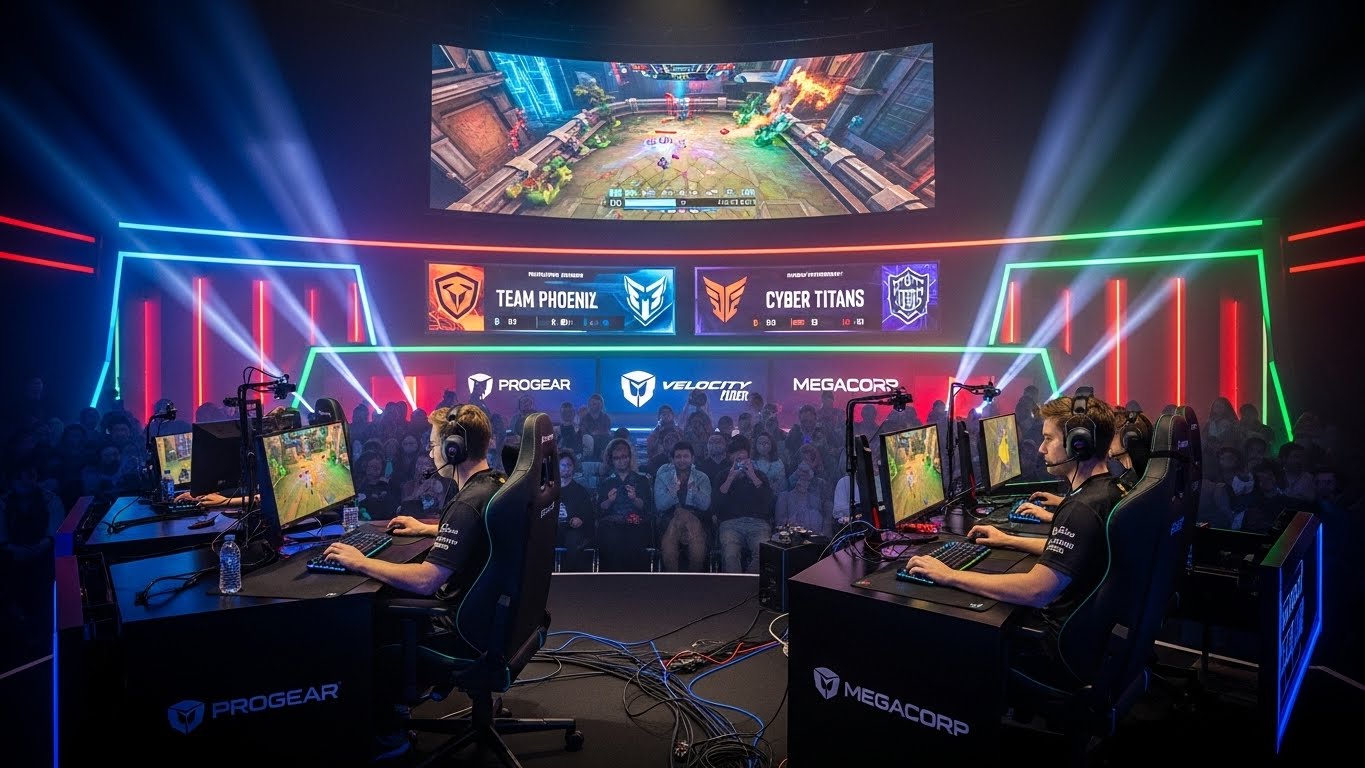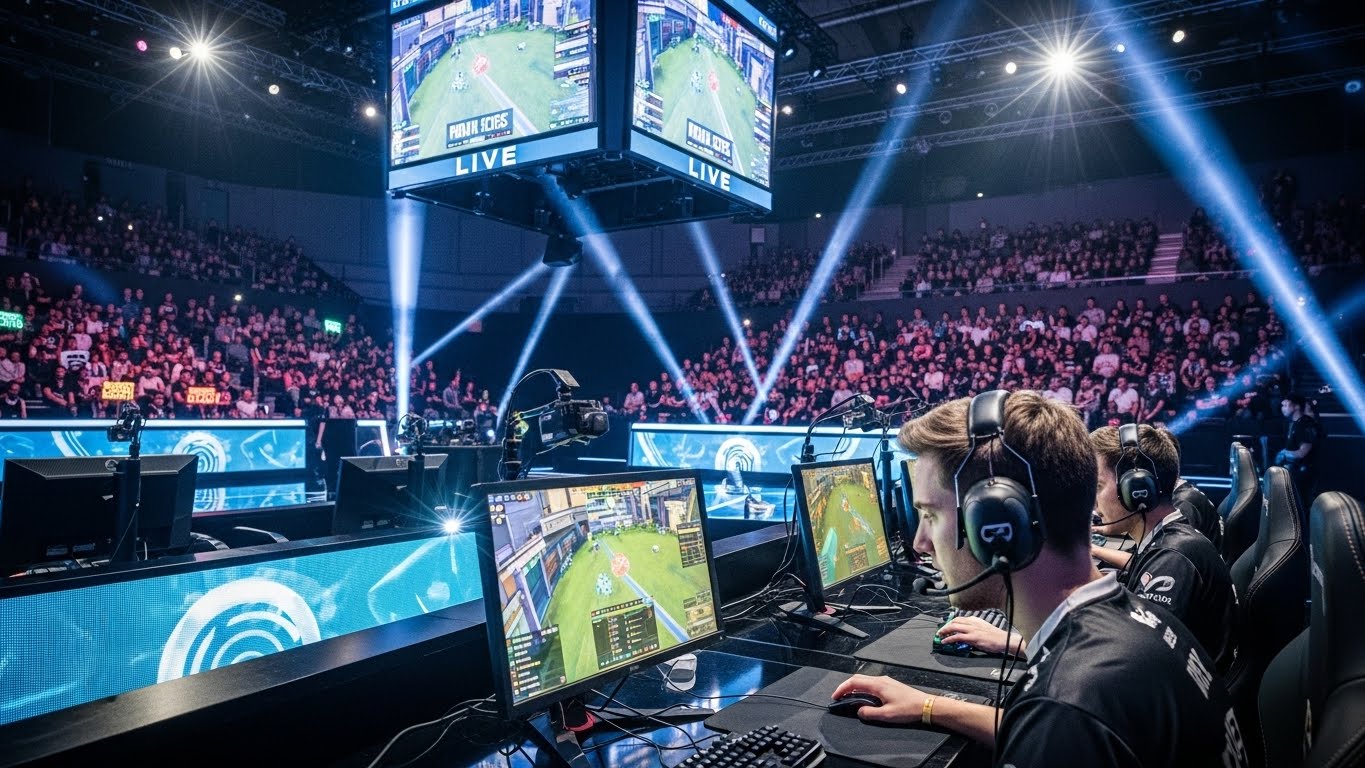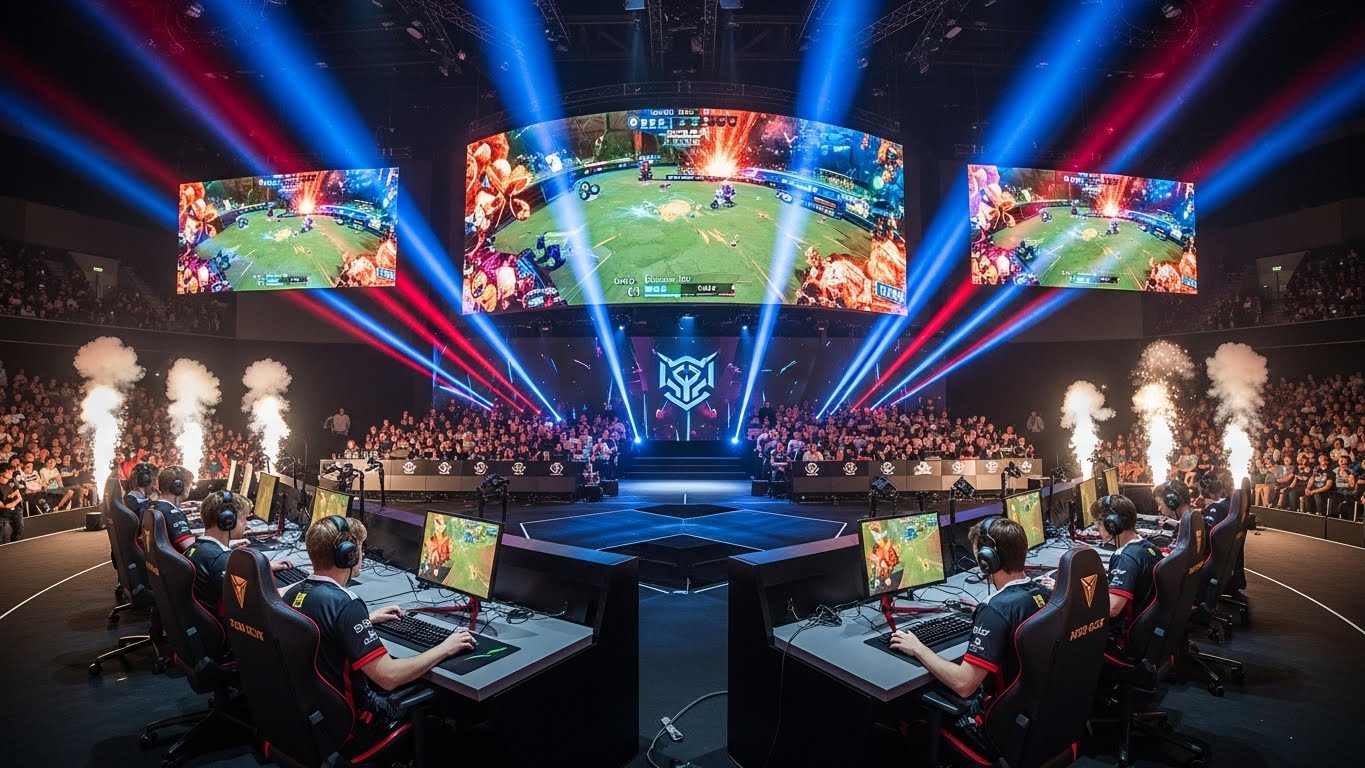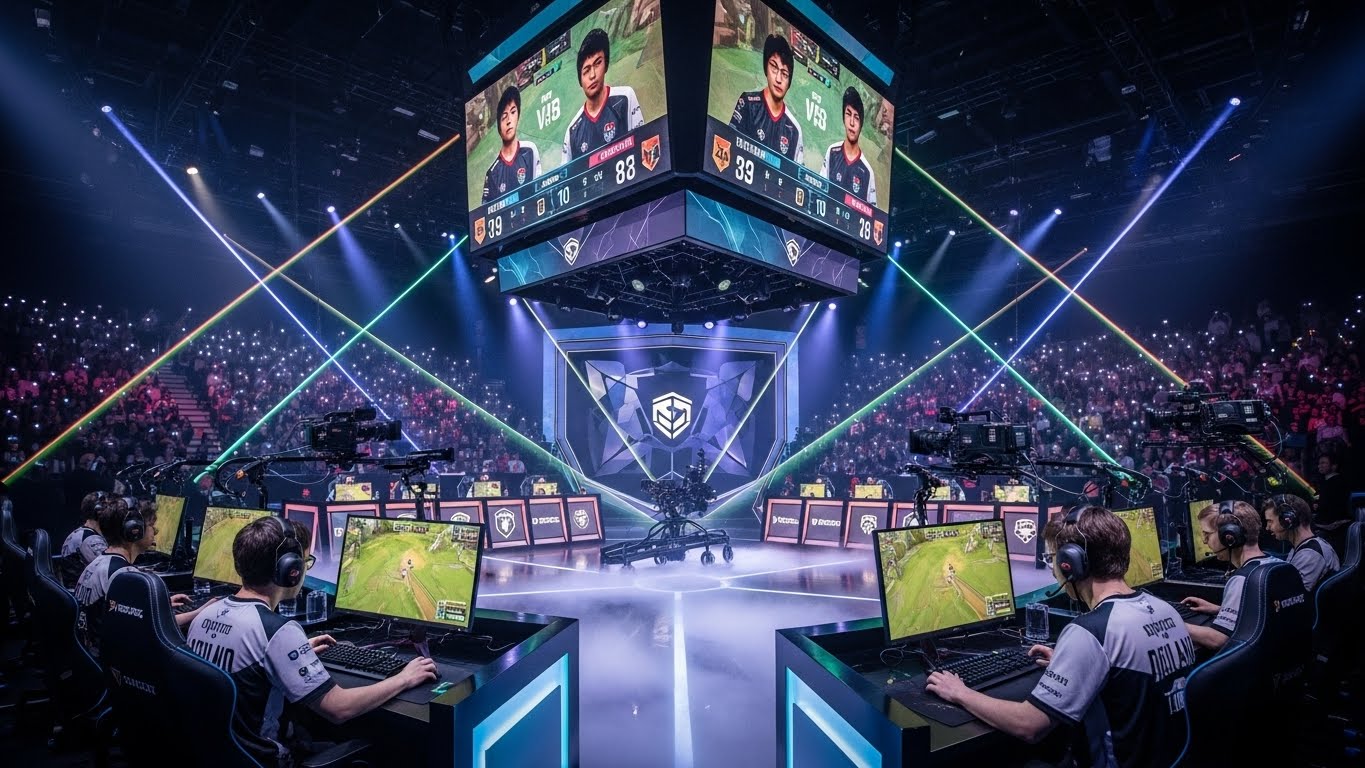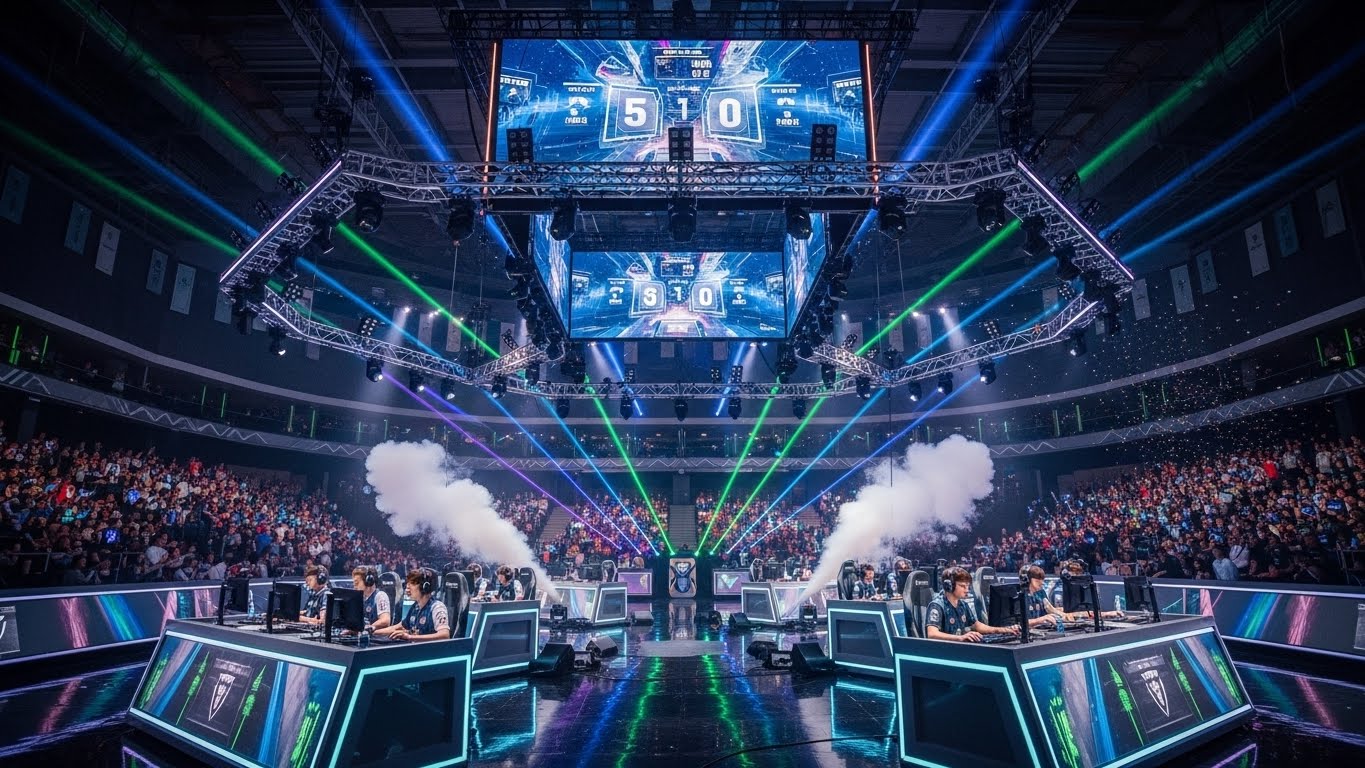


In recent years, esports has evolved from a niche hobby into a global cultural phenomenon. Once seen as a pastime for a select group of gamers, it has now become a multi-billion dollar industry with a dedicated fanbase, professional players, and tournaments that rival traditional sports in terms of viewership and prize money. But how did this transformation occur? And what does the future hold for esports?
This article delves deep into the rise of esports, examining the factors that contributed to its growth, the various games that defined the landscape, the ecosystem surrounding competitive gaming, and where the industry is headed in the years to come.
The Birth of Esports: From LAN Parties to Global Tournaments
Esports traces its roots back to the early days of gaming in the late 20th century. While the term “esports” was not in use back then, competitive gaming had already begun to take shape. In the 1990s, gamers would often meet up for LAN (Local Area Network) parties, connecting their computers in the same physical location to compete against one another in games like Quake, StarCraft, and Warcraft.
The first notable milestone in esports came in 1997 with the launch of the Red Annihilation tournament for the game Quake. This tournament is often credited as one of the first organized competitive gaming events. The event drew significant attention when the winner, Dennis “Thresh” Fong, took home a Ferrari as his prize. This marked the beginning of a shift towards professional gaming, but it was just the tip of the iceberg.
The real transformation started with the rise of the internet and online multiplayer games. Titles like StarCraft and Counter-Strike became immensely popular, and gamers could now compete with others from all over the world. With the establishment of esports organizations and tournaments such as the World Cyber Games (WCG) and Electronic Sports World Cup (ESWC), esports began to gain more structure and visibility.
The Key Players: Games That Defined Esports
While esports could not exist without the games themselves, certain titles have played a pivotal role in shaping the industry and its competitive landscape. These games not only attracted large player bases but also helped build communities and viewership around competitive gaming.
1. StarCraft: The Genesis of Esports
When Blizzard’s StarCraft was released in 1998, it was an instant hit. The game, a real-time strategy (RTS) title, featured deep gameplay mechanics and required strategic thinking, which lent itself perfectly to competitive play. In South Korea, StarCraft became so popular that the country developed a robust esports infrastructure around it, including television broadcasts, professional teams, and dedicated leagues. This “StarCraft boom” set the stage for esports to become a mainstream cultural phenomenon.
2. Counter-Strike: A Revolution in FPS Esports
Released in 1999, Counter-Strike quickly became the defining game for competitive first-person shooter (FPS) esports. Its tactical gameplay, team-based mechanics, and constant updates turned it into a staple of the esports scene. The game spawned professional tournaments, and organizations like ESL (Electronic Sports League) began hosting global competitions with massive prize pools.
Even today, Counter-Strike: Global Offensive (CS: GO), the latest iteration of the franchise, remains one of the most-watched esports games in the world.
3. League of Legends: The MOBA Phenomenon
Riot Games’ League of Legends (LoL), released in 2009, transformed the world of esports in a way no other game had before. As a multiplayer online battle arena (MOBA), LoL combined fast-paced action, complex strategies, and teamwork, making it incredibly appealing to both players and viewers alike. The introduction of the League of Legends World Championship in 2011, with its multimillion-dollar prize pools and global audience, solidified LoL as one of the most popular esports titles in history.
The LoL Championship Series (LCS) and various regional leagues have become permanent fixtures in the esports calendar, with millions of fans tuning in to watch professional teams from around the world compete for the title.
4. Dota 2: The Power of the International
Valve’s Dota 2 was another game that pushed the boundaries of esports. Dota 2 is known for its complexity and strategic depth, and the introduction of The International in 2011—an annual tournament with one of the largest prize pools in esports—solidified its place in esports history. The International has grown in scale every year, with prize pools often exceeding $40 million, attracting some of the best players in the world.
The rise of Dota 2 has helped foster the growth of other games in the MOBA genre, and its competitive community has led to the development of esports ecosystems in regions such as China and Europe.
5. Fortnite: A New Era of Battle Royale Esports
In 2017, Epic Games released Fortnite, a free-to-play battle royale game that quickly became a global sensation. Unlike traditional esports games that focus on teamwork and strategy, Fortnite introduced a new form of competitive gaming based on survival, skill, and quick reflexes. Its rapid growth was fueled by its accessibility, with the game being available on almost every platform, from PC to mobile.
The Fortnite World Cup in 2019, with its $30 million prize pool, highlighted the potential for battle royale games to dominate the esports scene. Fortnite revolutionized the way esports events were broadcast, incorporating live-streamed competitions that attracted millions of viewers globally.
The Esports Ecosystem: More Than Just Players
As esports has grown, so has the ecosystem surrounding it. The industry now includes various stakeholders, such as players, coaches, team owners, event organizers, sponsors, advertisers, and content creators. This complex ecosystem has contributed to the sustainability of the industry and has helped ensure that esports is more than just a fleeting trend.
1. Esports Teams and Organizations
Professional esports teams have become powerful brands in their own right. Top teams like Team Liquid, Fnatic, Cloud9, and G2 Esports not only recruit talented players but also invest in infrastructure, coaching, and training to ensure peak performance. These teams compete in multiple games, ensuring a diverse portfolio of esports engagements.
Esports organizations also operate in ways similar to traditional sports franchises. They sign players, manage sponsorship deals, and handle team operations, often acting as the face of a particular game or region.
2. The Role of Sponsors and Brands
Sponsorship is a critical component of the esports economy. Major brands, such as Intel, Coca-Cola, and Nike, have recognized the potential of esports to engage younger, tech-savvy audiences. These brands partner with esports teams, tournaments, and events to reach a global audience. Some of the most lucrative sponsorship deals are tied to major esports events like The International or the League of Legends World Championship.
Additionally, companies in the gaming industry, such as NVIDIA, Logitech, and Razer, also provide sponsorships and product partnerships, further driving the financial growth of the esports sector.
3. Esports Streaming and Content Creation
Streaming platforms like Twitch and YouTube have played a crucial role in the growth of esports. These platforms provide a venue for players, teams, and fans to interact in real-time. Major esports tournaments are often streamed live, with millions of viewers tuning in to watch their favorite teams and players compete.
Content creators, such as streamers and YouTubers, have also helped drive esports into the mainstream. These influencers often provide analysis, commentary, and entertainment surrounding competitive gaming, further expanding the reach of esports beyond traditional audiences.
4. Coaching, Analytics, and Support Staff
Behind every successful esports team is a dedicated staff of coaches, analysts, and support personnel who help the players refine their skills and strategies. Just like traditional sports, professional gaming has seen a rise in the importance of coaching and training programs.
The use of data analytics in esports is also becoming more prevalent. By analyzing gameplay patterns and player statistics, teams can gain valuable insights that help improve performance. Companies are even developing software that helps teams track player health, mental state, and reaction times.
Esports and the Future: Where Are We Headed?
The future of esports looks incredibly promising, with projections indicating that the industry will continue to grow in size and reach. As technology advances, new opportunities for esports will emerge, including virtual reality (VR) and augmented reality (AR) esports.
1. Globalization and Regional Leagues
As esports becomes more global, we can expect to see more region-specific leagues and competitions. The expansion of esports into regions like Africa, Latin America, and the Middle East will help further diversify the competitive landscape and create new opportunities for players and organizations worldwide.
2. The Growth of Collegiate Esports
Collegiate esports is becoming increasingly popular, especially in North America and Europe. Universities are offering scholarships to talented players, and competitive leagues are emerging, providing a clear path for young gamers to pursue both education and professional gaming careers. The rise of collegiate esports may eventually lead to the development of “esports academies,” where players can train, compete, and learn.
3. Esports in the Olympics?
One of the most debated topics in esports is whether it will ever make its way into the Olympics. While some argue that esports requires its own identity and should remain independent, others see the potential for esports to become an official Olympic sport. With the growing global interest in competitive gaming, it’s not entirely out of the question that we could see esports integrated into