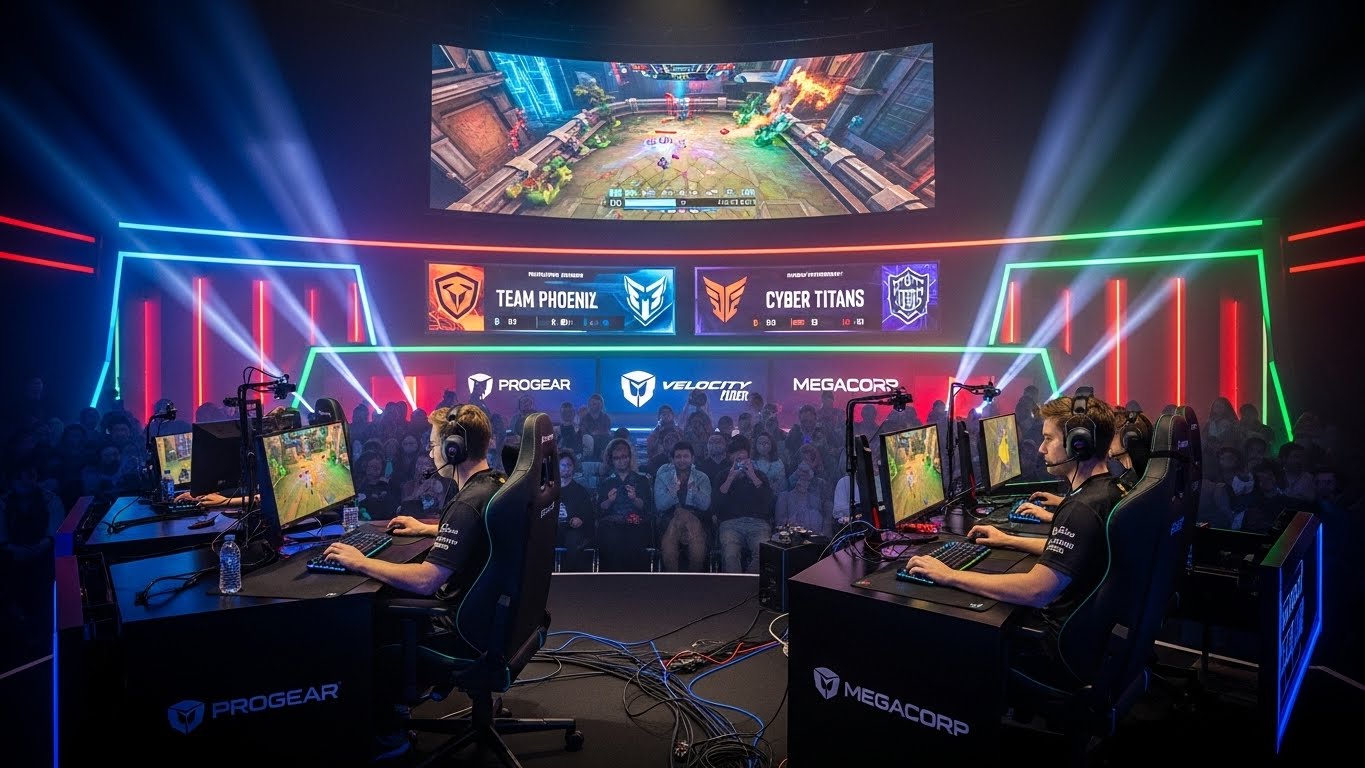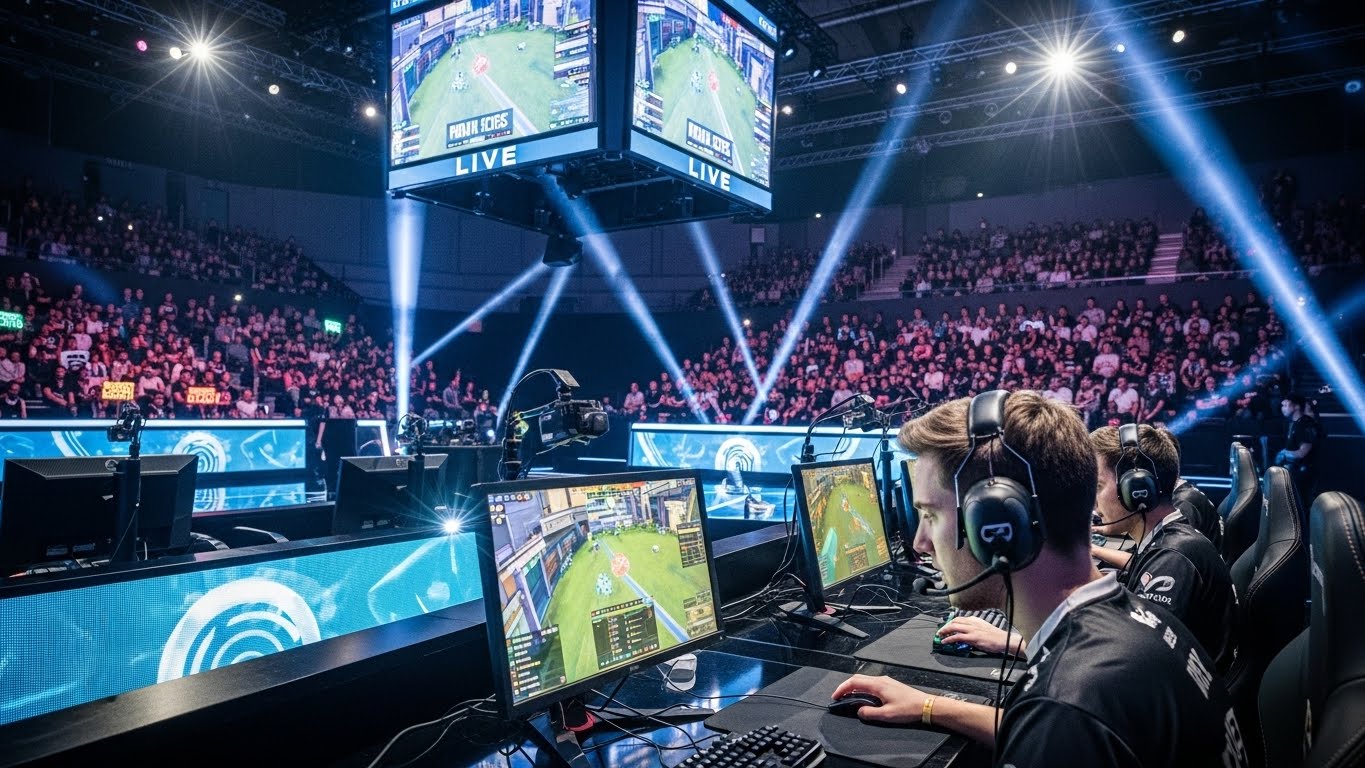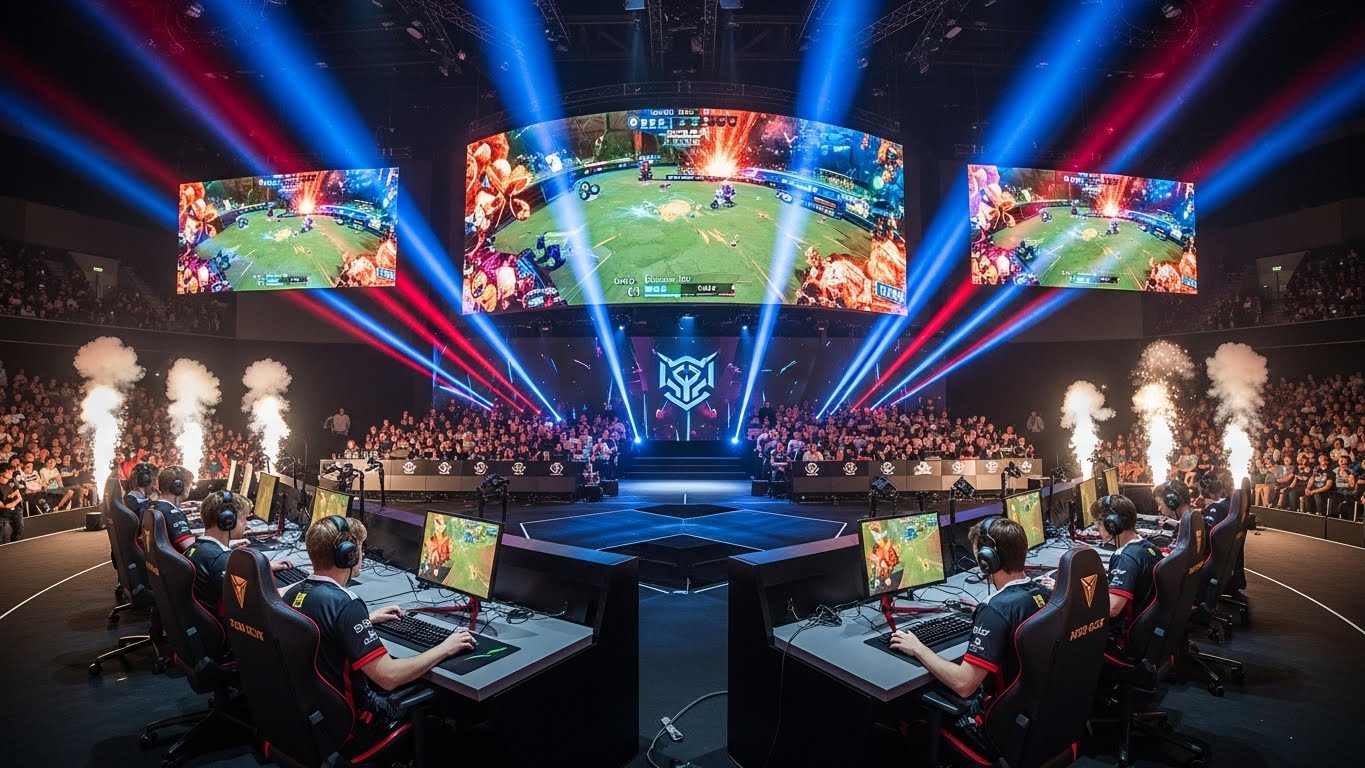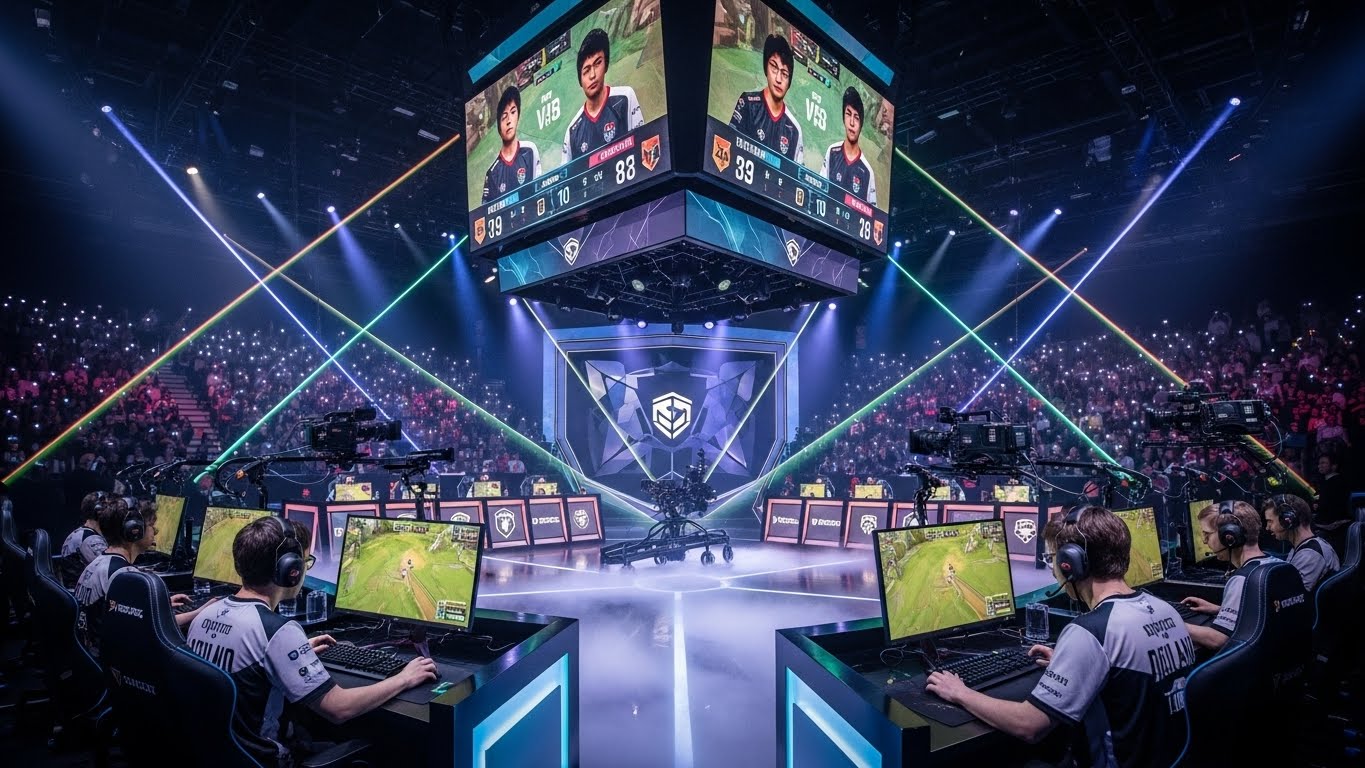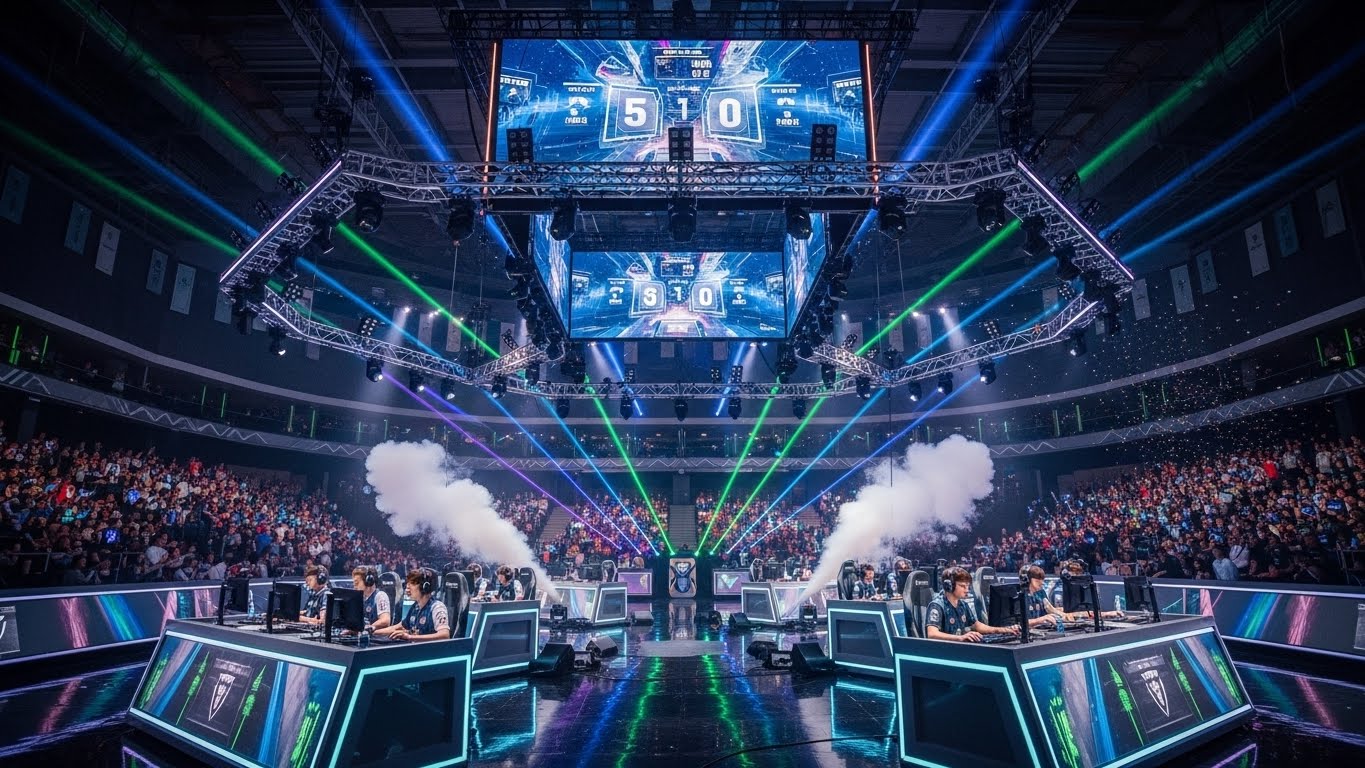

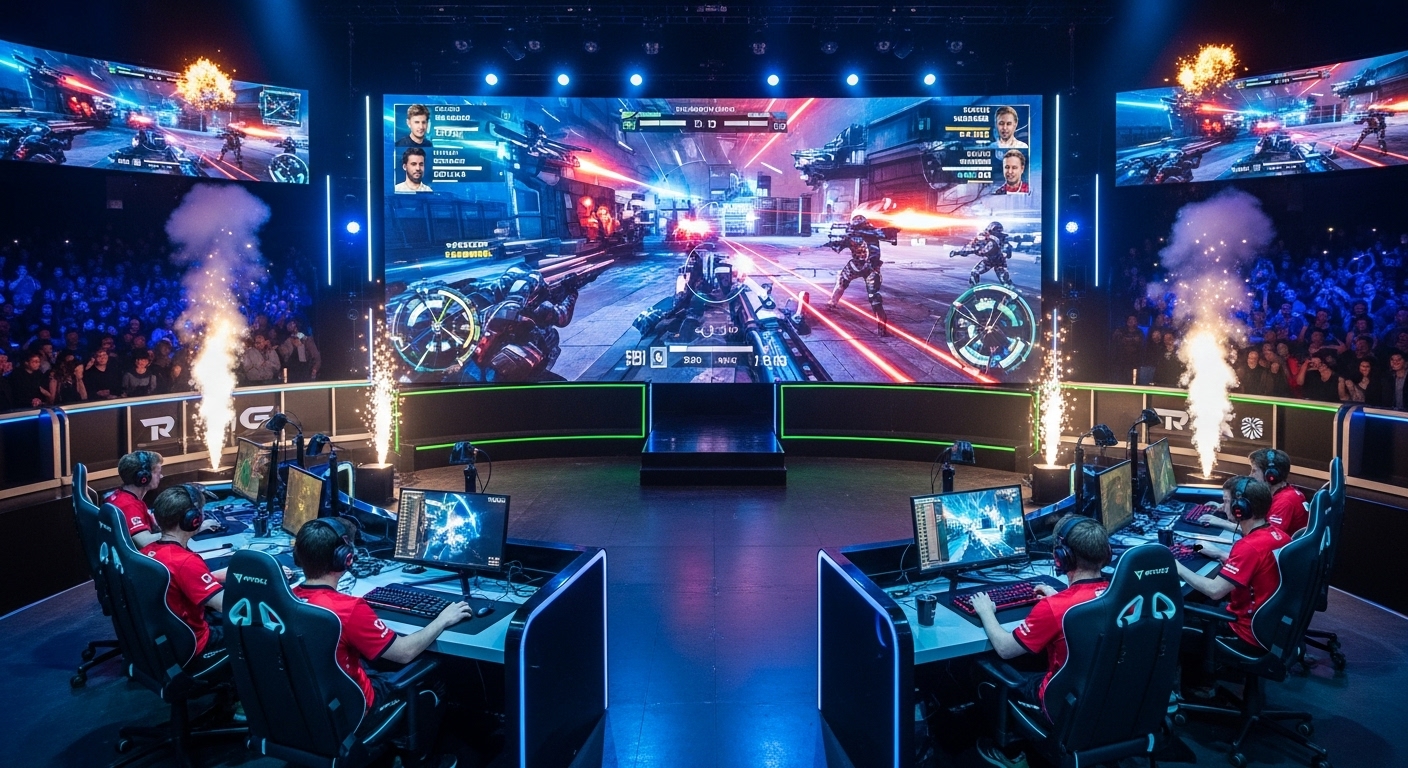
The world of esports is rapidly evolving. As competitive gaming gains unprecedented popularity, the demand for cutting-edge gaming gear continues to surge. Professional players require equipment that not only enhances their performance but also offers comfort, durability, and customization. The future of gaming gear is poised to revolutionize how pros train, compete, and enjoy their favorite games. This article explores the upcoming trends, innovations, and technologies that will shape the gaming peripherals landscape for professional esports players.
The Importance of Gaming Gear in Esports
Esports is a realm where milliseconds can determine victory or defeat. The difference between a good player and a great one often lies in the equipment they use. Gaming gear encompasses keyboards, mice, headsets, controllers, monitors, and chairs designed specifically for high-performance gameplay. These tools help professional players optimize their reflexes, accuracy, communication, and endurance during grueling tournaments.
Unlike casual gamers, professional players invest in gear tailored to their specific gaming style and preferences. For example, a fast-paced first-person shooter (FPS) player might prefer a lightweight mouse with high DPI settings for quick flick shots, whereas a strategy gamer might value a keyboard with programmable keys for complex commands. The future of gaming gear aims to be more adaptive, intelligent, and personalized to meet these diverse needs.
Ergonomics and Comfort: A New Era in Design
Prolonged gaming sessions are common in esports, sometimes stretching over several hours a day. This intense gameplay can lead to strain, repetitive stress injuries, and general discomfort if the gear isn’t ergonomically designed. The future of gaming gear places a strong emphasis on ergonomics, ensuring that players maintain peak performance without compromising their health.
Manufacturers are developing peripherals with adjustable features, such as customizable mouse grips, modular keyboard layouts, and headsets that distribute weight evenly. Materials used in future devices will be lightweight yet durable, reducing fatigue during long practice sessions and competitions. Advanced ergonomic designs will also help prevent carpal tunnel syndrome and other injuries that can shorten a player’s career.
Moreover, smart chairs tailored specifically for gamers are becoming more common. These chairs incorporate lumbar support, temperature regulation, and posture-correcting technology, enabling players to stay comfortable and focused for extended periods. This ergonomic evolution will be a cornerstone of future esports gear.
Precision and Responsiveness: The Core of Competitive Gaming
In esports, precision and responsiveness of peripherals are critical. Even the slightest delay or inaccuracy can cost a match. Future gaming gear will push the boundaries of speed and accuracy to provide professional players with the competitive edge.
One exciting area of advancement is sensor technology in gaming mice. Current high-end sensors already offer exceptional tracking accuracy and minimal latency, but future models will incorporate even more sophisticated optical and laser technologies. These sensors will deliver flawless tracking across different surfaces and speeds, ensuring consistent performance no matter the player’s style.
Keyboards will also see innovations in switch technology. Mechanical switches with ultra-fast actuation and reduced debounce times are already popular among professionals, but the next generation will enhance durability and tactile feedback while minimizing noise. Additionally, dynamic key remapping and adaptive feedback mechanisms may become standard, allowing players to adjust their setup in real-time based on gameplay demands.
Monitors are another critical component where responsiveness matters. High refresh rates and low response times are essential for smooth visuals. Future gaming monitors will likely feature refresh rates beyond the current standards, combined with AI-driven motion prediction to reduce input lag further. This will enable players to react faster and with greater precision, giving them an edge in fast-paced esports titles.
Customization and Personalization: Making Gear Truly Yours
One of the most exciting trends in gaming gear is the increasing focus on customization. Professional players want peripherals that feel like an extension of themselves. Future gaming equipment will allow deeper personalization, both in terms of aesthetics and functionality.
Lighting customization through RGB LEDs is already widespread, but future gear will enable intricate light shows synced with in-game events, player performance, and team strategies. Imagine a keyboard that changes color based on your health status in a game or a mouse that pulses faster during intense combat moments. These immersive lighting experiences can enhance focus and add emotional intensity to the competition.
Beyond lighting, players will be able to modify the physical characteristics of their gear. Mice with interchangeable weights and grips, keyboards with customizable keycaps and layouts, and headsets with adjustable ear cups and microphones will become standard. Advanced software will allow players to save multiple profiles tailored to different games or playstyles, switching seamlessly depending on the match.
Artificial intelligence will also play a role in personalization. Smart peripherals could learn a player’s habits and suggest optimal settings, such as sensitivity adjustments or key bindings, to maximize performance. This level of customization will ensure that professional players feel fully connected to their gear.
Integration of Artificial Intelligence and Machine Learning
Artificial intelligence (AI) is transforming many industries, and esports gaming gear is no exception. The integration of AI and machine learning into gaming peripherals will usher in a new era of smart, adaptive equipment designed to enhance player performance in real time.
Future gaming mice and keyboards may include built-in AI processors capable of analyzing player inputs and providing instant feedback or adjustments. For example, if a player consistently misses shots or makes repetitive mistakes, the AI system could suggest sensitivity tweaks, adjust macro timings, or highlight areas for improvement.
Voice-controlled commands and AI-driven communication tools will revolutionize team play. Headsets integrated with natural language processing will allow players to communicate more efficiently, filter out background noise, and even transcribe voice commands into text for better strategic coordination.
Machine learning algorithms will also help gear adapt to individual player preferences over time. This adaptive technology can analyze patterns, stress levels, and gameplay intensity, dynamically adjusting settings like mouse DPI, key actuation force, or headset volume for optimal comfort and performance.
The Role of Virtual and Augmented Reality in Gaming Gear
Virtual reality (VR) and augmented reality (AR) are rapidly gaining traction in the gaming world. While esports traditionally focuses on screen-based gameplay, the future could see these immersive technologies become a staple in professional gaming.
VR peripherals such as advanced controllers with haptic feedback, motion sensors, and eye-tracking will offer an unprecedented level of immersion. Professional VR esports players will benefit from gear that accurately replicates real-world movements and sensations, providing a more intuitive and engaging competitive experience.
AR technology, on the other hand, will enhance real-world interactions by overlaying digital information. Imagine wearing AR glasses that display real-time game stats, opponent positions, or strategic prompts directly within your field of view. This kind of information will allow pro players to make split-second decisions with greater awareness and confidence.
The convergence of VR and AR with traditional esports gear will create hybrid setups where players can seamlessly switch between immersive and screen-based gaming. This versatility will open new competitive formats and training methods, expanding the horizons of esports.
Wireless Technology: Freedom Without Compromise
Wireless gaming gear has come a long way, and future advancements promise to eliminate any remaining doubts about performance and reliability. Professional players value the freedom of movement that wireless peripherals provide, but they also demand zero latency and uninterrupted connectivity.
Next-generation wireless technology will deliver lightning-fast response times that rival or even surpass wired devices. Innovations such as advanced Bluetooth protocols, proprietary radio frequencies, and energy-efficient power management will ensure stable connections throughout intense gaming sessions.
Battery life will also improve significantly, with fast-charging capabilities and long-lasting power cells enabling continuous play without interruptions. Lightweight, wireless gear will reduce cable clutter and enhance the overall gaming setup’s aesthetics and functionality.
Additionally, wireless peripherals will incorporate smart power-saving modes that adjust based on usage, further extending battery life. This will allow professional players to focus entirely on the game without worrying about connectivity or power issues.
Sustainability and Eco-Friendly Gaming Gear
As the global focus shifts toward environmental responsibility, the esports industry is not immune to calls for sustainable practices. Future gaming gear will increasingly reflect a commitment to eco-friendly design and manufacturing.
Manufacturers are exploring the use of recycled and biodegradable materials for peripherals, reducing the environmental impact of production and disposal. Packaging will become more sustainable, minimizing plastic use and promoting recyclability.
Energy-efficient components will reduce power consumption, both during active use and in standby modes. Additionally, longer-lasting gear designed for easy repair and upgradeability will combat the throwaway culture prevalent in electronics.
Professional esports organizations and players are likely to champion sustainability initiatives, encouraging fans and companies alike to adopt greener practices. This ethical shift will add a new dimension to the future of gaming gear, aligning performance with responsibility.
The Impact of 5G and Cloud Gaming on Peripherals
The rollout of 5G networks and the rise of cloud gaming are set to reshape the gaming landscape dramatically. These technologies will influence the design and functionality of future esports gear.
5G connectivity offers ultra-low latency and high bandwidth, enabling seamless streaming of high-quality games without the need for powerful local hardware. As cloud gaming becomes more prevalent, peripherals will need to optimize input transmission to minimize lag and maintain competitive integrity.
Future gaming gear will incorporate features specifically designed for cloud-based environments. This includes enhanced wireless communication protocols, integrated network diagnostics, and adaptive input smoothing to compensate for variable internet conditions.
Furthermore, the portability of cloud gaming means professional players can compete and practice from virtually anywhere. Lightweight, compact, and highly durable gear will cater to this mobile lifestyle, ensuring top-tier performance on the go.
Conclusion: A Glimpse into the Future of Esports Gear
The future of gaming gear for professional players is a thrilling intersection of innovation, technology, and human performance. As esports continues to grow and evolve, so too will the peripherals that define competitive play. Ergonomics, precision, customization, AI integration, VR/AR capabilities, wireless freedom, sustainability, and cloud compatibility are all key trends shaping the next generation of gaming equipment.
For professional players, this means more than just better tools; it means unlocking new levels of skill, comfort, and strategy. The gear of tomorrow will not only respond to their commands faster and more accurately but also anticipate their needs and adapt to their unique playstyles.