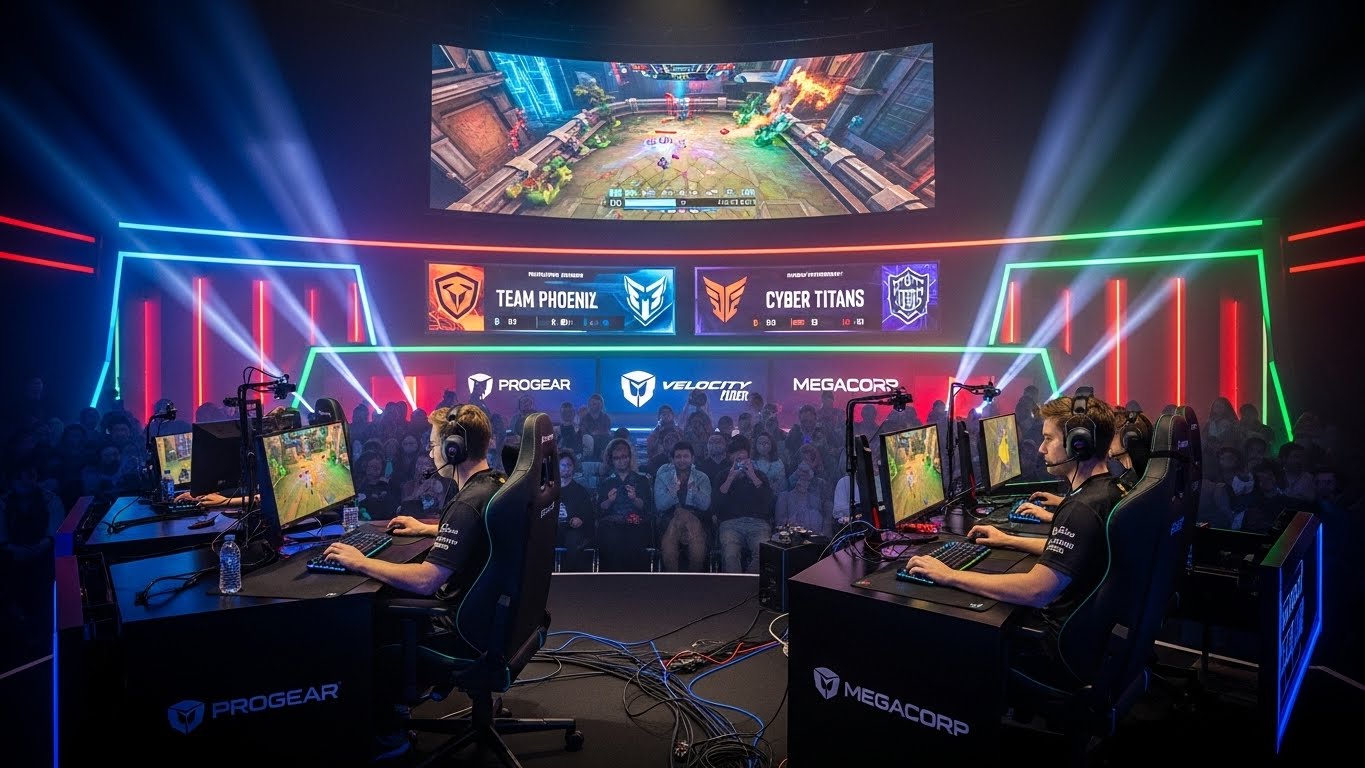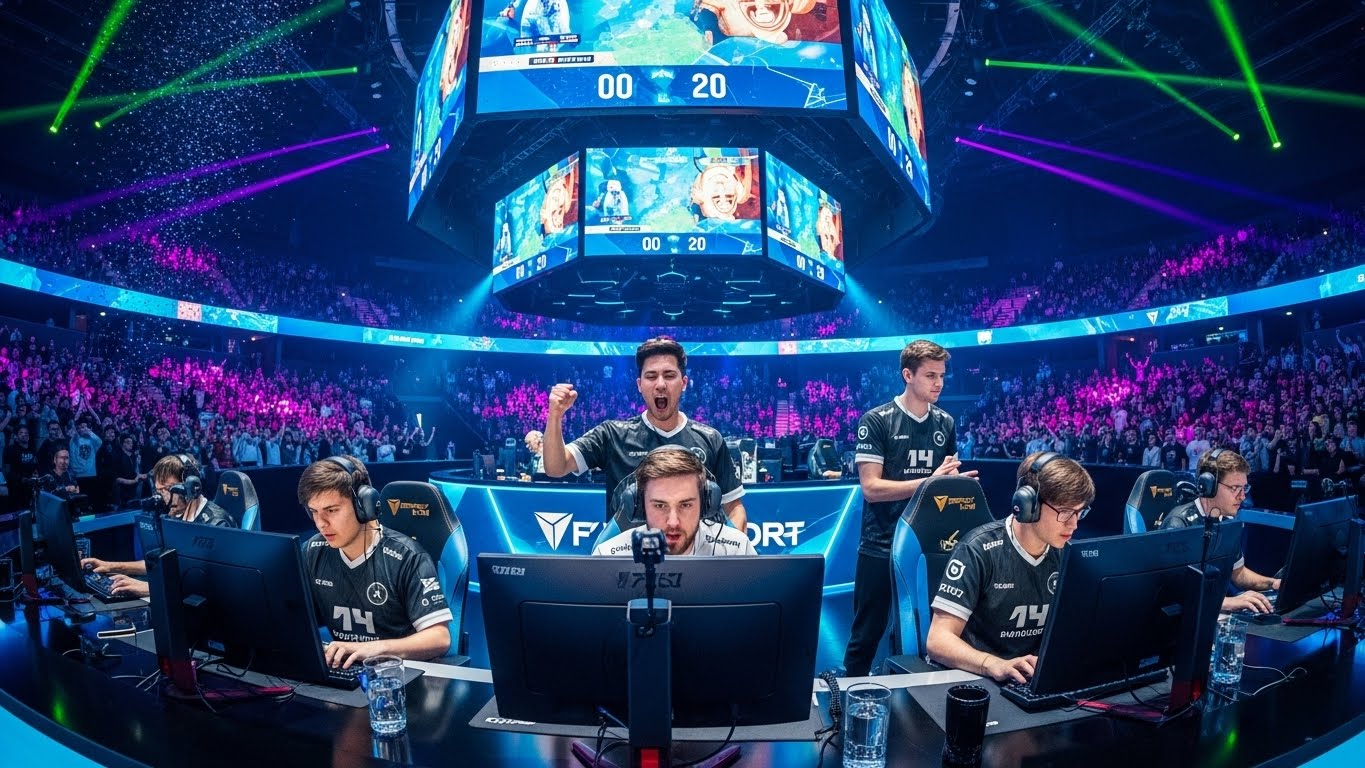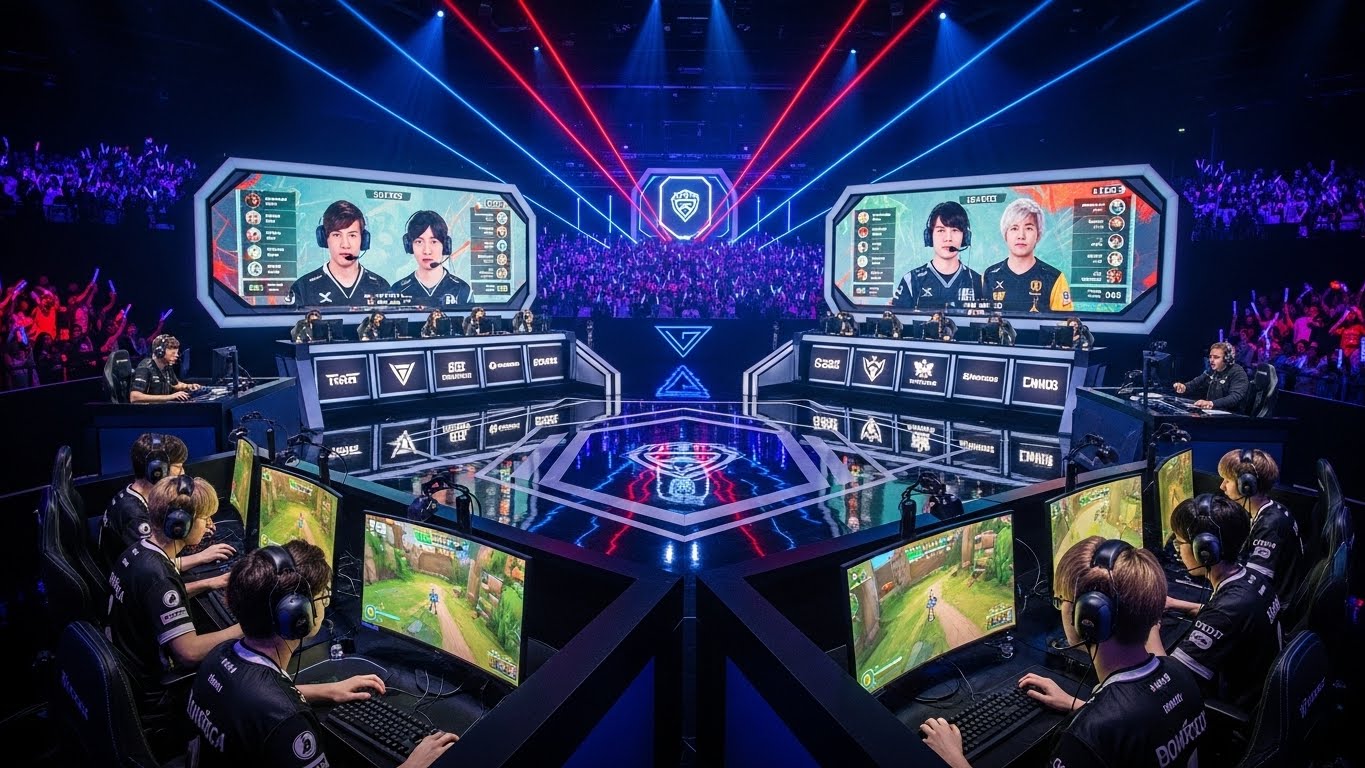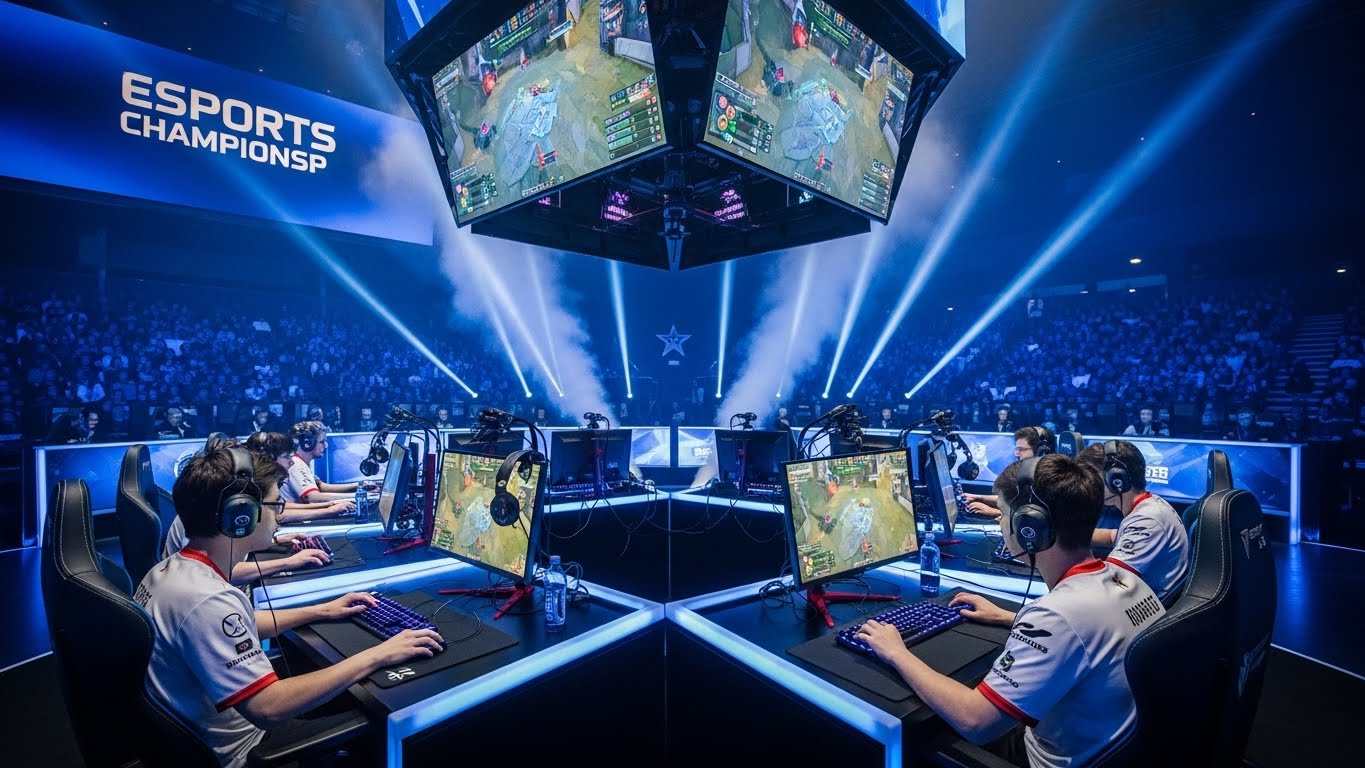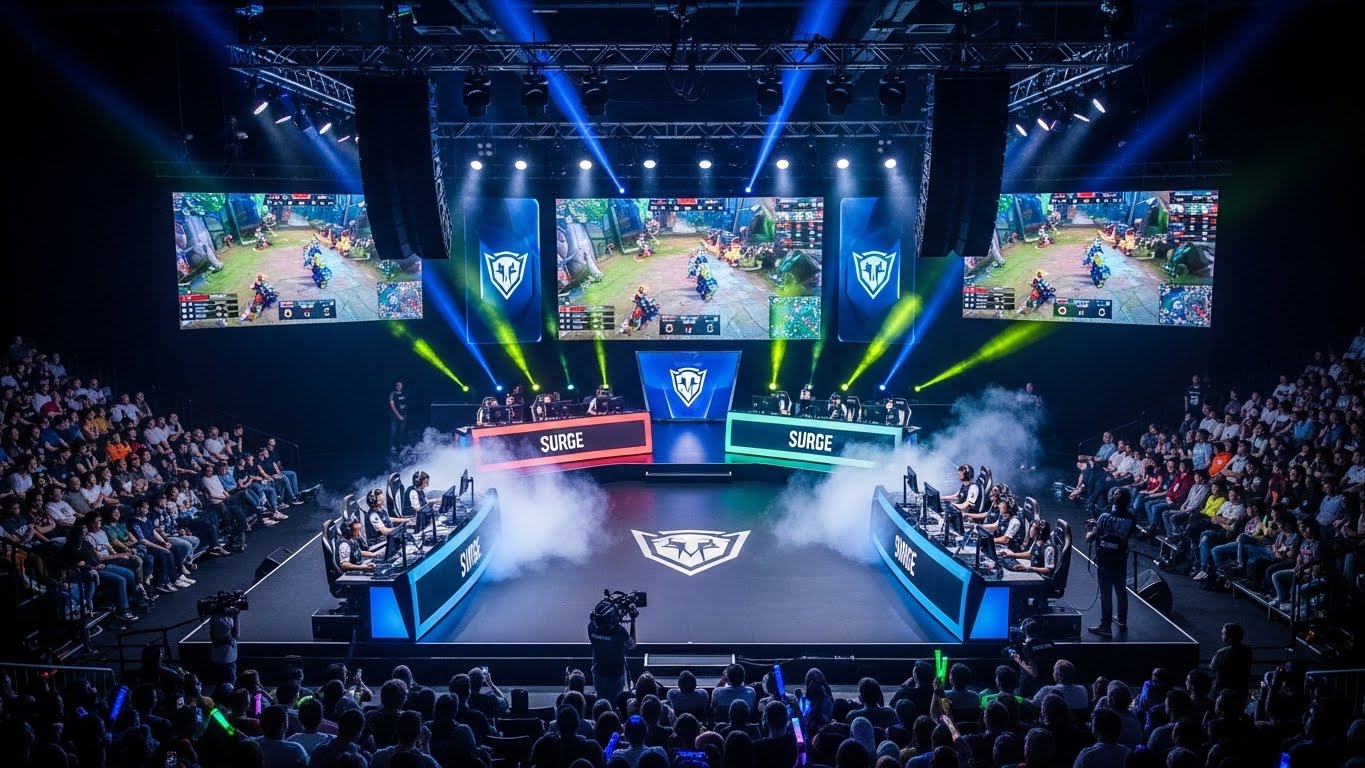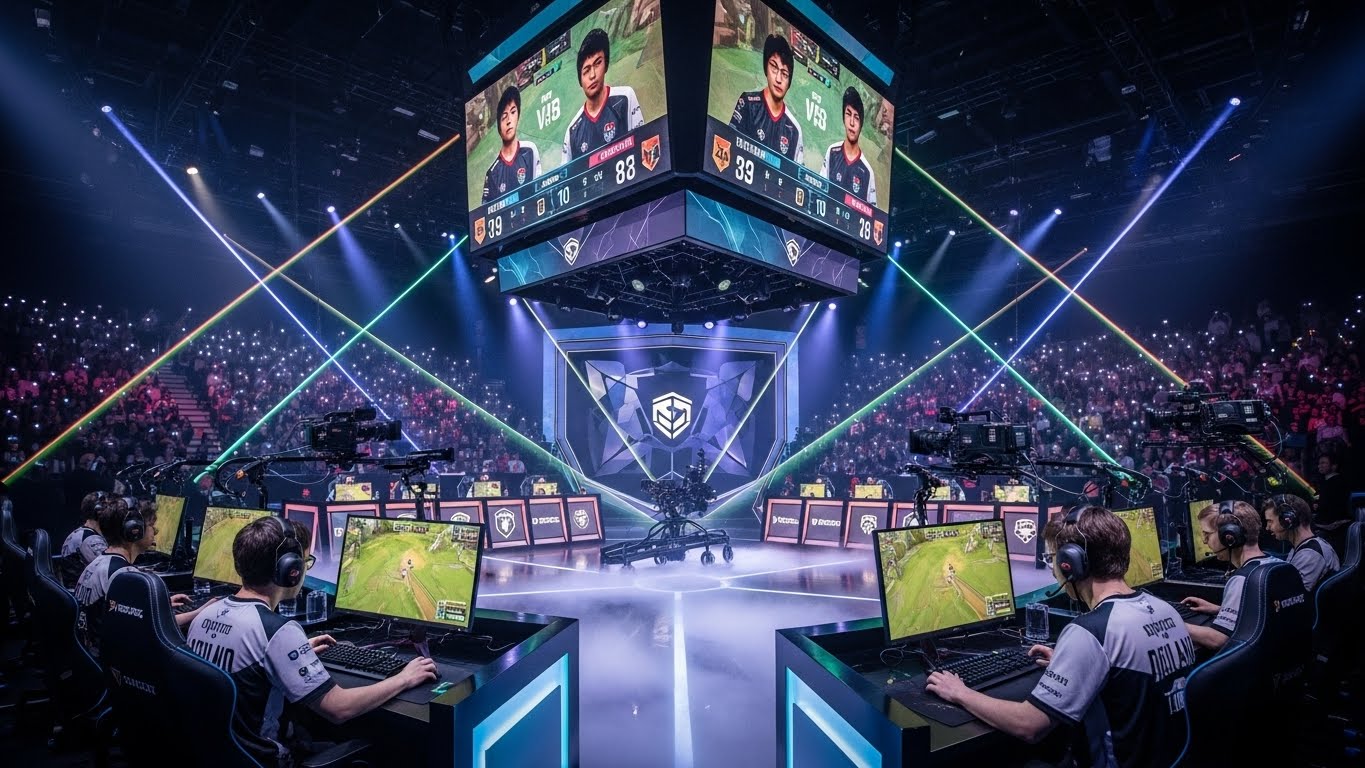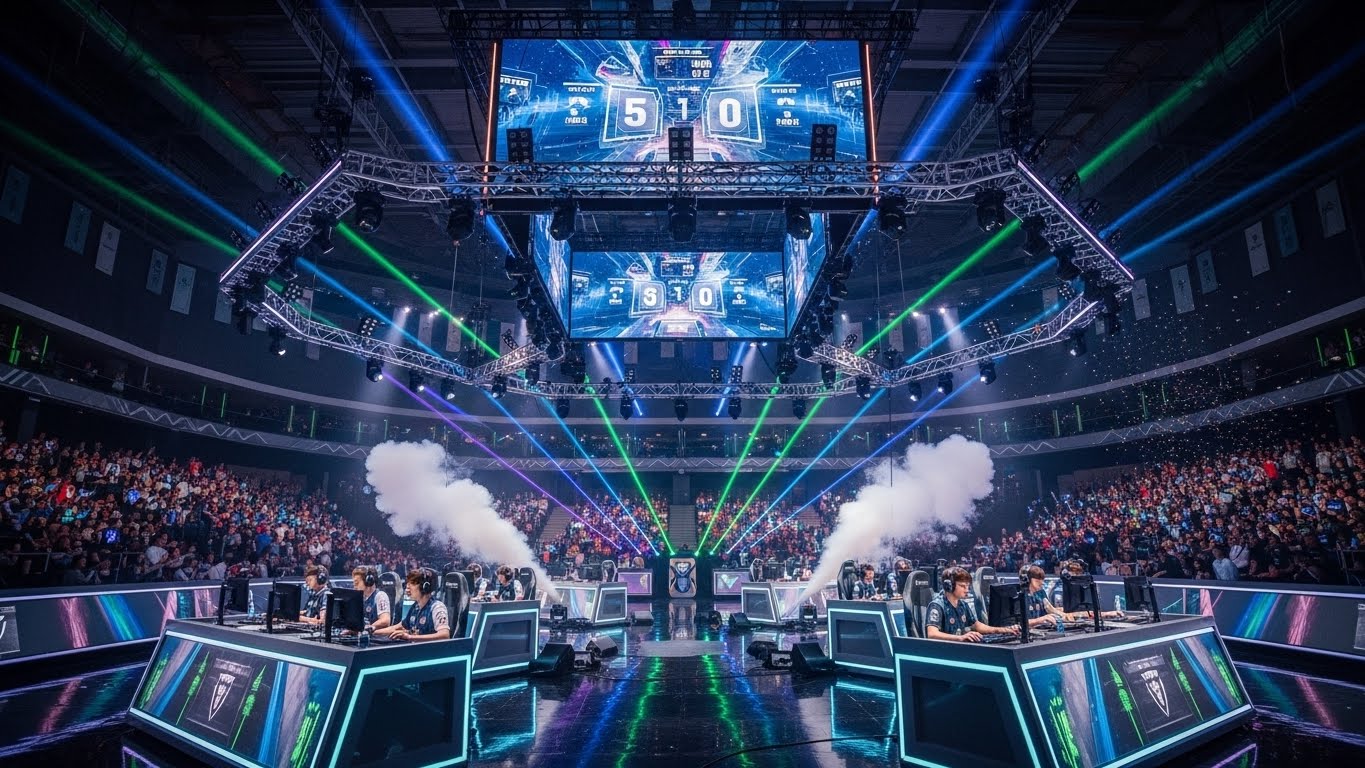

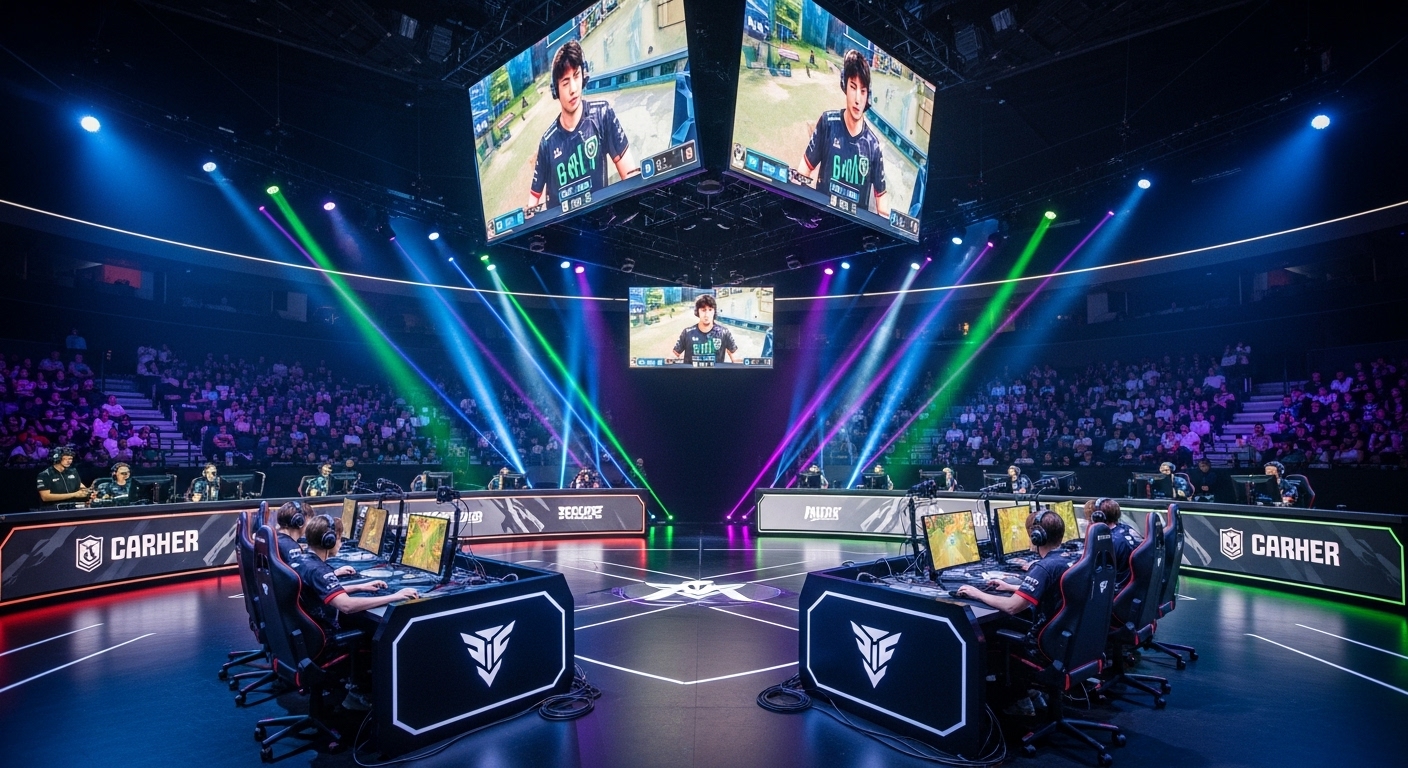
Esports has rapidly grown from a niche community of competitive gamers into a global phenomenon that unites millions across continents. Unlike traditional sports, where physical location and language often play a significant role in how fans and players connect, esports operates in a digital realm that transcends those boundaries. Players from South Korea, the United States, China, Brazil, and countless other nations compete in the same tournaments, communicate in real time, and build massive fan bases that span the globe.
But what makes esports particularly fascinating is how it bridges language barriers more effectively than almost any other entertainment or sporting medium. Through shared passion, visual communication, and a culture built on technology, esports demonstrates that competition and community can thrive even when people don’t speak the same language.
This article explores how esports overcomes linguistic boundaries — from the role of visual gameplay and universal cues to the impact of streaming platforms, AI-driven translation, and global fan communities.
The Universal Language of Gaming
At its core, gaming is already a universal language. A player doesn’t need to understand every word of commentary or chat messages to recognize what’s happening on screen. The thrill of a headshot in a first-person shooter, a last-minute goal in Rocket League, or a perfectly executed combo in a fighting game transcends language entirely.
Visual cues — health bars, scores, objectives, and animations — communicate essential information in real time. Just as music or art can convey emotion without words, gaming’s mechanics and visuals express tension, strategy, and triumph.
This makes esports particularly accessible to international audiences. Even if someone doesn’t understand English, Korean, or Mandarin, they can still follow the pace, excitement, and energy of a match. It’s one of the reasons esports tournaments draw millions of viewers worldwide, often surpassing traditional sports broadcasts.
Global Teams and Multilingual Communication
Professional esports teams are often composed of players from multiple countries. For example, an organization might include players from Europe, North America, and Asia — each speaking a different native language.
At first glance, this might seem like a communication challenge, but esports teams have found ways to make multilingual collaboration work effectively.
Most teams adopt English as a common competitive language, but the real success lies in developing in-game shorthand and non-verbal communication systems. Players use consistent phrases, callouts, and pings to convey vital information quickly, regardless of accent or fluency.
In many strategy-heavy titles like Dota 2, League of Legends, or Counter-Strike, players rely on universal terms — “push mid,” “rotate,” “rush B,” “smoke,” or “defend base.” These phrases become a shared tactical vocabulary that transcends nationality.
Additionally, non-verbal tools like map pings, gestures, or icons reinforce clarity. Even when emotions run high, the shared understanding of the game’s systems ensures players can coordinate efficiently.
Through teamwork and necessity, esports has created a functional hybrid language that combines minimal spoken words, gestures, and game-based cues — a testament to how competition drives innovation in communication.
The Role of Technology in Breaking Language Barriers
Technology plays a pivotal role in how esports connects people who speak different languages. Unlike traditional sports, esports exists within a digital ecosystem that encourages real-time interaction across borders. Several technologies make this possible.
1. Real-Time Translation Tools
Streaming platforms and communication apps increasingly incorporate AI-driven translation to help players and fans connect. Automatic captioning, multilingual chat translation, and live subtitling allow people from around the world to participate in conversations simultaneously.
For instance, during global tournaments, live chat often includes thousands of fans using different languages. Real-time translation enables them to cheer, discuss plays, and share memes without missing the spirit of the moment.
While translations aren’t always perfect, they are improving rapidly, creating a more inclusive and accessible environment for everyone.
2. Voice Communication Software
Applications like Discord, TeamSpeak, and in-game chat tools make cross-lingual communication much easier. Teams can form dedicated channels, use translation bots, or rely on simplified command systems.
Even tone of voice can carry meaning. A sharp call or urgent tone in a match can signal danger or opportunity instantly, regardless of the actual words used.
3. Streaming and Social Media Platforms
Platforms such as Twitch, YouTube, and TikTok have revolutionized how esports is consumed and discussed globally. A streamer in Japan can have followers from Brazil, while a European commentator might analyze games for an audience in Indonesia.
Translation overlays, multilingual subtitles, and global chat moderation help facilitate engagement. Many popular streamers also use visual humor, emotes, and reactions — all of which transcend words.
Through these platforms, esports has created a digital meeting ground where fans from every culture interact, learn, and celebrate their favorite players together.
International Tournaments: A Shared Global Stage
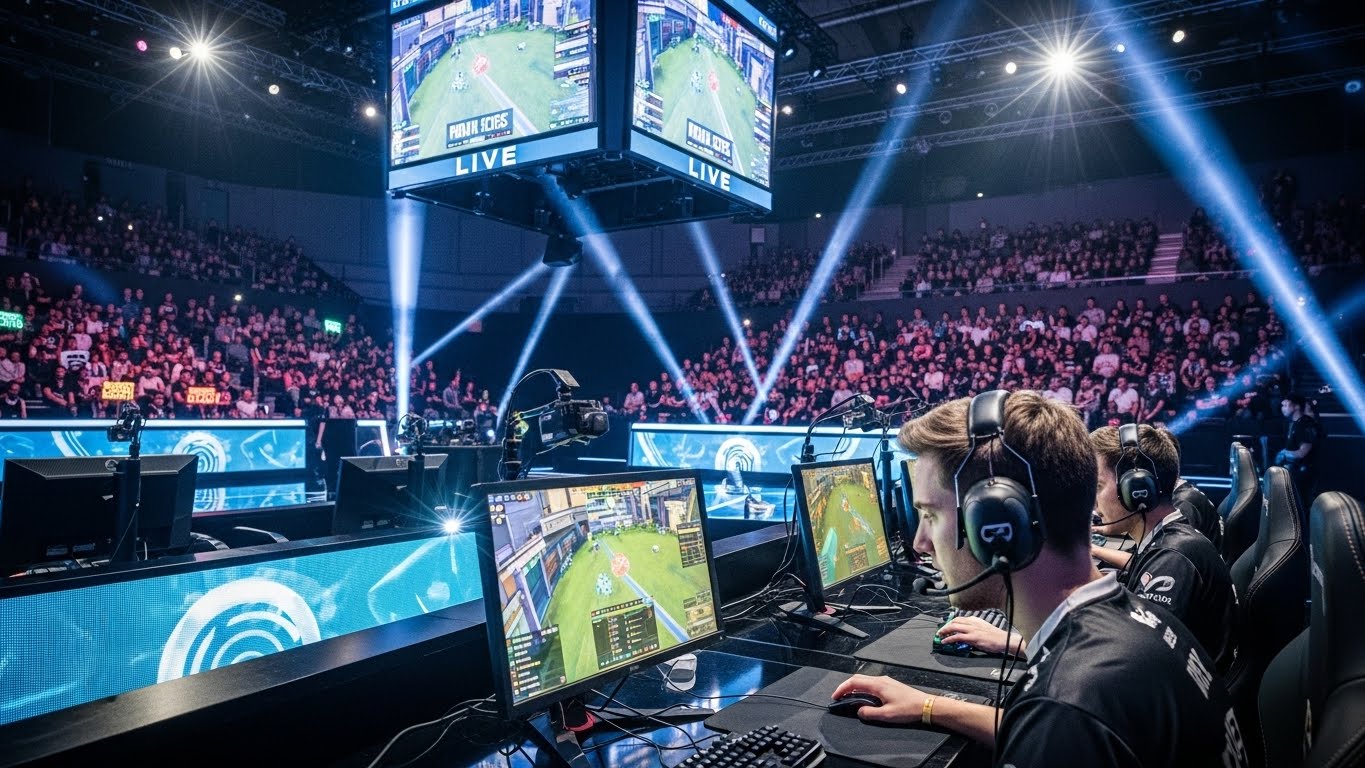
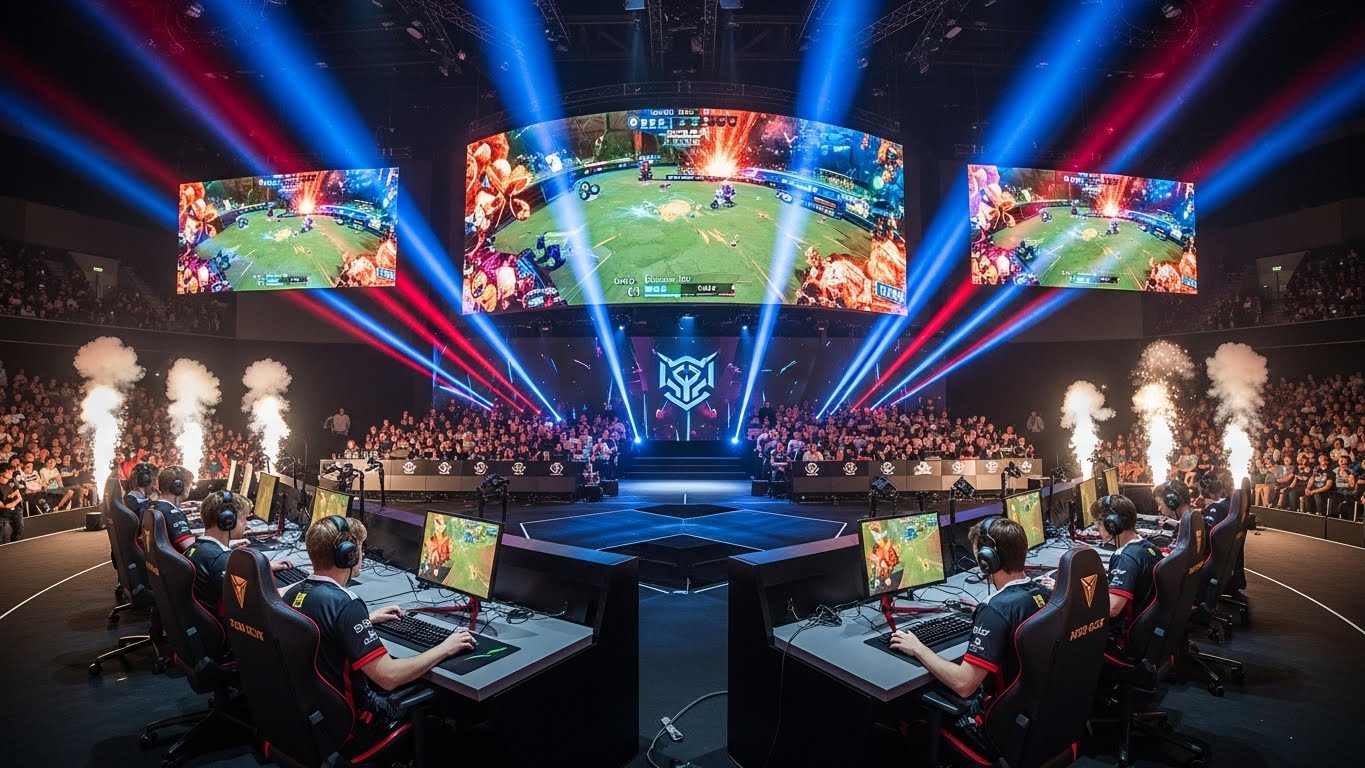
Major esports tournaments are prime examples of how gaming unites people despite language differences. Events like The International (Dota 2), the League of Legends World Championship, and the CS2 Majors feature players and fans from dozens of countries.
These tournaments are often broadcast in multiple languages simultaneously, with dedicated commentary teams for English, Korean, Chinese, Spanish, and many more. The same match can reach millions of viewers, each experiencing it in their preferred language.
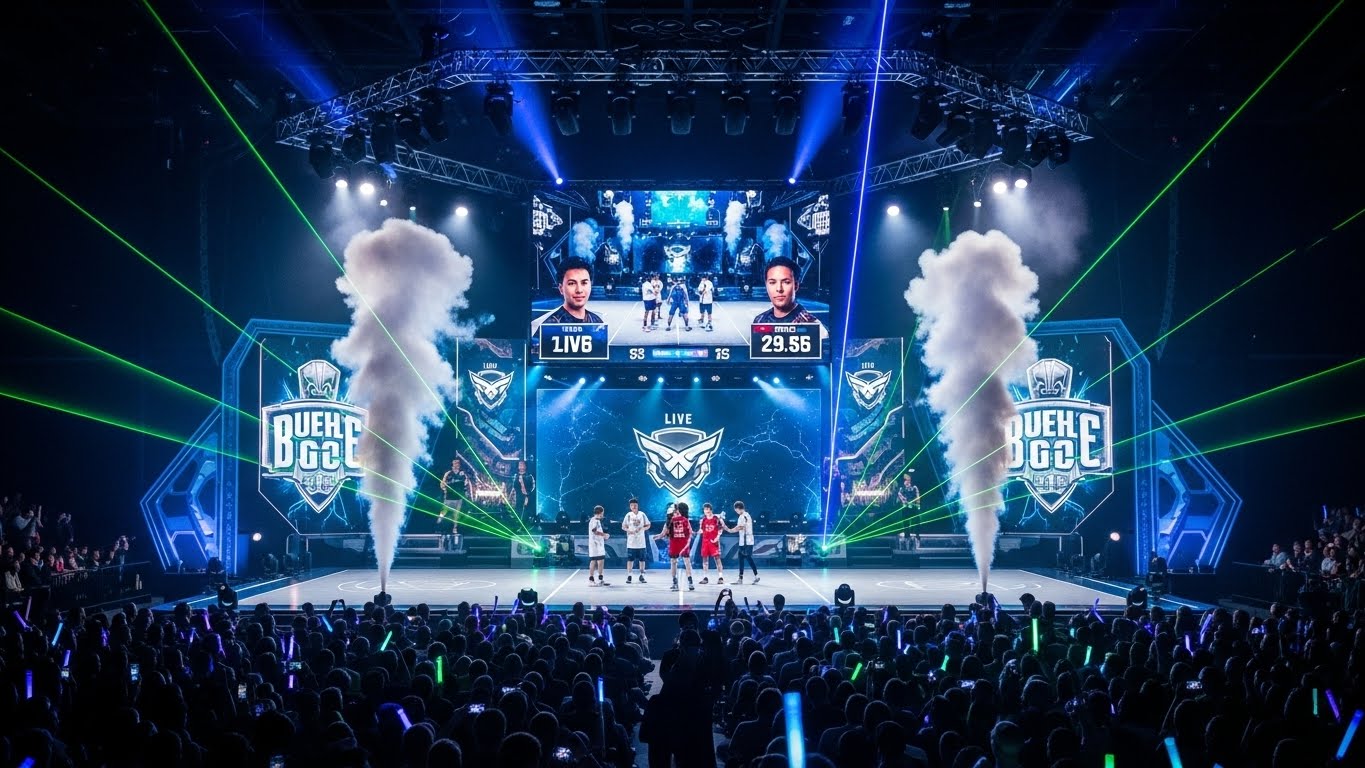
What’s more, the shared spectacle — the roar of the crowd, the flashing graphics, the excitement of the commentators — creates a universal emotional experience. The language may differ, but the reaction to a clutch play or comeback is the same everywhere: excitement, joy, and awe.
At live events, this unity is even more apparent. Fans from different cultures chant, cheer, and celebrate together, often picking up phrases from each other’s languages. These moments showcase esports as a truly global culture, not defined by borders or words but by shared enthusiasm.
The Power of Visual and Emotional Connection
One of the main reasons esports bridges language gaps so effectively is the power of visual and emotional connection. Unlike traditional sports where commentary explains much of the action, esports relies heavily on visual storytelling.
Every game has its own rhythm — the flashing lights of an ultimate ability, the slow tension of a sniper’s aim, the eruption of a scoreboard. These visuals communicate everything a viewer needs to feel the moment.
Additionally, emotion itself transcends language. Whether a player smiles in victory, slumps after defeat, or shouts with joy, those emotions resonate universally. Fans can empathize and connect without needing translation.
This emotional communication builds deep fan loyalty and helps create international communities that discuss strategies, share memes, and celebrate together, even with limited verbal overlap.
Streamers and Multilingual Communities
Beyond professional tournaments, streamers have become central to how esports connects global audiences. Many successful streamers intentionally cultivate multilingual communities by using a mix of languages, subtitles, and emotes.
For instance, a streamer might speak in their native language but include English captions for global viewers. Fans then engage in chat using a blend of languages, relying on emojis and visual responses to communicate.
This creates a kind of hybrid online dialect unique to esports and streaming culture. It’s not uncommon for chat threads to contain English, Spanish, Japanese, and Korean words all in one conversation — and everyone still understands the general mood.
Streamers also act as cultural bridges by introducing audiences to new regions, players, and styles. A North American streamer might react to highlights from Chinese esports, sparking curiosity and admiration across language lines.
Fan Translations and Community Efforts
One of the most remarkable aspects of esports culture is the volunteer-driven translation movement within fan communities. Fans often create subtitles, dubbed commentary, and translated highlights for international tournaments or interviews.
This organic translation network ensures that no one feels excluded from major esports moments. When a Korean player gives an emotional victory speech, fans from other regions translate and share it within hours.
Community-led translation projects not only spread accessibility but also foster cultural understanding. Through these efforts, fans learn about the personalities, humor, and passion of players from different countries.
It’s a collective effort that highlights how deeply fans care — not just about the games, but about the people behind them.
Esports Organizations and Multilingual Branding
Professional esports organizations have also adapted to the international nature of gaming by investing in multilingual branding. Social media accounts for teams and leagues often operate in multiple languages to reach global audiences.
For example, a team might post the same update in English, Spanish, and Mandarin across their official channels. Interviews and behind-the-scenes content often include subtitles, making fans from anywhere feel included.
Some organizations go a step further by hiring bilingual staff or translators to facilitate communication between players and fans. Others design region-specific campaigns, ensuring local cultures feel represented while maintaining global unity.
This commitment to multilingual engagement strengthens fan loyalty and ensures esports remains inclusive as it grows.
The Role of Cultural Exchange in Esports
Beyond communication, esports has become a platform for cultural exchange. Through international competition, fans and players learn about each other’s traditions, humor, and social values.
Esports events often showcase music, art, and food from the host country, introducing international audiences to new cultures. Players from different backgrounds collaborate, share training methods, and develop friendships that transcend national lines.
This cultural blending not only enriches the global gaming scene but also promotes tolerance and curiosity. In a world often divided by language and geography, esports offers a digital space where people connect over shared interests and mutual respect.
Case Studies: Moments That United Fans Worldwide
Throughout esports history, several moments have demonstrated the power of unity beyond language.
- When South Korean players dominated StarCraft tournaments in the early 2000s, fans worldwide admired their discipline and skill, even if they couldn’t understand the commentary.
- During The International tournaments for Dota 2, victory speeches and emotional celebrations have been translated by fans and shared across countless languages, inspiring global audiences.
- In League of Legends Worlds, teams from different regions create rivalries and friendships that fans celebrate together, regardless of the language spoken.
Each of these moments reinforces that esports isn’t just about winning or losing — it’s about the shared experience of excitement, perseverance, and respect.
Challenges and Future Solutions
While esports has made great progress in overcoming language barriers, challenges remain.
Not all broadcasts offer equal translation coverage, and smaller regions sometimes lack localized commentary. Miscommunication between international teammates can still occur, particularly in fast-paced games where every second matters.
However, advancements in AI translation, voice recognition, and cross-platform integration are gradually solving these issues. Real-time voice translation tools may soon allow teams to communicate seamlessly, while improved subtitles will make broadcasts universally accessible.
Esports organizations are also becoming more aware of the importance of inclusivity, investing in multilingual talent, and developing content strategies that cater to global audiences.
The Psychological Impact of a Shared Digital Language
Beyond practical communication, esports creates a sense of belonging that transcends words. When players shout “GG” or fans spam familiar emotes like “PogChamp” or “EZ,” they’re speaking a global gaming language understood everywhere.
This shorthand builds a shared identity — a feeling that, no matter where you’re from, you belong to the same community. Gamers from different continents recognize the same memes, laugh at the same plays, and cheer for the same underdog teams.
Such cultural synchronization would have been nearly impossible a decade ago, but esports and streaming platforms have made it commonplace.
Esports as a Model for Global Unity
In many ways, esports provides a blueprint for how digital communities can bridge cultural and linguistic divides. It demonstrates that shared interests and emotional connection can overcome barriers that traditionally separate people.
Esports isn’t about erasing languages or cultures — it’s about celebrating diversity while finding common ground through play, teamwork, and mutual respect.
As technology continues to evolve, esports could play an even bigger role in promoting international understanding, collaboration, and friendship. Whether through real-time translation, multicultural tournaments, or fan-driven initiatives, the language of gaming will remain universal.
Conclusion
Esports has proven that communication goes far beyond words. It connects players and fans across borders through shared emotion, visual storytelling, and technology-driven interaction. From global tournaments to multilingual streaming communities, esports continues to demonstrate how competition and creativity unite people in ways few other mediums can.
Through teamwork, innovation, and passion, esports has built a world where language differences don’t divide but enrich the experience. It stands as a powerful example of how digital culture can bring humanity closer together — one match, one play, and one celebration at a time.