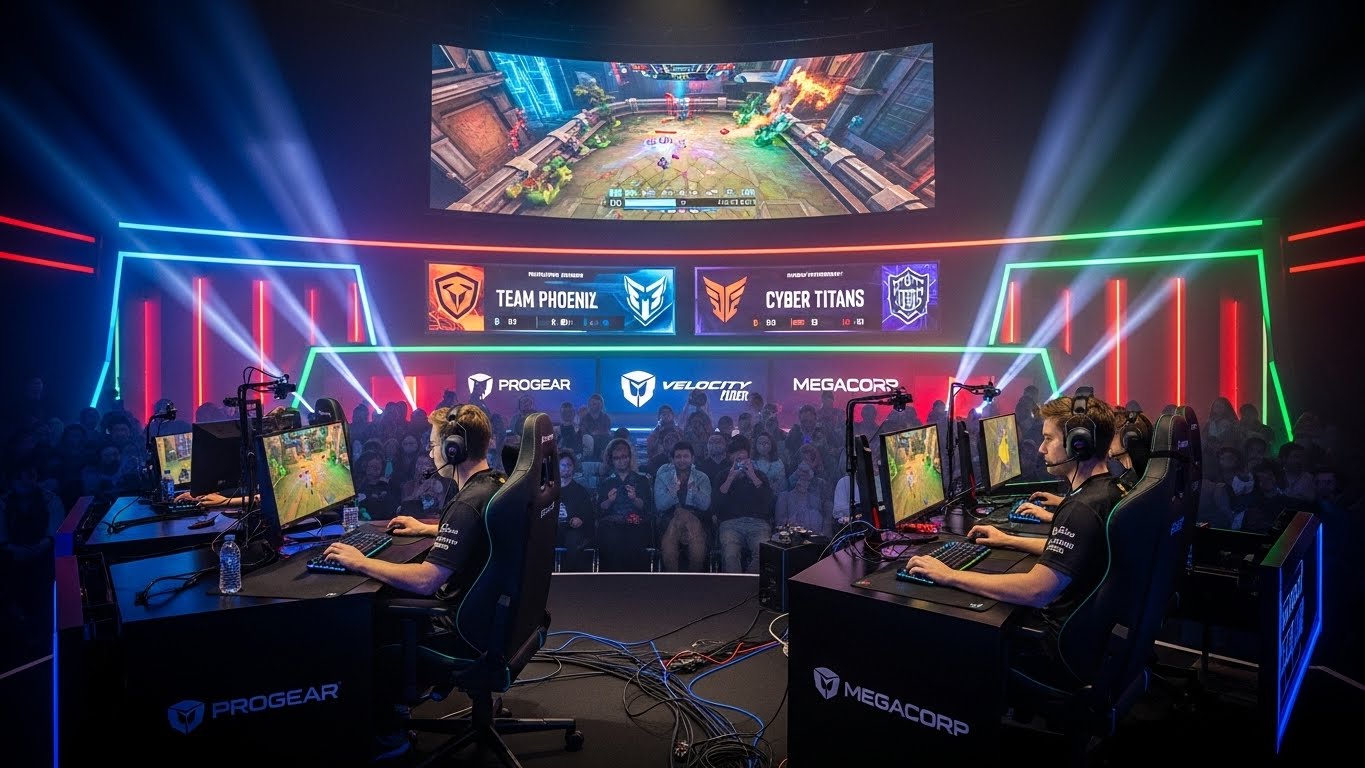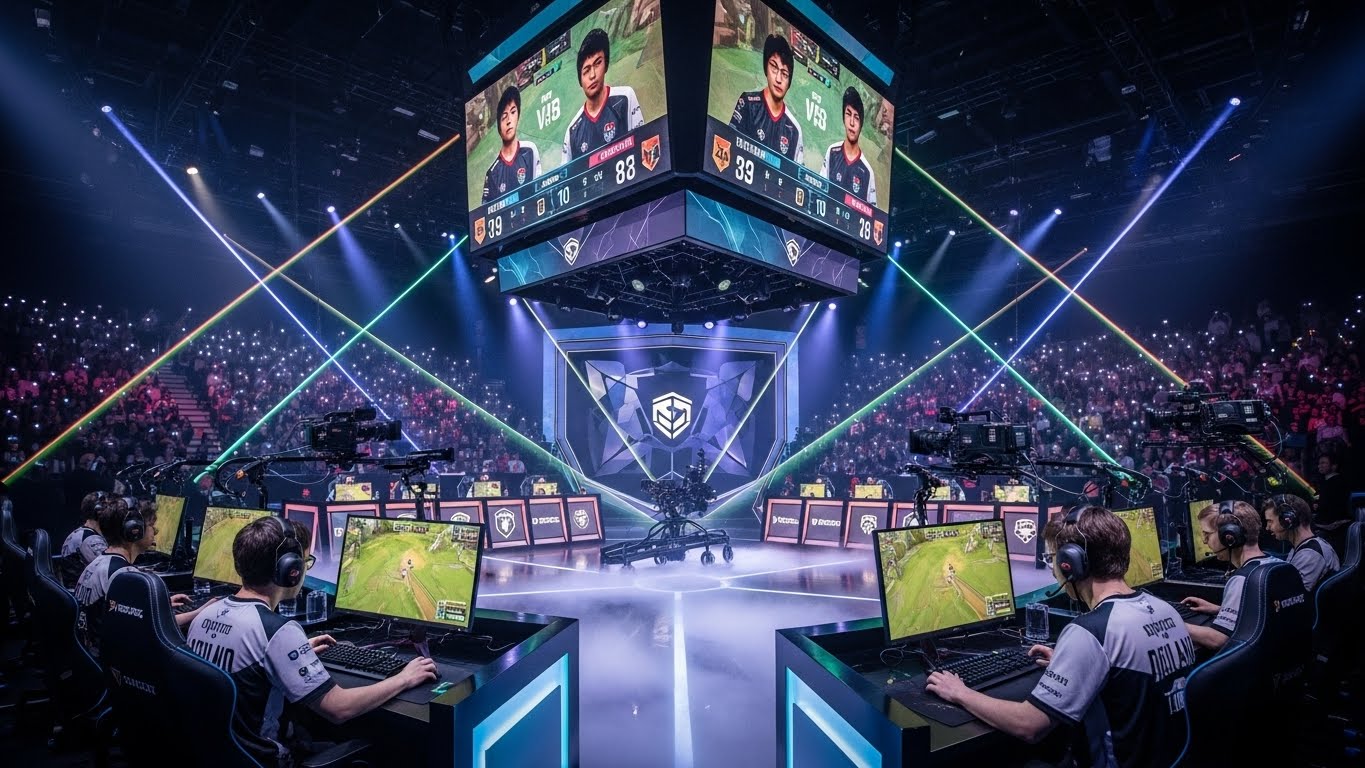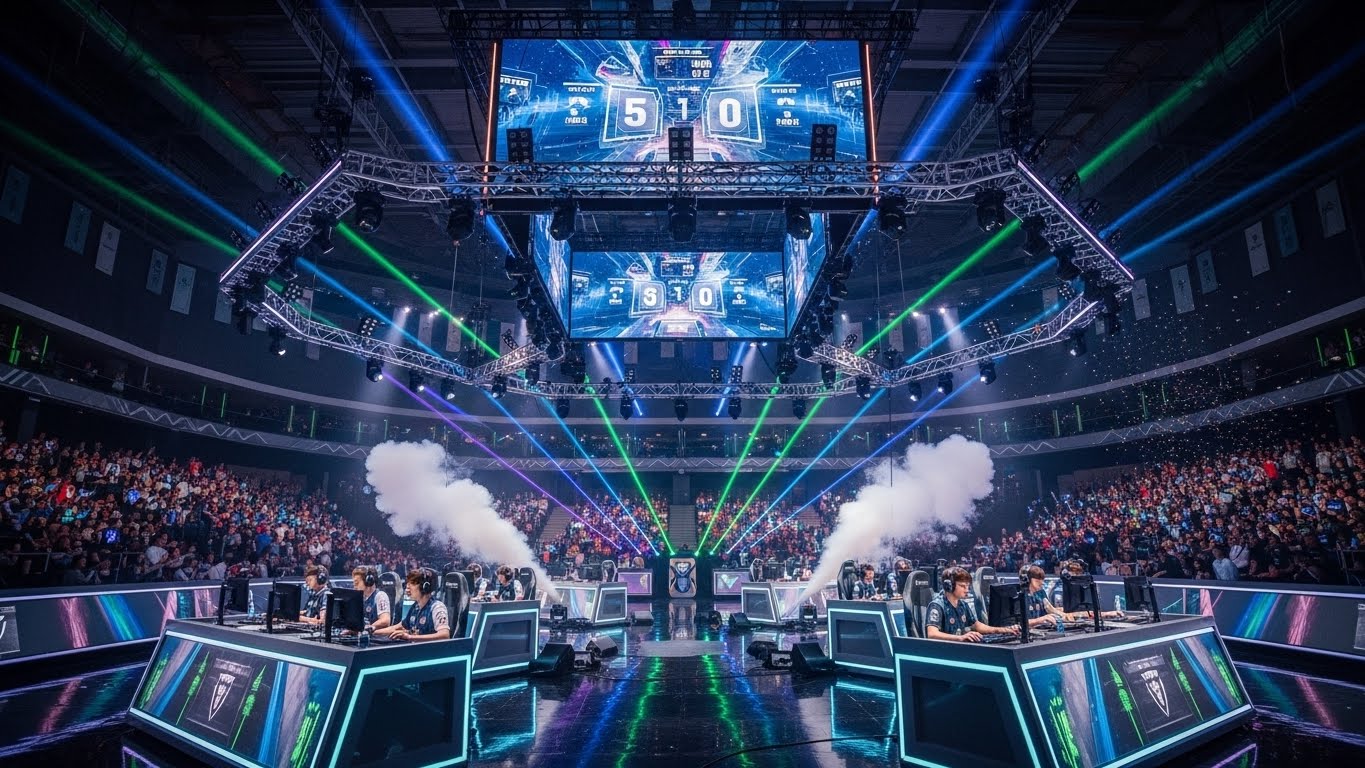


Esports is no longer just about competitive gameplay. Beyond prize money, sponsorships, and streaming revenue, merchandise has emerged as a major revenue stream for teams, players, and event organizers. From jerseys and hoodies to accessories, collectibles, and in-game items, merchandise allows esports organizations to generate income while deepening fan engagement.
This blog explores how merchandise becomes a revenue stream in esports, the types of merchandise that work, strategies for maximizing sales, and the broader impact on the esports ecosystem.
The Role of Merchandise in Esports
Merchandise serves multiple functions in esports:
- Revenue Generation: Sales contribute directly to team and player income.
- Brand Building: Merchandise strengthens recognition and identity.
- Fan Engagement: Fans feel connected to teams and players through branded products.
- Marketing and Sponsorship Opportunities: Merchandise promotes the team and attracts potential partners.
Unlike traditional revenue streams such as tournament winnings or sponsorships, merchandise offers a long-term, recurring source of income that is not dependent on match outcomes.
Types of Merchandise in Esports
1. Apparel
- Jerseys and Hoodies: Core items for fans to show support.
- Caps and Beanies: Accessories that increase brand visibility in daily life.
- Limited-Edition Clothing: Exclusive drops create urgency and collectibility.
2. Accessories
- Mousepads and Keyboards: Functional items that appeal to gaming enthusiasts.
- Phone Cases and Backpacks: Lifestyle items that integrate branding into everyday life.
3. Collectibles and Memorabilia
- Signed Posters and Figurines: Build emotional connection with fans.
- Pins, Badges, and Stickers: Affordable options for wide fan adoption.
4. In-Game Merchandise
- Skins and Cosmetic Items: Digital products tied to a player, team, or event.
- Exclusive Event Passes: Limited access to tournaments or special content.
5. Collaborative Merchandise
- Partnerships with fashion brands, tech companies, or other esports teams create co-branded items, expanding audience reach and sales potential.
How Merchandise Generates Revenue
- Direct Sales
The simplest revenue model is selling products directly to fans via online stores or at live events. Revenue depends on product pricing, fanbase size, and marketing reach. - Limited Edition and Scarcity
Releasing limited-run items creates urgency, encouraging fans to purchase quickly. Scarcity increases perceived value and can justify higher price points. - Bundling Products
Teams often bundle merchandise with event tickets, in-game items, or subscription packages. Bundling increases total sales and enhances perceived value. - Digital Merchandise Sales
In-game items such as skins, avatars, or badges provide recurring revenue without production costs. Digital merchandise is particularly scalable for global audiences. - Seasonal and Event-Based Releases
Tying merchandise drops to tournaments, anniversaries, or player milestones drives timely sales and increases engagement.
Case Studies: Successful Merchandise Strategies
1. Team Liquid
Team Liquid leverages a mix of apparel, gaming peripherals, and collectibles. Limited-edition drops and collaborations with brands like Champion and Monster Energy strengthen their global brand while generating revenue.
2. FaZe Clan
FaZe Clan is a prime example of lifestyle-driven merchandise. With streetwear, hats, and digital collectibles, they appeal to esports fans and fashion enthusiasts, demonstrating that merchandise can bridge gaming and culture.
3. 100 Thieves
100 Thieves has built a strong merchandising model that rivals traditional apparel brands. Limited drops, collaborations with celebrity partners, and a focus on high-quality clothing have made merchandise a major revenue contributor.
4. Riot Games and League of Legends
Riot sells both physical and in-game items, from champion figurines to limited skins. This dual approach maximizes revenue across multiple channels while engaging different types of fans.
Why Merchandise Works in Esports
- Fan Loyalty: Esports fans are highly engaged and often seek ways to show allegiance. Merchandise provides a tangible connection.
- Brand Recognition: Wearing or using branded items increases visibility and awareness for teams or players.
- Cultural Integration: Merchandise allows esports to enter fashion, lifestyle, and tech markets.
- Recurring Revenue Potential: Unlike tournament winnings, merchandise can generate consistent income year-round.
Challenges in Esports Merchandise
- Quality Control: Poor-quality products can damage a brand’s reputation.
- Overproduction: Excess inventory can lead to losses or forced discounts.
- Marketing Dependence: Successful sales rely on effective promotion through social media, influencers, or events.
- Piracy and Counterfeits: Popular merchandise may be copied, diverting revenue.
Addressing these challenges requires careful planning, professional design, and strong distribution channels.
Strategies to Maximize Merchandise Revenue
- Leverage Influencers and Players
Players can promote merchandise to their followers through social media and streaming, creating authentic marketing opportunities. - Limited Drops and Collaborations
Timed releases and co-branded products increase demand and attract attention beyond the core fanbase. - Diversify Product Lines
Offering a mix of apparel, digital items, and collectibles appeals to a wider audience and multiple price points. - Engage Fans in Design
Crowdsourcing design ideas or allowing fans to vote on products enhances engagement and increases purchase likelihood. - Integrate Merchandise with Events
Selling exclusive items at tournaments or online events drives immediate sales and creates memorable fan experiences.
The Future of Merchandise in Esports
The future of esports merchandise will likely involve:
- Digital-Physical Hybrids: Bundling physical items with exclusive in-game content.
- Sustainable Merchandise: Eco-friendly apparel and collectibles appeal to socially conscious fans.
- Personalized Products: Customization options for fans to create unique items.
- Global Distribution Expansion: Expanding e-commerce reach to emerging markets.
- Collaborations Across Industries: Partnerships with fashion, tech, and entertainment brands to reach wider audiences.
Merchandise will continue to evolve as a central revenue stream, complementing sponsorships, streaming, and tournament winnings.
Conclusion: Merchandise as a Strategic Revenue Stream
Merchandise is more than a side hustle for esports organizations—it is a strategic revenue driver that reinforces brand identity, deepens fan loyalty, and generates consistent income. Successful merchandise strategies combine creativity, quality, and marketing, appealing to both casual fans and dedicated supporters.
From apparel and collectibles to in-game items and lifestyle products, merchandise provides multiple revenue streams that can sustain organizations even during off-seasons or competitive slumps. As esports grows globally, merchandise will remain a cornerstone of financial and brand strategy, turning fan passion into tangible support and long-term profitability.