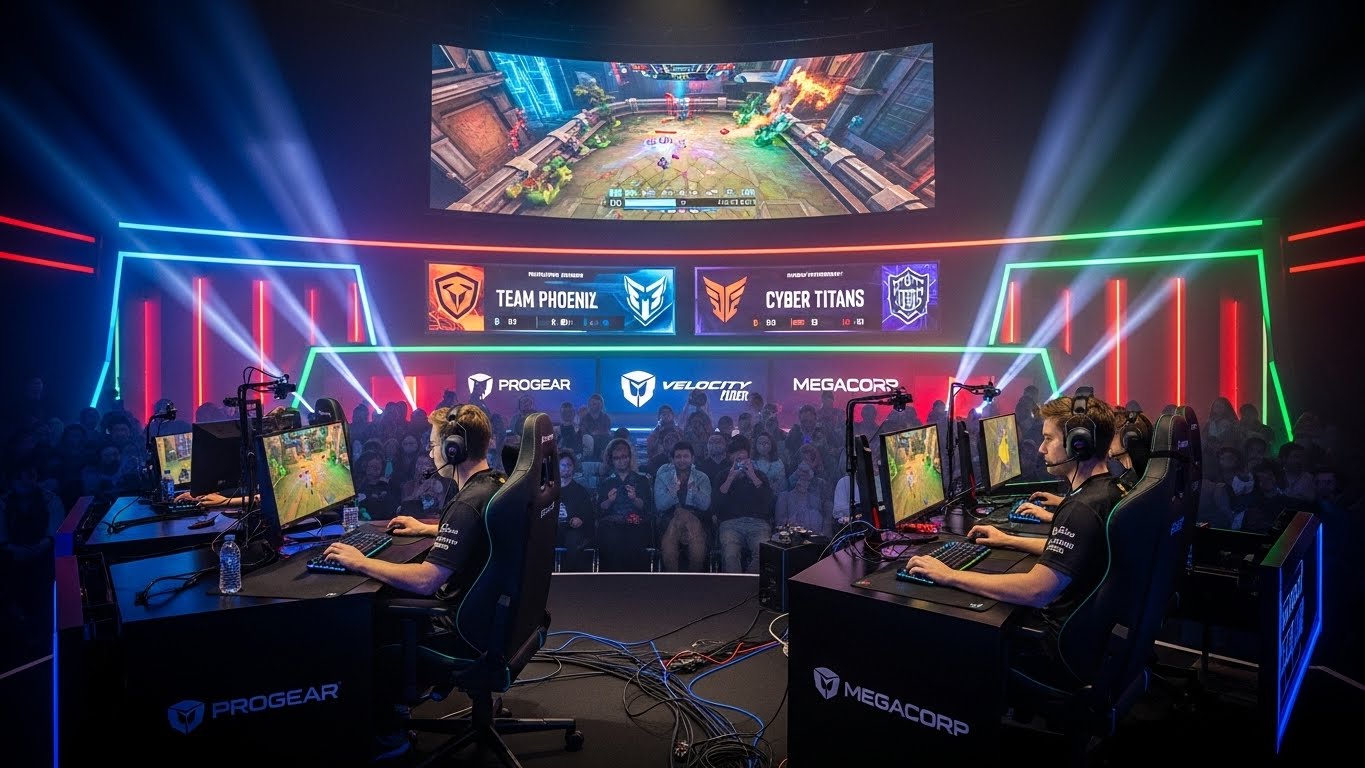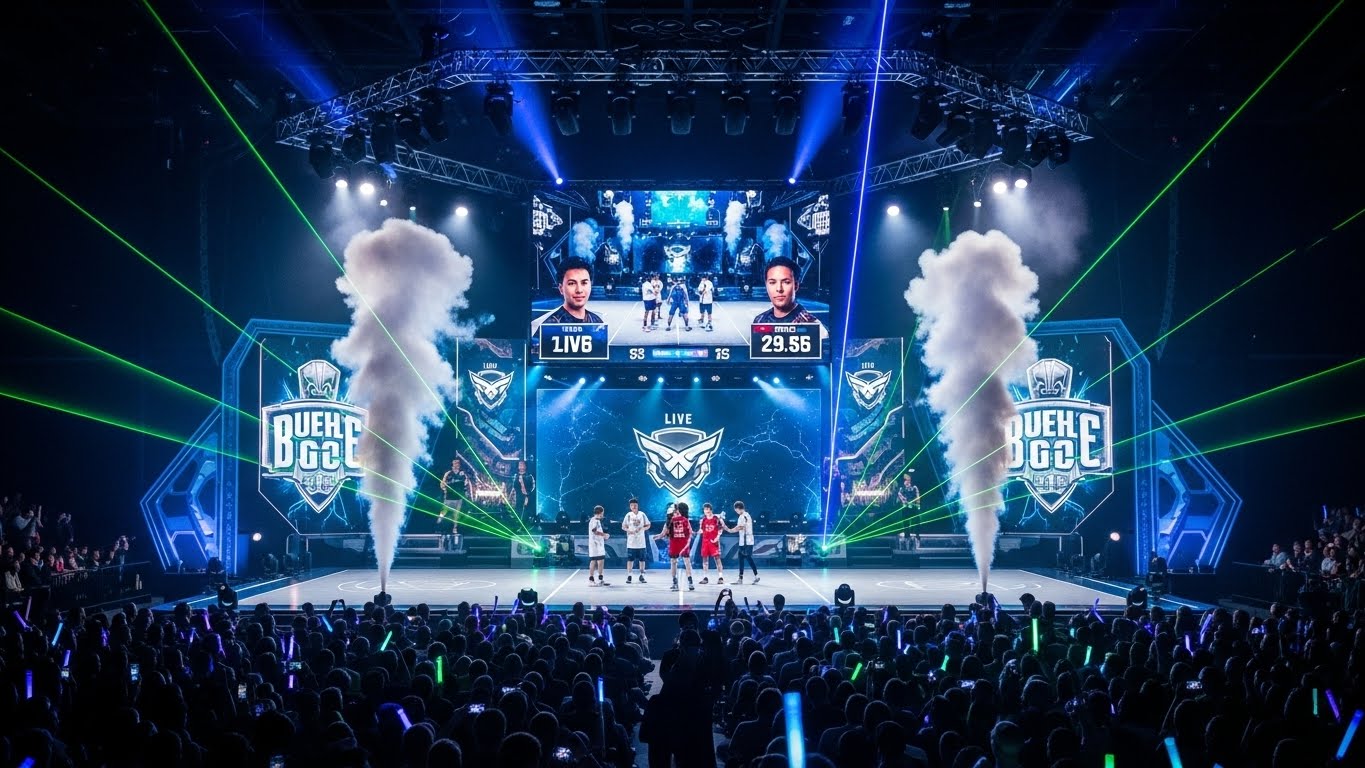

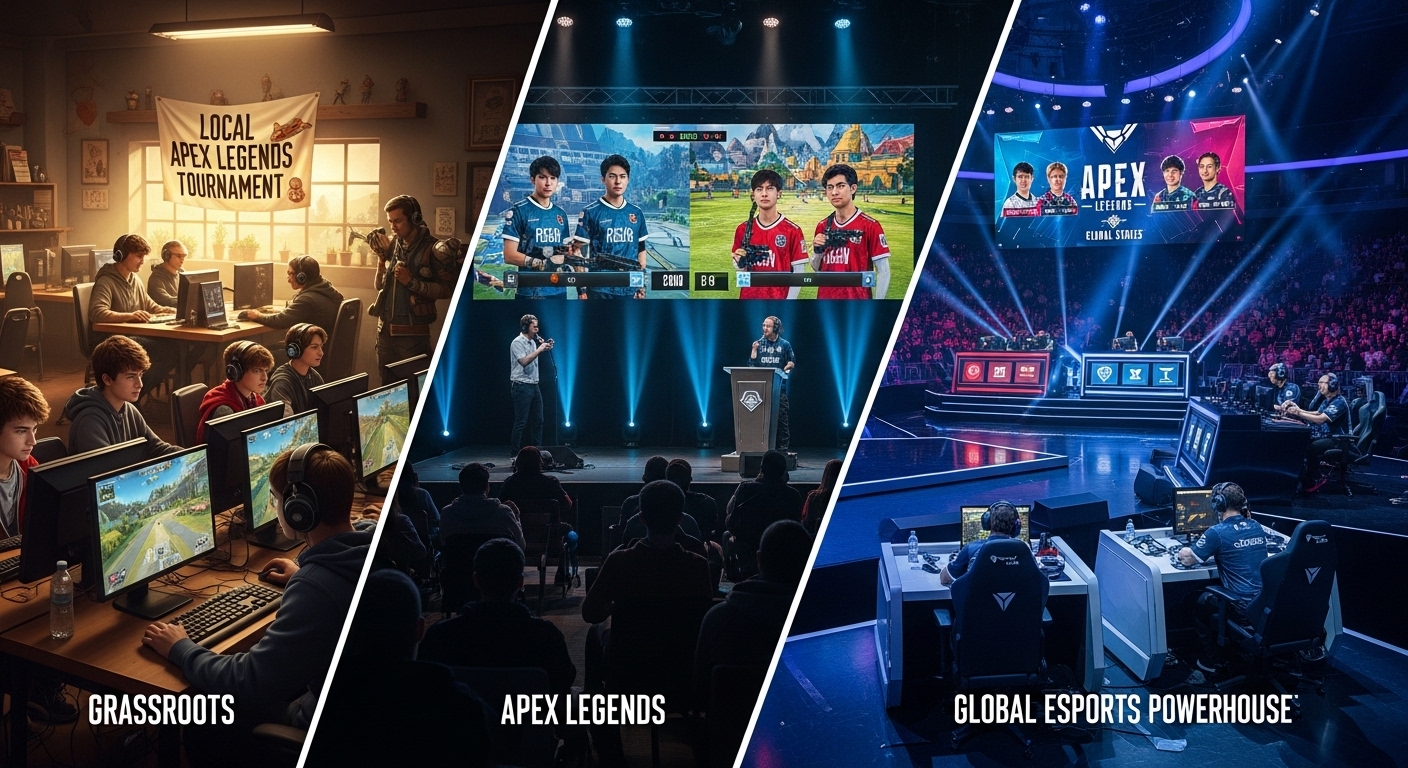
Since its explosive debut in February 2019, Apex Legends has evolved from a fresh entry in the battle royale genre to a formidable force in the esports landscape. Its competitive scene, anchored by the Apex Legends Global Series (ALGS), has seen remarkable growth, marked by increased viewership, expanded global participation, and innovative tournament structures. This article delves into the journey of Apex Legends’ competitive scene, examining its evolution, challenges, and the factors contributing to its rise as a premier esports title.
The Genesis of Competitive Apex Legends
A Grassroots Beginning
The competitive roots of Apex Legends were planted by its community. Before the establishment of formal tournaments, players organized grassroots competitions, fostering a competitive spirit and laying the groundwork for what would become a structured esports ecosystem. These community-driven events not only showcased the game’s potential as a competitive title but also highlighted the dedication and passion of its player base.
The Launch of ALGS
Recognizing the game’s competitive potential, Electronic Arts (EA) and Respawn Entertainment launched the Apex Legends Global Series (ALGS) in 2020. The ALGS aimed to provide a structured and professional competitive environment, featuring regional qualifiers, online tournaments, and culminating in a global championship. This initiative marked the beginning of Apex Legends’ formal entry into the esports arena, attracting both players and organizations worldwide.
Accelerated Growth and Global Expansion
Surge in Viewership
The ALGS quickly garnered attention, with tournaments drawing significant viewership numbers. For instance, the ALGS 2024 Championship became the third most-watched esports event ever held in Japan, with peak viewership surpassing 830,000 viewers. Such milestones underscored the growing global interest in Apex Legends as a competitive title Esports Charts.
Increased Prize Pools and Sponsorships
As the competitive scene matured, so did the financial backing. Tournaments began offering substantial prize pools, attracting top-tier teams and players. Sponsorships from major brands further bolstered the scene, providing the necessary resources for tournament organizers and players alike. This influx of investment not only enhanced the quality of competitions but also elevated the profile of Apex Legends in the esports industry.
Regional Leagues and Global Representation
To accommodate the growing global interest, the ALGS expanded its reach by establishing regional leagues. These leagues allowed teams from various parts of the world to compete at a high level, fostering a more inclusive and diverse competitive environment. Regions such as North America, Europe, Asia-Pacific, and South America saw the emergence of local talent, contributing to the global appeal of the game.
Challenges and Resilience
Organizational Departures
Despite its growth, the competitive scene faced challenges. Notably, prominent organizations like 100 Thieves and G2 Esports exited the ALGS in 2022 and 2024, respectively, citing concerns over the tournament’s structure and revenue-sharing models Esports Insider. Such departures highlighted the need for continued evolution and adaptation within the competitive ecosystem.
Player Base Fluctuations
The game’s player base experienced fluctuations, with reports indicating a significant drop in Steam players in 2024. However, data also showed a 15-20% increase in playtime following major updates, suggesting that while challenges existed, the game’s core community remained engaged and responsive to new content turboboost.gg.
Innovations Driving Competitive Growth
Creator Tournament Series
In 2025, Respawn Entertainment introduced the Creator Tournament Series, allowing influencers and content creators to host their own tournaments with custom rules and prize pools. This initiative not only diversified the competitive landscape but also engaged a broader audience, blending traditional esports with influencer-driven content Esports Insider.
New Game Modes and Updates
Regular updates and the introduction of new game modes played a pivotal role in maintaining player interest and engagement. For instance, the “Wildcard” mode, introduced in Season 26, allowed players to stack Legends and featured unique mechanics like temporary abilities and automatic teammate respawns. Such innovations kept the gameplay fresh and exciting, ensuring the competitive scene remained dynamic Polygon.
Enhanced Tournament Structures
The ALGS continually refined its tournament structures to enhance competitiveness and viewer engagement. This included adjustments to match formats, scoring systems, and broadcast presentations, all aimed at providing a more compelling experience for both players and audiences. These improvements underscored the commitment to delivering high-quality competitions that resonated with the global community.
The Future of Apex Legends in Esports
Continued Global Expansion
Looking ahead, the future of Apex Legends in esports appears promising. With ongoing efforts to expand into new regions and support emerging talent, the game is poised to solidify its position as a leading esports title. Initiatives like the Creator Tournament Series exemplify a forward-thinking approach that embraces community involvement and innovation.
Integration with Broader Esports Ecosystem
As part of EA’s broader strategy to integrate esports into its portfolio, Apex Legends is expected to continue evolving in tandem with other titles like Madden NFL and EA Sports FC Pro. This integration could lead to cross-title initiatives, shared resources, and a more cohesive esports ecosystem under EA’s umbrella Forbes.
Conclusion
The journey of Apex Legends from a community-driven initiative to a global esports powerhouse is a testament to the game’s design, the dedication of its community, and the strategic vision of its developers and publishers. While challenges have arisen along the way, the resilience and adaptability demonstrated by the competitive scene have ensured its continued growth and success. As Apex Legends continues to innovate and expand, its place in the esports landscape remains secure, promising exciting developments for players, teams, and fans alike.