
Introduction
Esports has transformed from a simple recreational activity into a global competitive phenomenon that rivals traditional sports in popularity and influence. What once involved friends gathering around consoles or computers has evolved into a professional ecosystem with elite players, international tournaments, massive audiences, and substantial economic impact. Esports is not merely about playing video games; it represents discipline, strategy, teamwork, and innovation. This blog explores the journey of esports, its structure, cultural significance, challenges, and the promising future that continues to reshape modern entertainment.
What Esports Truly Means
Esports, short for electronic sports, refers to organized competitive video gaming played at amateur, semi-professional, and professional levels. Unlike casual gaming, esports follows structured rules, formal leagues, and competitive formats. Players dedicate extensive time to mastering mechanics, strategies, and teamwork, making esports a demanding and skill-intensive pursuit.
The competitive nature of esports places it alongside traditional sports. Success depends on reflexes, precision, communication, and mental strength. Players must adapt quickly, analyze opponents, and perform consistently under pressure. These attributes make esports a legitimate competitive discipline rather than a simple pastime.
The Origins of Competitive Gaming
The roots of esports stretch back to early gaming culture, where players competed for high scores in arcades. As technology advanced, gaming moved into homes, and small tournaments began forming within communities. These early competitions were driven by passion rather than profit, creating a strong foundation of dedication and rivalry.
The expansion of internet connectivity played a crucial role in esports development. Online multiplayer gaming allowed players from different regions to compete instantly, fostering global competition. Communities formed around specific games, sharing strategies and organizing informal tournaments. Over time, these grassroots efforts evolved into organized competitive scenes.
The Transition to Professional Esports
The professionalization of esports marked a turning point in its history. Game developers began supporting competitive play by designing balanced gameplay, ranking systems, and spectator-friendly features. Tournament organizers introduced standardized rules, professional broadcasting, and prize pools that attracted wider audiences.
Professional teams emerged, offering players salaries, contracts, coaching, and structured training environments. Sponsorships from brands and investors helped stabilize the industry and provided resources for growth. Esports was no longer a hobby; it became a viable career path with long-term opportunities.
Major Esports Game Categories
Esports encompasses a wide range of game genres, each requiring different skills and strategies.
First-person shooter games emphasize precision, reaction time, and teamwork. Players must make split-second decisions while coordinating with teammates. Multiplayer online battle arena games focus on long-term strategy, coordination, and adaptability, often requiring deep understanding of complex systems. Real-time strategy games test planning, resource management, and multitasking abilities. Sports simulation games recreate real-world athletics in a digital environment, attracting fans of both gaming and traditional sports.
This diversity allows esports to appeal to various audiences and ensures continuous innovation as new games enter the competitive landscape.
The Life of an Esports Player
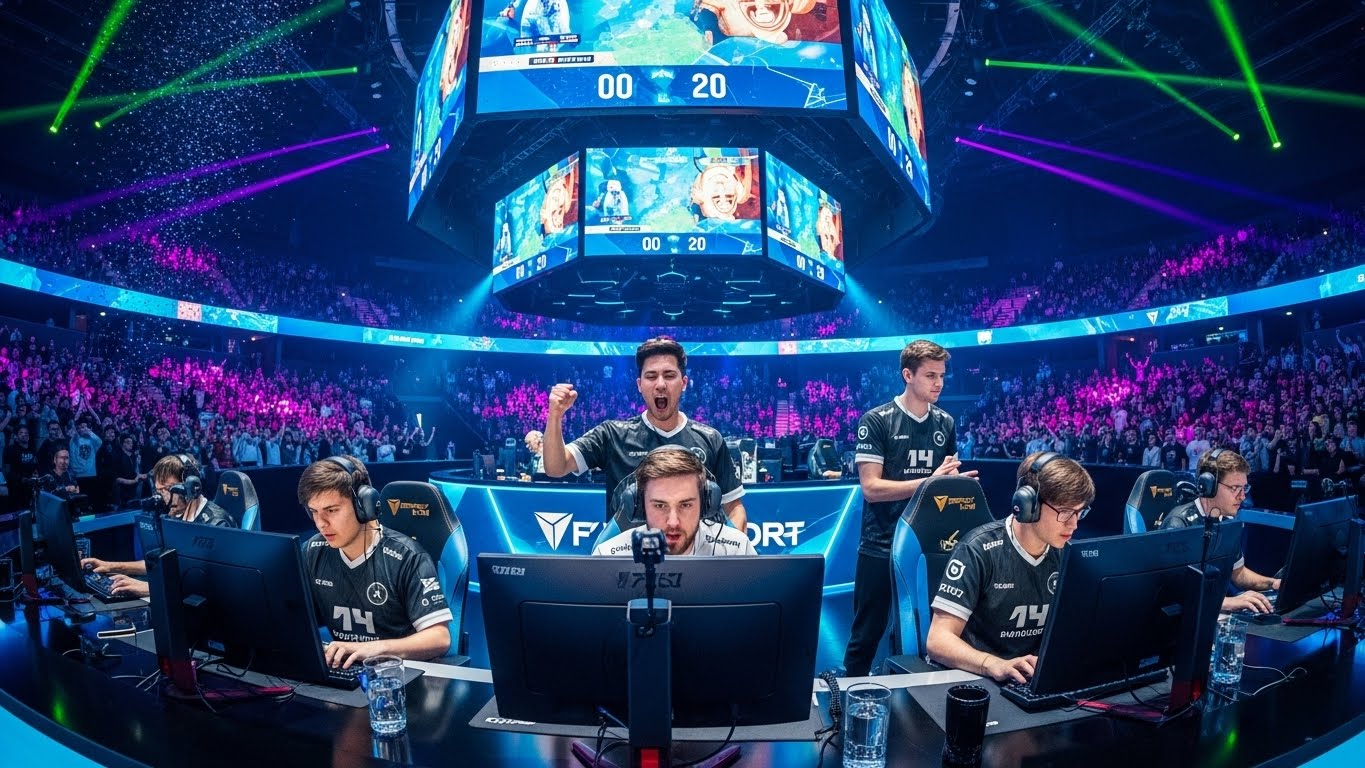
Professional esports players lead demanding lives. Daily routines often include hours of practice, reviewing gameplay footage, studying opponents, and refining strategies. Mental preparation is just as important as mechanical skill, as competitive pressure can be intense.
Physical health is increasingly recognized as essential in esports. Players focus on exercise, proper posture, and nutrition to maintain performance and prevent injuries. Team-based games require strong communication and trust, making teamwork a key factor in success.
Esports Teams and Organizational Structure
Esports teams operate similarly to traditional sports organizations. They include players, coaches, analysts, managers, and support staff. Coaches develop strategies, analysts study opponents, and managers handle logistics, branding, and sponsorships.
Organizations also focus on building strong identities and fan bases. Content creation, community engagement, and consistent performance help teams establish loyal supporters. Successful organizations balance competitive excellence with long-term brand development.
The Esports Viewing Experience
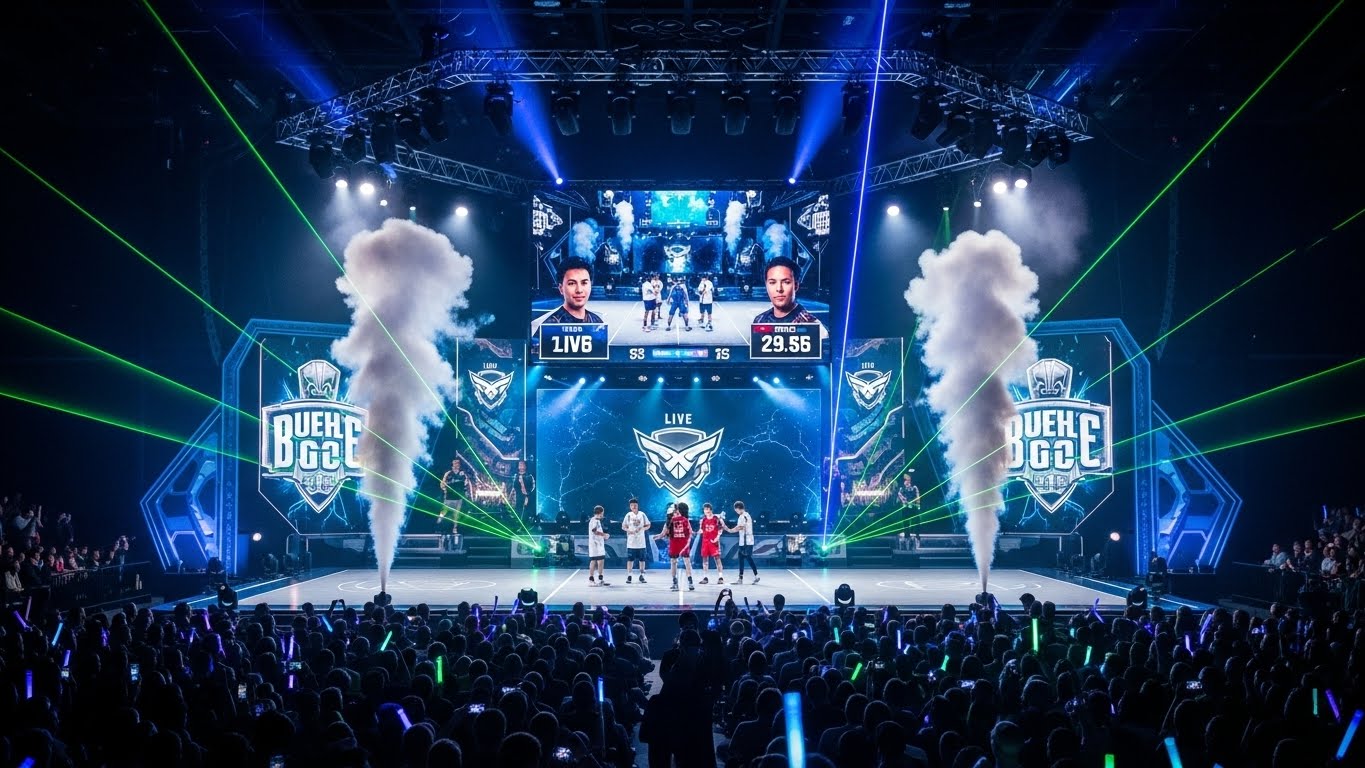
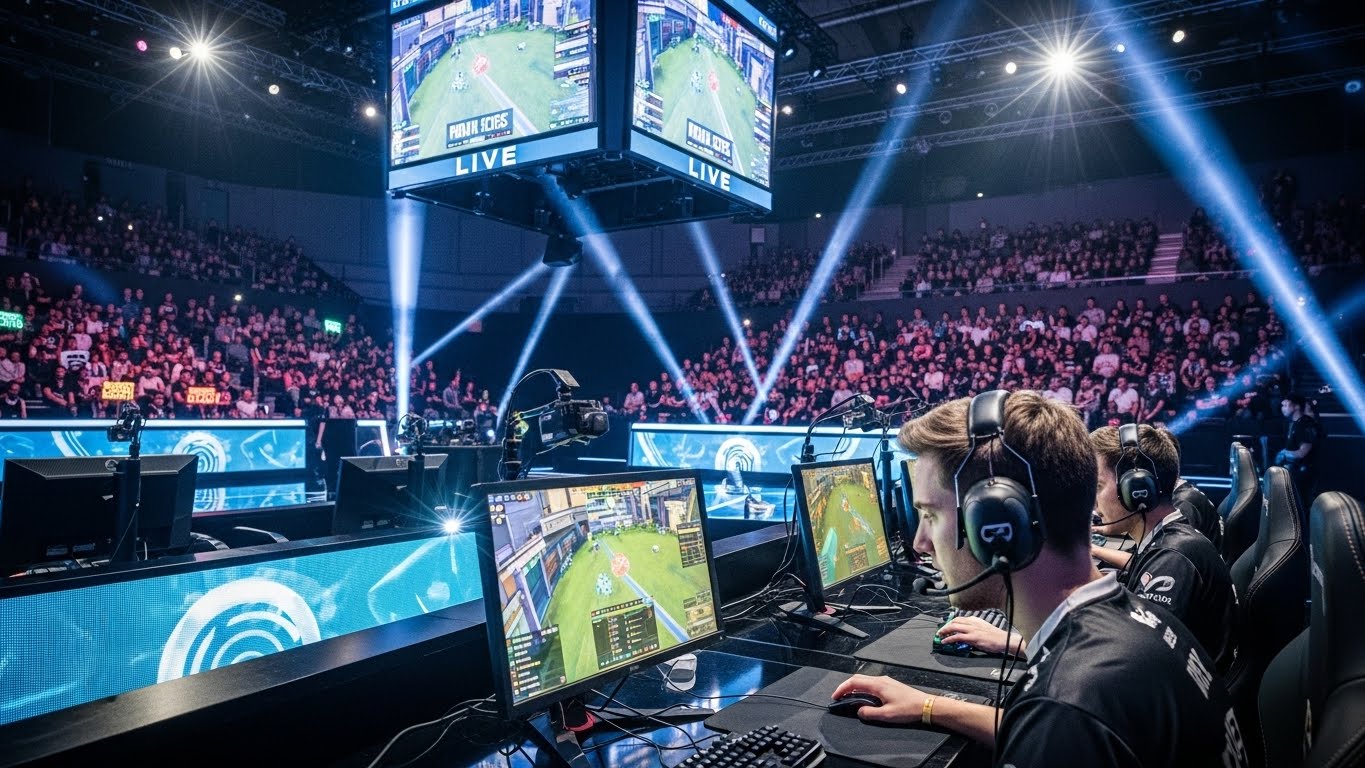
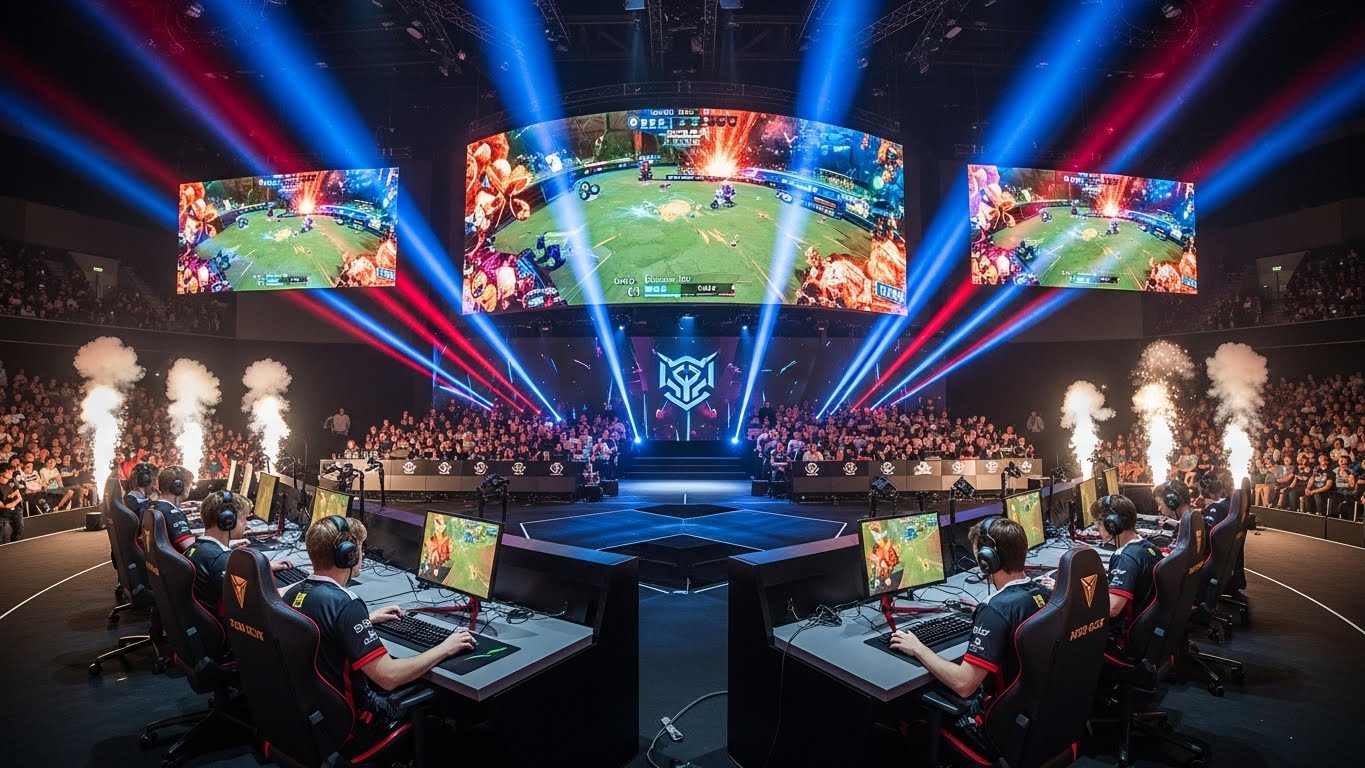
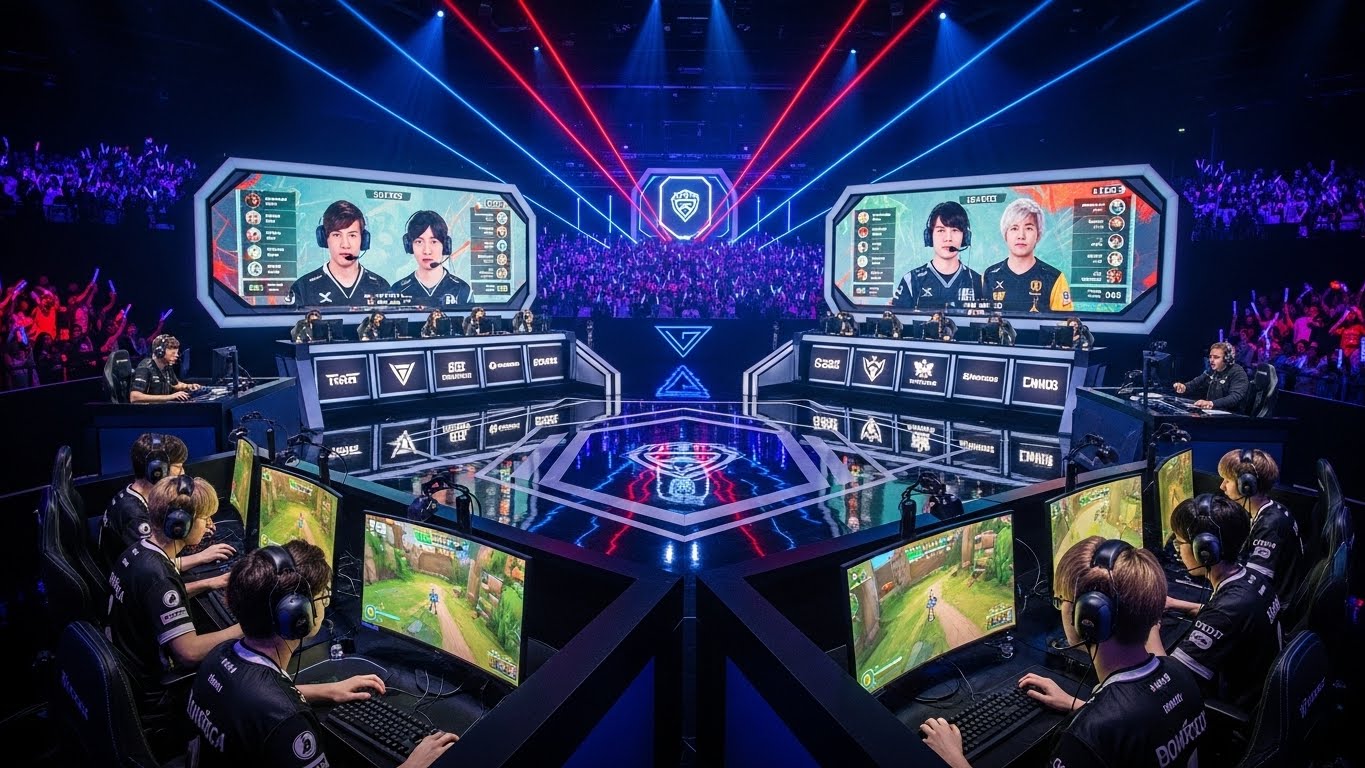
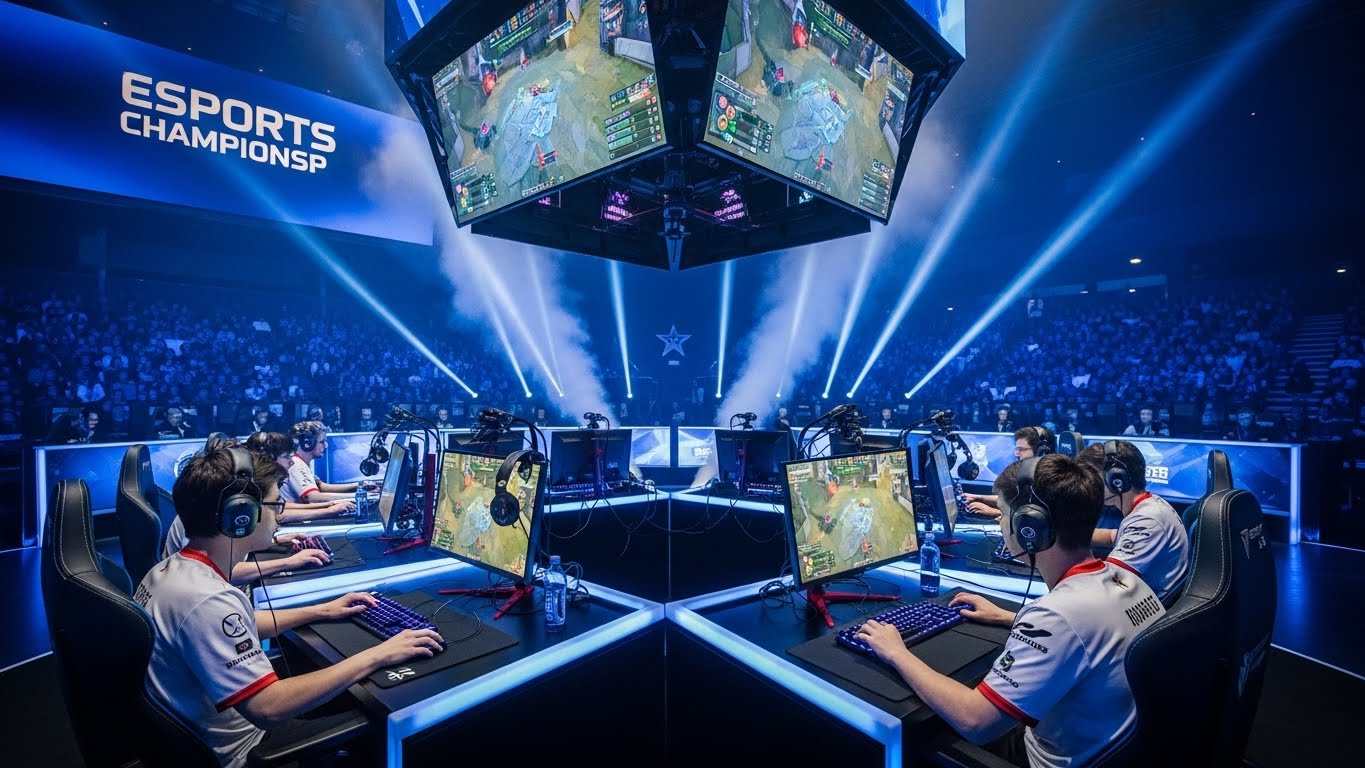
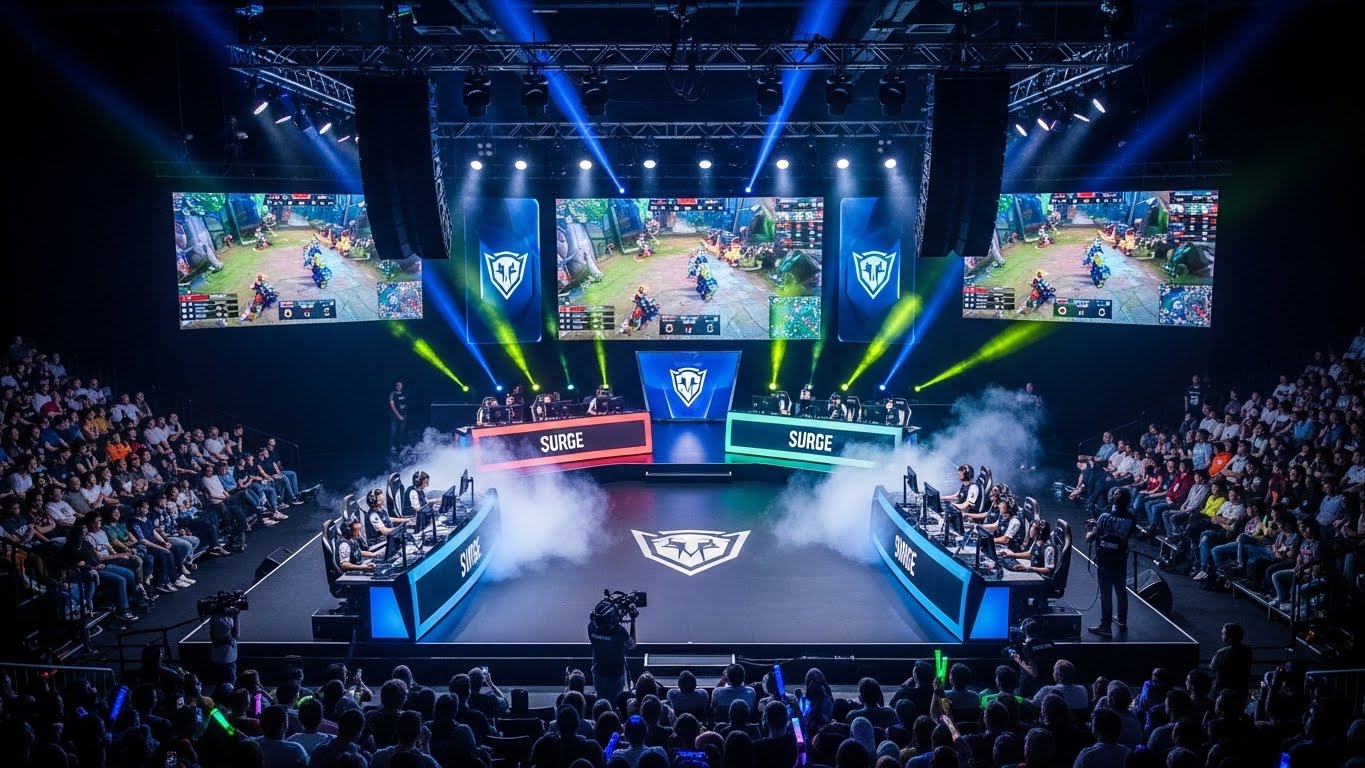
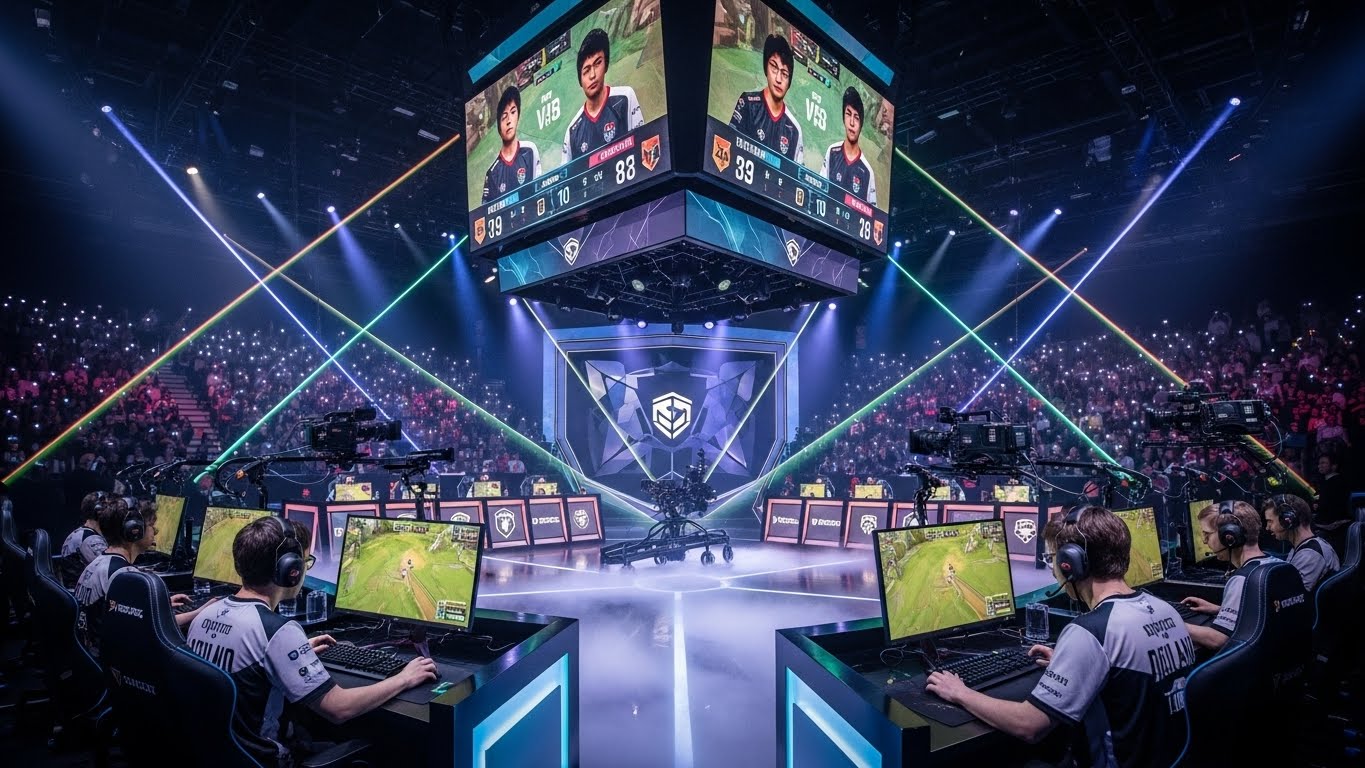
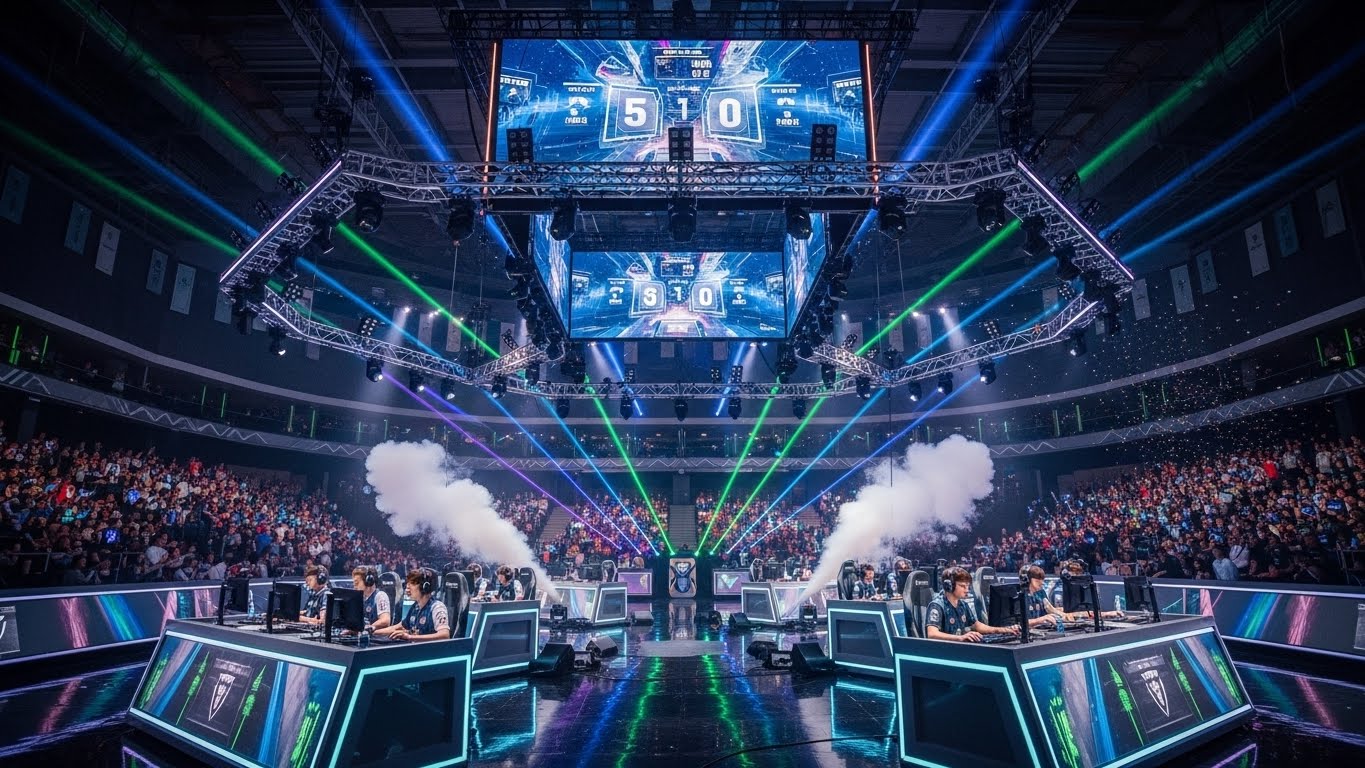
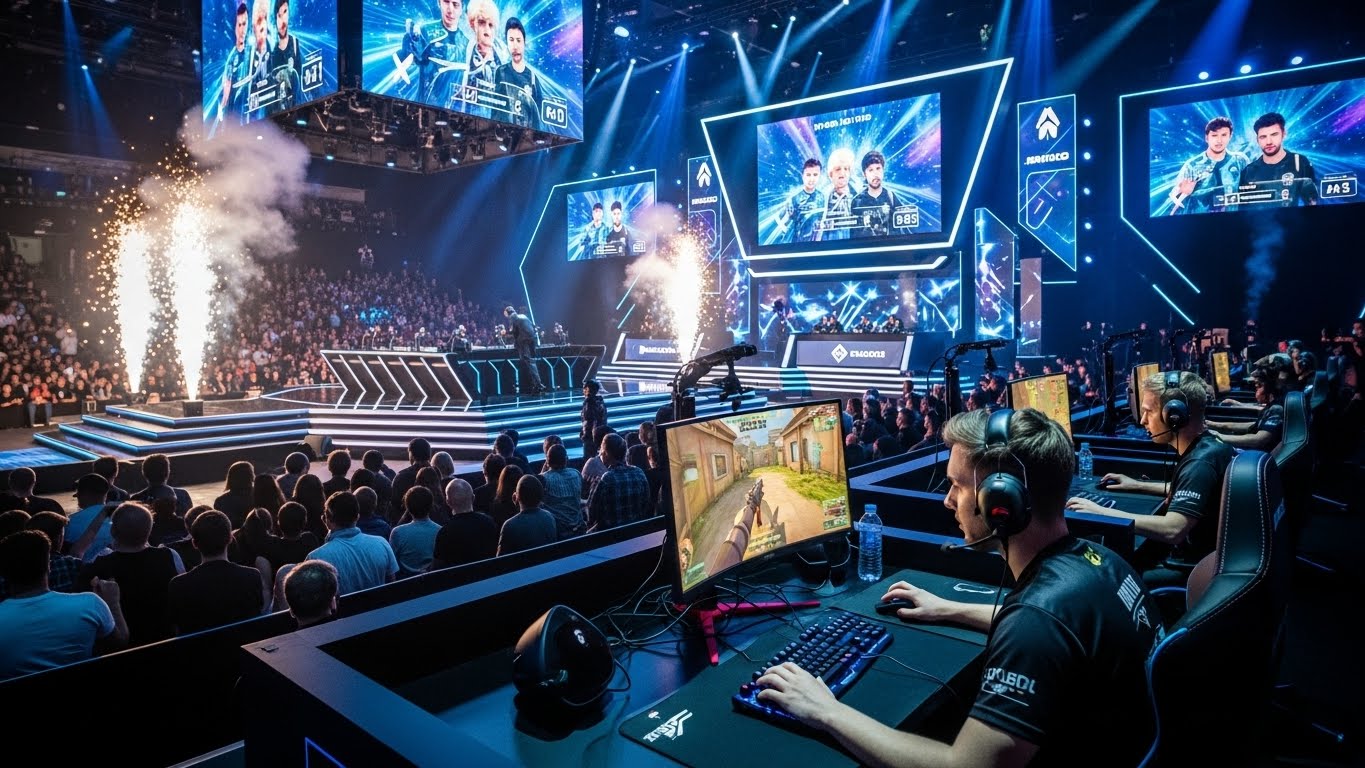
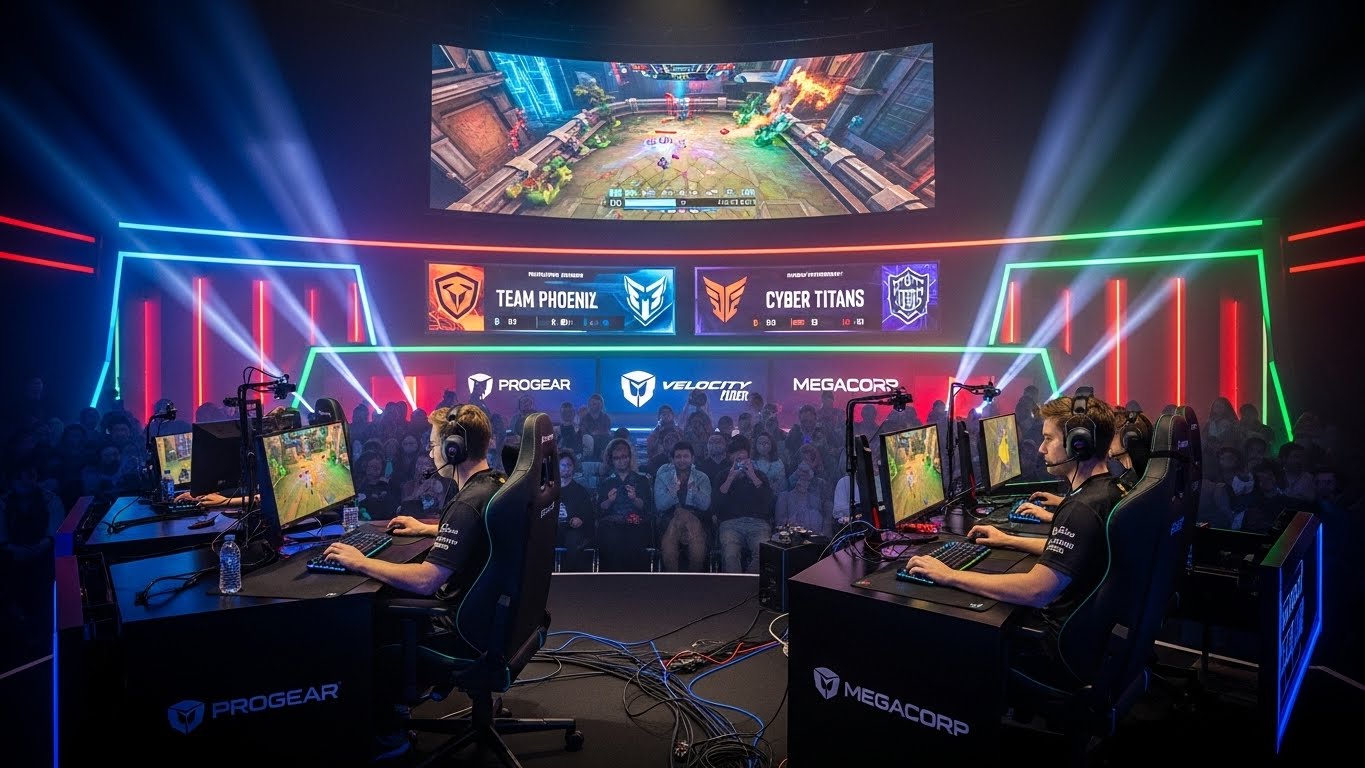
One of the defining aspects of esports is its immersive spectator experience. Live tournaments feature elaborate stages, professional commentary, and dynamic visuals designed to enhance excitement. Fans attend events in large venues or watch broadcasts online, engaging with the competition in real time.
The accessibility of esports has contributed significantly to its growth. Viewers can watch matches from anywhere, interact with other fans, and follow their favorite teams closely. This interactive environment creates a strong sense of community and involvement.
Economic Impact of Esports
Esports has become a major economic force. Revenue streams include sponsorships, merchandise, ticket sales, media rights, and advertising. Large tournaments attract tourism, benefiting local economies through hospitality and services.
Beyond professional players, esports creates jobs in event management, broadcasting, marketing, game development, and content creation. Educational institutions are increasingly recognizing esports as a legitimate field, offering programs related to esports management and digital media.
Cultural Influence of Esports
Esports has reshaped modern culture, particularly among younger generations. It has changed perceptions of gaming, demonstrating that competitive play requires discipline, intelligence, and teamwork. Esports athletes are admired for their dedication and achievements, becoming role models for aspiring players.
The global nature of esports promotes cultural exchange. Players and fans from different countries connect through shared passion, fostering inclusivity and mutual respect. Esports has become a universal language that transcends geographical and cultural boundaries.
Challenges Within the Esports Industry
Despite its success, esports faces several challenges. Player burnout is a growing concern due to intense schedules and constant competition. Maintaining mental health and work-life balance is essential for long-term sustainability.
Fair play and integrity are also critical issues. Preventing cheating and ensuring transparent competition require continuous effort and regulation. Additionally, the rapid growth of esports demands consistent governance to protect players and organizations alike.
Technology Driving Esports Forward
Technology is the backbone of esports. High-performance hardware, advanced streaming tools, and real-time analytics enhance both competition and viewing experiences. Innovations in training tools allow players to analyze performance and improve efficiency.
As technology evolves, esports will continue to benefit from improved accessibility, better broadcasting, and enhanced competitive balance. Innovation ensures that esports remains dynamic and engaging.
The Global Expansion of Esports
Esports has established a strong global presence. International tournaments showcase diverse playstyles and strategies, enriching the competitive scene. Regional leagues contribute unique identities, making esports a truly worldwide phenomenon.
This global reach strengthens esports communities and increases opportunities for collaboration, competition, and growth across borders.
The Future of Esports
The future of esports is bright and evolving. Advancements in technology, increased investment, and broader acceptance will continue to shape the industry. New gaming experiences and competitive formats may emerge, further expanding the definition of esports.
Greater emphasis on sustainability, player welfare, and ethical standards will help ensure long-term success. As esports continues to mature, it will solidify its position as a dominant force in global entertainment.
Conclusion
Esports has grown from humble beginnings into a powerful industry that blends competition, technology, and culture. It offers opportunities for players, professionals, and fans while redefining modern entertainment. With its passionate communities, economic impact, and constant innovation, esports is not a passing trend but a lasting evolution of competitive play. As the digital arena continues to expand, esports stands as a symbol of how creativity and technology can transform gaming into a global spectacle.