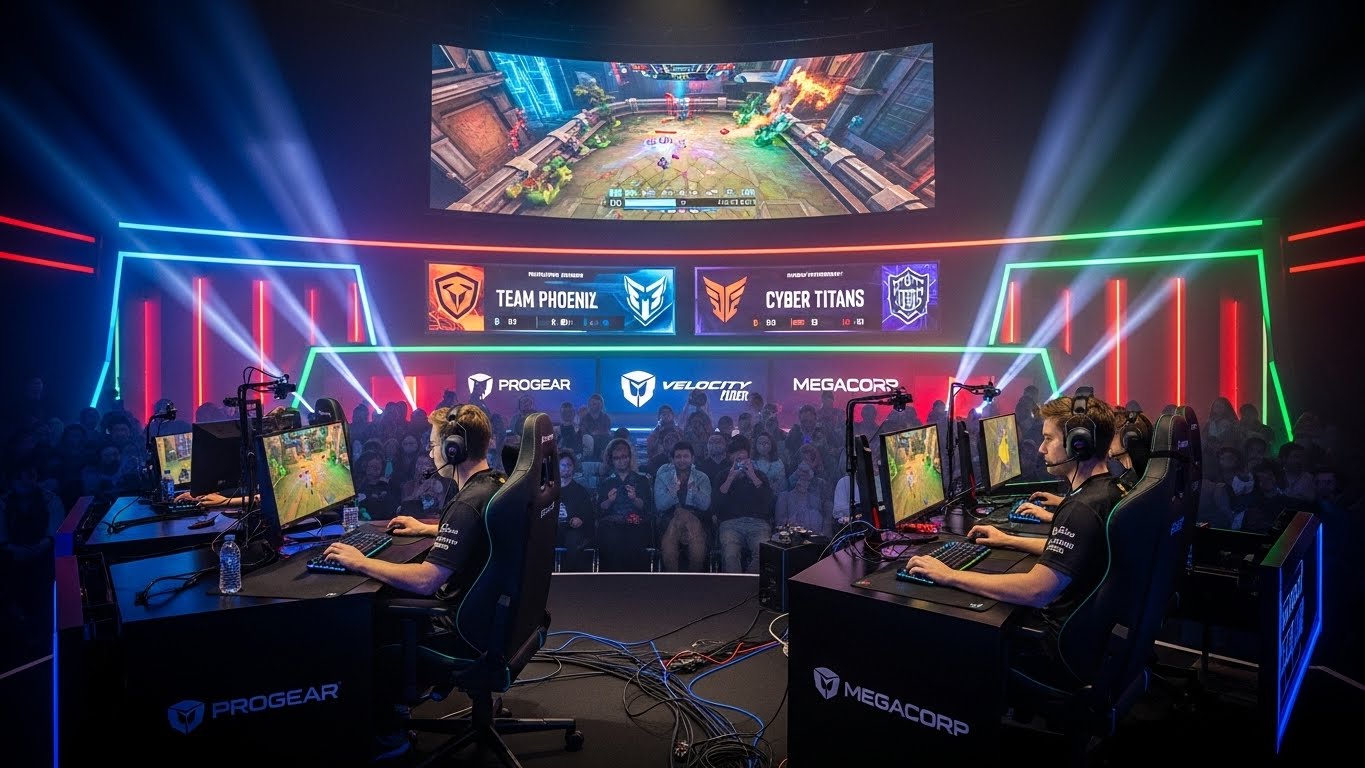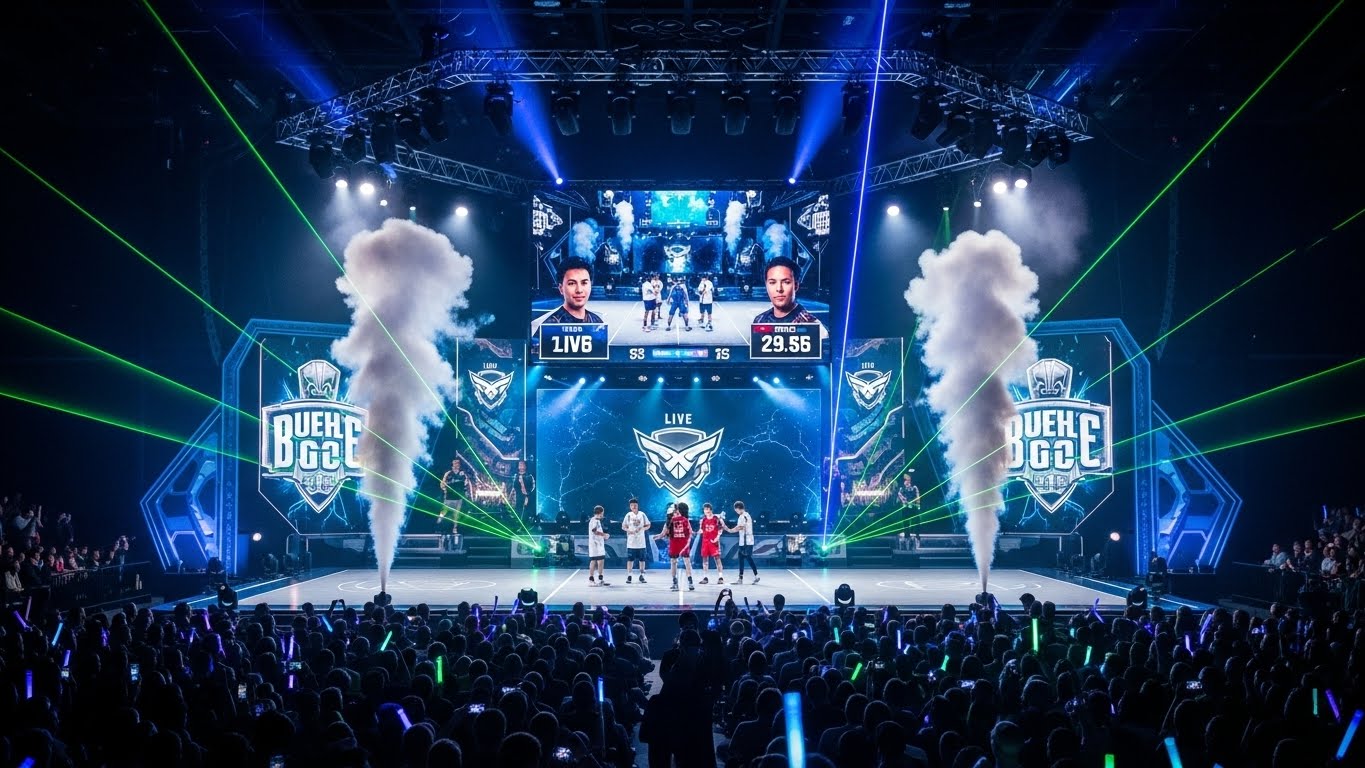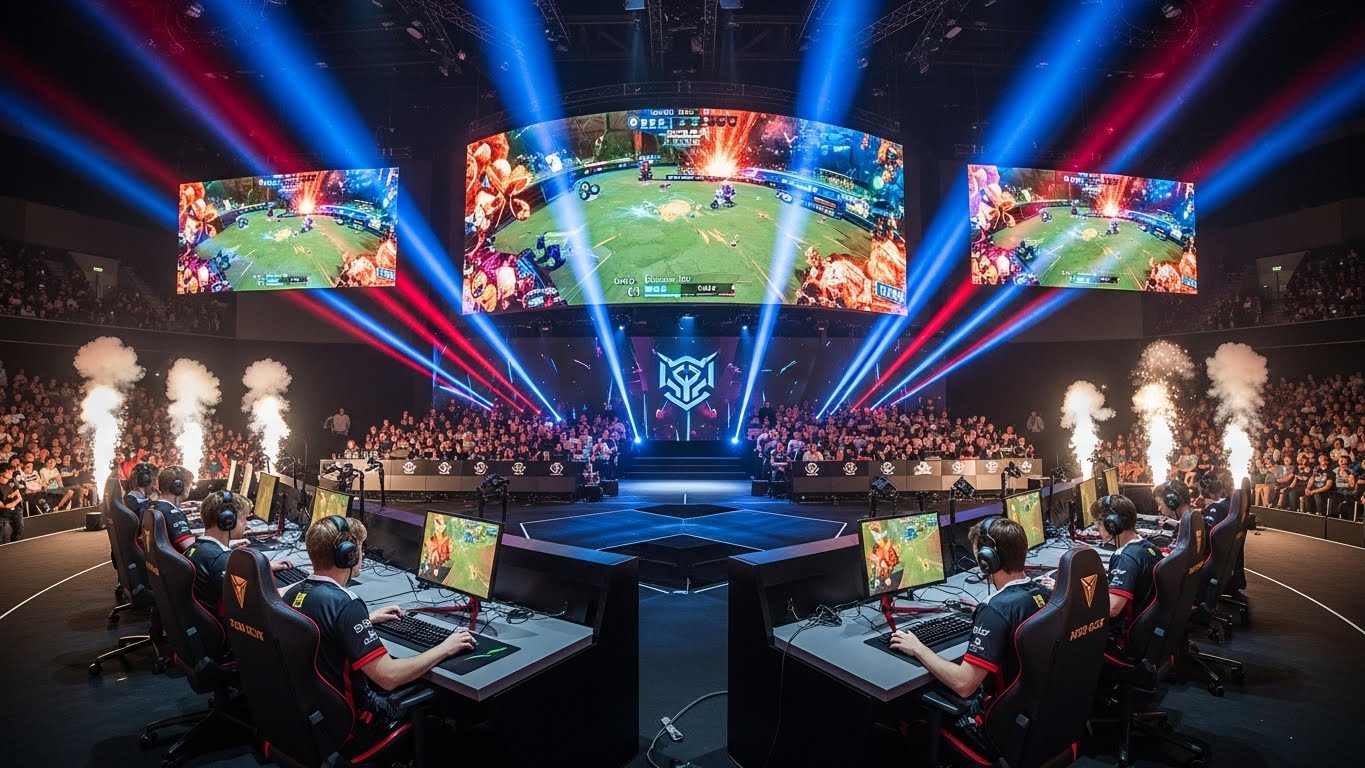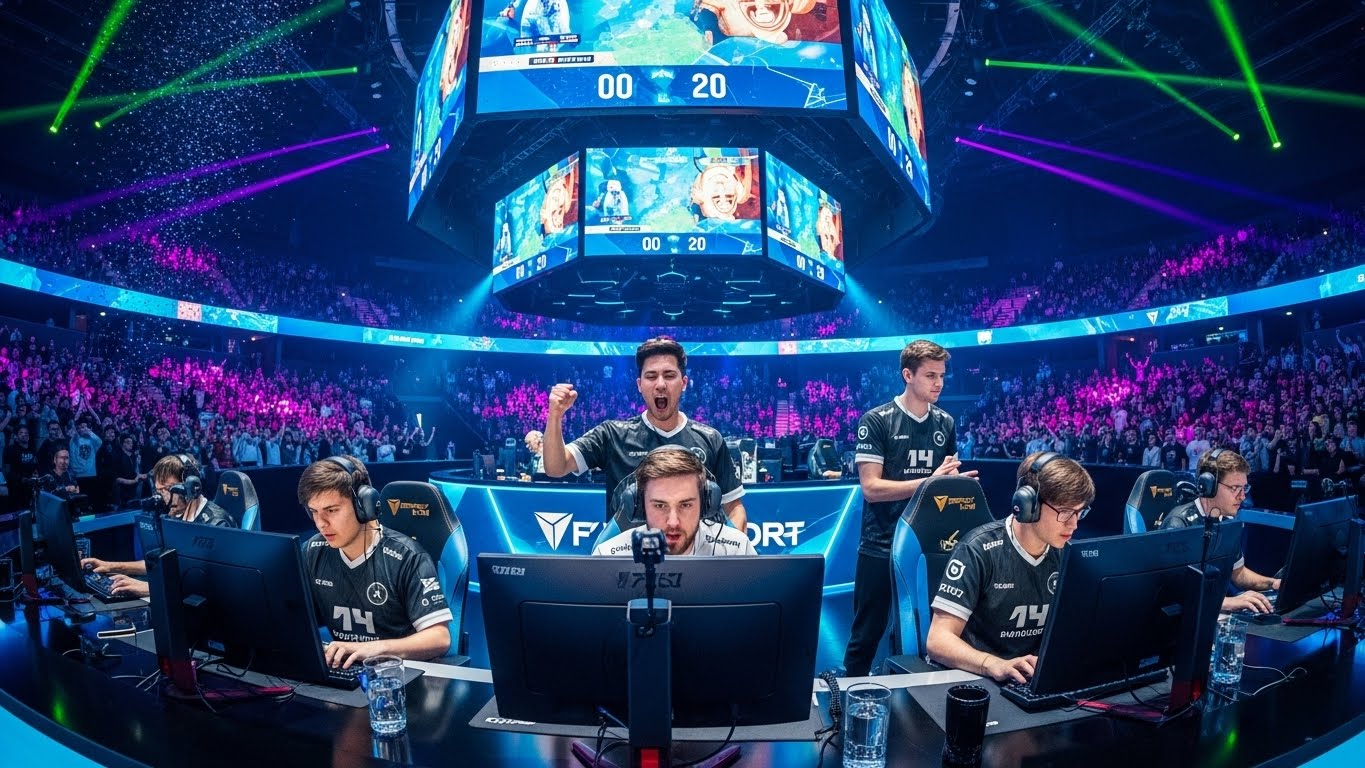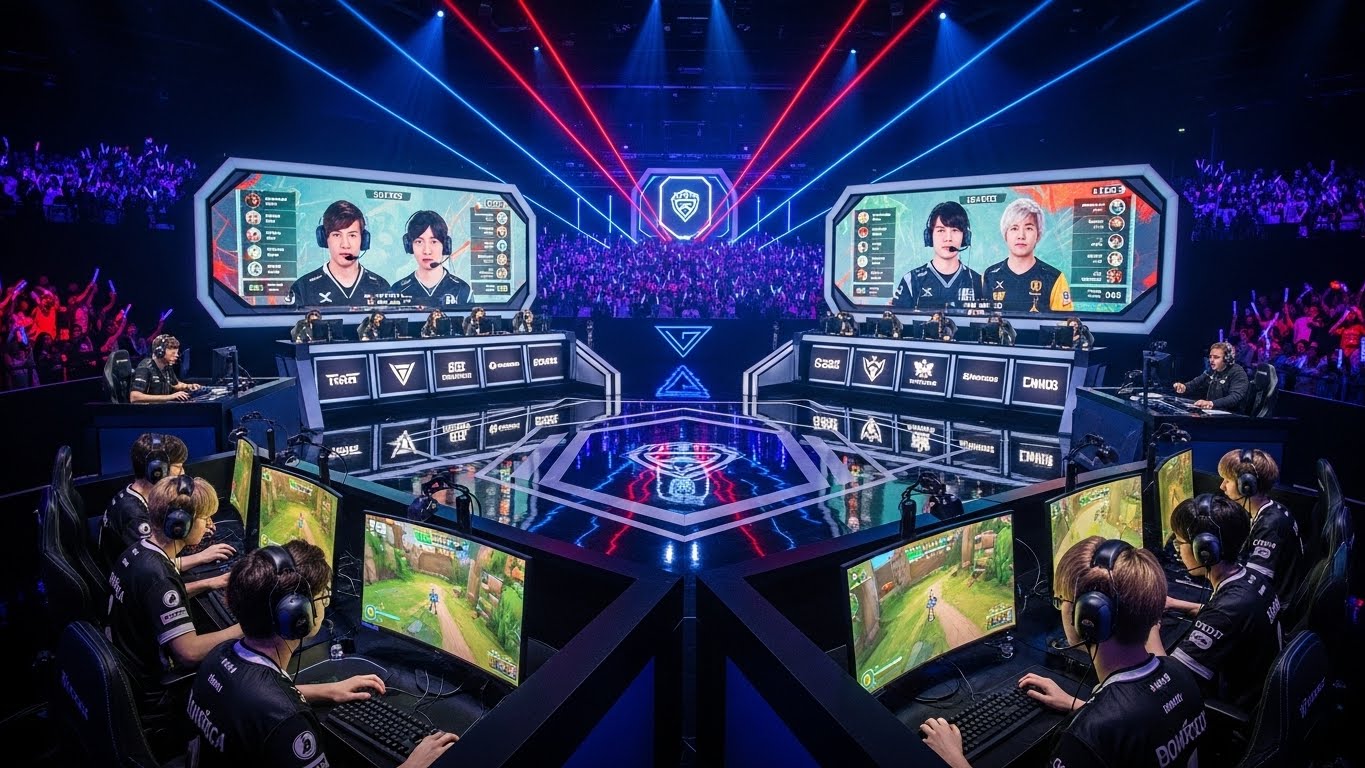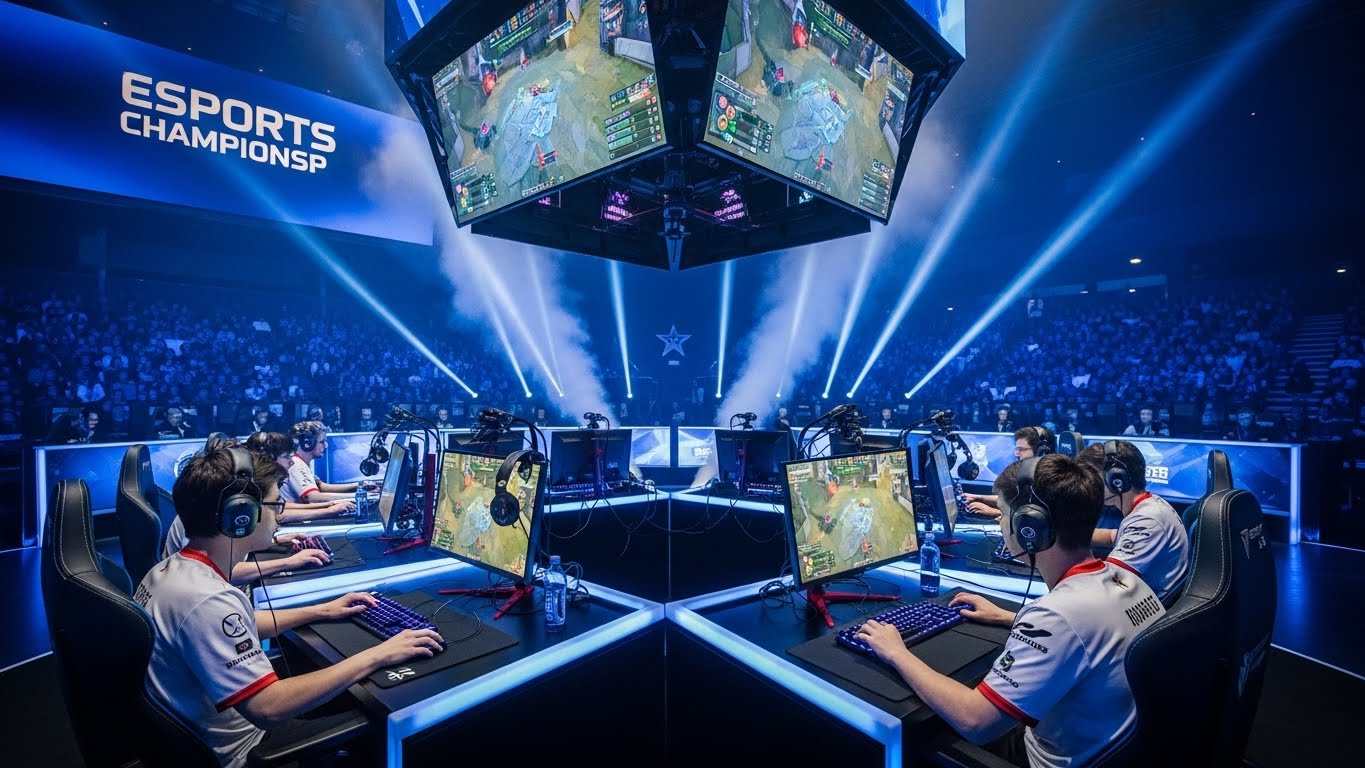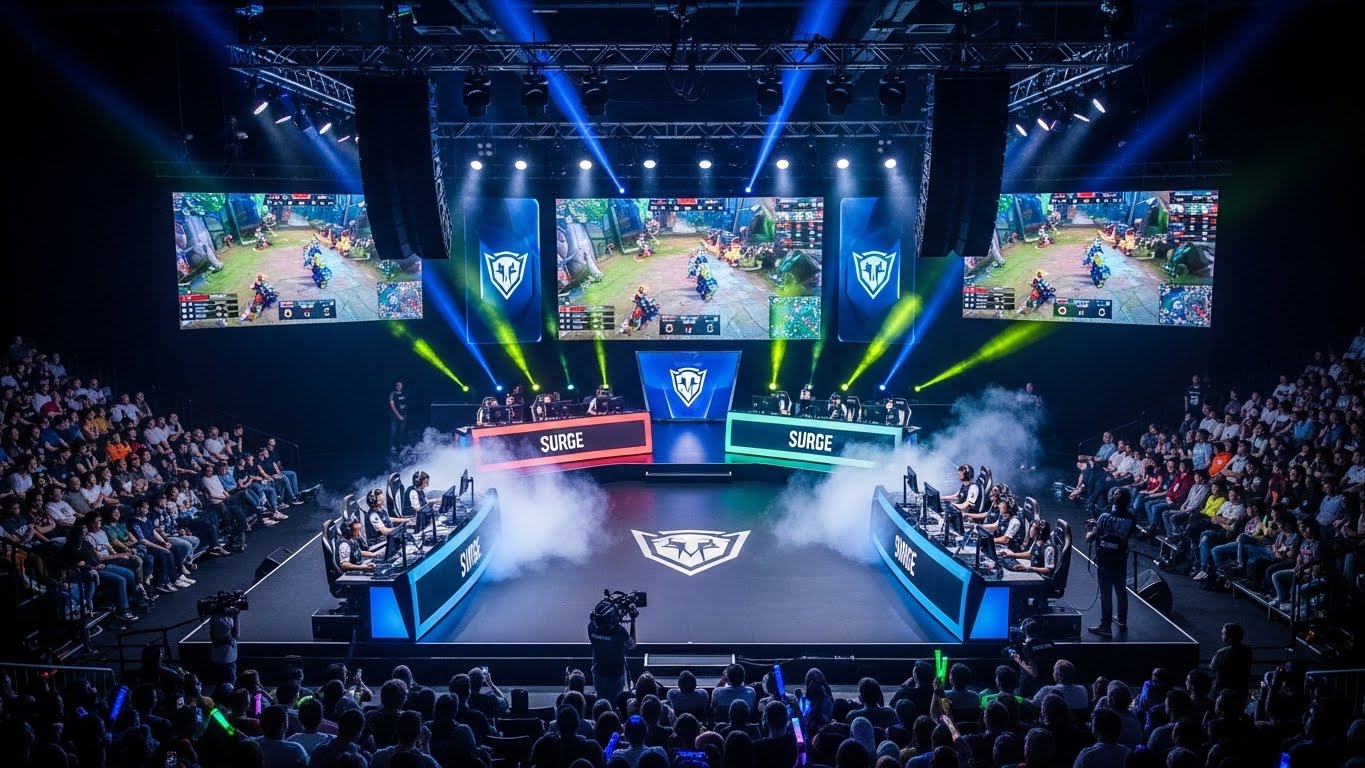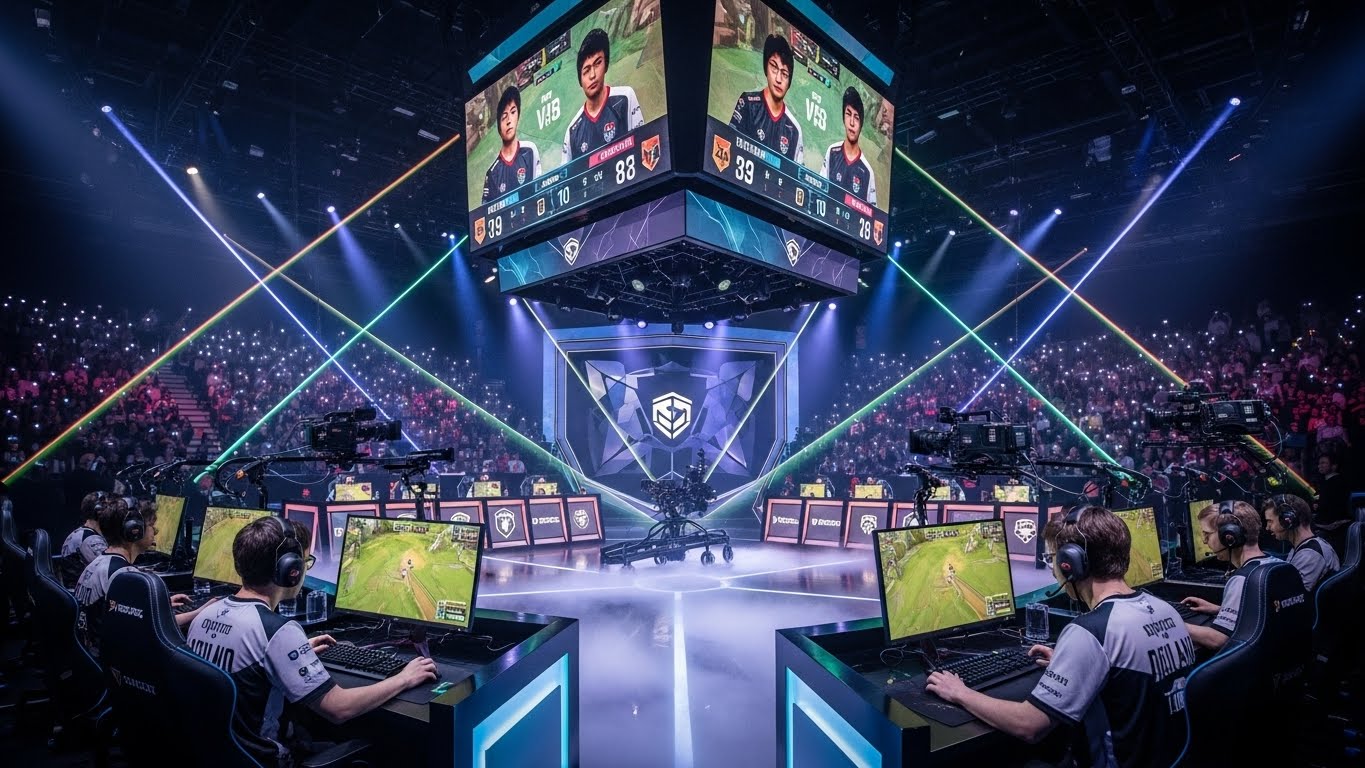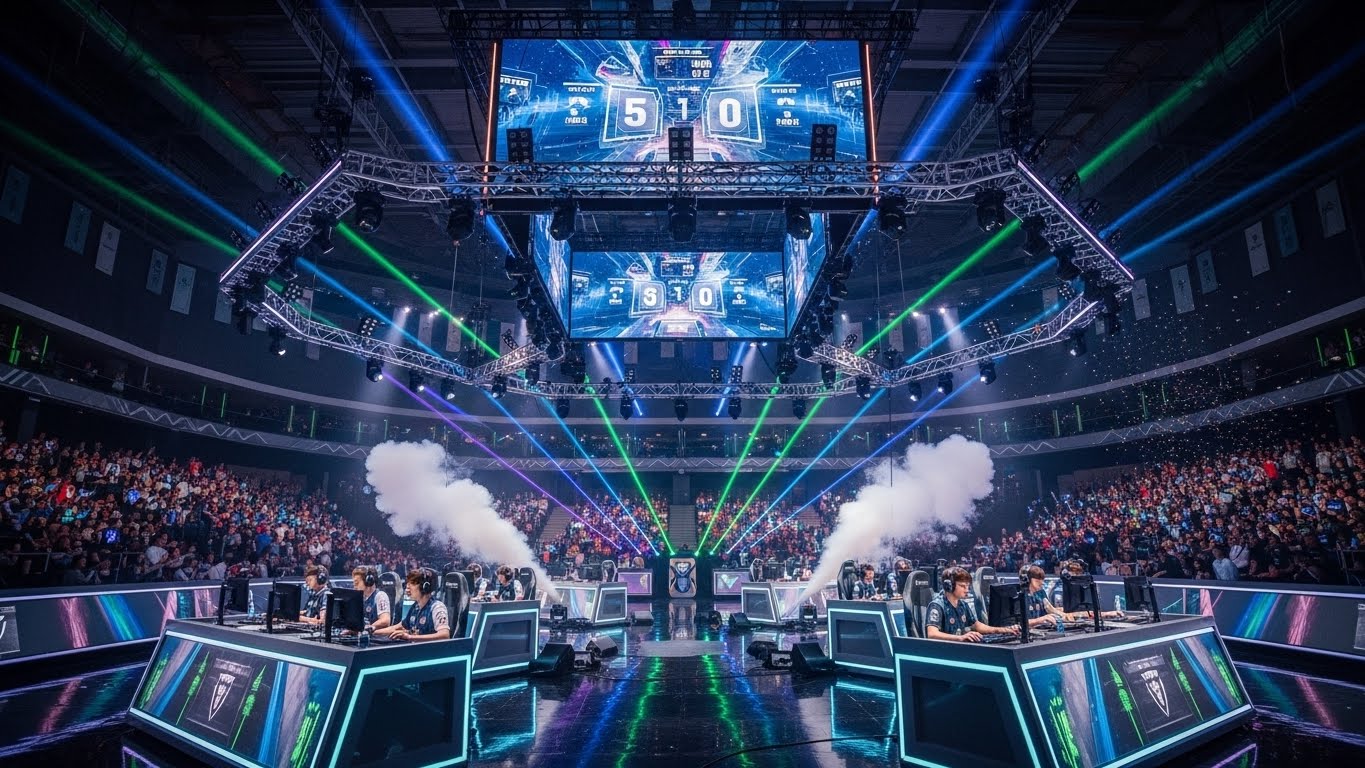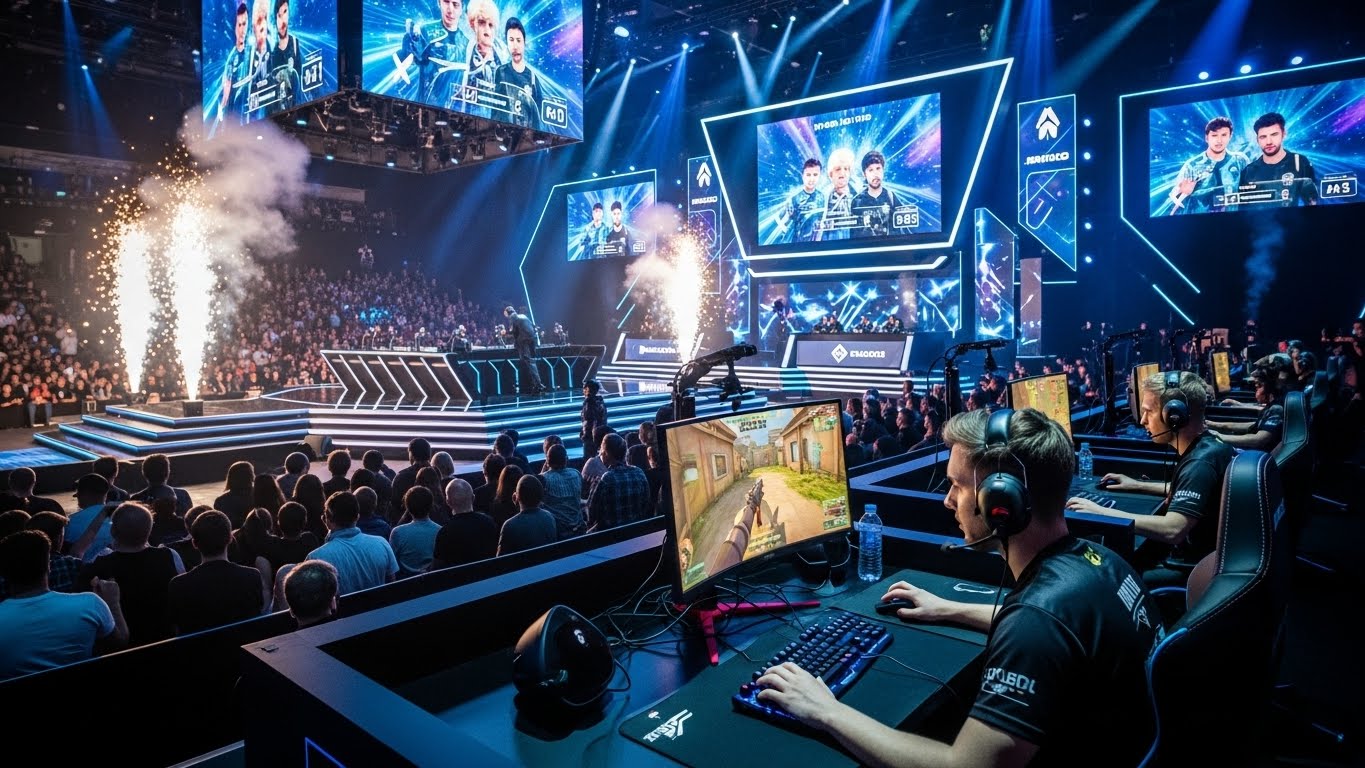

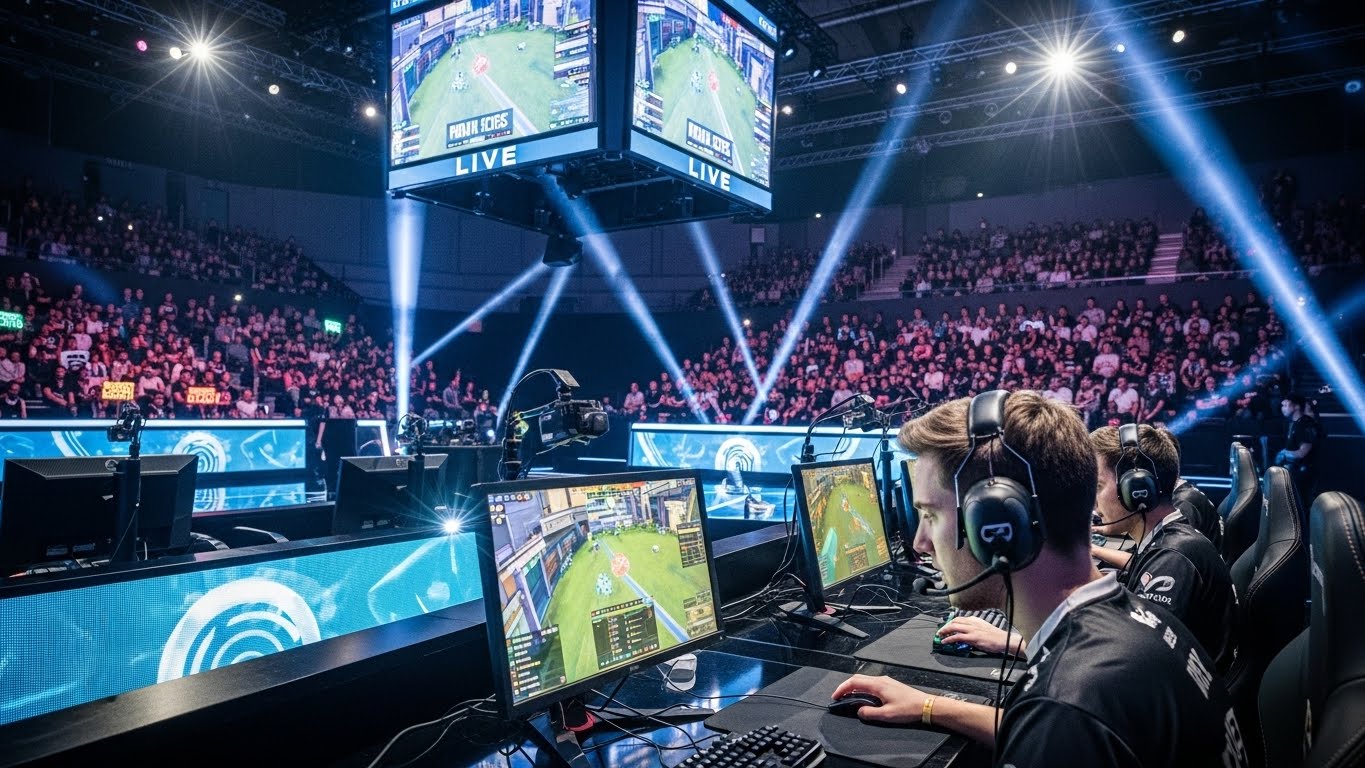
Esports has grown from a niche pastime into a global phenomenon that captivates millions of fans, drives economic growth, and reshapes the concept of professional competition. Once seen as casual gaming, esports now encompasses professional leagues, international tournaments, and a thriving ecosystem of players, coaches, analysts, and content creators. It represents a fusion of technology, strategy, skill, and entertainment, redefining how people engage with competition in the digital era. This blog delves into the history, development, impact, and future of esports, highlighting why it has become a cornerstone of modern entertainment and culture.
Understanding Esports
Esports, or electronic sports, refers to organized, competitive video gaming where individuals or teams compete under structured rules. Unlike casual gaming, esports requires discipline, strategic thinking, and sustained practice. Players often specialize in specific game genres, including strategy, first-person shooters, sports simulations, and multiplayer online battle arenas.
Esports competitions are broadcast to global audiences, often featuring professional commentary, analysis, and interactive experiences. With professional organizations, sponsorships, and tournament prize pools, esports has matured into an industry comparable to traditional sports in scope and cultural influence.
The Origins of Competitive Gaming
The roots of esports trace back to the early arcade era, when players competed for high scores on simple games like Pac-Man and Space Invaders. These informal competitions created local communities and laid the foundation for competitive gaming culture.
The rise of personal computers and online connectivity in the 1990s and early 2000s transformed gaming into a global competitive activity. Titles like StarCraft, Counter-Strike, and Warcraft became central to professional leagues, attracting players and spectators worldwide. Early tournaments, often small and community-driven, evolved into large-scale competitions with sponsorship, media coverage, and professional teams, establishing esports as a viable career path.
Popular Esports Genres
Esports spans a variety of game genres, each requiring unique skills and attracting diverse audiences:
Multiplayer Online Battle Arena (MOBA): Games like League of Legends and Dota 2 emphasize strategy, teamwork, and character specialization. Players must coordinate effectively to achieve objectives and outmaneuver opponents.
First-Person Shooters (FPS): Games such as Counter-Strike and Valorant focus on accuracy, reflexes, and strategic positioning. Team communication and rapid decision-making are critical to success.
Real-Time Strategy (RTS): Titles like StarCraft demand planning, multitasking, and adaptability. Players manage resources, units, and territories to outsmart their opponents.
Sports Simulations: Games like FIFA and NBA 2K combine knowledge of real-world sports with gameplay skill, appealing to fans of both gaming and traditional athletics.
Battle Royale Games: Titles such as Fortnite and PUBG challenge players to survive in large-scale matches, emphasizing adaptability, strategy, and awareness.
Each genre contributes to the diversity of esports and attracts unique fan communities.
The Life of an Esports Athlete
Professional esports players are highly disciplined, often training six to twelve hours daily. Training involves mechanical practice, strategy development, team coordination, and reviewing previous matches to refine performance.
Mental resilience is critical. Players must maintain focus during long sessions, handle the pressure of high-stakes matches, and quickly adapt to opponents’ strategies. Many teams employ psychologists and performance coaches to support players’ mental health.
Physical well-being is also a priority. Proper posture, regular exercise, eye care, and healthy nutrition are essential to sustain performance and prevent injuries associated with prolonged gaming. Esports athletes demonstrate that success in competitive gaming requires a balance of mental, physical, and strategic skills.
Esports as an Industry
Esports is now a multi-billion-dollar industry that includes tournaments, sponsorships, merchandise, media rights, and live events. Major competitions attract millions of viewers globally, sometimes surpassing traditional sports in online engagement.
Professional teams operate like traditional sports franchises, with management, coaching staff, marketing teams, and support personnel. Sponsorships from brands seeking to engage with younger, tech-savvy audiences contribute significantly to revenue.
The industry also provides employment opportunities beyond players, including broadcasting, content creation, event management, and game development. This economic ecosystem underscores esports’ significance as both a cultural and commercial force.
Community and Social Impact
Esports fosters global communities where players and fans connect, share strategies, and engage in discussions. Online platforms enable social interaction that transcends geographic boundaries, building a sense of identity and belonging.
Fans follow professional players, participate in tournaments, and celebrate achievements collectively. These social connections enhance the experience of esports, making it more than just a competitive activity. Communities formed around esports promote collaboration, support, and cultural exchange, demonstrating its role as a unifying force in digital culture.
Esports as Entertainment
Esports merges competition with entertainment, creating a unique viewing experience. Live streams, commentary, and analysis add narrative and context to matches, enhancing emotional engagement for audiences. Dramatic moments, underdog victories, and rivalries captivate fans, creating memorable experiences akin to traditional sports spectacles.
Streaming platforms allow viewers to interact with players and commentators, making esports a participatory form of entertainment. Fans can ask questions, vote in polls, and share reactions in real-time, blurring the line between spectator and participant.
Challenges in Esports
Despite its growth, esports faces challenges. Player burnout is a significant issue due to intense practice schedules and high-pressure competitions. Physical strain, repetitive stress injuries, and mental fatigue are common concerns that teams must address proactively.
Ensuring fair play is another challenge. Cheating, match-fixing, and inconsistent rules threaten the integrity of esports. Industry organizations are working to establish standardized regulations, anti-cheating protocols, and ethical frameworks to maintain trust and credibility.
Public perception varies globally. In some regions, esports is still considered a casual activity rather than a legitimate sport. However, increasing institutional support and media recognition are changing this perception.
Women and Diversity in Esports
Esports has historically been male-dominated, but efforts to promote diversity are gaining traction. Women are increasingly participating as players, coaches, analysts, and content creators. Initiatives to ensure inclusive and safe environments are helping to broaden access and representation.
Diversity strengthens esports by introducing new perspectives and expanding audience engagement. Representation matters not only for visibility but also for inspiring the next generation of players from underrepresented groups.
Streaming and Content Creation
Streaming has revolutionized the esports ecosystem. Platforms like Twitch and YouTube Gaming allow fans to watch matches live, follow players’ careers, and engage with content creators. Content creation extends the reach of esports beyond tournaments, offering tutorials, entertainment, and fan interaction.
This synergy between competitive play and content creation fuels audience growth. Players build personal brands, fans engage with communities, and esports continues to evolve as a digital culture phenomenon.
Esports in Education
Esports is increasingly recognized in educational institutions. Schools and universities now offer esports clubs, programs, and scholarships. These programs teach not only gameplay but also skills such as teamwork, communication, leadership, and technology literacy.
Educational initiatives in esports provide structured pathways for aspiring professionals. They also legitimize esports as a discipline, preparing students for careers in competitive play, game design, broadcasting, and management.
The Future of Esports
The future of esports is promising and full of innovation. Emerging technologies such as virtual reality, augmented reality, and artificial intelligence will enhance both gameplay and spectator experiences. International investment is growing, and esports is becoming increasingly integrated with mainstream sports and entertainment.
Player welfare, diversity, and inclusivity will be critical in shaping sustainable growth. As esports continues to expand, it is likely to influence global culture, redefine competitive norms, and offer new opportunities for engagement, learning, and professional development.
Conclusion: Esports as a Digital Era Phenomenon
Esports is more than competitive gaming; it is a cultural, social, and economic force that defines the digital era. It challenges traditional notions of sport, creates global communities, and provides opportunities for professional growth.
By combining strategy, skill, technology, and entertainment, esports demonstrates that excellence can thrive in virtual spaces. It connects people worldwide, inspires creativity, and shapes culture in ways that extend far beyond the game itself. Esports is not only the future of competitive gaming—it is a defining element of modern digital culture, reflecting the passions and possibilities of a connected generation.