
Esports has grown from a niche hobby into a global powerhouse, transforming the way people view competition, entertainment, and technology. What was once considered casual gaming is now a professional industry, attracting millions of players, viewers, and investors worldwide. This digital revolution is reshaping culture, creating new careers, and influencing how societies perceive sport and skill in the modern era. In this blog, we explore the evolution of esports, its professional landscape, social and economic impact, and what the future holds.
Understanding Esports
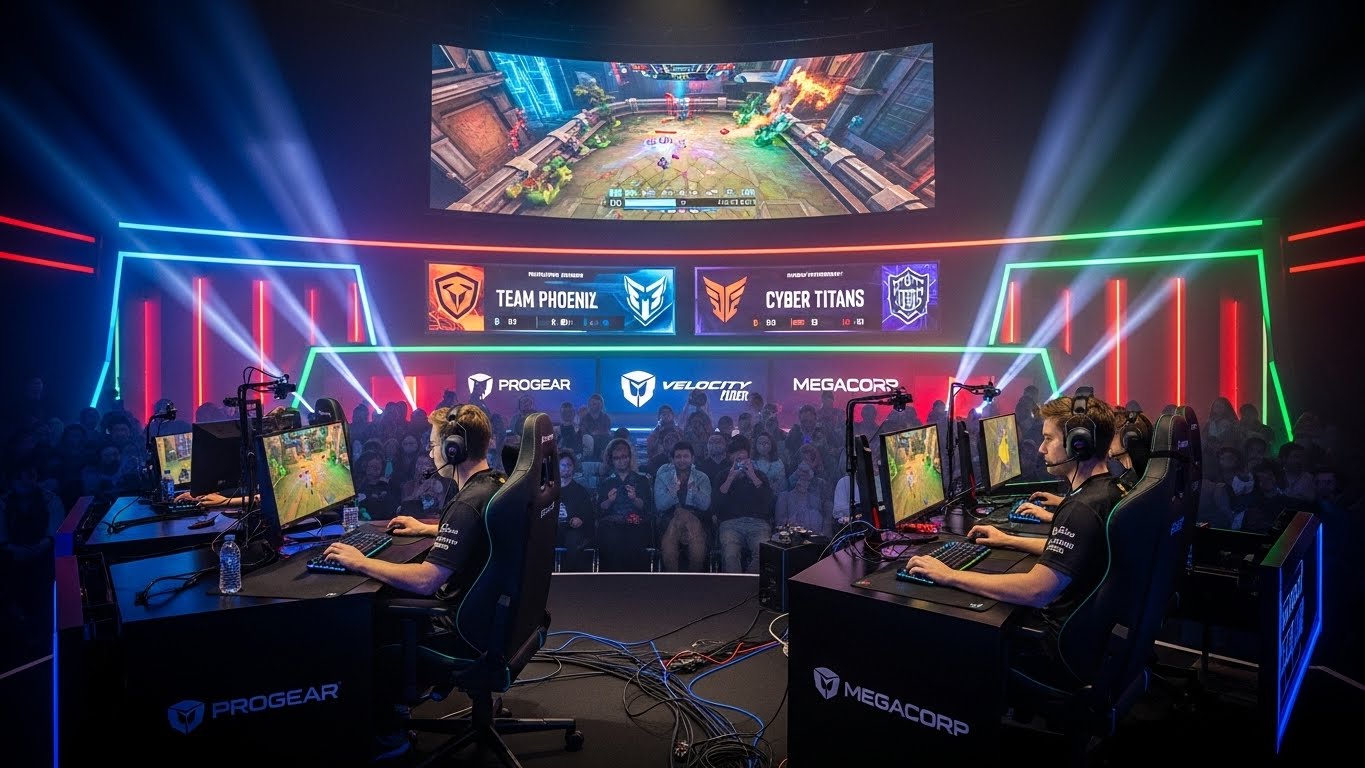
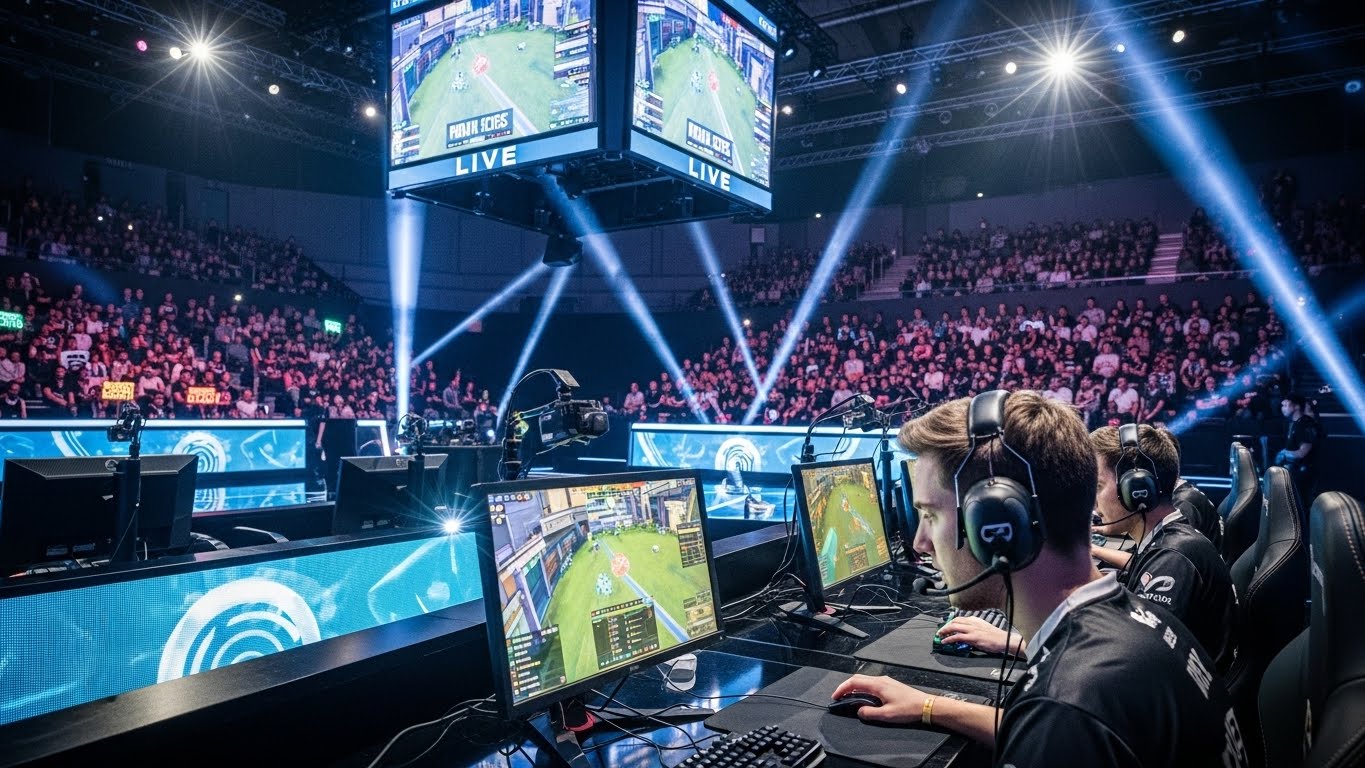
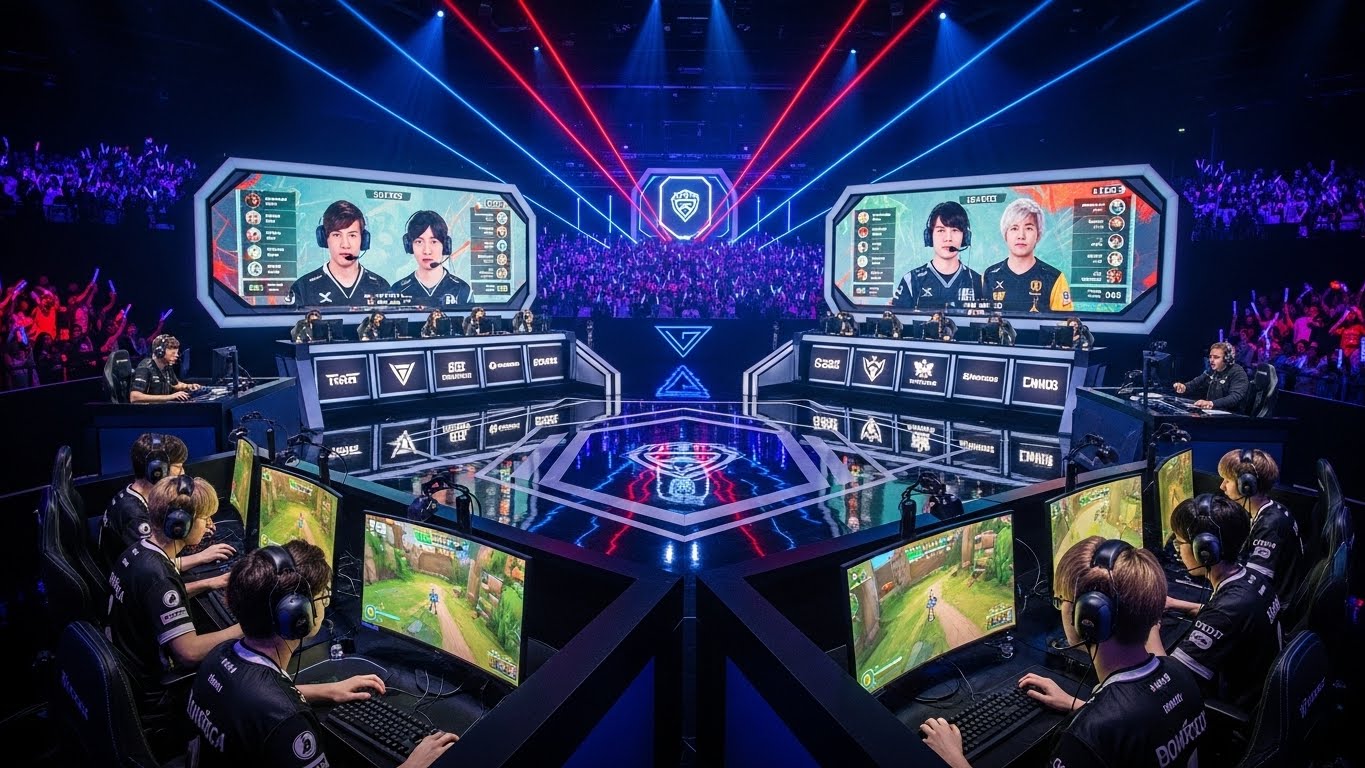
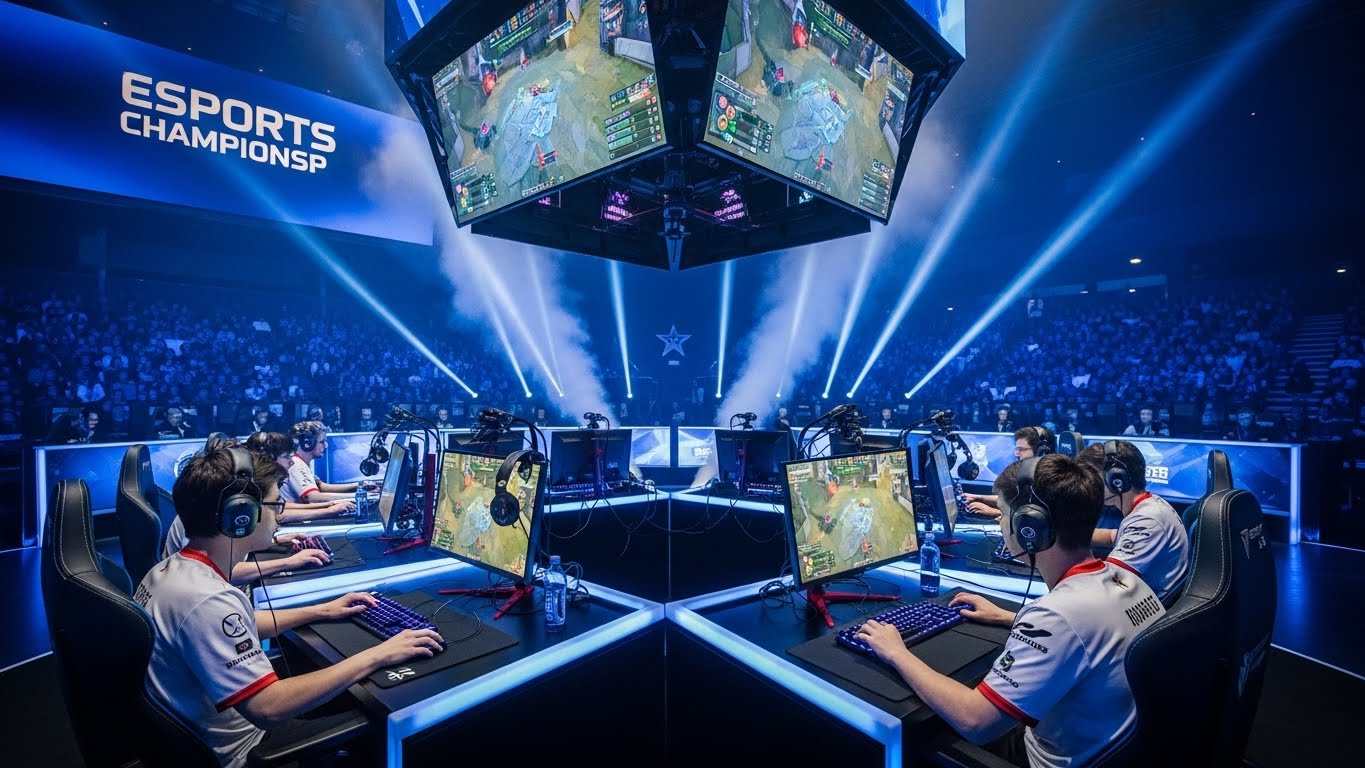
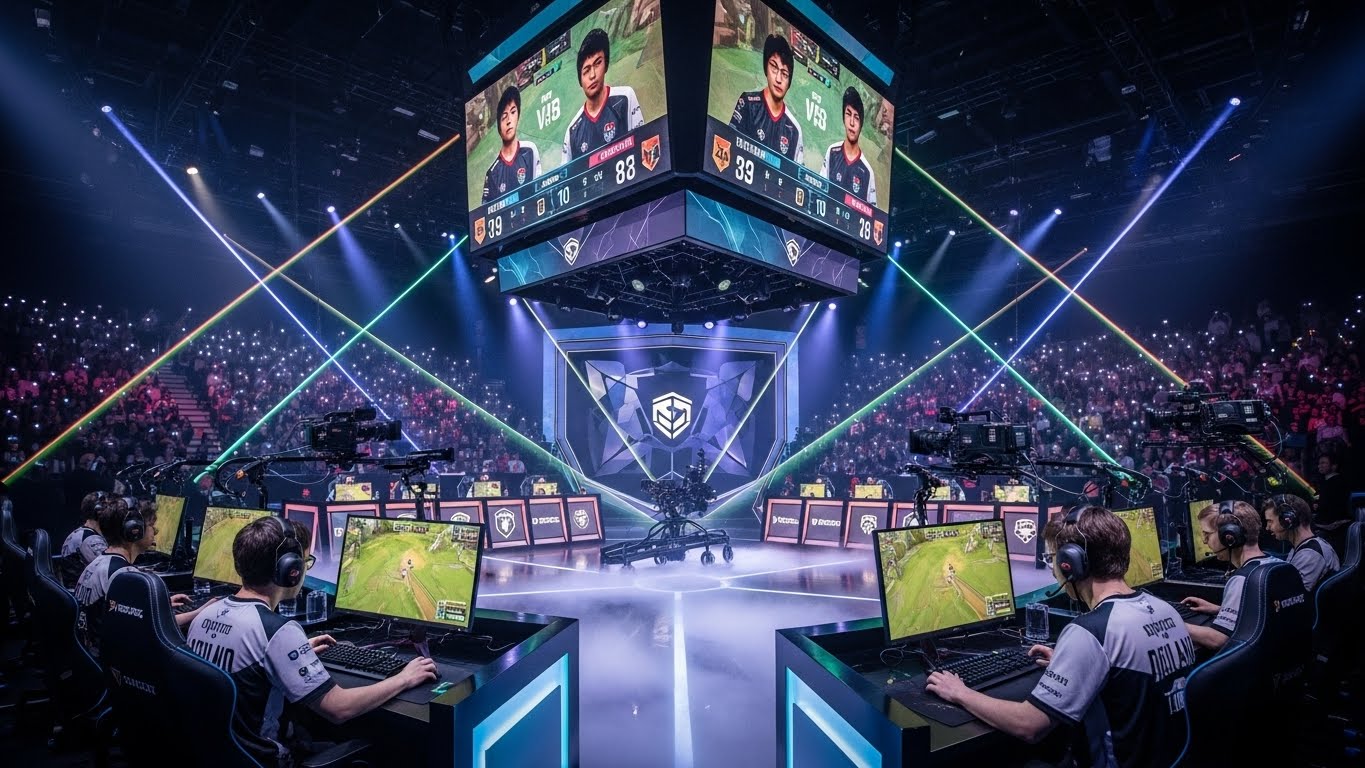
Esports, short for electronic sports, refers to organized, competitive video gaming. Unlike casual play, esports demands exceptional skill, strategic thinking, and rigorous practice. Players participate in tournaments, leagues, and championships, often in front of live audiences and global online viewers.
Games featured in esports vary widely, including first-person shooters, real-time strategy, multiplayer online battle arenas, and sports simulations. Success in esports requires sharp reflexes, teamwork, and mental endurance, elevating it beyond casual entertainment into a professional sport.
The Origins of Competitive Gaming
The roots of esports can be traced back to the late twentieth century, when players competed in arcades, university tournaments, and small local events. Early competitions revolved around high scores or small-scale recognition within gaming communities. While modest in scope, these events laid the groundwork for competitive gaming as a structured activity.
The 1990s marked a pivotal shift with the rise of personal computers and online gaming. Titles like StarCraft, Quake, and Counter-Strike allowed players to compete across cities and countries. Online connectivity expanded the scope of competitive gaming, setting the stage for the esports industry as we know it today.
Global Growth and Popularity
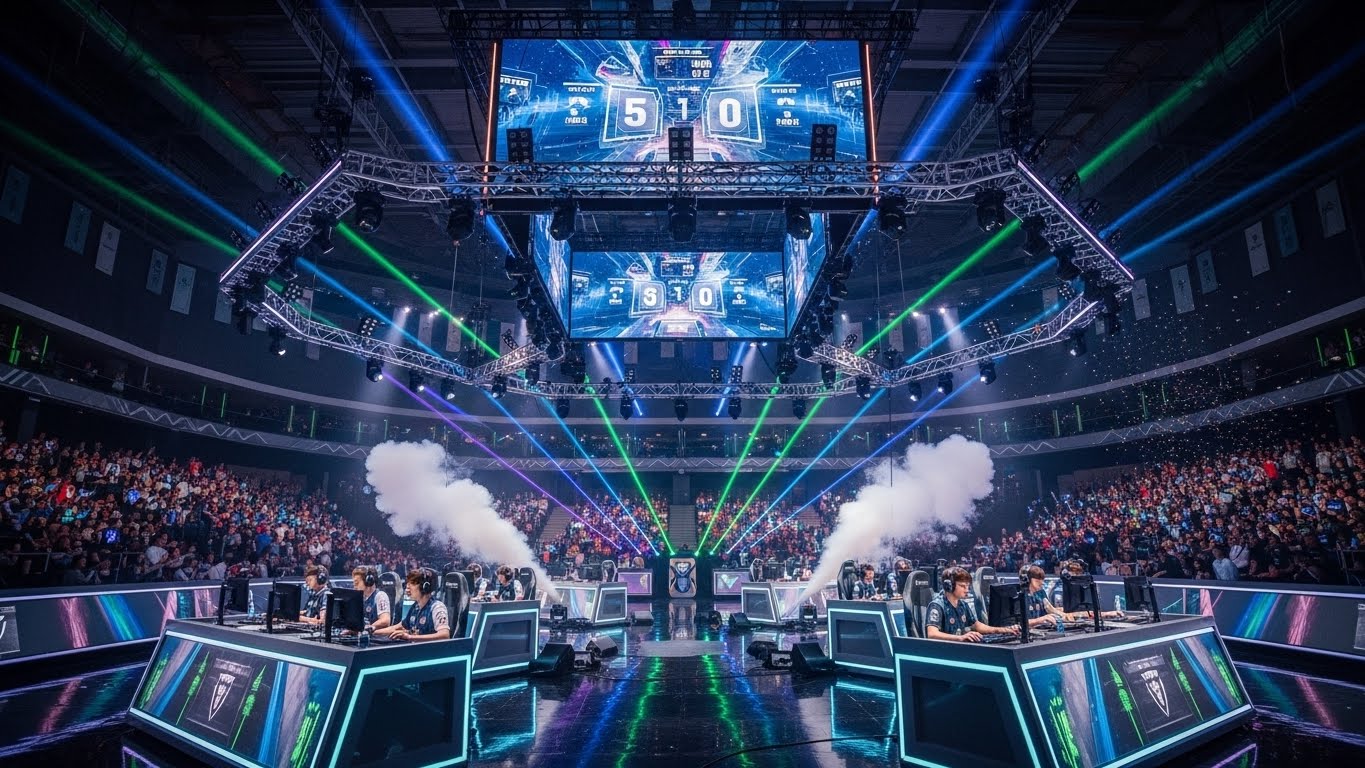
Esports has grown into a worldwide phenomenon, engaging millions of players and spectators. Countries such as South Korea, China, and the United States have established professional leagues, dedicated esports arenas, and government-backed initiatives to support competitive gaming.
A major factor in esports’ popularity is its accessibility. Unlike traditional sports that often require physical strength or expensive facilities, esports relies on skill, strategy, and practice. This inclusivity allows players from diverse backgrounds to participate, creating a global and culturally diverse esports community.
Professional Esports Players
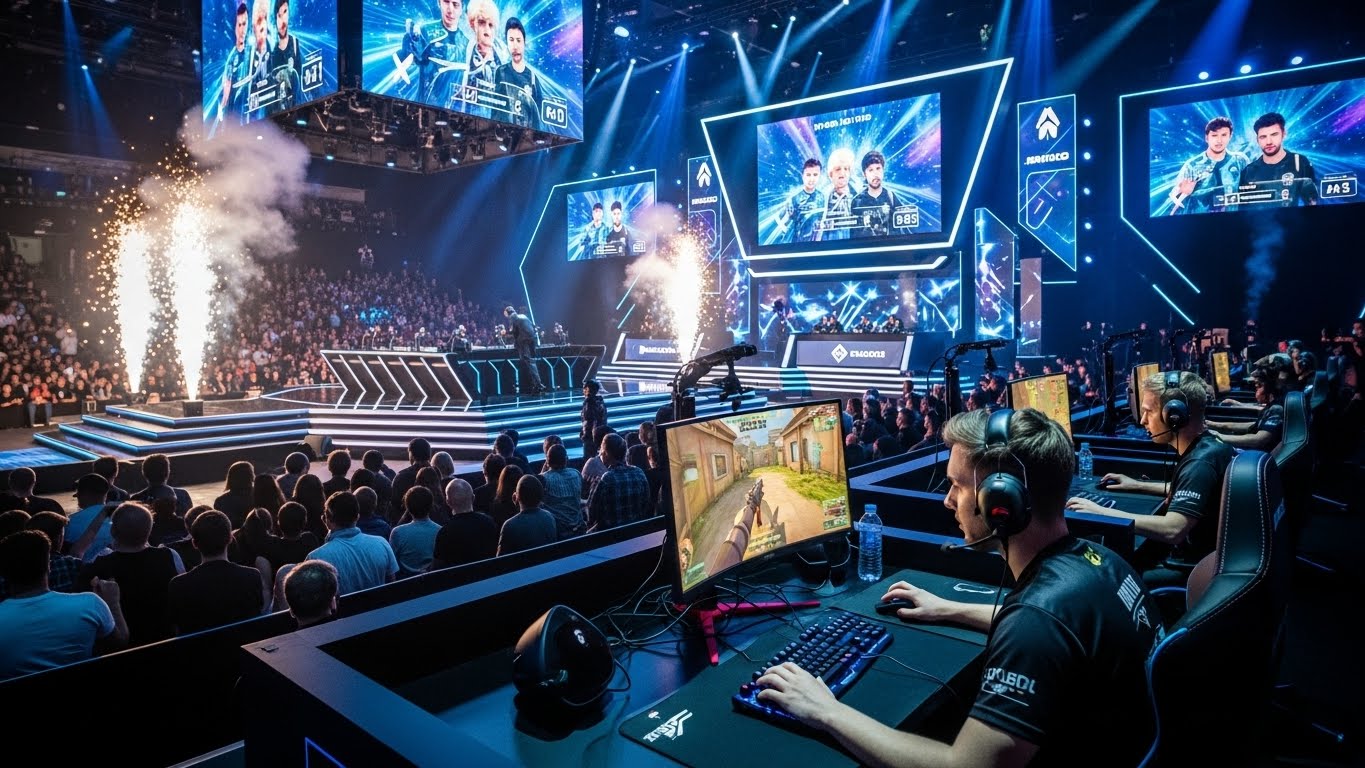
Professional esports players dedicate extensive time to practice, training, and strategy. Their daily routines mirror those of traditional athletes, incorporating structured gameplay sessions, team coordination, physical exercise, and mental preparation.
Players earn income through tournament winnings, team salaries, sponsorships, and online streaming. The competitive environment is highly challenging, requiring continuous improvement and adaptation. Success in esports demands discipline, focus, and the ability to perform under intense pressure.
Careers Beyond Playing
Esports is more than just professional competition. The industry provides career opportunities in coaching, analysis, broadcasting, content creation, event management, and marketing. Coaches guide teams on strategy, analysts evaluate performance data, and broadcasters provide commentary that engages audiences worldwide.
The complexity of esports extends to technical roles as well, including tournament production, software development, and hardware optimization. This diversity illustrates that esports is a robust ecosystem with opportunities for people with various skills and expertise.
Technology as the Foundation
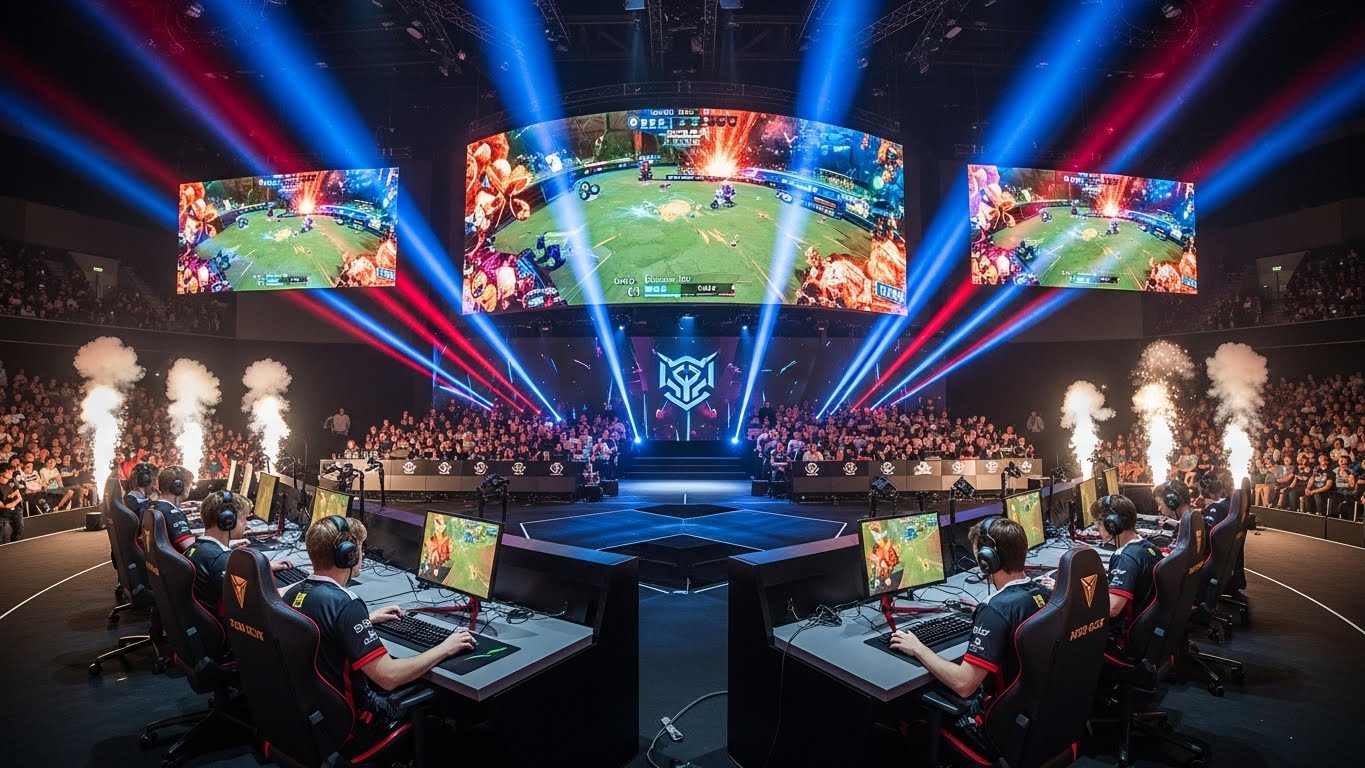
Technology underpins every aspect of esports. High-performance gaming hardware, software, and reliable internet connections are essential for professional gameplay. Streaming platforms allow fans to watch live competitions, interact with players, and participate in global discussions.
Data analytics has become a crucial tool in esports. Teams analyze gameplay metrics, opponent behavior, and performance patterns to gain competitive advantages. Advances in technology continue to enhance gameplay, strategy, and viewer experience, driving the rapid evolution of esports.
Cognitive Skills and Mental Demands
Esports requires exceptional cognitive abilities. Players must process large amounts of information quickly, anticipate opponents’ moves, and make split-second decisions. Strategy, adaptability, and multitasking are central to success.
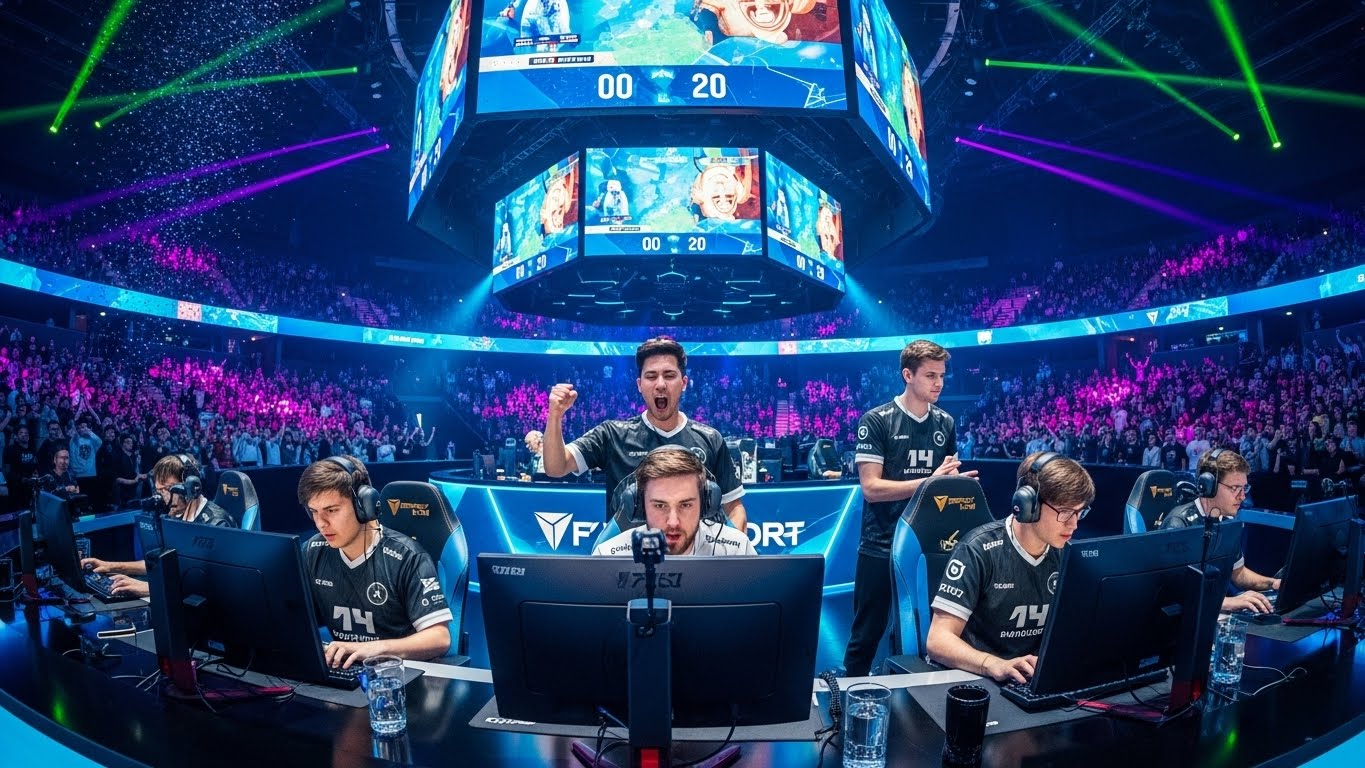
Team-based esports demand strong communication and collaboration skills. Players coordinate strategies, support one another during critical moments, and manage in-game resources effectively. These skills, honed through gaming, are transferable to professional and academic environments, demonstrating the intellectual depth of esports.
Physical Health in Esports
Though esports is primarily digital, physical health plays a significant role in performance. Extended hours of gaming can lead to fatigue, eye strain, and musculoskeletal issues. Professional teams now emphasize physical fitness, proper posture, and nutrition to optimize player performance.
Exercise and wellness programs improve reaction times, endurance, and mental focus. Recognizing that esports is both mentally and physically demanding has led to more holistic approaches to training, mirroring the practices of traditional sports.
Community and Social Impact
Esports has cultivated vibrant global communities. Fans and players connect through online forums, streaming platforms, and social media. These communities foster mentorship, collaboration, and a sense of belonging.
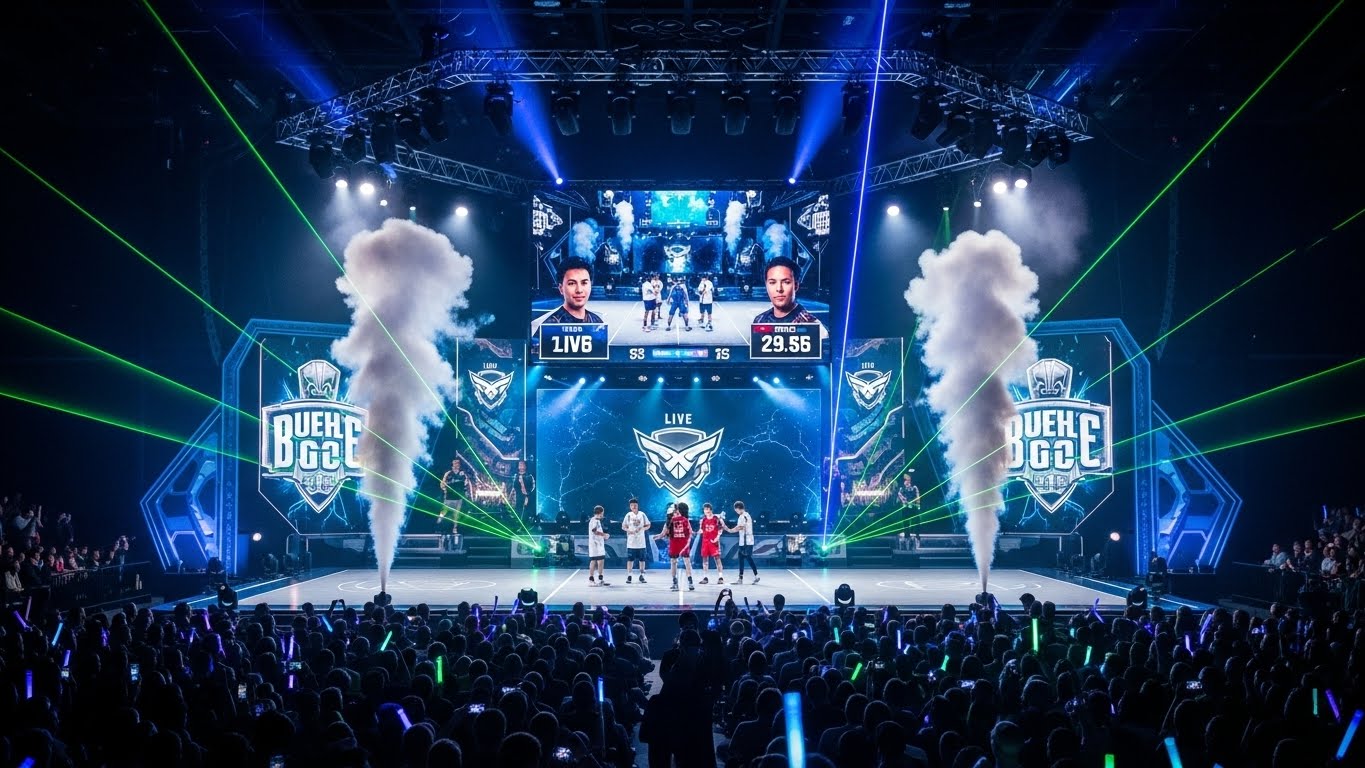
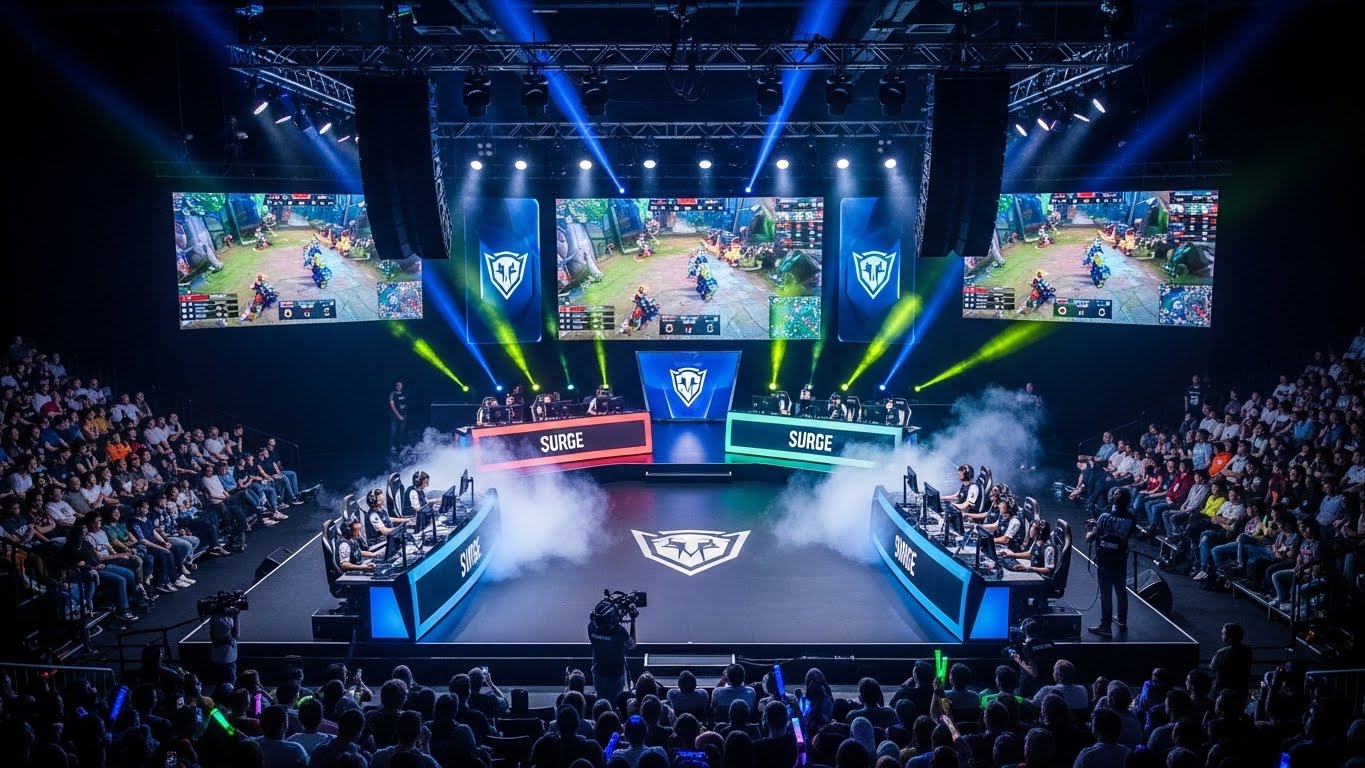
Live tournaments provide a shared social experience, allowing fans to gather, celebrate, and support their favorite teams. Esports demonstrates that digital platforms can create meaningful social connections and collective experiences that rival traditional sporting events.
Esports in Education
Educational institutions are increasingly recognizing esports as an engagement tool. Schools and universities offer esports teams, clubs, and training programs, providing students with opportunities to develop skills in teamwork, leadership, and strategic thinking.
Esports education also introduces pathways to careers in technology, media, and business. By integrating esports into curricula, institutions align learning with modern industry trends, preparing students for a digital future.
Diversity and Inclusion
The esports industry is becoming more diverse and inclusive. Players of different genders, cultures, and backgrounds are gaining visibility and success. Initiatives promoting inclusivity enrich the community and encourage broader participation.
Recognizing talent based on skill rather than demographics strengthens the industry. A diverse player base fosters creativity, innovation, and a more dynamic competitive environment, contributing to the sustained growth of esports worldwide.
Entertainment and Spectator Experience
Esports is as much about entertainment as it is about competition. Matches feature live commentary, analysis, and storytelling that captivate audiences. Fans develop emotional connections to players and teams, following rivalries and celebrating triumphs.
Interactive features, such as live chats and social media engagement, enhance the spectator experience. This level of participation distinguishes esports from traditional sports, making it a uniquely interactive form of entertainment.
Economic Impact
The esports industry has become a significant economic force. Revenue streams include sponsorships, advertising, merchandise, media rights, and live event ticket sales. Brands invest heavily in esports to reach digitally engaged audiences.
Esports also stimulates related sectors, such as hardware manufacturing, software development, and event production. Cities hosting major tournaments benefit from tourism and global exposure, illustrating the economic reach of competitive gaming.
The Future of Esports
The future of esports is filled with opportunity and innovation. Emerging technologies, including virtual reality, augmented reality, and AI-driven analytics, will further enhance competition and viewer engagement. Esports is likely to integrate more deeply into mainstream media, education, and entertainment.
As acceptance grows, esports will continue redefining notions of sport, skill, and digital culture. Its global influence, professional opportunities, and technological integration make esports a defining phenomenon of the digital age.
Conclusion: The New Era of Competition
Esports has evolved into a global movement that combines skill, technology, and culture. Beyond games and tournaments, it teaches discipline, strategic thinking, and collaboration. It connects communities, drives economic growth, and shapes modern entertainment.
As esports continues to expand, it challenges traditional concepts of sport and competition. It is not merely a hobby—it is a cultural, professional, and technological revolution. Digital arenas have emerged as the new battlegrounds, proving that the future of competition belongs to esports.