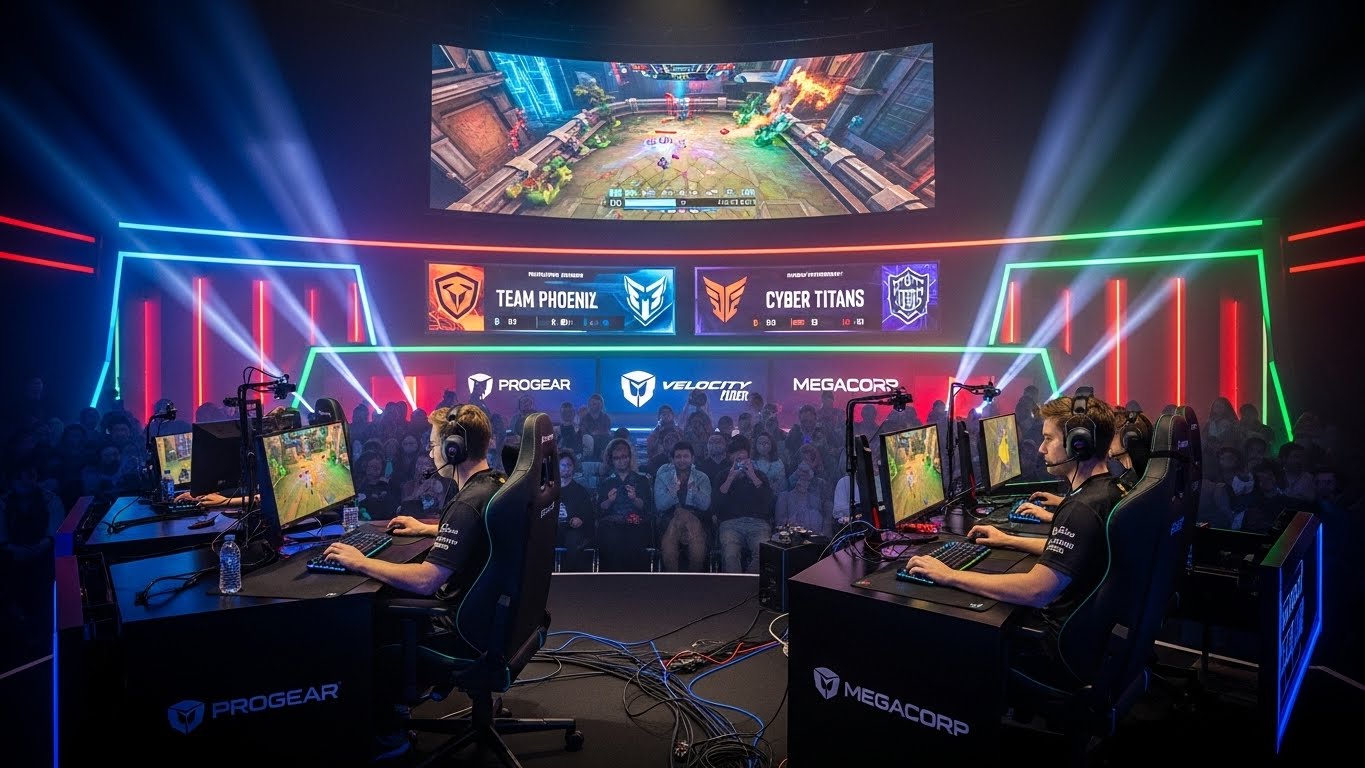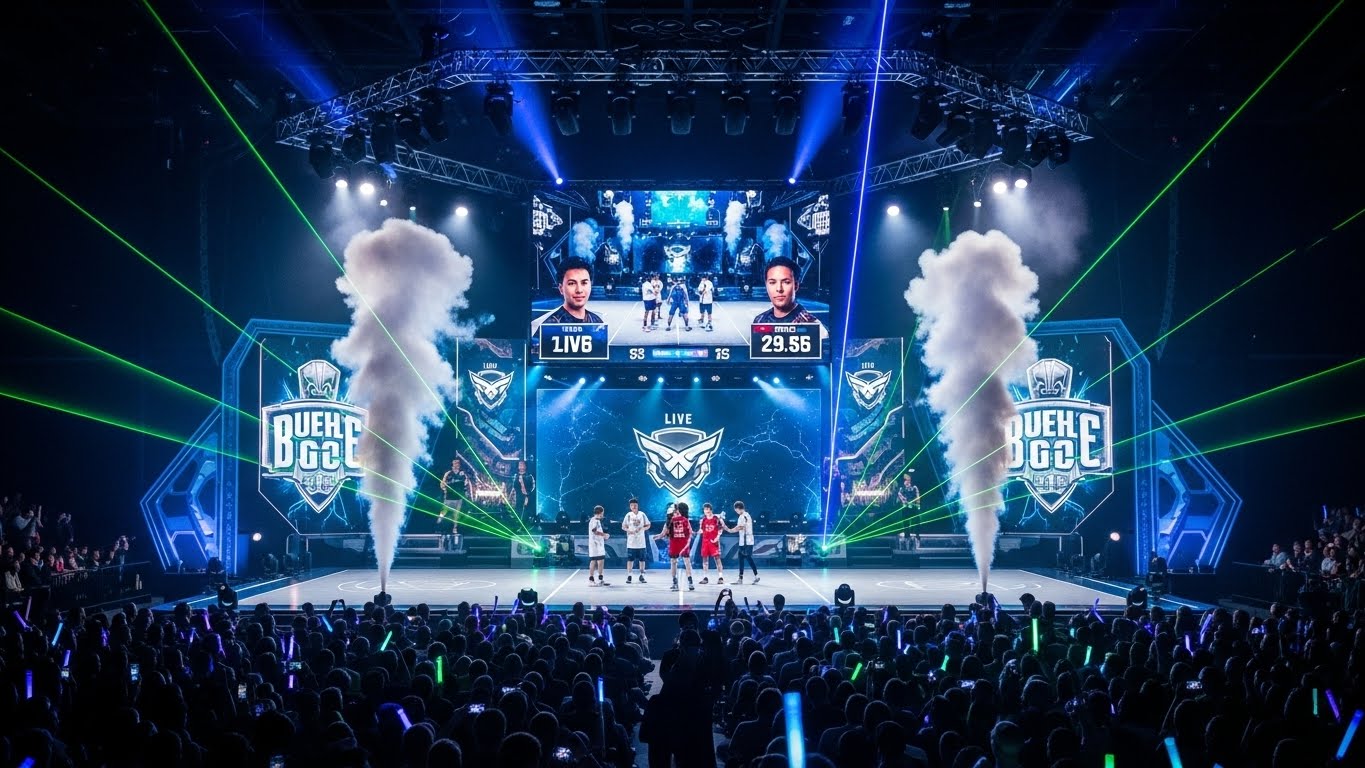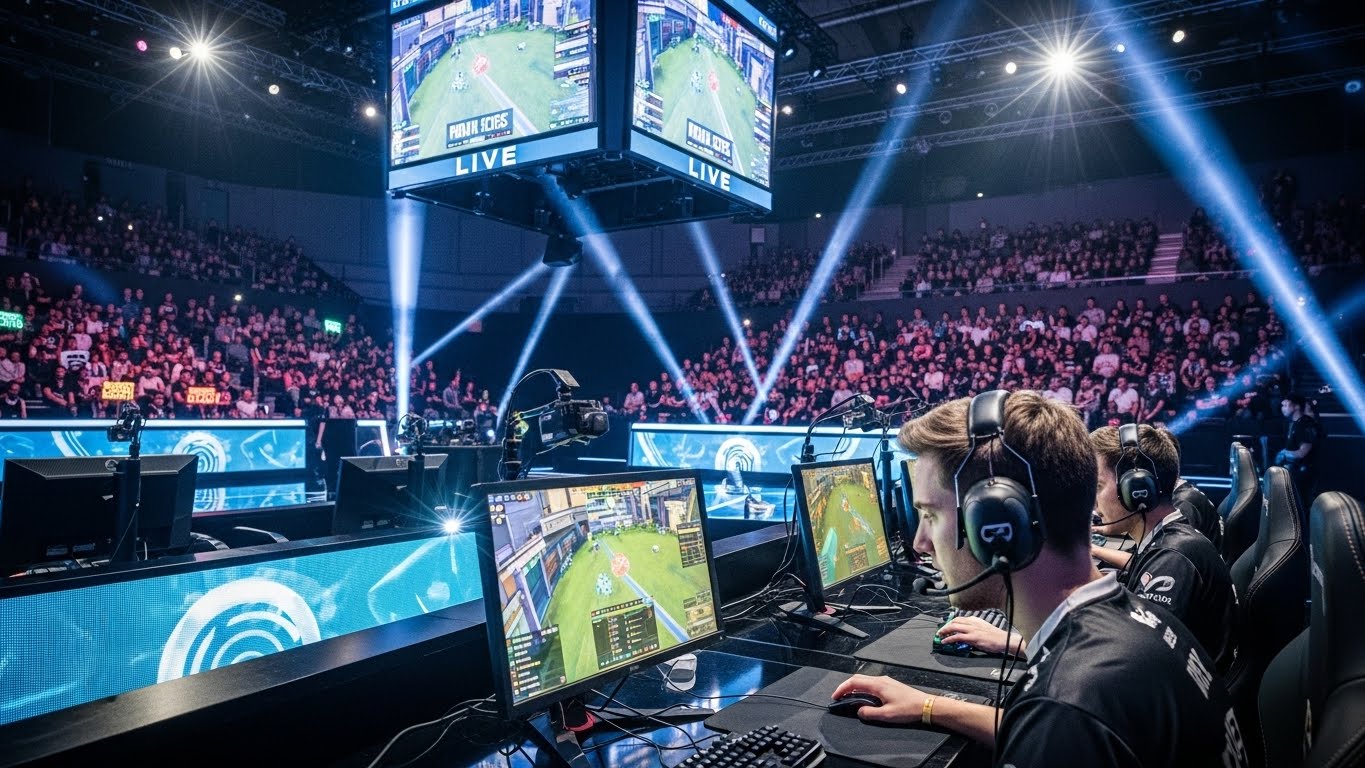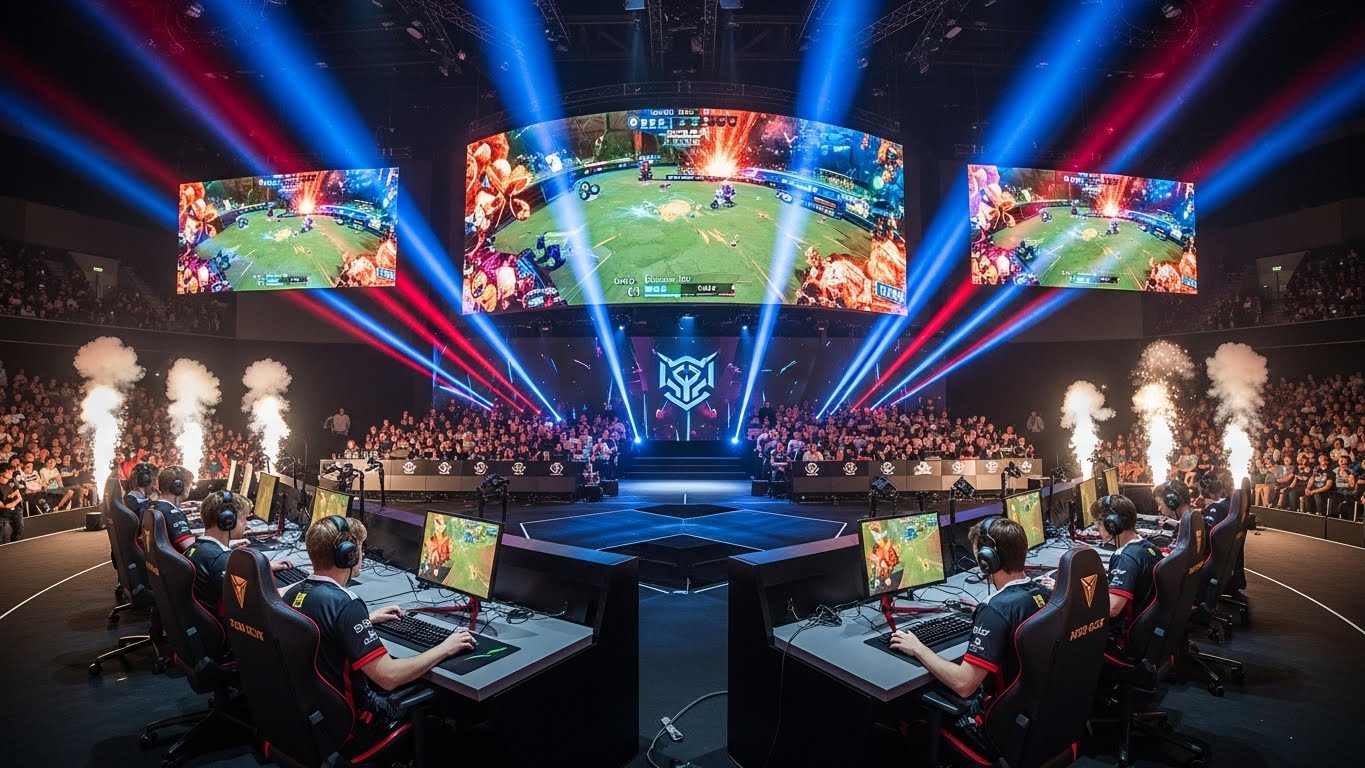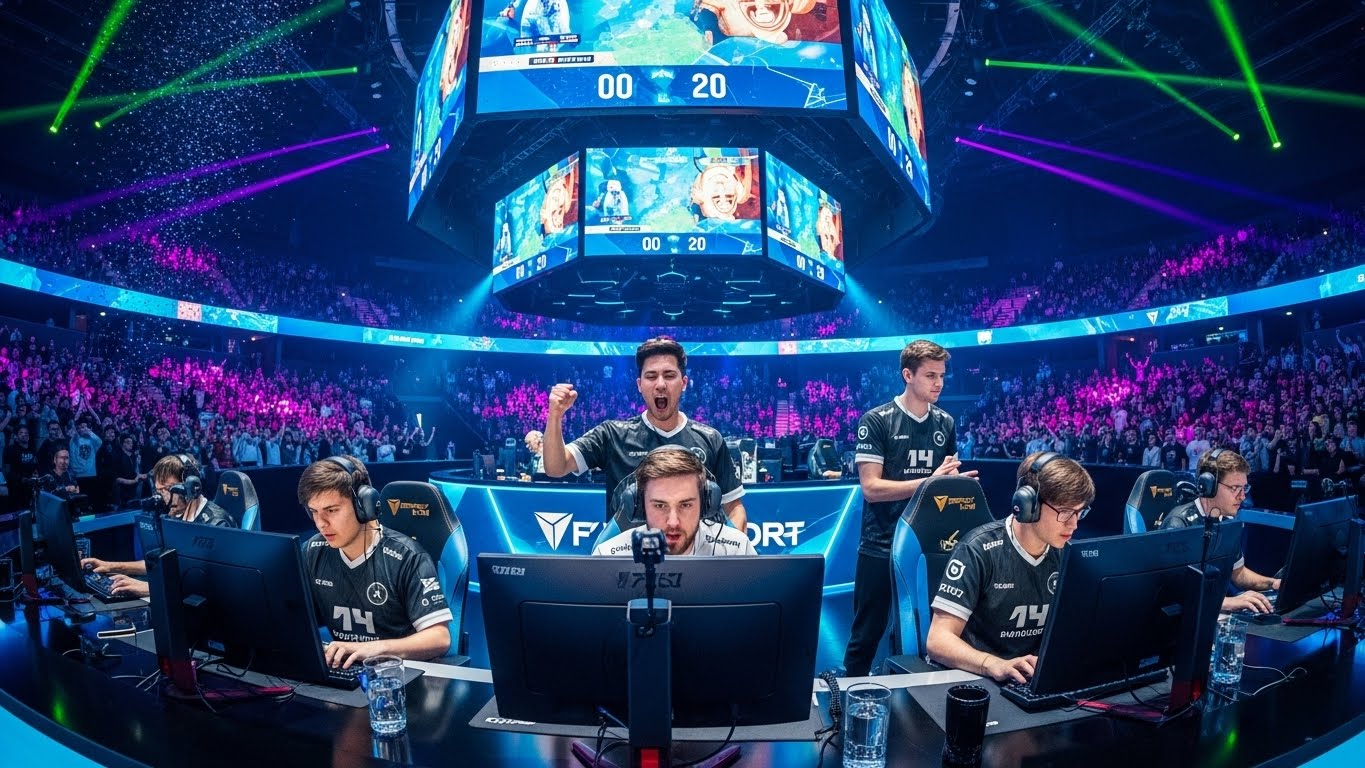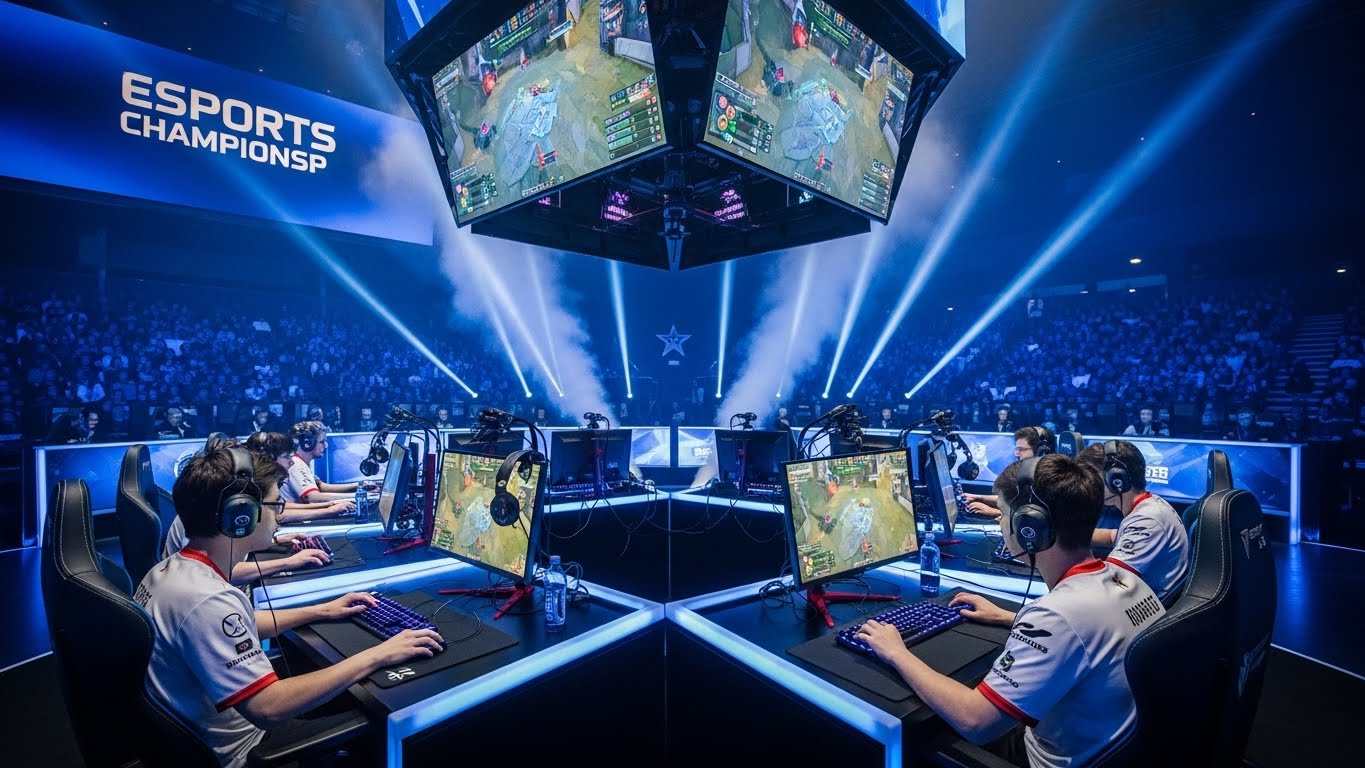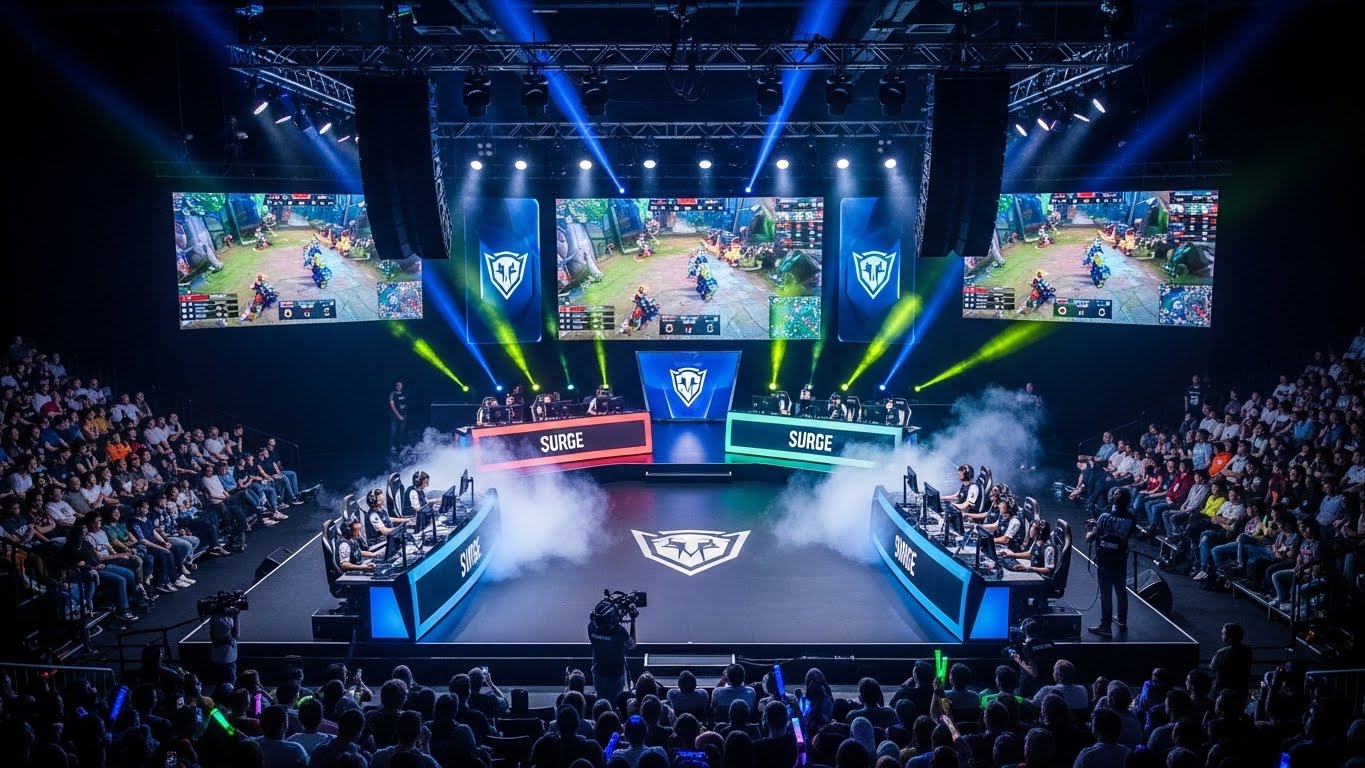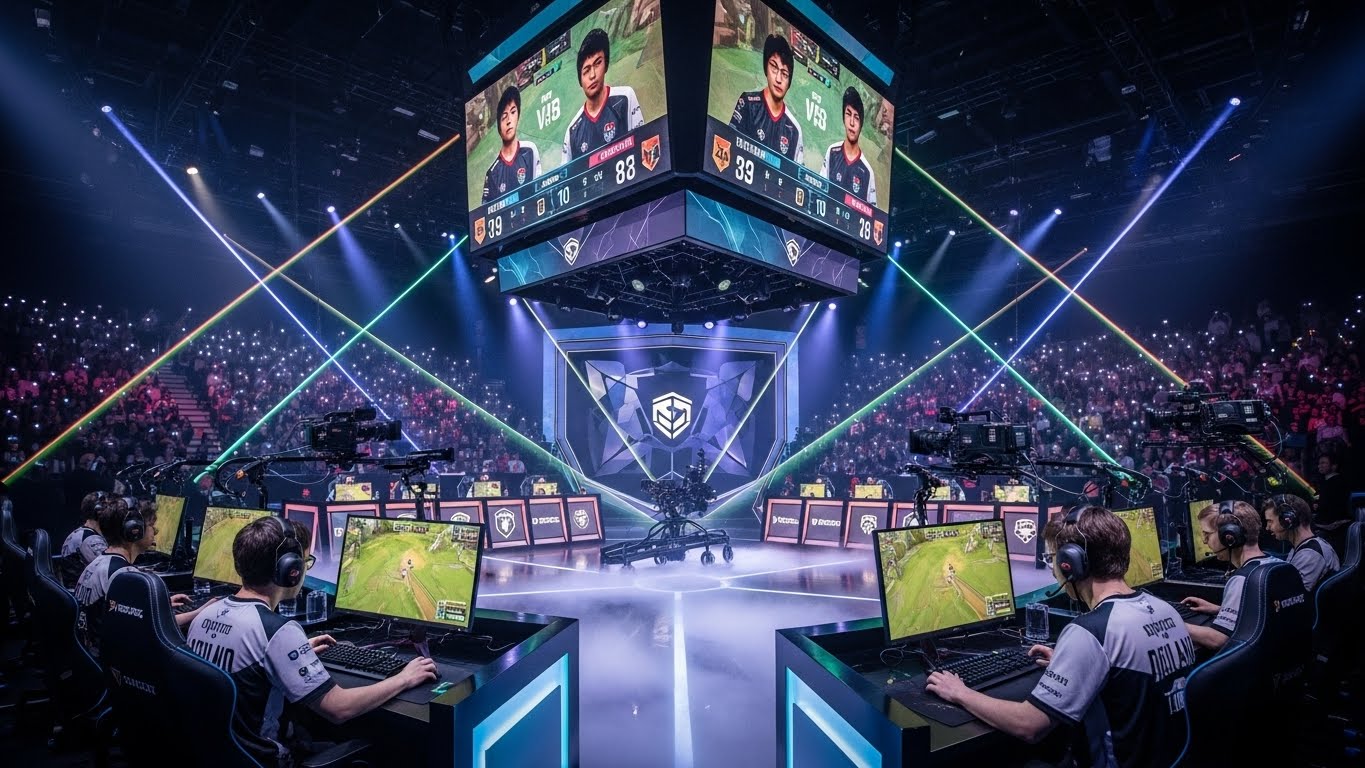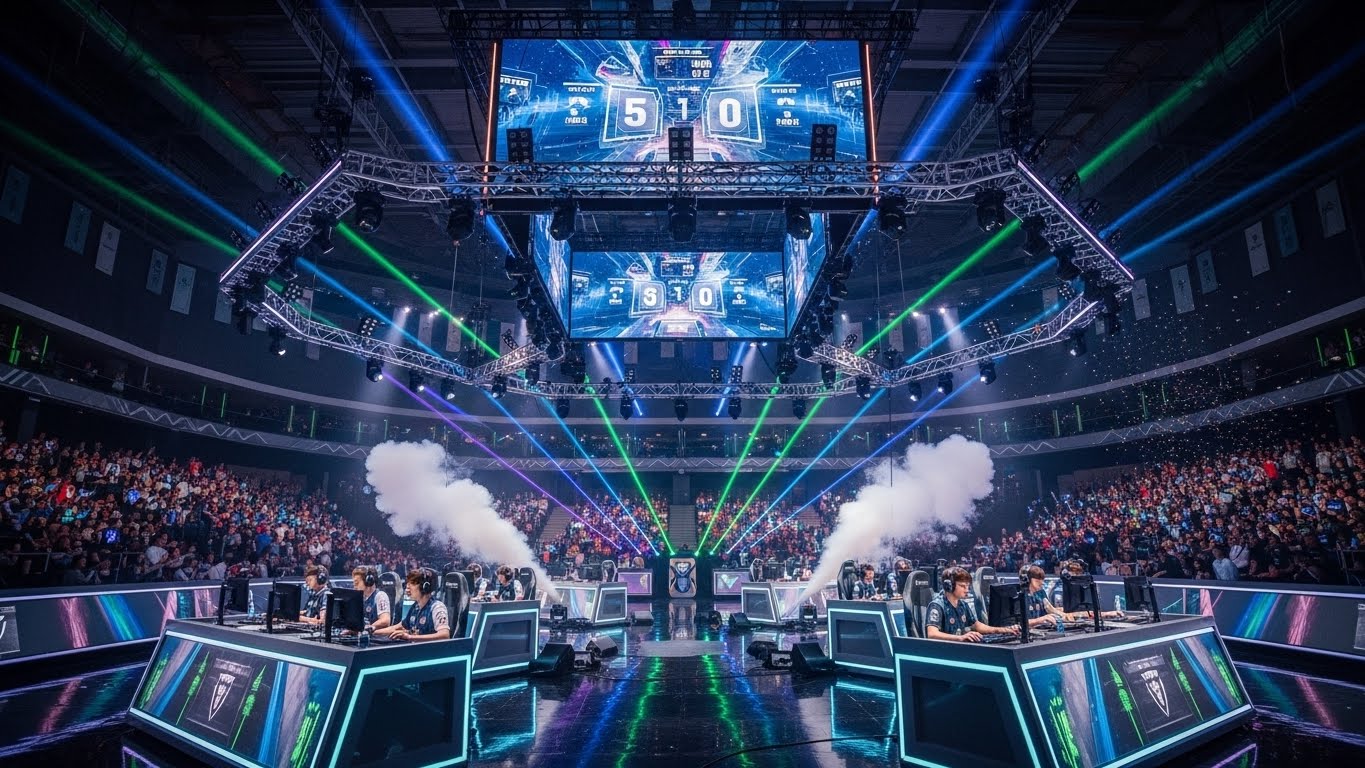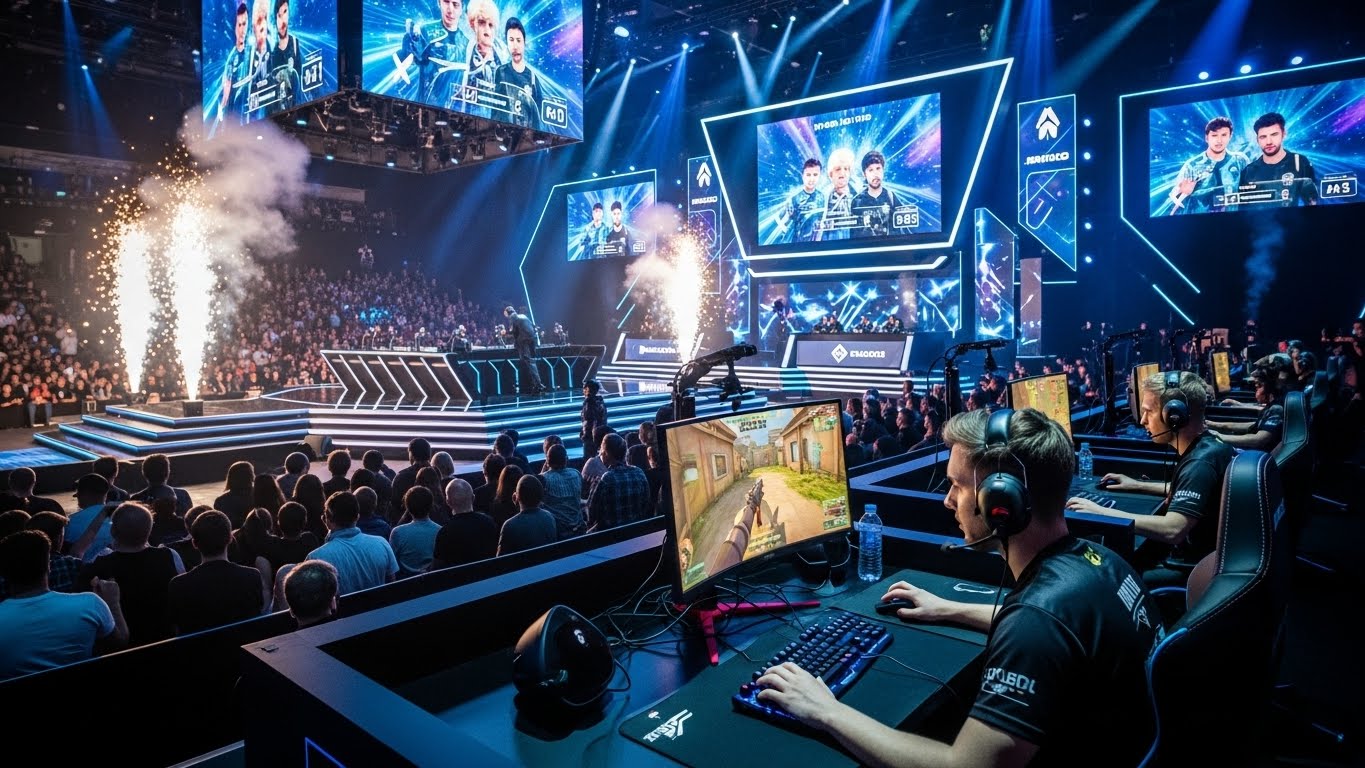

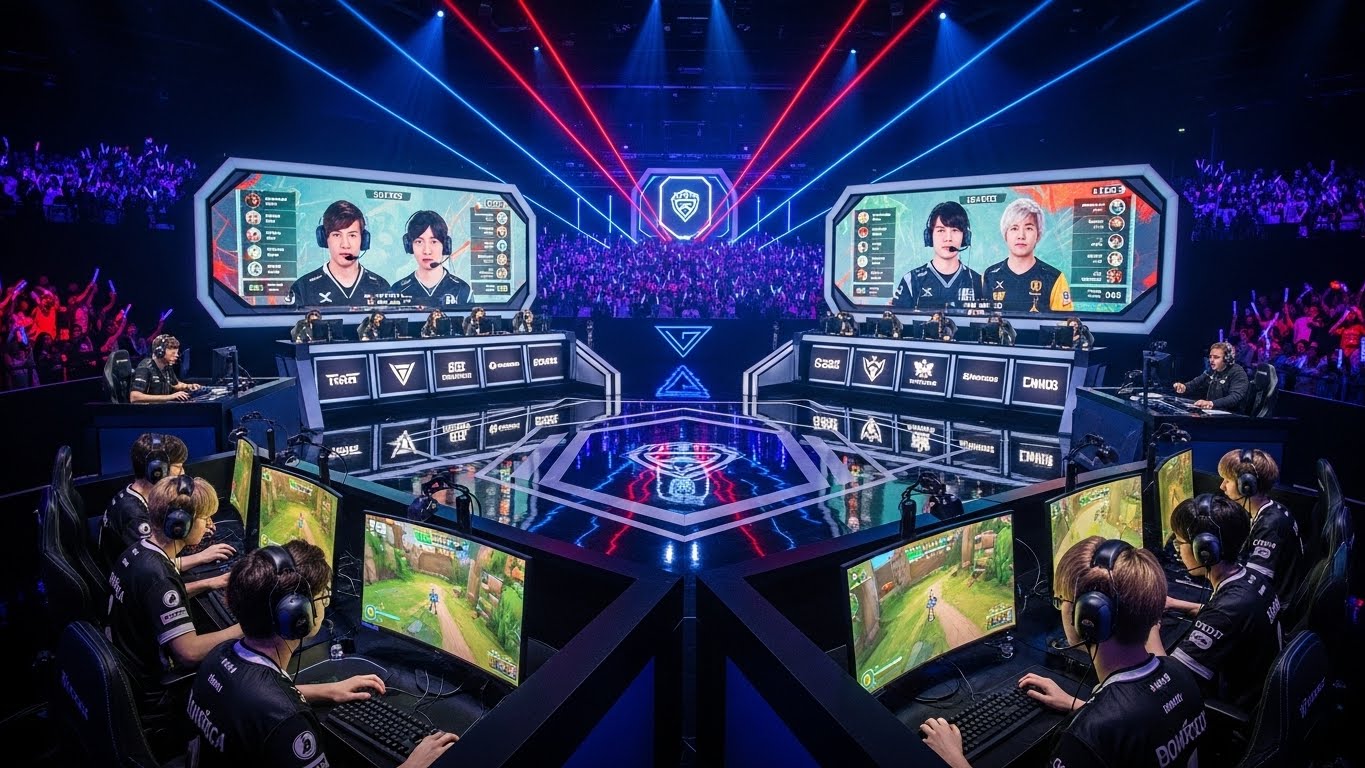
Esports, or competitive video gaming, has transformed from a niche hobby into a global cultural phenomenon. What was once seen as casual gaming among friends has evolved into a multi-billion-dollar industry attracting professional players, massive audiences, and international tournaments. With its rapid rise, esports is not only redefining competition but also creating new career paths, social connections, and entertainment experiences. In this blog, we will explore the origins of esports, its growth, benefits, challenges, and future potential, showing why it is one of the most influential developments in modern entertainment.
What is Esports?
Esports, short for electronic sports, refers to organized competitive video gaming. Players compete either individually or in teams in various genres such as first-person shooters, multiplayer online battle arenas, real-time strategy games, and sports simulations. Titles like League of Legends, Dota 2, Fortnite, and Counter-Strike have become iconic in the esports scene.
Unlike casual gaming, esports requires strategic thinking, teamwork, and lightning-fast reflexes. Professional players train rigorously, often spending hours daily honing their skills, analyzing opponents, and developing strategies. The competitive environment emphasizes discipline, focus, and continuous improvement, making esports comparable to traditional sports in terms of dedication and intensity.
The Origins of Esports
Esports has roots dating back to the late 1970s when arcade competitions and early video game tournaments emerged. The introduction of personal computers and gaming consoles in the 1980s and 1990s enabled wider access, while the rise of the internet allowed players from different regions to compete online.
South Korea played a pivotal role in popularizing esports in the late 1990s and early 2000s. Professional gaming leagues, internet cafes, and televised tournaments turned gaming into a mainstream cultural activity. Players could now train professionally, attract sponsorships, and compete at high-stakes events, setting the foundation for the modern esports industry.
The Global Growth of Esports
Over the past decade, esports has experienced unprecedented growth. Tournaments now feature multi-million-dollar prize pools, attracting viewers comparable to major sporting events. Platforms like Twitch and YouTube Gaming have transformed the way audiences watch esports, offering live streaming, interactive chat, and highlights that keep fans engaged.
Esports has also expanded into educational and amateur levels. Universities and schools worldwide are establishing esports programs, offering scholarships and creating leagues that allow students to compete professionally. These programs not only nurture talent but also promote teamwork, communication, and strategic thinking among young participants.
Benefits of Esports
Esports offers a range of benefits for players, fans, and society at large.
Cognitive and Mental Development
Competitive gaming enhances problem-solving, multitasking, and critical thinking skills. Players constantly make split-second decisions, analyze opponents’ strategies, and adapt in real-time. This mental stimulation improves focus, memory, and overall cognitive function.
Social Interaction and Community Building
Esports connects people across the globe. Multiplayer games encourage teamwork, communication, and leadership. Fans and players form communities around games and tournaments, sharing experiences, strategies, and fandom in ways that transcend geographic boundaries.
Career Opportunities
The esports industry provides diverse career paths beyond professional playing. Opportunities include coaching, event management, broadcasting, content creation, game development, and sponsorship management. As the industry grows, so does the potential for financial stability and professional recognition.
Inclusivity and Accessibility
Unlike traditional sports, esports is less limited by physical constraints. Players of varying abilities can compete equally, making it more inclusive. The digital nature of esports also allows individuals from different regions and socio-economic backgrounds to participate, fostering a global competitive community.
The Professional Esports Ecosystem
Esports today mirrors the structure of traditional sports leagues. Professional players often sign contracts with esports organizations, receiving salaries, training support, and access to coaching staff. Teams employ analysts, strategists, and psychologists to optimize performance and maintain mental well-being.
Major tournaments attract sponsorships from global brands, generating revenue through advertising, merchandising, and media rights. Top-tier competitions like the League of Legends World Championship or The International for Dota 2 draw millions of viewers, proving the massive appeal and economic potential of esports.
Professional players follow rigorous training schedules that include gameplay practice, strategy development, teamwork exercises, and physical conditioning. Increasingly, organizations recognize the importance of mental health, providing counseling, meditation sessions, and rest periods to prevent burnout and ensure longevity in players’ careers.
Challenges Facing Esports
Despite its growth, esports faces several challenges that need attention.
Health and Well-being
Extended hours of gameplay can lead to physical and mental health issues such as eye strain, repetitive strain injuries, poor posture, and burnout. Maintaining a healthy balance between gaming, rest, and physical activity is essential for sustainable careers in esports.
Recognition and Legitimacy
Although esports is gaining mainstream attention, skepticism still exists regarding its classification as a sport. Critics often emphasize the lack of physical exertion, overlooking the skill, discipline, and strategic thinking involved. Wider education about the professionalism and dedication required can help change perceptions.
Ethical Concerns
Cheating, match-fixing, harassment, and doping have emerged as challenges in the esports world. Strict regulations, monitoring systems, and clear ethical standards are necessary to maintain fairness and protect players’ integrity.
Economic Sustainability
While top-level esports generates significant revenue, smaller leagues and individual players often struggle financially. Ensuring equitable access to sponsorships, funding, and training opportunities is crucial for a healthy and sustainable ecosystem.
The Future of Esports
The future of esports is bright, driven by technological advancements and cultural integration. Virtual reality and augmented reality could revolutionize gameplay, creating immersive experiences for players and audiences. Artificial intelligence may enhance performance analytics, training efficiency, and game design.
Esports is also becoming increasingly mainstream. Partnerships with traditional sports organizations, media outlets, and educational institutions are expanding its reach. As governments recognize esports as an official competitive activity, opportunities for scholarships, professional leagues, and international competitions are growing.
Inclusivity initiatives are also shaping the future of esports. Programs targeting women, differently-abled players, and underrepresented communities are creating a more diverse and equitable competitive environment. These efforts ensure that esports remains accessible and engaging for a broad audience.
Esports as a Cultural Phenomenon
Esports is more than just competitive gaming; it is a cultural movement. It influences fashion, entertainment, social media, and even lifestyle trends. Professional players are now celebrities and role models, inspiring millions through skill, discipline, and personality.
The rise of esports has also redefined competition. Athleticism is no longer solely physical; mental agility, strategy, and teamwork are celebrated equally. Tournaments become festivals, blending entertainment, technology, and social interaction, appealing to audiences of all ages.
Esports also provides a platform for storytelling. Players’ journeys, team rivalries, and dramatic matches create narratives that engage fans, similar to traditional sports leagues. This narrative aspect strengthens fan loyalty and community engagement, reinforcing esports as a mainstream entertainment form.
Conclusion: The Digital Frontier of Competition
Esports has firmly established itself as a transformative force in the world of competition and entertainment. Its impact spans cognitive development, social interaction, career opportunities, and cultural influence. From small online tournaments to international championships, esports has evolved into an industry that rivals traditional sports in professionalism, viewership, and economic significance.
Challenges such as health concerns, ethical issues, and recognition must be addressed, but the potential for growth and innovation is immense. As technology advances, inclusivity expands, and global interest increases, esports will continue to redefine what it means to compete, connect, and entertain in the digital age.
Esports is more than a game. It is a cultural movement, a professional pursuit, and a global community. In embracing esports, players, fans, and organizations are participating in a digital revolution that transforms the way we understand competition and collaboration in the 21st century.