
Esports has rapidly grown from a niche hobby into one of the world’s most influential entertainment industries. Once dismissed as simple video game competitions, esports has transformed into a structured, celebrated, and highly profitable global phenomenon. Millions of fans watch tournaments, players train like traditional athletes, and organizations invest heavily to build professional teams. As technology advances and digital culture expands, esports continues to redefine what competitive entertainment means in the modern world.
The Origins of Esports
The roots of esports can be traced back to the earliest days of gaming. In the 1970s and 1980s, friendly competitions in arcade centers sparked the first wave of gaming rivalry. High-score battles and small-scale tournaments began paving the way for organized competition. The real turning point came with the internet revolution, allowing players to compete globally from their homes. Online multiplayer games introduced ranking systems and competitive modes, laying the foundation for an esports culture that thrives on skill, strategy, and teamwork.
The Rise of Professional Esports
What truly propelled esports into the mainstream was the emergence of professional players and official tournaments. Competitive gaming evolved from casual fun to disciplined training and structured leagues. Professional teams formed with coaches, analysts, and managers, mirroring the format of traditional sports organizations. As prize pools grew and sponsorships increased, esports players began to earn substantial incomes through contracts, tournaments, and endorsements. This shift transformed esports into a legitimate career path for talented gamers around the world.
The Role of Technology in Esports Growth
Technology has been the backbone of esports development. High-speed internet, powerful gaming hardware, and advanced software have made competitive gaming more accessible and immersive. Games now offer sophisticated matchmaking systems, spectator modes, and replay analysis tools that enhance both player performance and viewer experience. Additionally, advancements in streaming technology have made esports globally accessible, allowing fans to watch live matches with minimal delay. As technology evolves, esports continues to push the boundaries of what digital competition can achieve.
Major Esports Genres and Games
Esports spans a wide range of genres, each with its own competitive structure and fanbase. Multiplayer battle arenas, tactical shooters, sports simulations, and strategy games dominate the landscape. Each genre requires different skills, such as tactical awareness, precision aiming, strategic planning, or fast reflexes. The variety of esports games ensures that different types of players can find a competitive niche. Diversity in game genres also contributes to the industry’s growth, appealing to a wide range of audiences across various regions and cultures.
The Global Esports Audience
One of the most remarkable aspects of esports is its massive and rapidly growing global audience. Fans span all ages and regions, creating a multicultural community united by a shared passion for competition. Live tournaments attract millions of viewers who tune in to watch teams battle for championship titles. Esports fans are highly engaged, often participating in discussions, creating content, and supporting their favorite players. This passionate audience has fueled the industry’s expansion and helped esports establish itself as a major entertainment force.
Esports as a Career
Esports has opened doors to diverse career paths beyond playing professionally. Coaches, analysts, commentators, event organizers, and content creators all play crucial roles in the ecosystem. The industry also relies on marketing experts, technical engineers, and team managers to keep organizations running smoothly. Educational institutions have even begun offering esports-related programs, recognizing the industry’s potential and growing demand for specialized skills. This expansion demonstrates that esports is not just a pastime but a viable career field for many individuals.
The Importance of Training and Discipline
Professional esports players train with the same seriousness as traditional athletes. Practice schedules can extend for several hours a day, focusing on improving reaction time, decision-making, teamwork, and overall game knowledge. Teams review match footage, study opponents, and develop strategic plays to gain a competitive edge. Physical fitness, mental health, and proper rest also play essential roles in sustaining performance. This level of discipline highlights the professionalism and dedication required to succeed in high-level esports competition.
The Role of Esports Organizations
Esports organizations function like traditional sports clubs, signing players, managing teams, and participating in leagues. They provide players with salaries, training facilities, and support staff to help them perform at their best. Organizations also partner with brands for sponsorships and collaborate on content creation to engage fans. These structures have contributed to making esports more stable, recognized, and respected across global markets. They ensure that players receive proper support while maintaining the competitive integrity of tournaments.
Esports Tournaments and Events
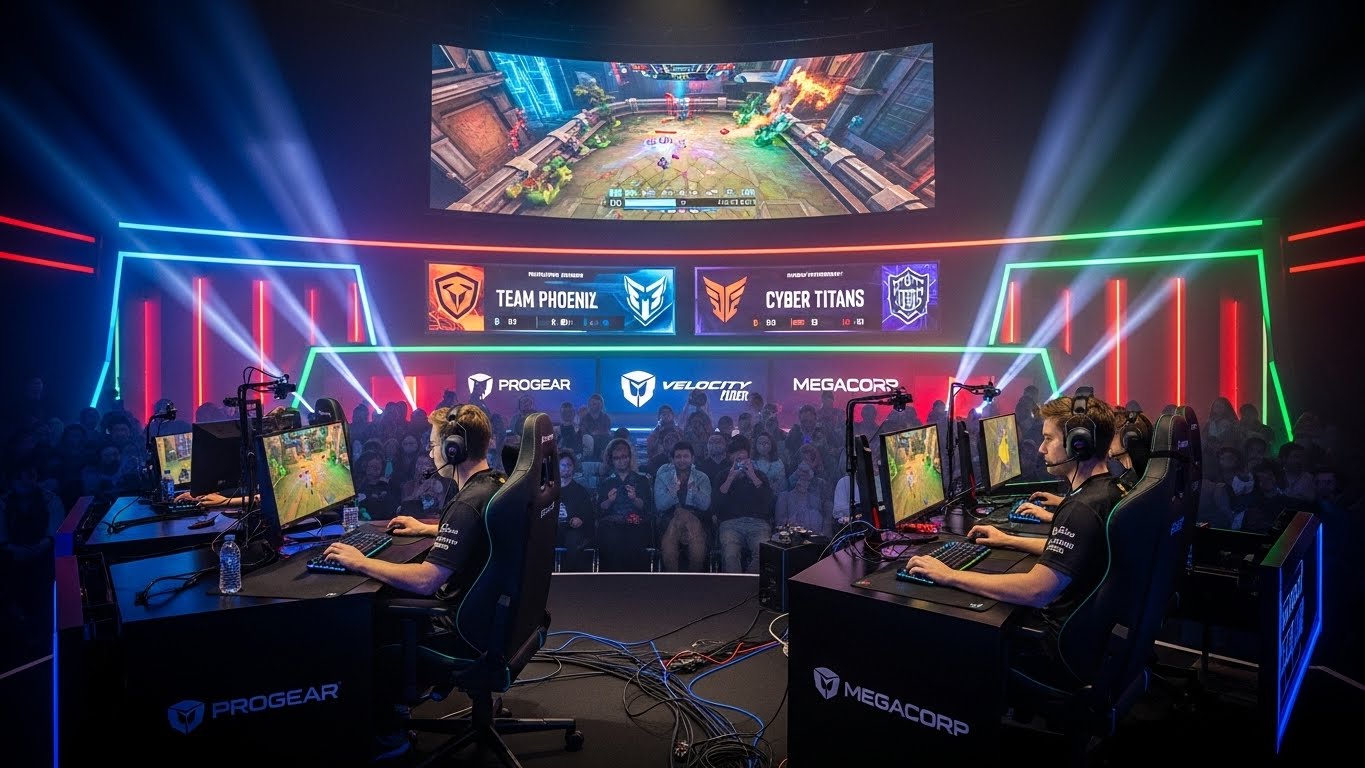
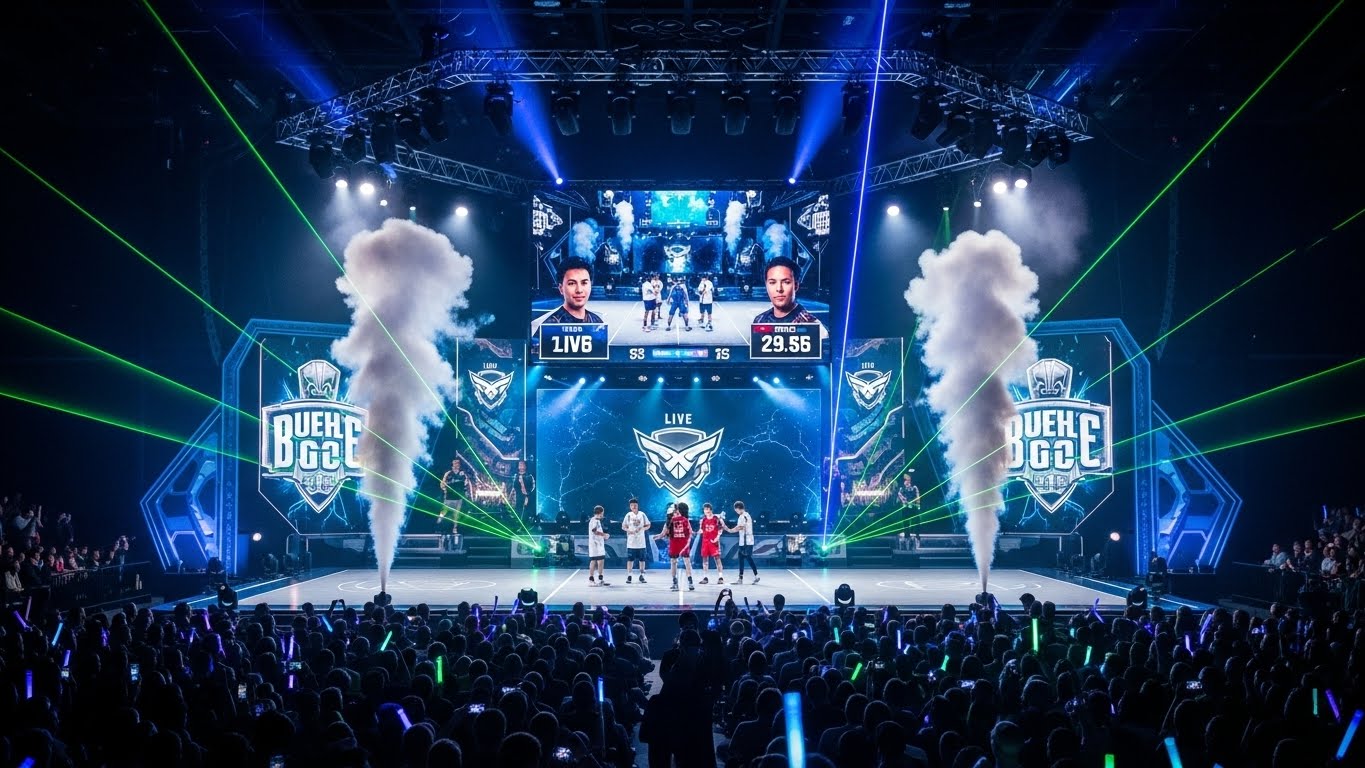
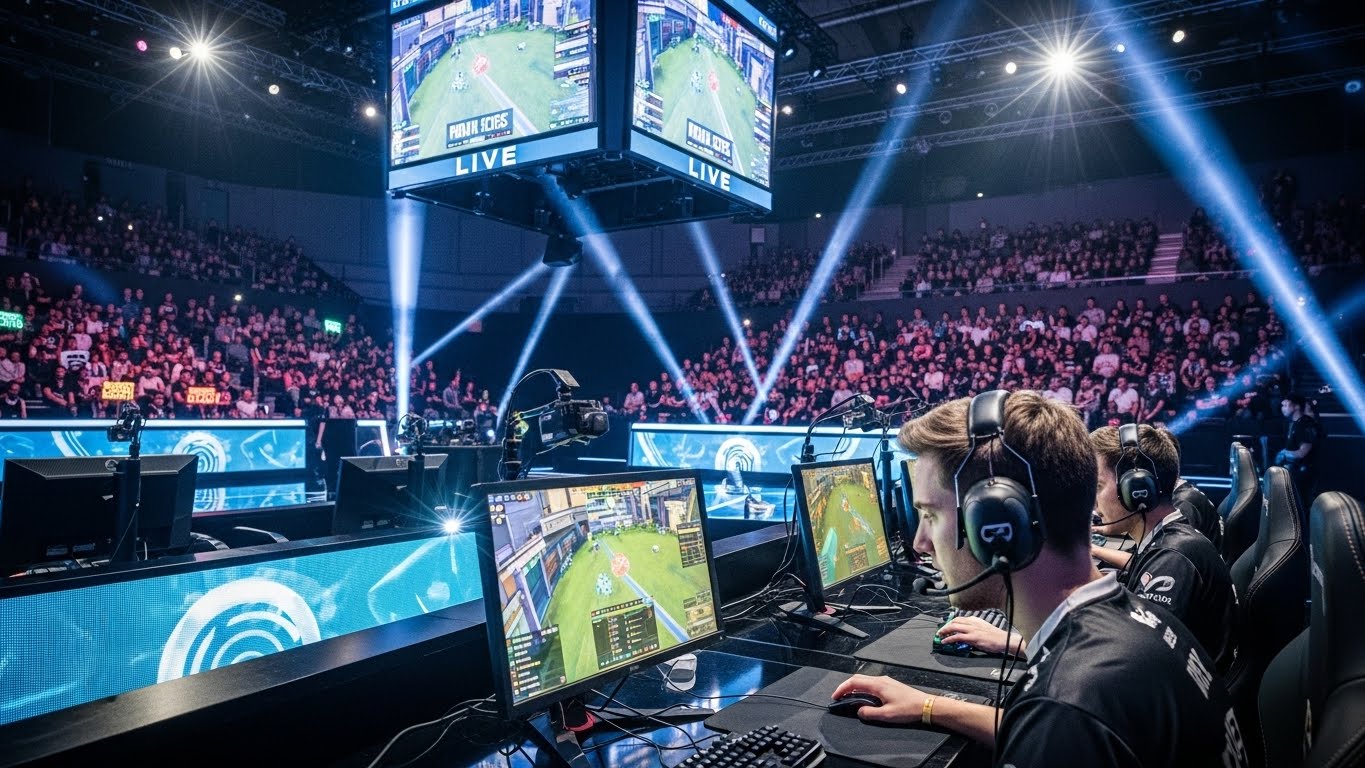
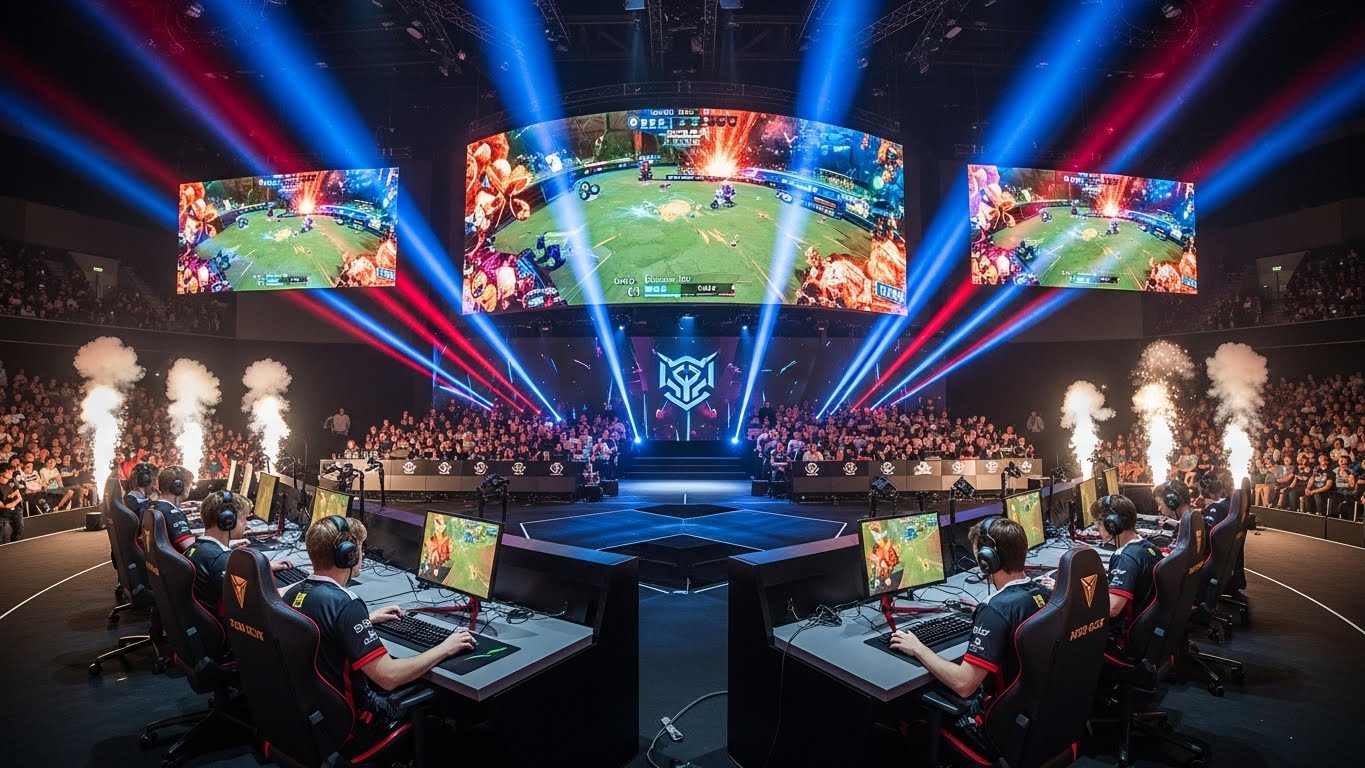
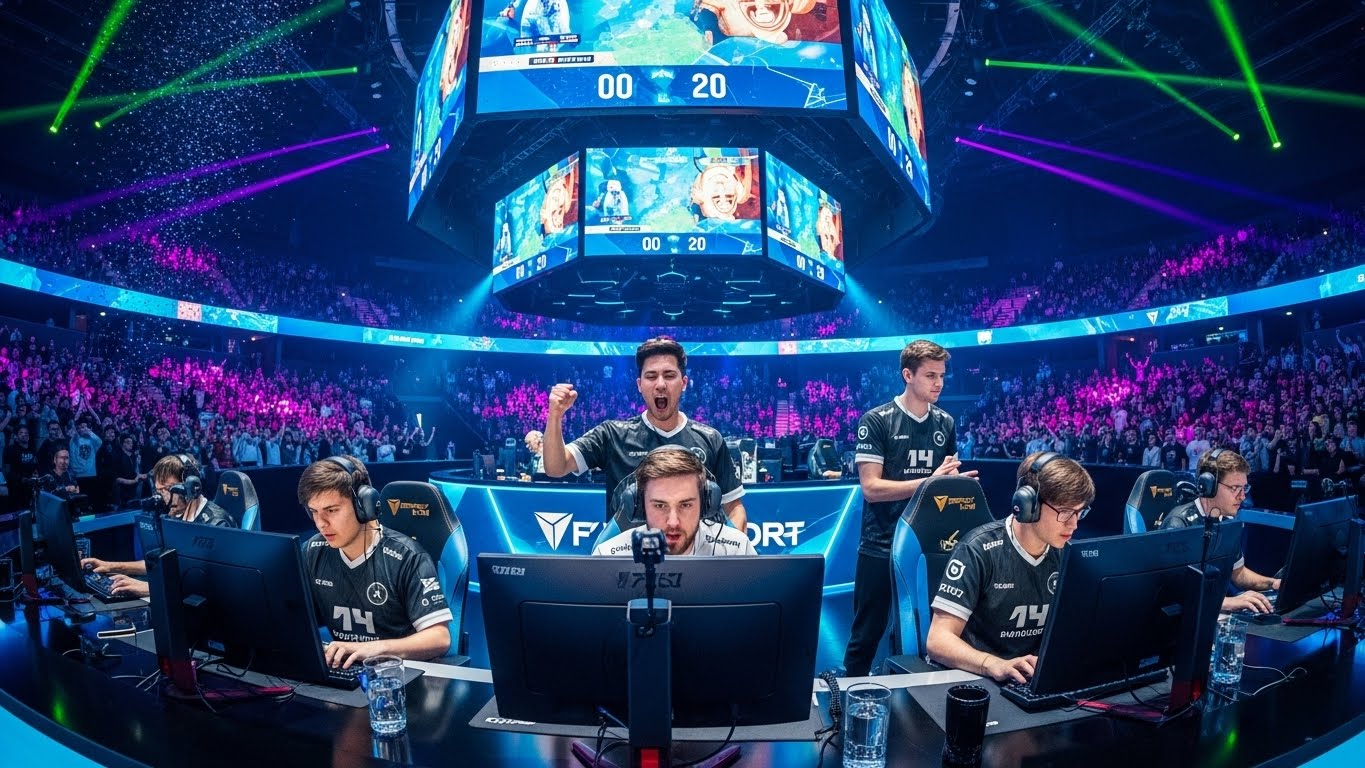
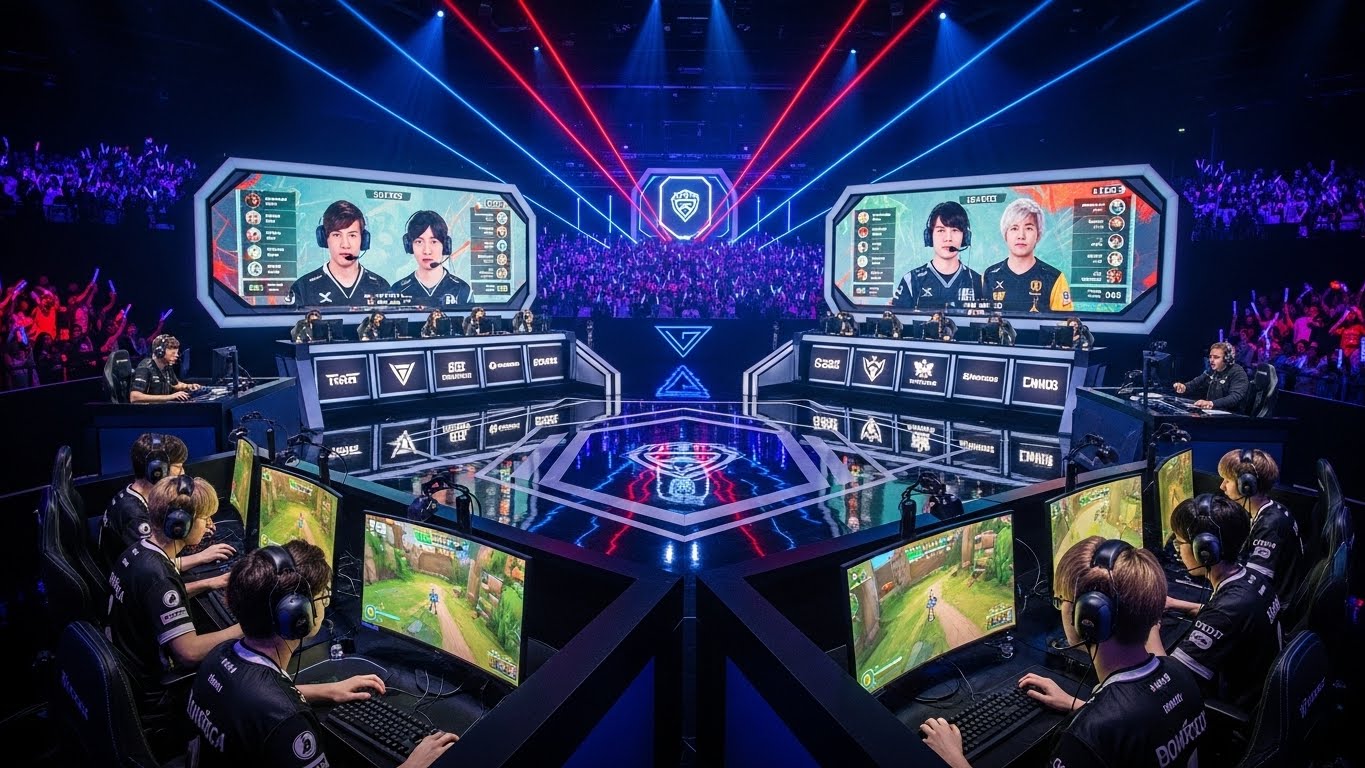
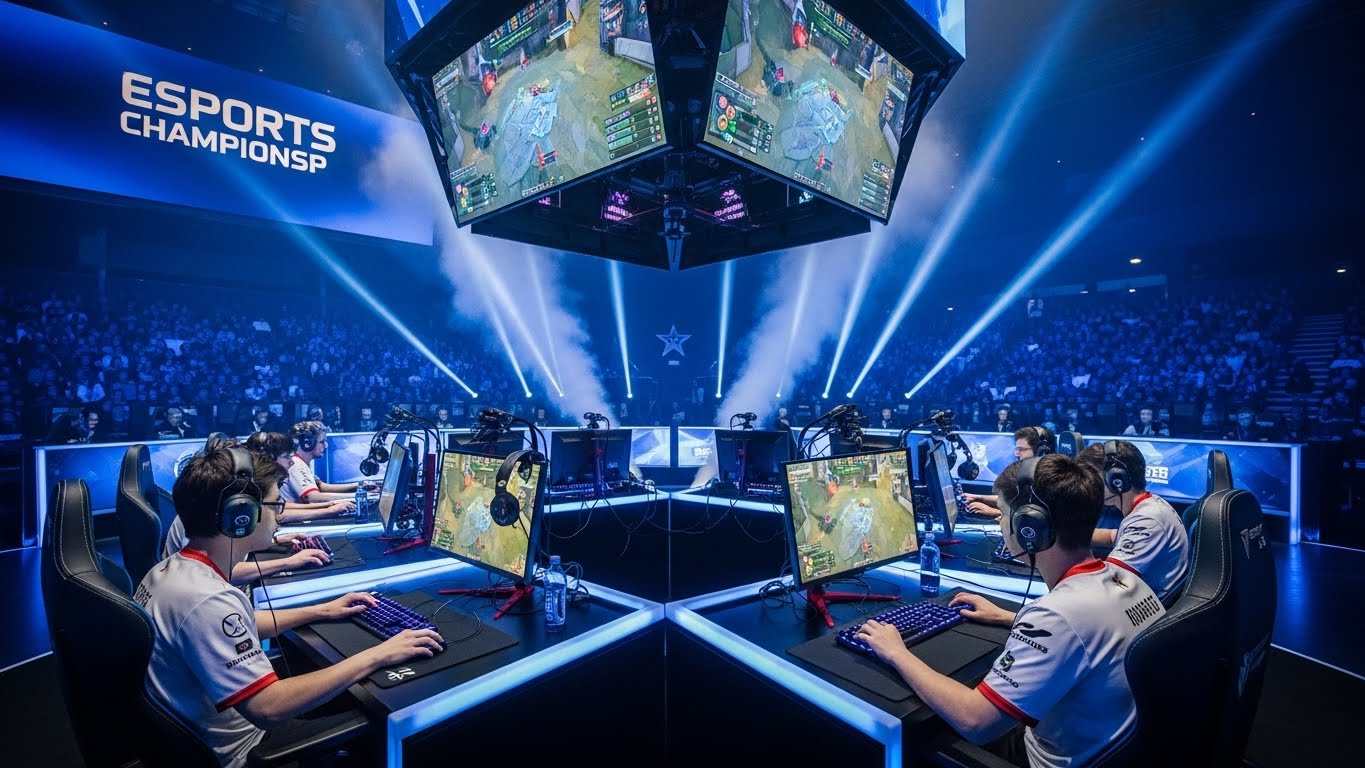
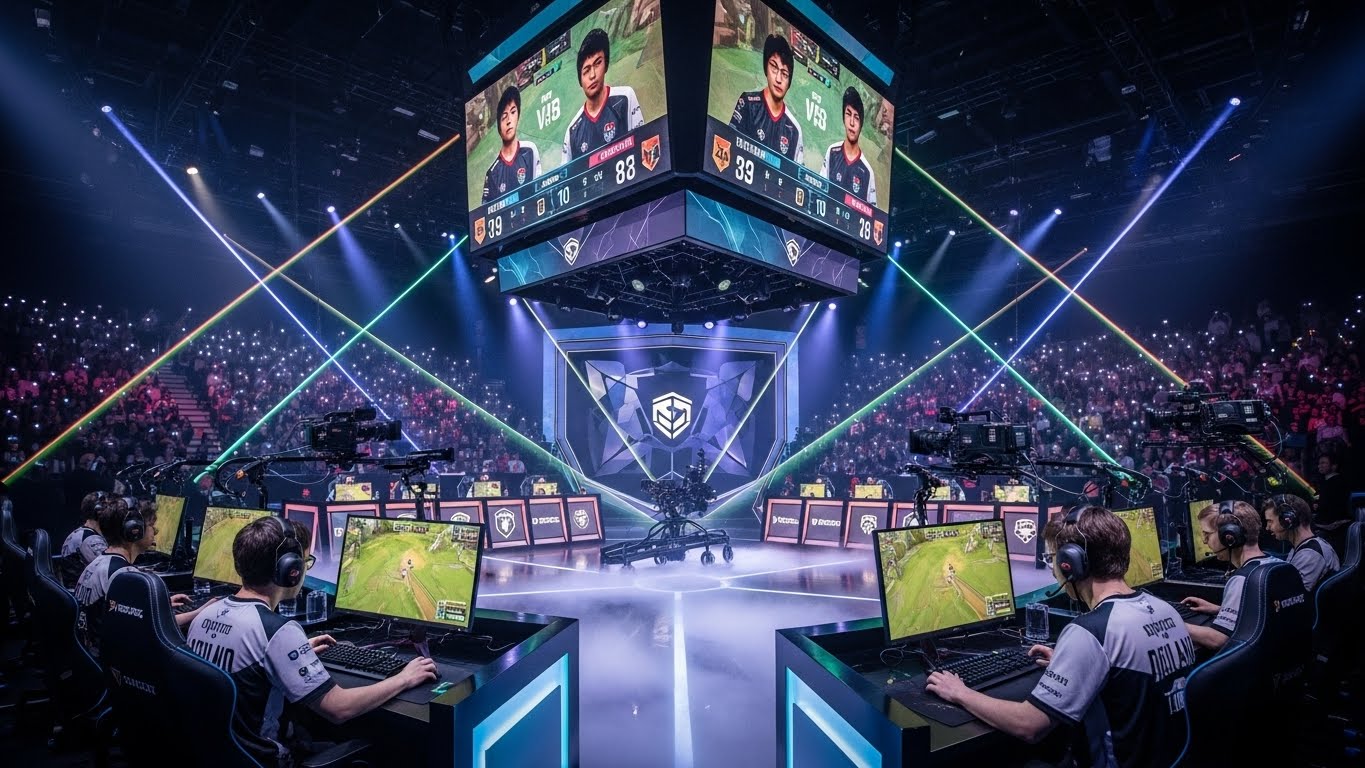
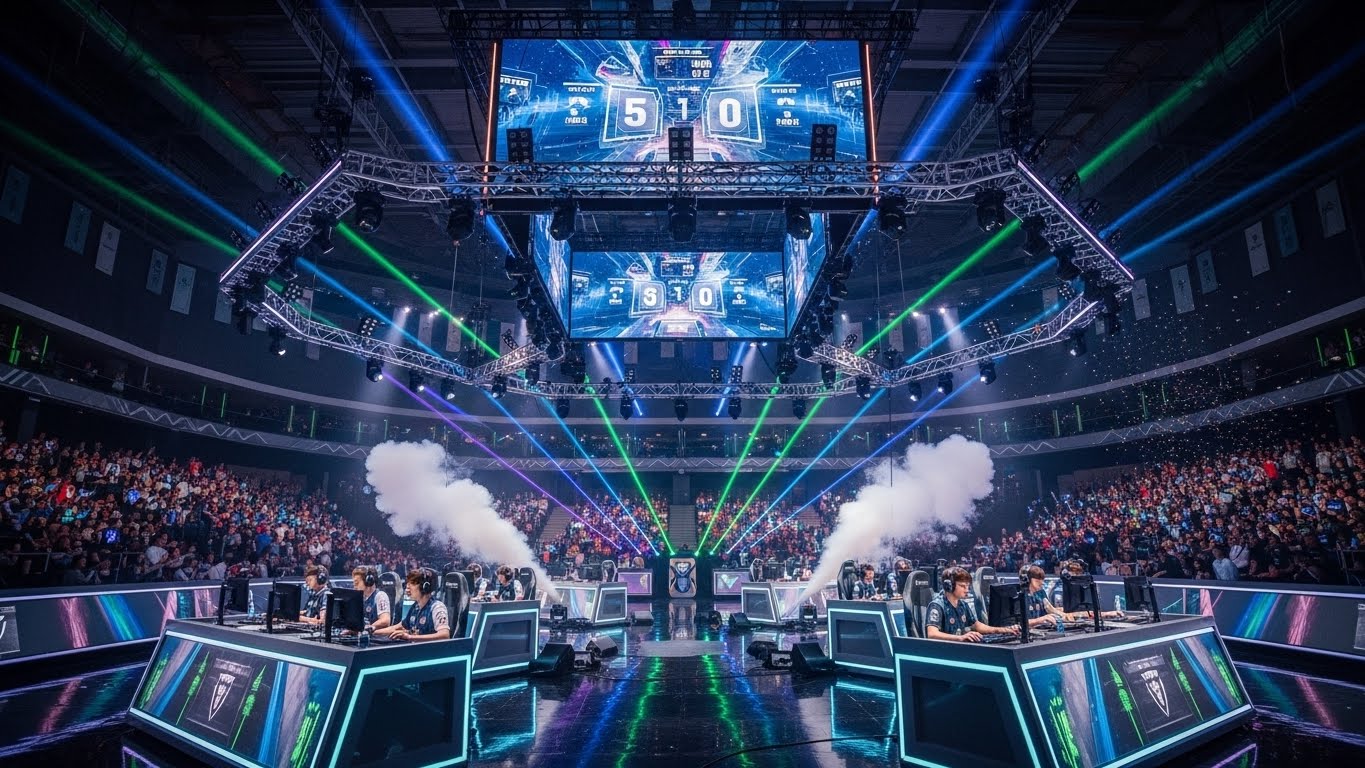
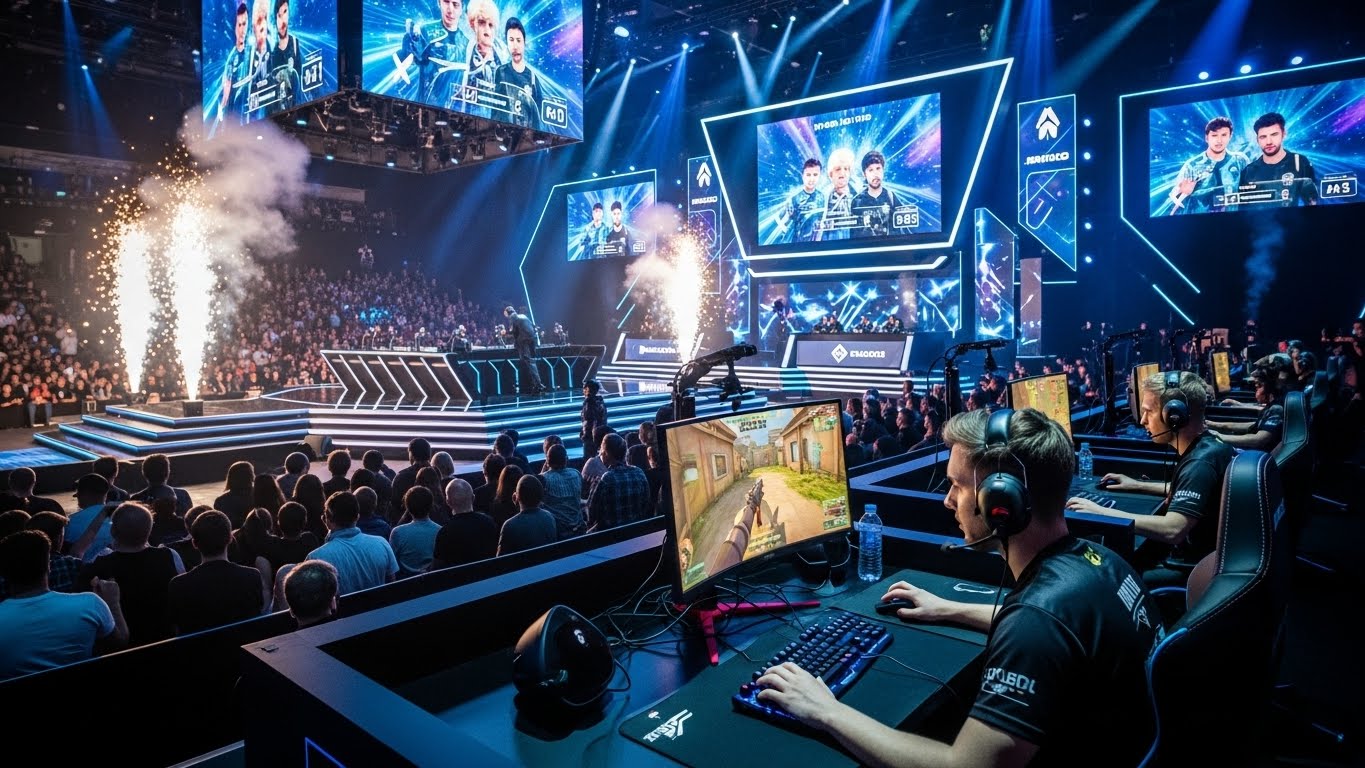
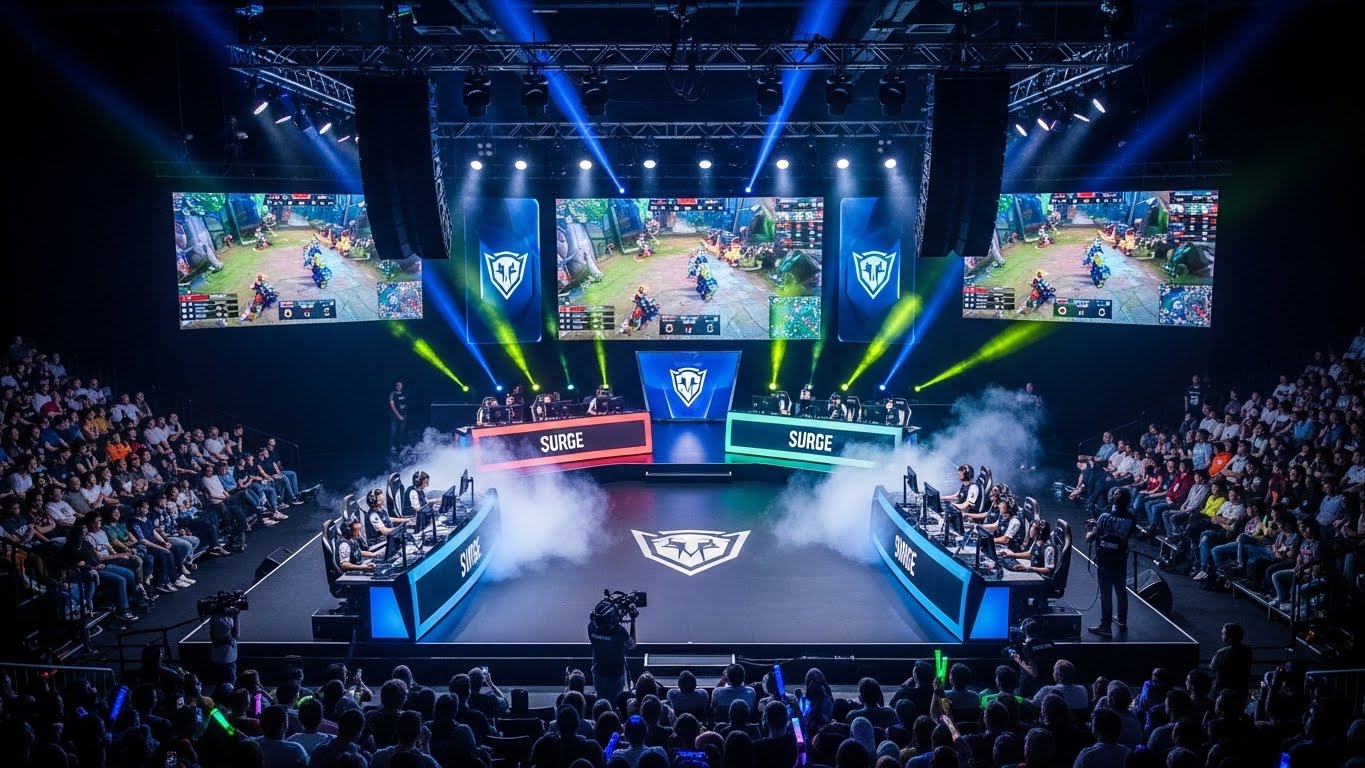
Esports tournaments have grown into massive events that draw huge audiences both online and in physical arenas. Grand finals are often held in stadiums filled with cheering fans, bright lights, and elaborate stage setups. These events deliver excitement comparable to traditional sports competitions. Tournaments also showcase the talents of players and celebrate the community spirit that defines esports culture. From amateur leagues to global championships, tournaments play a central role in shaping the esports experience.
The Influence of Esports on Youth Culture
Esports has had a profound impact on youth culture worldwide. Many young people grow up playing competitive games, watching tournaments, and idolizing professional players. Esports also encourages teamwork, strategic thinking, and quick decision-making. For many, gaming provides a sense of belonging and community, especially through online interactions. The influence of esports extends beyond gaming itself, shaping fashion trends, entertainment preferences, and digital lifestyles among younger generations.
The Business of Esports
The esports industry generates revenue through sponsorships, merchandise, media rights, events, and advertising. Companies recognize the value of esports audiences and invest heavily in branding opportunities. Merchandising and apparel lines further expand the business presence of esports teams. As investment continues to grow, the industry becomes more structured and profitable, attracting interest from global brands and investors. This evolving business landscape solidifies esports as a major economic force.
Challenges Facing the Esports Industry
Despite its success, esports faces several challenges. These include concerns about player burnout, inconsistent regulations across regions, and issues related to online toxicity. Ensuring fair play, preventing cheating, and maintaining competitive integrity also require constant attention. Additionally, the rapid growth of esports can lead to over-saturation, where too many leagues or games compete for audience attention. Addressing these challenges is essential for sustaining long-term growth and keeping the industry healthy.
Inclusivity and Diversity in Esports
Inclusivity has become a major focus in modern esports discussions. Historically, the industry has been male-dominated, but increasing efforts are being made to create opportunities for women and underrepresented communities. Inclusive tournaments, supportive organizations, and community initiatives are helping to foster a more welcoming environment. Promoting diversity not only enriches the esports landscape but also inspires new generations of players and fans who see themselves represented in the industry.
The Future of Esports
The future of esports looks incredibly bright. Emerging technologies such as virtual reality, artificial intelligence, and enhanced graphics promise to reshape the competitive gaming experience. Esports is also expected to expand into new markets, including educational institutions and traditional sports collaborations. As more people worldwide connect through digital platforms, esports will continue growing as a global cultural force. Its blend of competition, entertainment, and technological innovation ensures that esports will remain at the forefront of digital entertainment for years to come.
Conclusion
Esports has evolved from simple gaming competitions into a structured and respected global industry. Its growth has been fueled by technological advancements, passionate communities, and professional organizations that recognize the value of competitive gaming. Today, esports stands as a powerful cultural and economic force that influences entertainment, education, and technology. As it continues to expand, esports will remain a defining aspect of modern digital culture, inspiring millions and shaping the future of competitive entertainment.