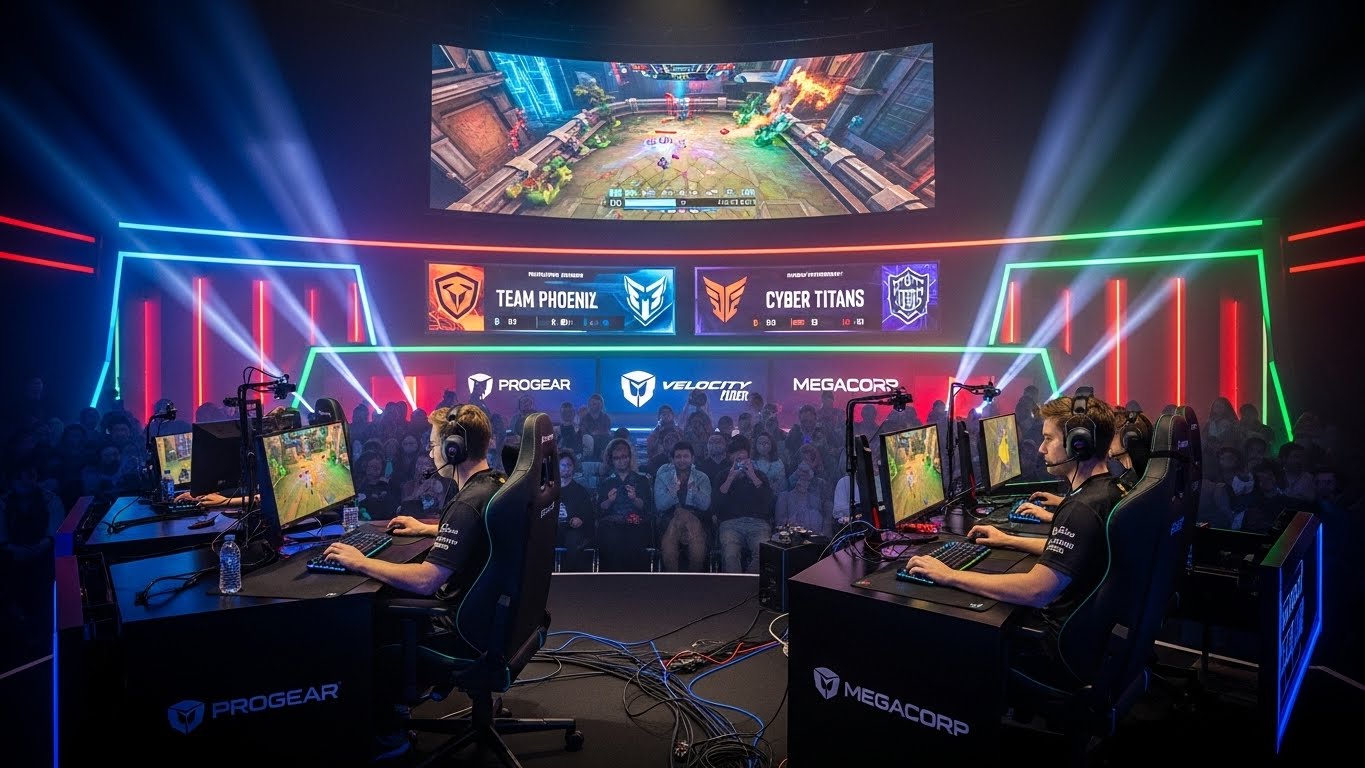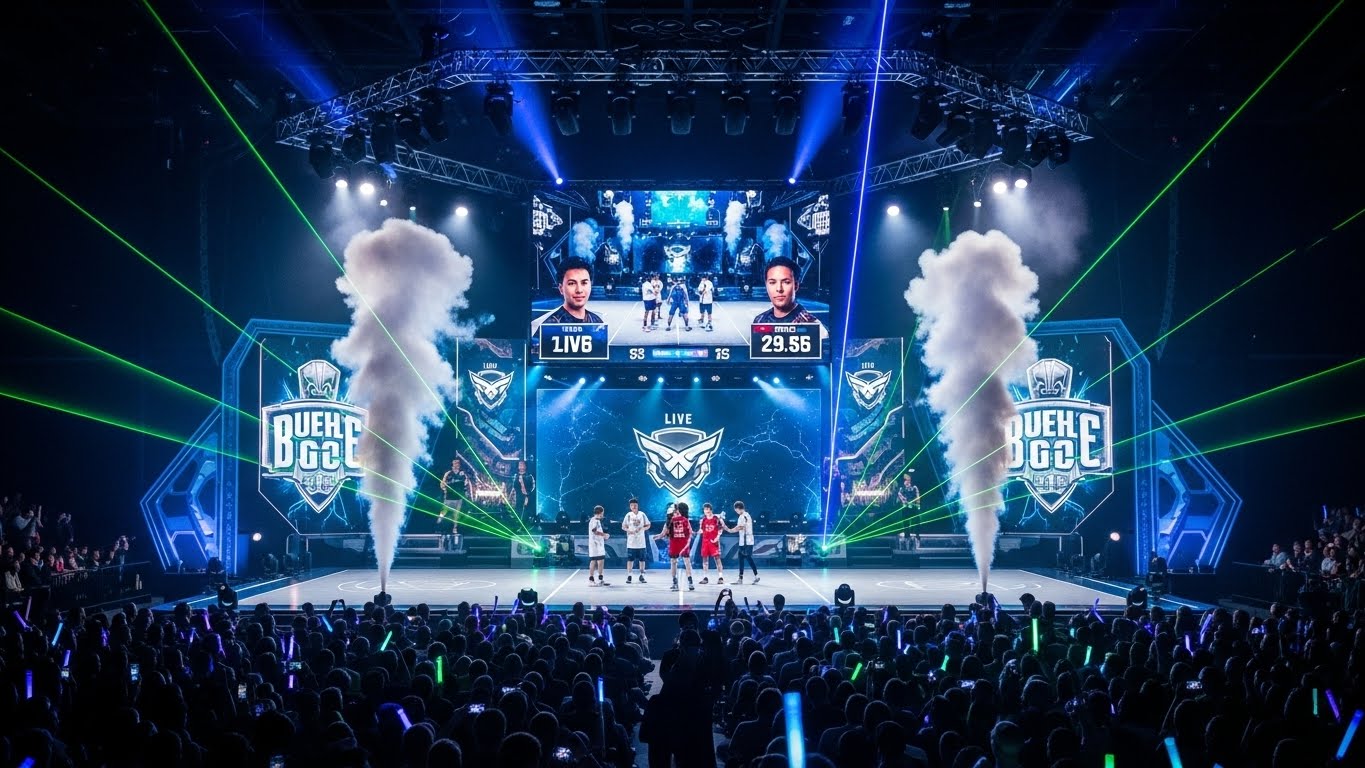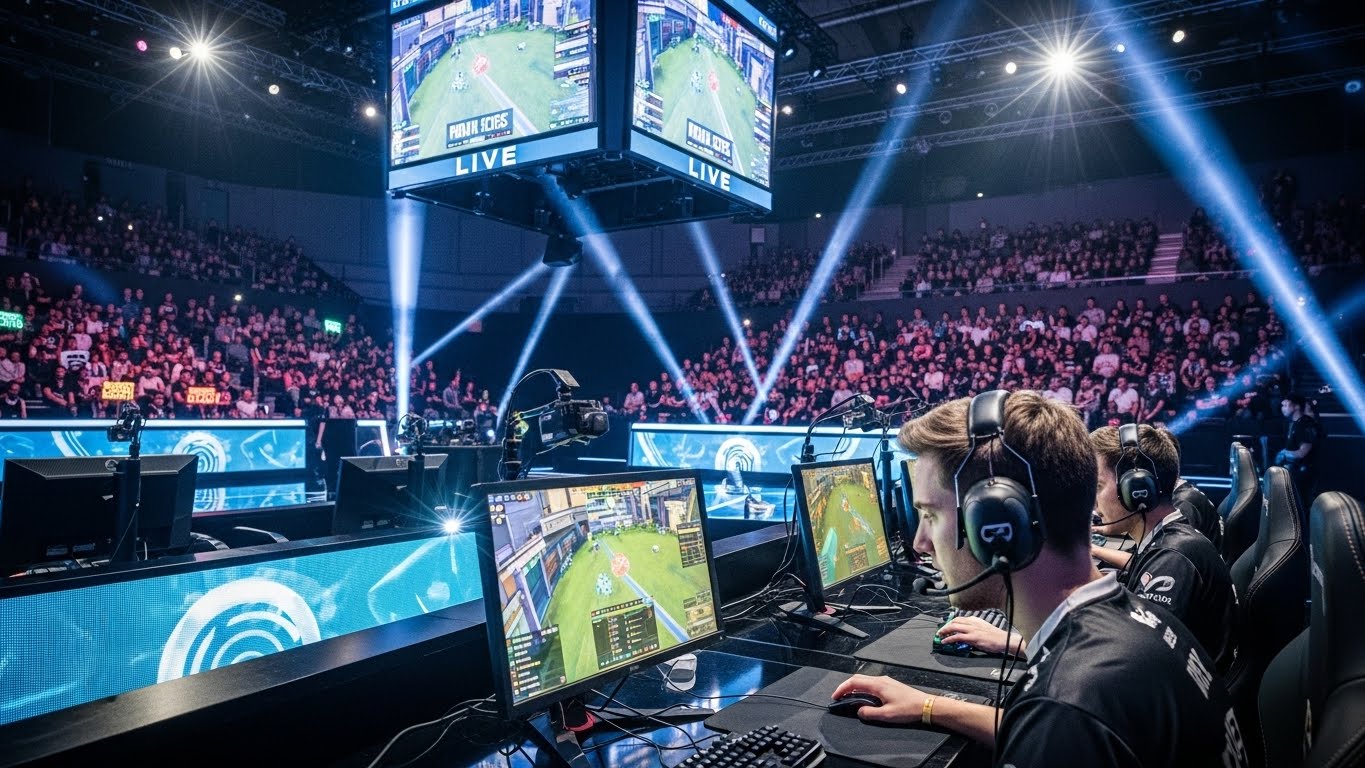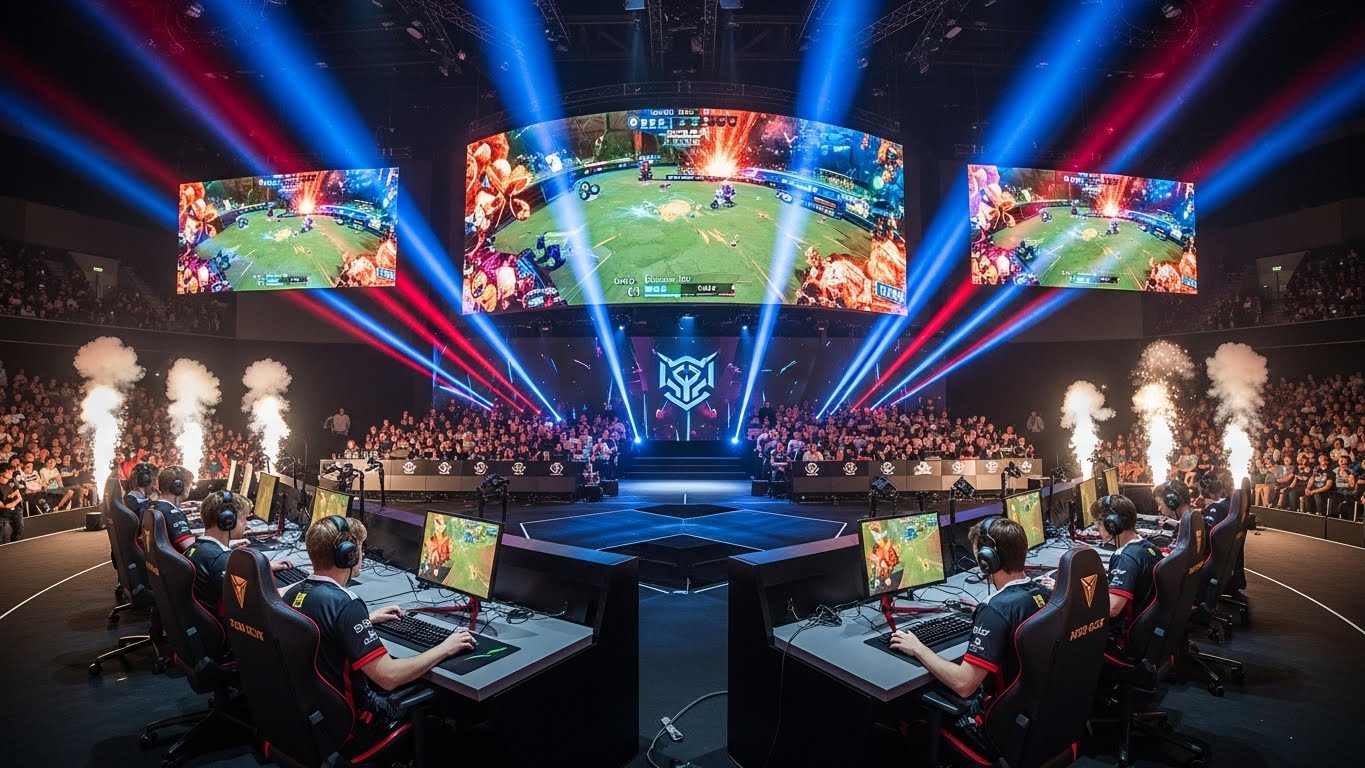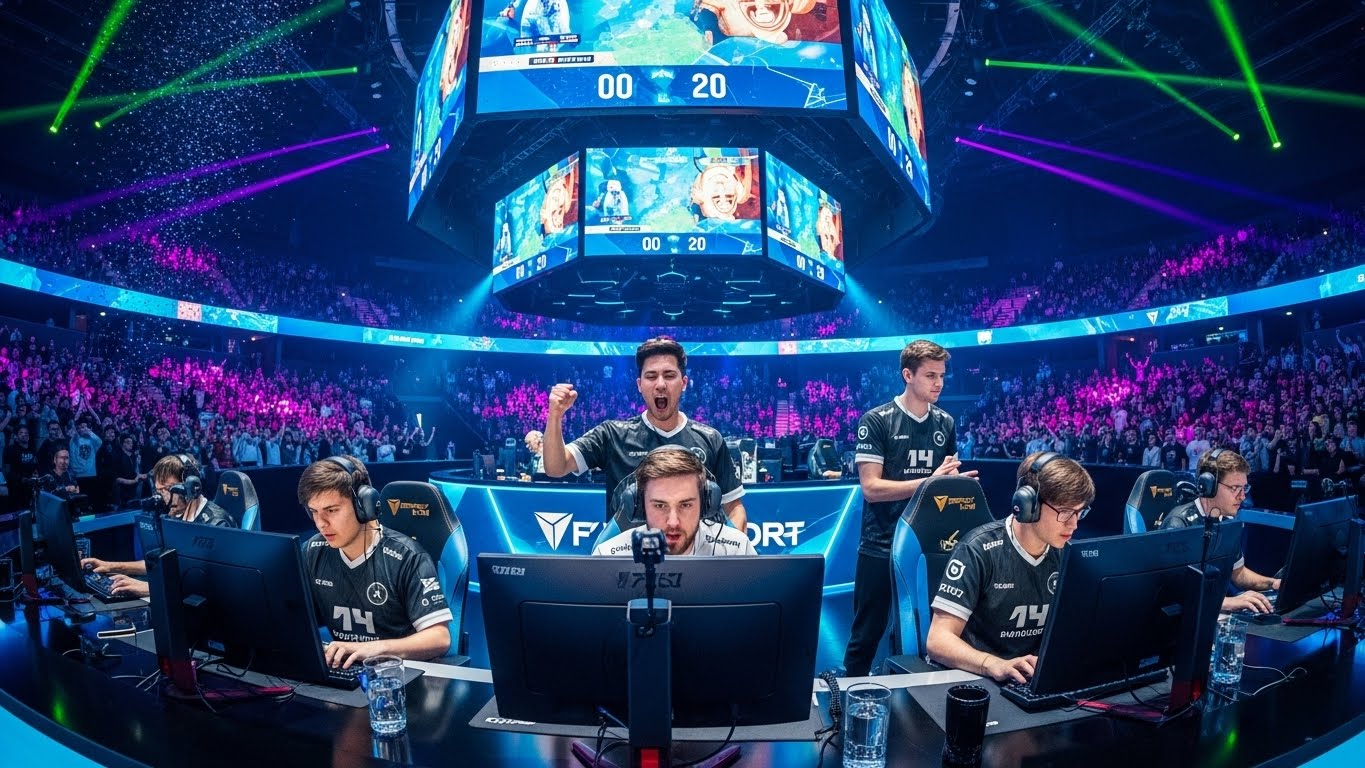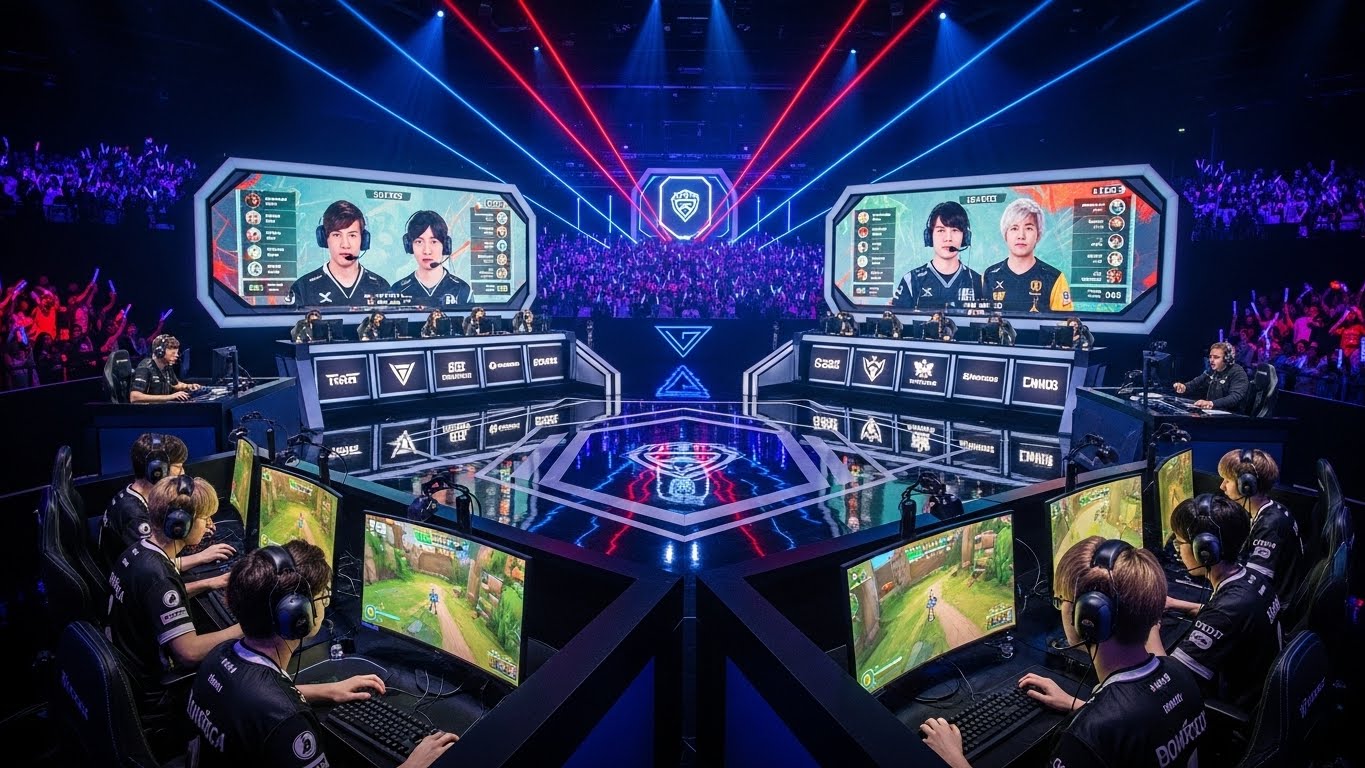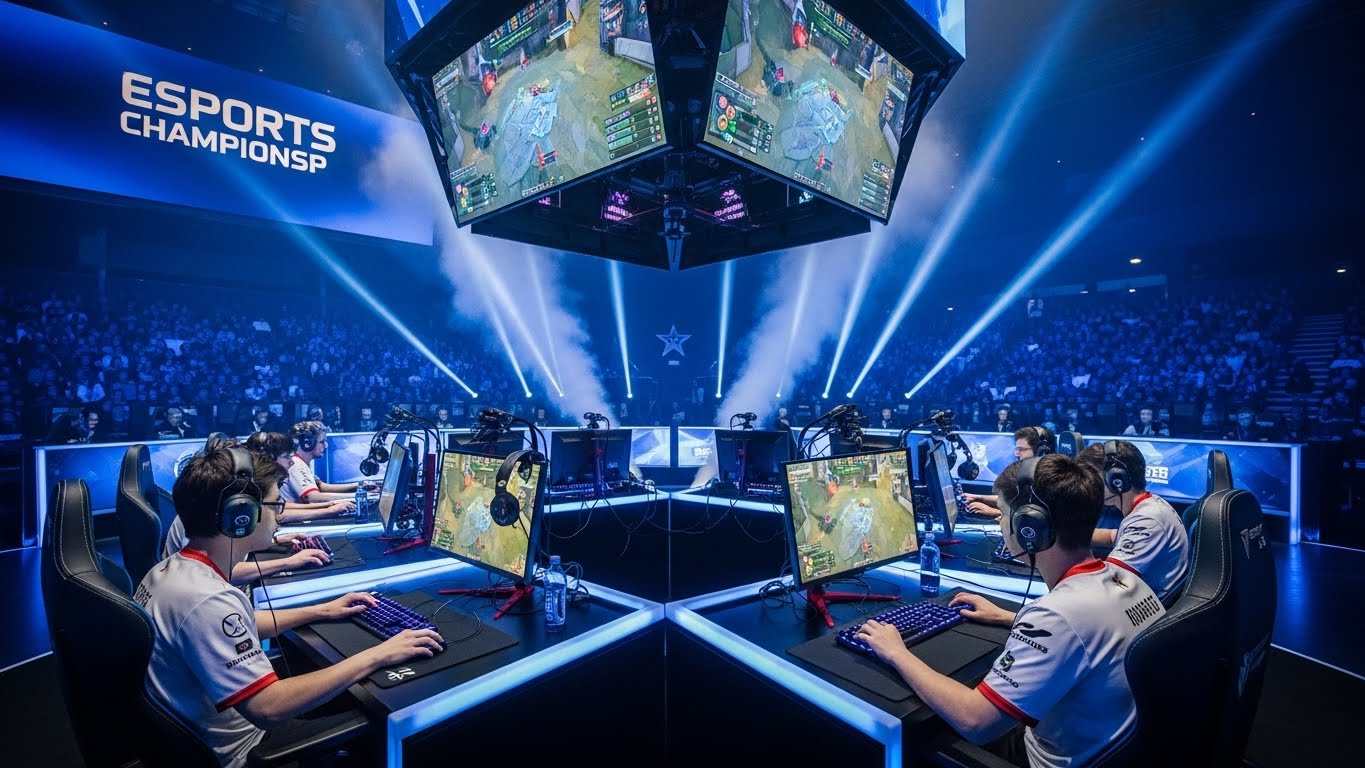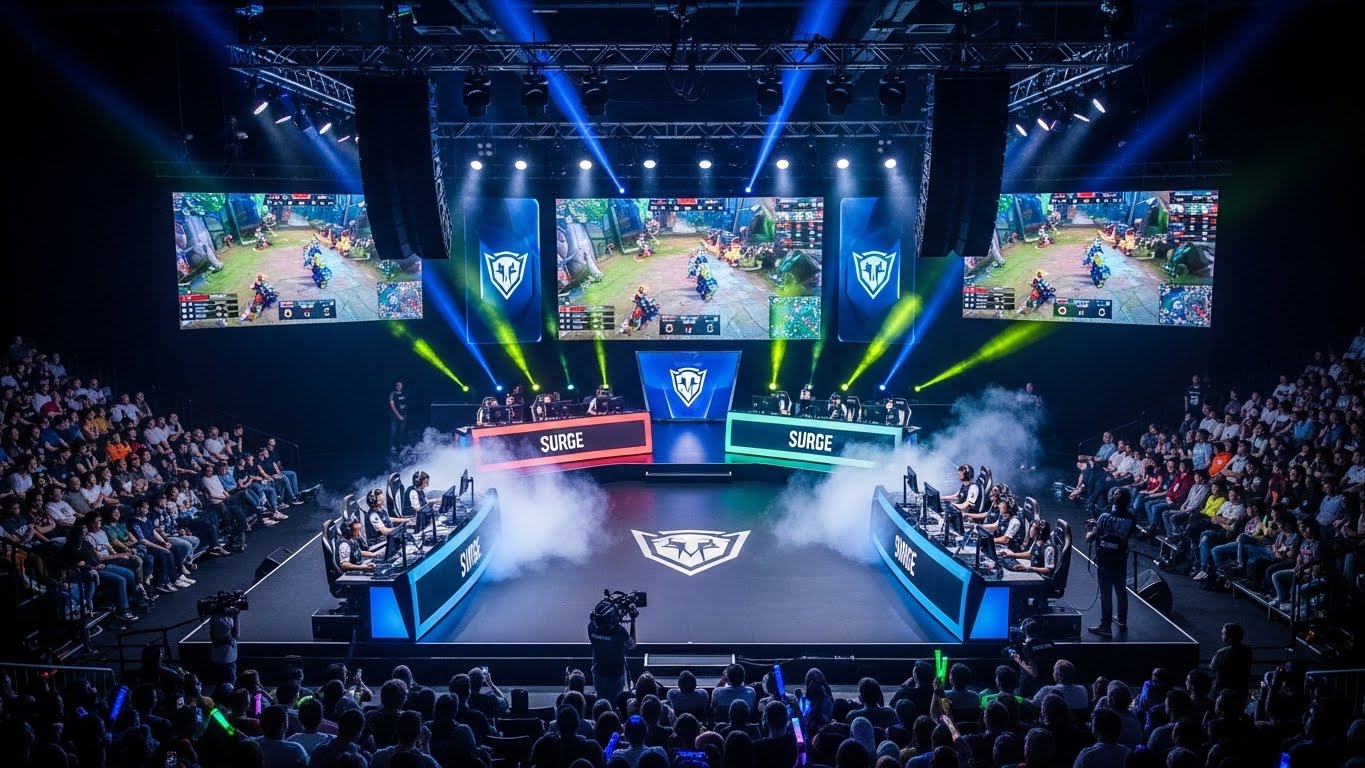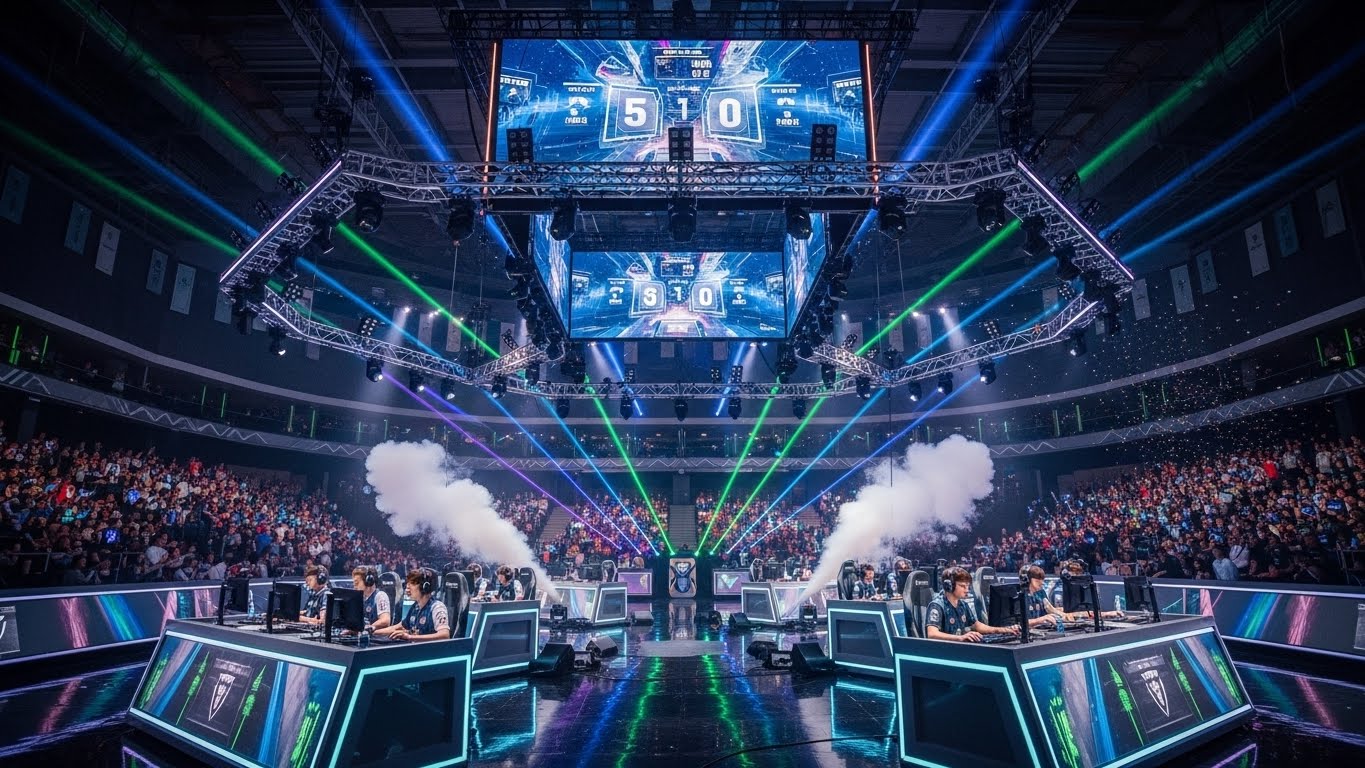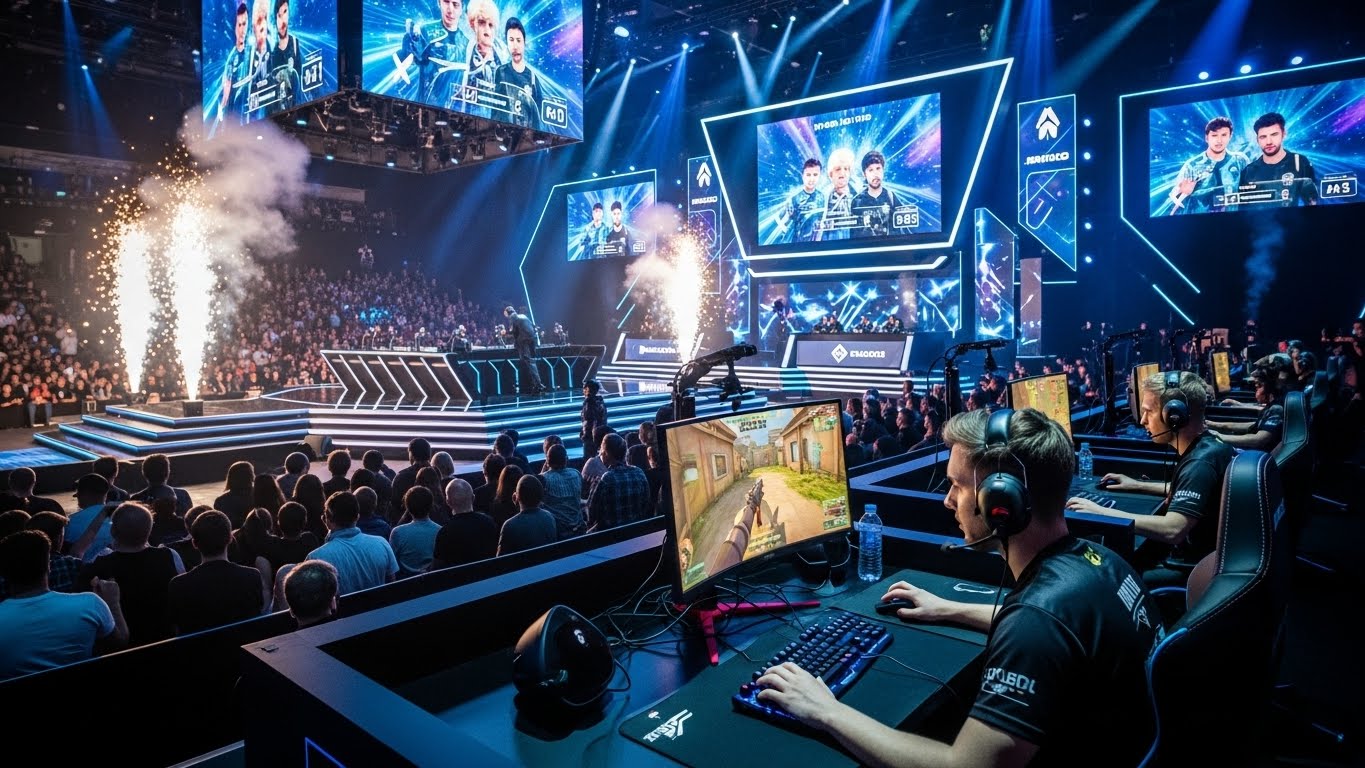

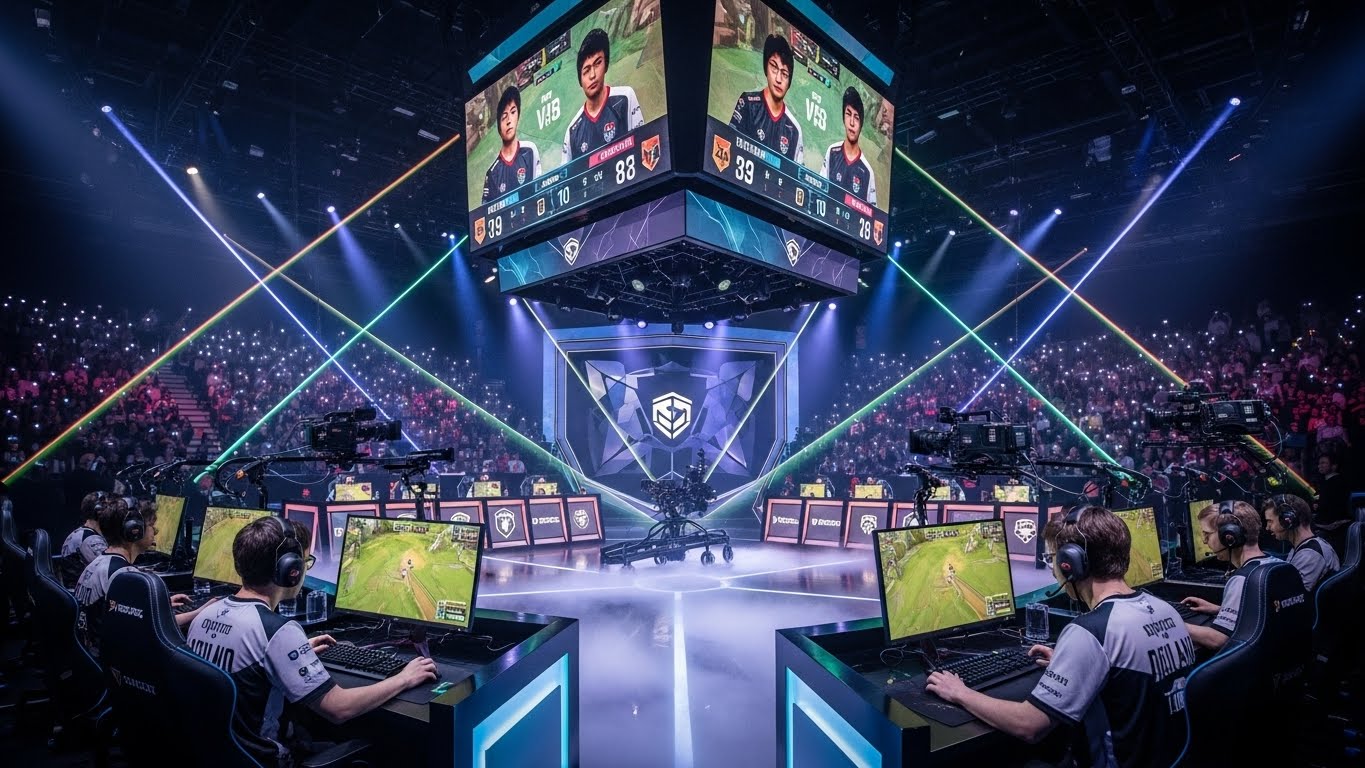
Esports, or electronic sports, has rapidly transformed from a niche hobby into a multi-billion-dollar industry. What began as a passion for competitive gaming has evolved into a global phenomenon, drawing millions of viewers and players alike. With the growth of gaming technology, internet speeds, and global connectivity, esports has carved a space in mainstream entertainment. From humble beginnings in arcade competitions to sold-out stadiums and multi-million-dollar prize pools, esports is now a dominant force in both the entertainment and sports sectors. This blog delves into the rapid ascent of esports, its cultural impact, and the future of competitive gaming.
The Evolution of Esports
Esports isn’t a recent trend; it has roots that date back to the early days of video gaming. In the 1970s and 1980s, arcade competitions were the first major form of competitive gaming. Games like Space Invaders and Pong were played competitively, albeit on a smaller scale. However, it wasn’t until the 1990s, with the advent of LAN (Local Area Network) parties, that the modern esports era truly began to take shape. Early competitions centered around games like Warcraft, StarCraft, and Quake, where players gathered in small groups or at conventions to battle it out for bragging rights and small cash prizes.
The late 1990s and early 2000s saw the rise of organized tournaments such as the World Cyber Games and Cyberathlete Professional League. These events attracted a dedicated fanbase, though they were still limited in scope and viewership. However, with the proliferation of broadband internet, online gaming gained immense popularity. This shift allowed for global competitions, live streaming, and the expansion of gaming as a spectator sport.
The Mainstream Recognition of Esports
By the 2010s, esports began to gain mainstream recognition. Games like League of Legends, Dota 2, Counter-Strike, and Overwatch became household names, attracting millions of players worldwide. Esports tournaments were no longer small affairs but massive events held in large arenas and broadcasted online through platforms like Twitch, YouTube, and Facebook Gaming. This shift to online streaming platforms allowed fans to watch games live, interact with their favorite players, and discuss strategies in real-time, fostering a sense of community and engagement.
The prize pools for major tournaments skyrocketed during this period. For instance, The International (Dota 2’s annual tournament) consistently offered one of the largest prize pools in esports history, surpassing $30 million in recent years. Other tournaments, such as the League of Legends World Championship, also feature multimillion-dollar prize pools, drawing in huge sponsorship deals from tech giants and traditional sports organizations alike.
Esports as a Career
One of the most remarkable aspects of esports’ growth is its ability to offer players a legitimate career path. In the early days of competitive gaming, professional players were few and far between, and the concept of making a living from playing video games was unheard of. Today, however, esports has become a viable career for talented gamers. Pro players sign contracts with teams, earn sponsorship deals, and compete in high-stakes tournaments for prize money.
The financial rewards in esports have transformed it into a lucrative industry for top-tier players. For example, the Fortnite World Cup held in 2019 featured a grand prize of $3 million for the winner, with other prizes distributed among hundreds of players. Not only can professional gamers earn money through tournament prizes, but they also make revenue through sponsorships, streaming platforms, merchandise, and content creation.
But the ecosystem of esports isn’t limited to players alone. Coaches, analysts, content creators, team managers, broadcasters, and journalists all play crucial roles in the industry. With the growing complexity of games, having a dedicated support staff behind professional teams has become standard. In fact, many esports organizations mirror traditional sports teams in terms of infrastructure and support staff.
The Global Impact of Esports
Esports has had a significant cultural and economic impact worldwide. In terms of viewership, esports competitions attract millions of viewers, often surpassing the viewership of traditional sports events. For example, the League of Legends World Championship has drawn more than 100 million viewers, competing with the Super Bowl in terms of global reach. This level of engagement has led to partnerships with major sports broadcasters like ESPN, as well as collaborations with traditional sports teams such as the NBA’s Philadelphia 76ers, who own an esports organization.
Esports has also led to the rise of gaming influencers and content creators who have a massive presence on social media. Streamers on platforms like Twitch and YouTube have amassed millions of followers, turning them into celebrities in their own right. These influencers are often sought after by brands for sponsorship deals and endorsements, making content creation a viable career path for many.
Moreover, the economic impact of esports is immense. According to various industry reports, esports is expected to generate revenues exceeding $1.6 billion by 2024, with the bulk of this revenue coming from sponsorships, advertising, and media rights. Cities and countries have recognized this growth, with esports arenas being constructed and international tournaments being hosted in major metropolitan areas. South Korea, for instance, has become a global hub for esports, with government-backed initiatives promoting the development of gaming culture and esports infrastructure.
The Esports Ecosystem: Games, Teams, and Tournaments
The world of esports is composed of several interconnected elements: games, teams, tournaments, and fans. Each of these components plays an integral role in sustaining the esports industry.
Games: The foundation of esports lies in the games themselves. While there are countless games played in the esports ecosystem, some of the most popular titles include:
- League of Legends: A highly strategic Multiplayer Online Battle Arena (MOBA) game.
- Counter-Strike: Global Offensive: A tactical first-person shooter (FPS) game.
- Dota 2: Another MOBA that is especially known for its complexity and the massive prize pool of its tournaments.
- Valorant: A tactical FPS that has rapidly grown in popularity since its release by Riot Games.
- Fortnite: A battle royale game that has transformed esports with its casual appeal and large-scale tournaments.
Teams: Much like traditional sports, esports is dominated by professional teams, who recruit players to represent them in competitions. These teams often consist of gamers who specialize in specific roles, such as strategy, shooting, or support. Some of the top-tier esports organizations include Team Liquid, Cloud9, and FaZe Clan. These teams are backed by investors and sponsors, with players earning salaries and bonuses based on their performance.
Tournaments: Esports tournaments have become some of the most exciting and lucrative events in the gaming world. Competitions like The International (Dota 2), Worlds (League of Legends), and IEM Katowice (CS:GO) attract large audiences and feature significant prize money. These tournaments are often streamed live on platforms like Twitch, with fans tuning in from all over the world to watch their favorite players and teams compete.
Fans: The success of esports wouldn’t be possible without its passionate fanbase. Fans support their favorite teams and players, watch tournaments live, and engage with content creators on social media. Esports fans are highly engaged, often forming communities on platforms like Reddit and Discord to discuss strategies, share content, and interact with one another. This sense of community is one of the main reasons esports continues to grow in popularity.
The Challenges Facing Esports
While esports has grown exponentially in recent years, it still faces a number of challenges. One of the most significant issues is the sustainability of player careers. Professional gaming can be physically and mentally demanding, with players facing burnout and injuries due to repetitive strain and long hours of practice. Unlike traditional sports, there is a lack of established retirement plans or post-competitive career options for many players.
Another challenge is the prevalence of cheating and toxicity in some esports communities. Cheating in games can lead to unfair advantages, undermining the integrity of competitions. Additionally, some esports environments are plagued by toxic behavior, harassment, and unsportsmanlike conduct, particularly in online settings.
Furthermore, esports faces challenges in gaining acceptance from all sectors of society. While esports has gained a lot of support, there are still people who view it as a distraction or an inferior form of competition. Overcoming this stigma and gaining broader recognition as a legitimate sport will be crucial for the long-term sustainability of the industry.
The Future of Esports
The future of esports looks incredibly bright. With technological advancements in virtual reality, augmented reality, and artificial intelligence, esports could continue to evolve in exciting ways. Virtual reality gaming, in particular, holds the potential to create fully immersive experiences, allowing players and spectators to interact in ways that were previously unimaginable.
Furthermore, as esports continues to grow, it’s likely that more universities and colleges will offer scholarships for competitive gaming, solidifying esports as an accepted career path. Traditional sports teams and leagues may also continue to invest in esports, leading to even greater integration between gaming and traditional sports.
In conclusion, esports is no longer a passing trend; it is a global phenomenon that has reshaped the world of entertainment. With its rapid growth, esports has become a legitimate career path, a source of entertainment for millions, and an industry with a bright future ahead. As more people around the world engage with competitive gaming, esports will continue to evolve, captivating audiences and shaping the digital landscape for years to come.