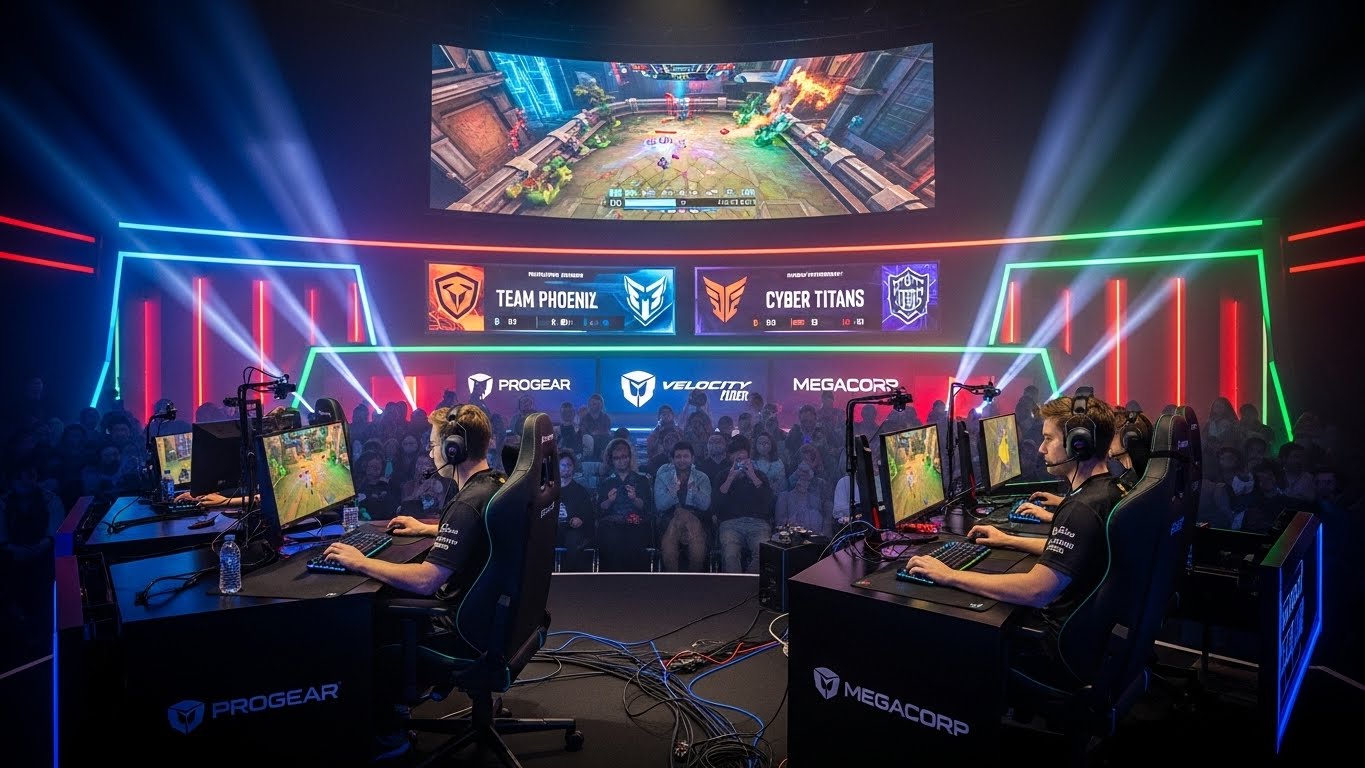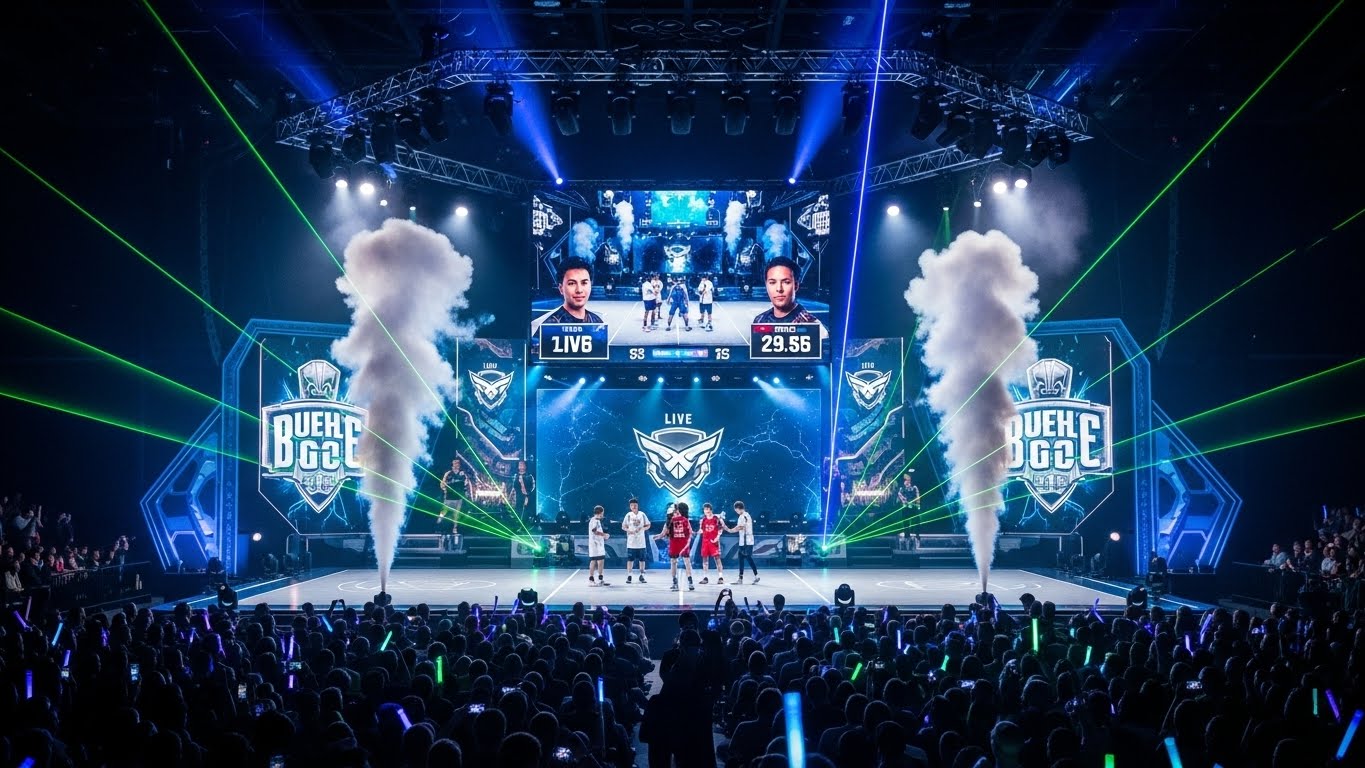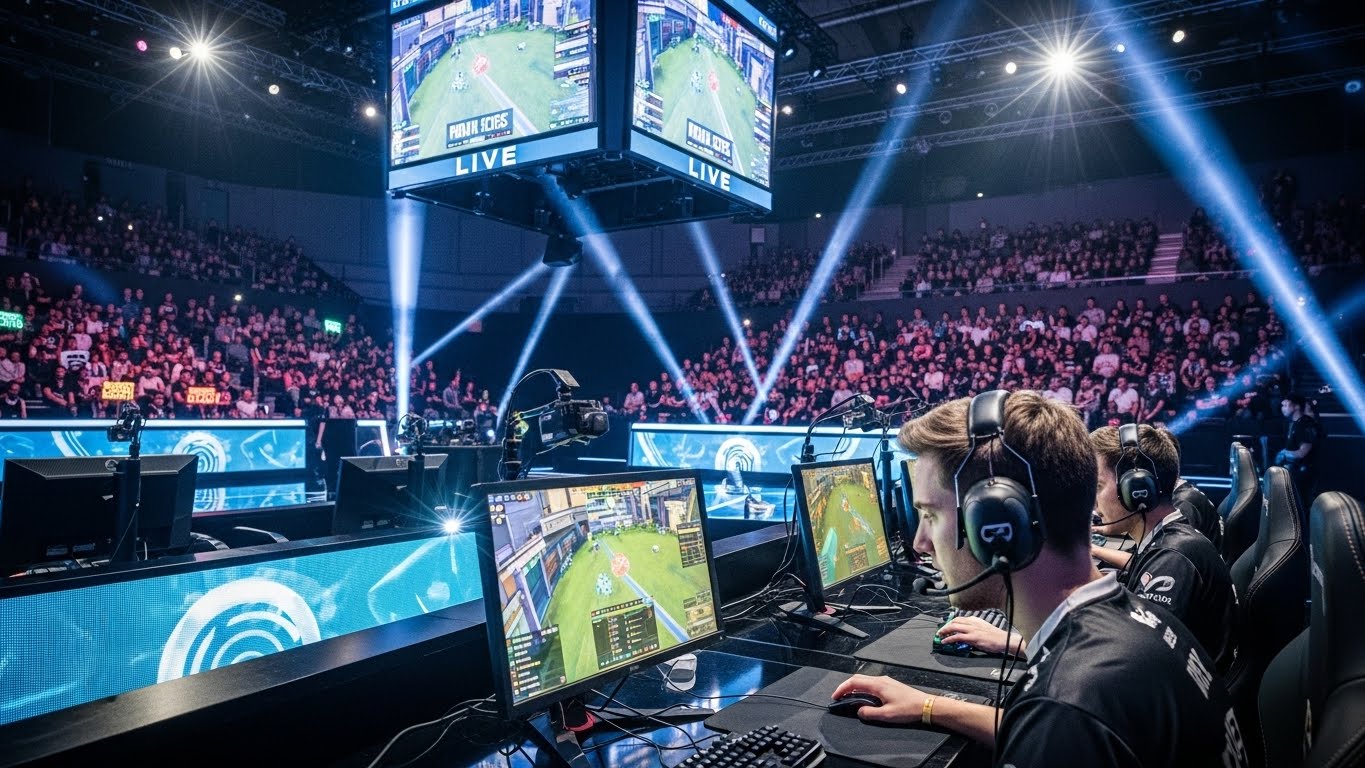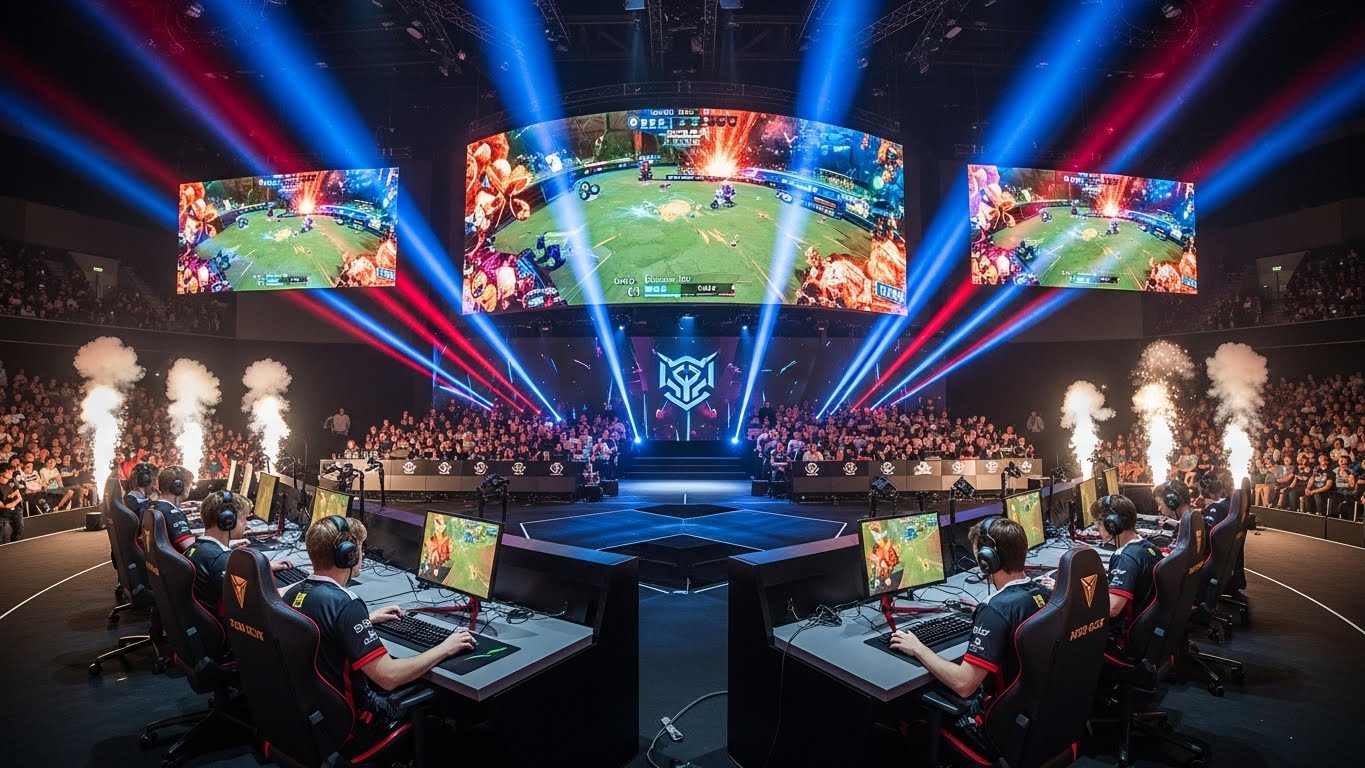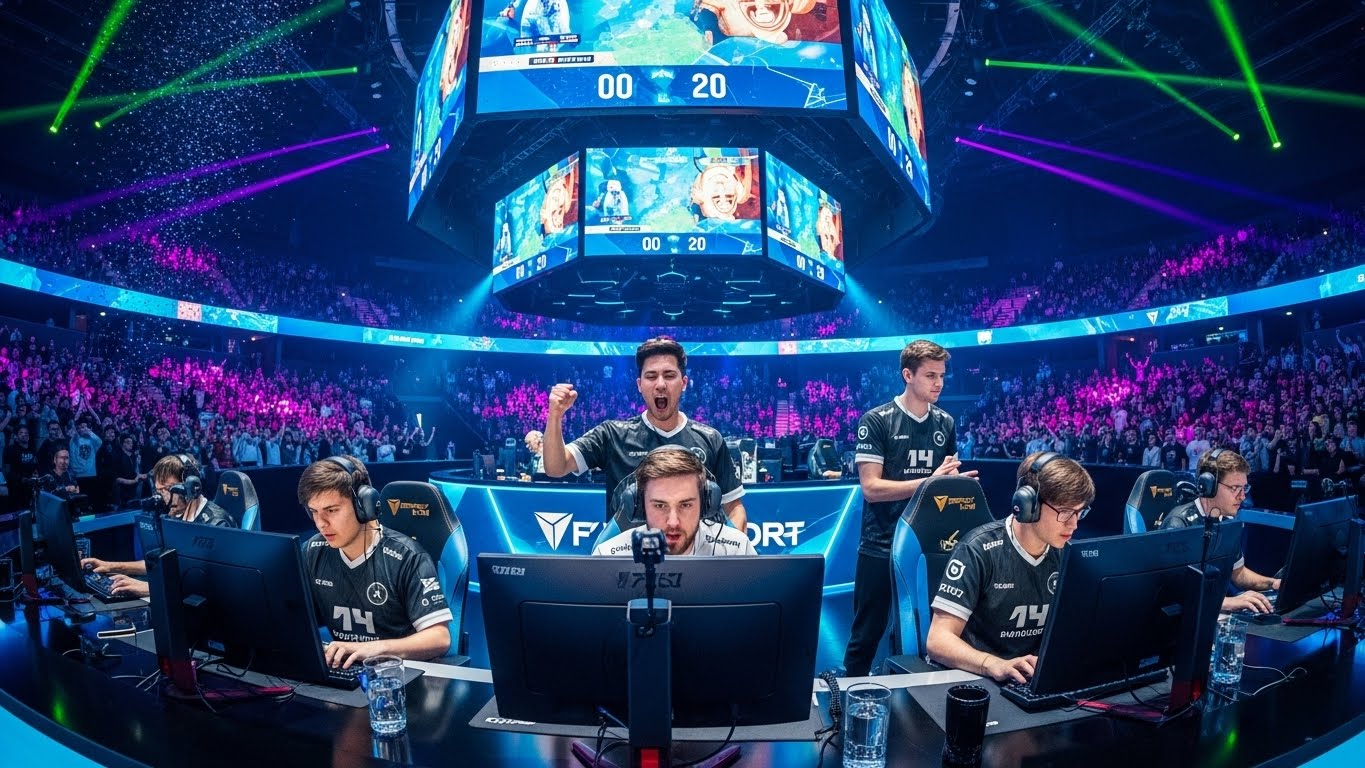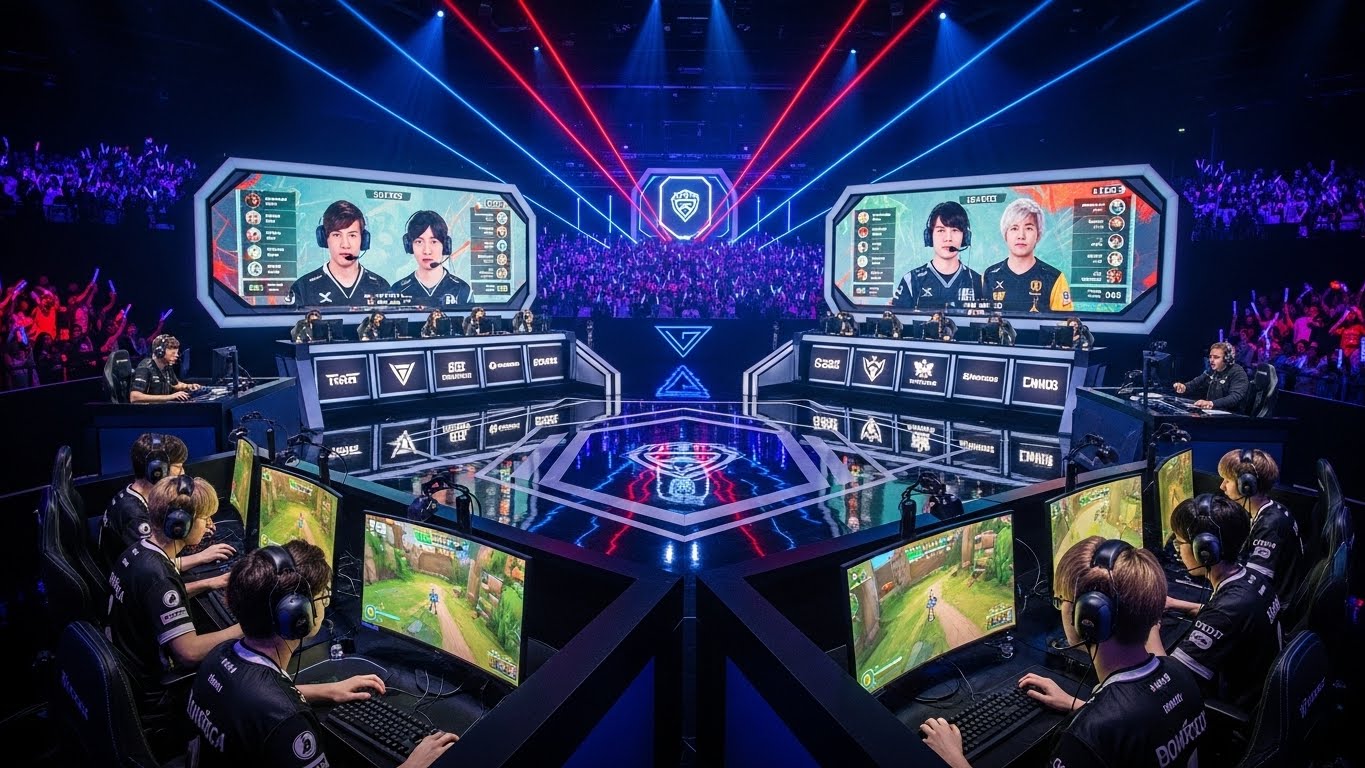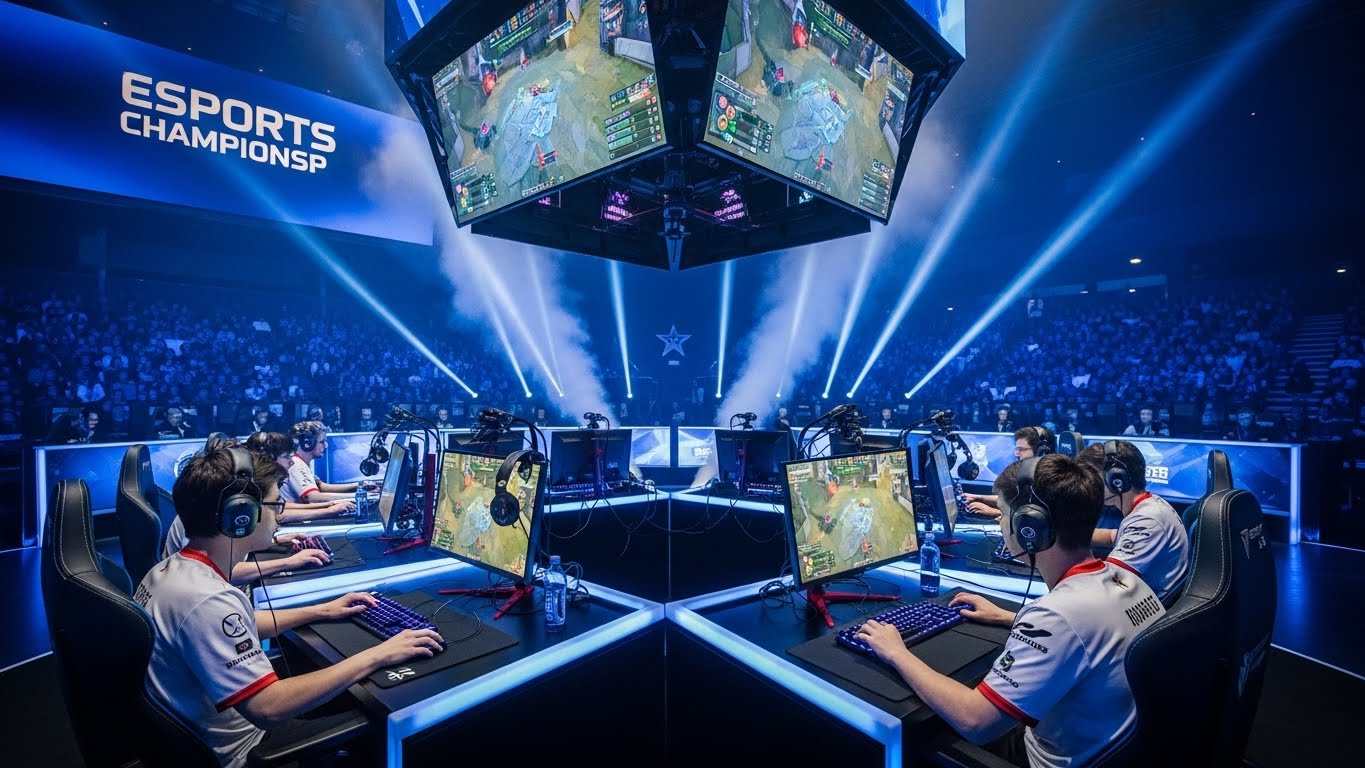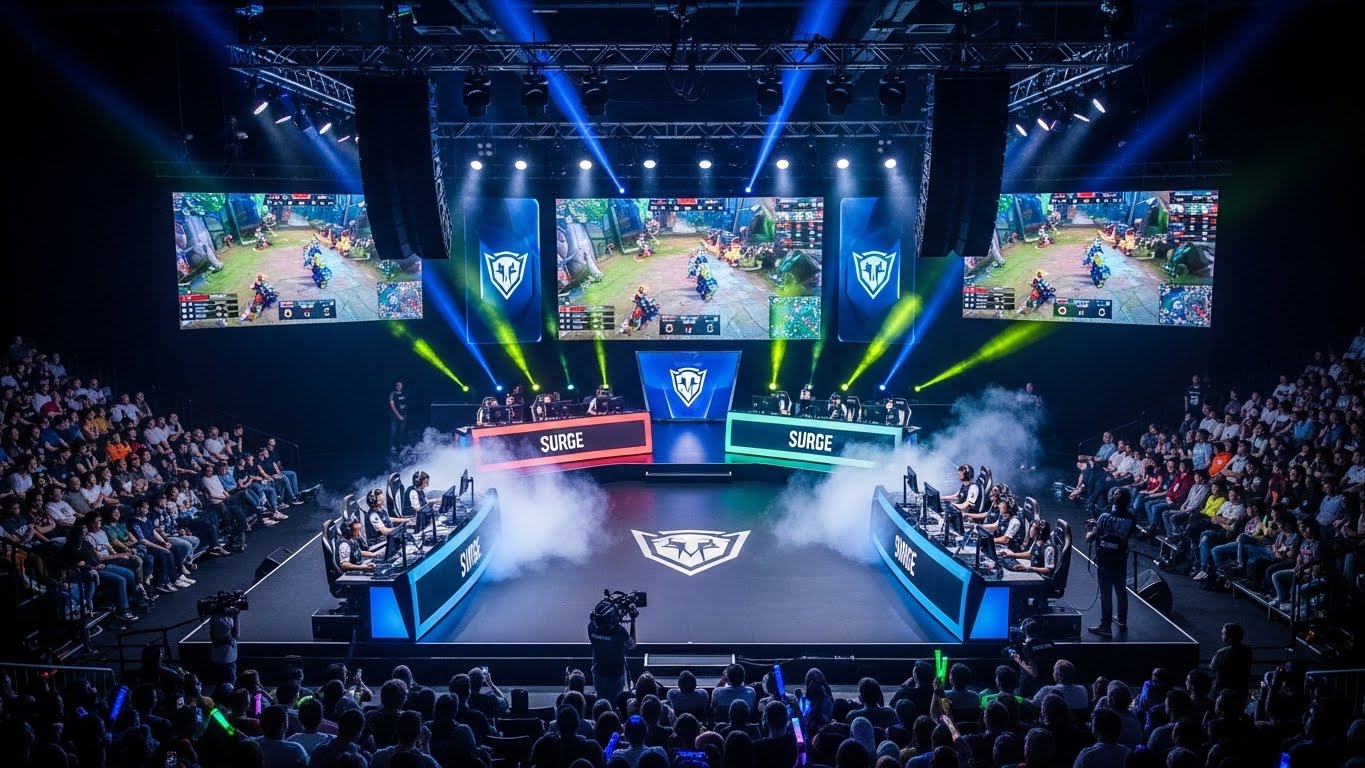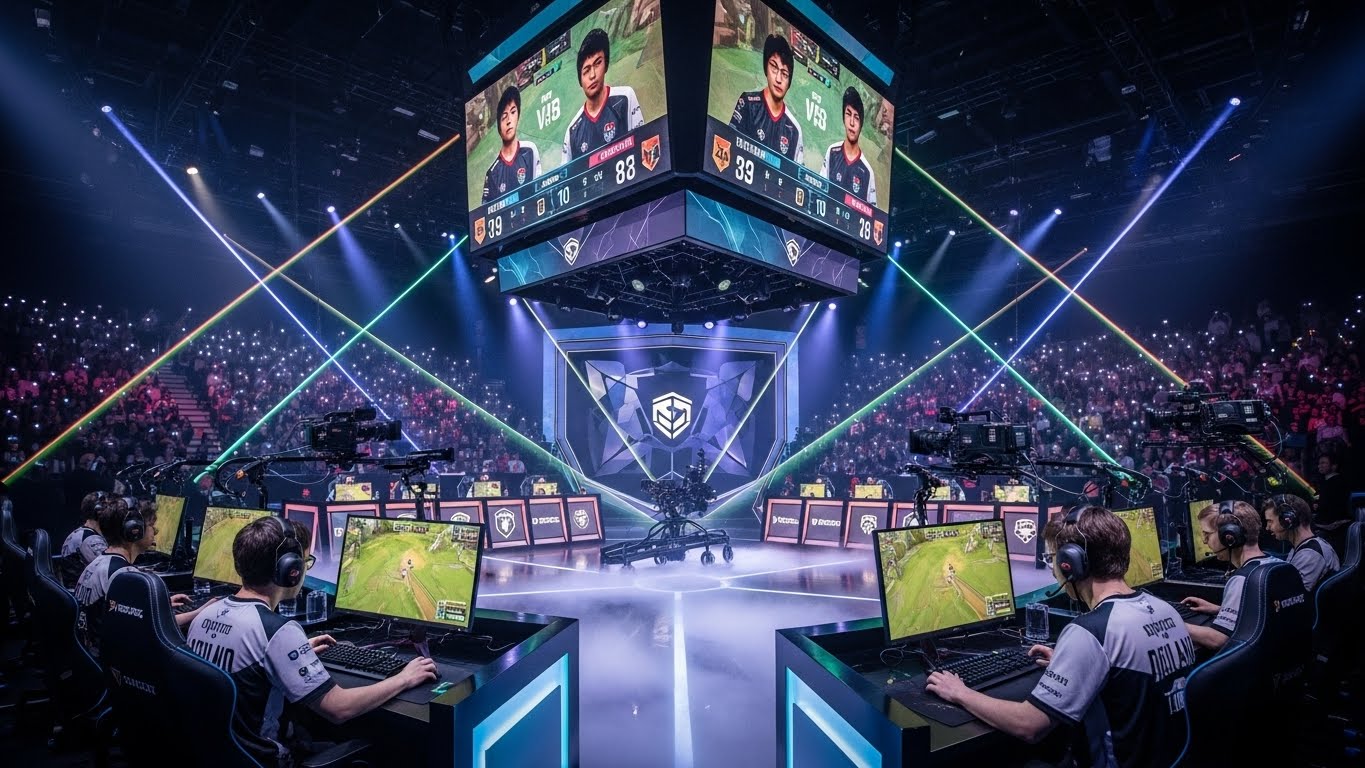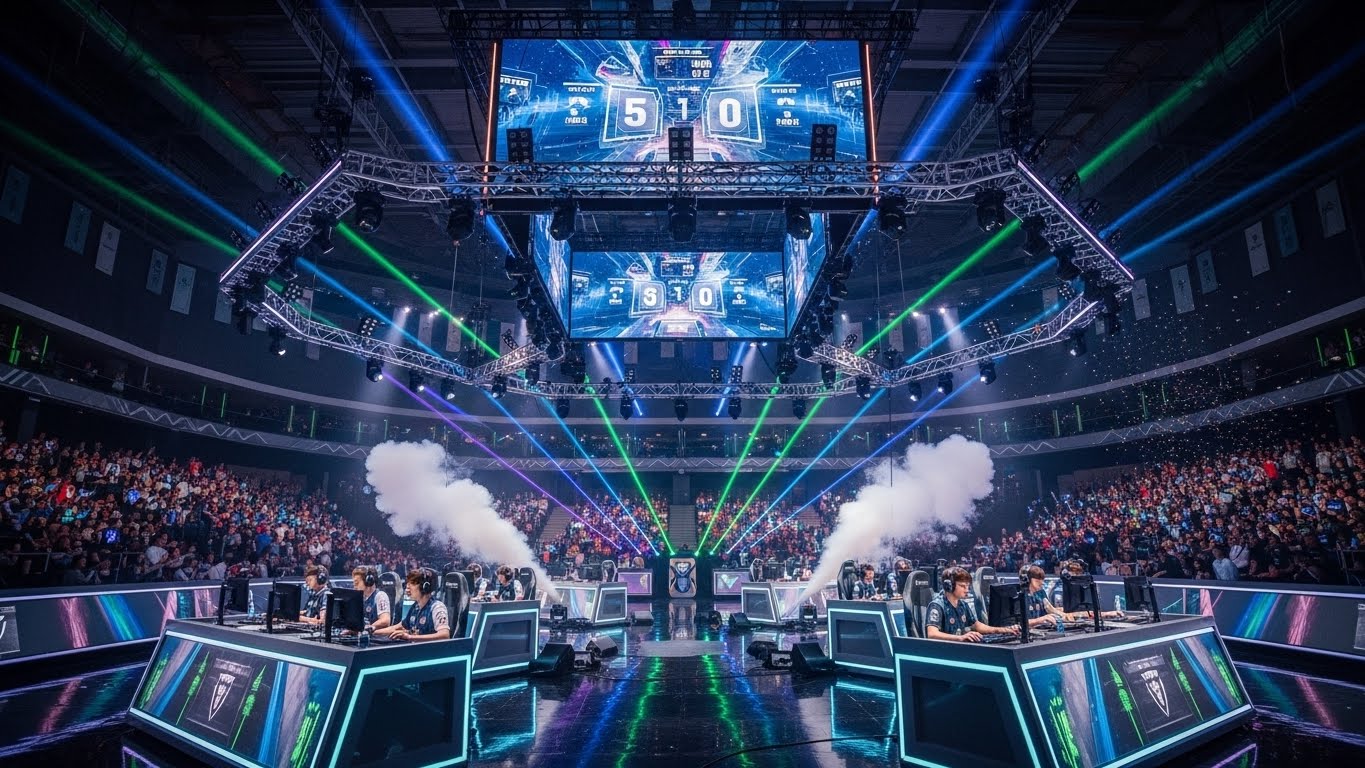

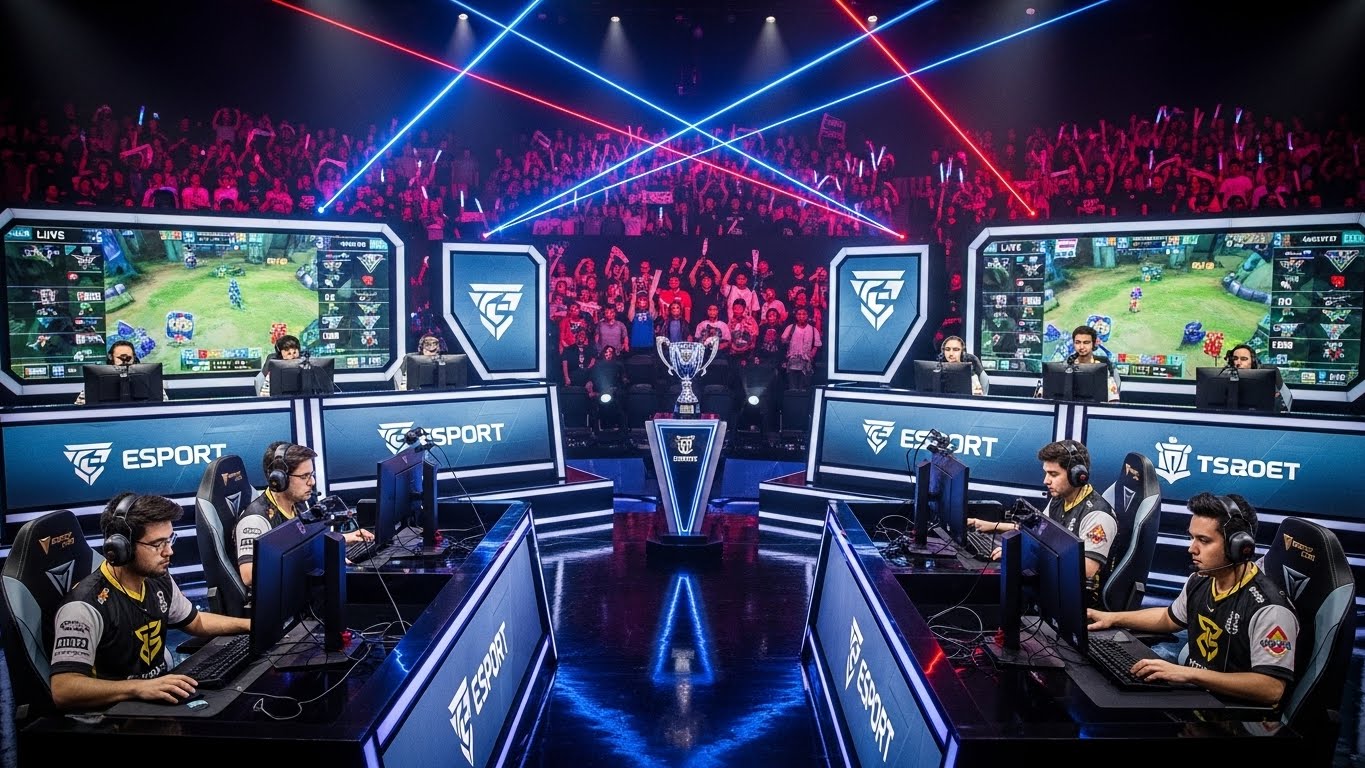
In the last decade, esports has surged from a niche hobby to a global phenomenon, captivating millions around the world and transforming the entertainment landscape. What was once perceived as an activity reserved for hardcore gamers is now a multibillion-dollar industry with professional players, massive tournaments, sponsorships, and a massive following. Esports, short for electronic sports, refers to competitive video gaming, typically played in multiplayer formats with professional players, teams, and organizations.
The growth of esports has been nothing short of extraordinary. It has not only reshaped how we view video gaming but has also forced industries like traditional sports, media, and entertainment to sit up and take notice. In this blog post, we will explore how esports evolved, the factors behind its rapid rise, and what the future holds for this exciting new frontier in competitive entertainment.
What Is Esports?
Esports is competitive gaming at a professional level, with players or teams battling it out in organized tournaments. It spans multiple genres of video games, from fast-paced first-person shooters (FPS) like Counter-Strike: Global Offensive to strategic multiplayer online battle arenas (MOBAs) such as League of Legends and Dota 2. Players compete for large prize pools, sponsorships, and prestige, and these tournaments are often broadcasted to global audiences, creating a vibrant ecosystem.
Esports events range from local competitions in small arenas to massive, international tournaments that are streamed to millions of viewers. The skill and precision required to play at an elite level in these games is comparable to that of traditional athletes, making esports a legitimate form of professional competition.
The Beginnings of Esports: A Digital Revolution
The history of esports dates back to the early 1990s, though it was far from the global spectacle it is today. In those early days, competitions were small-scale, local events, often organized by gaming communities or tech companies. Games like Street Fighter, Quake, and StarCraft were among the first to hold organized tournaments, often in LAN (Local Area Network) settings where gamers would compete against each other in person. These events, while small, set the stage for a growing competitive scene.
In South Korea, a significant development took place in the late 1990s and early 2000s. The country’s government saw the potential of video games as an entertainment and cultural export, and gaming cafes known as “PC bangs” became the breeding ground for competitive play. The introduction of games like StarCraft ignited a cultural phenomenon where professional players became celebrities, and tournaments were broadcast on television. This helped establish esports as a legitimate form of entertainment in Korea, influencing other countries in the process.
The real turning point for esports came with the advent of online gaming and streaming platforms in the mid-2000s. Platforms like Twitch, which launched in 2011, allowed players to stream their games live to audiences across the globe. Suddenly, gamers didn’t need to attend physical tournaments to gain recognition; they could stream from their homes and build a fanbase. This shift in how people consumed gaming content—now accessible anywhere, anytime—accelerated the growth of esports into a worldwide phenomenon.
Key Drivers of Esports’ Phenomenal Growth
The rapid rise of esports can be attributed to several key factors. The most prominent of these include technological advancements, changing cultural attitudes toward gaming, strategic investments, and the increasing integration of esports into mainstream media.
1. Technological Advancements
Perhaps the most crucial factor in the growth of esports has been the improvement in technology. With the rise of high-speed internet, players could connect with each other across continents, enabling competitive play on a global scale. Moreover, the development of powerful gaming PCs and consoles, along with high-definition streaming platforms, made it easier to host and broadcast tournaments to millions of viewers without latency or technical issues.
Streaming services like Twitch and YouTube Gaming further democratized access to esports content. These platforms allowed both players and fans to engage with the games they loved at any time. Advances in virtual and augmented reality (VR and AR) also have the potential to take esports to the next level, offering immersive experiences that could radically transform how we watch and participate in competitive gaming.
2. Cultural Shift Toward Gaming
For years, gaming was considered a niche hobby, often associated with a particular demographic of young males. However, over the past decade, there has been a cultural shift that has made gaming more mainstream. Today, people of all ages, genders, and backgrounds engage with video games in some form. As gaming became more socially accepted, the barriers to entry for esports lowered, enabling a larger, more diverse group of people to participate.
Furthermore, the rise of mobile gaming has expanded esports’ reach even further. Titles like PUBG Mobile, Clash Royale, and Mobile Legends have opened competitive gaming to a global audience, including those who may not have access to high-end gaming PCs or consoles. This broadening of the player base has been instrumental in growing the esports ecosystem.
3. Business Investments and Sponsorships
Esports has seen massive financial investments from both within the gaming industry and outside it. Major tech companies like Intel, Nvidia, and Microsoft have long been involved in sponsoring esports tournaments and providing the hardware needed for professional gaming. But as the potential of esports became clearer, other industries began to take notice. Traditional sports organizations, including professional sports teams and major brands, started investing in esports teams and events.
For example, in 2014, the NBA’s Golden State Warriors invested in the esports organization Team Liquid. Other companies such as Coca-Cola, Audi, and Nike followed suit, recognizing the opportunity to target the young, tech-savvy audience that makes up the esports demographic. This influx of sponsorships has been critical to the financial sustainability of the industry and has contributed to the growing prize pools for major tournaments.
4. Mainstream Media Exposure
As esports grew in prominence, traditional media outlets began to recognize its potential. Cable networks and streaming services like ESPN, TBS, and Netflix have aired esports events, introducing competitive gaming to audiences beyond its dedicated fanbase. Major tournaments, such as the League of Legends World Championship and The International (Dota 2’s global tournament), have become widely watched events, often drawing in millions of viewers from across the globe.
In 2019, the Overwatch League was established as a franchise-based esports league, similar to traditional sports leagues like the NFL or NBA. This format, which includes teams representing major cities, has helped normalize esports as a legitimate and sustainable sport, further pushing it into the mainstream.
The Esports Ecosystem: Players, Teams, and Tournaments
The esports ecosystem is built on several interconnected elements that all contribute to the industry’s success. Players, teams, developers, tournaments, and fans are at the heart of this ecosystem, each playing a vital role.
1. Professional Players and Teams
Professional players are the stars of the esports world. Players like Faker (Lee Sang-hyeok) in League of Legends, s1mple (Oleksandr Kostyliev) in Counter-Strike, and Ninja (Tyler Blevins) in Fortnite have achieved global fame and amassed millions of followers across social media platforms. These players often sign contracts with esports organizations, which provide them with financial support, training facilities, and coaching.
Teams in esports operate much like their counterparts in traditional sports. Top-tier organizations like Cloud9, Team Liquid, and Fnatic compete across multiple games, and their players are often household names in the gaming community. Esports teams are not only focused on performance but also on branding and fan engagement, often creating content and merchandising opportunities.
2. Game Developers and Tournament Organizers
Game developers are essential to the growth of esports. They create the games that become the basis for competitive play and often organize official tournaments to establish an ecosystem around their games. For example, Riot Games developed League of Legends and runs the League of Legends Championship Series (LCS), while Valve Corporation does the same for Dota 2 with The International.
These tournaments serve as the centerpiece of the esports calendar, drawing in millions of viewers and offering massive prize pools. Major esports tournaments now feature not only live streaming but also in-person events that take place in large arenas and stadiums, with passionate fans cheering for their favorite teams.
3. Fans and Viewers
Esports fans are the driving force behind the industry’s growth. Whether it’s cheering on a team in the finals of The International or watching a live-stream of their favorite player’s gameplay, fans are integral to the success of the esports scene. Esports fandom is highly interactive, with fans engaging with players on social media platforms, streaming sites, and even in person at live events.
The relationship between players and fans is different from traditional sports in that fans often feel a personal connection to the players they watch. Esports players regularly interact with their followers, creating a sense of community that is unique to the gaming world.
The Future of Esports: A Growing Industry with Endless Potential
As esports continues to evolve, the future looks incredibly bright. Technological innovations like virtual reality and augmented reality could open new dimensions of interactivity and immersion for players and viewers alike. With the growing legitimacy of esports as a career path, we may see more educational institutions offering dedicated esports programs and scholarships for aspiring players.
Esports will continue to expand into new markets, particularly in regions like Latin America, Africa, and Southeast Asia, where mobile gaming is particularly popular. The integration of esports with traditional sports organizations will only deepen, and more large-scale media outlets will likely broadcast esports events, bringing competitive gaming into living rooms across the globe.