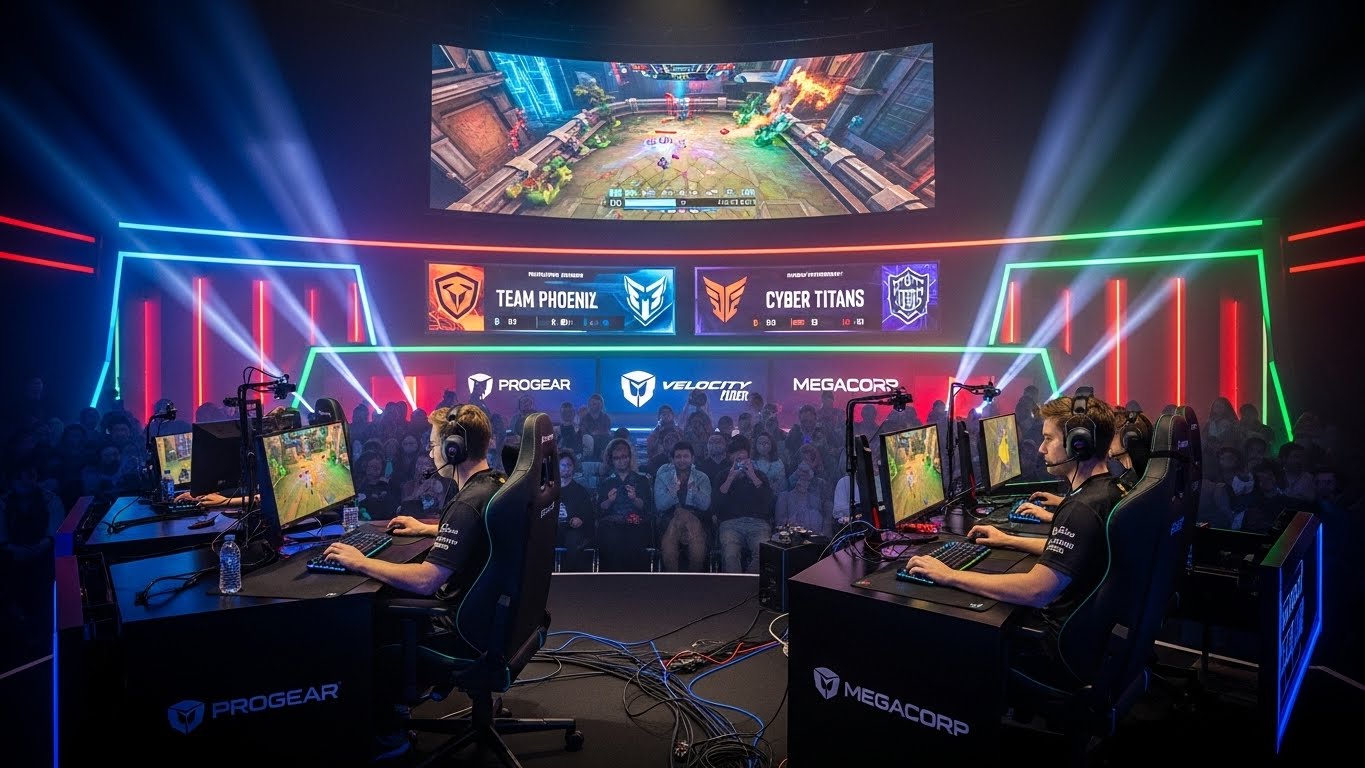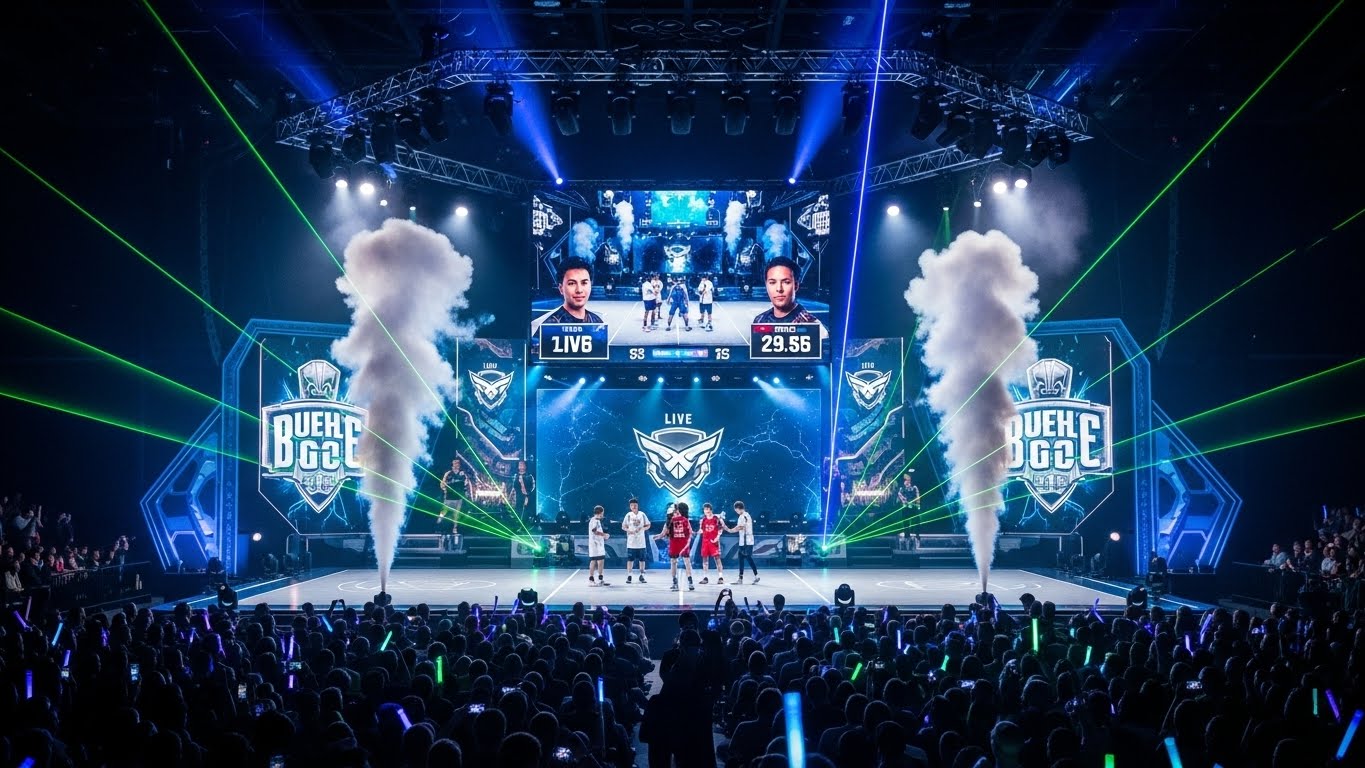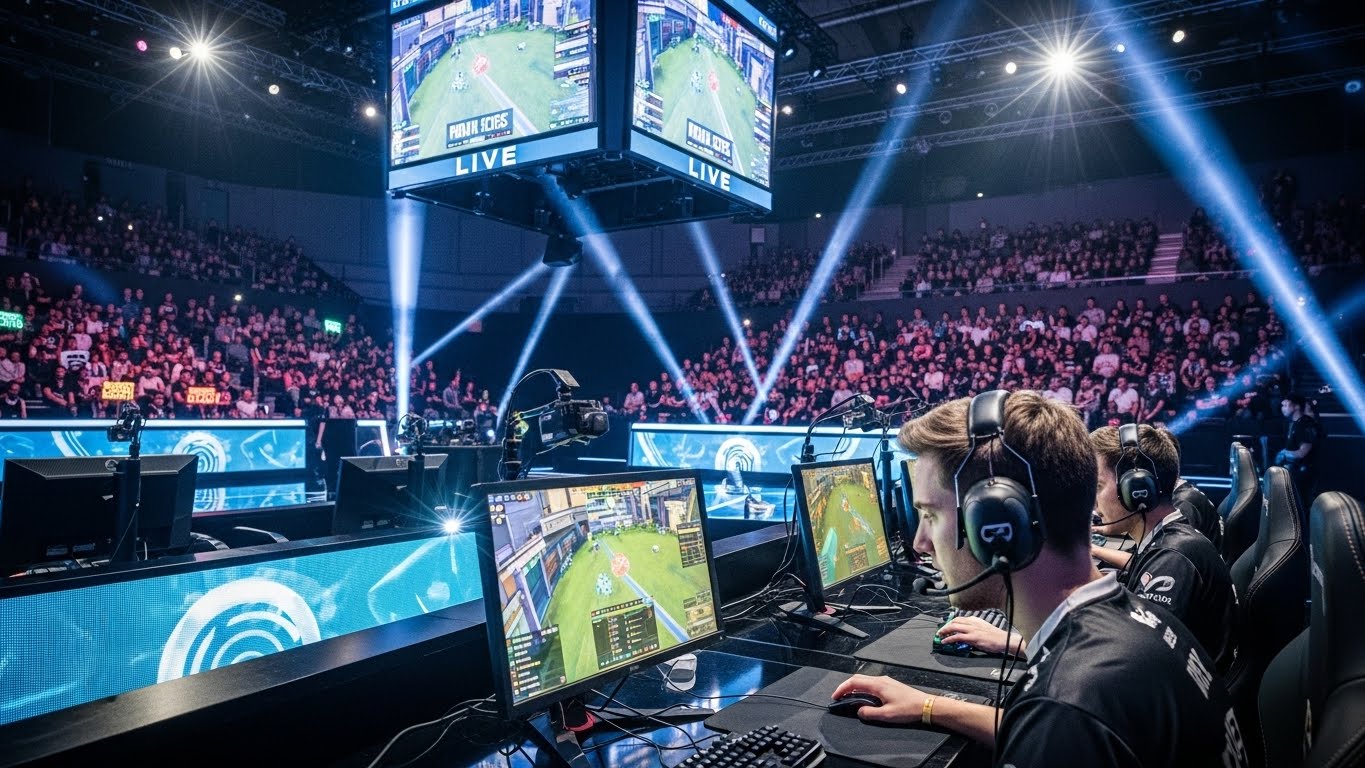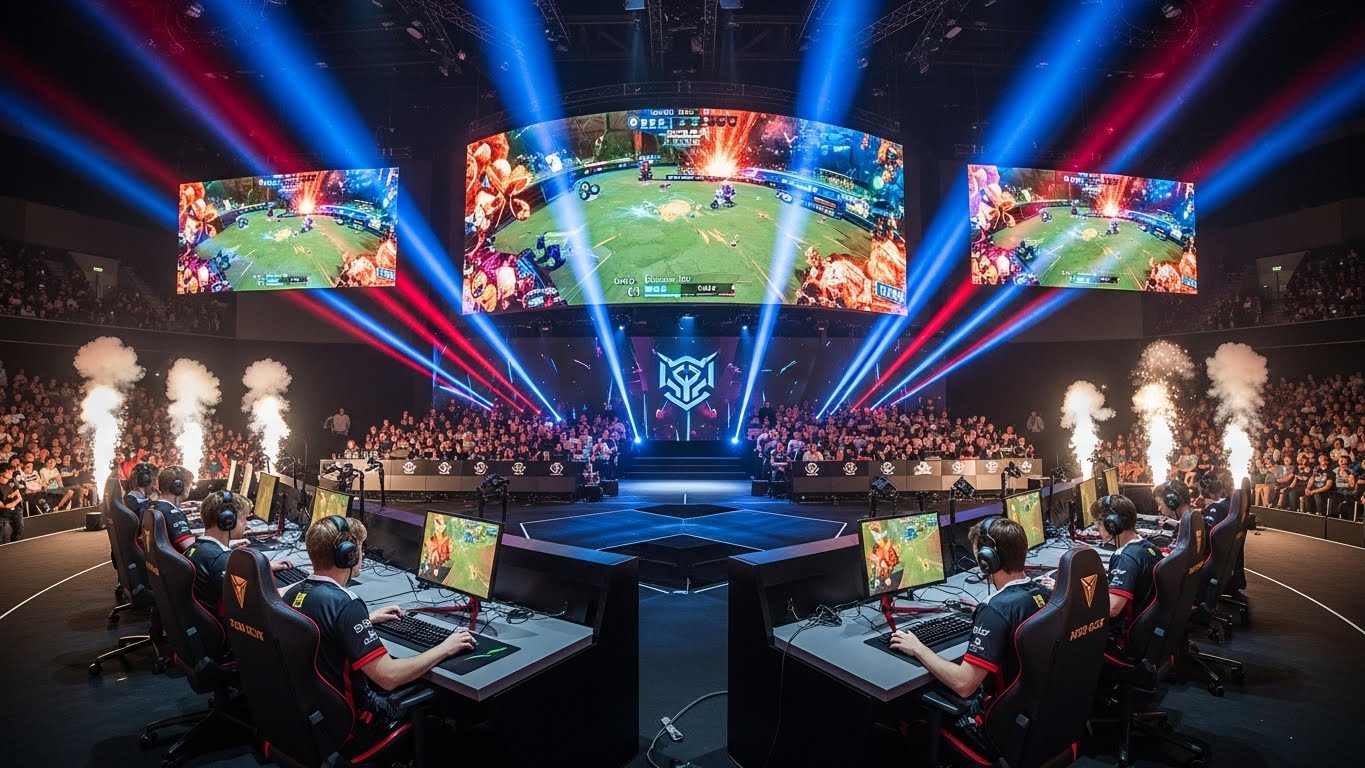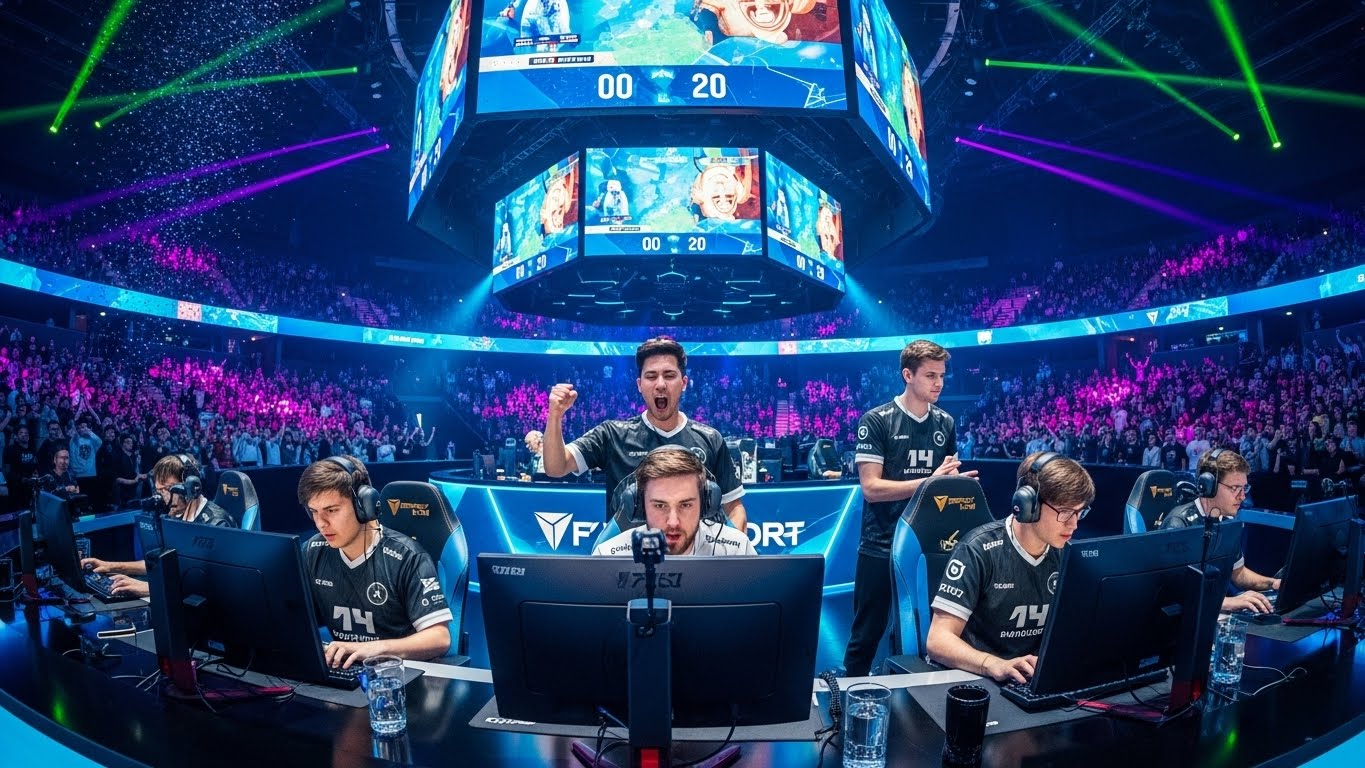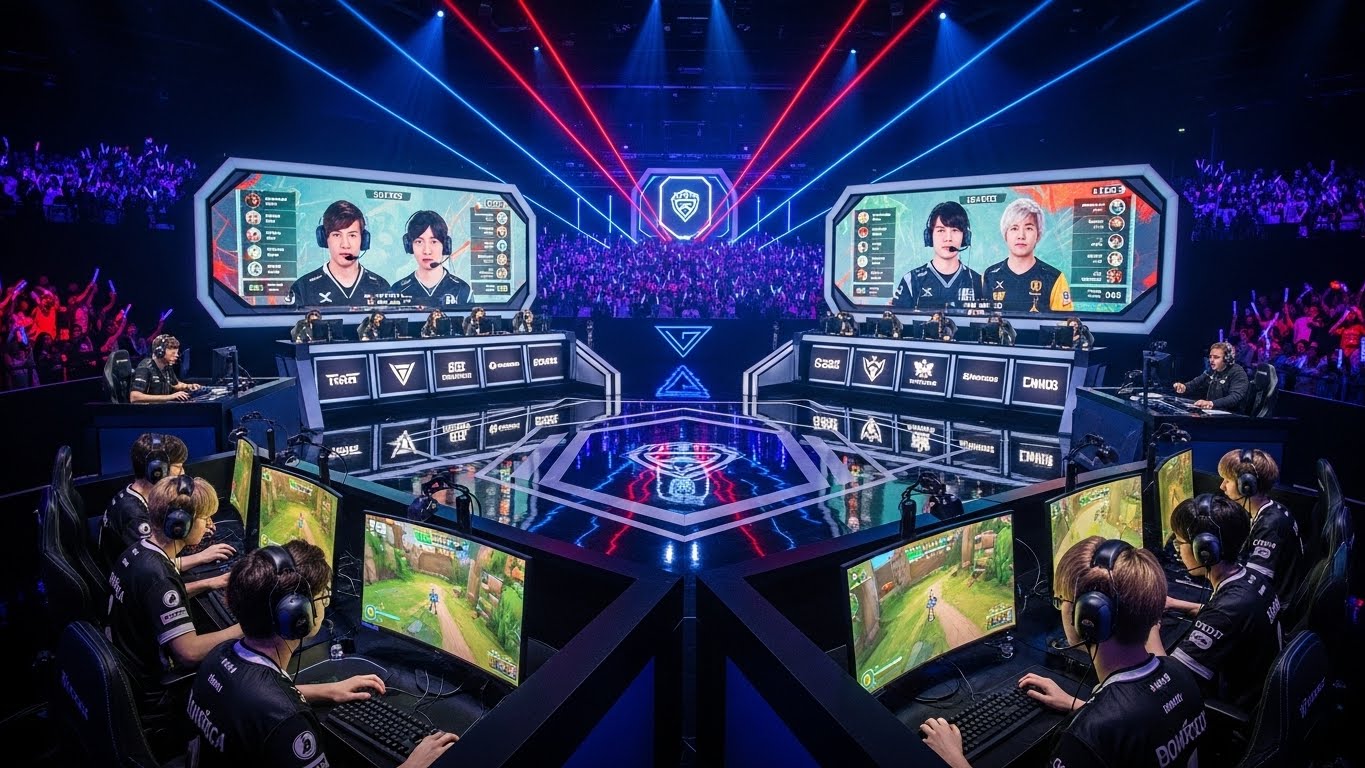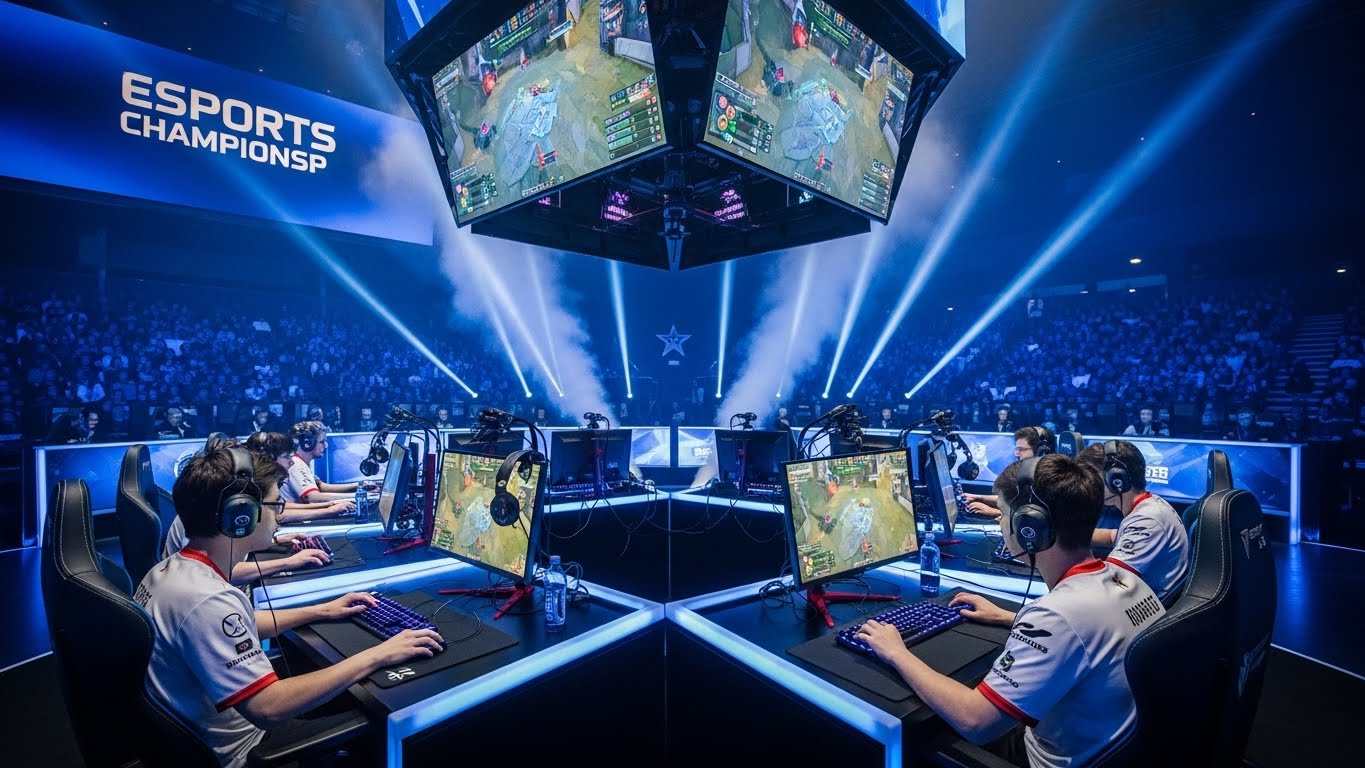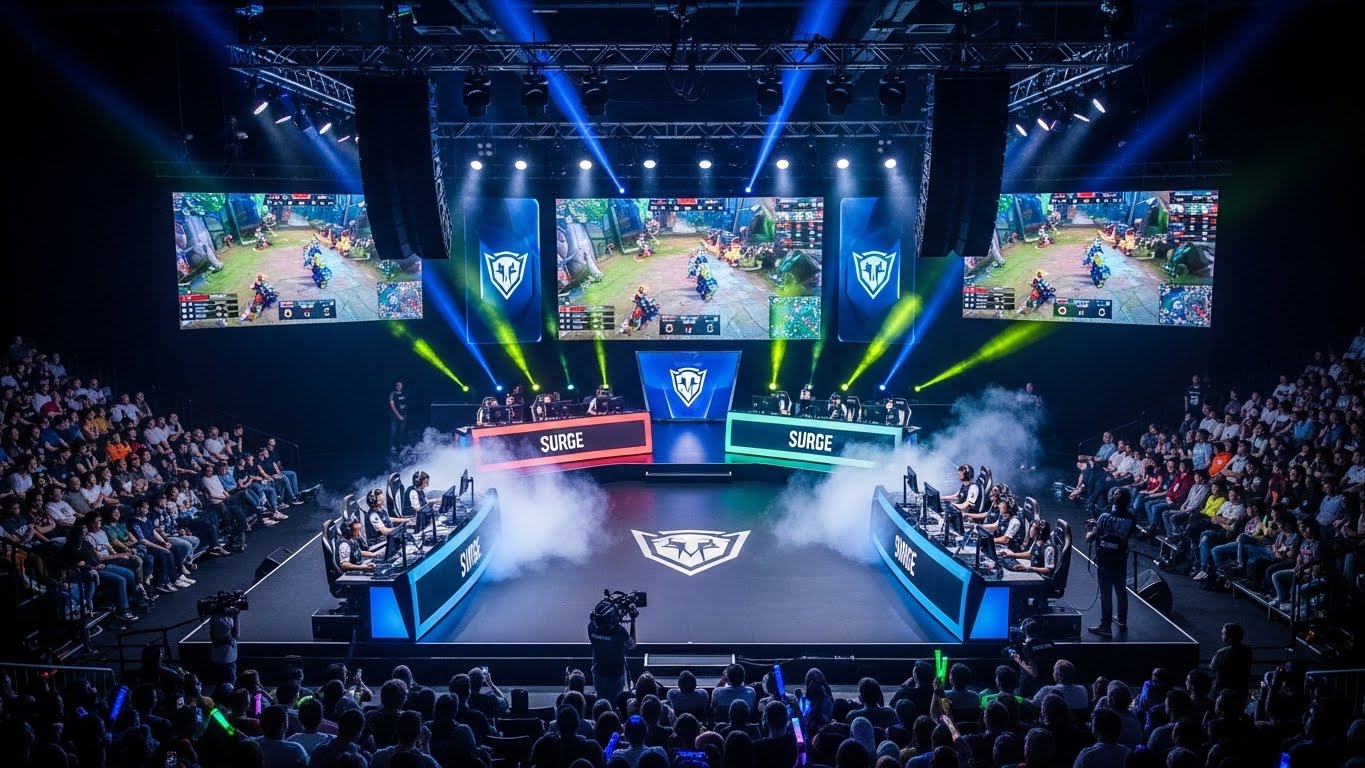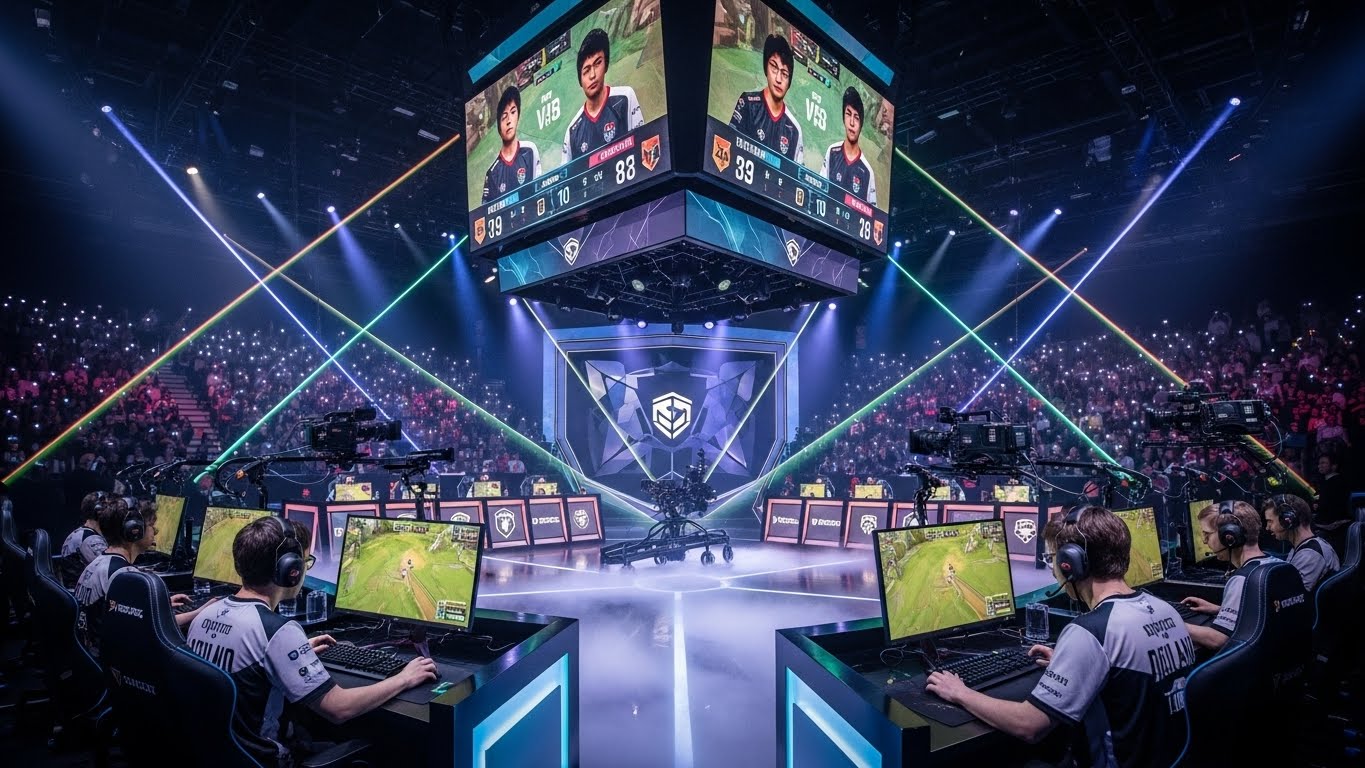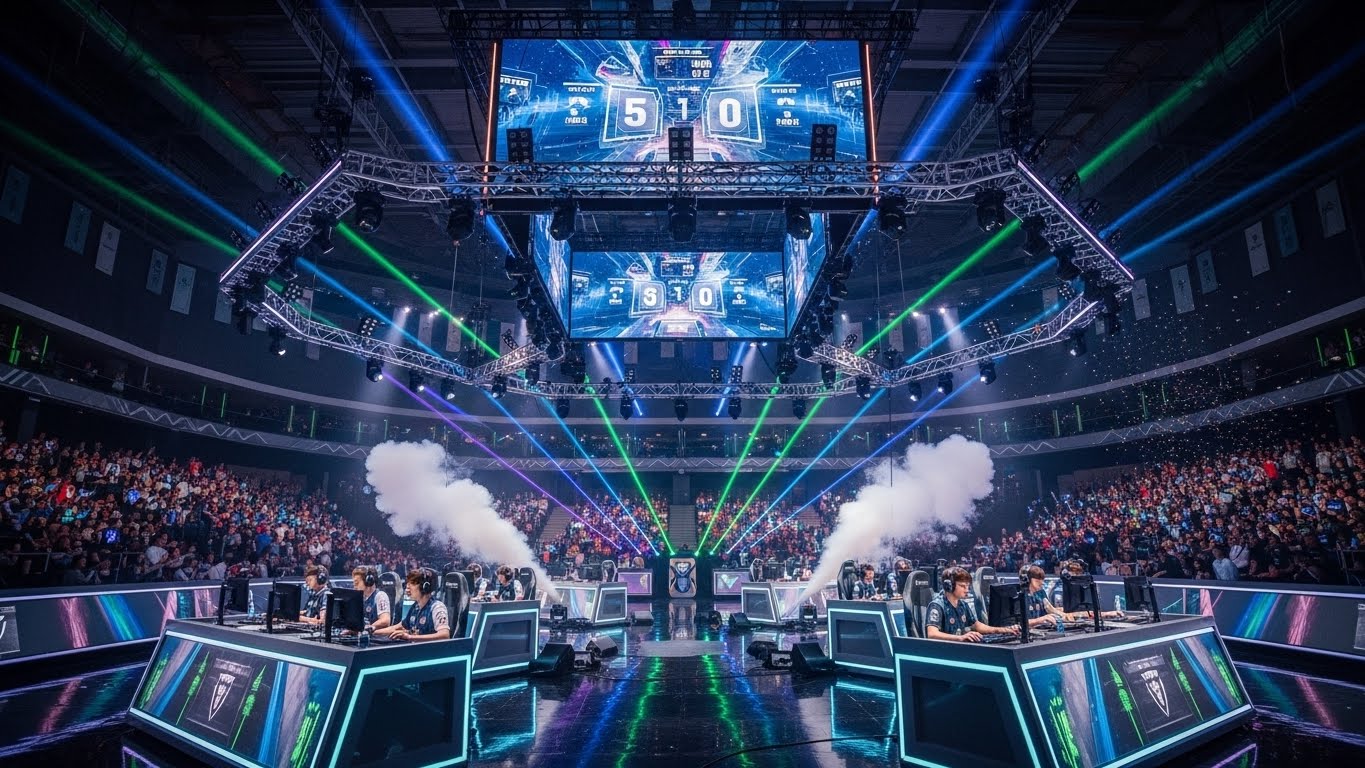

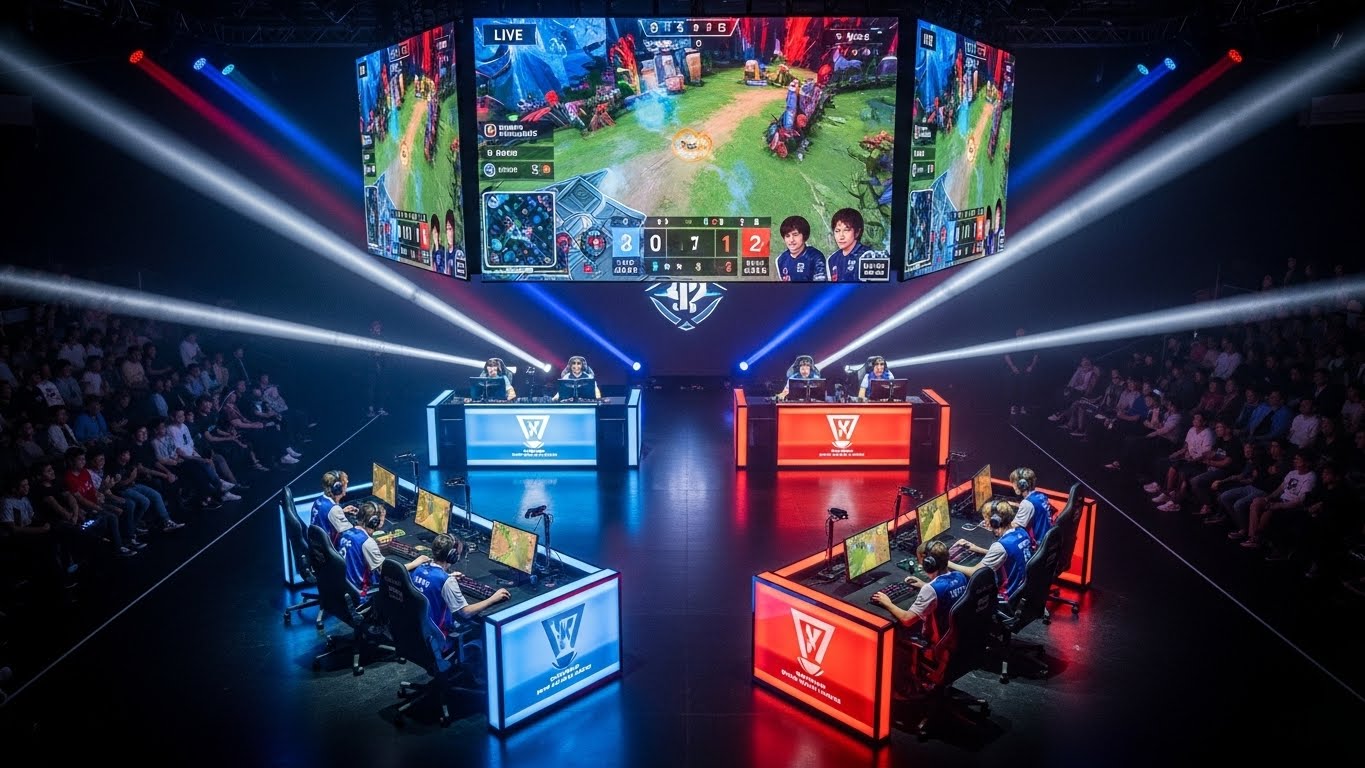
In recent years, the world of competitive gaming, commonly known as esports, has evolved from a niche pastime into a global cultural and economic powerhouse. The meteoric rise of esports has captivated millions of players, fans, and investors alike, transforming what was once considered “just a game” into a highly professionalized and lucrative industry. In this blog post, we explore the origins, growth, challenges, and future of esports, while examining the impact it has had on the gaming community and the broader entertainment landscape.
What is Esports?
At its core, esports refers to organized, multiplayer video game competitions, particularly between professional players, individually or as teams. While esports tournaments can be found across various video game genres, they are most commonly associated with real-time strategy games, first-person shooters, multiplayer online battle arenas (MOBAs), and even sports simulation games.
The term “esports” stems from the idea that these competitions, much like traditional sports, require a high level of skill, strategy, teamwork, and dedication. Professional esports players often dedicate hours every day to practicing, studying their opponents, and perfecting their strategies, making the level of commitment comparable to that of athletes in traditional sports.
The Growth of Esports: From Hobby to Industry
Esports has grown exponentially over the past two decades, evolving from small LAN parties and online tournaments to full-scale international leagues and championships. The late 1990s and early 2000s saw the first major esports competitions, with games like “StarCraft,” “Quake,” and “Counter-Strike” gaining popularity among competitive gamers. These early tournaments were often community-organized and lacked the scale or professional infrastructure seen in modern esports.
The real breakthrough for esports came with the rise of platforms like Twitch, YouTube Gaming, and other streaming services, which allowed players to broadcast their gameplay to an international audience. Suddenly, professional gamers had the ability to connect with fans directly, creating a sense of community and excitement around their matches. As streaming platforms grew in popularity, esports tournaments began to attract sponsors, broadcasters, and even traditional sports networks, helping to further legitimize esports as a legitimate form of entertainment.
Today, the esports industry is a multi-billion-dollar business, with major tournaments like The International (Dota 2), the League of Legends World Championship, and the Overwatch League offering prize pools that rival those of traditional sports events. Major brands, from tech companies to snack food manufacturers, are now heavily invested in the esports ecosystem, sponsoring teams, tournaments, and individual players.
The Different Genres of Esports
Esports is not a one-size-fits-all phenomenon; different genres of video games have given rise to distinct competitive scenes, each with its own set of rules, strategies, and player bases. Understanding the various genres of esports can provide a better understanding of the diversity within the esports ecosystem.
Multiplayer Online Battle Arenas (MOBA)
One of the most popular genres in esports is the Multiplayer Online Battle Arena (MOBA). Games like “League of Legends” and “Dota 2” dominate this category, offering fast-paced, team-based gameplay in which players control individual heroes with unique abilities. Teams of five players compete to destroy the opposing team’s base while protecting their own, requiring both individual skill and exceptional teamwork.
MOBA games are characterized by their complexity and strategic depth, with players needing to make decisions in real-time while reacting to their opponents’ moves. These games also feature a high skill ceiling, meaning that only the most dedicated players can rise to the top of the competitive ladder.
First-Person Shooters (FPS)
First-person shooters (FPS) like “Counter-Strike: Global Offensive” (CS: GO), “Call of Duty,” and “Overwatch” have long been staples of competitive gaming. FPS games focus on combat in a first-person perspective, with players using a variety of weapons and tactics to defeat their opponents. These games are fast-paced, requiring quick reflexes, precise aiming, and effective team coordination.
FPS esports competitions often take place in arenas or online, where teams of players battle it out in different game modes, such as bomb planting (in CS: GO) or objective-based missions (in “Overwatch”). The popularity of FPS games in esports can be attributed to their action-packed gameplay and the skill required to master them.
Battle Royale
The battle royale genre has exploded in recent years, with games like “Fortnite,” “PUBG,” and “Apex Legends” taking the competitive gaming world by storm. In battle royale games, players or teams are dropped onto a large map and must compete to be the last ones standing. The gameplay focuses on survival, exploration, and combat, as players scavenge for resources, weapons, and equipment while avoiding a constantly shrinking play zone.
While battle royale games often involve larger player counts—sometimes hundreds of players in a single match—the competition still relies on strategy, positioning, and skillful combat. Esports competitions for battle royale games have gained significant attention, with massive prize pools and large viewership numbers.
Fighting Games
Fighting games, such as “Street Fighter,” “Tekken,” and “Super Smash Bros.,” represent another popular category in esports. These games focus on one-on-one combat, where players control unique characters and engage in fast-paced, precision-based fights. Each character has a set of special moves, combos, and counters, requiring players to learn intricate mechanics and strategies.
The fighting game community (FGC) is one of the oldest in esports, with tournaments like EVO and Combo Breaker drawing thousands of competitors and fans from around the world. The FGC is known for its passionate fans and its emphasis on personal skill and character mastery.
Sports Simulations
Sports simulation games like “FIFA,” “NBA 2K,” and “Madden NFL” have their own thriving esports scenes. These games simulate real-world sports, allowing players to compete against one another in digital versions of basketball, soccer, football, and more. While these games are based on real-world sports, the competitive nature of esports brings an additional level of intensity, with players strategizing to outplay their opponents and demonstrate superior in-game decision-making.
The esports ecosystem surrounding sports simulations appeals to both traditional sports fans and gaming enthusiasts, creating a unique blend of competition that bridges the gap between the two worlds.
Esports Culture: A Global Community
One of the most fascinating aspects of esports is its global appeal. Players and fans from all over the world participate in tournaments, watch live streams, and engage with one another on social media. Esports has fostered a vibrant online community where fans can connect over their shared love of gaming.
This sense of community is especially evident during major esports events, where thousands of fans gather in person or online to watch their favorite teams and players compete for glory. The excitement, energy, and camaraderie that accompany these events are reminiscent of traditional sports competitions, contributing to the sense of spectacle that surrounds esports.
Additionally, esports has helped to break down geographical and cultural barriers. Online tournaments allow players from different countries to compete against one another, creating a diverse and inclusive environment. Esports has even become an avenue for professional gamers to transcend language barriers, as the universal appeal of gaming connects individuals regardless of their background.
The Business Side of Esports
The financial impact of esports cannot be overstated. What was once a niche hobby is now a multi-billion-dollar industry that includes sponsorships, advertising, media rights, and merchandise sales. Major brands have recognized the potential of esports as a marketing tool, and many companies have invested heavily in sponsoring esports teams, tournaments, and influencers.
Professional esports teams now operate like traditional sports franchises, with salaried players, coaches, and managers. These teams compete in leagues that are often broadcast on television, streaming platforms, or in esports arenas, offering them substantial exposure and financial rewards.
Esports has also created new career paths for people interested in the gaming industry. From content creation and streaming to team management and broadcasting, the esports ecosystem offers numerous job opportunities, many of which didn’t exist a decade ago. As the industry continues to grow, so too will the number of career options available to those with a passion for gaming.
Challenges Facing Esports
While esports continues to flourish, it does not come without its challenges. The rapid growth of the industry has led to concerns about player burnout, mental health, and the physical toll of prolonged gaming. Competitive players, especially those in top-tier leagues, often face intense pressure to perform, leading to stress and, in some cases, mental health issues.
Additionally, the lack of standardized regulations across regions and games has created inconsistencies in the competitive structure. For esports to thrive in the long term, there needs to be more unified governance, player protection laws, and clear guidelines for tournament organization.
Lastly, the issue of inclusivity remains a hot topic. While esports has the potential to bring people together from all walks of life, there are still significant challenges in ensuring that the community remains welcoming and diverse. Organizations, tournament organizers, and players must work together to create a more inclusive and supportive environment for everyone involved.
The Future of Esports
The future of esports looks incredibly bright. With increasing investment, technological advancements, and growing mainstream acceptance, esports is poised to continue its upward trajectory. As virtual reality, augmented reality, and AI technologies advance, new forms of competition may emerge, pushing the boundaries of what esports can be.
Additionally, as esports continues to gain recognition, we may see further integration with traditional sports leagues, including collaborations and cross-industry partnerships. With esports poised to enter the Olympic Games in the near future, it seems likely that competitive gaming will only become more deeply ingrained in the fabric of global culture.