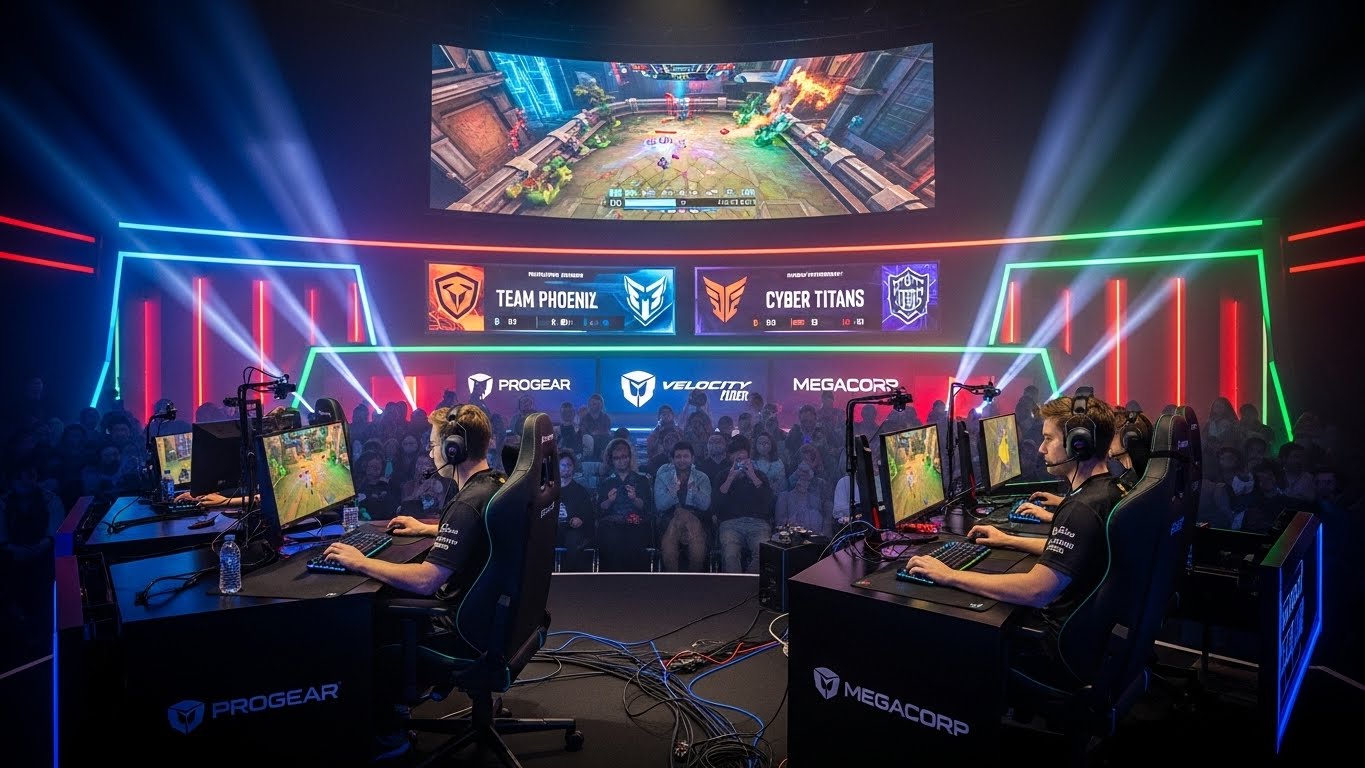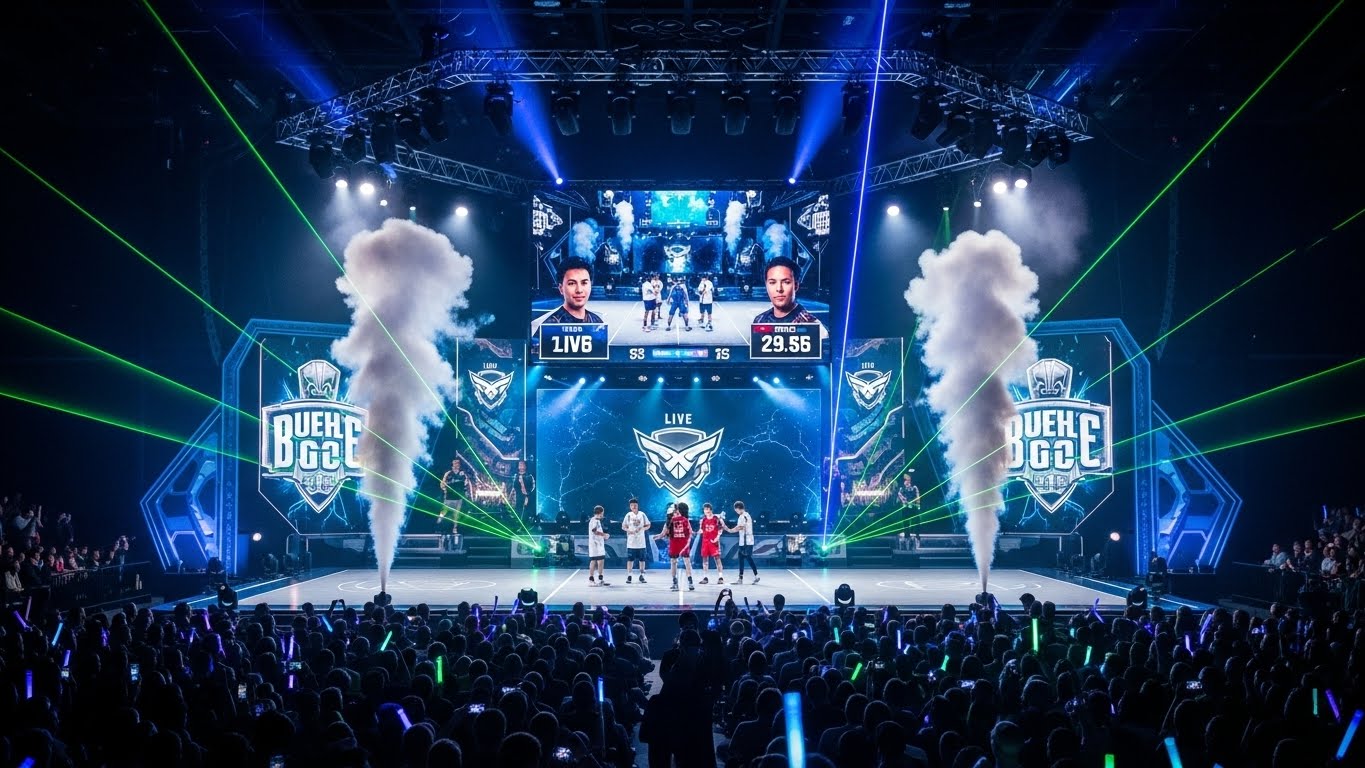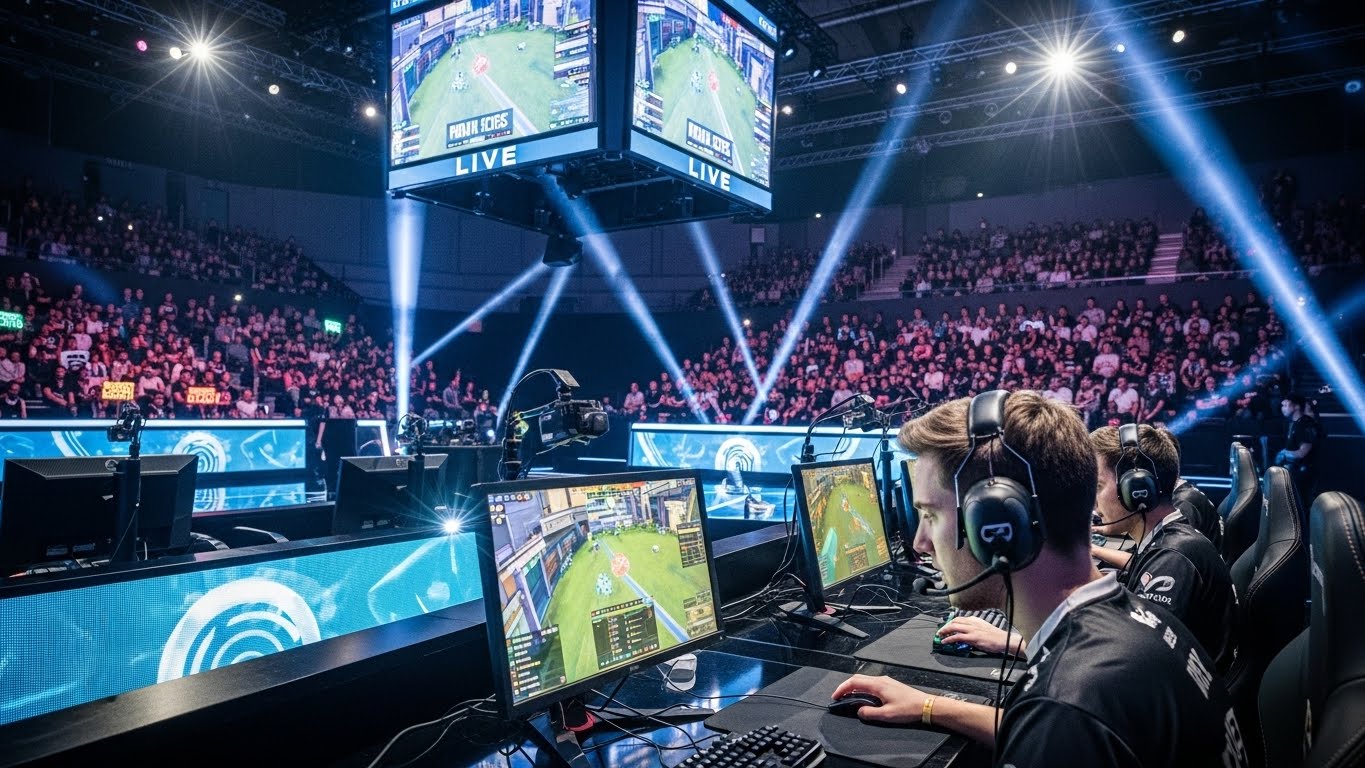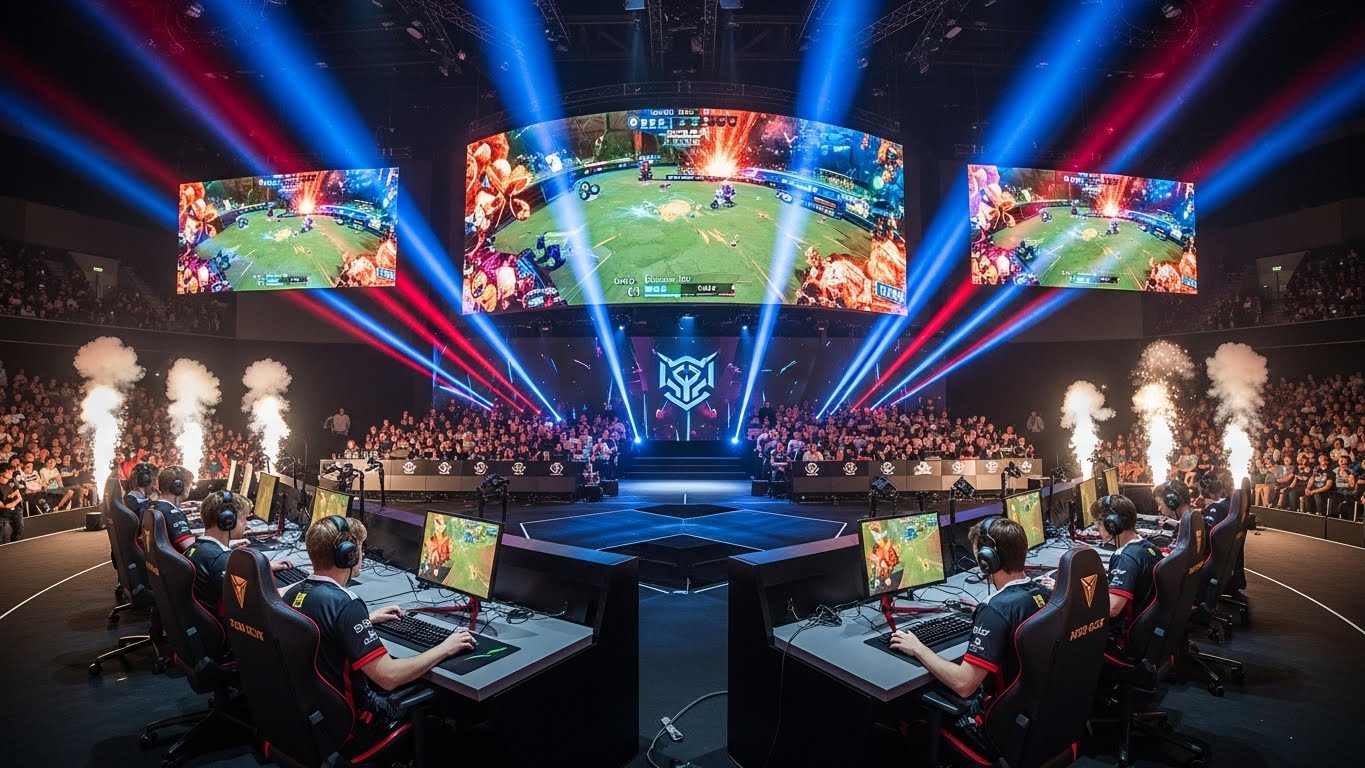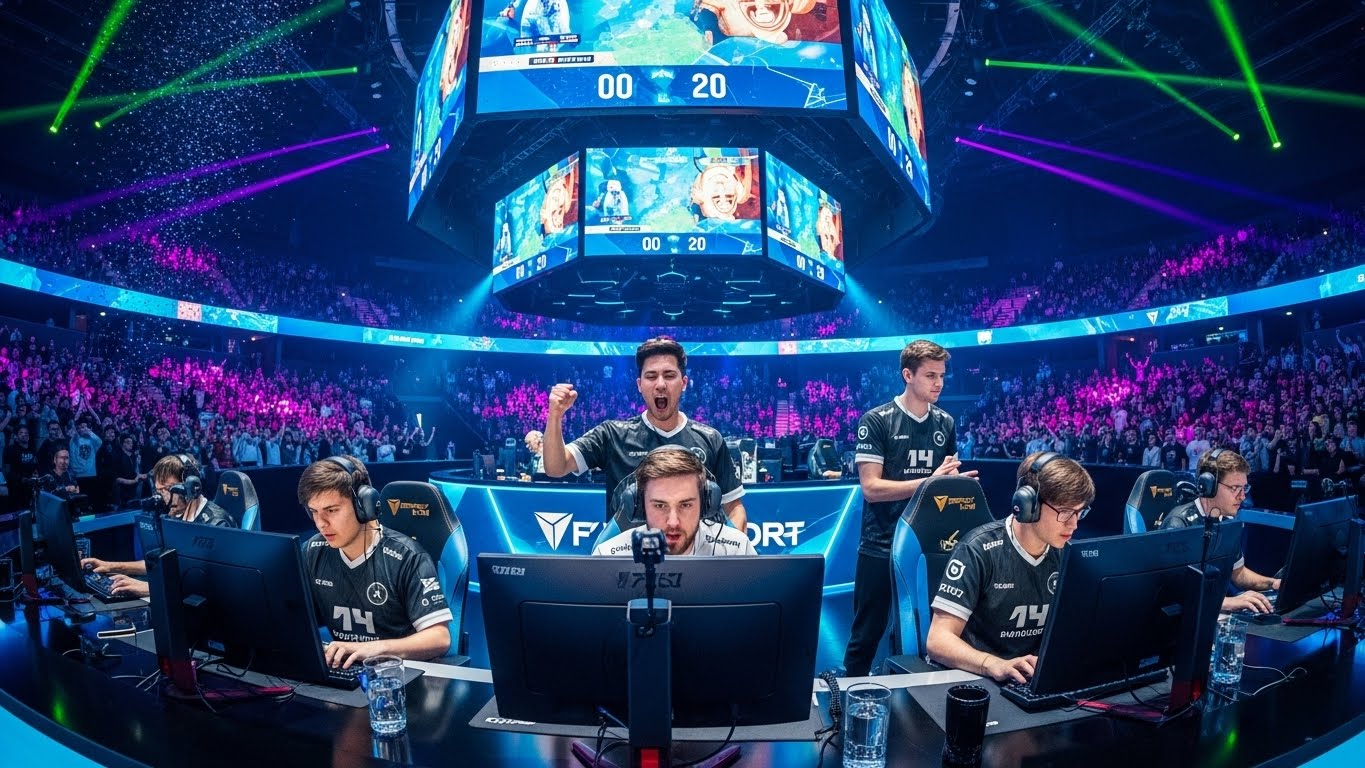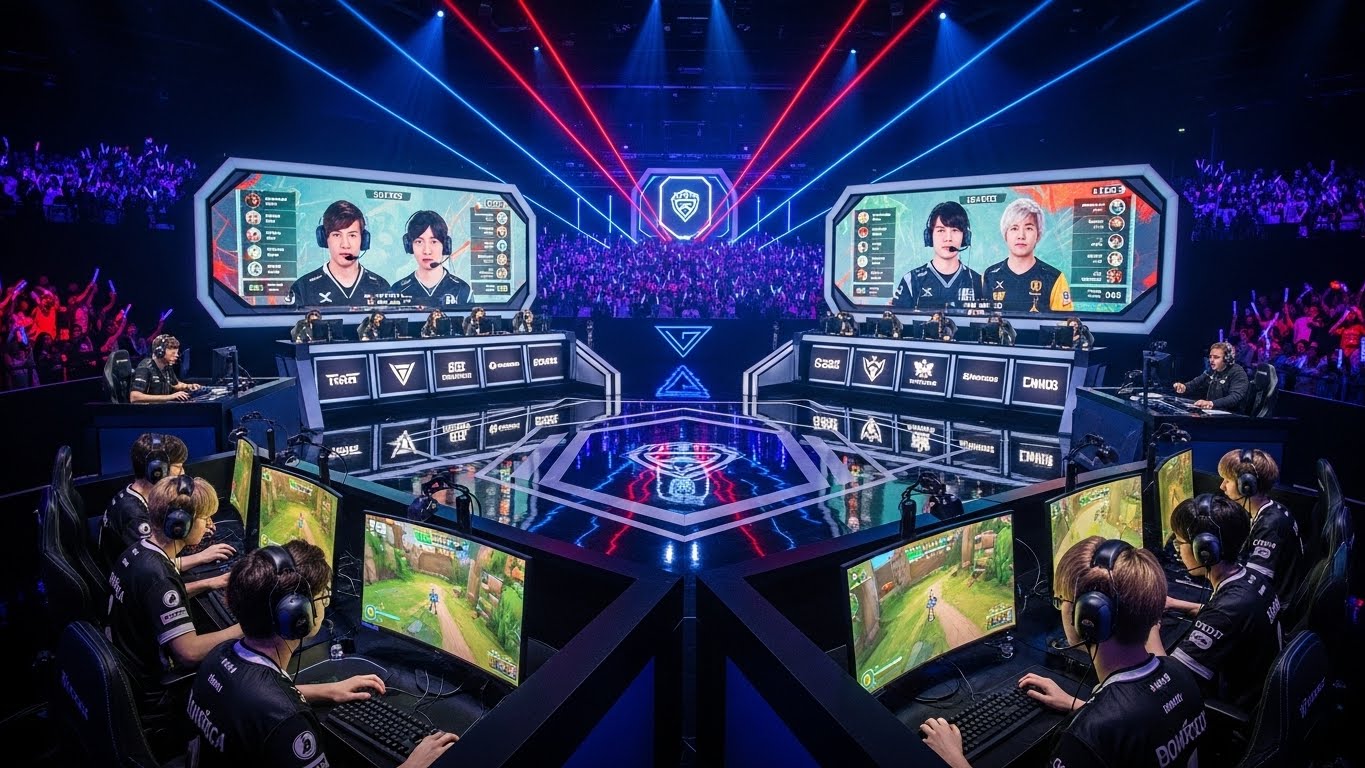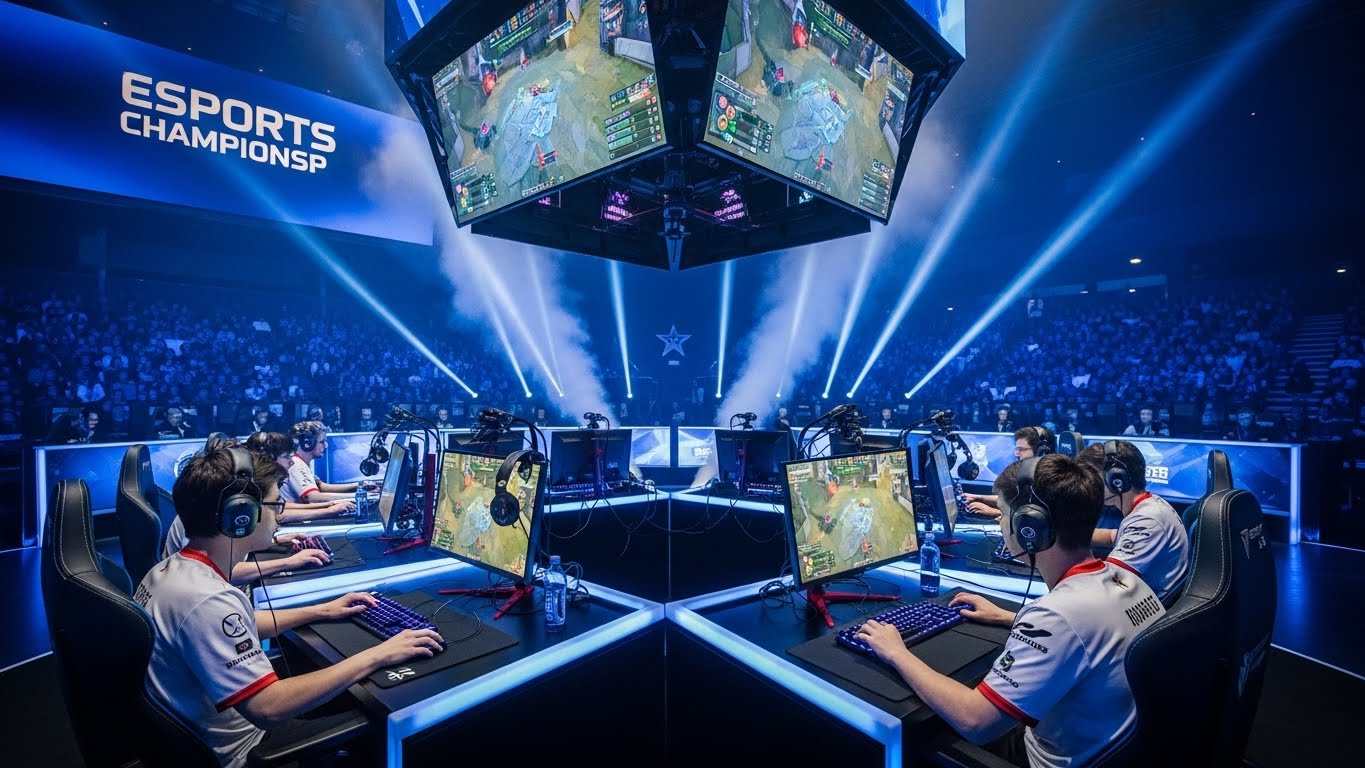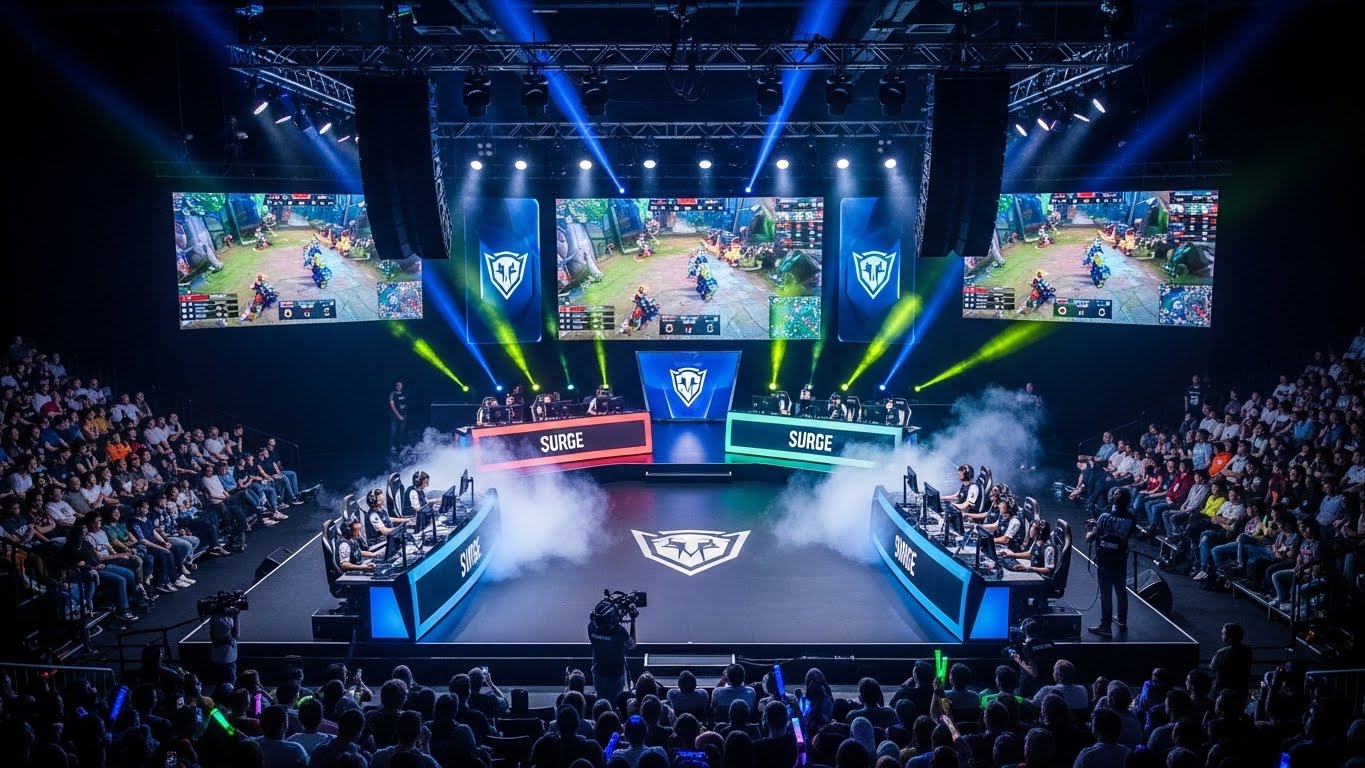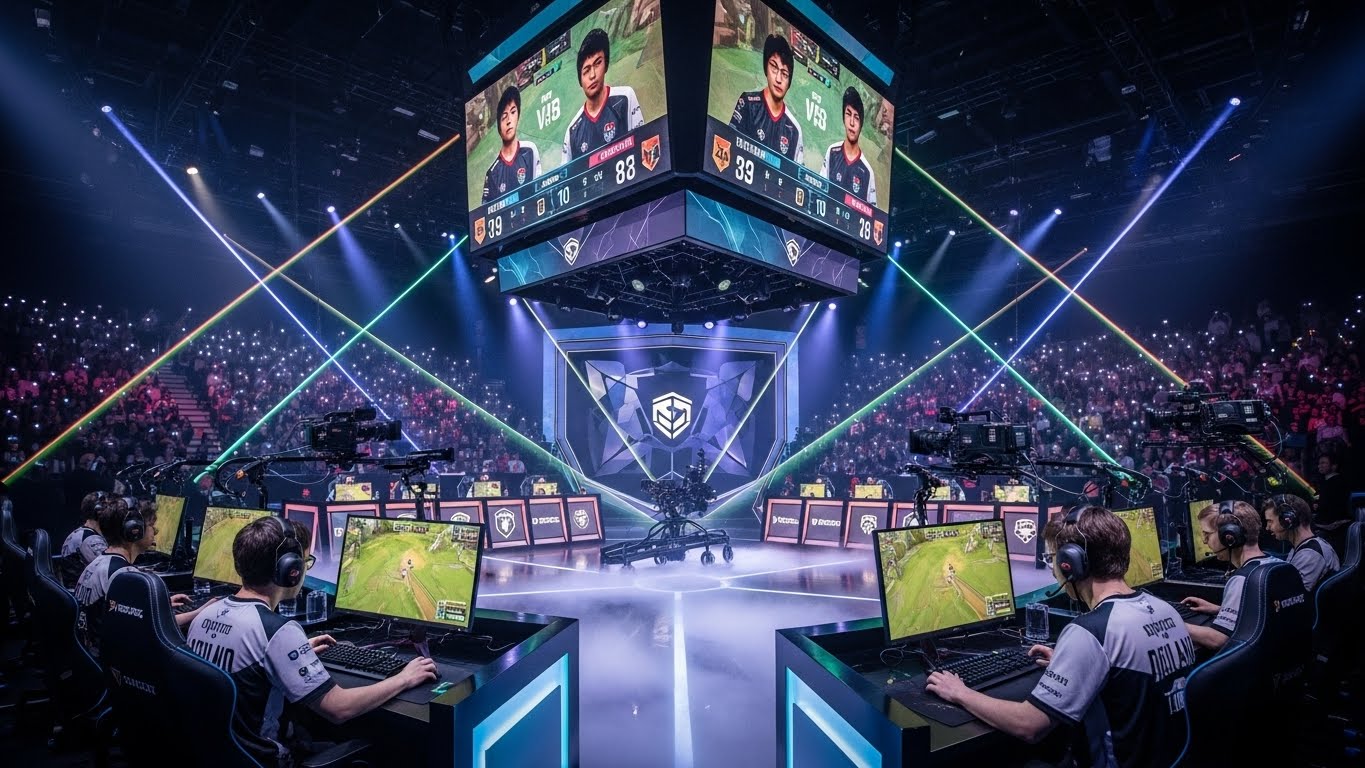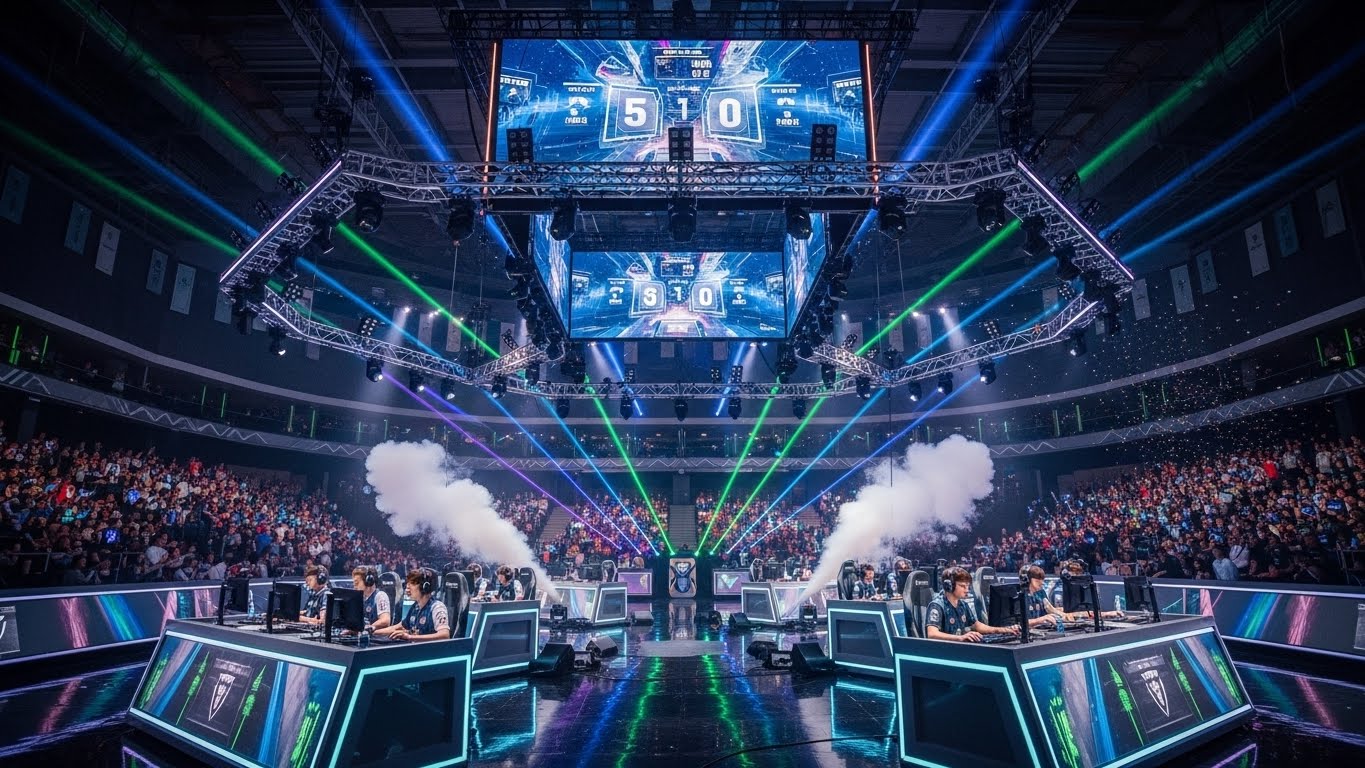

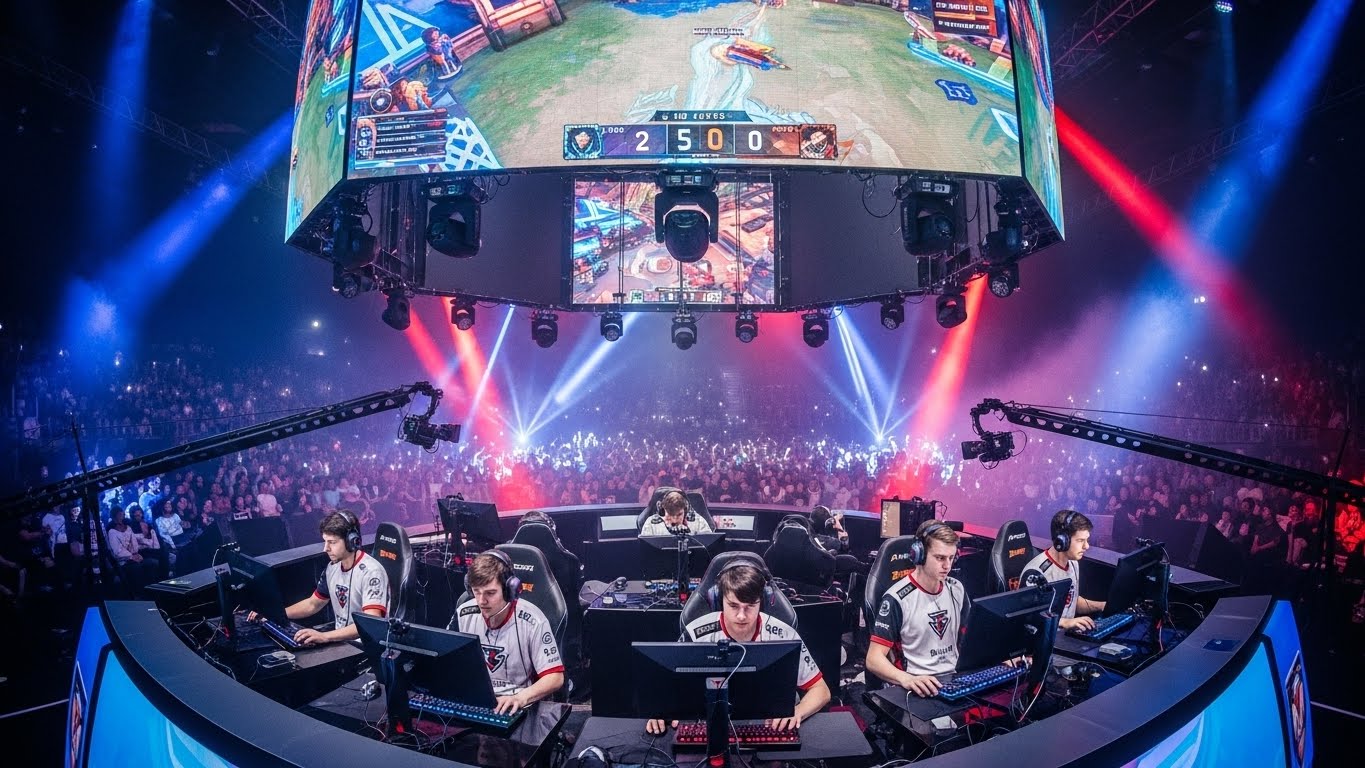
Esports, short for electronic sports, has rapidly transformed from a niche hobby to a mainstream global phenomenon. What started as small local tournaments in the 1990s has now evolved into a multi-billion dollar industry, attracting millions of players, fans, and investors worldwide. With tournaments boasting multi-million-dollar prize pools, sponsorships from major corporations, and streaming platforms like Twitch drawing millions of viewers, esports is not just a trend—it’s a new era of competitive entertainment. This blog post will explore the rise of esports, its impact on the gaming and entertainment industries, and its future trajectory.
The Early Days: Humble Beginnings of Esports
Esports may seem like a modern invention, but its roots stretch back to the early 1970s. The concept of competitive gaming can be traced to the “Intergalactic Spacewar Olympics,” which took place in 1972 at Stanford University. The game at the center of this event was Spacewar, one of the first video games developed for a computer. The competition was small and localized, but it planted the seed for what would eventually become a global competitive landscape.
In the following decades, the growth of personal computers, the internet, and gaming consoles began to shape the future of esports. However, it wasn’t until the late 1990s and early 2000s that esports truly began to gain momentum. Games like StarCraft, Quake, and Warcraft became popular, and tournaments such as the Cyberathlete Professional League (CPL) and the World Cyber Games (WCG) began to attract larger audiences and sponsorships.
The first major breakthrough for esports came in the early 2000s, when games like Counter-Strike, League of Legends, and Dota 2 began to dominate competitive scenes. These games laid the foundation for a competitive ecosystem that would later expand into the esports industry we know today.
The Explosion of Esports: Mainstream Recognition
By the mid-2010s, esports had exploded in popularity. The emergence of platforms like Twitch and YouTube allowed fans to watch live broadcasts of their favorite games and tournaments, while also providing a way for aspiring professional gamers to build audiences and careers. Esports organizations, such as Cloud9, T1, and FaZe Clan, became household names, attracting not only fans but also major sponsors, including companies like Intel, Coca-Cola, and Red Bull.
One of the key factors driving the growth of esports was the increasing popularity of multiplayer online battle arena (MOBA) games like League of Legends and Dota 2. These games featured team-based competition, strategic gameplay, and massive online communities, making them ideal for esports tournaments. League of Legends, for instance, launched in 2009, and its annual World Championship became one of the most-watched sporting events in the world, with the 2018 finals drawing over 200 million viewers.
The rise of streaming platforms such as Twitch, owned by Amazon, further fueled the growth of esports. In 2014, Twitch was acquired by Amazon for nearly $1 billion, a clear indication of the platform’s immense value. Twitch allowed gamers to broadcast their gameplay live to millions of viewers, creating new opportunities for professional gamers, content creators, and brands to engage with the esports community.
Additionally, the rise of mobile gaming has been another significant contributor to the growth of esports. Titles like PUBG Mobile and Free Fire have turned mobile esports into a thriving industry, especially in regions like Southeast Asia and Latin America. These games have introduced esports to millions of players who may not have access to high-end gaming PCs or consoles, democratizing the competitive gaming scene.
The Structure of Esports: A Multi-Faceted Industry
Esports is not just about the players; it’s a multifaceted industry that involves various stakeholders, from developers and publishers to team owners, sponsors, broadcasters, and fans. Let’s take a closer look at the structure of esports and the roles of its key players.
Professional Esports Players
At the heart of esports are the professional players who dedicate their lives to mastering their respective games. These players undergo intense training and compete in tournaments that can last for months at a time. Success in esports requires not only technical skill but also mental fortitude, teamwork, and strategic thinking. Many esports athletes begin their careers in their teenage years and can continue competing at the highest level well into their twenties and thirties.
Esports players often sign contracts with professional teams, which provide support in the form of coaching, training facilities, and sponsorships. These contracts can be highly lucrative, with top players earning millions in prize money, sponsorships, and streaming deals. Esports stars such as Faker (Lee Sang-hyeok) in League of Legends or Ninja (Tyler Blevins) in Fortnite have become celebrities in their own right, with massive followings on social media and streaming platforms.
Esports Teams and Organizations
Esports organizations are the backbone of professional competitive gaming. These organizations sign and manage teams, sponsor tournaments, and negotiate sponsorships with major brands. Some esports organizations have become iconic names, much like traditional sports teams. For example, Team Liquid, T1, and Cloud9 are all well-established esports organizations with teams competing in various games like League of Legends, Counter-Strike: Global Offensive, Dota 2, and Overwatch.
Teams typically consist of players who specialize in different roles within a game, and the success of the team depends on their ability to work together cohesively. Coaches, analysts, and support staff are also part of these organizations, helping teams refine their strategies and improve performance. Major esports organizations have significant investment in creating state-of-the-art training facilities and offering their players the best resources to improve their game.
Tournament Organizers and Publishers
Game developers and tournament organizers play a pivotal role in shaping the landscape of esports. Game publishers such as Riot Games (creator of League of Legends), Valve Corporation (creator of Dota 2), and Blizzard Entertainment (creator of Overwatch) are responsible for the development of the games that form the foundation of competitive play. These companies often organize and host the biggest tournaments, such as the League of Legends World Championship or The International for Dota 2.
Tournament organizers, like ESL, DreamHack, and Blast Premier, are responsible for running major competitive events. They secure sponsorships, manage logistics, and ensure that tournaments run smoothly. These organizers often partner with game publishers to create official competitive circuits, with online and offline qualifiers leading up to the grand finals.
Fans and Viewers
The fans and viewers are an integral part of the esports ecosystem. They are the ones who support their favorite players and teams, filling virtual arenas during live streams or attending major events in person. Esports tournaments now often fill massive stadiums, with tens of thousands of spectators watching the action live.
Esports fans are incredibly dedicated, often streaming tournaments for hours at a time or following players on social media for the latest updates. The rise of platforms like Twitch has allowed fans to engage directly with players through live chats, donations, and subscriptions. Esports events are also widely broadcasted on YouTube and Facebook, allowing fans from all over the world to participate in the excitement.
The Financial Power of Esports
The economic impact of esports is staggering. In 2023, the global esports market was projected to be worth over $1.5 billion, and it is expected to continue growing in the coming years. Much of this revenue comes from sponsorships, advertising, media rights, and merchandise sales. Brands from a variety of industries, including technology, sports, entertainment, and even fashion, have jumped on the esports bandwagon, seeing it as an opportunity to reach younger, tech-savvy audiences.
Sponsorships play a massive role in the financial viability of esports teams and events. Companies like Intel, Red Bull, Coca-Cola, and Nike sponsor teams, players, and events, while media companies pay to broadcast tournaments. The increasing visibility of esports has also caught the attention of traditional sports organizations. In recent years, professional sports teams from the NFL, NBA, and soccer leagues have invested in esports teams or have formed partnerships with esports organizations.
Prize pools for esports tournaments have reached jaw-dropping amounts. For instance, The International 2021, the premier Dota 2 event, had a prize pool of over $40 million, with the winner taking home more than $18 million. This is just one example of how esports has become a legitimate career path for professional gamers, as well as a thriving business for sponsors and investors.
The Future of Esports: What’s Next?
The future of esports looks incredibly bright. As technology continues to evolve, so too will the way we experience competitive gaming. Virtual reality (VR) and augmented reality (AR) are likely to play a role in creating more immersive esports experiences. Streaming technology is also improving, allowing fans to watch events in high-definition or even virtual environments.
Another promising development is the integration of esports into traditional sports. In some countries, esports has already been recognized as a legitimate sport, and it may soon become a fixture in the Olympics. The International Olympic Committee (IOC) has even hosted discussions about incorporating esports into the Olympic Games, and some esports events, like the Asian Games, have already included competitive gaming as a medal event.
Esports will continue to grow, but there are challenges to overcome. Issues such as player burnout, the need for improved regulation, and the protection of intellectual property will need to be addressed. However, with its global reach, dedicated fanbase, and increasing financial backing, esports is set to become one of the most dominant forms of entertainment in the world.