

Introduction: Esports – More Than Just a Game
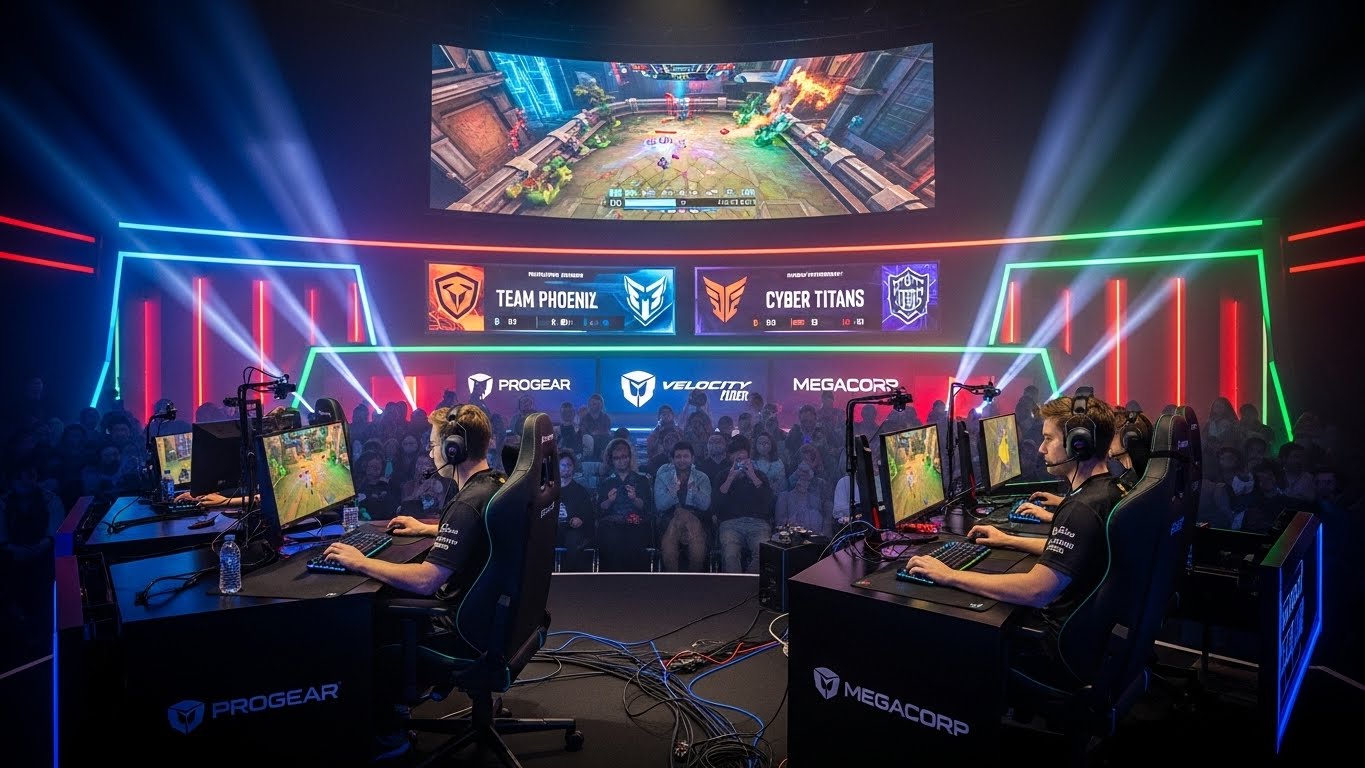
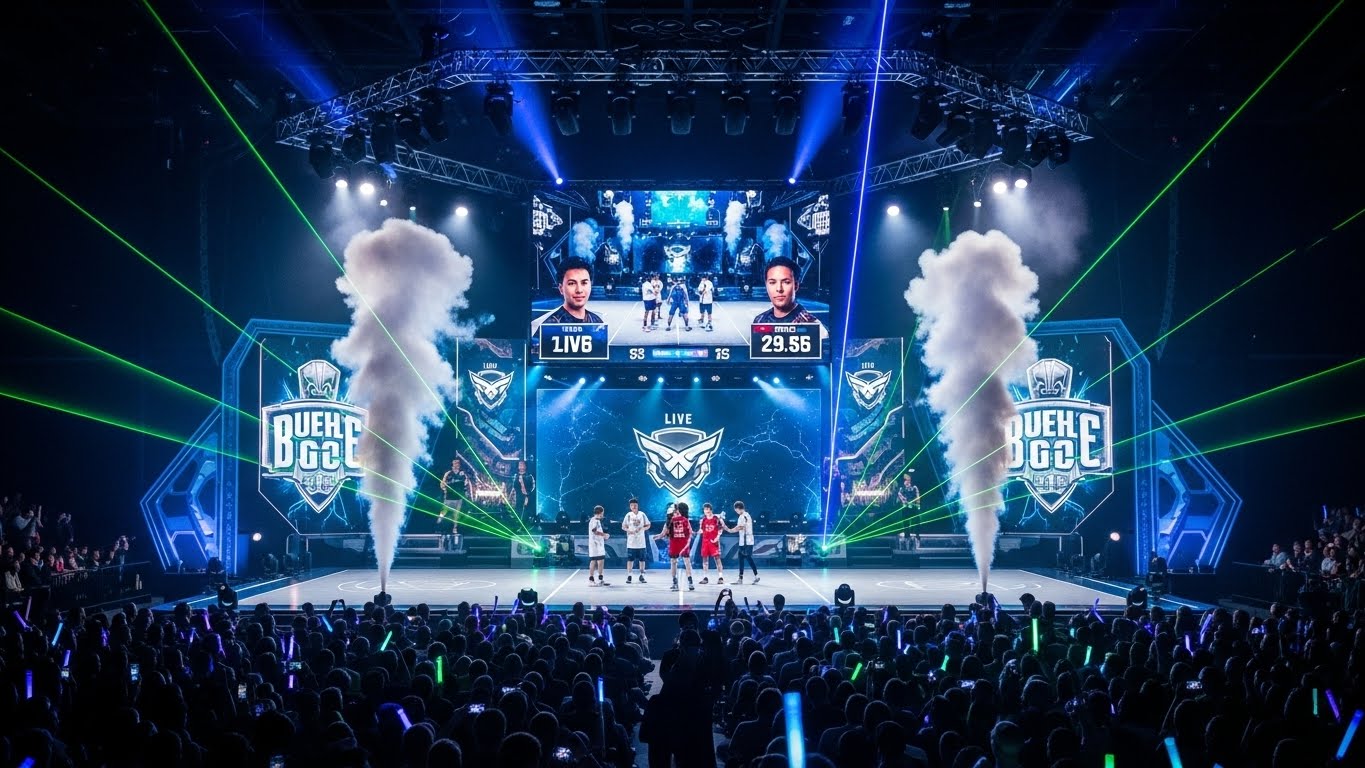
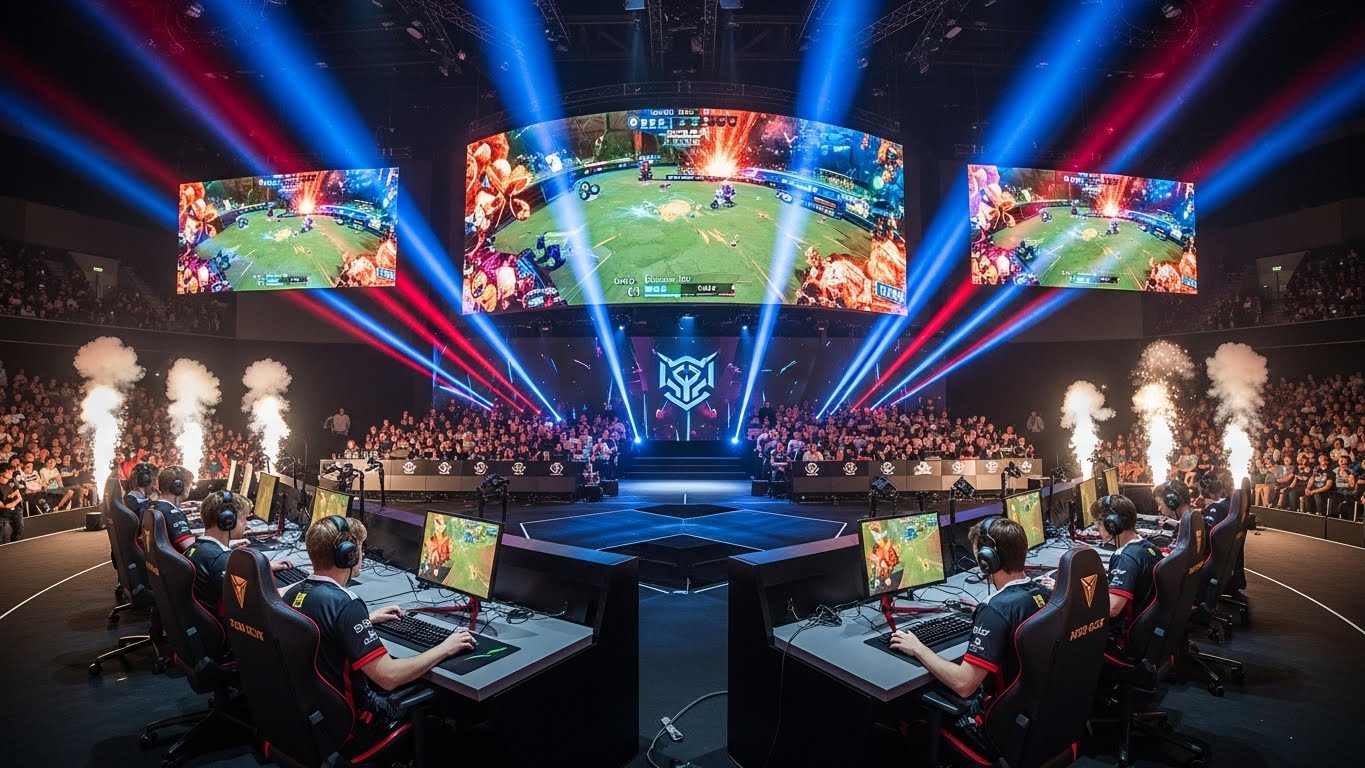
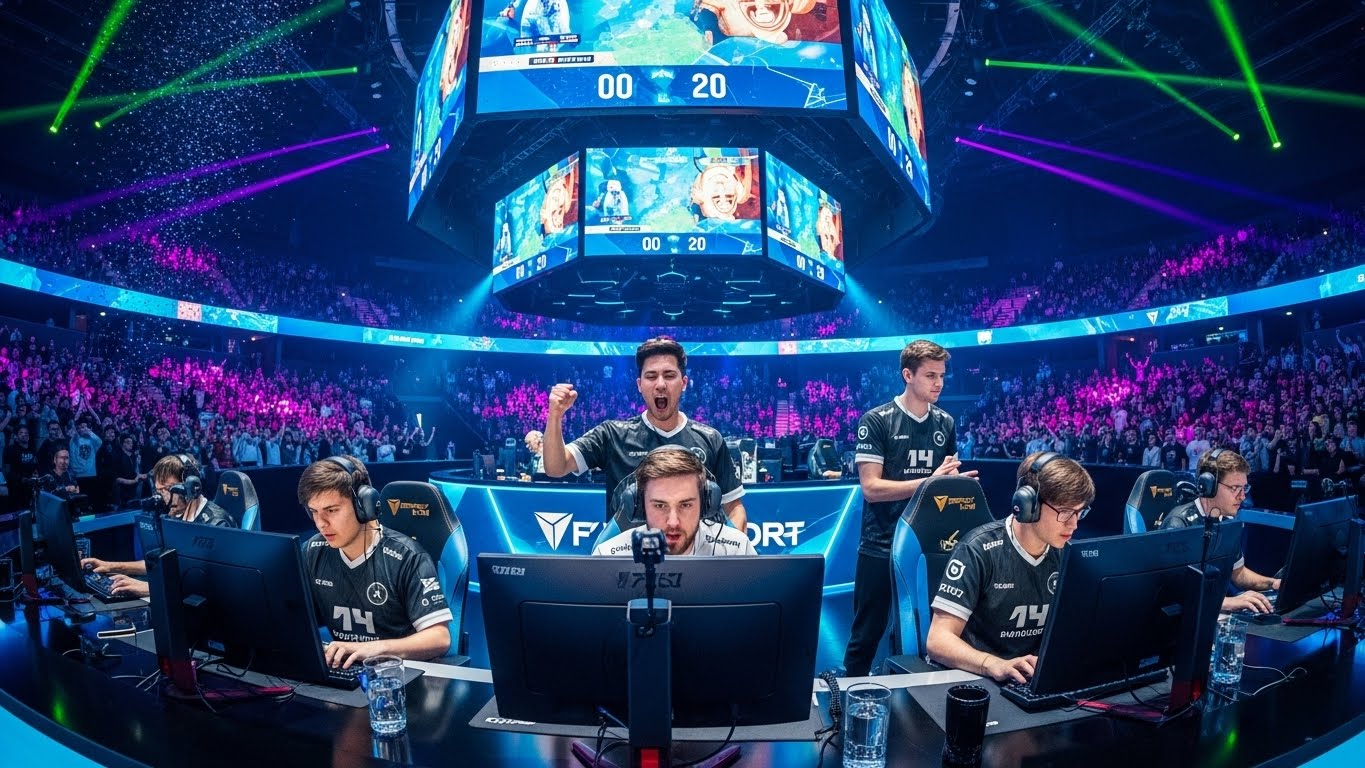
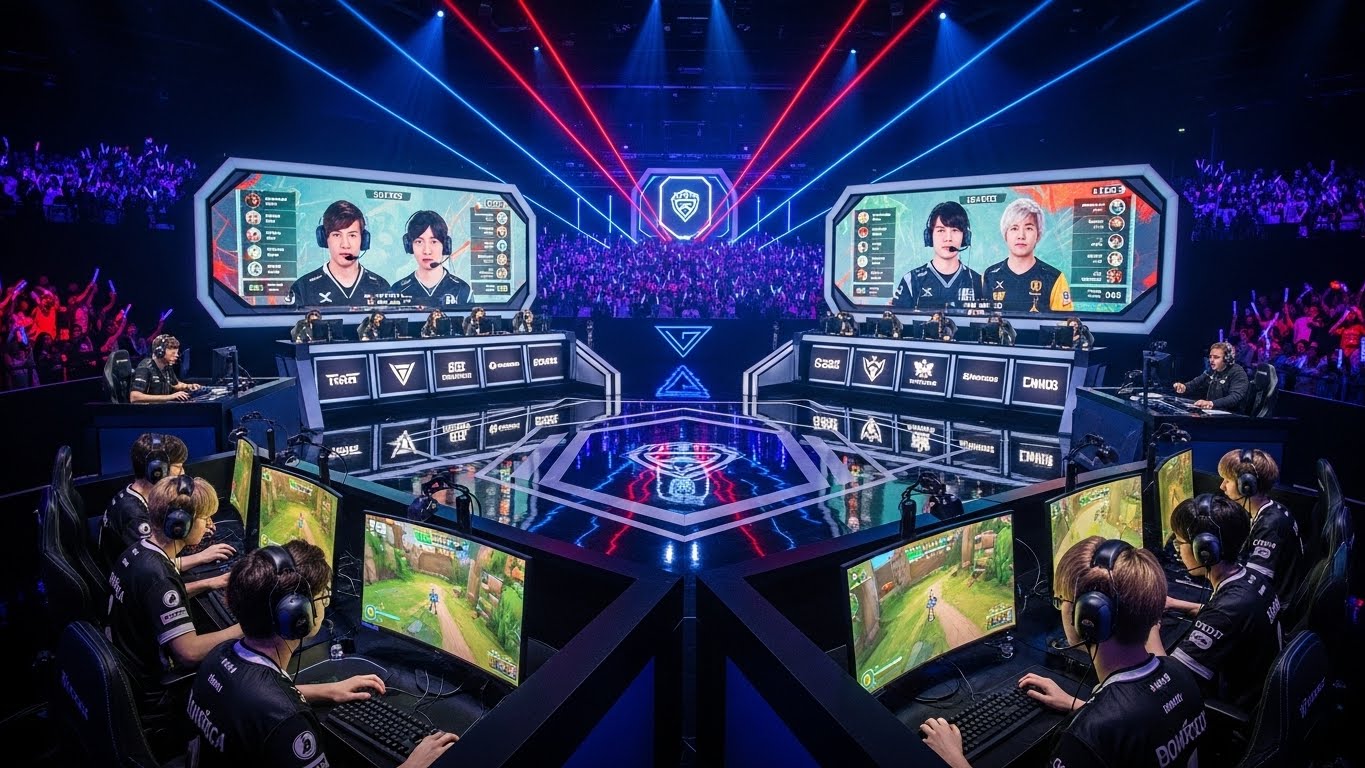
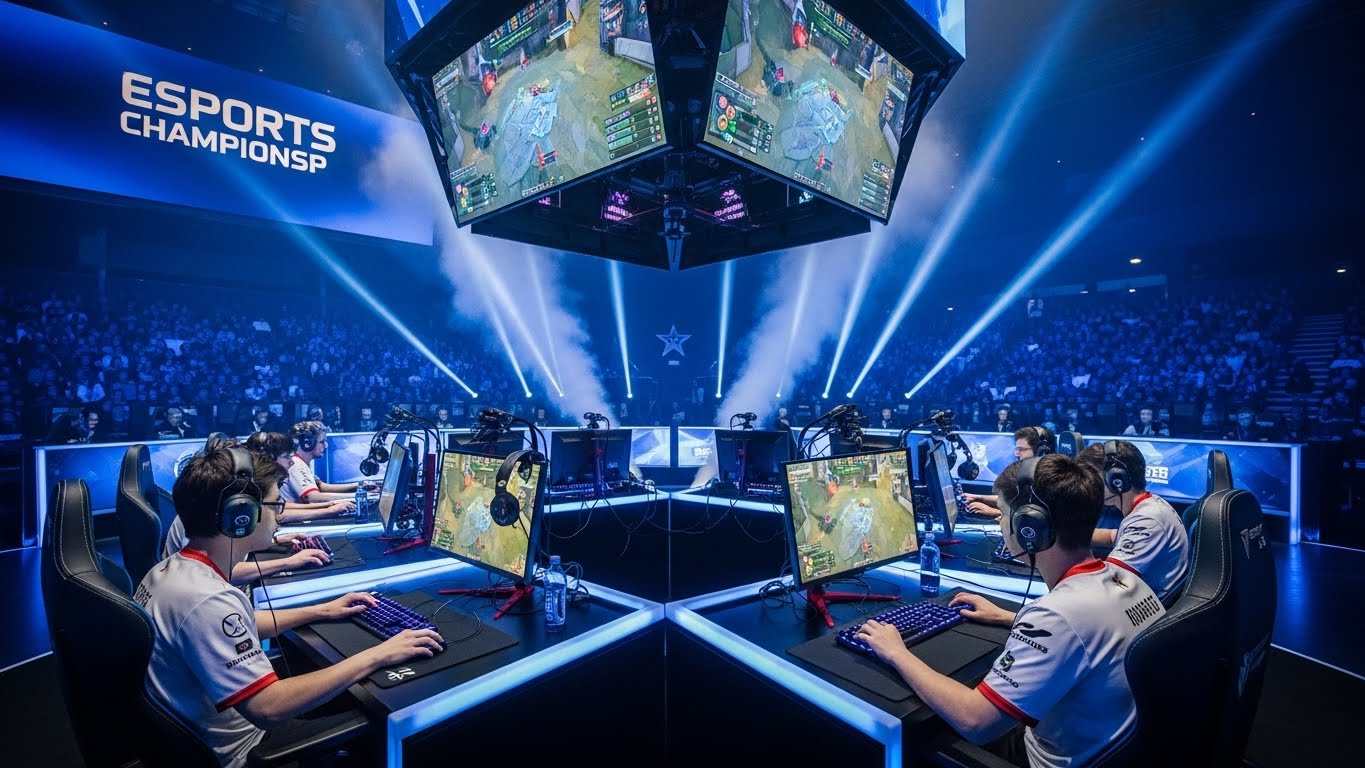
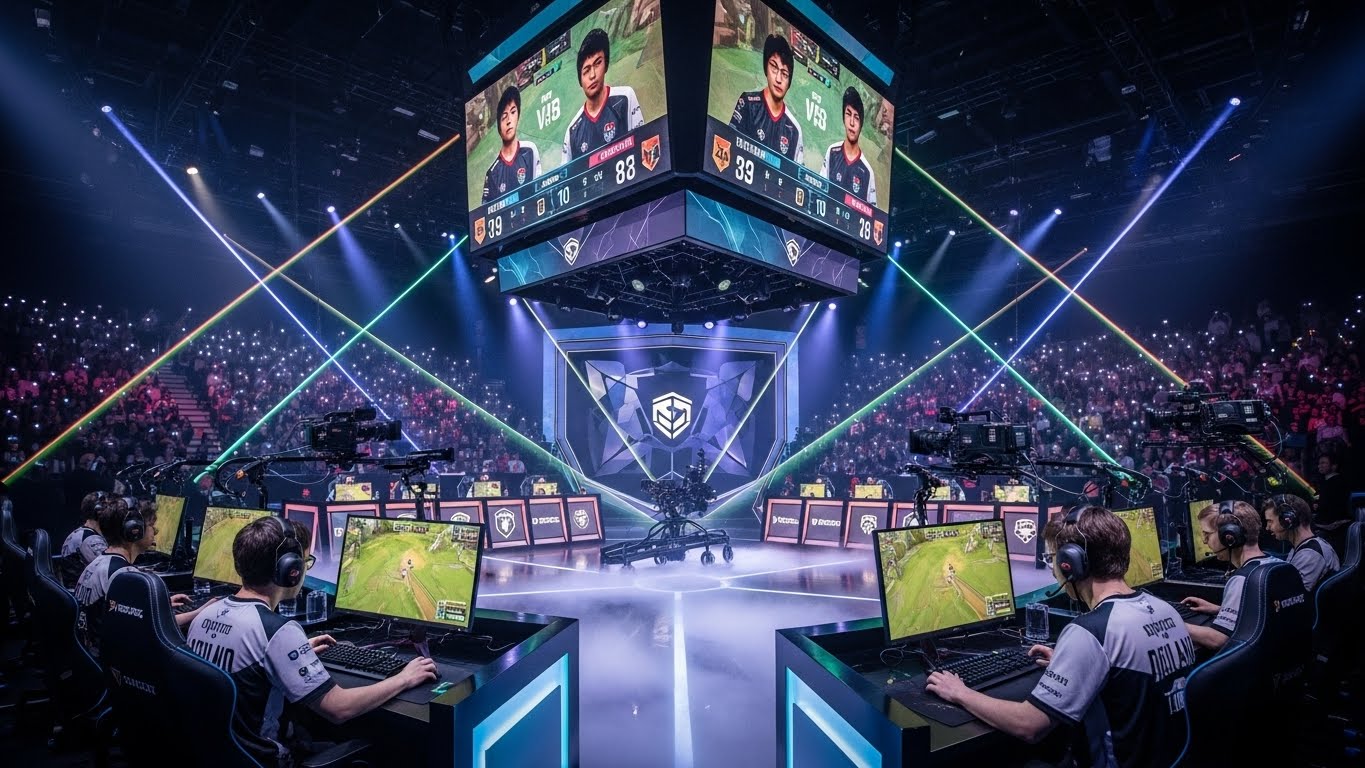
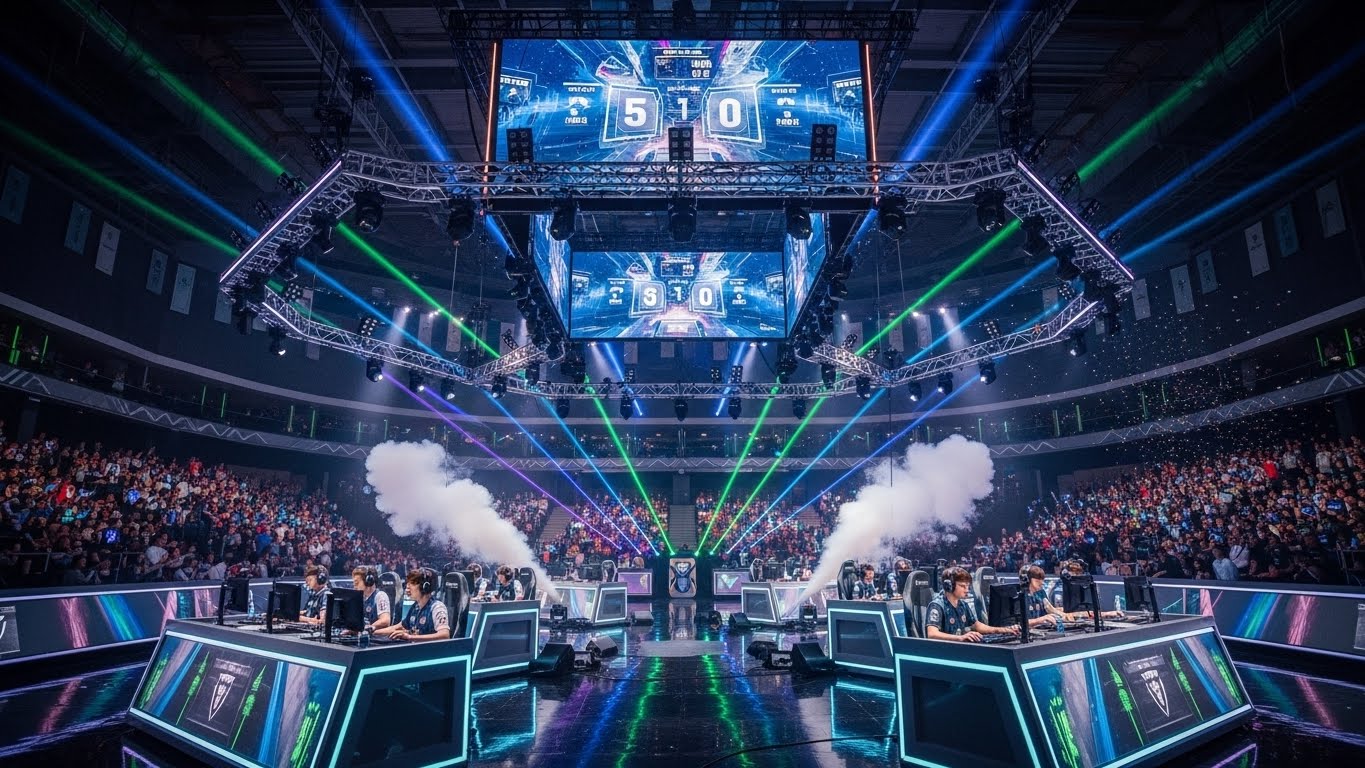
The world of competitive gaming, known as esports, has evolved significantly over the past few decades. What once began as a niche pastime for gaming enthusiasts has blossomed into a global multi-billion-dollar industry. In 2023, esports tournaments fill massive arenas, attract millions of online viewers, and offer players lucrative prize pools. The rapid growth of esports has made it clear that competitive gaming is no longer just a hobby but a legitimate form of entertainment and sport that rivals traditional physical sports in many ways.
In this blog post, we’ll explore the origins of esports, its explosive rise in popularity, the major games that fuel its success, the business side of the industry, and what the future holds for this dynamic sector.
The Origins of Esports: A Humble Beginning
Esports, or electronic sports, is defined as organized, multiplayer video game competitions, often between professional players, individually or as teams. Its roots date back to the 1970s and 1980s, when competitive gaming was a niche activity. Early examples of competitive gaming include arcade tournaments like those held for Pong and Space Invaders. These games laid the foundation for what would eventually become the esports ecosystem.
However, the first true esports event that resembled today’s tournaments occurred in 1997 with the Red Annihilation tournament for Quake. This event is often considered the birth of esports, as it marked the start of organized, online competitions with significant prize money. The tournament attracted the attention of players around the world, and the eventual winner, Dennis “Thresh” Fong, became one of the first esports celebrities, helping to solidify the idea that competitive gaming could be taken seriously.
Over the following years, gaming communities began to emerge around various popular titles, and the concept of esports continued to grow. The launch of StarCraft in 1998 in South Korea and the rise of Warcraft III and Counter-Strike in the early 2000s set the stage for modern esports leagues, especially in regions like North America, Europe, and Asia.
The Explosion of Esports: From Local Events to Global Phenomenon
The turning point for esports came in the 2010s, as the industry began to gain mainstream recognition. Several factors contributed to this explosion in popularity. First, advancements in internet technology allowed players from around the world to compete in online tournaments with minimal lag. This created a global network of competitive players and teams, making esports more accessible to a wider audience.
Second, the rise of streaming platforms like Twitch played a pivotal role. Twitch, which was founded in 2011, allowed gamers to stream their gameplay to a live audience, providing fans with a direct connection to their favorite players and teams. Esports tournaments began to be broadcasted live on these platforms, with millions of viewers tuning in to watch events like League of Legends, Dota 2, Counter-Strike: Global Offensive, and Fortnite. The ability to watch top-tier players compete in real-time made esports more exciting and engaging, contributing to its rapid growth.
Additionally, sponsorships from major brands, partnerships with traditional sports organizations, and the influx of investment capital helped elevate esports to new heights. By 2018, the global esports industry was worth over $1 billion, and this figure has only grown in the years since. Esports tournaments began offering multi-million-dollar prize pools, attracting the best players from all corners of the globe.
Key Esports Titles: The Games That Shaped the Industry
While many video games have been involved in the esports scene, a few titles stand out as the pillars of competitive gaming. These games have not only shaped the esports industry but have also cultivated dedicated player bases, sponsors, and an ongoing competitive scene.
1. League of Legends (LoL)
Released in 2009 by Riot Games, League of Legends is one of the most popular and enduring esports titles. With its fast-paced gameplay and a vast roster of champions, LoL offers something for every type of player, making it a top pick for competitive gaming. The annual League of Legends World Championship attracts millions of viewers worldwide and has become one of the biggest esports events globally. The game’s deep strategy, combined with its accessibility, has solidified LoL as the face of esports for over a decade.
2. Dota 2
Dota 2 by Valve is another key player in the esports world. Known for its highly strategic and complex gameplay, Dota 2 has a dedicated global fanbase and boasts the largest prize pools in esports history. The annual The International tournament has become a spectacle, with prize money often exceeding $30 million, largely funded by the community through crowdfunding efforts. Dota 2 is known for its deep mechanics and team-based strategy, offering a challenge even for the most seasoned gamers.
3. Counter-Strike: Global Offensive (CS: GO)
CS: GO has been a mainstay in esports since its release in 2012. As a first-person shooter, CS: GO requires a combination of quick reflexes, precision aiming, and team coordination. The game’s tactical nature and its emphasis on team strategy have made it a favorite for both players and viewers alike. Esports tournaments like ESL One and the CS: GO Major Championships regularly draw massive audiences, making it one of the most-watched games in the competitive gaming scene.
4. Fortnite
Released in 2017 by Epic Games, Fortnite quickly became a cultural phenomenon. Its Battle Royale mode, which pits 100 players against each other in a fight for survival, captured the attention of millions. The game’s unique building mechanics and fast-paced action made it a popular title for competitive gaming, and Epic Games has hosted some of the largest esports events in history. The Fortnite World Cup, for example, boasted a prize pool of $30 million, with the winner taking home $3 million.
5. Overwatch
Blizzard’s Overwatch, released in 2016, brought a new level of excitement to esports with its team-based, hero-shooter gameplay. Featuring a colorful cast of characters, each with unique abilities, Overwatch offers a dynamic and engaging experience. The Overwatch League (OWL), launched in 2018, is one of the first esports leagues to operate with city-based teams, similar to traditional sports leagues. OWL has helped to elevate Overwatch as a major title in the esports scene.
The Business of Esports: Behind the Scenes
Esports may be a competitive pursuit, but it is also big business. As the industry has grown, so too has the financial ecosystem surrounding it. From sponsorships and media rights to merchandise and ticket sales, esports is a multi-faceted industry that generates billions of dollars annually.
Sponsorship and Partnerships
One of the biggest drivers of esports revenue is sponsorship. Major global brands, such as Coca-Cola, Intel, Red Bull, and Nike, have partnered with esports organizations to promote their products. These sponsorships provide valuable exposure to esports fans, many of whom are young, tech-savvy consumers who are highly engaged with the gaming world.
The growth of esports has also attracted traditional sports organizations. The NBA, NFL, and other major sports leagues have recognized the potential of esports and have begun investing in gaming teams, leagues, and partnerships. For example, NBA teams such as the Golden State Warriors and Cleveland Cavaliers have their own esports teams that compete in games like NBA 2K.
Media and Streaming
Streaming platforms like Twitch and YouTube have become the primary way for fans to consume esports content. These platforms allow fans to watch live broadcasts of tournaments, streamers playing popular games, and even behind-the-scenes content from esports organizations. The ability to monetize these platforms through subscriptions, ads, and donations has allowed streamers and esports teams to generate substantial income.
Television networks are also getting involved. In recent years, major networks such as ESPN and Turner Sports have aired esports events, further legitimizing competitive gaming as a mainstream sport. Esports events are now regularly broadcasted live, and this trend is expected to continue, with more traditional networks embracing the sector.
Merchandise and Ticket Sales
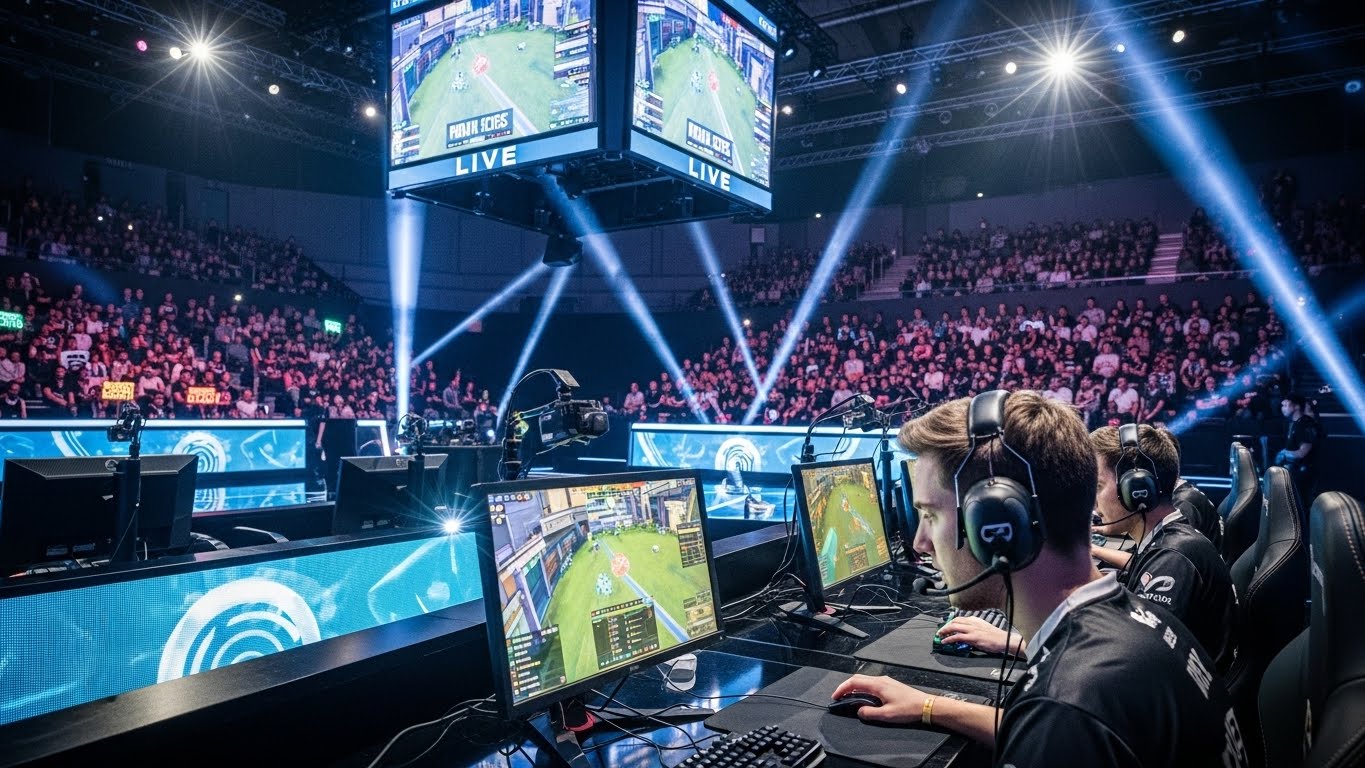
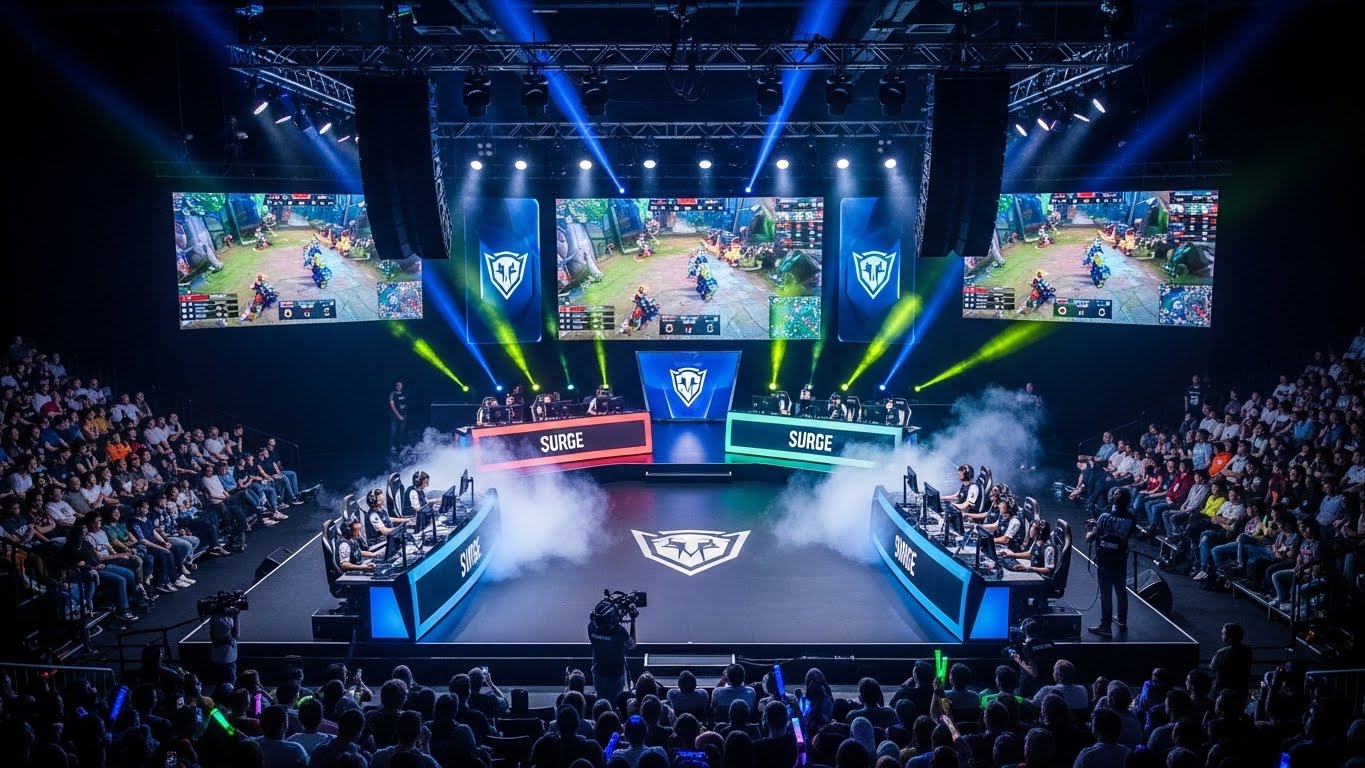
Esports tournaments and events have become major live experiences, drawing tens of thousands of fans to stadiums and arenas around the world. Tickets for these events, along with merchandise such as jerseys, posters, and accessories, have become a significant source of revenue for esports organizations. Fans not only watch the tournaments but also engage in live events, creating a thriving ecosystem of ticket sales, travel, and memorabilia.
The Future of Esports: What Lies Ahead?
The future of esports looks incredibly bright. As technology continues to improve, the competitive gaming landscape will only get more sophisticated. Virtual reality (VR) and augmented reality (AR) are already being explored for their potential to create immersive esports experiences. These technologies could allow players and viewers to engage in esports in entirely new ways, breaking down the physical boundaries between the virtual and real worlds.
Additionally, as more universities and colleges offer esports scholarships and programs, the growth of competitive gaming talent will continue to thrive. Esports will continue to move beyond casual gaming into formalized academic and career pathways for young players.
Esports will also see further integration with traditional sports. Already, major sports leagues are investing in esports teams and leagues. In the future, it’s likely that more crossovers will occur, with hybrid competitions that combine elements of traditional and digital sports. This could create a unique blend of physical and digital competition that appeals to a wide audience.
Conclusion: Esports as the Future of Entertainment
From its humble beginnings to becoming a billion-dollar industry, esports has firmly established itself as a global entertainment force. As more people continue to embrace competitive gaming, esports will continue to evolve, providing new opportunities for players, fans, and businesses alike. The industry is on the verge of even greater expansion, with exciting new technologies, games, and opportunities waiting to be explored. Whether you’re a player, a fan, or a business looking to tap into this growing sector, there’s no doubt that esports is here to stay, and its future looks brighter than ever.