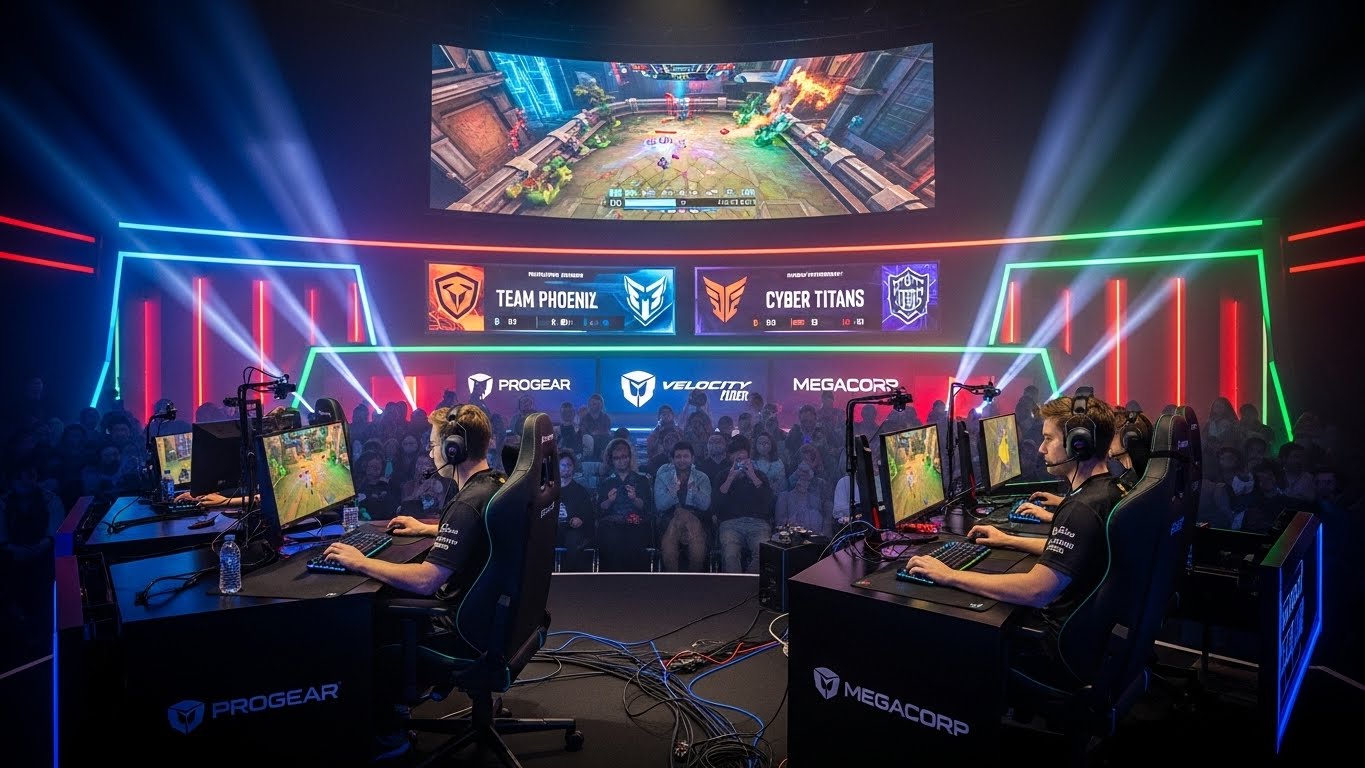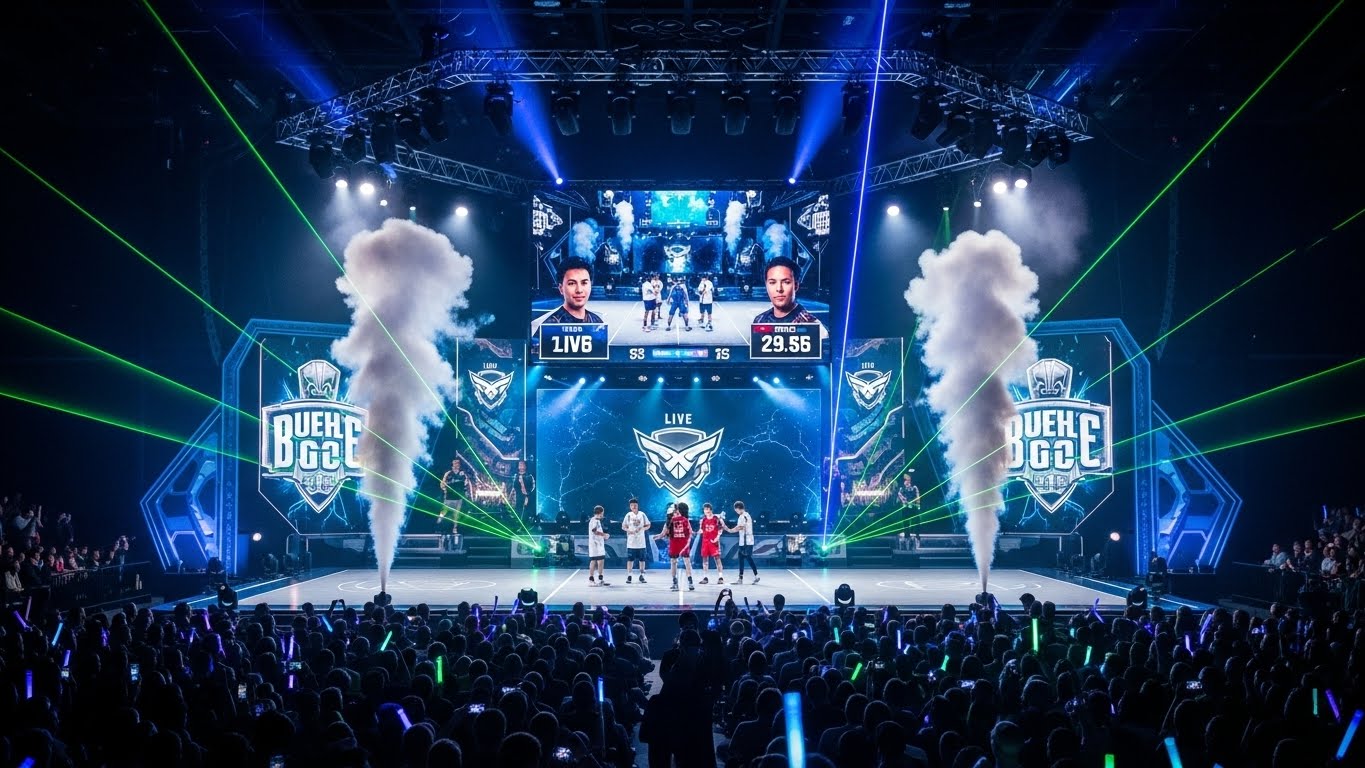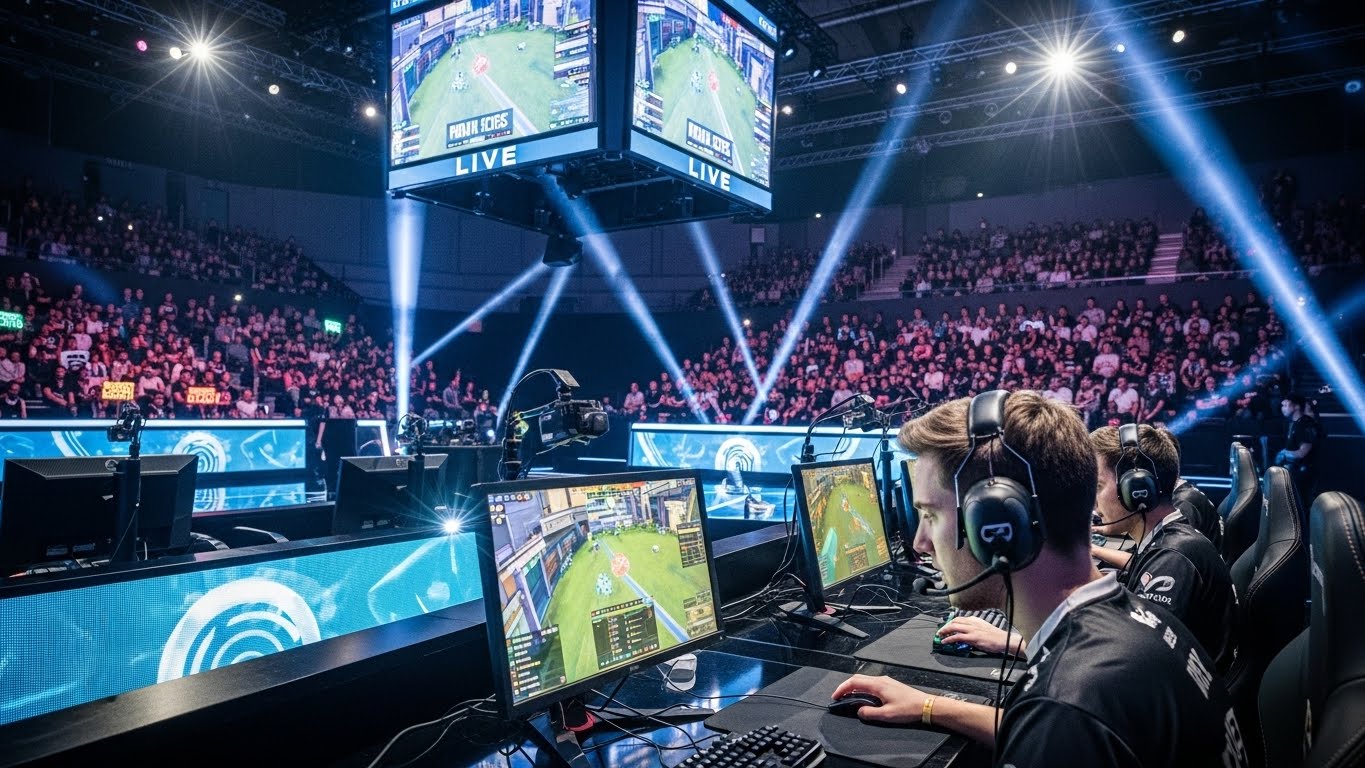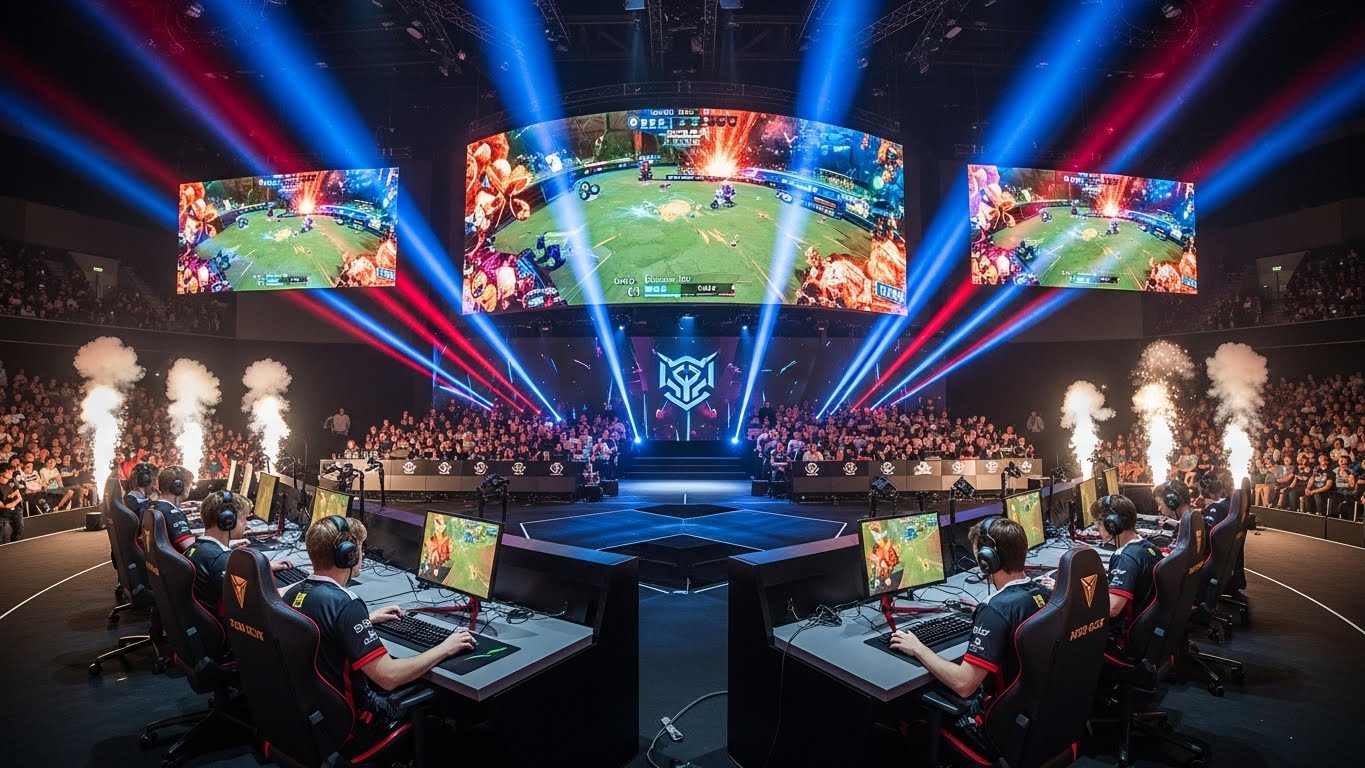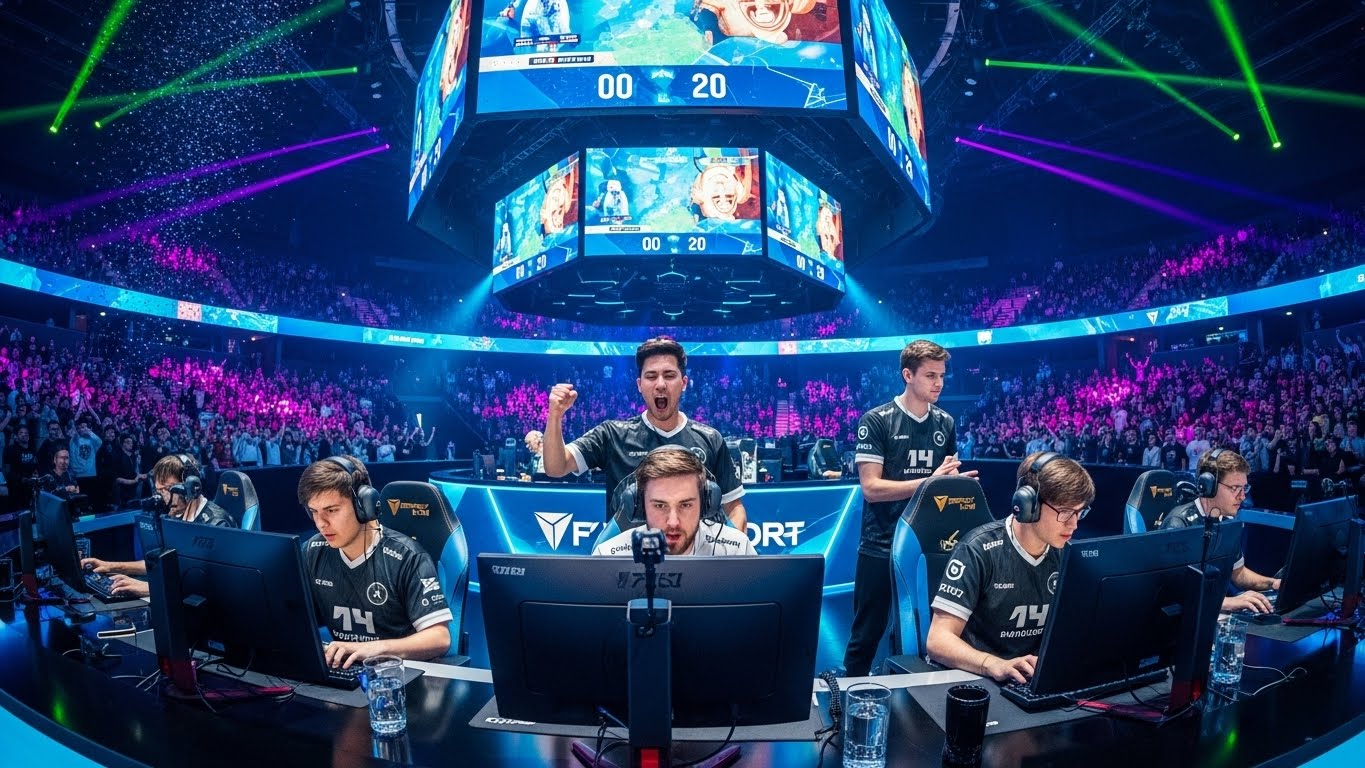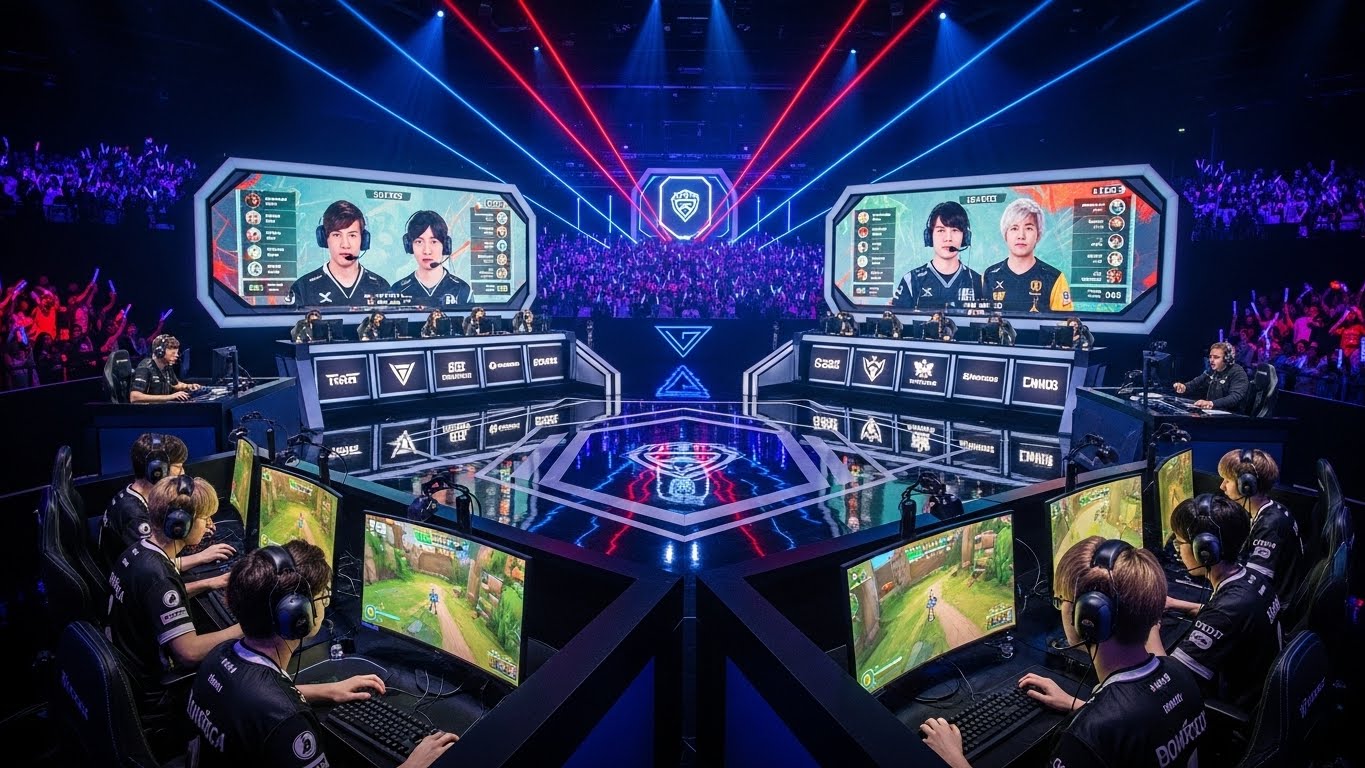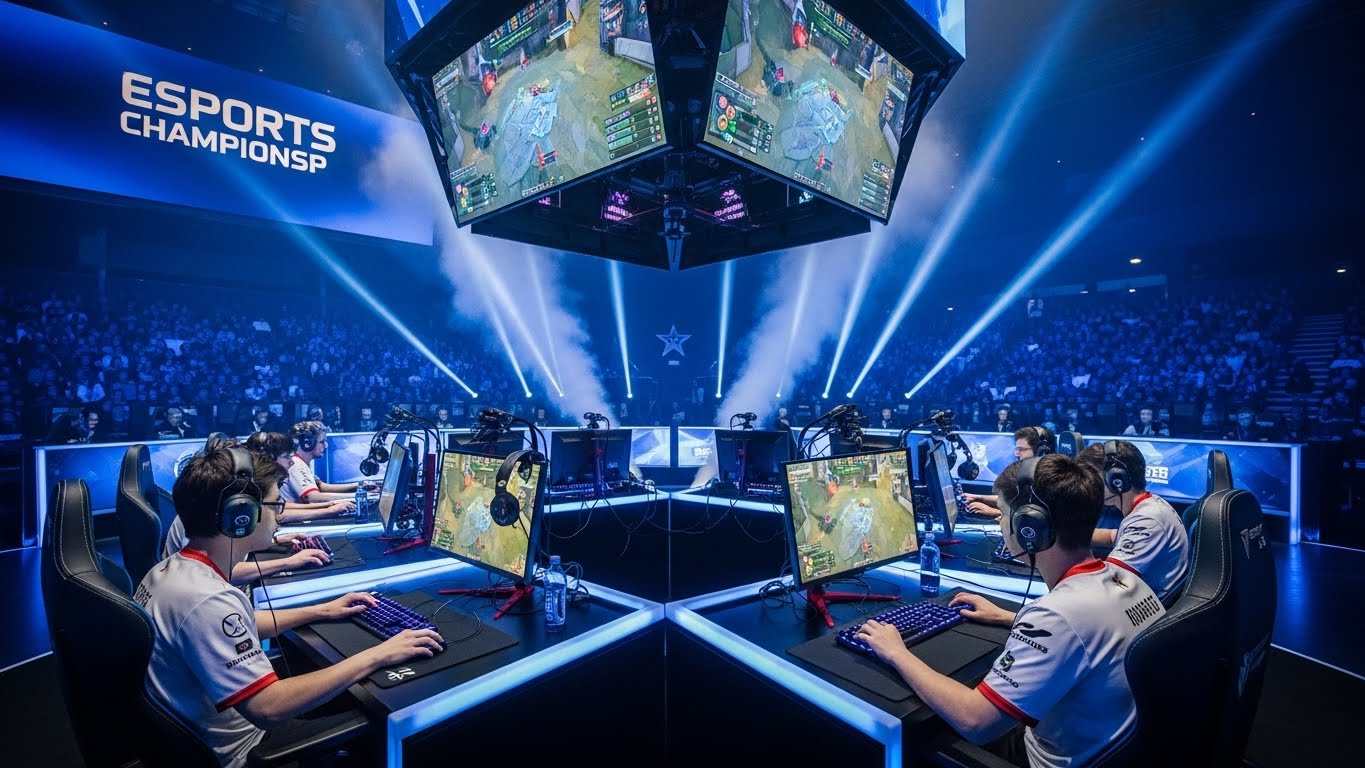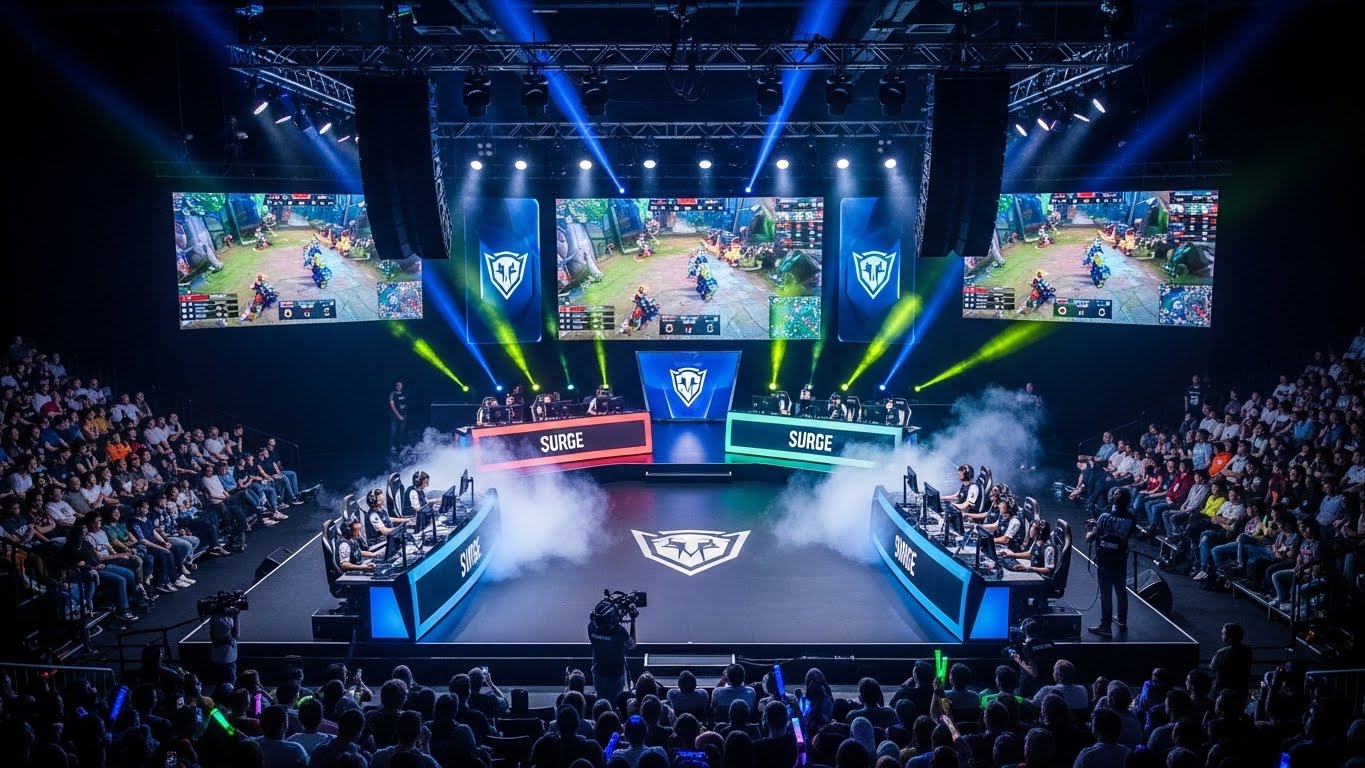

Esports has evolved into a global phenomenon, reshaping the landscape of entertainment and sports as we know it. What was once considered a niche interest is now a booming industry, with millions of viewers, massive sponsorship deals, and professional leagues that rival traditional sports in terms of viewership and fan engagement. Esports is no longer just about playing video games for fun; it has become a legitimate career path, a thriving business, and a cultural force.
In this blog post, we’ll explore the rapid rise of esports, how it has transformed into a global industry, its impact on traditional sports, and where it’s headed in the future.
What is Esports?
Esports, short for “electronic sports,” refers to competitive video gaming at a professional level. Players, either individually or as part of a team, compete in organized tournaments and leagues. These events are broadcast live to audiences, both online and in physical venues, and attract millions of fans. Esports covers a wide range of games, from first-person shooters (FPS) like Counter-Strike: Global Offensive (CS:GO) and Call of Duty to real-time strategy (RTS) games like StarCraft II, multiplayer online battle arena (MOBA) games like League of Legends, and battle royale games like Fortnite.
Esports can be seen as an extension of traditional sports, where skill, strategy, and teamwork are key. However, what sets esports apart is the medium—video games—allowing for a broader variety of genres and game types. The term “esports” also encompasses the professional organizations, sponsorships, tournaments, and live streaming platforms that support the competitive scene.
The Growth of Esports: A Global Phenomenon
The growth of esports over the past decade has been nothing short of remarkable. In the early 2000s, competitive gaming was primarily limited to LAN (local area network) parties and small-scale tournaments. However, with the advent of high-speed internet and the rise of streaming platforms like Twitch, YouTube Gaming, and Facebook Gaming, esports soon took on a global presence.
By the mid-2010s, esports had gained significant traction, with major game publishers organizing large-scale tournaments that offered millions of dollars in prize money. Titles like Dota 2 and League of Legends became household names, with tournaments like The International and the League of Legends World Championship drawing in huge crowds both in-person and online.
The key to esports’ rapid growth lies in the combination of several factors:
- Accessibility: Unlike traditional sports, which require physical infrastructure and equipment, anyone with a gaming PC or console and a stable internet connection can participate in esports. This has allowed for a more inclusive and global player base.
- Streaming: Platforms like Twitch and YouTube Gaming have played a crucial role in bringing esports to a wider audience. These platforms offer live broadcasts of tournaments and casual gameplay, making it easy for viewers to engage with the content and follow their favorite players and teams.
- Global Competitions: Esports is not confined to one region or country. Games like League of Legends, Valorant, and Overwatch have international leagues and tournaments that attract top players from across the world. This global nature of esports has helped it grow into a truly international spectacle.
- Sponsorships and Investments: Major companies from a variety of industries, including technology, energy drinks, and even traditional sports teams, have invested in esports. These sponsorships provide financial support to teams, tournaments, and events, ensuring that the industry continues to grow and flourish.
- Media Coverage: Esports has begun to attract mainstream media attention, with major news outlets covering major tournaments and esports stars. This mainstream recognition has helped esports gain legitimacy and appeal to a broader audience beyond hardcore gamers.
Esports and Traditional Sports: A Blurred Line
The line between esports and traditional sports is becoming increasingly blurred. Many traditional sports organizations have started to take esports seriously and invest in the industry. The National Basketball Association (NBA) has created an esports league called the NBA 2K League, where players compete in the video game NBA 2K. Similarly, football clubs like Paris Saint-Germain and Manchester City have formed their own esports teams, competing in games like FIFA and League of Legends.
In some cases, esports has even been compared to traditional sports in terms of its skill and competition level. Professional gamers spend hours each day practicing, analyzing strategies, and perfecting their gameplay, much like athletes in any traditional sport. Just as in traditional sports, the best players rise through the ranks, from amateur leagues to professional teams, showcasing their skill and competing for large prizes.
However, the physical demands of esports are often debated. Traditional sports require physical endurance and conditioning, while esports relies heavily on mental acuity, reflexes, and hand-eye coordination. In fact, many esports players undergo physical training to maintain their health and prevent injuries like carpal tunnel syndrome or eye strain, which can be caused by long hours of gaming.
While esports may never fully replace traditional sports, it is clear that they are becoming complementary forms of entertainment. Esports attracts a younger, more tech-savvy demographic, while traditional sports continue to dominate in terms of broad popularity. The intersection of the two is likely to become more prominent in the coming years, as both industries collaborate to create new forms of entertainment.
The Esports Ecosystem: Tournaments, Leagues, and Teams
One of the defining features of esports is its highly structured ecosystem, which consists of tournaments, leagues, professional teams, and individual players. This ecosystem mirrors the structure of traditional sports leagues, with regular seasons, playoffs, and championships.
Tournaments
Esports tournaments are the pinnacle of competitive gaming. These events attract top players from around the world and offer significant prize money. Some of the most well-known tournaments include:
- The International (Dota 2)
- League of Legends World Championship
- Overwatch League Grand Finals
- CS:GO Major Championships
- Fortnite World Cup
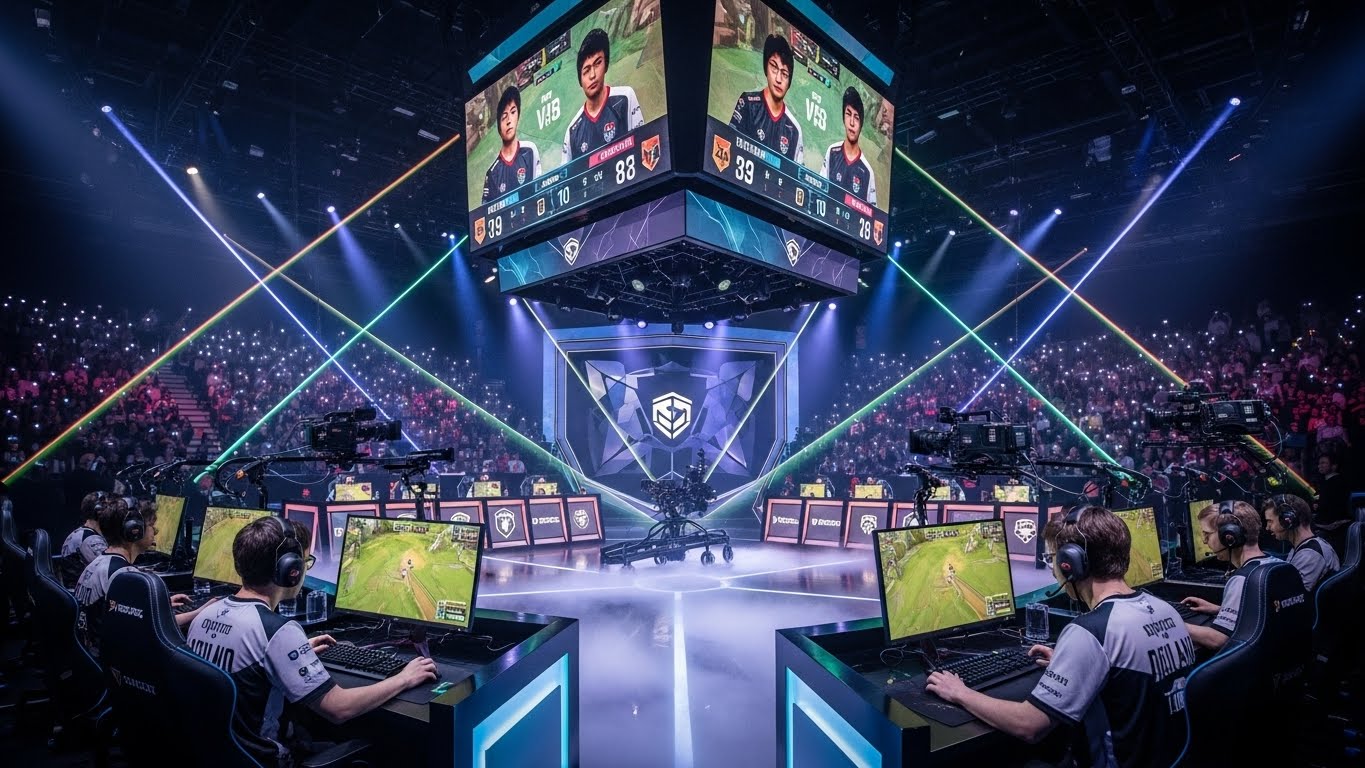
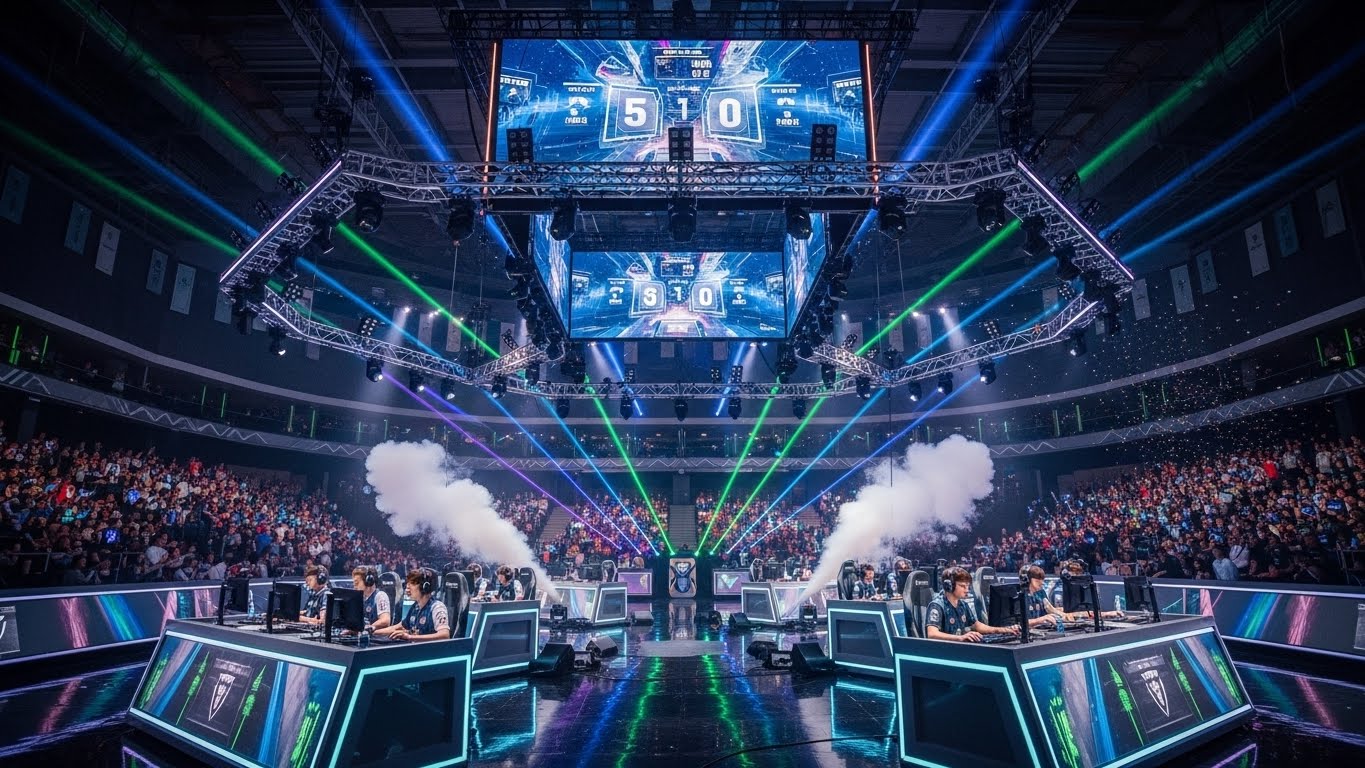
These tournaments often take place in large arenas, with live audiences, and are broadcast on streaming platforms for viewers at home. In addition to prize money, these tournaments often offer sponsorship deals, endorsements, and opportunities for players to gain worldwide recognition.
Leagues
Just like in traditional sports, esports leagues feature teams that compete in regular seasons, culminating in playoffs and championship events. Some of the most popular esports leagues include:
- League of Legends Championship Series (LCS)
- Overwatch League (OWL)
- Call of Duty League (CDL)
- Dota 2 Pro Circuit
These leagues have established regular seasons, often divided into spring and summer splits, where teams face off in a round-robin format. The best teams from each region qualify for international tournaments and face off for global supremacy.
Professional Teams
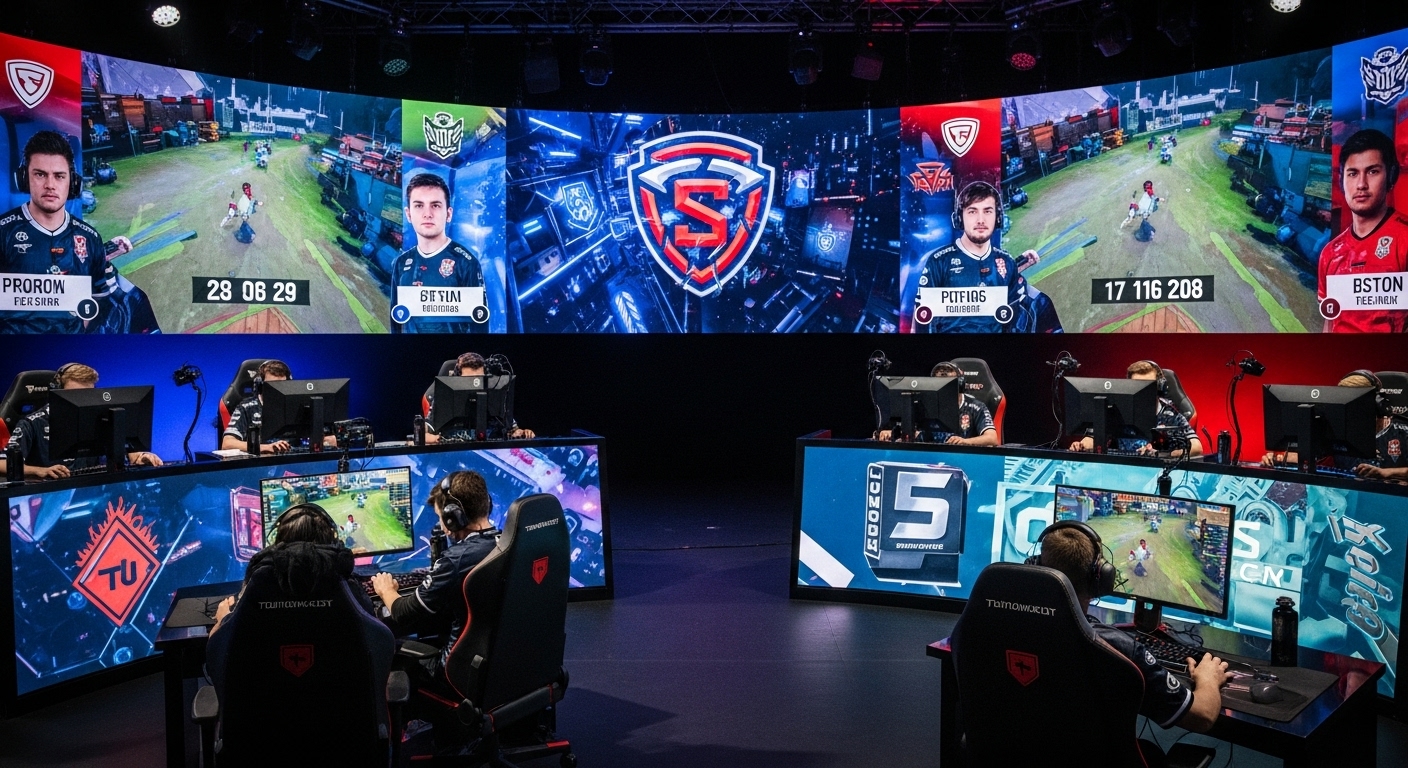
Esports teams are similar to traditional sports teams, featuring highly skilled players who train, strategize, and compete together. Some of the most successful esports organizations include Team Liquid, Fnatic, Cloud9, and T1. These teams often have sponsorships from major companies, such as Nike, Coca-Cola, and Monster Energy, helping fund their operations and pay salaries for players and coaching staff.
Esports teams are often made up of players who specialize in different roles or positions within a game, much like a traditional sports team has different positions (e.g., forward, midfielder, goalkeeper in soccer). Success in esports requires synergy, communication, and tactical prowess, much like success in traditional sports.
The Future of Esports
The future of esports looks incredibly promising, with continued growth on the horizon. Several trends suggest that esports will only become more integrated into mainstream culture in the coming years.
1. Increased Investment
As esports continues to grow, we can expect to see more investment from both traditional sports and tech industries. Esports is becoming a lucrative business, with large prize pools, sponsorships, and merchandise sales contributing to its financial success. This influx of investment will help fund even larger tournaments, better infrastructure, and more advanced technology for viewers.
2. Esports as a College Sport
Esports is already becoming a part of collegiate sports programs in the U.S. and other countries. Many universities now offer scholarships for esports athletes, and some schools have even built dedicated esports arenas. As more universities recognize the value of esports, we could see more formalized structures for college-level competitive gaming, which would feed into professional leagues.
3. Virtual Reality (VR) and Augmented Reality (AR)
The integration of VR and AR into esports could provide entirely new experiences for both players and viewers. Imagine watching a live Counter-Strike match from the perspective of a player, or experiencing a League of Legends tournament in full 360-degree immersion. These technologies have the potential to revolutionize how esports is consumed and how players interact with their games.
4. Esports in Mainstream Media
As esports continues to gain popularity, we may see more traditional media outlets dedicate time to covering esports competitions. Major television networks, such as ESPN and FOX Sports, have already begun airing esports events, and this trend is expected to grow. The integration of esports into mainstream media will bring the sport to a wider audience and further cement its place in global entertainment.
Conclusion
Esports is more than just a passing trend—it’s a cultural shift that has transformed the way we think about sports and entertainment. With its global reach, professional leagues, and growing popularity, esports is poised to become a dominant force in the entertainment industry. Whether you’re a die-hard gamer or a casual viewer, there’s no denying that esports is here to stay, and its influence will only continue to grow in the years to come.