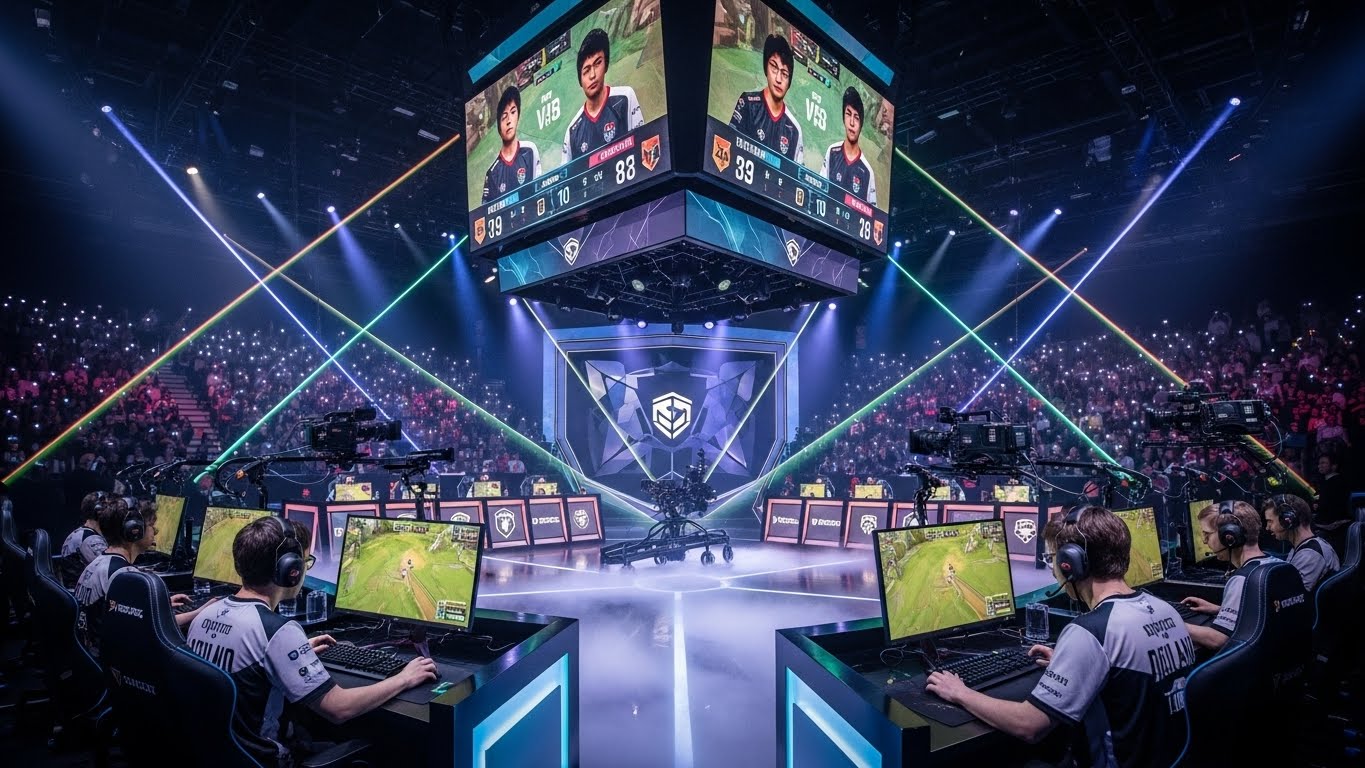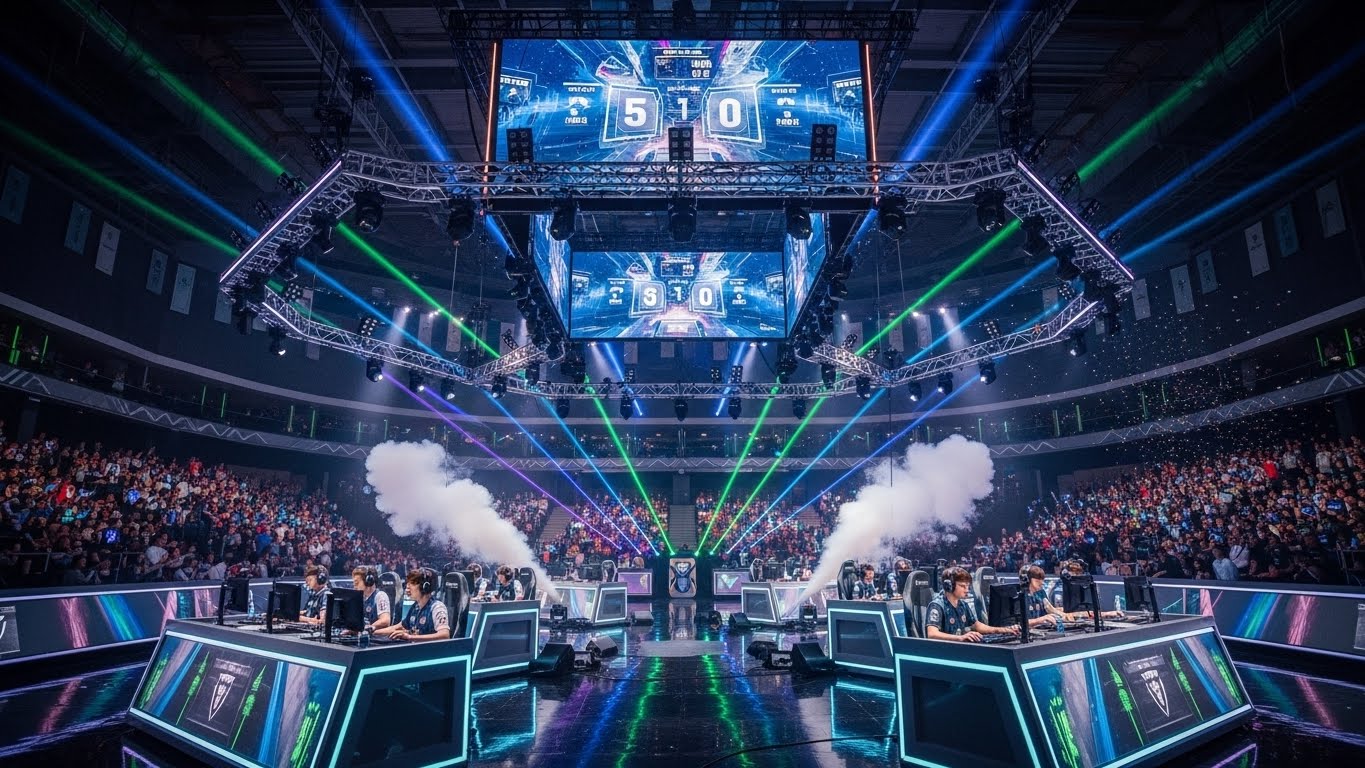

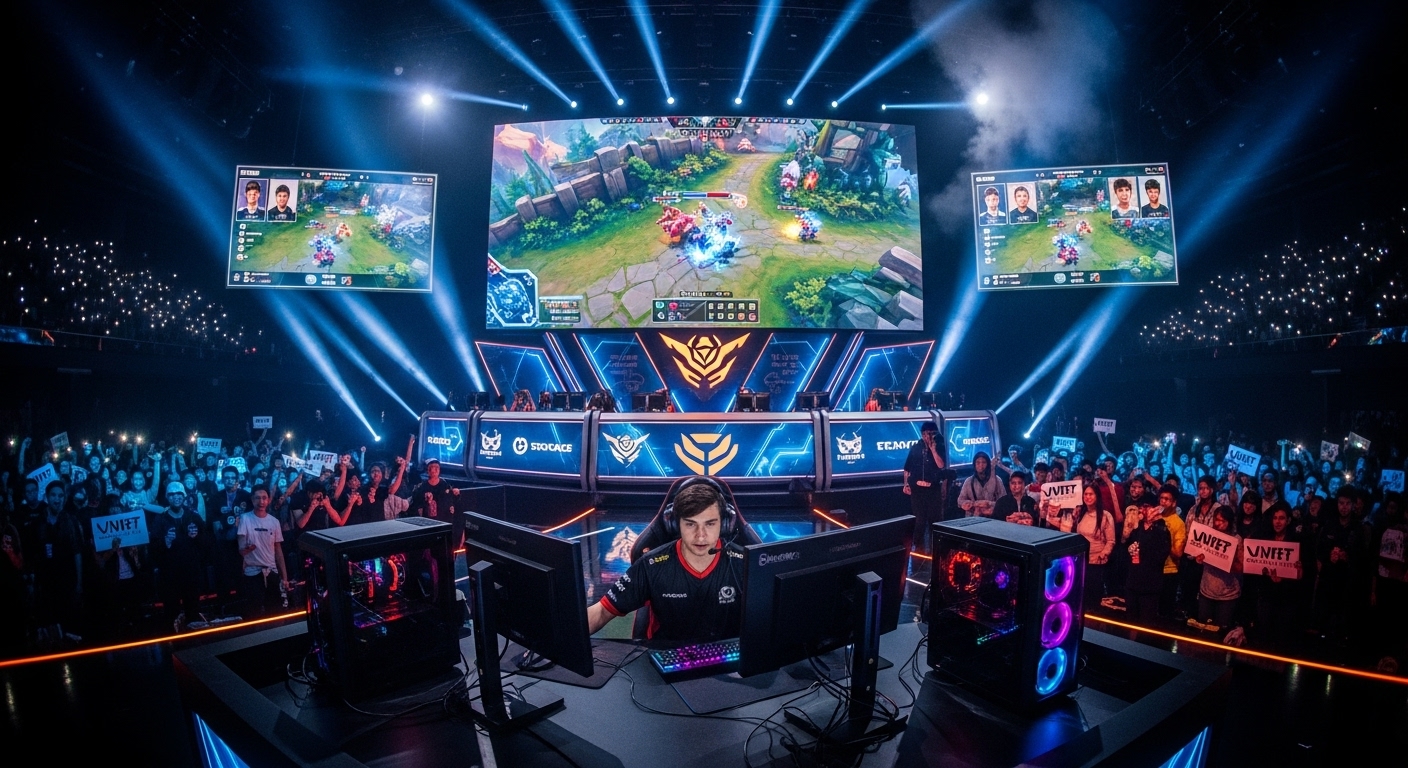
Introduction: The Evolution of Competitive Gaming
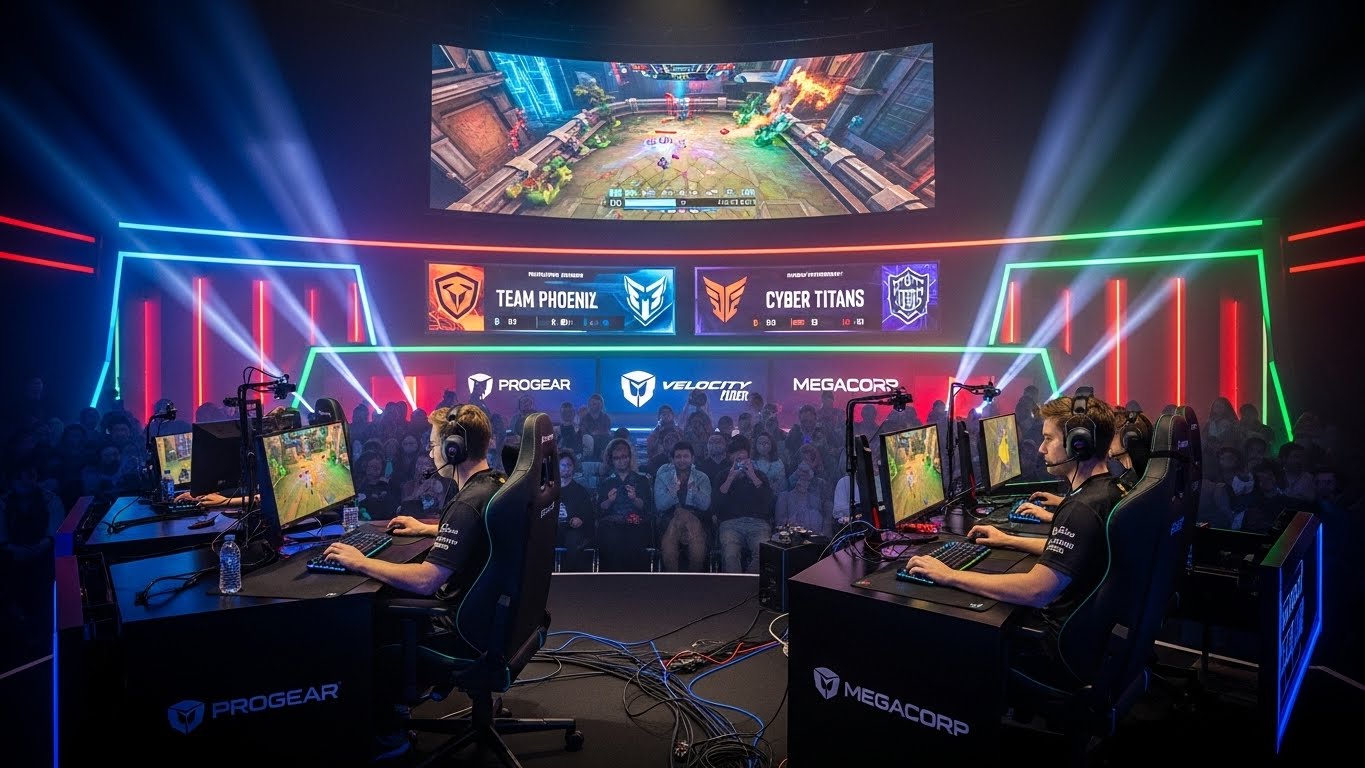
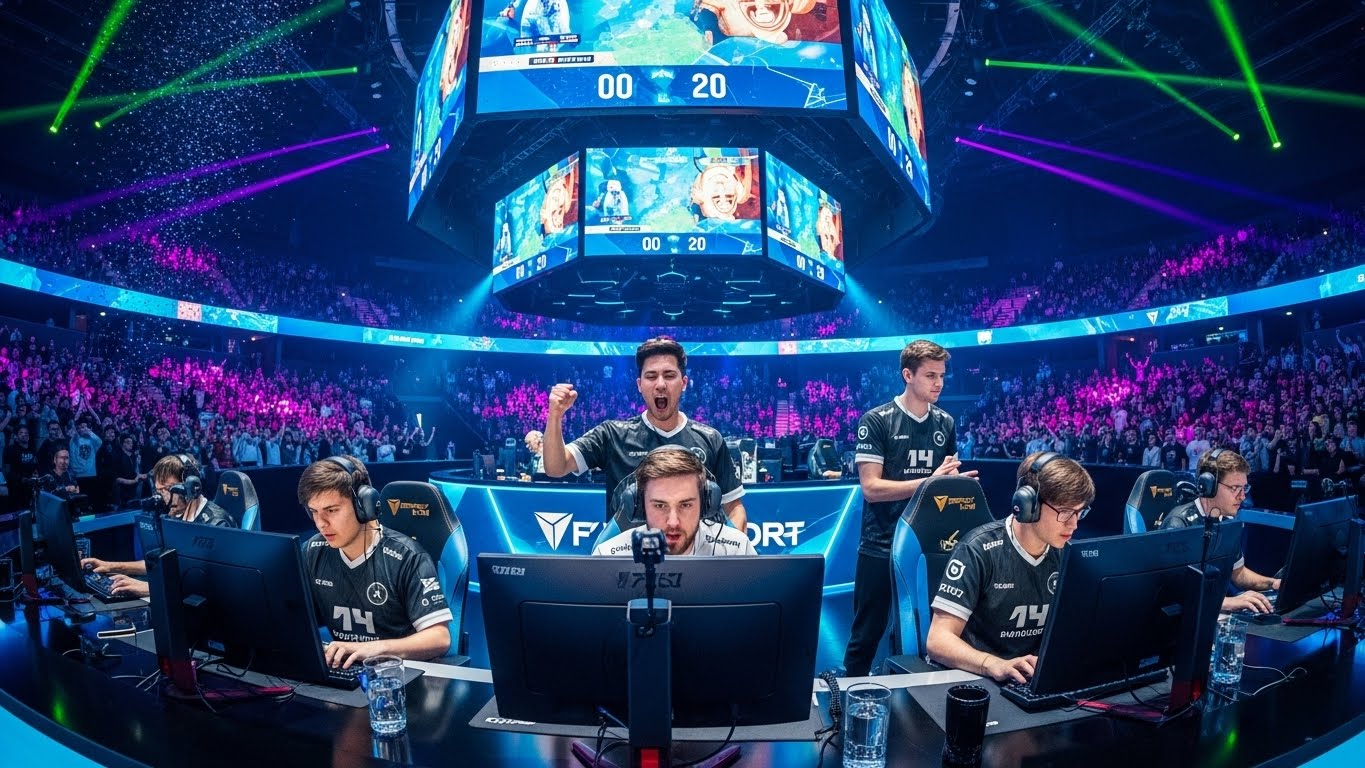
Esports, short for electronic sports, has rapidly evolved from a niche hobby to a global entertainment powerhouse. What started as casual video game competitions between friends has blossomed into a billion-dollar industry with professional leagues, high-stakes tournaments, and a global fanbase. Today, esports is not only recognized as a legitimate form of competition but also as a dynamic industry with economic and cultural significance.
In this blog post, we will explore the evolution of esports, its growing influence on the gaming community, and the exciting future that lies ahead for competitive gaming.
The Origins of Esports: From Arcades to Online Play
Esports as we know it today can trace its origins back to the early days of video gaming. In the late 1970s and early 1980s, competitive gaming existed in the form of local arcade tournaments. Games like Space Invaders and Pac-Man were the first to host high-score competitions, though they were mostly for bragging rights rather than organized tournaments.
As technology advanced and online multiplayer games began to take shape in the 1990s, competitive gaming entered a new phase. The release of games such as Quake and StarCraft in the late 1990s gave birth to the concept of online tournaments. These games allowed players to connect over the internet and compete with others from around the world. The introduction of the Internet Relay Chat (IRC) and dedicated gaming servers made it easier for players to find competition and participate in larger-scale events.
It was during this time that esports began to formalize its competitive structure. Early tournaments were often grassroots events organized by passionate communities, but as the internet grew, so too did the scale and impact of these competitions.
The Professionalization of Esports: From Casual Play to Careers
As the 2000s rolled in, esports began to take on a more professional and organized structure. The growth of popular games like Counter-Strike, Warcraft III, and StarCraft II contributed to the formation of esports leagues and tournaments. These events started offering cash prizes, attracting both amateur players and sponsors.
The establishment of organizations like Major League Gaming (MLG) in North America, the World Cyber Games (WCG), and the Electronic Sports World Cup (ESWC) helped to elevate esports to a professional level. These organizations provided the infrastructure for organized competitions, broadcasting, and player management. By the mid-2000s, it was clear that esports had a significant, growing following.
In parallel, a new wave of platforms, most notably Twitch, enabled fans to watch live esports events in real-time. Streaming allowed fans to connect with players and teams, creating an interactive experience unlike anything in traditional sports. This democratization of esports has led to an explosion of viewership, creating a new form of digital entertainment.
The Globalization of Esports: A Worldwide Phenomenon
Esports has become a truly global phenomenon, and much of its growth can be attributed to its appeal across different cultures. While esports started in North America and Europe, Asia—especially South Korea—became the early epicenter of professional gaming. Games like StarCraft and League of Legends found massive success in Asia, where dedicated esports arenas and TV broadcasts of gaming tournaments became mainstream.
South Korea’s dedication to esports, particularly its StarCraft scene, set the stage for the global esports boom. The government’s support, along with the presence of telecom giants like SK Telecom, provided the infrastructure for esports to flourish. Over time, other countries, including China, the United States, and Europe, followed suit, creating their own professional leagues, teams, and tournaments.
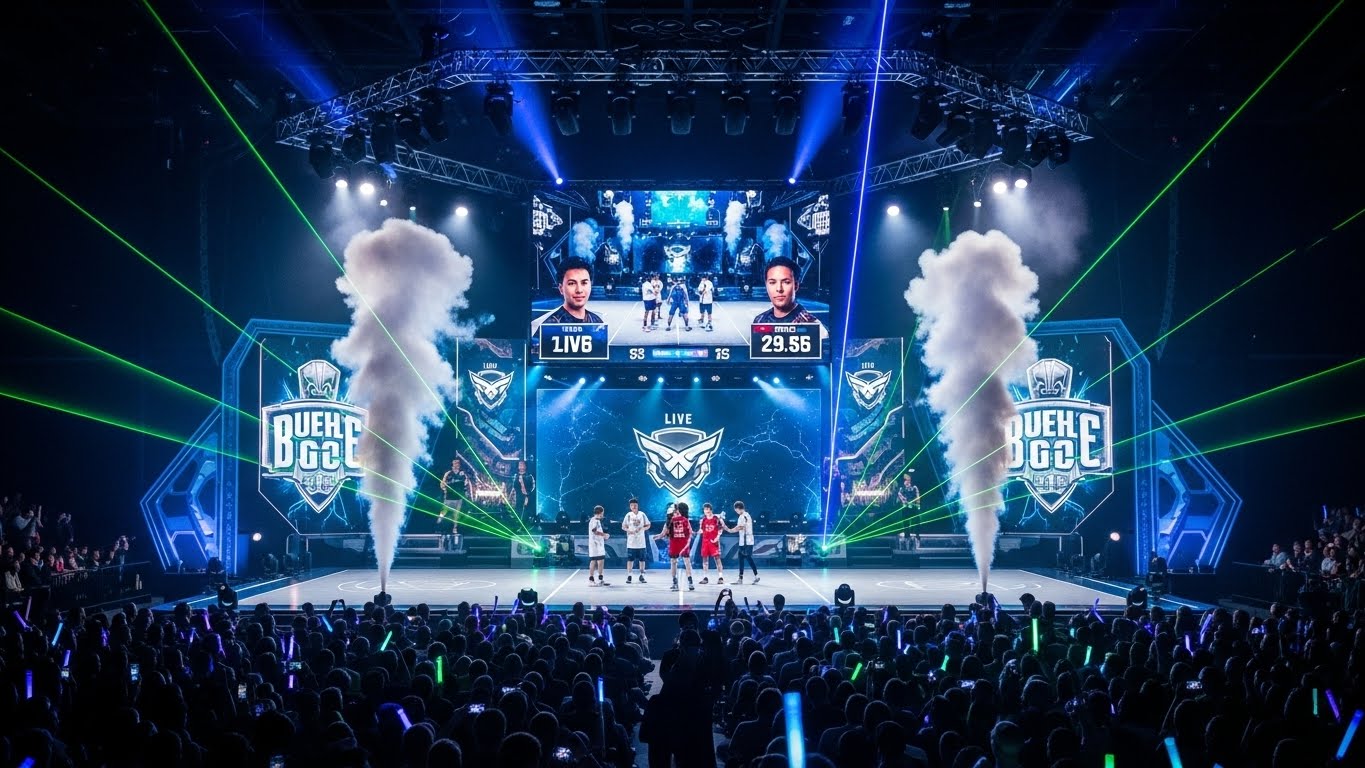
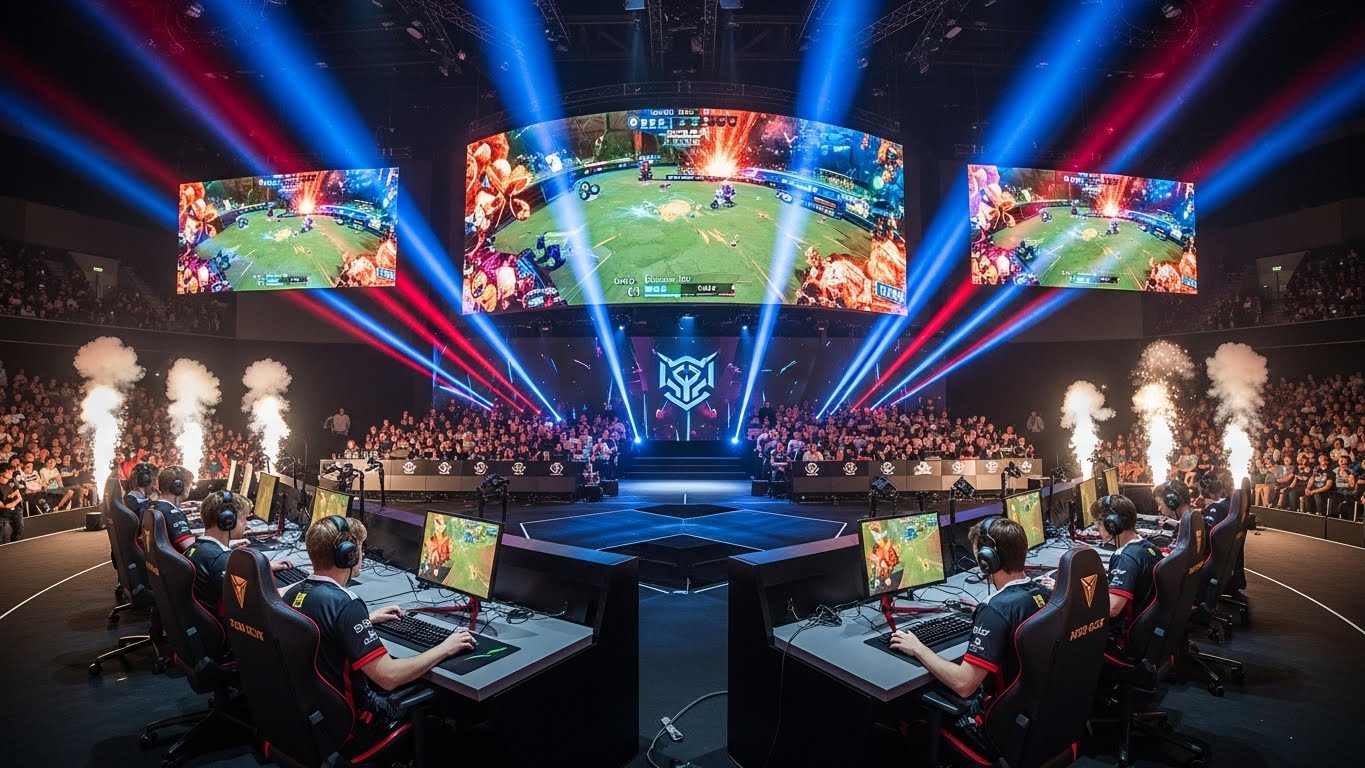
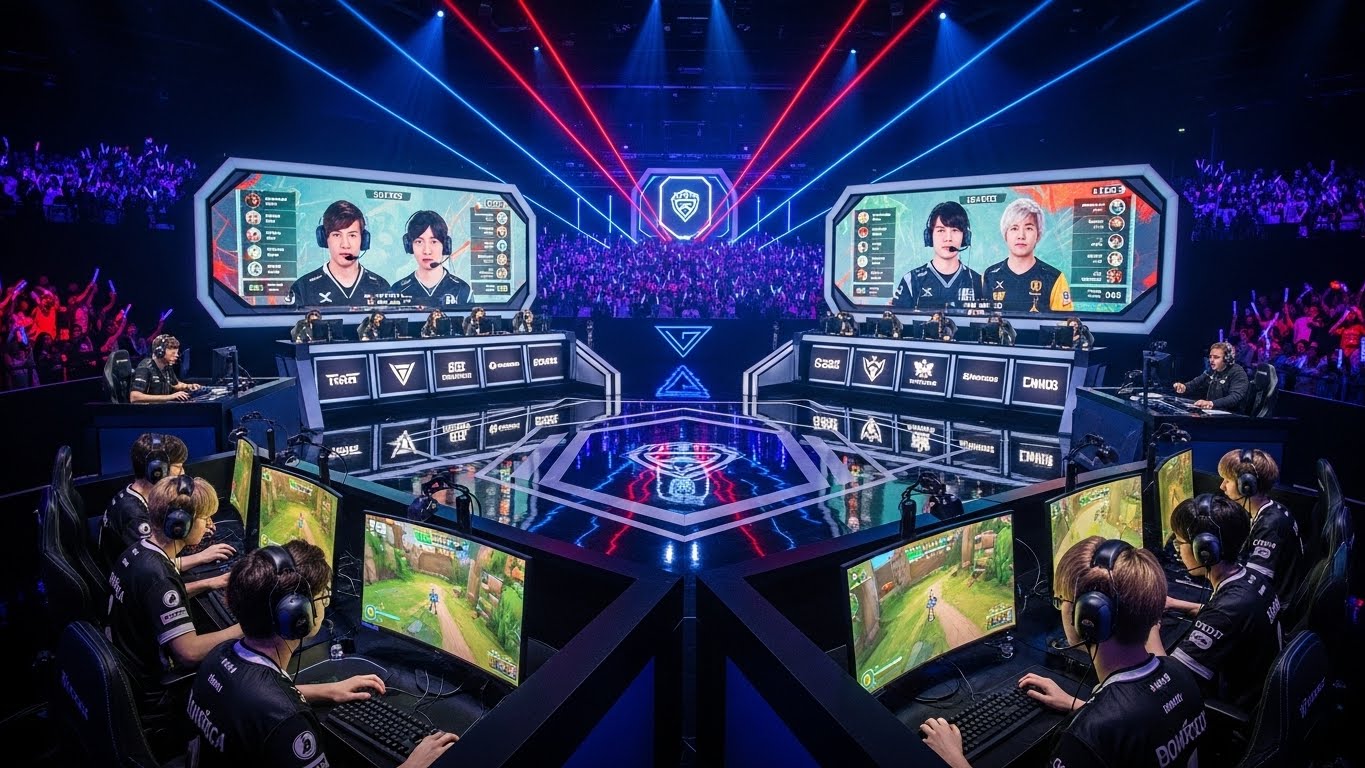
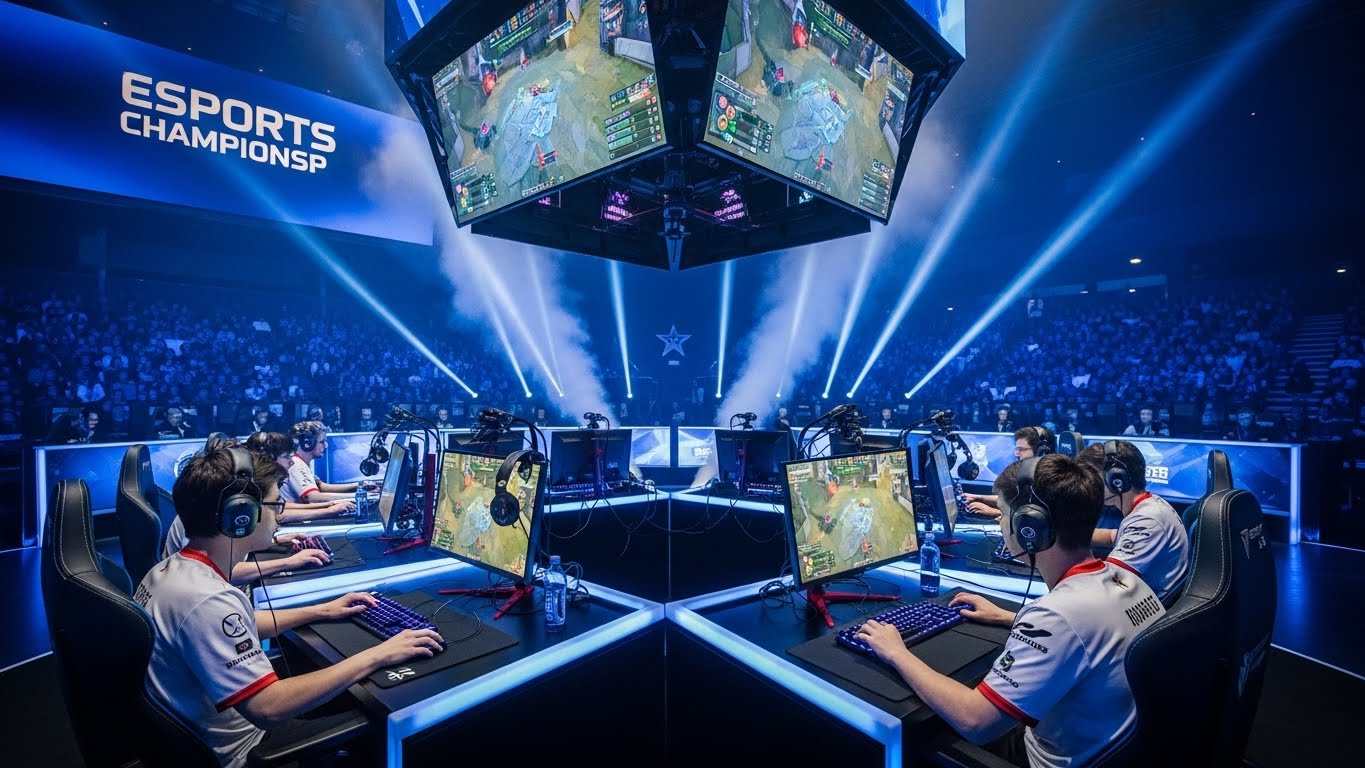
The rise of international tournaments like the League of Legends World Championship and The International (Dota 2) further exemplified the global appeal of esports. These tournaments attract millions of viewers, with prize pools reaching the tens of millions of dollars. The 2018 League of Legends World Championship, for example, boasted over 200 million viewers across multiple platforms, cementing esports as a major force in global entertainment.
Esports Revenue: The Business of Competitive Gaming
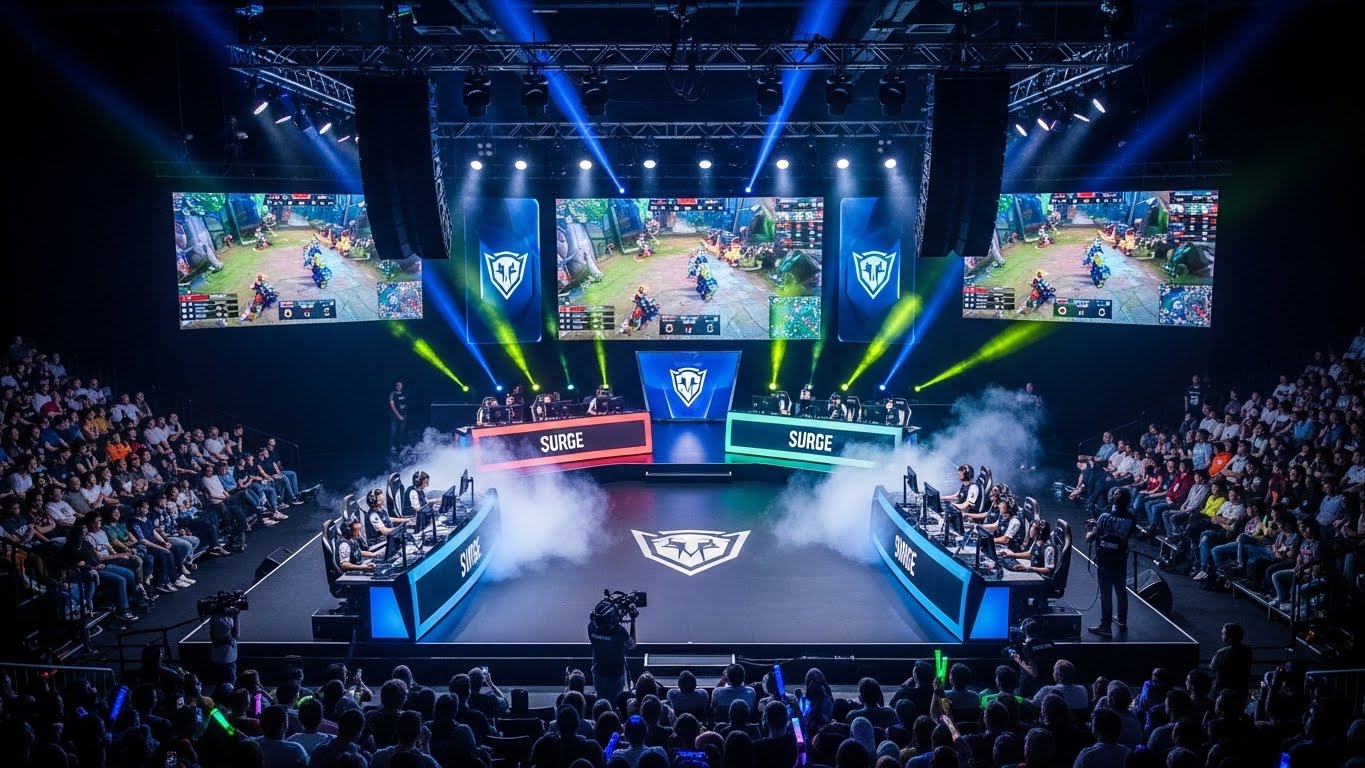
One of the most impressive aspects of the esports industry is its financial growth. What was once a hobby for a select group of passionate gamers has now transformed into a multi-billion-dollar global industry. The key drivers of esports revenue include sponsorships, advertising, media rights, merchandise sales, and ticket sales to live events.
Sponsorships from major global brands like Coca-Cola, Intel, BMW, and Nike have poured millions of dollars into esports teams and tournaments. These brands recognize the tremendous reach of esports, particularly among the younger, tech-savvy demographic. For example, the League of Legends Championship Series (LCS) has attracted numerous sponsors, allowing it to grow its prize pools and production quality.
Advertising is another significant revenue stream for esports. Companies advertise during live streams, YouTube videos, and on-site at events, reaching millions of viewers globally. Media rights are also becoming a major part of the revenue model, with broadcasting rights being sold to television networks and streaming services. The increasing visibility of esports on platforms like YouTube Gaming and Twitch has made it easier for fans to access content, while simultaneously creating a new advertising opportunity for brands looking to target the gaming audience.
Esports Players: The New Breed of Athletes
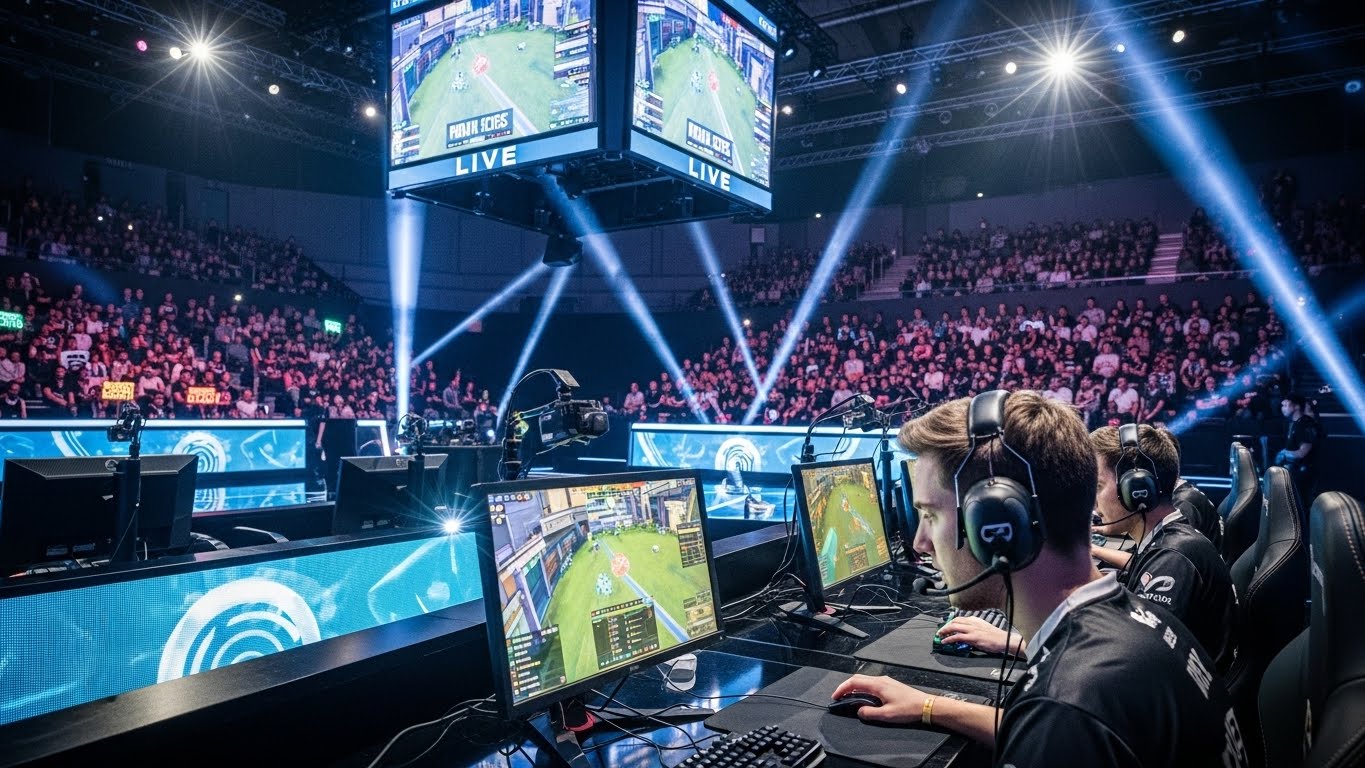
Esports players, often called “pro gamers,” are the heart and soul of the industry. These players are highly skilled, often dedicating hours of practice each day to perfect their craft. To become a top-tier esports player, one needs not only exceptional reflexes and hand-eye coordination but also an in-depth understanding of game mechanics, strategies, and team dynamics. Competitive gaming is as much about mental prowess as it is about physical skill.
While esports players are still often considered less conventional athletes, they face many of the same pressures as traditional sports stars. Players train for hours, travel frequently for tournaments, and deal with the stresses of public scrutiny. Some even have personal coaches, analysts, and psychologists to optimize their performance both in and out of the game.
The top esports players can earn significant salaries, often from tournament winnings, streaming income, sponsorship deals, and merchandise sales. For example, Johan “N0tail” Sundstein, a player in Dota 2, has earned over $7 million in prize money alone, making him one of the highest-earning esports players in history. These types of earnings showcase the increasing value of esports and the recognition that it is indeed a legitimate career path.
The Role of Fans and Community in Esports
One of the driving forces behind the success of esports is its community. Unlike traditional sports, esports allows fans to interact directly with players and teams through live streaming, social media, and fan events. Fans are deeply invested in the success of their favorite players and teams, and their enthusiasm fuels the industry.
Esports communities form around specific games, players, and teams, creating a sense of belonging and camaraderie. Platforms like Discord, Reddit, and Twitter allow fans to discuss strategies, follow live events, and communicate with one another. Esports has become a social experience, with fans engaging in lively debates, celebrating victories, and supporting their favorite players during tough losses.
Fans also play a significant role in supporting esports financially. They buy merchandise, attend live events, and donate to crowdfunding campaigns for tournaments and teams. This active participation strengthens the bond between fans and the competitive gaming scene, creating a cycle of growth that benefits both the industry and the community.
Esports and the Future: Expanding Horizons
As esports continues to grow, its future looks incredibly promising. New technological developments, such as virtual reality (VR) and augmented reality (AR), are poised to revolutionize competitive gaming, offering more immersive experiences for both players and fans. AI is also being used to enhance player training, analyze gameplay, and even assist in match predictions.
Esports is also expanding into new genres of gaming. While titles like League of Legends, Dota 2, and Counter-Strike dominate the scene, newer games like Fortnite and Apex Legends are attracting new audiences and increasing the variety of competitions. This diversification is crucial for sustaining the long-term growth of esports, as it opens doors to new players, fans, and revenue streams.
Furthermore, esports is becoming increasingly integrated into traditional media and education. Major sports networks like ESPN are beginning to broadcast esports tournaments, giving the industry legitimacy and helping to break down stereotypes. Universities are also starting to offer scholarships and programs for aspiring esports professionals, further cementing its place in mainstream culture.
Conclusion: A Transformative Force in Entertainment
Esports has evolved from humble beginnings into a cultural and economic powerhouse. With its vast global audience, professional leagues, and dedicated players, esports has proven itself as a legitimate form of competition and entertainment. As technology advances, esports will continue to grow, bringing new innovations and expanding its reach even further.
The future of esports is bright, with increasing investment, sponsorships, and media coverage. Whether you’re a player, a fan, or simply an observer, it’s clear that competitive gaming is here to stay. The esports revolution is just getting started, and we’re only scratching the surface of what this dynamic industry can achieve.