
Introduction
Esports, short for electronic sports, has evolved from a niche hobby into a global phenomenon. Once considered a pastime for a small group of passionate gamers, it now rivals traditional sports in terms of viewership, professionalization, and cultural impact. Esports brings together technology, competition, and entertainment in a way that few other industries can. With professional teams, international tournaments, and a passionate fan base spanning every continent, esports has firmly established itself as a major force in modern entertainment. This blog will explore the rise of esports, its professional ecosystem, its cultural significance, and the future potential of competitive gaming.
The Origins of Esports
The roots of esports date back to the early days of video gaming. In the 1970s and 1980s, arcade competitions and high-score challenges were popular forms of competition. Players competed locally, earning recognition within their communities, but there were no standardized rules or professional leagues. Games like Space Invaders and Pac-Man laid the foundation for competitive gaming by fostering a culture of skill-based play.
The 1990s marked a significant shift with the emergence of multiplayer games like Street Fighter, Quake, and StarCraft. Players began forming teams, participating in structured tournaments, and traveling to compete in international events. The rise of the internet accelerated this growth by allowing players to compete online, connect with global communities, and stream their gameplay to a broader audience. This period marked the birth of competitive gaming as we know it today.
The Professionalization of Esports
Modern esports has become highly structured and professionalized. Professional teams now operate like traditional sports organizations, with managers, coaches, analysts, and support staff. Players dedicate hours each day to practice, strategy development, and team coordination. This level of professionalism has elevated esports from a casual pastime to a serious career path.
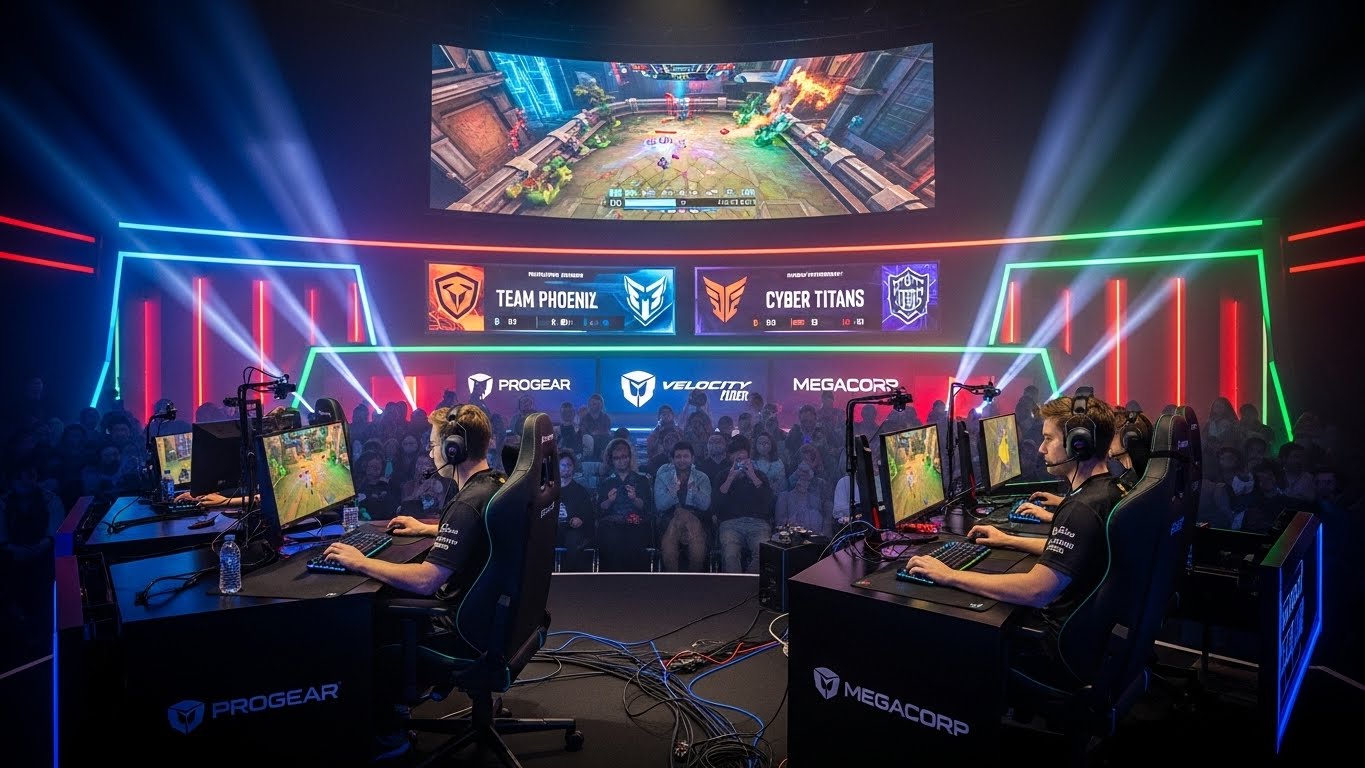
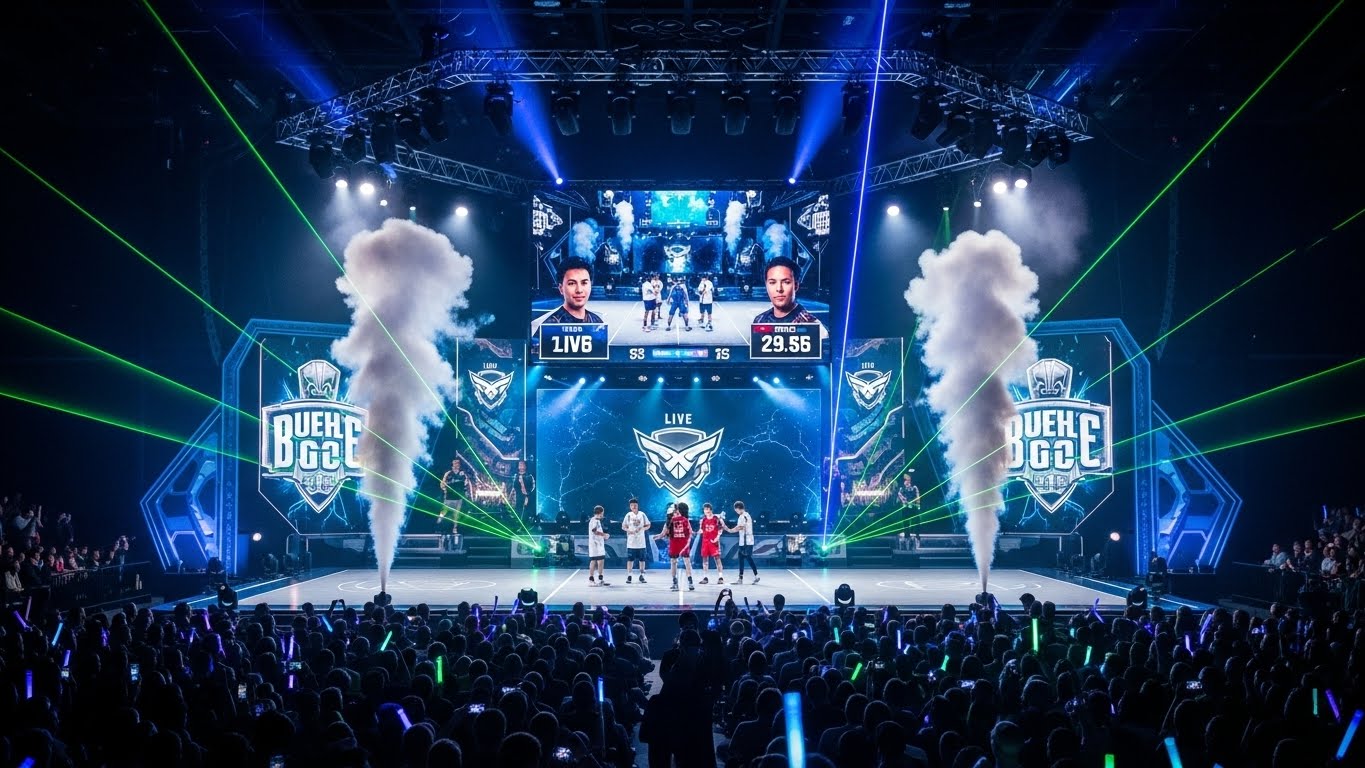
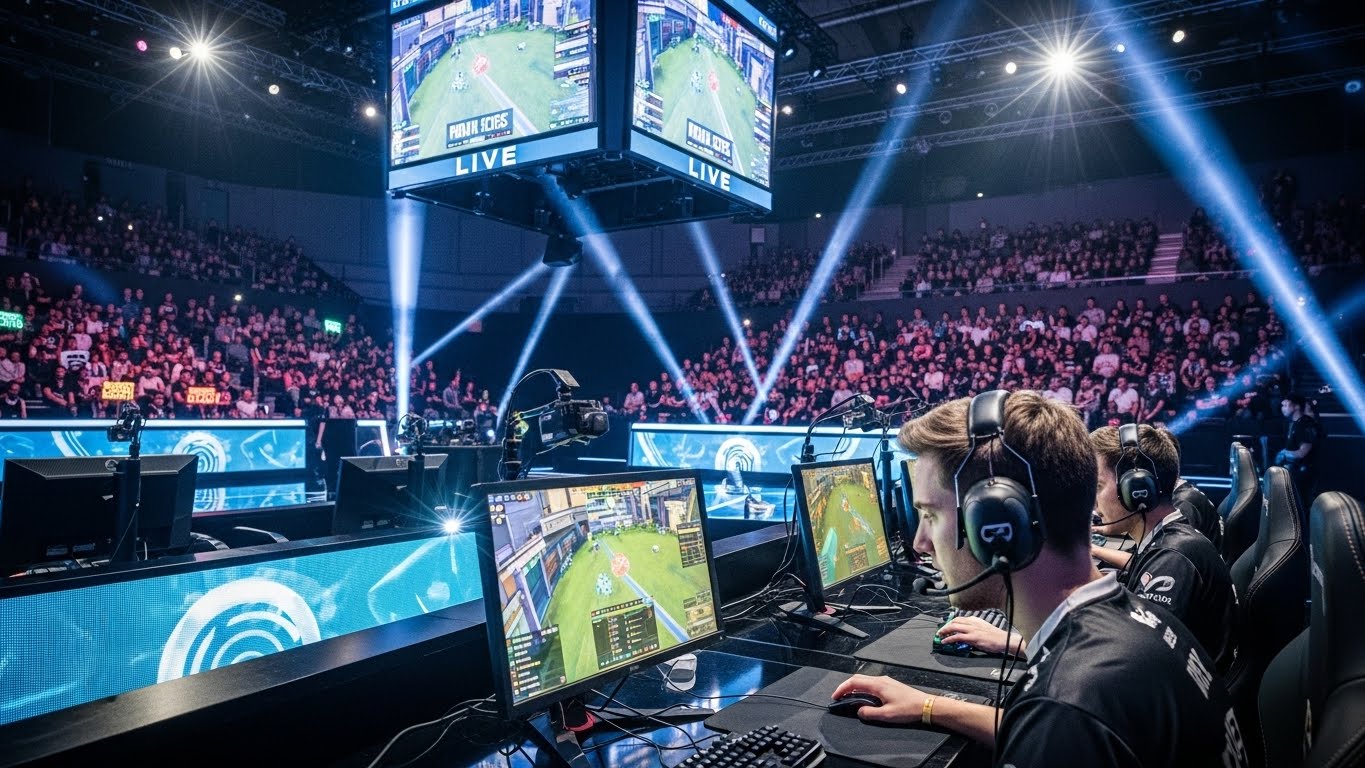
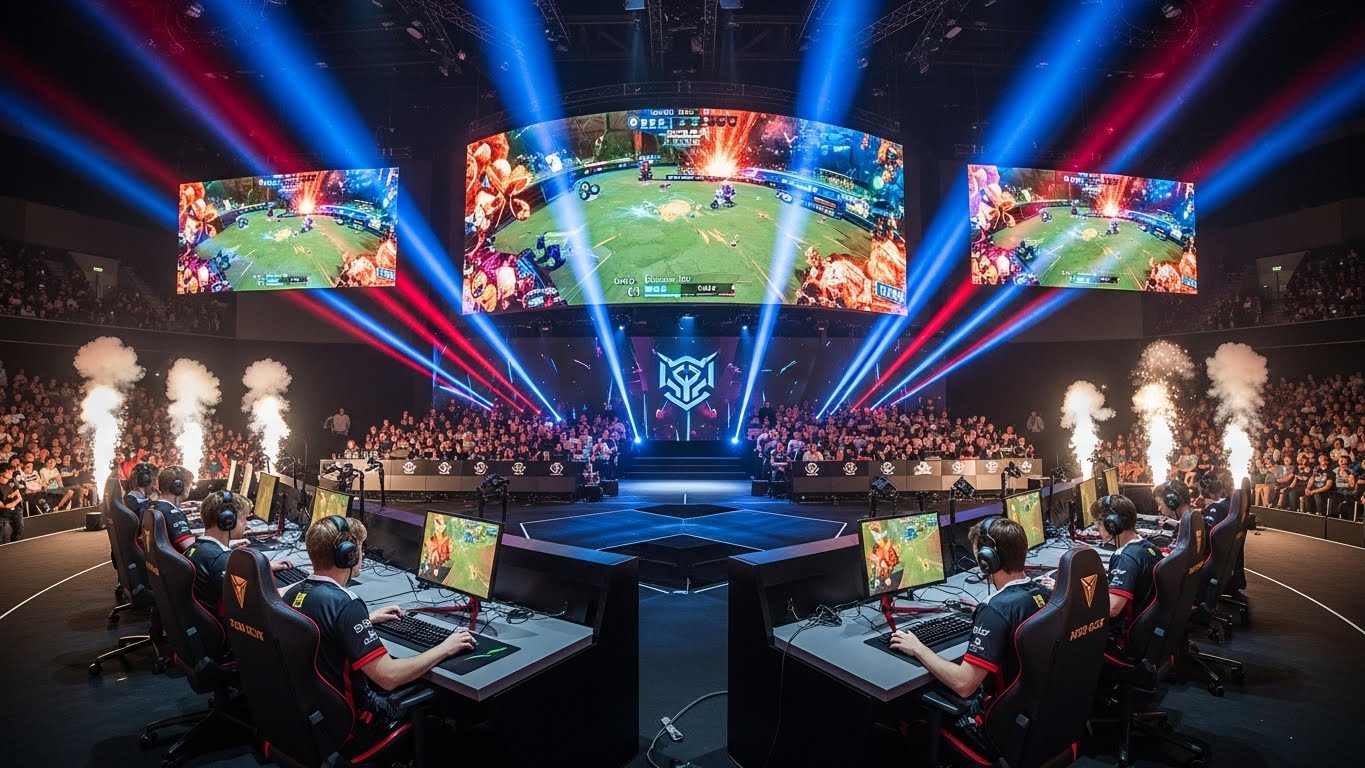
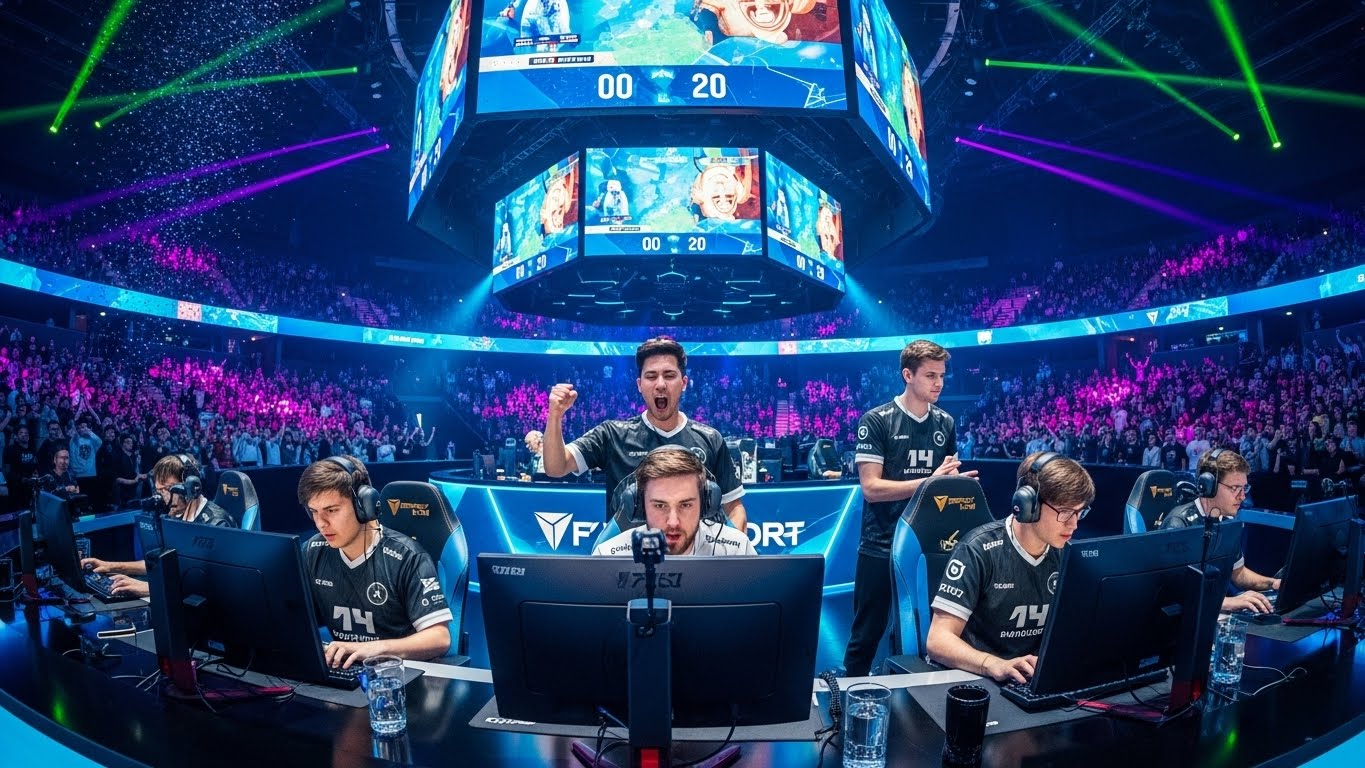
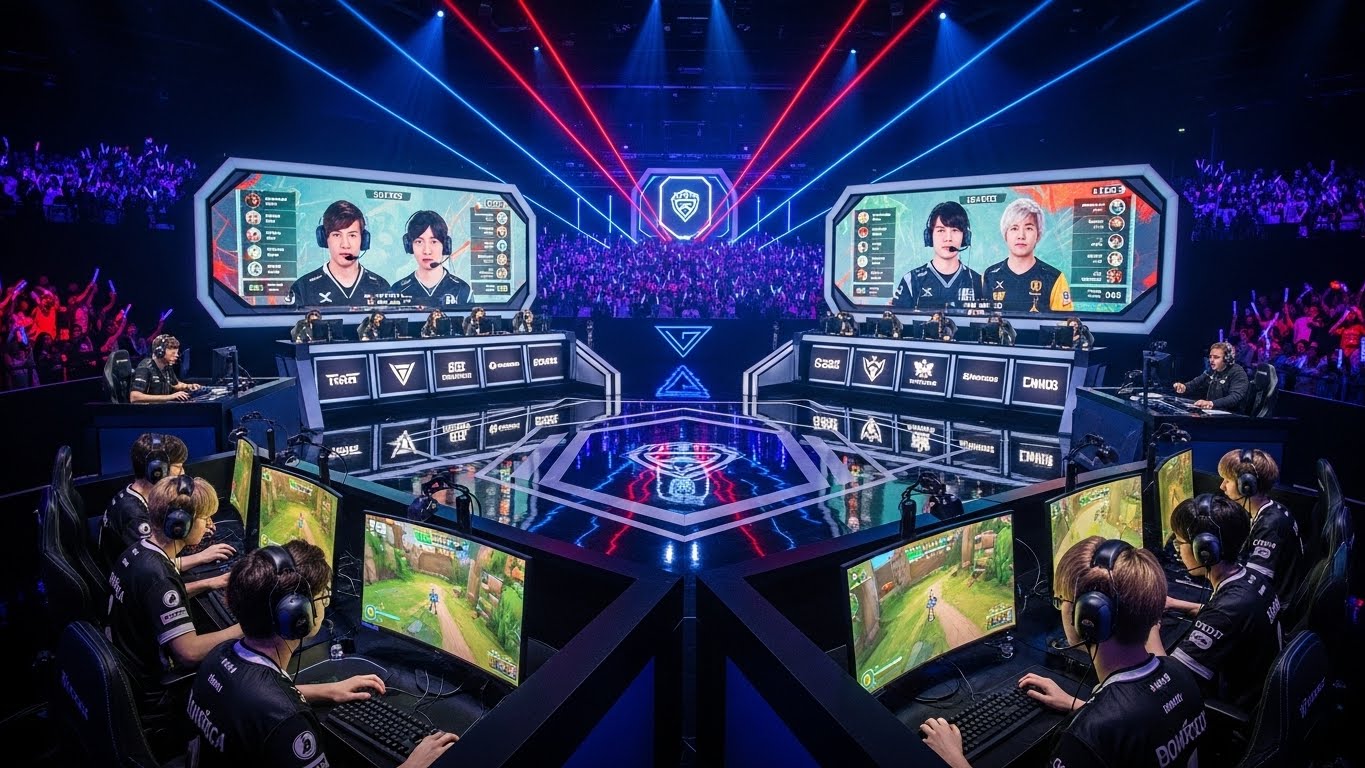
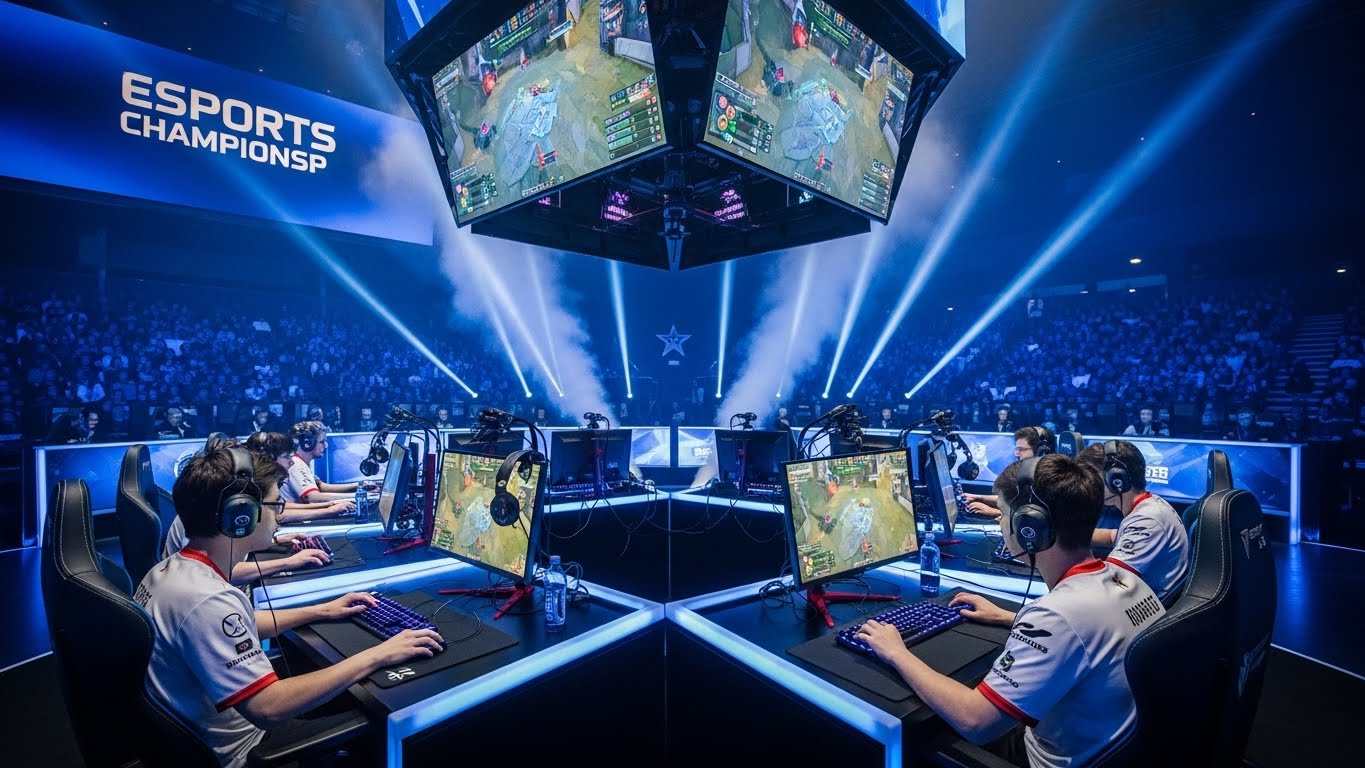
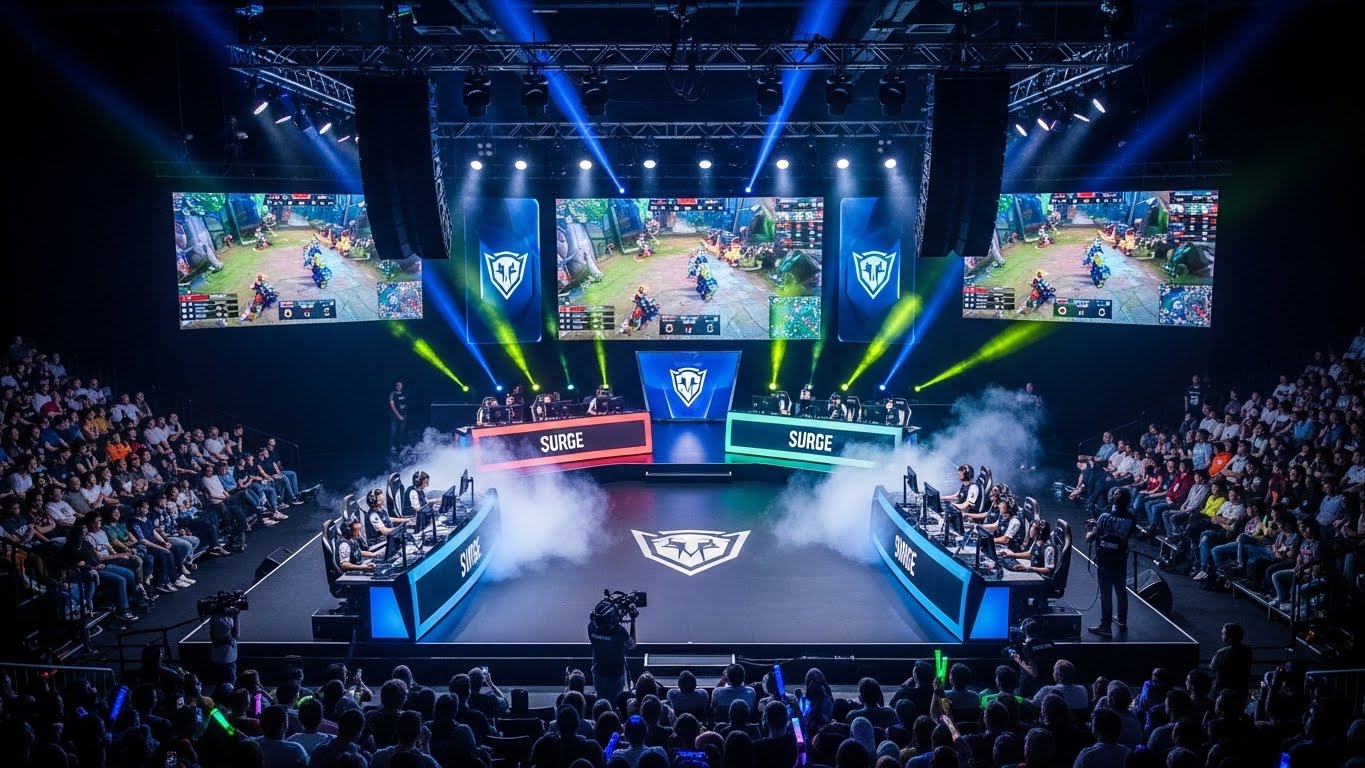
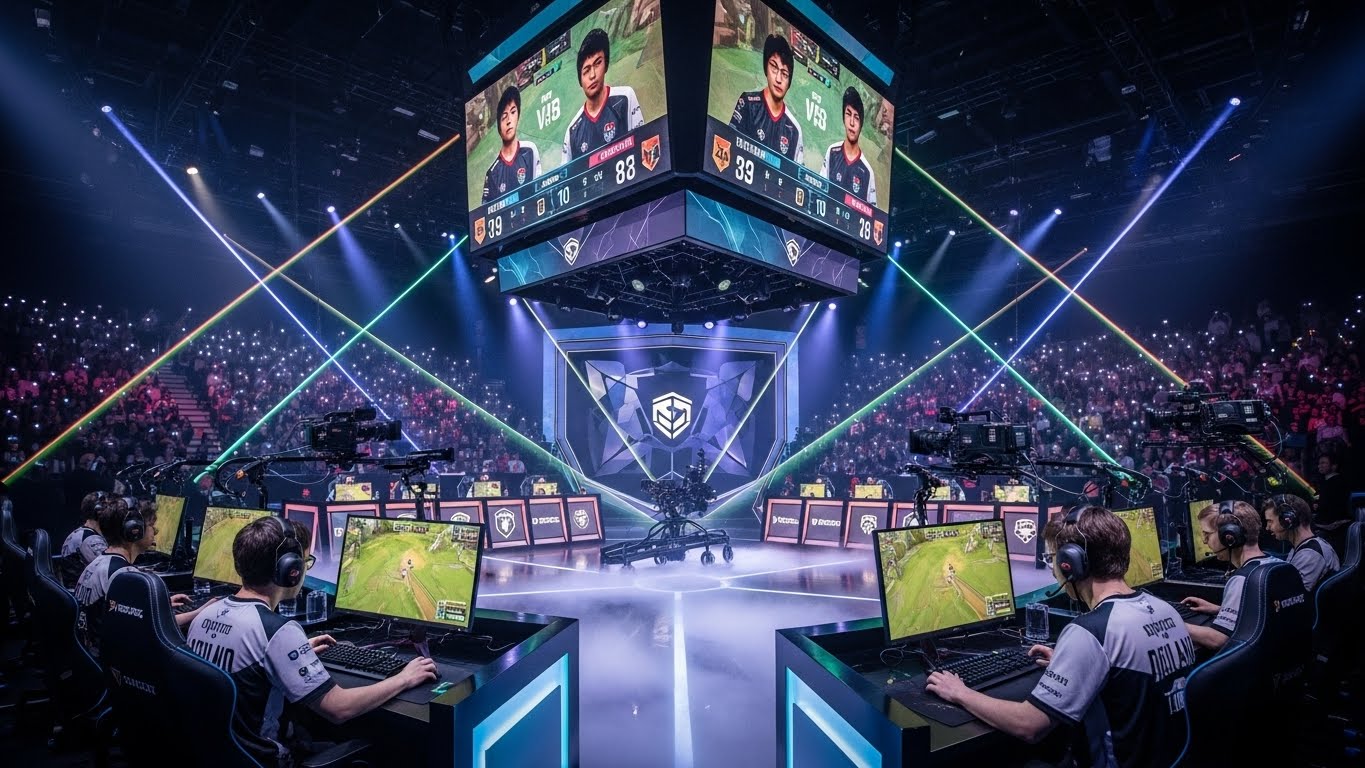
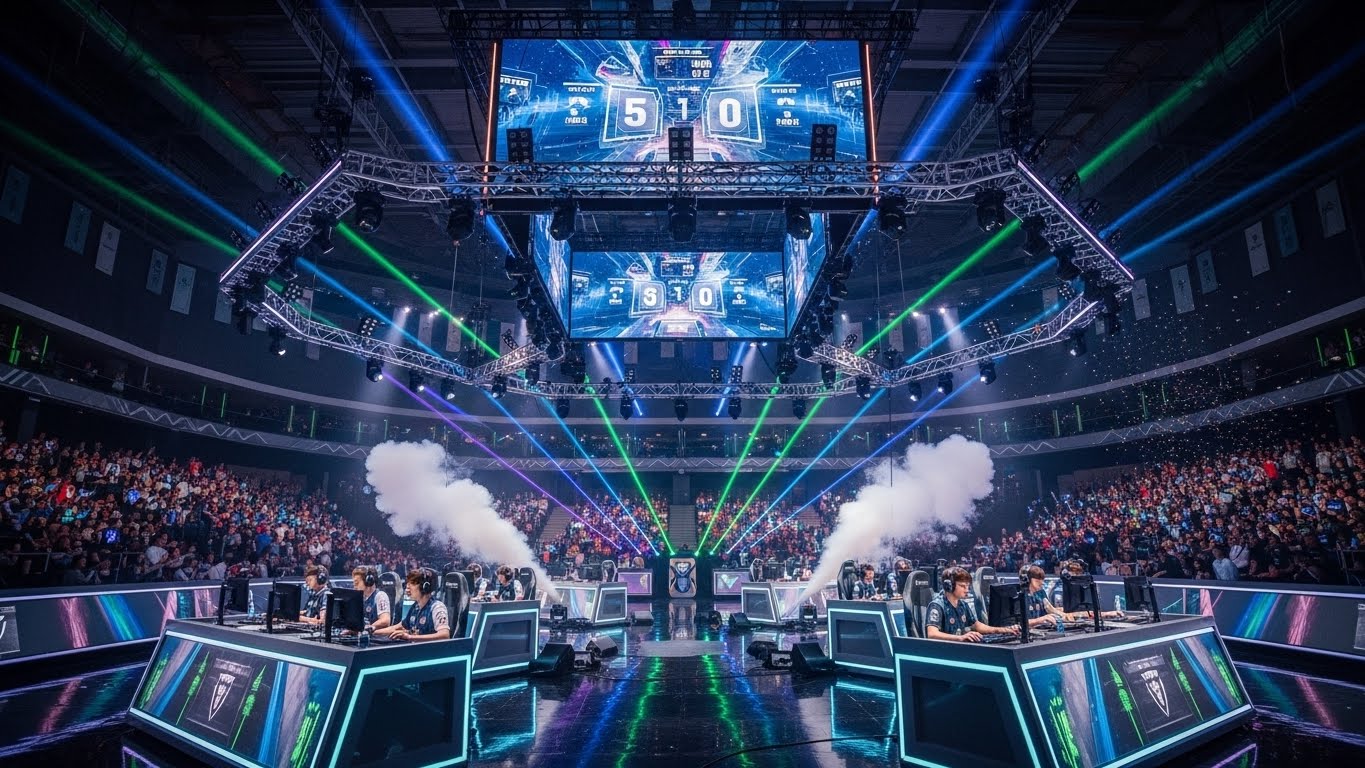
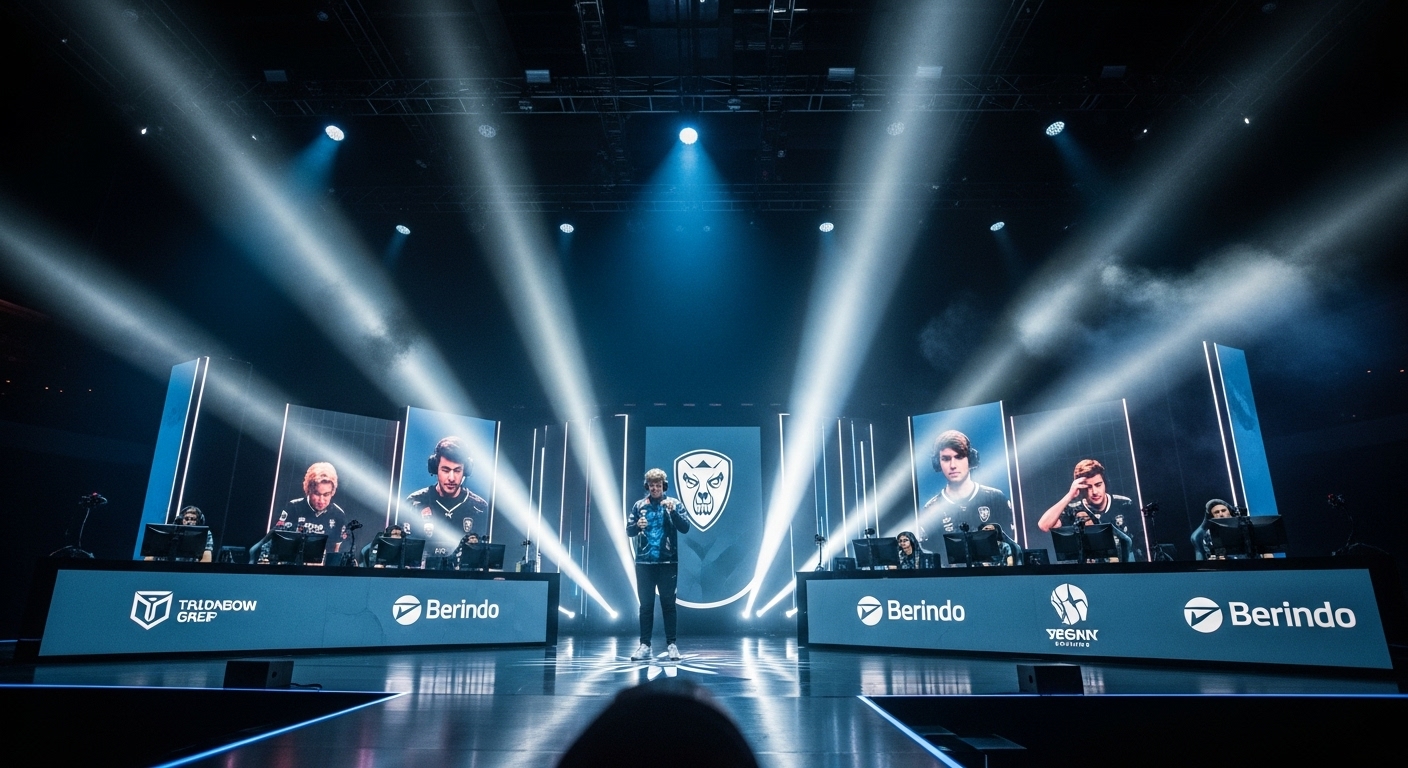
Esports tournaments now rival traditional sports in scale and production. Events such as the League of Legends World Championship, Dota 2’s The International, and the Counter-Strike Global Offensive Major Championships attract thousands of spectators and millions of online viewers. Prize pools often reach millions of dollars, drawing the best talent from around the world. Sponsorship deals and media rights further fuel the industry, creating a lucrative ecosystem for players, organizers, and fans alike.
Popular Esports Titles and Genres
Esports spans a variety of game genres, each offering unique challenges and experiences. Multiplayer Online Battle Arena games like League of Legends and Dota 2 require strategic thinking, teamwork, and coordination. First-Person Shooter games such as Counter-Strike and Valorant test reflexes, precision, and tactical decision-making. Sports simulation games like FIFA and NBA 2K combine traditional athletic competition with digital gameplay, attracting fans of both esports and real-world sports.
Each genre has its own audience and competitive ecosystem, allowing esports to reach diverse communities and continuously innovate. This diversity ensures that competitive gaming remains dynamic, catering to different tastes and playstyles.
The Role of Streaming in Esports Growth
Streaming platforms have played a pivotal role in the rise of esports. They allow fans to watch live matches, follow their favorite teams, and engage with content in real time. The accessibility of streaming has democratized esports viewership, enabling audiences worldwide to participate in events without relying on traditional broadcast networks.
Professional esports broadcasts have evolved into high-quality productions. Commentators provide play-by-play analysis, analysts explain strategies, and on-screen graphics enhance the viewing experience. This combination of entertainment, education, and competition has helped esports reach both hardcore gamers and casual audiences, making competitive gaming more engaging than ever.
Community and Fandom in Esports
Community engagement is central to esports culture. Fans connect through online forums, social media groups, and live events to share strategies, fan art, highlights, and opinions. These communities amplify engagement and provide players with feedback, fostering a sense of belonging and shared identity.
Fandom also drives the evolution of esports. Developers monitor player feedback and adapt game mechanics, updates, and tournament structures to meet audience expectations. This interactive relationship between players, fans, and developers ensures that esports remains relevant, inclusive, and continuously evolving.
The Business of Esports
Esports is now a major economic force, generating billions of dollars annually. Revenue comes from sponsorships, advertising, ticket sales, merchandise, and media rights. Major brands invest heavily in esports to reach a digitally engaged, youthful audience. Sponsorship deals support professional teams, fund tournaments, and promote the growth of competitive gaming worldwide.
Esports organizations also explore additional revenue streams, such as content creation, branded merchandise, and esports academies. These initiatives diversify income, ensure sustainability, and foster long-term industry growth. The business ecosystem surrounding esports demonstrates that it is no longer just a hobby but a serious commercial enterprise.
Esports and Education
Esports has entered the educational sector in recent years. Universities and colleges now offer esports programs, scholarships, and competitive teams. These programs teach students valuable skills such as teamwork, leadership, strategic thinking, and digital literacy, while also providing opportunities to pursue careers in gaming-related industries.
Collegiate esports competitions mirror professional leagues, creating pathways from amateur play to professional careers. The integration of esports into education highlights its legitimacy as both a competitive and educational endeavor, preparing students for future opportunities in the digital entertainment industry.
Health, Wellness, and Professional Training
Competitive gaming is demanding, requiring mental focus, physical coordination, and emotional resilience. Professional esports teams increasingly emphasize health and wellness, incorporating physical fitness, proper nutrition, and mental health support into training programs. Sports psychologists and physical trainers help players maintain peak performance while avoiding burnout and injury.
This holistic approach demonstrates that esports is not just about gaming skill but also about discipline, strategic thinking, and long-term sustainability. The professionalism and support systems in place reflect the serious nature of competitive gaming at the highest level.
Cultural Impact of Esports
Esports has become a cultural force, influencing fashion, music, digital content, and social trends. Popular players and teams often become influencers, shaping trends and inspiring new forms of creative expression. Esports also promotes inclusivity, with increasing participation from women, LGBTQ+ individuals, and diverse cultural backgrounds.
By challenging stereotypes and creating a global community, esports demonstrates that gaming is a space where talent, skill, and passion matter more than identity. It has become not only a form of entertainment but also a cultural movement shaping the digital world.
The Future of Esports
The future of esports is full of possibilities. Advancements in virtual reality, augmented reality, and artificial intelligence will redefine gameplay and spectator experiences. Persistent digital worlds may allow fans to interact with tournaments, players, and other fans in real time, creating immersive experiences beyond traditional viewing.
Esports may increasingly intersect with other industries, including music, film, and social media, creating hybrid experiences that combine live events, interactive content, and gaming. As technology evolves, esports will continue to push the boundaries of entertainment, engagement, and cultural influence.
Conclusion
Esports has come a long way from casual gaming competitions to a professional, cultural, and economic powerhouse. It combines skill, strategy, technology, and community to create experiences that captivate millions around the globe. From major tournaments and professional leagues to educational programs and passionate fan communities, esports continues to redefine competition and entertainment.
As the industry grows, esports will shape how we engage with technology, storytelling, and social interaction. It is not just a game; it is a reflection of human creativity, innovation, and the desire to connect. The arenas of esports are stages where passion, skill, and imagination converge, creating a new era of competitive entertainment that shows no signs of slowing down.