
Introduction to Esports
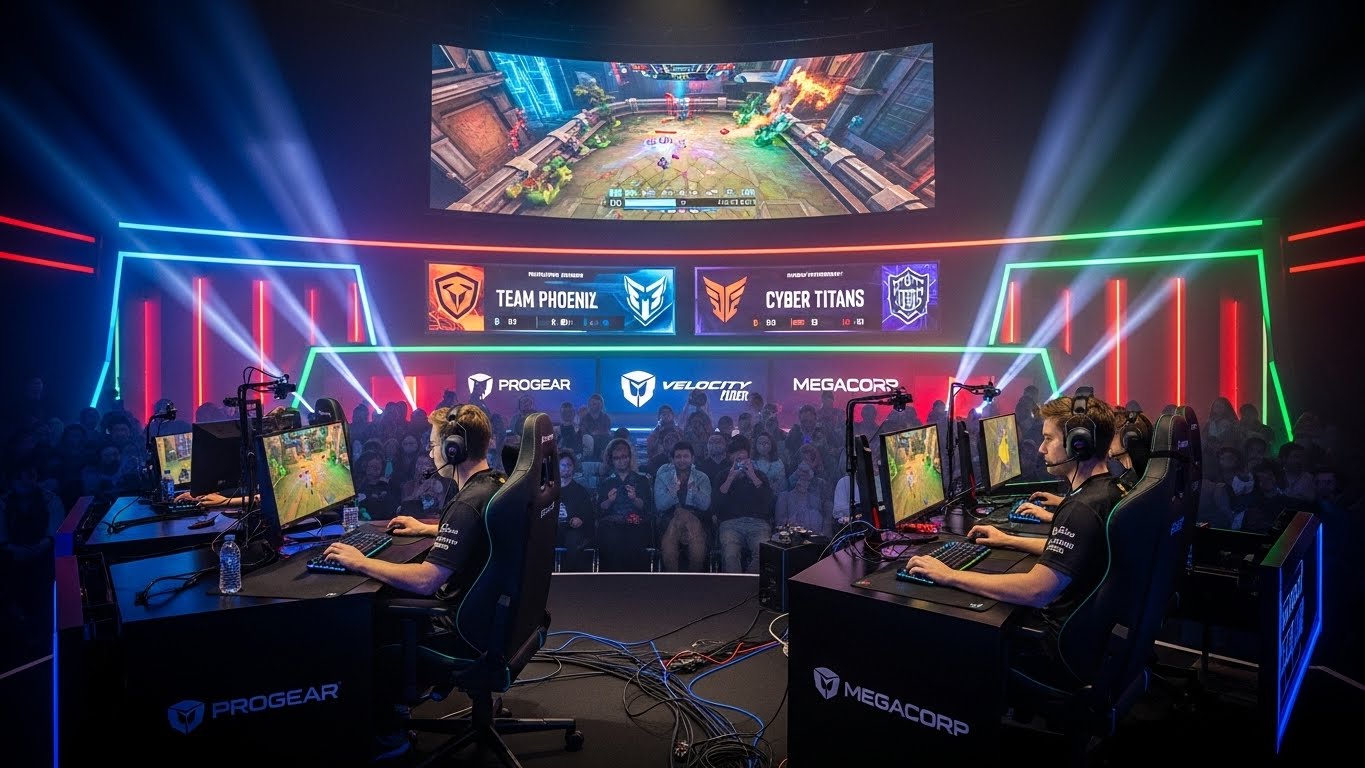
In the past few decades, the landscape of entertainment has transformed dramatically. Among the most striking changes is the emergence of esports, or electronic sports, as a dominant cultural and economic force. What once began as small-scale competitions in arcades and local gaming cafes has grown into a global phenomenon attracting millions of players, viewers, and sponsors. Esports today is not just a hobby; it is a career path, a billion-dollar industry, and a cultural movement that connects people across continents.
Esports represents the organized, competitive side of video gaming. It includes professional players, structured tournaments, massive audiences, and high-stakes rewards. From multiplayer online battle arenas (MOBAs) and first-person shooters (FPS) to strategy games and sports simulations, esports spans an enormous variety of genres. This world has matured into an ecosystem with its own teams, leagues, commentators, and even governing bodies.
The Early Days of Competitive Gaming
To understand how esports reached its current global scale, it is important to trace its origins. Competitive gaming dates back to the 1970s when the first video game tournaments were organized. One of the earliest recorded competitions took place at Stanford University in 1972, where students battled in the game “Spacewar!” The winner received a year’s subscription to a magazine, far from the multi-million-dollar prizes seen today.
The 1980s saw gaming become more mainstream with the advent of arcade machines. Games like “Pac-Man” and “Donkey Kong” encouraged players to compete for the highest scores. Magazines published leaderboards, and arcades became social hubs for gamers to challenge one another. The 1990s, however, marked a turning point with the rise of personal computers and local area network (LAN) parties. Players could now connect their computers to battle in multiplayer matches of games like “Quake,” “StarCraft,” and “Counter-Strike.”
It was during this decade that the idea of professional gaming began to take shape. South Korea, in particular, became a pioneer in organizing structured tournaments and building a fanbase for competitive gaming. The government invested in high-speed internet infrastructure, which paved the way for a flourishing online gaming culture.
The Expansion of Esports in the 2000s
The 2000s witnessed an explosion of online gaming and the birth of the modern esports scene. Games like “Warcraft III,” “Counter-Strike 1.6,” “Halo,” and “StarCraft: Brood War” attracted dedicated players from around the world. Online matchmaking platforms allowed people to compete globally, and the internet made it possible to broadcast tournaments to massive audiences.
During this period, several organizations and tournaments were established that would lay the foundation for today’s esports. The World Cyber Games, Major League Gaming, and the Electronic Sports World Cup provided international platforms for players to showcase their skills. These events began to attract sponsorships, live audiences, and mainstream media attention.
What truly propelled esports forward, however, was the streaming revolution. Platforms such as YouTube and later Twitch made it possible for anyone to watch professional players and tournaments from anywhere in the world. This accessibility transformed gaming from a private hobby into a spectator sport.
The Golden Age of Esports
The 2010s are often referred to as the golden age of esports. The decade saw the rise of major titles that defined modern competitive gaming. Games like “League of Legends,” “Dota 2,” “Overwatch,” “Fortnite,” and “Counter-Strike: Global Offensive” created dedicated esports ecosystems supported by millions of players and viewers.
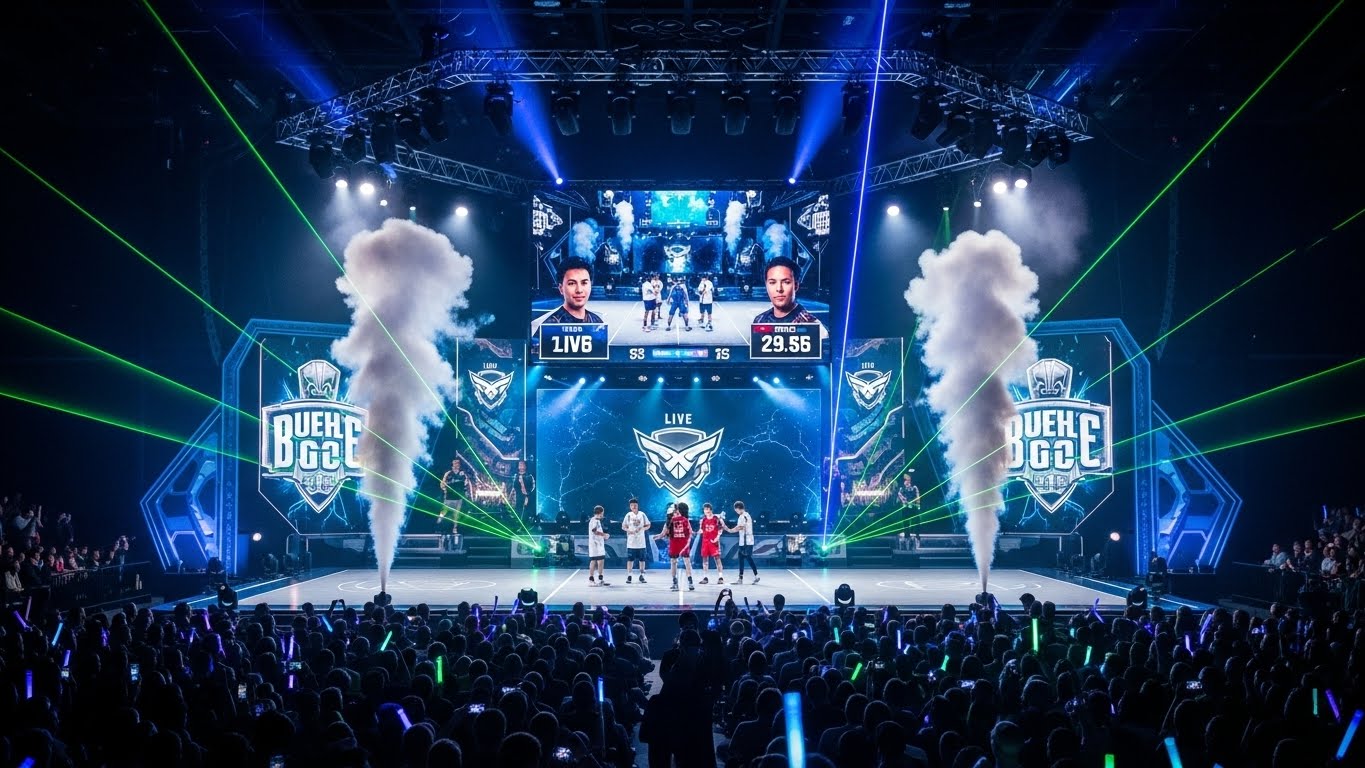
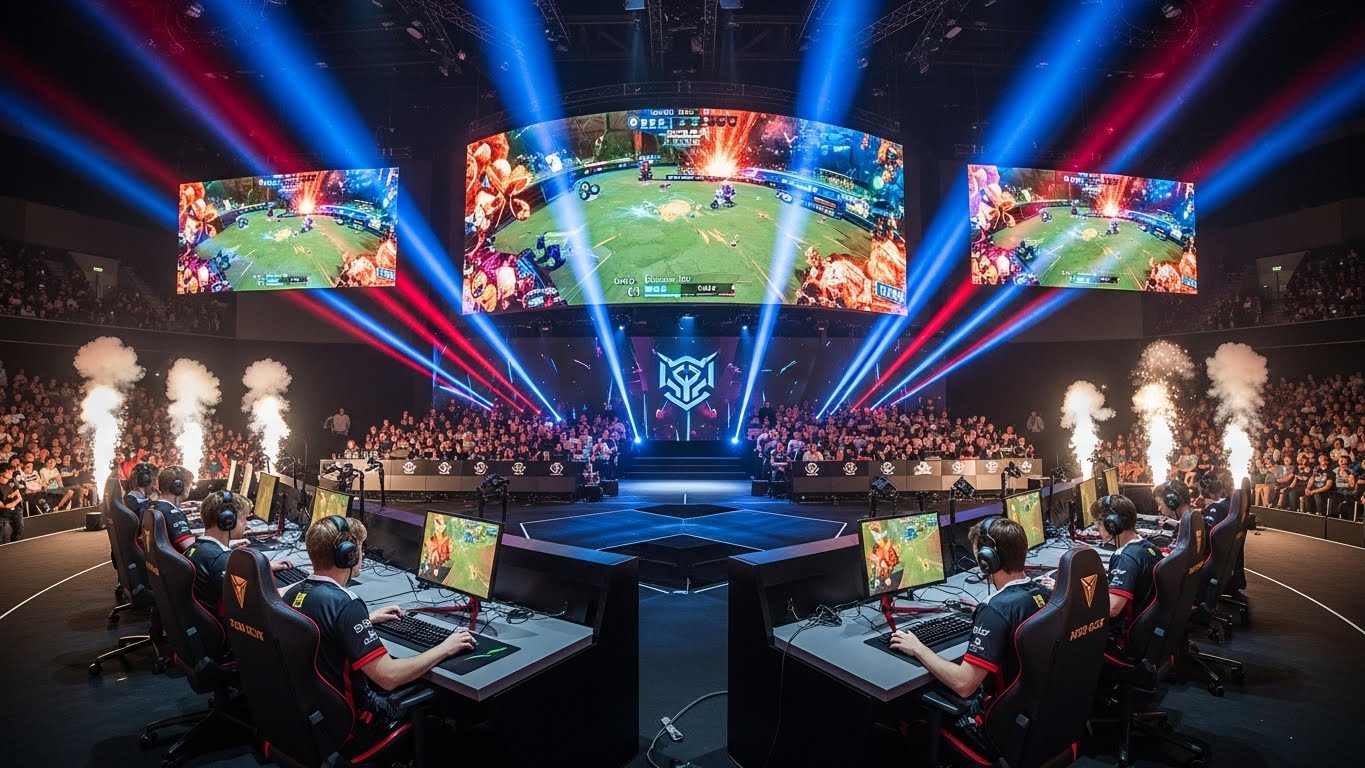
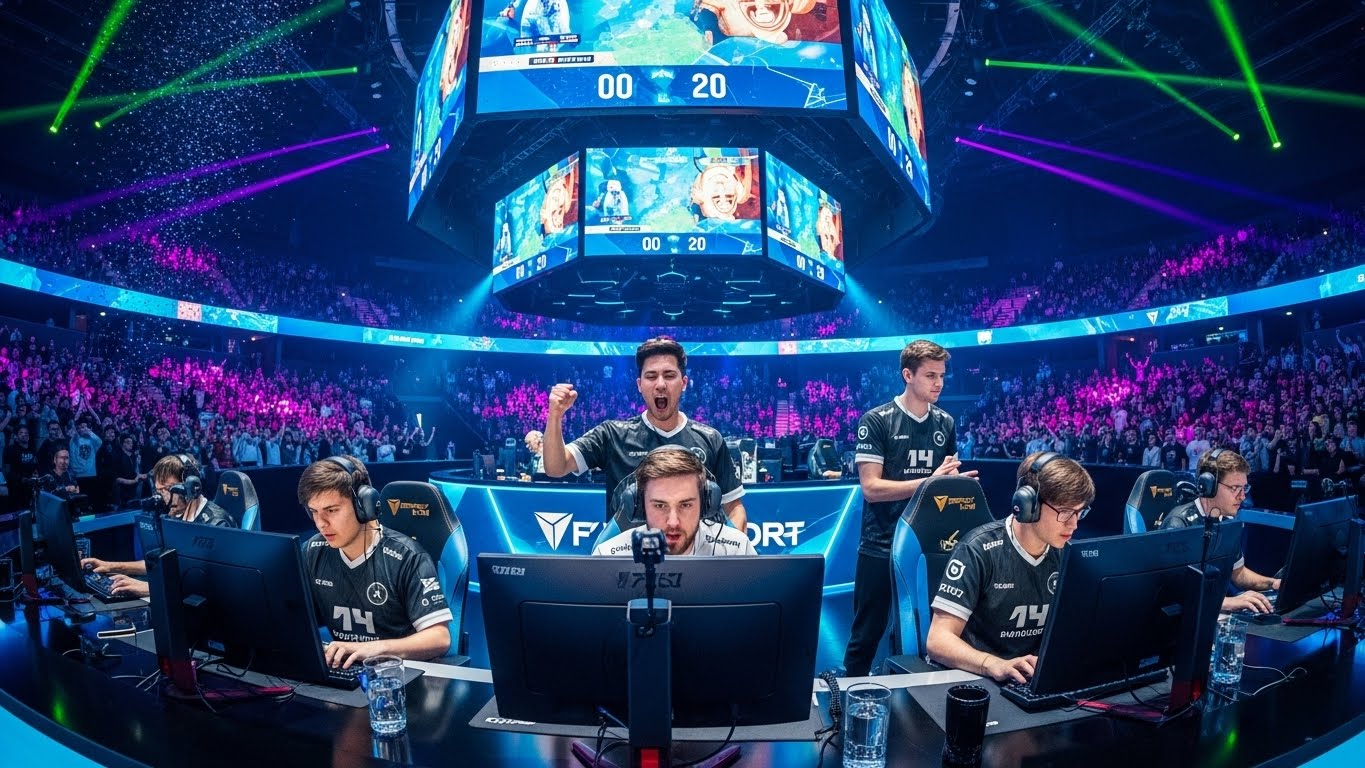
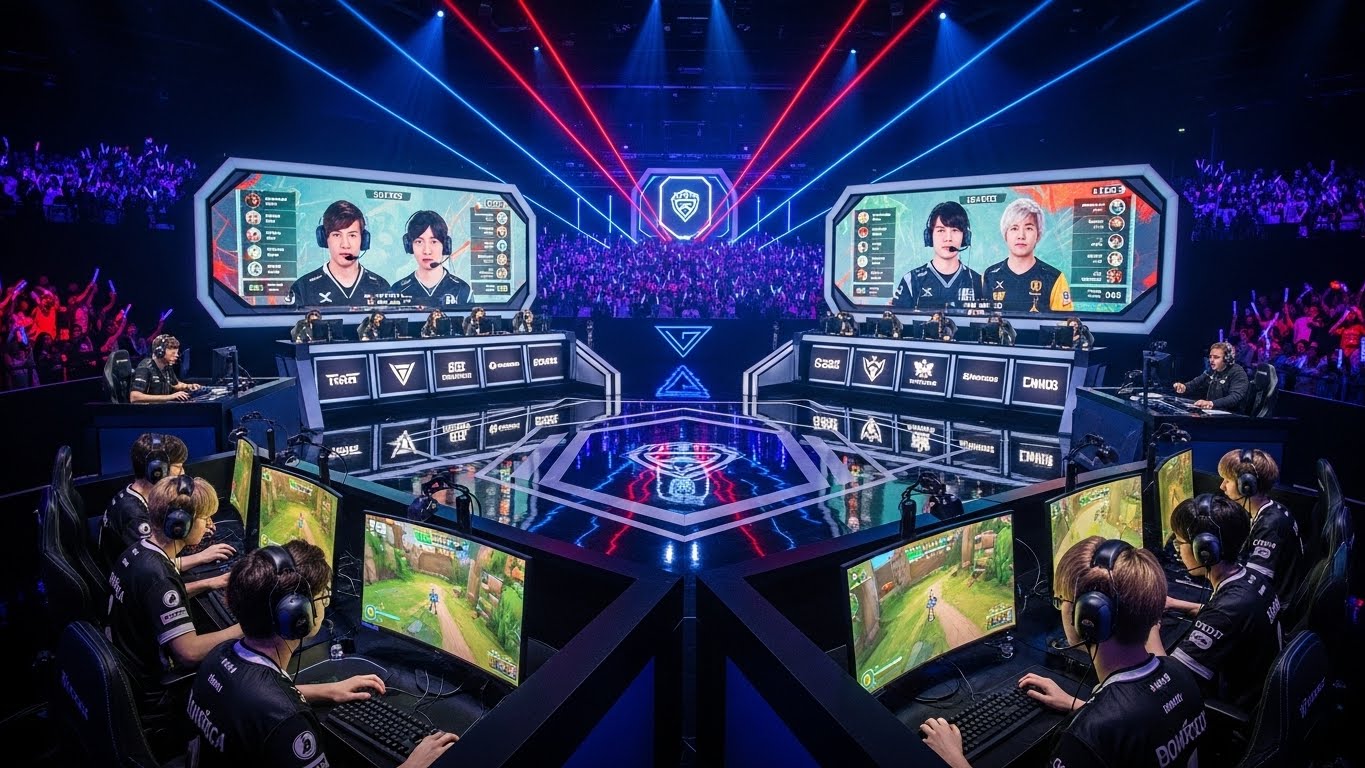
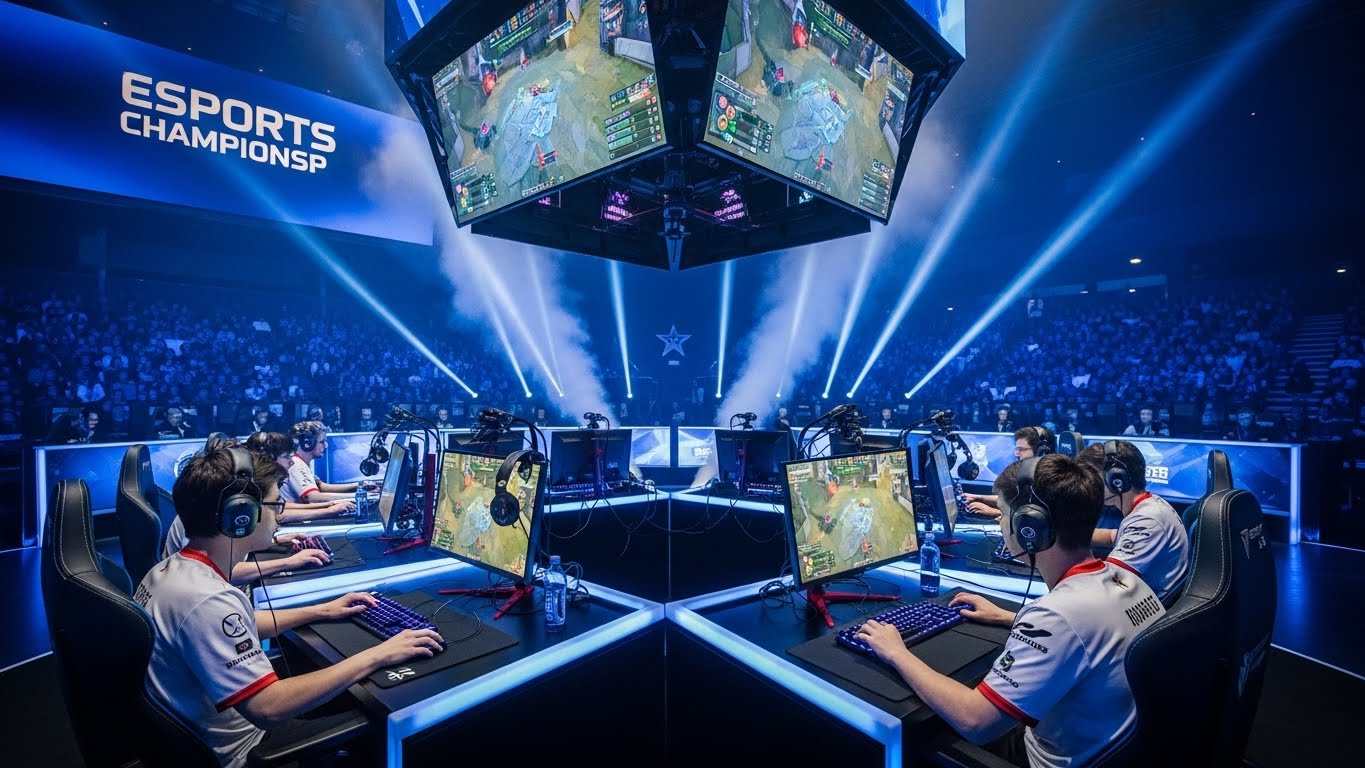
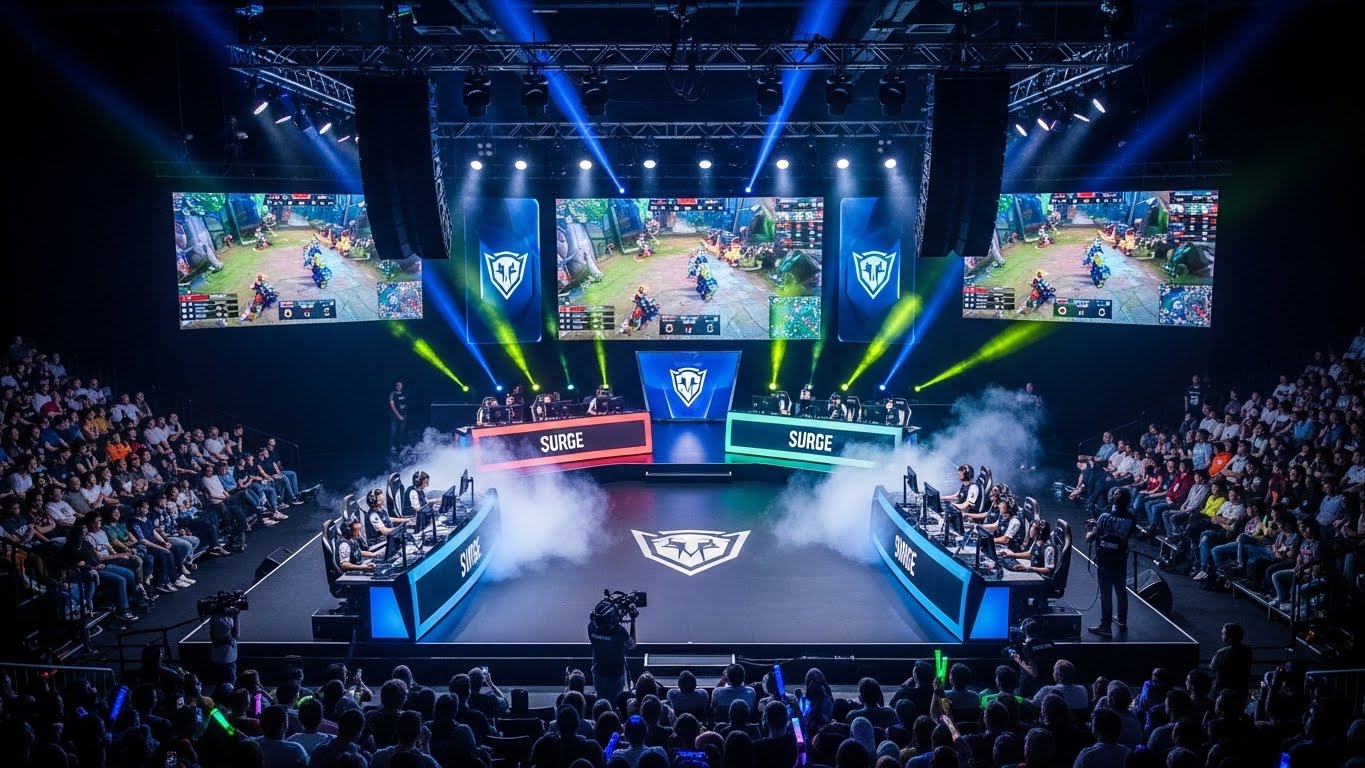
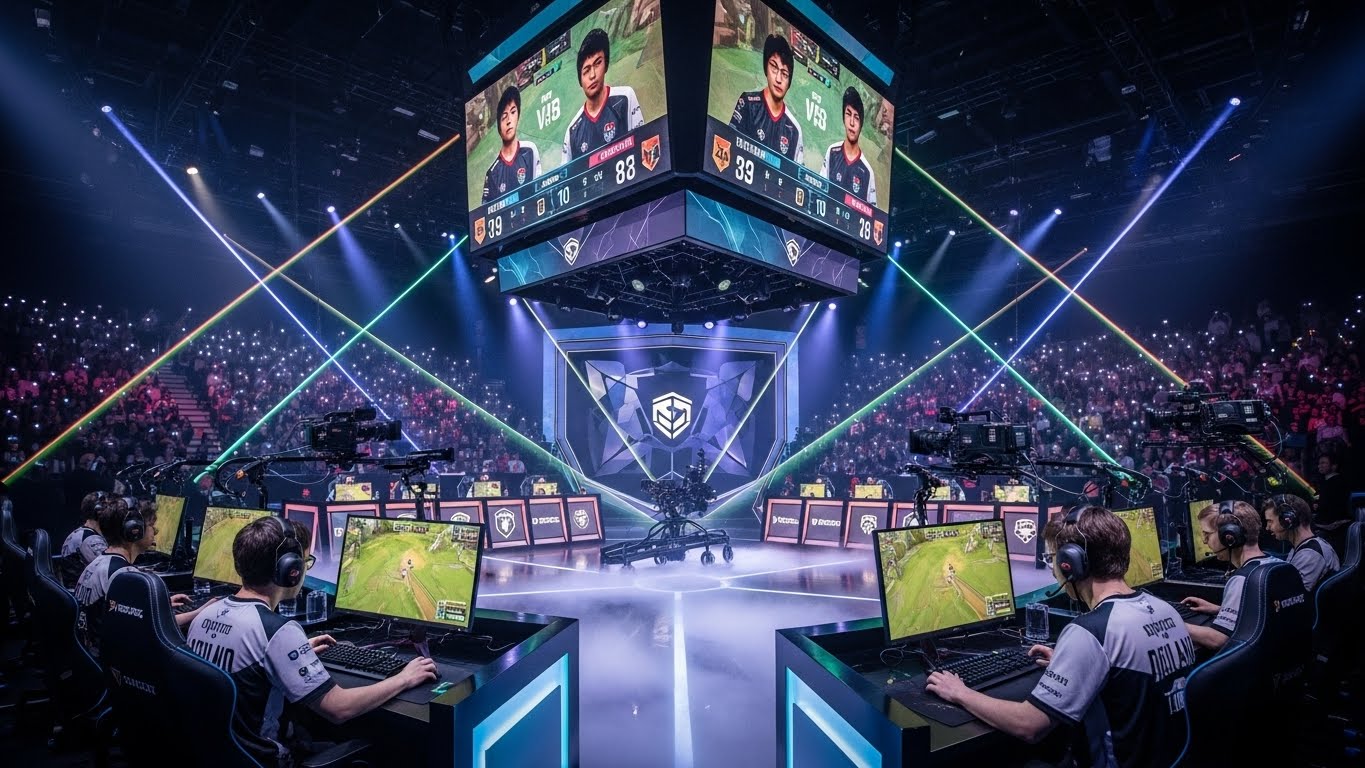
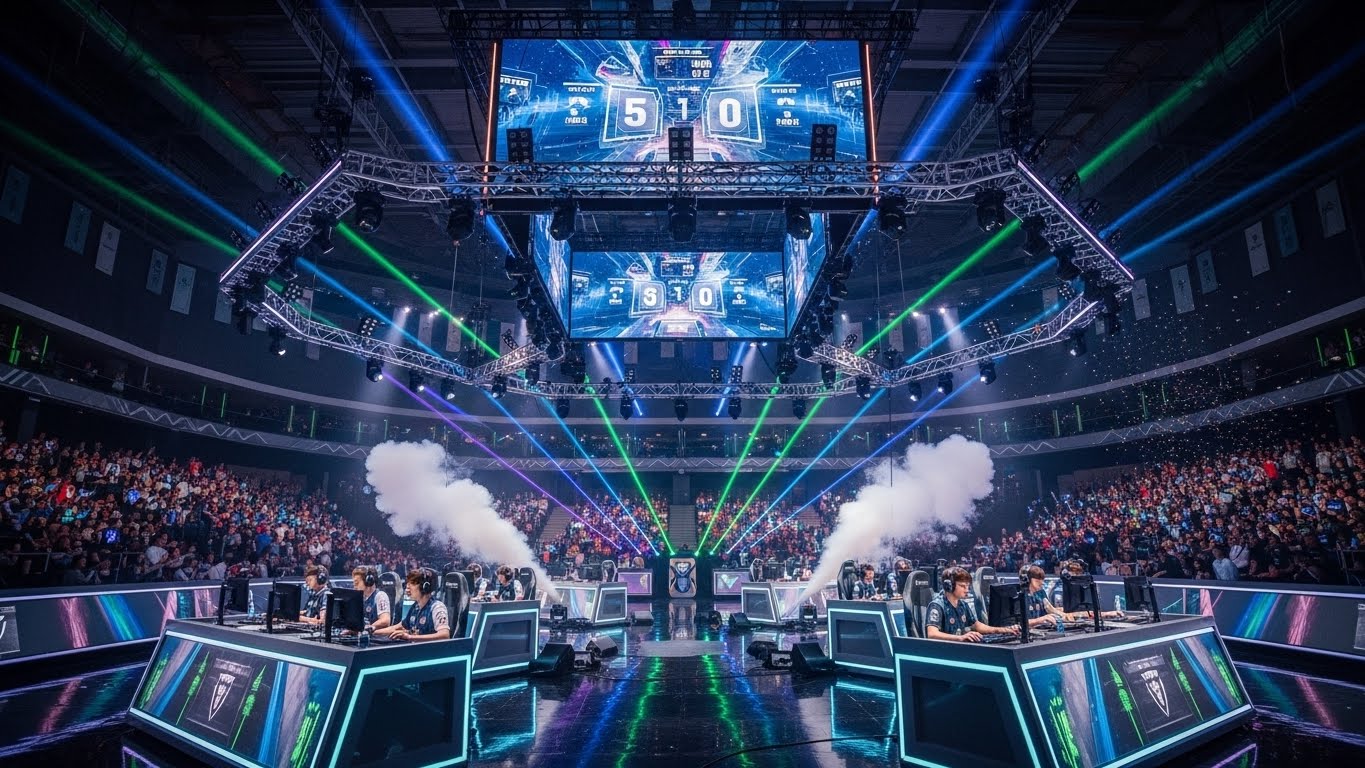
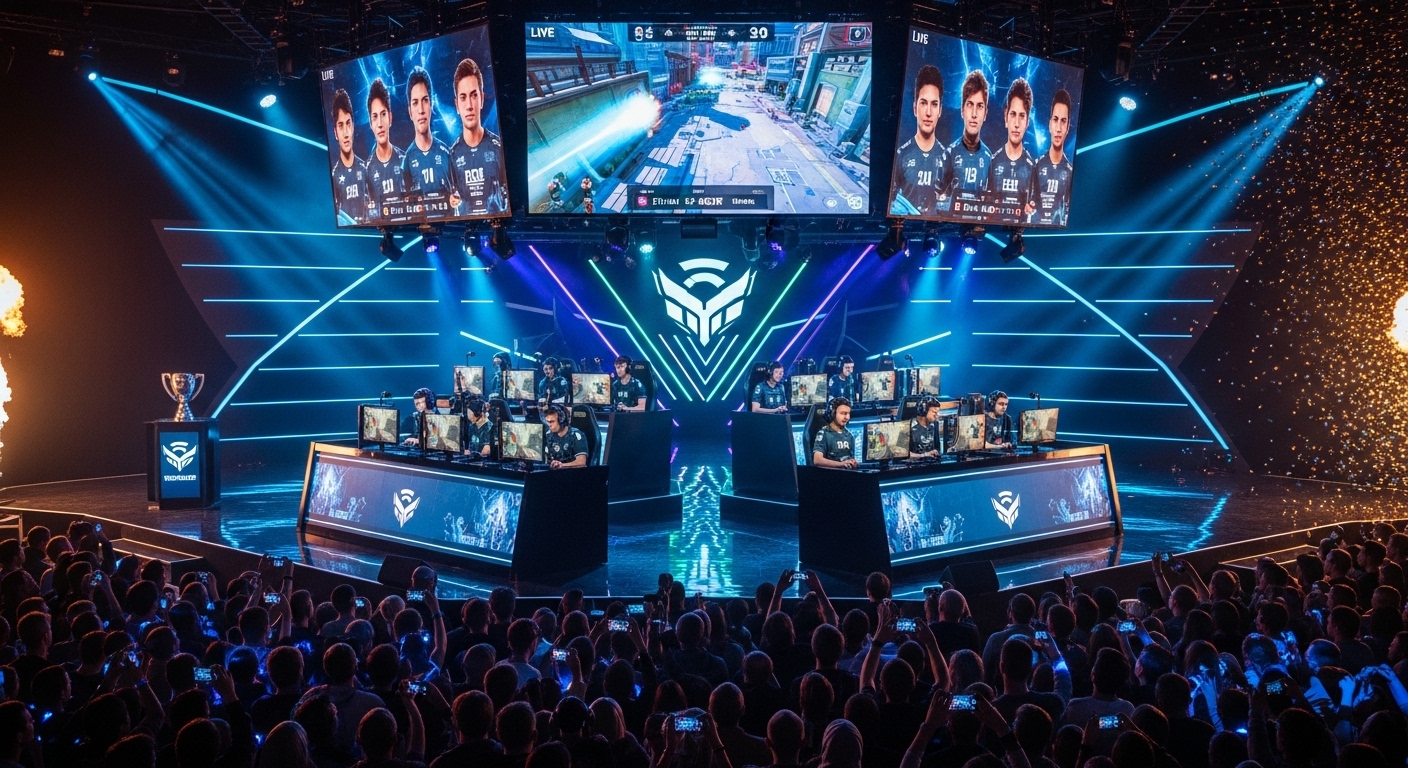
The League of Legends World Championship and The International (Dota 2’s global tournament) became benchmarks for production value, prize pools, and fan engagement. The International 2019, for example, had a prize pool exceeding 30 million dollars, setting records for esports winnings. These events are now held in massive arenas, selling out venues that once hosted traditional sporting events.
Esports organizations also began to mirror traditional sports teams. Players signed contracts, received salaries, and were supported by coaches, analysts, and management staff. Universities started offering esports scholarships, and countries began recognizing esports as legitimate professions.
Popular Esports Titles and Genres
Esports covers a wide range of game genres, each attracting its own dedicated community and competitive scene.
Multiplayer Online Battle Arenas (MOBA):
Games like “League of Legends” and “Dota 2” dominate the MOBA genre. These games involve two teams battling to destroy each other’s base while strategically controlling maps and resources. MOBA titles are known for their deep strategies, teamwork, and global tournaments with enormous viewership.
First-Person Shooters (FPS):
FPS games test players’ reflexes, accuracy, and tactical thinking. Titles such as “Counter-Strike: Global Offensive,” “Overwatch,” “Call of Duty,” and “Valorant” have become staples in the esports scene. Their fast-paced action and intense competition make them thrilling to watch both online and in live arenas.
Battle Royale:
The battle royale genre introduced a new format where dozens of players compete until only one remains. “Fortnite” and “PUBG” popularized this format and turned it into a global sensation. Fortnite, in particular, blurred the line between entertainment and esports with its in-game concerts, crossovers, and celebrity tournaments.
Sports Simulations and Fighting Games:
Titles like “FIFA,” “NBA 2K,” “Street Fighter,” and “Tekken” bring real-world sports and classic arcade fighting to competitive audiences. These games have smaller but extremely passionate communities, and their tournaments often celebrate individual skill and precision.
The Business of Esports
Esports has grown into a multi-billion-dollar industry encompassing media rights, sponsorships, merchandise, and ticket sales. Brands from diverse sectors, including technology, energy drinks, and even luxury fashion, have partnered with esports organizations to tap into the young and tech-savvy audience.
Streaming platforms have also played a crucial role in monetizing esports. Advertising revenue, subscription models, and donation systems have provided players and teams with additional income streams. Esports athletes, known for their charisma and online presence, often build personal brands that attract millions of followers.
Investors have recognized esports’ potential, leading to the creation of franchised leagues similar to traditional sports structures. The Overwatch League and the Call of Duty League introduced team ownership models, city-based franchises, and regulated competition formats. These developments added stability to the esports ecosystem and attracted long-term sponsors.
The Cultural Impact of Esports
Beyond economics, esports has profoundly influenced global culture. It has created communities where people from different backgrounds unite over shared interests. Online chatrooms, forums, and social media platforms are filled with fans discussing strategies, highlights, and their favorite players.
Esports has also helped redefine entertainment. It blends gaming, technology, performance, and storytelling in unique ways. Commentators and analysts add depth to broadcasts, while cinematic production techniques create immersive viewing experiences. The blending of digital and real-world entertainment has led to crossover events featuring musicians, film promotions, and brand collaborations.
Moreover, esports has become a gateway for technological innovation. Virtual reality, augmented reality, and artificial intelligence are increasingly being integrated into esports experiences. These advancements push the boundaries of what competitive gaming can offer in terms of engagement and realism.
The Life of a Professional Esports Player
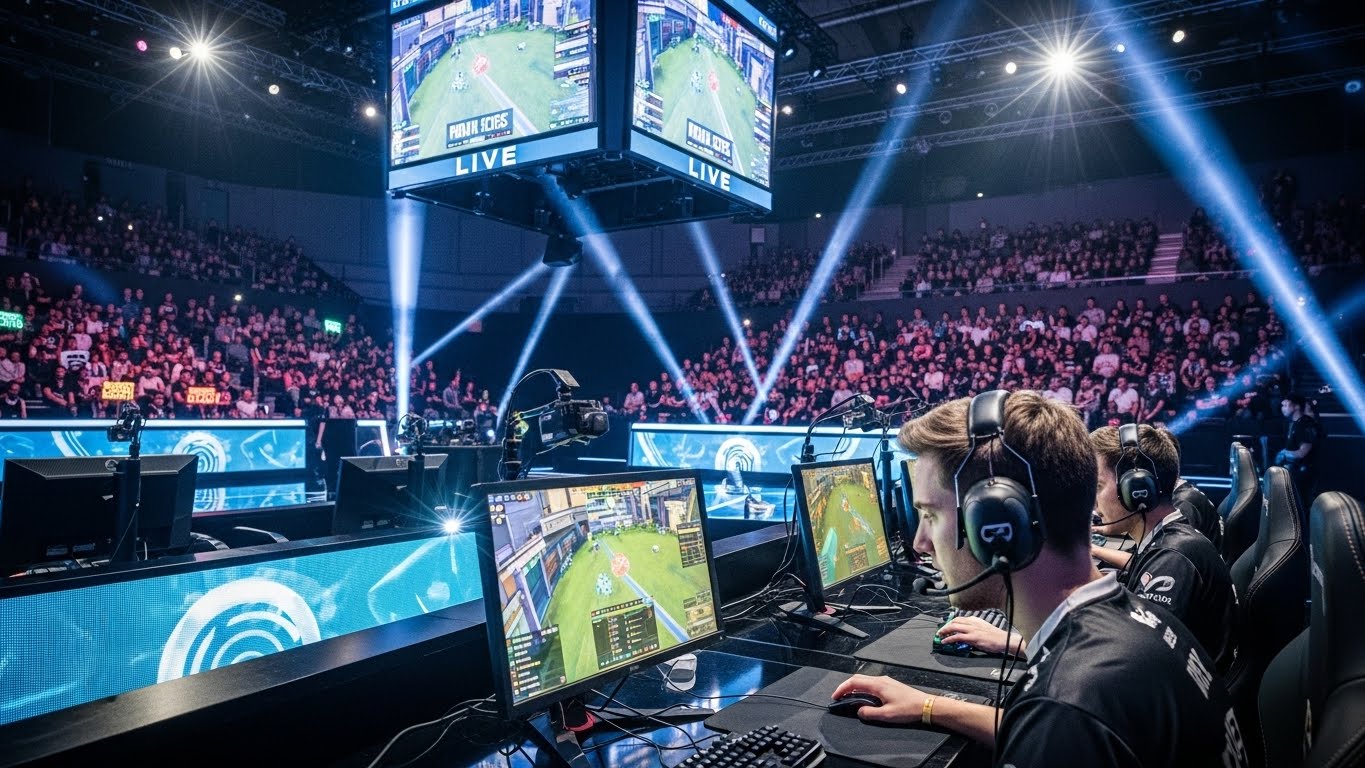
Becoming a professional esports player requires immense dedication, discipline, and talent. Contrary to stereotypes, pro gamers undergo rigorous training regimens that rival those of traditional athletes. They spend hours analyzing gameplay footage, practicing mechanics, and developing strategies with their teams.
Mental and physical health are crucial aspects of an esports career. Prolonged screen time, stress, and the pressure to perform can take a toll on players. Many organizations now employ sports psychologists, fitness trainers, and nutritionists to help maintain players’ well-being.
Age also plays a significant role in esports. Most professional players peak in their late teens or early twenties due to the reflex-driven nature of many games. However, as the industry matures, roles such as coaching, content creation, and team management provide career longevity beyond active competition.
Esports in Education
The recognition of esports as an academic and professional field has led to its integration into education systems. Universities around the world now offer scholarships and degree programs related to esports management, game design, and digital marketing. High schools have begun establishing esports clubs to encourage teamwork, critical thinking, and digital literacy.
These educational initiatives not only prepare students for careers within esports but also equip them with transferable skills relevant to technology, media, and business industries. Esports fosters leadership, communication, and strategic planning—skills that are valuable in various professional fields.
Global Reach and Diversity in Esports
One of the most remarkable features of esports is its global inclusivity. Players from every continent compete on equal footing, transcending geographical and cultural barriers. Countries such as South Korea, China, the United States, and Sweden have produced legendary players and teams, but talent can emerge from anywhere with an internet connection.
Gender diversity in esports is also gaining attention. While male players still dominate the professional scene, increasing efforts are being made to promote inclusivity and provide opportunities for women and non-binary gamers. Organizations are investing in female-focused tournaments and mentorship programs to create a more balanced industry.
Challenges Facing Esports
Despite its success, esports faces several challenges that must be addressed for sustained growth. Issues such as player burnout, match-fixing, cheating, and online toxicity pose threats to the industry’s integrity.
Regulation is another concern. Unlike traditional sports, esports lacks a unified global governing body, leading to inconsistencies in rules, contracts, and player rights. Establishing standardized regulations could help ensure fairness and protect all participants.
Furthermore, while esports continues to gain recognition, some traditional audiences and institutions still question its legitimacy as a “real” sport. Overcoming this perception requires continued advocacy, education, and evidence of esports’ physical, mental, and cultural depth.
The Future of Esports
The future of esports looks incredibly promising. With advancements in technology, the integration of artificial intelligence, and the rise of the metaverse, the boundaries of competitive gaming are constantly expanding. Virtual tournaments, holographic audiences, and immersive spectator experiences are becoming possibilities rather than fantasies.
The continued blending of esports with mainstream media is also expected to strengthen its presence. Collaborations with film, music, and fashion industries are creating crossover events that attract diverse audiences. As global connectivity increases, esports will likely become one of the most universal forms of entertainment in human history.
Conclusion
Esports has evolved from humble beginnings in arcades and LAN cafes to a global spectacle that rivals traditional sports in viewership and cultural influence. It represents a new era where digital skill, strategy, and creativity converge to entertain and inspire millions.
Beyond competition, esports embodies the spirit of community, innovation, and passion. It showcases how technology can unite people from every corner of the world through shared excitement and respect for mastery. As the industry continues to grow and mature, its impact on society, culture, and the global economy will only deepen.
The story of esports is still being written. Its future will be shaped by new generations of gamers, developers, and fans who continue to push the limits of what competitive gaming can achieve. What began as play has become a profession, a culture, and a movement—one that defines the digital age.