
Introduction
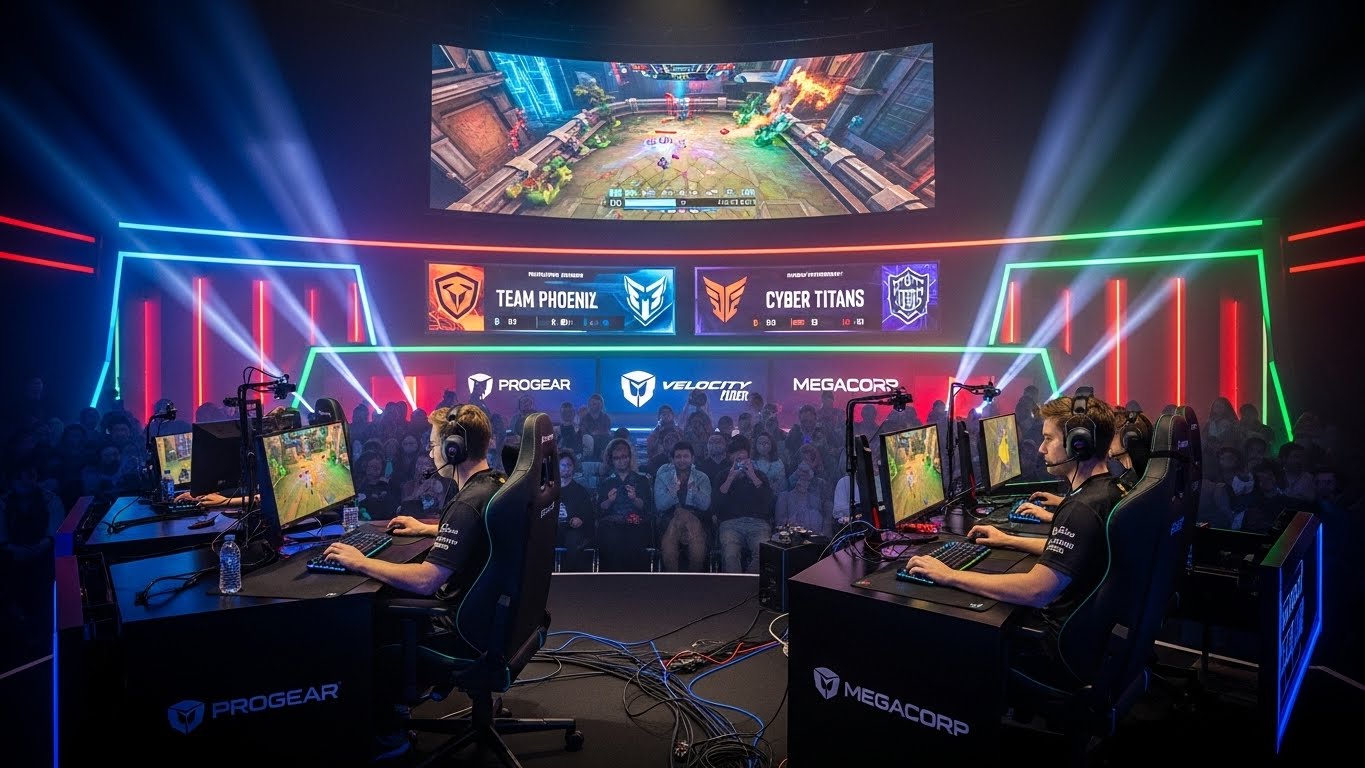
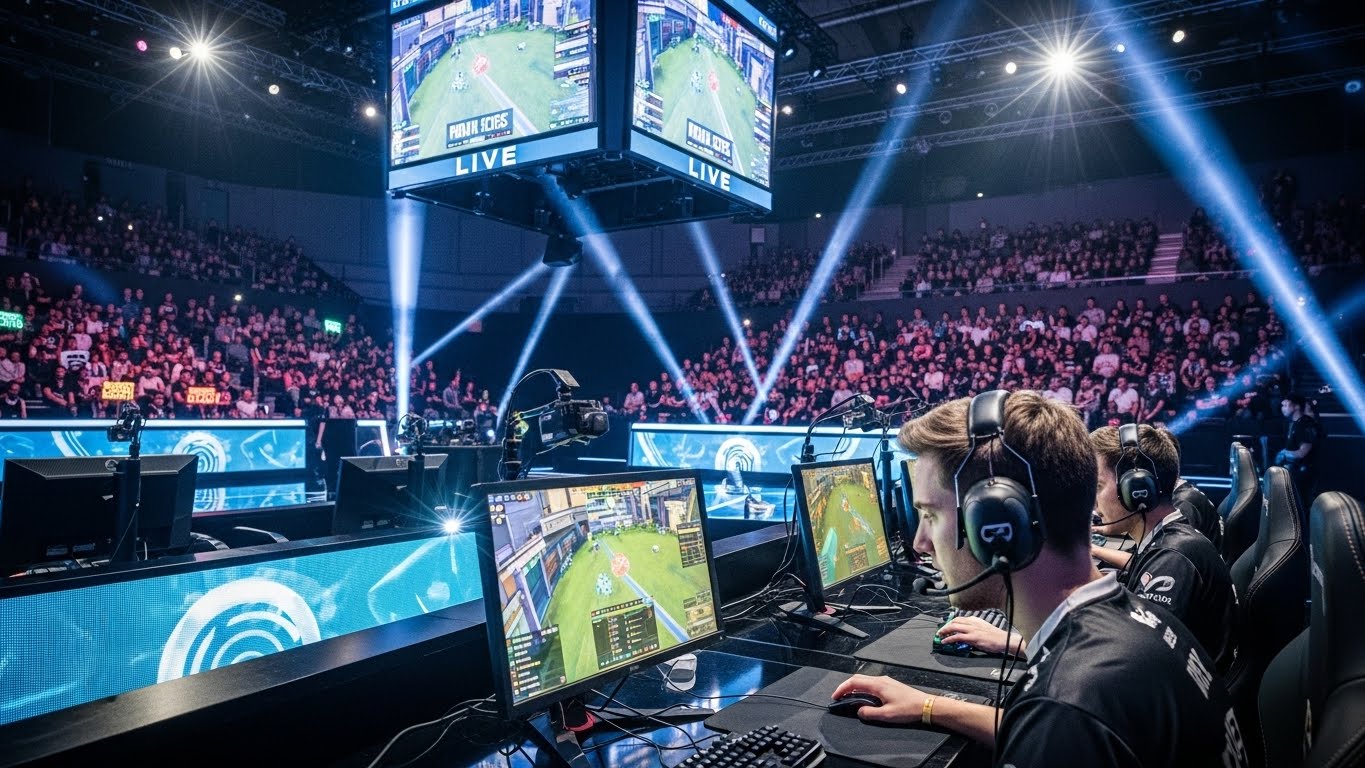
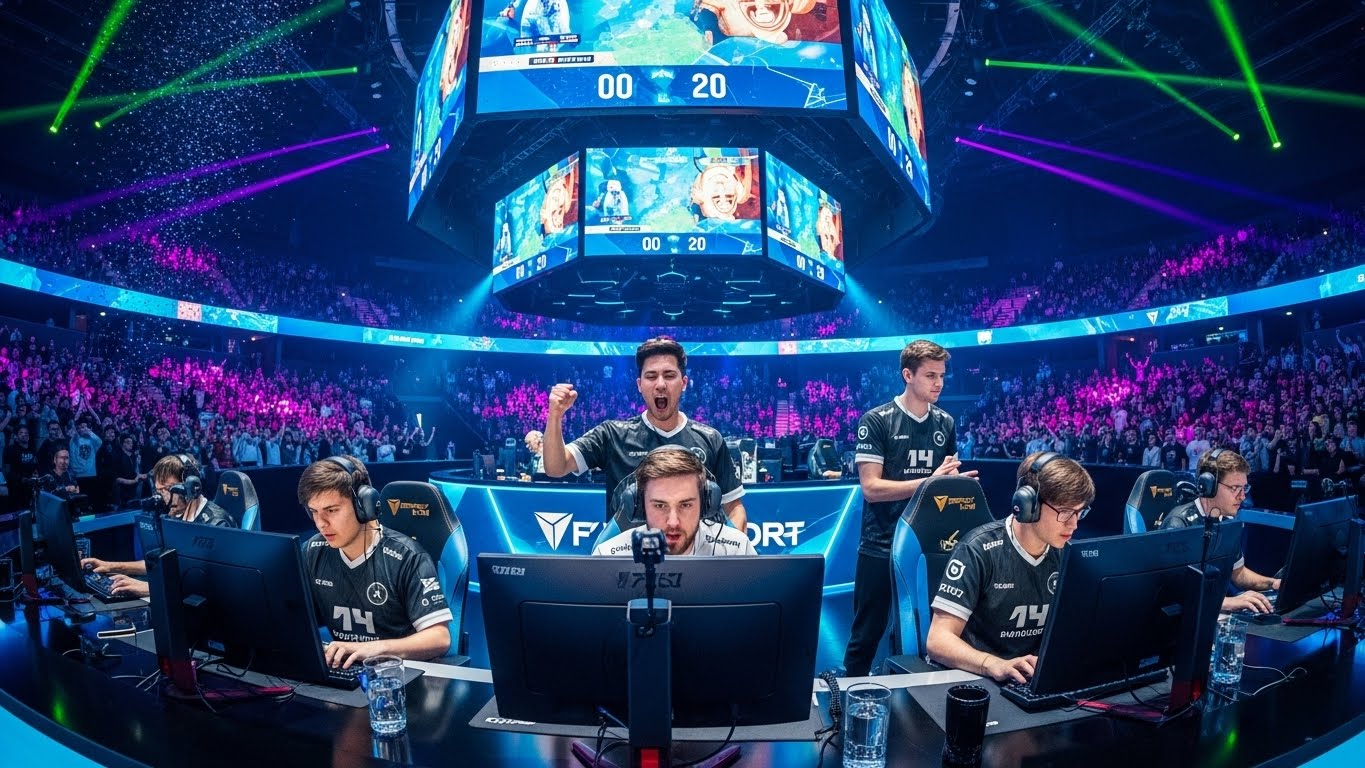
Esports has transformed from a niche hobby into a worldwide cultural and professional phenomenon. Once considered a pastime for casual gamers, it has now become a serious form of competitive entertainment with professional leagues, global tournaments, and massive audiences. The rise of esports reflects the convergence of technology, skill, strategy, and digital culture. It is no longer just about playing video games; it is about training, teamwork, and competing on a global stage. This industry has grown to rival traditional sports in terms of viewership, revenue, and cultural impact.
The Origins of Competitive Gaming
Competitive gaming has roots stretching back decades. In the 1970s and 1980s, arcades became hubs of rivalry where players competed for high scores in games like Pong and Pac-Man. These informal competitions were the first sparks of organized gaming culture. The 1990s introduced networked computers and multiplayer games such as StarCraft, Quake, and Counter-Strike, which allowed players to compete beyond local arcades. These early competitions laid the foundation for structured tournaments, professional teams, and the global esports ecosystem that exists today.
The focus of early competitive gaming was skill and strategy. Players were celebrated for their reflexes, game knowledge, and problem-solving abilities. These attributes remain central to esports today, but the scale and professionalism have grown exponentially.
The Professionalization of Esports
The 2000s marked a pivotal moment as esports shifted from amateur play to professional competition. Dedicated organizations began forming professional teams, recruiting players, and sponsoring training programs. Games such as League of Legends, Dota 2, and Counter-Strike became staples of competitive gaming, attracting players from around the world.
Professionalization introduced salaries, contracts, and coaching. Teams employ analysts, strategists, and even psychologists to optimize player performance. Players dedicate hours every day to practice, studying strategies, and perfecting execution. This shift mirrors traditional sports, where success requires both talent and preparation. Esports is now recognized as a legitimate career path, with players gaining celebrity status and international recognition.
Popular Esports Genres
Esports is not limited to one type of game. Various genres attract different audiences and require different skill sets. Multiplayer Online Battle Arena (MOBA) games, such as League of Legends and Dota 2, demand teamwork, communication, and strategic thinking. First-person shooters like Counter-Strike: Global Offensive and Valorant focus on reflexes, precision, and tactical execution. Battle royale games, including Fortnite and PUBG, require adaptability, decision-making, and survival instincts under pressure.
Sports simulation games, such as FIFA and NBA 2K, offer competitive experiences for fans of traditional sports, while fighting games and real-time strategy titles provide additional avenues for high-level competition. The variety ensures esports remains inclusive, engaging diverse audiences across the globe.
The Role of Streaming Platforms
Streaming platforms have been crucial to the growth of esports. Platforms like Twitch and YouTube Gaming allow fans to watch live matches, follow their favorite players, and interact with the community in real time. Streaming has democratized access, enabling anyone with an internet connection to participate in the esports ecosystem as a viewer or fan.
Streaming also provides a platform for content creators to entertain, educate, and engage audiences beyond tournaments. Commentary, tutorials, and live reactions give fans a deeper connection to games and players. The combination of live engagement and digital content has helped esports grow into a mainstream form of entertainment.
Esports Tournaments and Events
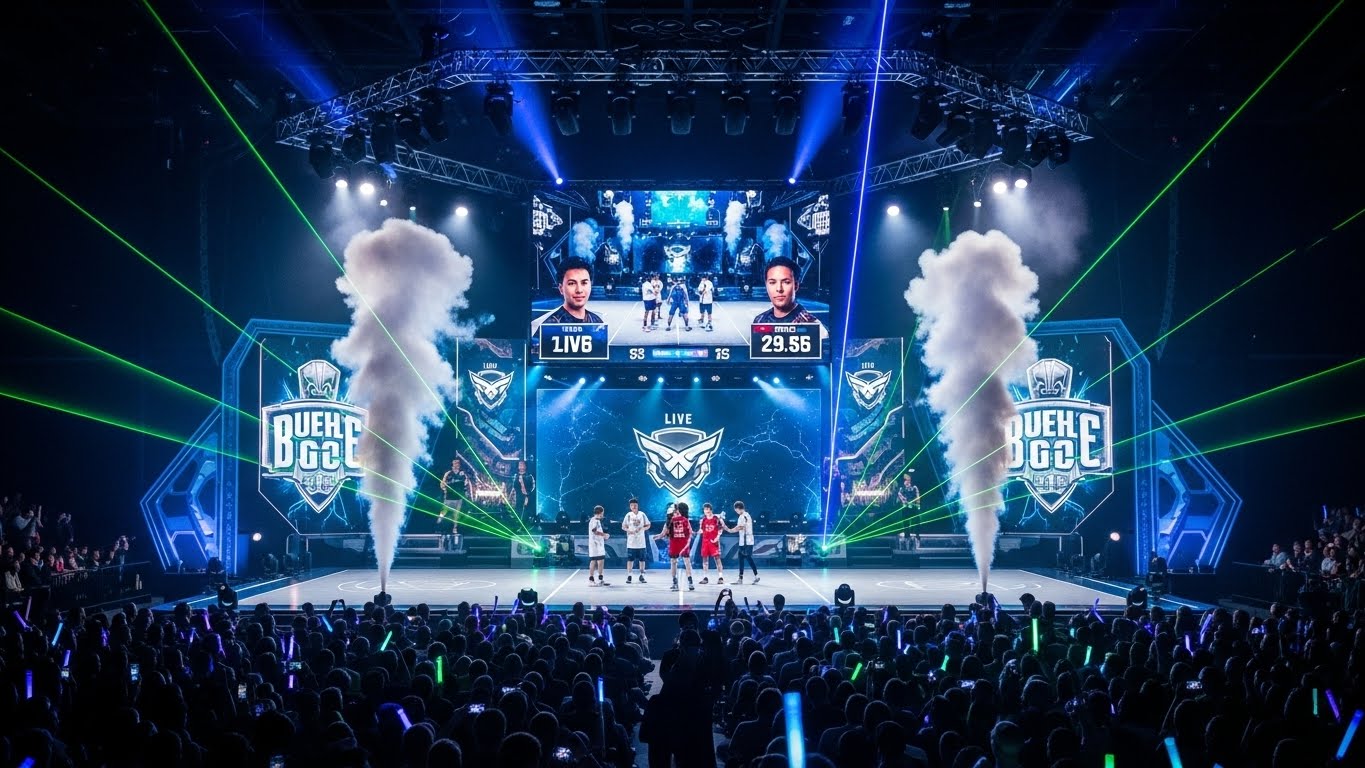
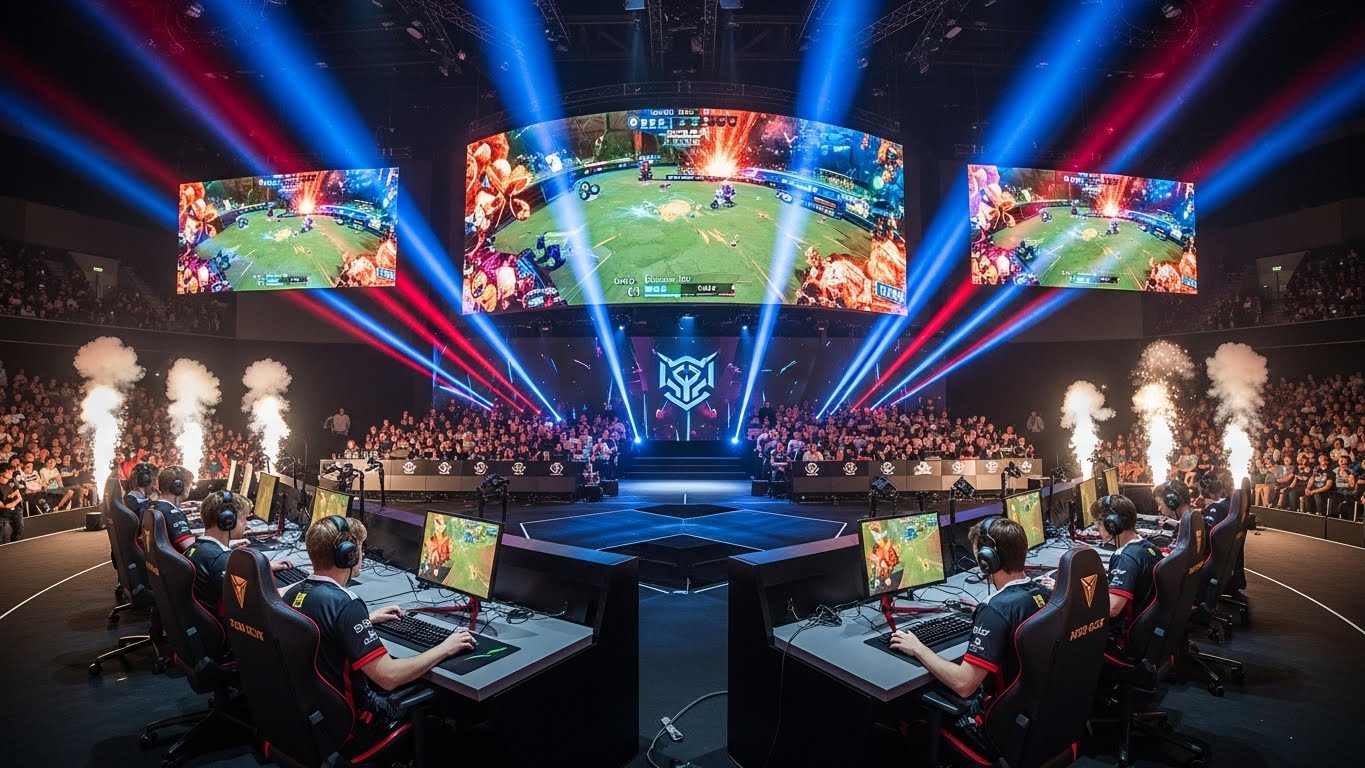
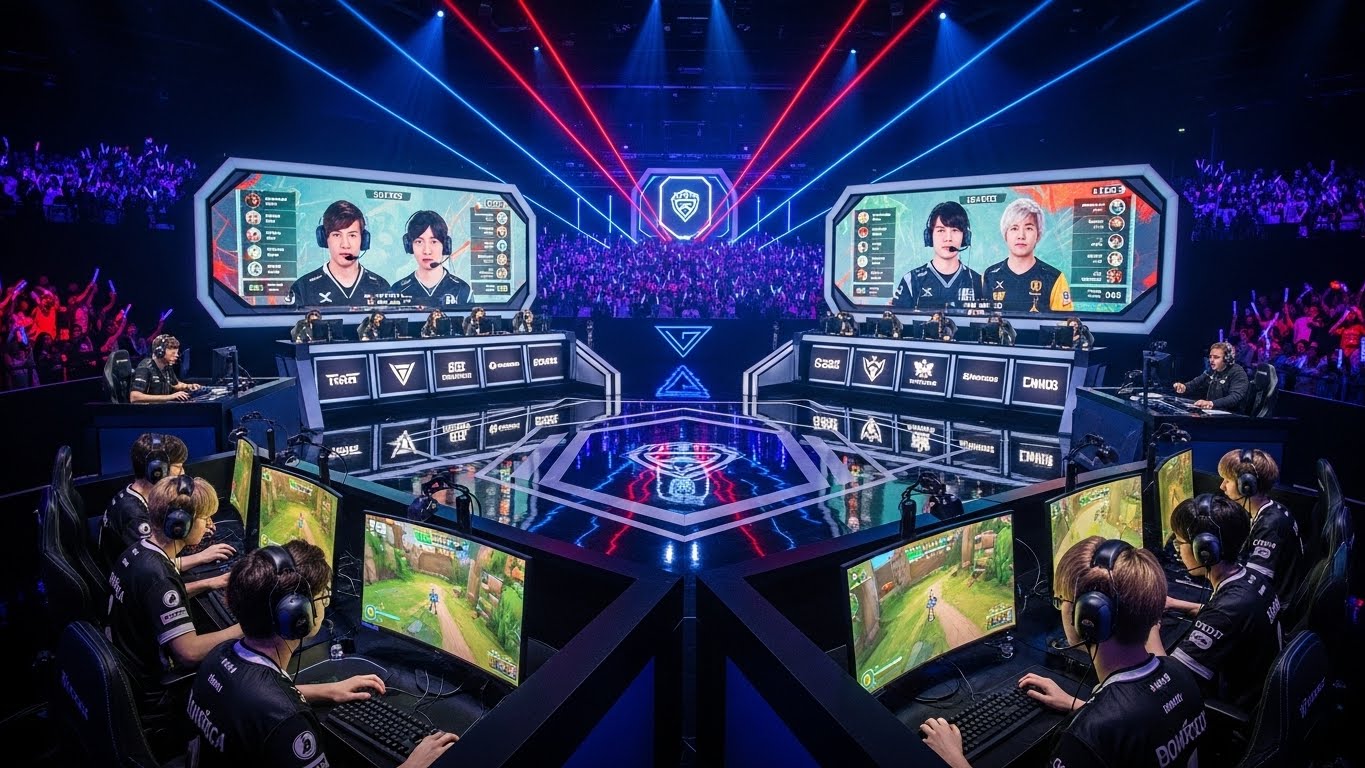
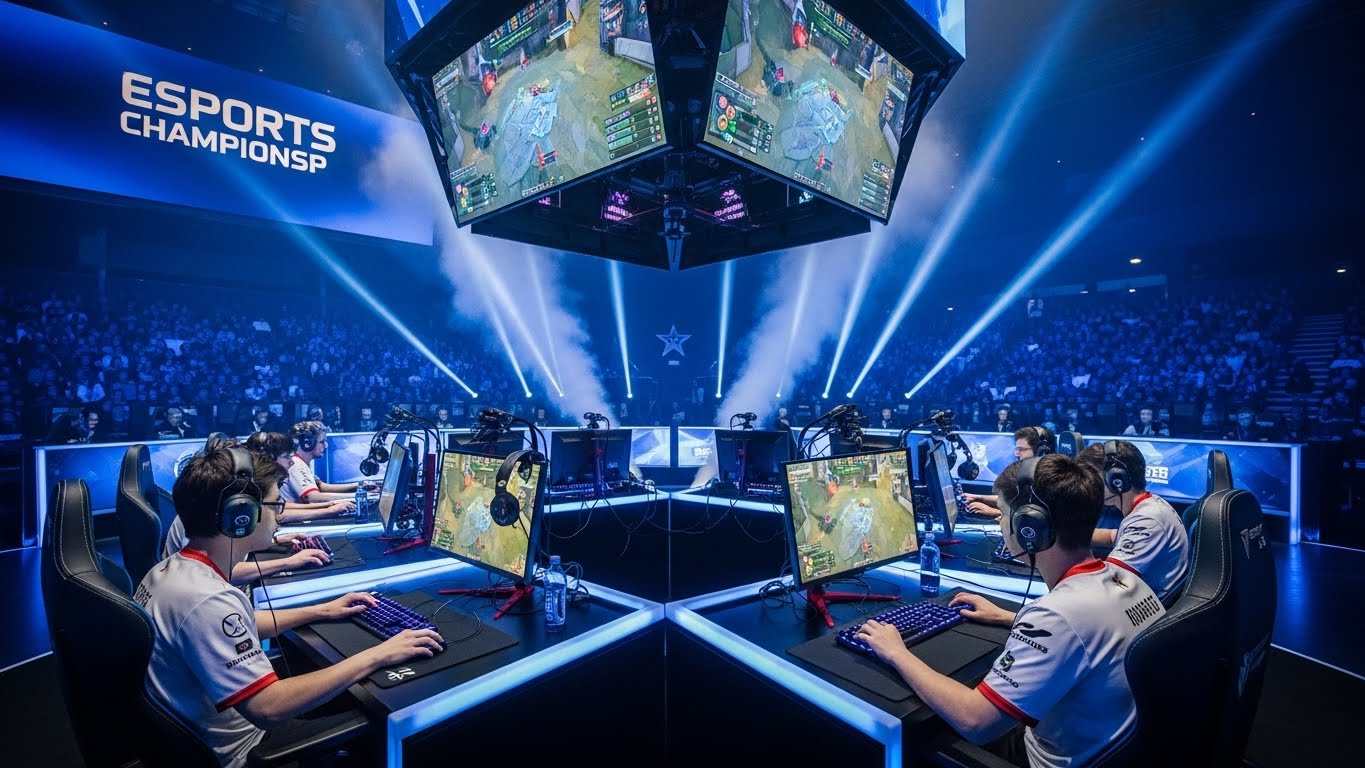
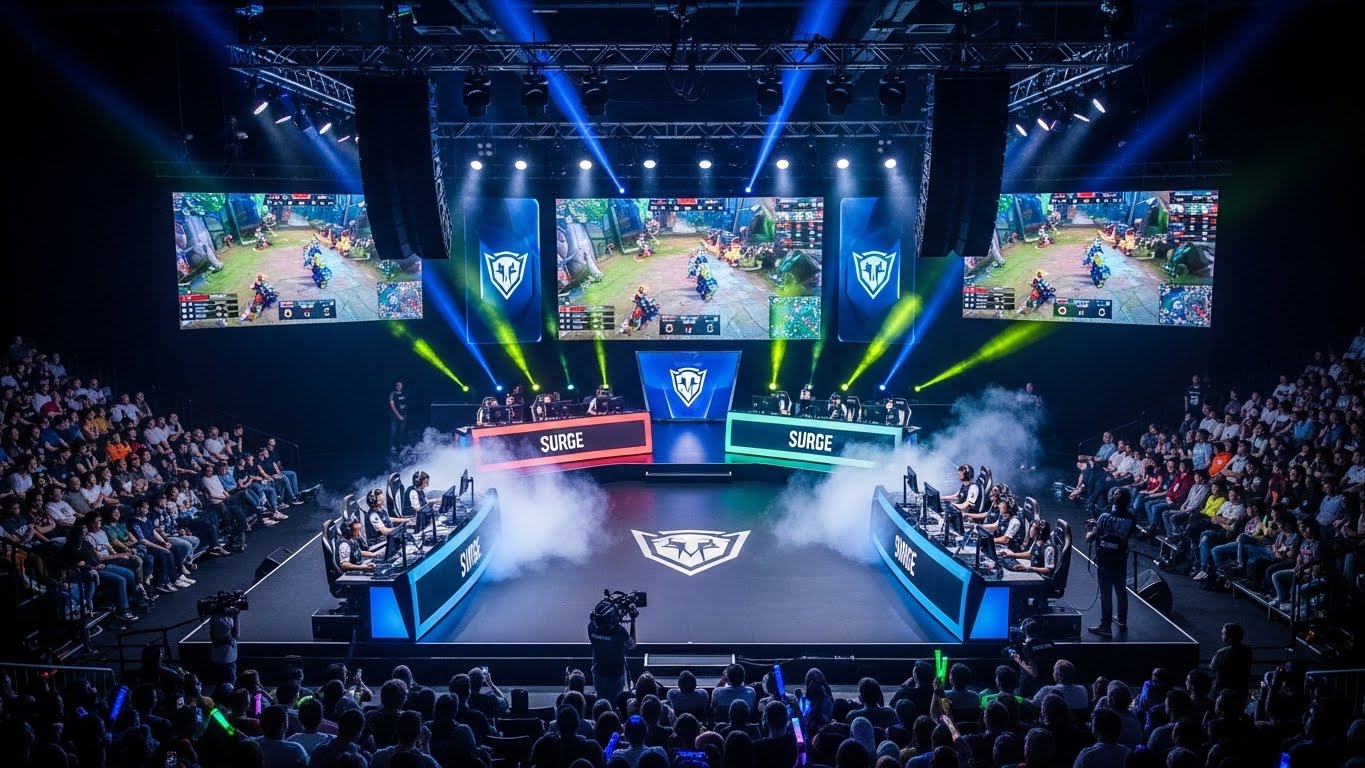
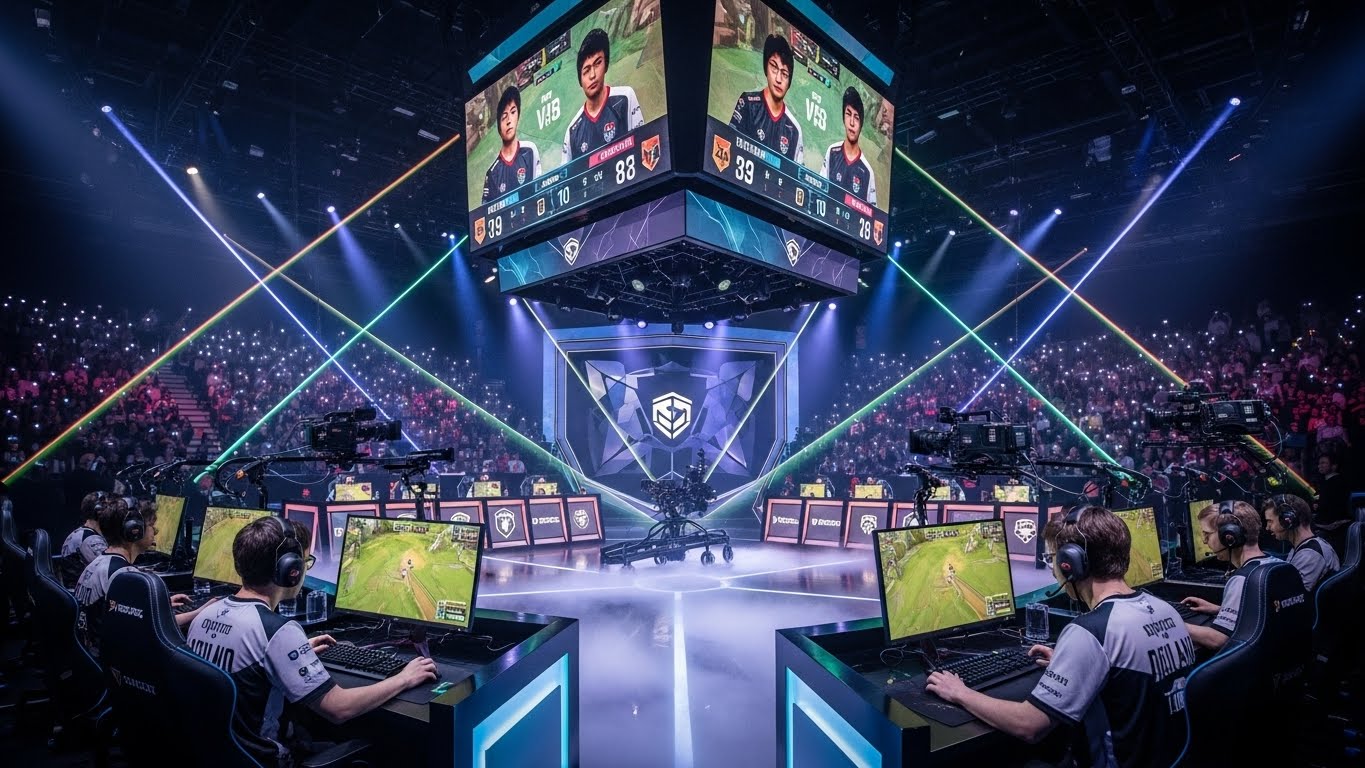
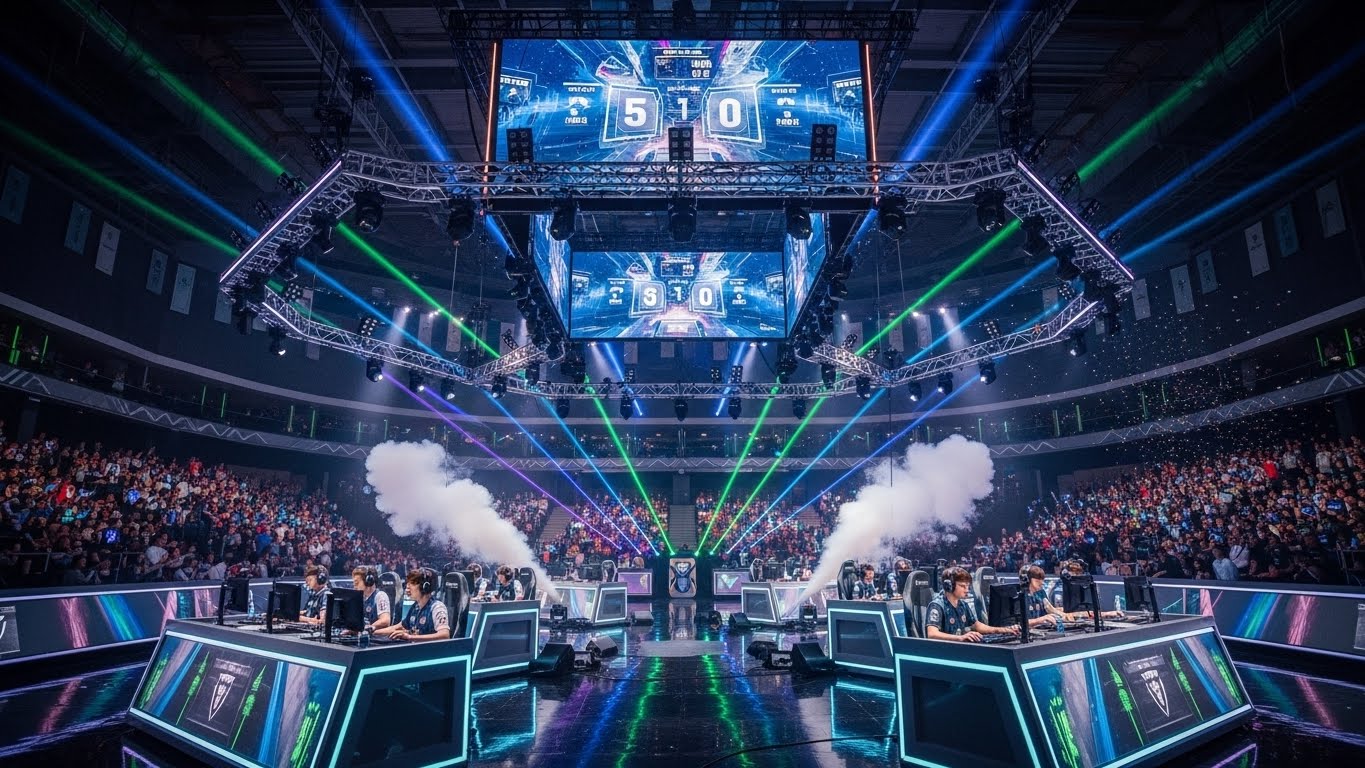
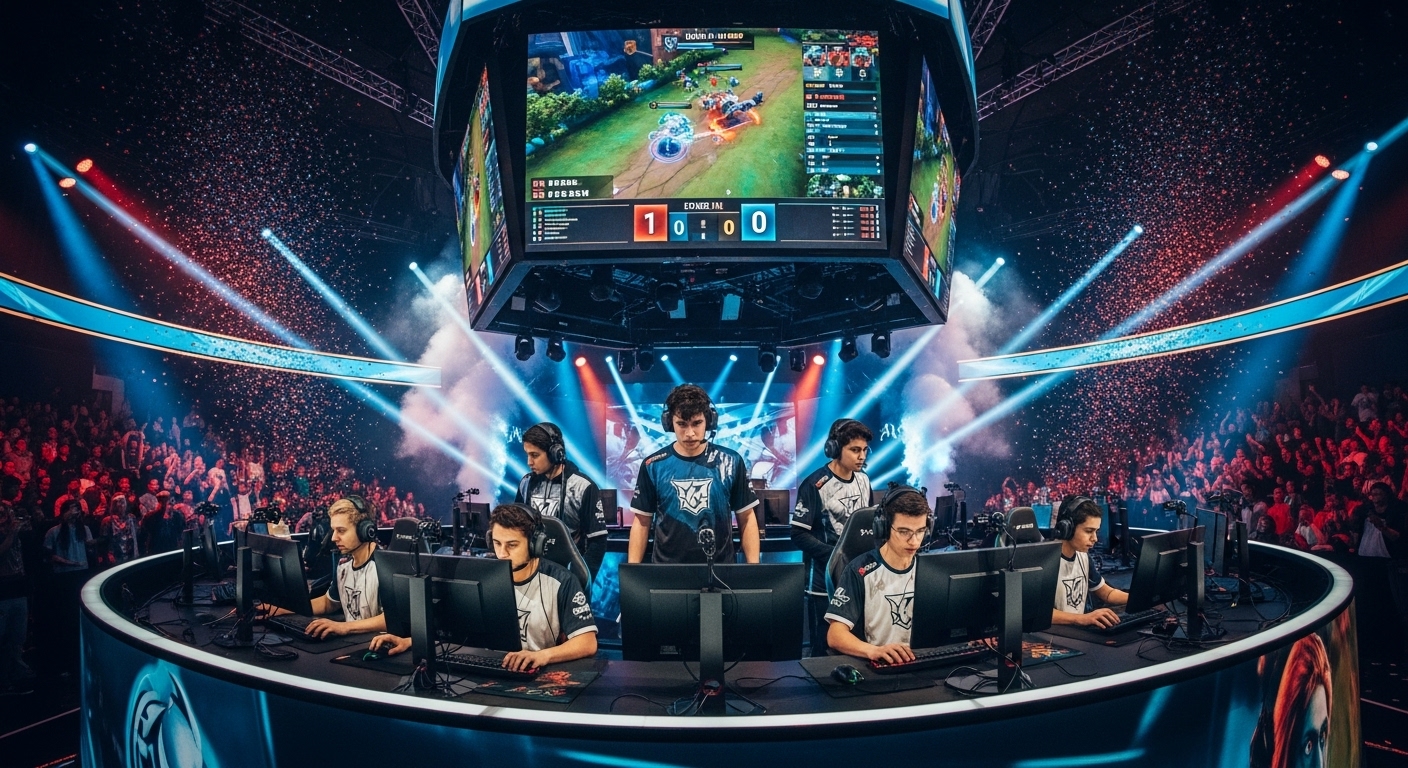
Tournaments are the centerpiece of competitive gaming. They showcase the skill, strategy, and mental resilience required at the professional level. Prestigious events like The International for Dota 2, the League of Legends World Championship, and the Fortnite World Cup offer prize pools worth millions of dollars and attract audiences from across the globe.
These tournaments are meticulously organized, with teams traveling internationally to compete. They also celebrate gaming culture through fan interactions, cosplay, and merchandise. Tournaments provide players with the opportunity to shine and audiences with entertainment that combines excitement, suspense, and skill.
Global Reach and Cultural Impact
Esports has grown into a global industry, transcending geographical and cultural boundaries. Countries like South Korea, China, and the United States have become hubs for competitive gaming, producing top-tier players and hosting major events. Fans from all corners of the world follow competitions, creating an international community united by their love for gaming.
The cultural impact of esports extends beyond competition. It influences music, fashion, and entertainment collaborations. Esports conventions and festivals celebrate the industry alongside broader pop culture, creating an inclusive space for fans, players, and creators alike. The rise of esports demonstrates the power of digital culture in connecting people globally.
Challenges in Esports
Despite its success, esports faces significant challenges. Professional players often experience stress, long hours, and burnout due to the demands of constant practice and competition. Online toxicity, cheating, and the misuse of performance-enhancing software are ongoing concerns.
Regulation and standardization remain a work in progress. Unlike traditional sports, esports spans multiple games, platforms, and organizations, making governance complex. Ensuring fair play, player safety, and sustainable growth requires collaboration among developers, leagues, and governing bodies. Addressing these challenges is essential for maintaining esports’ credibility and longevity.
The Intersection of Esports and Education
Esports is increasingly recognized for its educational potential. Schools and universities are creating esports programs that teach teamwork, strategy, and communication. Students participating in esports can develop problem-solving skills, digital literacy, and leadership abilities. Scholarships for esports players are becoming more common, offering opportunities for youth to combine their passion with academic and career development.
These programs highlight esports as more than entertainment—it is a platform for learning and personal growth. By fostering skills relevant both in and outside of gaming, esports contributes to the development of well-rounded, strategic, and digitally literate individuals.
Technology and Esports
Technology underpins every aspect of esports. High-performance computers, fast internet connections, and specialized peripherals allow players to compete at the highest level. Streaming technology ensures real-time viewing for global audiences. Innovations in artificial intelligence, data analytics, and virtual reality are enhancing training, strategy, and fan engagement.
AI can analyze player performance, optimize strategies, and even predict opponents’ actions. Virtual reality and augmented reality promise immersive experiences that could redefine both competition and spectating. The ongoing technological evolution ensures that esports remains dynamic, accessible, and innovative.
The Future of Esports
The future of esports looks promising, with continued growth in accessibility, audience engagement, and technological integration. Mobile esports is becoming increasingly popular, enabling millions to participate from their smartphones. Virtual reality tournaments may redefine competitive gameplay, while AI-driven tools will enhance both player performance and viewer experience.
Sponsorships, media partnerships, and mainstream recognition are likely to expand, attracting new talent and investment. Esports is moving toward greater inclusivity and professionalism, ensuring it remains a central part of entertainment and culture. As the industry evolves, esports will continue shaping the way people compete, connect, and experience digital entertainment.
Conclusion
Esports has transformed from a casual pastime into a global competitive arena with professional players, international tournaments, and millions of fans. It combines technology, strategy, and entertainment to create a unique form of competition that resonates worldwide. Esports is more than gaming—it is a career, a cultural movement, and a platform for global engagement.
The growth of esports demonstrates that digital entertainment can rival traditional sports in skill, excitement, and community. With the continued evolution of technology, professionalization, and global participation, esports is poised to remain a dominant force in entertainment and culture for decades to come.